The C-section shelf belly can feel like a stubborn little ridge that shows up in the mirror and steals your confidence, but it’s a common postpartum change, not a personal failure. You’re not chasing perfection here, you’re looking for comfort, better function, and a body that feels easier to live in again.
That shelf can come from scar tissue, tight fascia, weak core support, posture changes, or a mix of extra body fat and healing skin. Because of that, gentle postpartum core strengthening exercises and scar care often work better than quick fixes or crash diets.
Real progress usually takes time, patience, and a few different tools working together. The good news is that there are practical ways to soften the look of the shelf and support your body as it heals.
What a C-section shelf belly really is, and why it happens
A C-section shelf belly is the small overhang or bulge that sits above the incision line. It can look like a soft ledge, a fold, or a little pouch that catches your eye in the mirror, especially when you sit, bend, or wear fitted clothes.
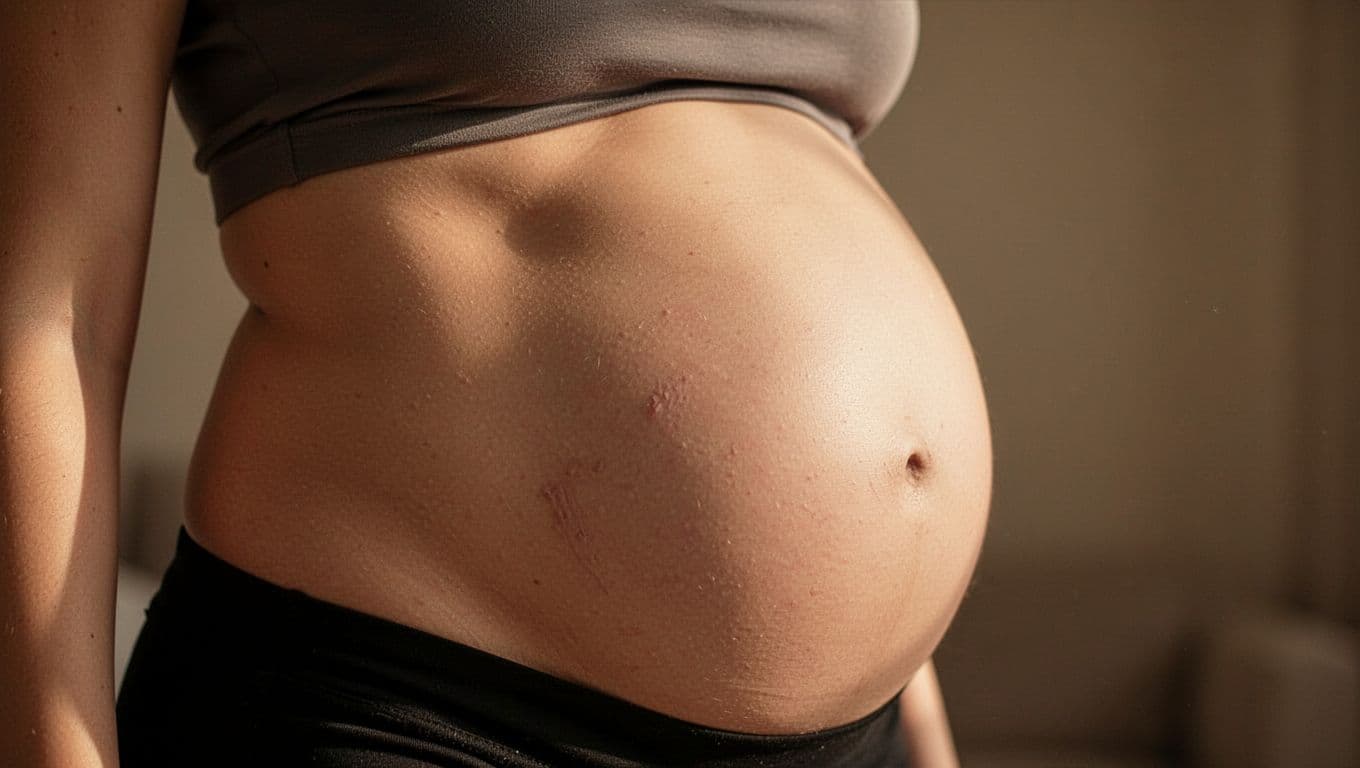
This shape usually comes from more than one change at once. Healing tissue, stretched skin, shifted fat, and weaker abdominal support can all stack together. That is why the shelf can show up even when the scar itself looks neat and closed.
How scar tissue and adhesions can change the belly shape
As the incision heals, the body builds scar tissue to close the area. Sometimes that tissue stays flexible, but sometimes it gets sticky and tight. When that happens, it can pull the skin and deeper layers in one direction, which may create a visible shelf or a tight, tugged feeling.
Those sticky spots are called adhesions. In simple terms, adhesions are places where tissue sticks together when it should glide. Instead of moving smoothly, the skin, fat, and deeper layers can feel glued down.
That pulling does more than change the look of the scar. It can affect how the whole lower belly moves, especially when you stand up straight, twist, or tighten your core. For a broader look at healing after birth, postpartum recovery tips can help you understand why the body needs time.
A scar can heal closed and still pull on the layers around it.
Why fascia tightness and weak core muscles make it more noticeable
Fascia is the thin web of connective tissue that wraps around your muscles and organs. After pregnancy and surgery, that web can feel tight or less supple. When fascia stays stiff, the lower belly may sit forward or fold over the scar more easily.
Core weakness can add to that look. If the deep abdominal muscles are not giving enough support, posture can change and the belly may round outward near the incision. The result is often a lower stomach that looks fuller, softer, or slightly folded over the shelf.
In other words, the shelf is not just about the skin. It often reflects how the deeper support system is working underneath.
When extra belly fat and skin looseness are part of the picture
Pregnancy changes the body in layers, and not all of them bounce back at the same pace. Some people have a shelf mostly from scar tension. Others have loose skin, extra belly fat, or both, and that can make the overhang more obvious.
That does not mean anything is wrong. It means your body may be carrying a mix of healing changes, and each one shapes the lower belly in a different way. Some women notice the shelf more after weight loss, while others see it most when the skin is soft and still adjusting.
One helpful reference is The Vagina Whisperer’s explanation of a C-section shelf, which describes how loose skin and excess fat can add to the shape.
The key point is simple: a C-section shelf belly is usually a blend of scar healing, tissue tension, and body changes after pregnancy. Understanding that mix makes the next steps feel a lot less confusing.
Check what is actually causing the shelf before you try to fix it
A C-section shelf belly can look the same on the outside while coming from very different causes underneath. That matters, because scar care, core work, and posture changes help in different ways.
Sometimes the shelf is mostly scar-related, with tight tissue pulling the lower belly downward. Sometimes it comes more from posture and core weakness, especially if the belly bulges when you move. In many cases, it’s a mix of both, plus loose skin or extra fat from pregnancy.
Before you start chasing fixes, pay attention to what your body is doing. The clues are usually clear once you know where to look.
Signs the scar itself needs attention
A scar that feels tight, tender, or stuck can affect the shape of the lower belly. You may notice pulling when you bend, twist, stand up straight, or press on the area. Some women also feel numbness, burning, or sharp pain around the incision line.
A scar that does not glide well can change how the skin and deeper layers sit. That can make the shelf look more pronounced, almost like the tissue is being held in one place.
Watch for these common signs:
- Tightness around the incision
- Pulling or tugging when moving
- Tenderness when touching the scar
- Numb patches near the cut
- Pain when bending, coughing, or getting up
Scar tightness is worth taking seriously, especially if the area feels stuck or uncomfortable most days. For more general healing support, holistic postpartum recovery tips can help you see how scar care fits into the bigger picture.
How to tell if diastasis recti may be part of the problem
Diastasis recti is abdominal separation, and it often shows up as a soft belly bulge or a weak spot in the middle of the abdomen. You may see doming when you sit up, lift your head, or get out of bed. The center line may feel thin, weak, or hard to control.
This usually looks more like a general midline bulge than a sharp shelf right above the scar. You might also notice that your core feels slow to turn on, especially during lifting, coughing, or holding your baby.
A simple clue is this, if your belly pushes outward in the middle when you strain, your core may need more support.
When to get checked by a doctor or pelvic floor physical therapist
Some symptoms need a trained eye. Get checked if you have ongoing pain, severe tightness, bowel or bladder issues, heavy bleeding, or a scar that looks red, hot, swollen, or inflamed.
A doctor or pelvic floor physical therapist can sort out what is really driving the shelf. That matters, because the best treatment depends on whether the main issue is scar tissue, core weakness, or both. In some cases, a clear exam saves you months of guessing. You can also read more about why postpartum recovery takes time, because healing rarely moves in a straight line.
Smart ways to treat a C-section shelf belly at home
A C-section shelf belly rarely changes overnight, but small habits can shift how it looks and feels over time. The goal is to help the scar move better, wake up the deep support muscles, and reduce strain on the lower belly. That means working with your body, not against it.
The best home care starts gently and stays consistent. Once your incision is fully healed and your clinician has cleared you, simple scar work, basic core rehab, better posture, and supportive garments can all help. These steps are not flashy, but they often make the biggest difference.
Scar massage and gentle mobility work
Scar massage may help once the incision is fully closed, dry, and cleared by your clinician. When the tissue is ready, gentle massage can soften tight spots, improve glide, and reduce the tugging that makes the shelf look more defined. It can also help the skin feel less numb or sensitive around the scar.
Start with very light pressure. It should feel like firm skin contact, not pain. A warm shower, clean hands, and a relaxed position with bent knees can make it easier. You might begin by rubbing the skin around the scar, then try small circles, side-to-side movement, and a gentle lift-and-roll motion.
If the scar is red, open, crusted, or painful, wait. Massage too soon can irritate healing tissue.
For a step-by-step example, this C-section scar massage guide shows the kind of gentle pressure many people use. If the scar feels tender, take breaks and return later. Slow progress is still progress.
Core and pelvic floor exercises that support the lower belly
The best early core work is quiet and controlled. Think breath, not burn. Deep belly breathing, light pelvic floor engagement, and gentle lower-ab activation can help your body remember how to support the center line again.
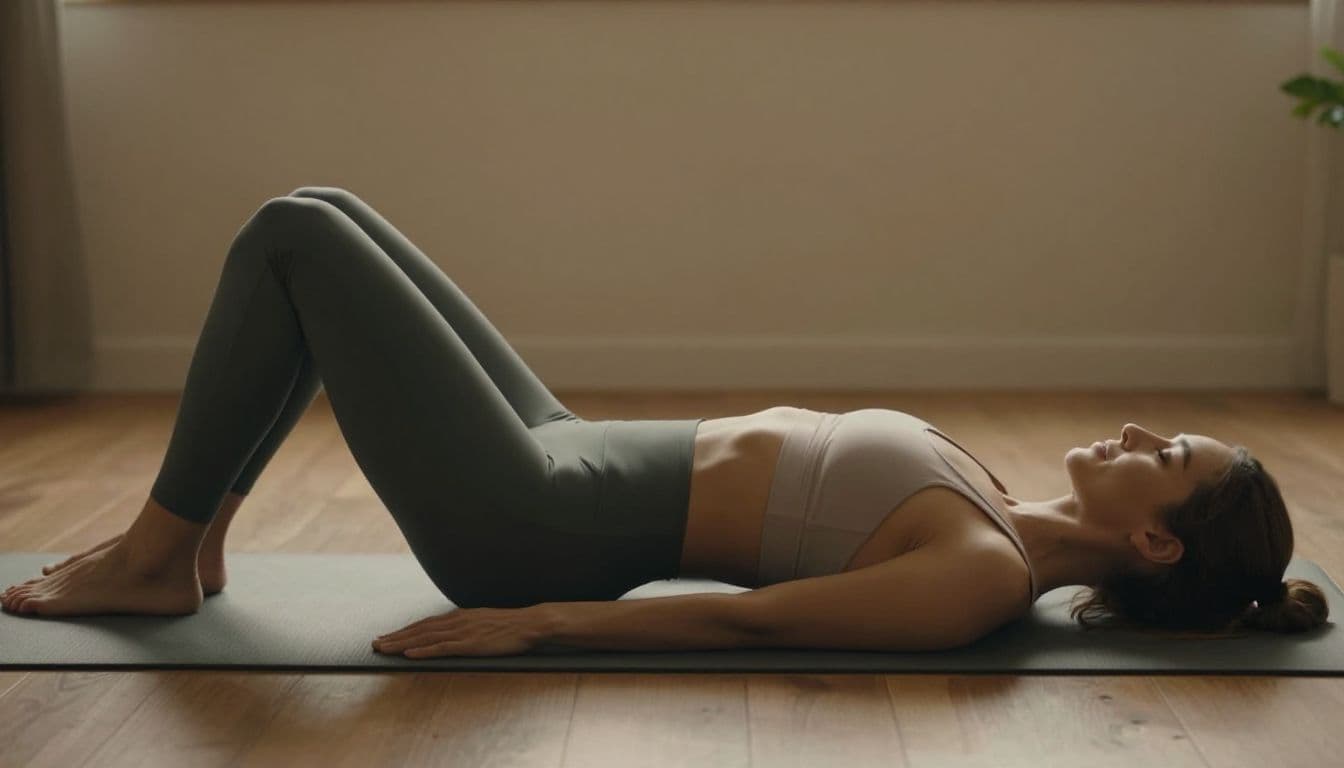
The point is not to punish your stomach with crunches. Instead, you want better support from the inside out. Try breathing in so your ribs expand, then exhaling while gently drawing the lower belly inward and lifting the pelvic floor with a soft squeeze.
That same slow approach is the heart of postpartum recovery exercises. If you feel doming, pressure, pain, or leaking, back off and choose easier movements. Your core should feel awake, not strained.
How posture, walking, and daily habits can reduce the shelf look
Posture changes after pregnancy can make the lower belly look more pronounced. When the ribs tip forward, the pelvis drops, or the shoulders slump, the shelf has more room to show. Standing tall helps the abdomen stack in a more balanced way.
Keep your ribs over your pelvis when you stand, sit, and pick up your baby. That upright position gives your deep core a better chance to work. Regular walking helps too, because it wakes up the hips, spine, and abdominal wall without harsh pressure.
Small habits matter here:
- Stand with your weight even on both feet.
- Keep your chest open instead of collapsed.
- Walk often, even if the walks are short.
- Avoid long stretches of slumping on the couch.
Simple movement and better posture are part of holistic postpartum recovery tips, and they can make the shelf less obvious day by day.
Why belly wraps and compression garments can help early on
In the early postpartum weeks, a belly wrap or compression garment can offer comfort and support. Many women like the feeling of gentle stability when they move, stand, or carry their baby. It can also remind you to hold yourself a little more upright.
That support can make daily tasks feel easier. However, these garments do not flatten the shelf for good. They are helpers, not fixes. Once you take them off, the real work still comes from healing tissue, stronger core support, and steady habits.
Use compression as a short-term tool if it feels good on your body. If it pinches, digs in, or makes breathing harder, skip it. The best support is the kind that helps you move with less strain, not the kind that hides the problem for a few hours.
What really helps when the shelf will not go away on its own
Some C-section shelves soften with time, while others need a more focused plan. That can feel frustrating, especially when the lower belly barely changes even after the scale moves. The truth is simple: if scar tissue and fascia are part of the problem, body fat loss alone may not change the shape much.
That does not mean weight loss is pointless. Lower body fat can make the shelf less visible, and for some people that helps a lot. Still, a tight scar can keep pulling the skin downward like a drawstring, even in a smaller body. The same goes for stiff fascia, which can hold the area in a folded or puckered shape.

Why weight loss alone may not fix the problem
Losing fat can change the overall outline of the belly, but it does not release adhesions or loosen tight scar tissue. If the shelf is being held in place by deeper tissue tension, the ridge may stay put, even when your clothes fit differently.
That is why some women feel confused after losing weight. The stomach may look smaller, yet the shelf still sits there like a crease in a shirt that needs steaming, not shrinking. In those cases, the real issue is not just size, it’s how the layers underneath are moving.
How pelvic floor physical therapy can speed up progress
A postpartum PT can help you work on the parts you cannot see. That may include scar mobilization, gentle soft-tissue work, posture correction, breathing mechanics, and core retraining. When the scar starts to glide better, the lower belly often feels less tight and less pulled.
PT can also teach you how to use your deep core without bracing hard. That matters because bracing can make the belly bulge more, while calm breathing and controlled movement help the center line work again. Pelvic floor physical therapy after C-section is often a smart next step when the shelf feels stuck.
If the scar feels stuck, sore, or oddly numb, movement plus guided hands-on care often helps more than another diet plan.
A therapist may also spot habits you miss, like rib flare, pelvic tilt, or a weak exhale pattern. Those small fixes can make daily movement easier and the shelf less obvious over time.
When cosmetic surgery may be an option to discuss
Sometimes the shelf is tied to severe loose skin, a painful scar, or tissue that does not respond to conservative care. In those cases, a medical consultation about surgery may be reasonable. That conversation should be careful and realistic, because surgery is not the first answer for most people.
If the scar itself hurts, pulls hard, or keeps affecting your comfort, ask a qualified clinician what is going on. A good evaluation can help you decide whether you need more rehab, more time, or a surgical opinion. For a better sense of what scar treatment can involve, this overview of C-section scar problems gives useful context.
How to keep your results and feel better in your body long term
The biggest shift happens when you stop chasing a quick fix and start protecting the progress you already made. A C-section shelf often changes slowly, and some days it looks flatter while other days it looks more obvious. That kind of back-and-forth is normal, so long-term success depends on steady habits, not perfect weeks.
Small choices add up. The right mix of movement, scar support, and body kindness can help your stomach feel less tight and your whole core feel more at ease.

Set goals around function, comfort, and confidence
A flatter stomach can be part of the picture, but it should not be the only goal. Focus on what your body can do, how your scar feels, and how confident you feel in your clothes.
That might mean less pulling when you bend, easier walks, or better support when you pick up your child. It might also mean the scar feels softer and your belly feels less tender by the end of the day.
A few useful long-term goals look like this:
- Move with less strain
- Feel less tightness near the scar
- Stand taller with less effort
- Wear clothes that feel good now
Healing is easier to sustain when you measure progress by comfort, not perfection.
For body image support, postpartum self-care ideas can help you keep the focus on daily care, not pressure.
Build a simple routine you can actually stick with
You do not need a hard workout plan to keep your results. A short walk, a few gentle core moves, scar care, and posture checks can do more than occasional intense exercise.
A simple routine is easier to repeat, and repetition is what helps your body adapt. Try to keep your habits small enough to fit real life, even on tired days.
A steady routine might include:
- Five to ten minutes of gentle core work
- A daily walk, even if it is short
- Scar massage or skin care when cleared
- Quick posture resets during the day
Also, give yourself room for healing to shift. Some weeks feel smooth, others feel heavy, and both belong to recovery. As Cleveland Clinic notes, postpartum healing affects the body and mind, so your routine should support both.
A routine you can keep is the one that keeps helping.
Conclusion
A C-section shelf belly is common, and it can improve with the right care. For many women, the turning point is not chasing quick weight loss, but understanding what is driving the shape in the first place.
When scar tissue, tight fascia, weak core support, or extra skin are part of the picture, the best results usually come from a mix of scar care, gentle core rehab, steady movement, and expert help when needed. That approach gives the body a better chance to heal in a way that feels stronger and more comfortable.
The change may be slow, and some days will feel more discouraging than others. Still, progress is possible, and every small step can help your lower belly feel less tight and more like your own again.
Save pin for later

- 20 Baby Shower Table Decor Ideas - July 22, 2026
- How To Raise A Confident Child - June 19, 2026
- Age-Appropriate Chores For Kids (By Age Group) - June 19, 2026