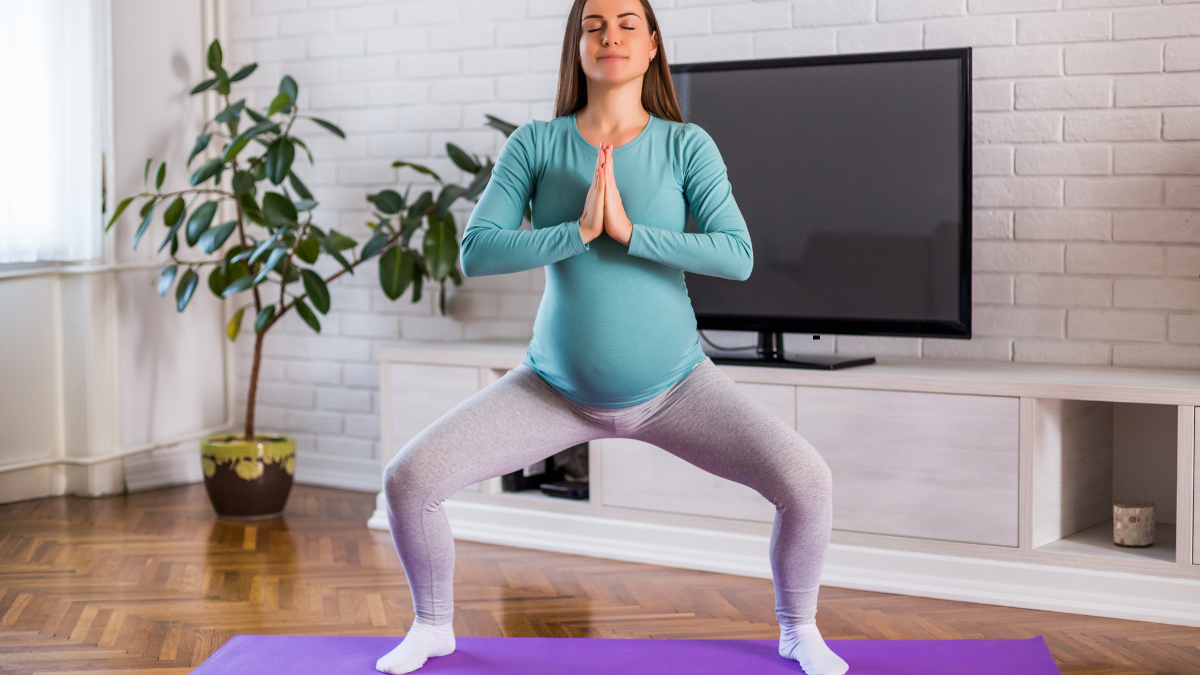

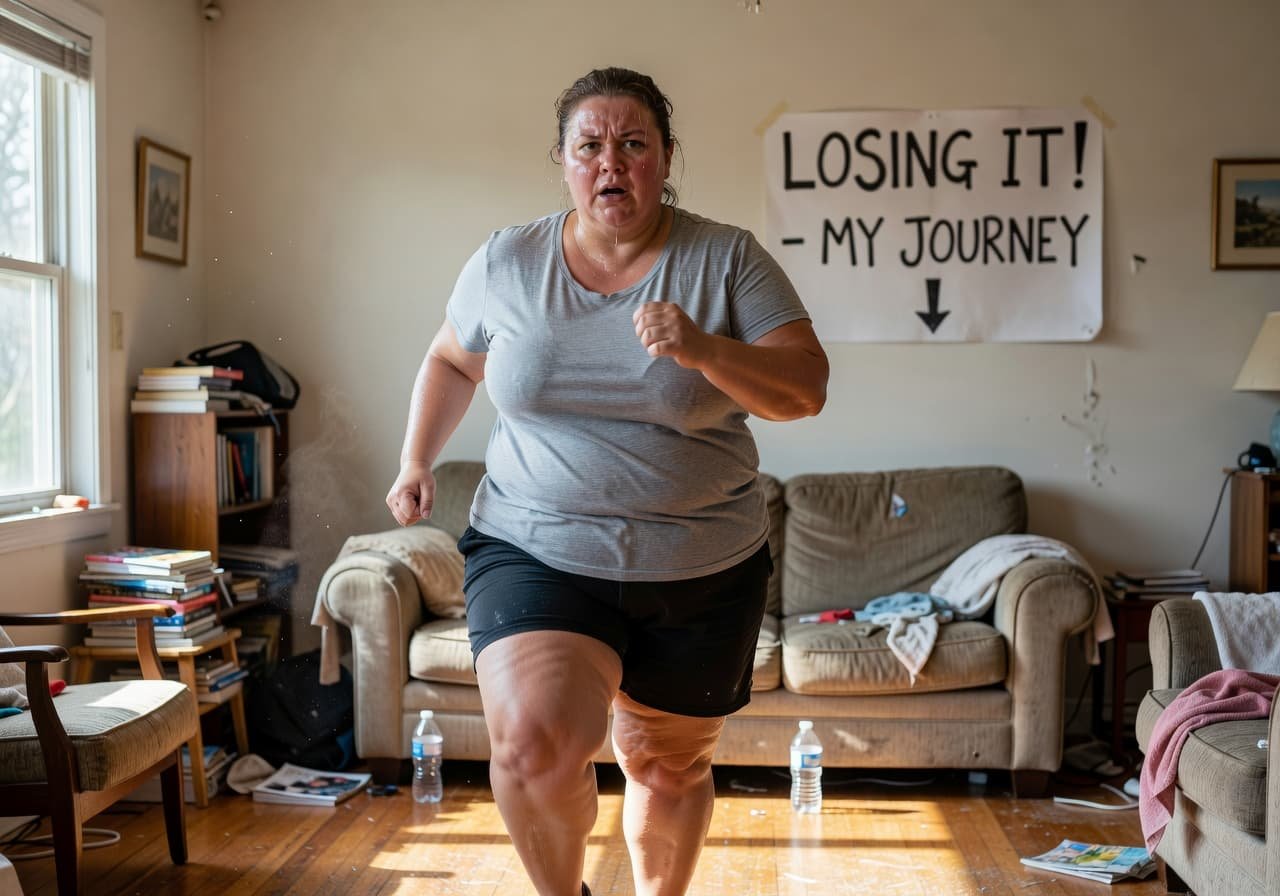
If you want to lose weight with exercise, the best place to start is simpler than most people think: move more, stay consistent, and keep your workouts realistic. Exercise helps you burn calories, build muscle, and make it easier to keep the weight off once it starts coming down.
You do not need punishing workouts or a perfect routine to see results. A beginner-friendly plan that fits your life will work better than short bursts of extreme effort, and pairing movement with healthy eating gives you the strongest chance of steady progress. If you want a place to start, try a 20-minute fat-burning workout for total beginners, then build from there.
What You Need to Know Before You Start
Before you start exercising for weight loss, get the basics straight. Weight loss happens when your body uses more energy than you take in, and exercise helps create that gap. Food choices still matter, though, because workouts work best when they sit beside better meals, enough sleep, and lower stress.
Results also take time. A plan that feels easy to repeat will almost always beat a perfect plan you quit after two weeks. If you want lasting change, focus on habits you can keep on busy days, tired days, and messy days.
Why calories burned matter, but habits matter more
Calories burned matter because they help tip the balance toward fat loss. A walk, strength session, or cardio workout all add to your daily energy use. That said, the real win comes from doing those things often enough that they become part of your week, not just part of a short burst of motivation.
A person who walks 20 minutes most days often gets farther than someone who does one brutal workout and quits. Small workouts are easier to repeat, easier on your schedule, and easier to keep up when life gets busy. For many beginners, consistency is the engine that drives progress.
The best workout plan is the one you can keep doing when motivation drops.
That idea lines up with Mayo Clinic’s weight loss advice, which puts lasting lifestyle change ahead of quick fixes. Short sessions still count, and they often build the confidence that keeps you moving.

How exercise helps you keep muscle while losing fat
Exercise does more than burn calories. Strength training helps protect your muscles while the scale goes down, which matters because muscle helps your body stay firm and strong. If you only cut calories and never train, you may lose more muscle than you want.
Keeping muscle also supports your metabolism. Muscle tissue uses more energy than body fat, so preserving it helps your body work more efficiently during weight loss. It also changes how you look, since a stronger body often looks tighter and more defined as fat comes off.
You don’t need fancy equipment to get started. Bodyweight squats, wall push-ups, resistance bands, and light dumbbells can all help. If you want a simple start, try why women need strength training for a clear look at why muscle work matters so much.
What realistic weight loss looks like
Healthy weight loss is usually slow and steady. The scale may move down one week, hold the next, and shift again later. That pattern is normal, because water, salt, hormones, sore muscles, and digestion can all change what you see day by day.
A better approach is to watch more than the scale. Pay attention to how your clothes fit, how far you can walk without getting tired, and whether your energy feels steadier during the day. Those signs often show progress before the scale does.
A simple weekly check can keep things real:
- Weight trends: Look at the week as a whole, not one morning.
- Energy levels: Notice if you feel less drained after normal tasks.
- Stamina: See whether workouts and walks feel easier.
- Clothing fit: Loose waistbands and better fit can tell a clear story.
The CDC says healthy weight loss works best with regular activity, healthy eating, sleep, and stress management. You can read more in the CDC’s guide to losing weight. That kind of steady plan gives you a better shot at keeping the weight off, too.
The Best Types of Exercise for Losing Weight
The best exercise for weight loss is the one you can repeat often enough to build momentum. That usually means starting with simple movement, then adding more challenge as your body gets used to it. You do not need the hardest workout plan on day one. You need a mix that helps you burn calories, protect muscle, and stay consistent.
For most beginners, walking, strength training, cardio, and intervals each play a different role. Walking is easy to keep up. Strength work helps your body hold on to muscle. Cardio raises calorie burn. Intervals can come in later when you want more intensity without longer sessions.

Walking is the easiest place to begin
Walking is one of the best weight loss exercises for beginners because it asks very little from your body while still helping you burn calories. It is low impact, so it’s gentler on your knees, hips, and ankles than harder workouts. That makes recovery easier, too, which matters when you are just getting started.
You can walk almost anywhere, around your neighborhood, at a park, in a mall, or on a treadmill. You do not need special gear or a big block of time. If you can fit in 10 to 20 minutes, you already have a useful workout.
The real power comes from doing it often. Brisk walking raises your effort level without making the workout feel punishing, and adding more steps across the day can make a big difference over time. If you want a simple, repeatable starting point, walking is hard to beat. The Mayo Clinic’s walking guidance also supports walking as a practical way to help with weight loss.
Strength training helps your body work harder all day
Strength training helps weight loss in a different way. It builds lean muscle, and muscle helps your body burn more energy during everyday life. That means your workouts can become more effective over time, even if the scale moves slowly at first.
You do not need a barbell to start. Simple moves like squats, push-ups, lunges, rows, and planks can train major muscle groups and improve your shape as you lose fat. Bodyweight exercises are a smart choice because they are easy to learn and easy to scale.
A beginner can start with two or three full-body sessions each week. Keep the reps manageable, focus on good form, and add more challenge later. If you want a straightforward place to begin, the American Council on Exercise has practical exercise ideas that fit real life.
Cardio can raise your calorie burn
Cardio is useful because it helps create a calorie deficit, which matters for weight loss. It also supports heart health, improves stamina, and can make daily life feel easier. When you do cardio often enough, you usually notice better energy and less getting-winded-from-everything fatigue.
The best cardio is the kind you will actually keep doing. Cycling, swimming, jogging, dancing, and rowing all work well, but they do not all feel the same. If running feels miserable, choose biking or swimming. If machines bore you, try dancing or a fast walk with hills.
A good sign you picked the right option is that you can imagine doing it again next week. That is what makes cardio useful for weight loss, not just one sweaty session.
When interval training makes sense
Interval training uses short bursts of harder effort followed by recovery. It can be a good tool later, after you have built some base fitness. Done well, it can help you get more work into less time, which is handy when your schedule is tight.
Still, intervals are not the best starting point for everyone. If you are new to exercise, they can feel too intense and make you dread your next workout. Consistency matters more than intensity at the beginning, so don’t rush into hard intervals before you’re ready.
A better path is to build a routine first, then add short intervals once your body feels prepared. For example, you might walk briskly for one minute, then recover at an easier pace. That keeps the effort useful without turning every workout into a test.
The right exercise plan for weight loss is the one you can keep repeating, not the one that wipes you out.
A simple mix often works best: walk most days, strength train a few times a week, and add cardio or intervals when you want more challenge. That balance gives you calorie burn, muscle support, and a routine that fits real life.
How to Build a Weight Loss Workout Plan You Can Stick With
A good workout plan for weight loss feels steady, not punishing. It gives you structure without turning every week into a test of willpower, and that matters because the best plan is the one you can repeat.
Start with a routine that fits your current energy, your schedule, and your fitness level. If the plan is too big, you will skip it. If it is simple enough to fit into real life, you can build momentum and keep going.
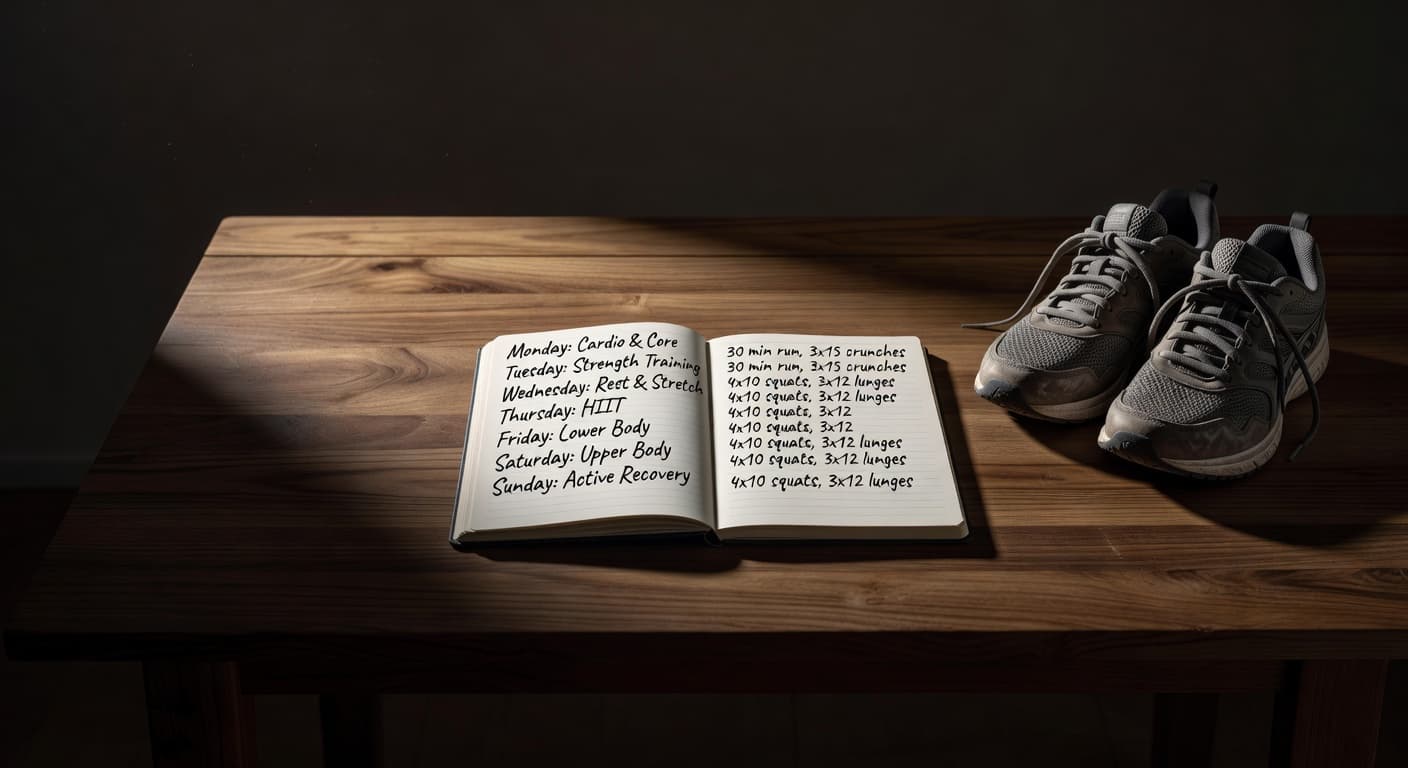
Start with a simple weekly routine
A beginner-friendly week does not need to look complicated. You can keep it balanced with a few walking days, two strength sessions, one longer cardio day, and a couple of easier days for recovery.
One simple example looks like this:
- Monday: 20 to 30 minutes of brisk walking
- Tuesday: Full-body strength training
- Wednesday: Light walk or stretching
- Thursday: 20 to 30 minutes of brisk walking
- Friday: Full-body strength training
- Saturday: Longer cardio, such as a walk, bike ride, or swim
- Sunday: Rest
That setup gives you movement without overload. It also leaves room for busy days, sore muscles, and normal life. If five workout days feels like too much, cut it back and start with four. A plan you can keep is better than a perfect one you abandon after a week.
For more ideas on creating a realistic fitness routine, the Mom With Vibe morning routine guide has simple habits that fit busy days well.
How long and how often to work out
Most beginners do well when they move most days of the week. That does not mean every workout has to be long. In the beginning, 20 to 30 minutes is enough to build the habit and start improving fitness.
As your stamina grows, you can stretch some sessions to 40 or 45 minutes. Cardio days can stay moderate, while strength days can stay shorter if you keep the pace focused. The point is to keep showing up without draining yourself.
A useful rule is to work out often enough to stay in rhythm, but not so much that you dread the next session. Short workouts still count, and they often feel easier to repeat. Anytime Fitness also recommends a realistic beginner structure built around manageable sessions and steady weekly movement.
Progress slowly so you do not quit or get hurt
Progress works best when you add a little at a time. You might walk a few more minutes, lift slightly heavier weights, or raise your pace only when your body feels ready.
That slower approach protects you from the common trap of doing too much too soon. Pushing hard right away can leave you sore, tired, or frustrated, and that often leads to skipped workouts. Small increases keep your plan moving forward without making it feel like punishment.
A good way to progress is to change just one thing at a time:
- Add 5 minutes to a walk.
- Use a slightly heavier dumbbell.
- Increase one extra set.
- Move a little faster during cardio.
- Add another workout day only when the current week feels easy.
If your plan leaves you too sore to move, it needs to be easier, not tougher.
That kind of gradual setup helps you build confidence as well as fitness. A beginner can grow fast just by being consistent and patient.
Use rest days to get better, not just to stop
Rest days are part of the workout plan, not a break from it. Your body uses recovery time to repair muscle, lower soreness, and get you ready for the next session.
You do not have to be completely still on rest days. Light walking, stretching, easy cycling, or yoga can keep your body loose without adding much stress. Good sleep also matters, because recovery happens well when you actually rest.
If you want to stay consistent, treat easier days as support days. They keep your routine from feeling heavy, and they help you avoid burnout. That is one reason a balanced week works so well, it gives you effort and relief in the same plan.
A simple rest-day checklist can help:
- Walk a little: A short stroll keeps blood moving.
- Stretch gently: Focus on tight hips, hamstrings, shoulders, and back.
- Sleep well: Aim for a full night so your body can recover.
- Lower the pressure: Easy days are part of progress, not a sign of failure.
For a broader look at staying active in a way that lasts, the weekly wellness habits guide is a good fit for building healthy routines around busy schedules.
Make Exercise Work Better with Smart Daily Habits
Exercise helps, but it works best when the rest of your day supports it. If your meals are out of balance, your sleep is short, and your routine is all over the place, workouts have a harder job. Small daily habits help create the steady calorie deficit that leads to weight loss without making everything feel extreme.
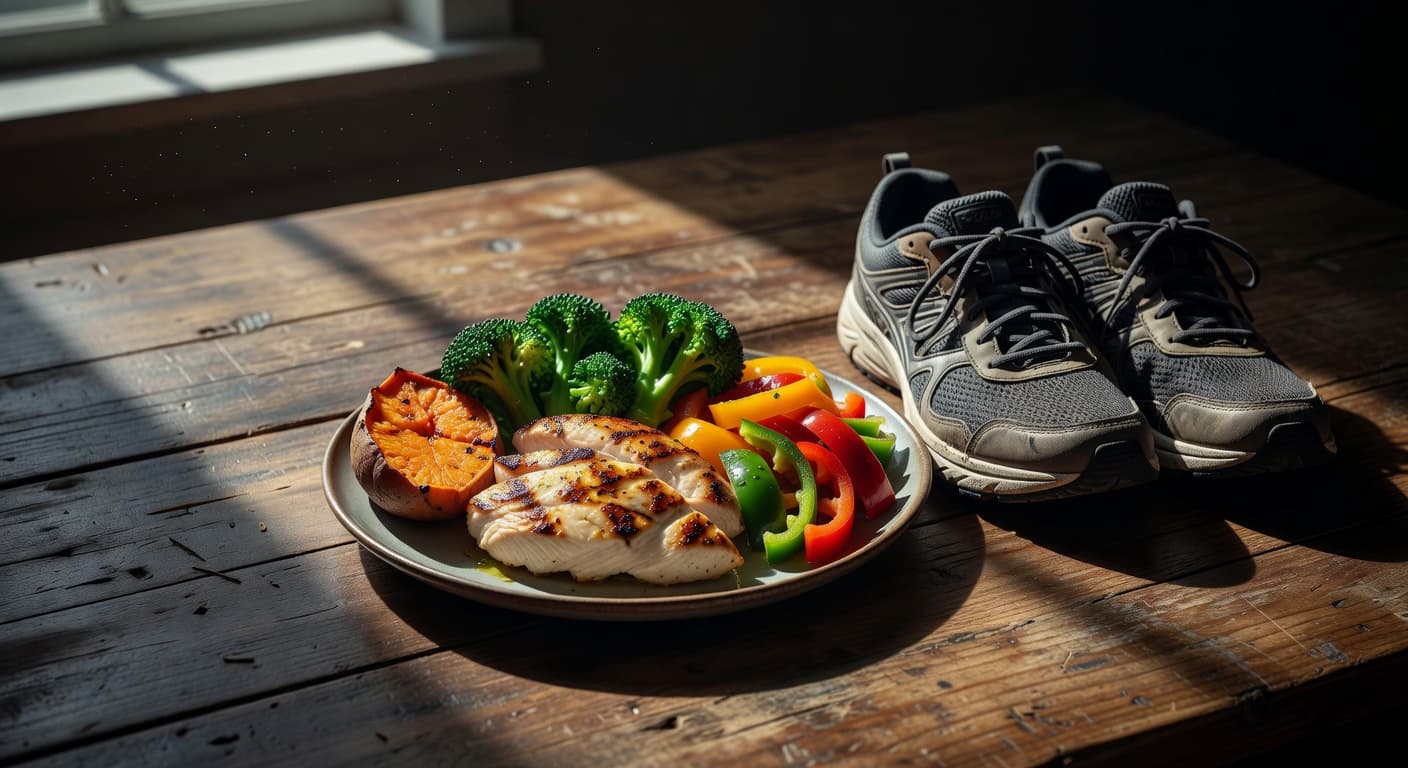
Eat in a way that supports your workouts
What you eat matters just as much as how often you move. Balanced meals with protein, vegetables, fiber, and smart portions help you feel full and recover better after exercise. The goal is simple, eat in a way that supports fat loss instead of canceling out your progress.
Portion control helps here. You do not need to eat tiny meals, but you do want to avoid treating every workout like a free pass to overeat. A solid rule is to build meals around lean protein, add a fruit or vegetable, and keep high-calorie extras in check.
That works well for real life, too. If you finish a walk and reward yourself with a huge takeout meal every time, the calorie burn disappears fast. The Mayo Clinic’s weight loss guidance backs this up by pointing to lasting eating habits alongside regular activity.
Track more than the scale
The scale can move slowly, even when your body is changing. Water retention, sore muscles, salt intake, and hormones can all hide progress for a while. That is why it helps to watch the bigger picture.
Pay attention to a few signs:
- Energy levels: Do you feel less drained during the day?
- Body measurements: Is your waist, hips, or arms changing?
- Workout strength: Can you walk farther or lift more than before?
- Clothing fit: Do your clothes feel looser or more comfortable?
The CDC also points to regular activity, food choices, sleep, and stress management as part of healthy weight loss. You can see that approach in the CDC’s weight loss advice. Progress often shows up in how you feel before it shows up on the scale.
Pick exercise you actually enjoy
Enjoyment matters because it keeps you consistent. If you hate every workout, you will keep finding reasons to skip it. However, when the activity fits your personality and your schedule, it becomes much easier to repeat.
Maybe you like solo walks, dance videos, bike rides, or strength training at home. Maybe you do better with short sessions than long gym visits. Choose what matches your body and your life, because the best plan is the one you can stick with week after week.
For some people, even a simple mindful movement routine for busy moms makes exercise feel more doable. The right fit matters more than the fanciest plan.
Stay consistent when motivation drops
Motivation will drop. That is normal, so build a plan that still works on low-energy days. Small goals help here, because they lower the pressure and keep you moving.
Try a few simple habits:
- Plan your workouts ahead of time.
- Keep a workout buddy for accountability.
- Focus on the next session, not a perfect week.
- Make healthy food easy to grab.
- Forgive one off day and move on.
When you want to quit, do less but stay in motion. A short walk, a lighter workout, or a simple meal plan still counts. As Mayo Clinic notes on weight loss success, lasting habits matter more than short bursts of effort.
Conclusion
Losing weight with exercise works best when you keep it simple. Walking, strength training, and cardio each help in a different way, but consistency is what turns them into results.
Rest matters too, because your body needs time to recover and keep showing up. When you pair steady movement with realistic habits, the scale becomes easier to manage and the routine feels less like a burden.
The goal is not a perfect plan. The goal is a plan you can keep doing, even on busy weeks, tired days, and imperfect ones.
Save the pin for later

- How to Stop Using a Pacifier: Benefits and Weaning Tips - September 20, 2026
- 20 Mountain Baby Names for Boys and Girls With Meaning - September 20, 2026
- 20 Tough Boy Names and Their Meanings - September 20, 2026