Picture a dark room, a single flashlight glowing under someone’s chin, and a scary story passing around the circle of friends. The best horror stories for teenagers create that nervous excitement without depending on graphic gore, so everyone can enjoy the fear and still sleep afterward.
This collection includes ten books and story collections with different moods, including supernatural chills, eerie folklore, psychological suspense, monsters, graphic horror, and socially aware stories about fear and power. Since every teen has a different comfort level, each pick includes age guidance and content cautions to help teenagers, parents, and educators choose a comfortable fit. For more ideas on supporting your teenager’s emotional well-being, keep the conversation open before and after a particularly intense story.
Grab a flashlight, gather your bravest friends, and start with the first collection ranked by scare level. You can also set the mood with this animated horror story compilation.
Interesting Horror Stories for Teenangers That Are Scary Without Being Too Graphic
Short-story collections work well for younger readers because you can sample one story at a time. If the mood becomes too intense, you can close the book and return later without leaving a long plot unfinished. These three recommendations offer supernatural suspense, eerie settings, and memorable scares without making graphic violence the main attraction.
All Hallows’ Eve: 13 Stories for Classic Halloween Chills
Vivian Vande Velde’s All Hallows’ Eve: 13 Stories is a fast-moving collection built for readers who enjoy Halloween danger, haunted places, and supernatural surprises. The stories include ghosts, vampires, eerie encounters, and situations that quickly turn a night of fun into something much more threatening. Some involve possessions or frightening discoveries, while others focus on a prank that goes badly.
The short format keeps the scares moving. Readers don’t have to wait through several chapters before something strange happens, which makes this collection a good choice for teens who prefer quick bursts of suspense. A listing for the book describes stories involving possessed cars, haunted crypts, and psychics in this overview of the collection.
Vande Velde varies the tension from story to story, so the book can match different moods. One tale may create a playful Halloween shiver, while the next feels darker and more dangerous. The collection is generally recommended for readers around age 12 and up. Still, parents may want to preview individual stories because a few include disturbing images or teens in peril.
The Restless Dead: Ten Original Tales of the Supernatural
Edited by Deborah Noyes, The Restless Dead: Ten Original Tales of the Supernatural gathers ghost stories and unsettling mysteries from several writers. Contributors include Kelly Link and Annette Curtis Klause, giving the collection a range of voices and supernatural styles. Each tale carries the same uneasy idea: the past may be finished for the living, but it isn’t always finished for the dead.
Ghosts and restless spirits drive much of the suspense, yet the stories don’t depend on bloody scenes to create fear. Instead, a strange clue, an unfinished promise, or an unexplained return can make an ordinary place feel unsafe. That approach gives teen readers plenty to discuss after each story, especially when the ending leaves room for interpretation.
The anthology’s variety also makes it easy to read in short sessions. One story may focus on a haunting, while another builds tension around a mystery that refuses to stay buried. It suits teenagers who want a spooky atmosphere and supernatural ideas without extreme gore. Because the intensity differs between contributors, readers can pause after a gentler tale or continue when they want a stronger scare.
The Dark-Thirty: Southern Tales of the Supernatural
Patricia McKissack’s The Dark-Thirty: Southern Tales of the Supernatural, illustrated by Brian Pinkney, uses folklore, history, and community memory to create its scares. The ten stories take place in Southern settings where old warnings, family stories, and local legends still shape daily life. A ghost may appear beside a road, a warning may follow a community for generations, or an injustice from the past may return in supernatural form.
The fear grows from atmosphere and history rather than nonstop violence. McKissack connects the supernatural with African American experiences, including slavery, segregation, and the civil rights era. That context gives each story emotional weight, but it also means parents should know that some tales mention racism, racial slurs, lynching, and historical violence.
Teen readers who enjoy ghost stories with cultural detail will find plenty to consider here. Pinkney’s illustrations add shadowy visual breaks between tales, while McKissack’s settings make the stories feel rooted in real places and memories. The book is often recommended for middle-grade readers, although mature historical content makes it a good choice for shared discussion and building emotional intelligence through stories.
Modern YA Horror Anthologies Bring Fresh Voices and Bigger Ideas
Today’s teen horror often reaches beyond ghosts and monsters. These collections also examine identity, friendship, race, mental health, power, and social pressure. As a result, the fear can feel personal as well as supernatural, giving readers more to discuss after the final story.
Black Girls Horror Offers Representation Alongside Supernatural Fear
The Black Girl Survives in This One: Horror Stories is the collection sometimes described as Black girls horror. Edited by Desiree S. Evans and Saraciea J. Fennell, it brings together about fifteen stories centered on Black girls who face monsters, spirits, dangerous people, and frightening situations. The anthology includes writers such as Erin E. Adams, Justina Ireland, L. L. McKinney, and Brittney Morris.
The stories move through psychological thriller, monster horror, and supernatural danger. Some fears come from an otherworldly threat, while others grow from real-world risks that young Black girls may recognize more clearly. Readers can find a useful overview of the collection in this Black girl horror anthology listing.
Representation matters in a genre where many classic horror stories have not centered Black teen characters as heroes, survivors, or full participants in the mystery. Seeing a character who shares your background face fear can change how a scary story feels. It also gives other readers a wider view of whose experiences belong in horror.
The tone changes from one story to the next, so check individual summaries if your teen is sensitive to intense psychological scenes, violence, or real-world threats. This collection suits readers around age 13 and older, although maturity and personal comfort matter more than a single age label. Parents can help by asking which kinds of fear feel exciting and which ones feel too close to home.
The White Guy Dies First Examines Fear, Power, and Injustice
The White Guy Dies First: 13 Scary Stories of Fear and Power gathers horror from authors such as Faridah Àbíké-Íyímídé, Kalynn Bayron, Tiffany D. Jackson, and Terry J. Benton-Walker. Although Jordan Peele’s name is closely connected with the project, the anthology is edited by Terry J. Benton-Walker. That distinction matters when readers search for the book or check library catalogs.
The collection uses horror to examine racism, mental health, power dynamics, and systemic oppression. Monsters and supernatural events appear, but they share space with fear created by unfair systems, harmful relationships, and the pressure to stay silent. Each story asks who gets believed, who gets protected, and who is forced to carry the danger alone.
Older teens may appreciate the way these stories connect personal fear with social injustice. However, the book is more demanding than a simple monster anthology. Violence and emotionally difficult real-world issues make it a better choice for many readers around age 14 and up. A calm conversation about content can help teenagers decide whether they feel ready.
The most frightening parts may come from situations that could happen outside a haunted house.
Defy the Dark Turns Nighttime Into the Main Character
Edited by Saundra Mitchell, Defy the Dark brings together seventeen YA horror stories built around darkness and nighttime fears. Every author interprets that idea differently. One story may focus on a strange place after sunset, while another uses darkness to hide a supernatural threat or change the rules of ordinary life.
That variety is the anthology’s main strength. Readers encounter different settings, supernatural dangers, and ideas about what waits beyond the reach of a porch light. The stories can include vampires, werewolves, zombies, paranormal events, fantasy elements, and more unusual forms of nighttime danger, while keeping the shared focus on darkness.
This makes Defy the Dark a strong choice for teens who want variety without losing a clear connection between stories. The collection works well for readers around age 13 and older, but intensity differs by author. Some tales may feel eerie and imaginative, while others create sharper suspense or more disturbing images. Checking summaries first can help sensitive readers choose the right moment to begin.
Illustrated, Psychological, and Suspenseful Horror for Teen Readers
The next four picks suit readers who want a particular kind of fear. Some rely on shadows and strange ideas, while others bring sharper danger, revenge, or violent themes. Use the descriptions and content cautions to find a horror story that matches your comfort level.
Through the Woods Makes Visual Horror Feel Close and Unavoidable
Emily Carroll’s Through the Woods is a collection of five illustrated horror stories with eerie fairy-tale moods. The book moves through haunted houses, dark forests, family secrets, and unnatural encounters, yet its artwork often creates as much fear as the words. A black doorway, a silent face, or a sudden red shape can make danger feel close before the story explains what happened.
Carroll uses shadows, empty spaces, and changes in perspective to control the reader’s attention. Silence becomes part of the horror because a nearly blank panel can leave you waiting for something to appear. The publisher lists the book for Grades 9 and up, with an age range of 14 and older, in its official book listing.
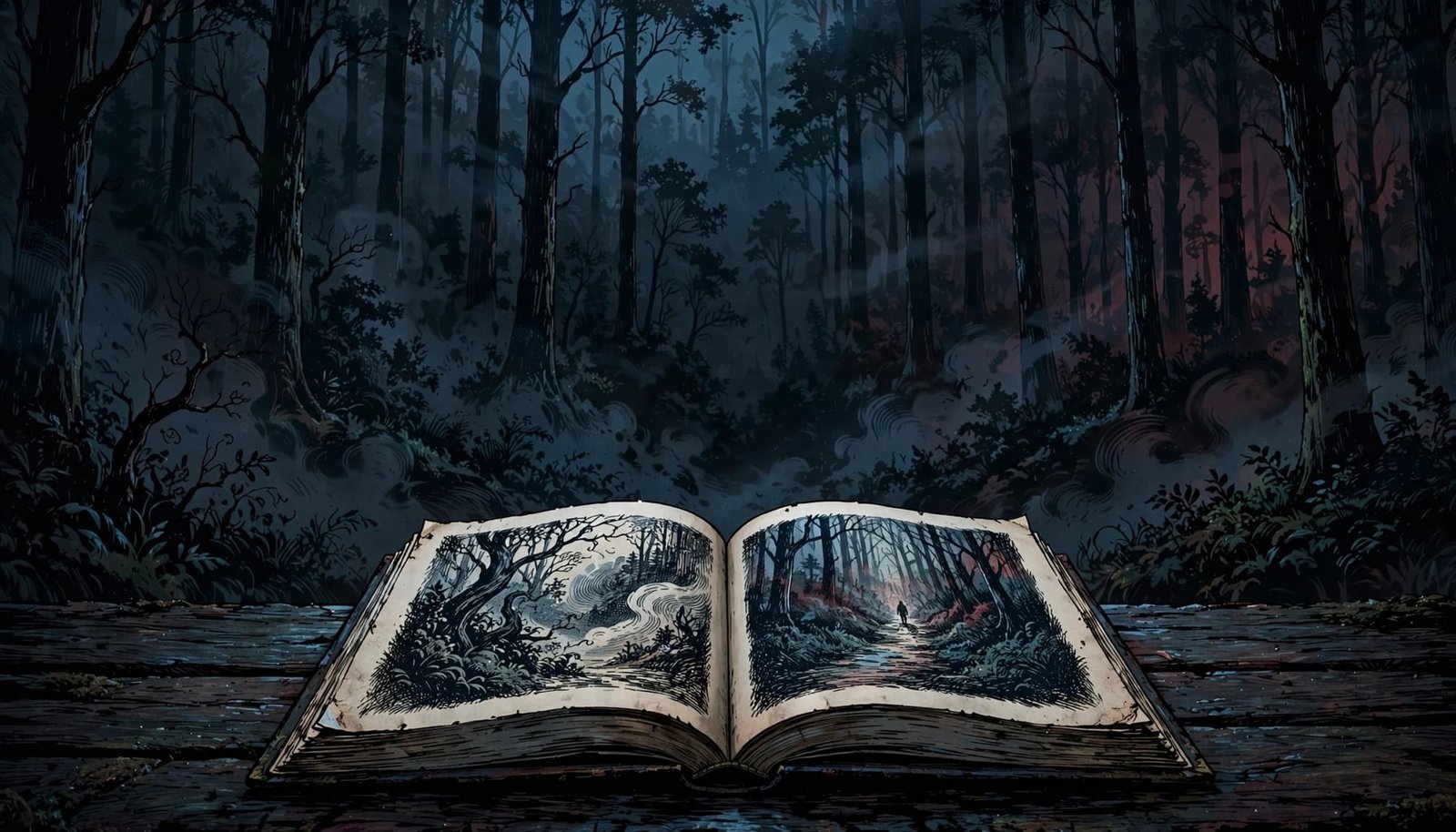
Graphic storytelling can affect readers differently from plain text. A short scene may stay with you because you see the frightening detail instead of imagining it yourself. Recommend this to teens who enjoy visual horror, folklore, and unsettling art. Some images and themes feel more intense than the book’s short length suggests, so sensitive readers may want to preview it.
Fear: 13 Stories of Suspense and Horror Keeps the Mood Unpredictable
Edited by R.L. Stine, Fear: 13 Stories of Suspense and Horror brings together thirteen stories by writers from young adult, middle-grade, and adult thriller fiction. The collection includes suspense, supernatural threats, creepy twists, and several writing styles, so the mood can change quickly. One story might build fear around a strange creature, while another depends on a shocking discovery or a dangerous human choice.
That unevenness makes the anthology useful for teens who are still figuring out what kind of horror they enjoy. You can compare how different authors create tension without committing to one long novel. However, the content varies in intensity, with references to violence, sexual situations, cannibalism, vampires, and werewolves.
Parents and younger teens should preview the table of contents and story summaries before sharing it. Readers who want variety and don’t mind occasional graphic or mature material will find plenty to sample. Those who prefer gentle ghost stories may find some entries too strong.
Extremities Brings Darker Tales of Death, Murder, and Revenge
David Lubar’s Extremities: Tales of Death, Murder, and Revenge is a darker recommendation for older teens. The title gives a clear warning about its focus: these stories involve serious danger, death, murder, and the consequences of revenge. The fear comes from human choices as much as supernatural events, which gives the collection a sharper and more unsettling tone than gentler ghost stories.
Twisty plots keep the tension moving, while questions about justice and retaliation add weight to each scenario. What happens when someone feels wronged and decides to act alone? How far can anger go before the person seeking payback becomes dangerous too? Those ideas may appeal to teens who enjoy suspense built around moral choices and escalating consequences.
This book may suit mature readers who want stronger material, but it isn’t a comfortable pick for everyone. Sensitive readers and younger teens may want to skip it, especially if murder or revenge feels too close to home. Parents can discuss the book’s themes before recommending it, rather than judging it by the short-story format alone.
Pretty Monsters Blends Strange Humor With Unsettling Ideas
Kelly Link’s Pretty Monsters is a collection of nine stories for young adult readers, with a recommended age range of 12 and up. It mixes fantasy, strange humor, eerie situations, and unsettling monsters, so the fear rarely follows a familiar path. A story may begin with an ordinary teenage problem, then introduce magic, the dead, or a creature that changes the rules.
Link’s writing often feels playful and peculiar before it turns uncomfortable. That contrast can make a strange moment feel even more disturbing because humor lowers your guard. The collection suits teens who enjoy imaginative horror that bends reality instead of following a standard haunted-house formula. It also works for readers who like fantasy but want darker ideas beneath the surface.
The intensity changes from story to story. Some entries feel light, quirky, or dreamlike, while others leave a stronger emotional chill. As a result, Pretty Monsters is a good choice for readers who want surprises and atmosphere without constant violence. Teens can skip a story that feels too strange or return to it when they want a more unsettling experience. Families who discuss difficult feelings through books may also find emotional intelligence activities for kids useful after reading.
How to Choose Horror Stories for Teenagers by Age and Scare Level
The right horror story should create suspense without leaving a reader overwhelmed. A simple intensity scale can help you match each book to a teenager’s age, experience, and current comfort level.
For spooky and supernatural reading, start with All Hallows’ Eve, The Restless Dead, or The Dark-Thirty. These books focus on ghosts, folklore, atmosphere, and short bursts of fear, although The Dark-Thirty also includes painful historical themes. Teens who want creepy and psychological stories can try The Black Girl Survives in This One or Defy the Dark. Both offer more modern variety, with some stories involving real-world danger, identity, violence, or emotional pressure.
Older teens who already enjoy horror may be ready for darker or more mature choices, such as The White Guy Dies First or Extremities. These collections address racism, mental health, death, murder, revenge, and other heavier subjects. Age labels help narrow the choices, but they don’t tell the whole story. A 14-year-old who reads horror often may feel comfortable with one book, while another teen the same age may need something gentler.
Consider personal triggers, previous reading experience, and current stress before choosing. A teenager dealing with grief, anxiety, bullying, or a difficult change at home may react differently to a theme that usually feels manageable. Parents can also use ways to talk with children about emotions to keep the conversation supportive instead of turning book choices into a judgment about maturity.
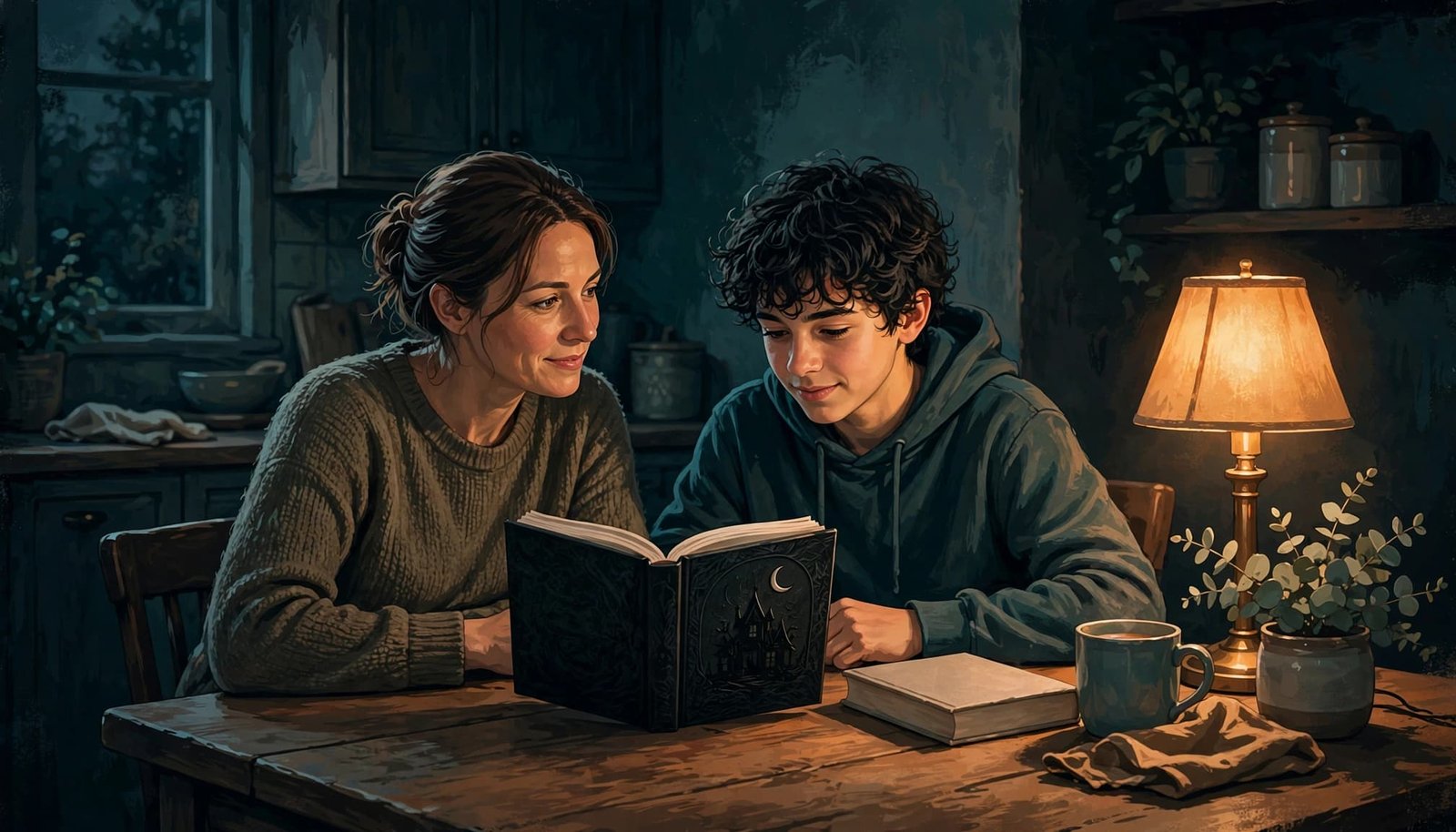
Use Content Notes to Make Scary Reading More Comfortable
Before choosing a horror book, check for themes that may feel too personal or intense. Look for mentions of:
- Death, murder, grief, or threats against family members.
- Racism, racial violence, bullying, or discrimination.
- Mental health struggles, panic, self-harm, or disturbing behavior.
- Ghosts, monsters, possession, graphic violence, or frightening images.
Start with the publisher’s summary and library description, then read trusted reviews and sample pages. BookLooky also organizes book information around categories such as violence, mental health, and fear, which can make a quick content check easier. The American Academy of Pediatrics guide to ratings and content information explains why descriptors can help families make more informed choices.
Content notes aren’t spoilers. They give readers enough information to decide whether a story feels right today. A parent can preview a book without shaming a teen for enjoying scary fiction. The goal is comfort and choice, not control.
Keep a lighter book nearby in case the story becomes too intense. Reading horror earlier in the day may work better than starting a violent or psychologically disturbing chapter at bedtime. Teens can pause between stories, switch to a gentler book, or read with a friend. If a difficult theme brings up strong feelings, talking with a trusted adult can help the reader feel grounded.
Stopping a book is always allowed. A teen can return to it later, skip one story in an anthology, or decide that the book simply isn’t fun right now.
Conclusion
These ten horror stories for teenagers offer something for every comfort level, from gentle ghost tales and folklore to psychological suspense, social horror, and darker stories for mature readers. The strongest choice isn’t always the most graphic one. A haunting mood, surprising idea, or memorable question can stay with readers longer than a violent scene.
If you’re unsure where to begin, try one shorter anthology story before choosing a darker collection. Teens and parents can use age ratings and content notes as helpful guides, while still trusting personal comfort levels. If a story brings up anxiety, supporting a child who feels anxious can help keep the conversation open and reassuring.
Turn down the lights, grab a favorite snack, and choose a story that feels thrilling rather than overwhelming.

- Dry Cough in Kids: 5 Causes and Safe Solutions - September 23, 2026
- How to Help a Child Deal With Anxiety at Home - September 12, 2026
- How to Prepare Your Child for the First Day of School - September 12, 2026