
Do babies sleep more when teething? No, they usually don’t. Parents may feel like their baby is extra sleepy during teething, but recent research shows teething doesn’t meaningfully change total sleep time or night wakings.
What often happens is that teething and normal sleep changes show up at the same time, which makes the timing easy to mix up. That’s why a fussy night can feel tied to a new tooth, even when the real issue is something else. If you’re trying to figure out whether your baby needs comfort, safe ways to ease teething discomfort can help.
The tricky part is knowing what teething can do, what it can’t, and when sleep trouble points to another cause. The next section breaks that down so you can stop guessing and help your baby with more confidence.
What the latest research says about teething and sleep
Recent research gives a clearer picture than old advice and sleep-lost anecdotes. Teething can line up with rough nights, but the best available data does not show a real shift toward more sleep during teething. In other words, the timing looks convincing, yet the numbers do not back up the idea.
Why parent reports and sleep data do not always match
Parents often notice a bad night and connect it to teething because the tooth is the most obvious change. That is a normal pattern of thinking. When you already expect teething to cause sleep trouble, your brain pays extra attention to the nights that fit that idea and files away the rest.
That is confirmation bias in plain language. A baby wakes, feels fussy, or needs a crib check, and the teething explanation feels right, even if the same wake-up would have happened anyway. Sleep also changes for other reasons at this age, like growth spurts, new motor skills, or shifts in nap timing, so the cause can be easy to mix up.
If teething seems to be the only issue, practical baby sleep tips can help you sort out what is really driving the wake-ups.
A rough night can line up with teething without teething being the reason.
What the research measured, and what it found
The newest studies looked at objective sleep data, not just parent memory. Researchers tracked things like total sleep time, night wakings, and crib visits, which gives a more exact picture of what happened overnight. One recent 2025 teething sleep study followed 849 infants and compared teething nights with non-teething nights using camera-based sleep tracking.
The result was clear. Babies did not show a meaningful difference in total sleep time, night wakings, or parental crib visits on teething nights. So while many parents felt sleep got worse, the measured data did not show that change.
That gap is why the teething-and-sleep myth sticks around. Parents see a real struggle, but the sleep record tells a different story. If your baby is sleeping poorly, teething may still be present, but it usually is not the main reason.
Can teething make a baby seem more tired during the day?
Teething can make a baby look worn out, even when sleep time has not really changed. A sore mouth takes energy, and a baby who slept badly the night before may carry that fatigue into the day.
That can look like extra yawning, less interest in toys, and shorter play stretches. However, those signs do not always mean the baby actually slept more. More often, they point to discomfort, broken rest, or a schedule that got knocked off balance.
A sleepy-looking baby is not always a baby who slept more.
Why some babies act extra sleepy even if sleep time does not change
When gums ache, babies often spend less energy on play and more on coping. They may seem sluggish, clingy, or cranky because they do not feel fully comfortable. A baby can also look “off” after a rough night, even if the total hours asleep stayed about the same.
Common signs include:
- Fussiness: The baby gets upset faster and settles less easily.
- Low energy: Playtime is shorter, and interest fades sooner.
- Clinginess: The baby wants more holding, feeding, or lap time.
- Less active play: A baby may sit still more or lose focus quickly.
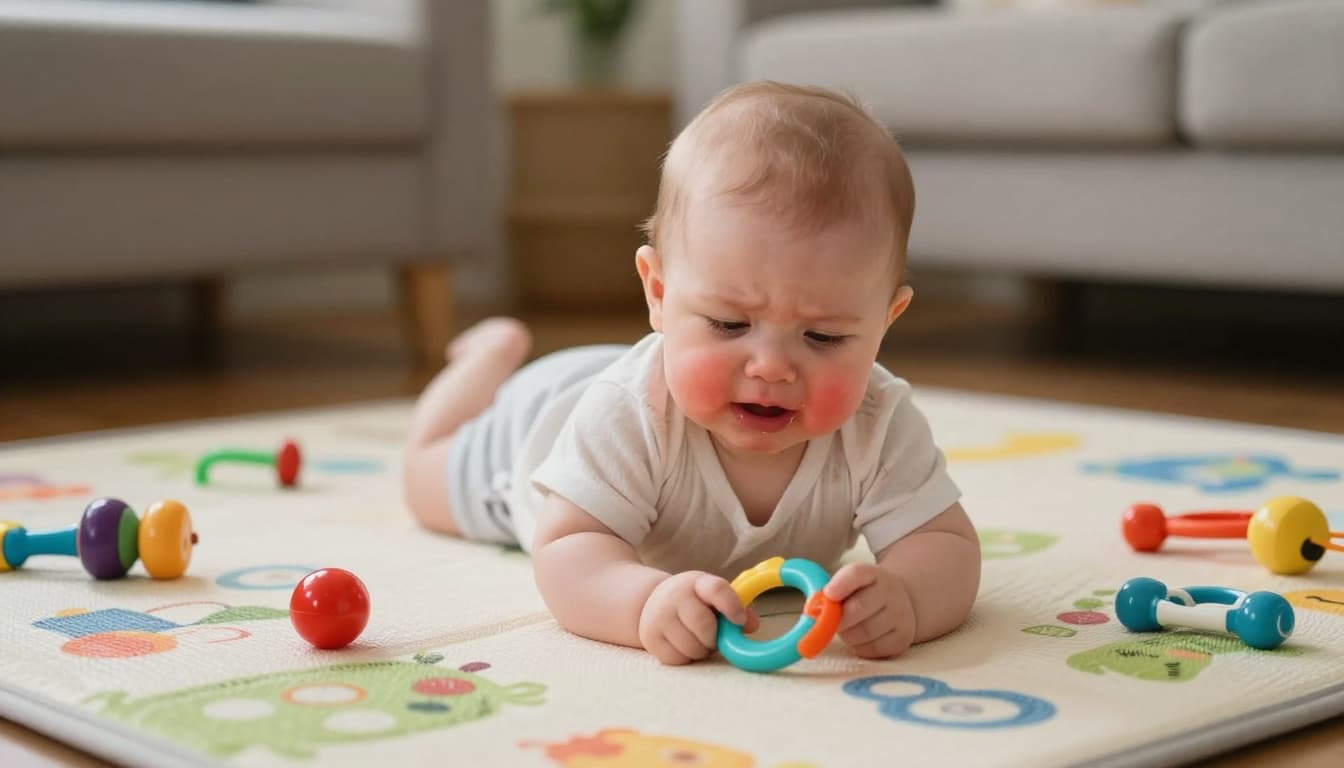
That is why teething can look like “sleepiness” from the outside. In reality, the baby may be more tired from discomfort, not more rested from extra sleep.
A recent longitudinal teething sleep study found no meaningful change in total sleep time on teething nights. That fits what many parents see too, a baby that seems drained during the day without actually sleeping more overall.
How normal developmental changes can get blamed on teething
Teething often shows up during big growth periods, and that timing causes a lot of confusion. Sleep regressions, growth spurts, separation anxiety, and new motor skills can all happen around the same months as the first teeth. So when a baby starts sleeping badly or acts more tired, teething gets blamed first.
The overlap is easy to miss. A baby may be learning to roll, sit, crawl, or pull up, and that effort alone can make daytime behavior look more tired. At the same time, a growth spurt can bring more hunger, and separation anxiety can lead to extra clinginess. When teething joins that mix, everything feels connected.
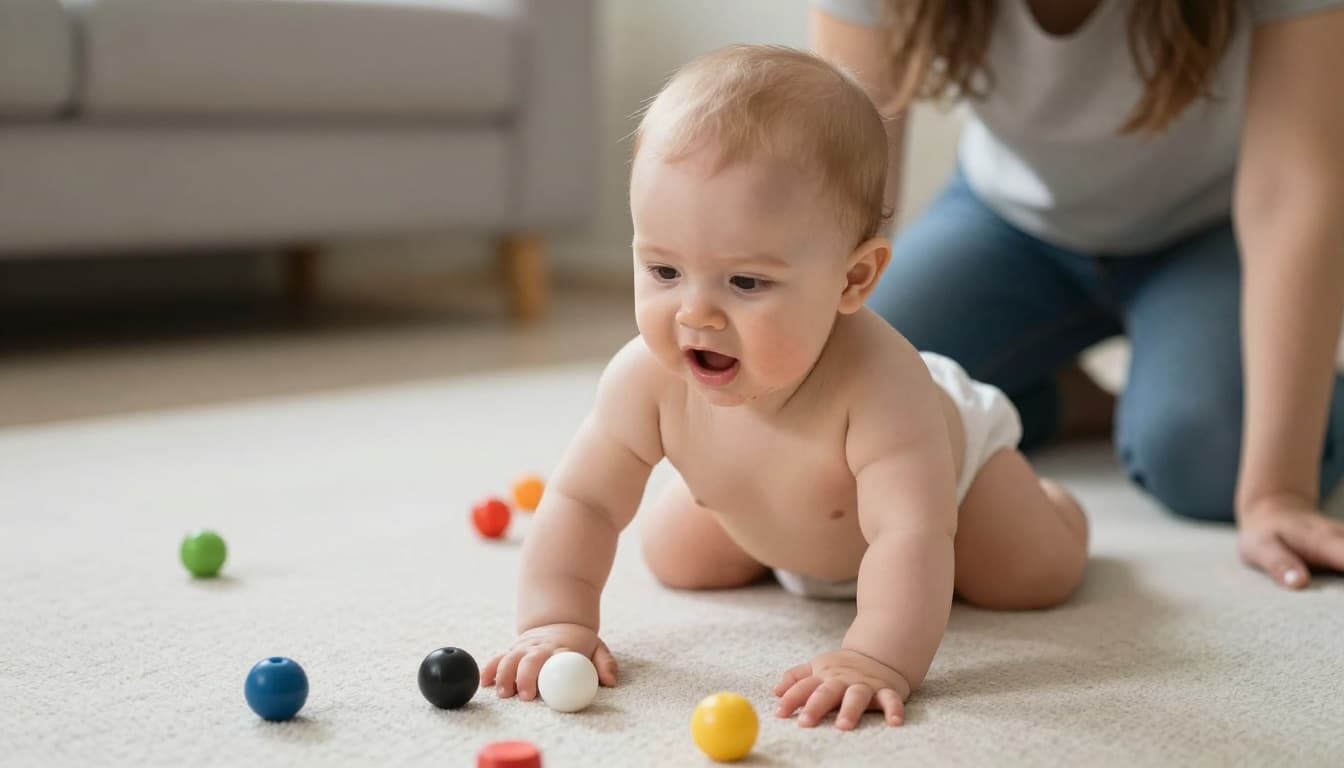
That is why parents sometimes notice longer naps by coincidence. A baby might nap more during a growth spurt, then cut naps again once the schedule shifts. If teething happens at the same time, it gets the credit.
A simple way to sort it out is to watch the pattern for a few days. If the tired look fades when the routine settles, teething was probably only part of the picture.
What teething really looks like at night
At night, teething usually shows up as discomfort, not a major sleep shift. You may notice a baby who wakes more often, settles less easily, or seems upset right after a brief wake-up. The pattern is often uneven and short-lived, more like a small pebble in a shoe than a full blown sleep problem.
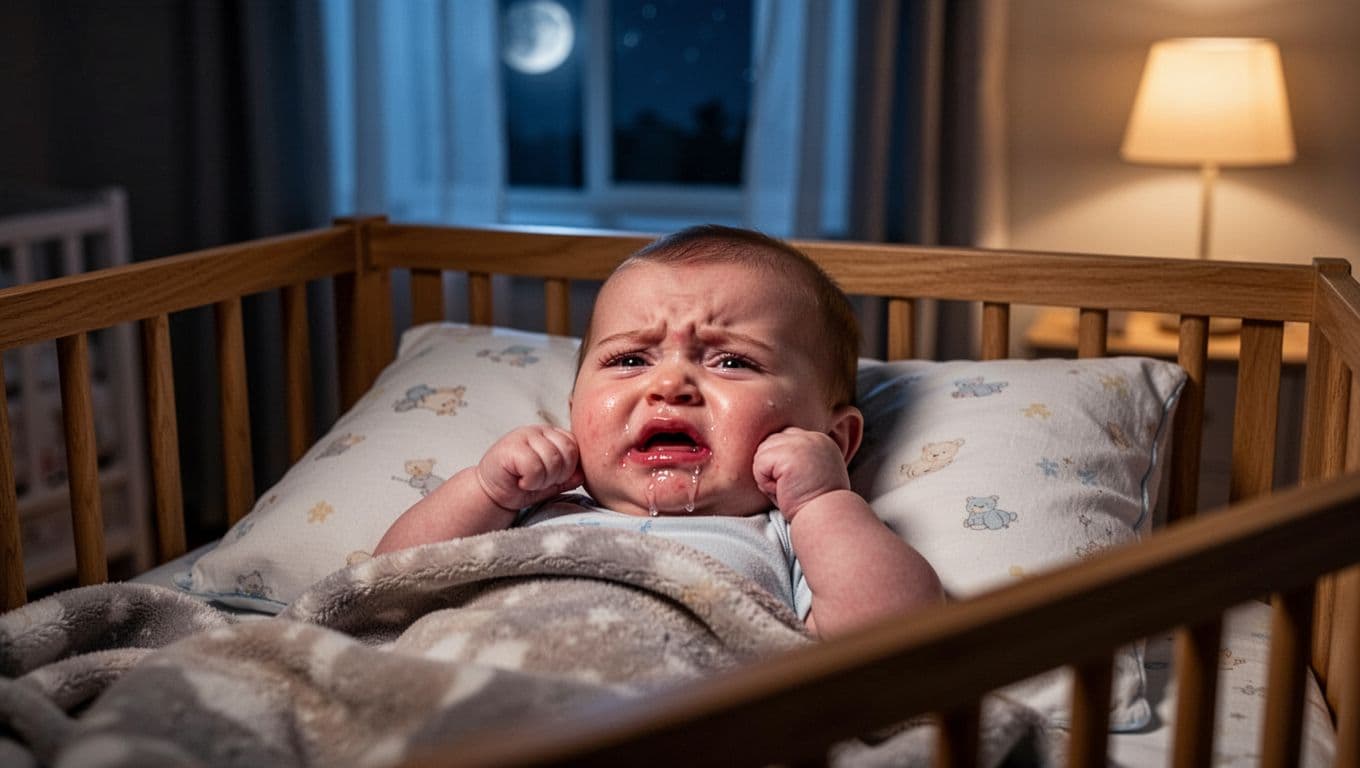
Common teething signs parents may notice
Nighttime teething signs are easier to spot once you know what to look for. Many babies show a mix of mouth discomfort and general fussiness, especially when they are tired.
A few of the most common signs include:
- Drooling: You may see more spit on the chin, bib, or sheet than usual.
- Gum rubbing: Some babies rub their gums with a finger or press their mouth against a toy or blanket.
- Chewing: Fingers, teethers, and even crib rails can become something to gnaw on.
- Irritability: Your baby may seem more cranky, clingy, or hard to settle.
- Swollen gums: The gums can look puffy, red, or tender near the erupting tooth.
- Waking up more upset than usual: A baby may stir, cry harder, and need extra comfort before falling back asleep.
These signs often come and go. They may also feel worse at bedtime, when your baby is already tired and less able to cope. Johns Hopkins Medicine notes that drooling, swollen gums, chewing, fussiness, and trouble sleeping are all common teething signs.
What teething does not usually cause
Teething can make nights messier, but it should not cause a major illness picture. It does not usually lead to big sleep changes, high fever, vomiting, or diarrhea. If symptoms look stronger than that, another cause may be present.
A baby can still be fussy and uncomfortable from teething, yet remain otherwise well. Once the crying sounds intense, the fever climbs, or the baby acts truly sick, teething stops being the best explanation. In those cases, treat the symptoms as something separate and call your pediatrician.
Mild mouth discomfort can fit teething. Severe illness symptoms usually do not.
If you are thinking about quick relief products, check the risks of teething tablets for infants before trying anything new. When the signs stay mild, simple comfort measures are usually the better first step.
How to comfort a teething baby without relying on guesswork
The best teething comfort is simple, safe, and repeatable. These steps won’t make teething cause more sleep, but they can help your baby settle when the gums are sore and the fussing starts.
A steady routine often works better than trying a new trick each night. If you want more structure around bedtime, gentle sleep routines for newborns can help keep evenings calm and predictable.
Simple comfort steps that can help
When teething seems to be bothering your baby, start with the least complicated options first. Small comforts can ease the pressure without adding risks.
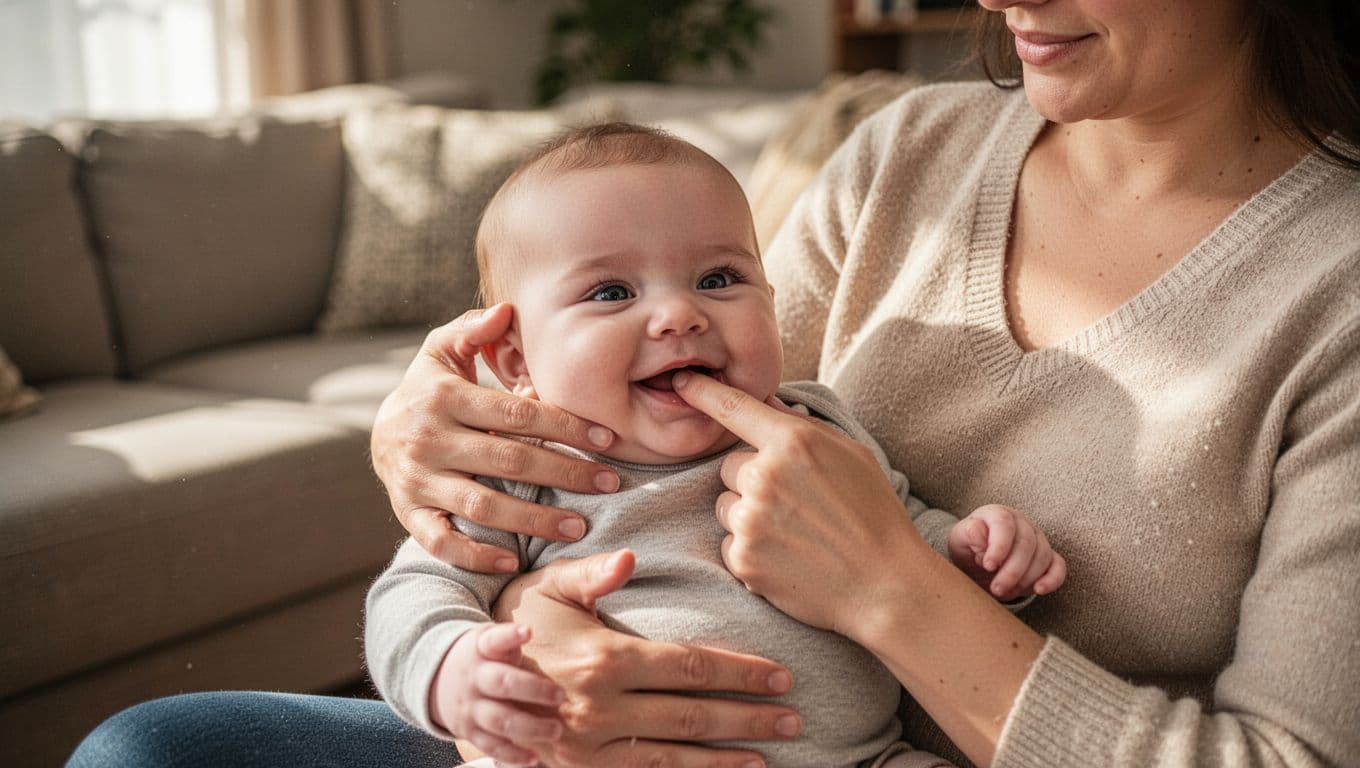
- Chilled teething rings: Use a solid teething ring that stays firm in the refrigerator. Skip freezer-hard items and avoid liquid-filled teethers.
- Gentle gum massage: Wash your hands first, then rub the sore gums with a clean finger or damp gauze for a short time.
- Extra cuddles: Hold, rock, or feed your baby a little more when they seem upset. Comfort is not a bad habit during teething.
- Calm bedtime routine: Keep the same steps each night, such as a bath, dim lights, a short feed, and quiet cuddling. A familiar pattern helps your baby wind down.
These moves work best when you keep them age-appropriate and supervised. If your baby is too young to chew safely, stick with gum massage, cuddling, and other simple comfort.
A calmer baby is often easier to settle, even when teething still bothers them.
When pain relief may be worth asking about
If your baby still seems very uncomfortable after you try safe comfort steps, ask your pediatrician before using medicine. Don’t give pain relief just because teething seems likely, and don’t guess at the dose.
For more on safe teething pain relief, see HealthyChildren.org’s teething guidance. Keep in mind that medicine is for clear discomfort, not for every fussy night.
When sleep changes are probably not about teething
Teething can make a baby fussier, but sudden sleep changes often point to something else. If the pattern feels bigger than sore gums, look at the whole picture, including how your baby feeds, plays, breathes, and settles.
The most helpful clue is what else is happening. A baby who has one rough night and then bounces back may just be uncomfortable. A baby who keeps waking, cries in a different way, or starts acting sick needs a closer look.
Red flags that need a pediatrician’s advice
Some symptoms are not typical of teething and deserve a call to your pediatrician. A mild temperature or a cranky evening can happen with teething, but stronger symptoms usually point elsewhere.
Watch for these signs:
- High fever: A true fever, especially one that is higher than you expect for teething, deserves medical advice.
- Diarrhea or vomiting: Teething does not usually cause ongoing stomach symptoms.
- Rash: A new rash can point to illness, irritation, or another cause.
- Trouble breathing: Fast breathing, wheezing, or working hard to breathe needs prompt care.
- Poor feeding: If your baby refuses feeds or eats much less than usual, that is a concern.
- Ongoing pain: Crying that seems intense, constant, or hard to soothe is not something to brush off.
- Unusual crying: A higher-pitched, weak, or very different cry can be a clue that something else is wrong.
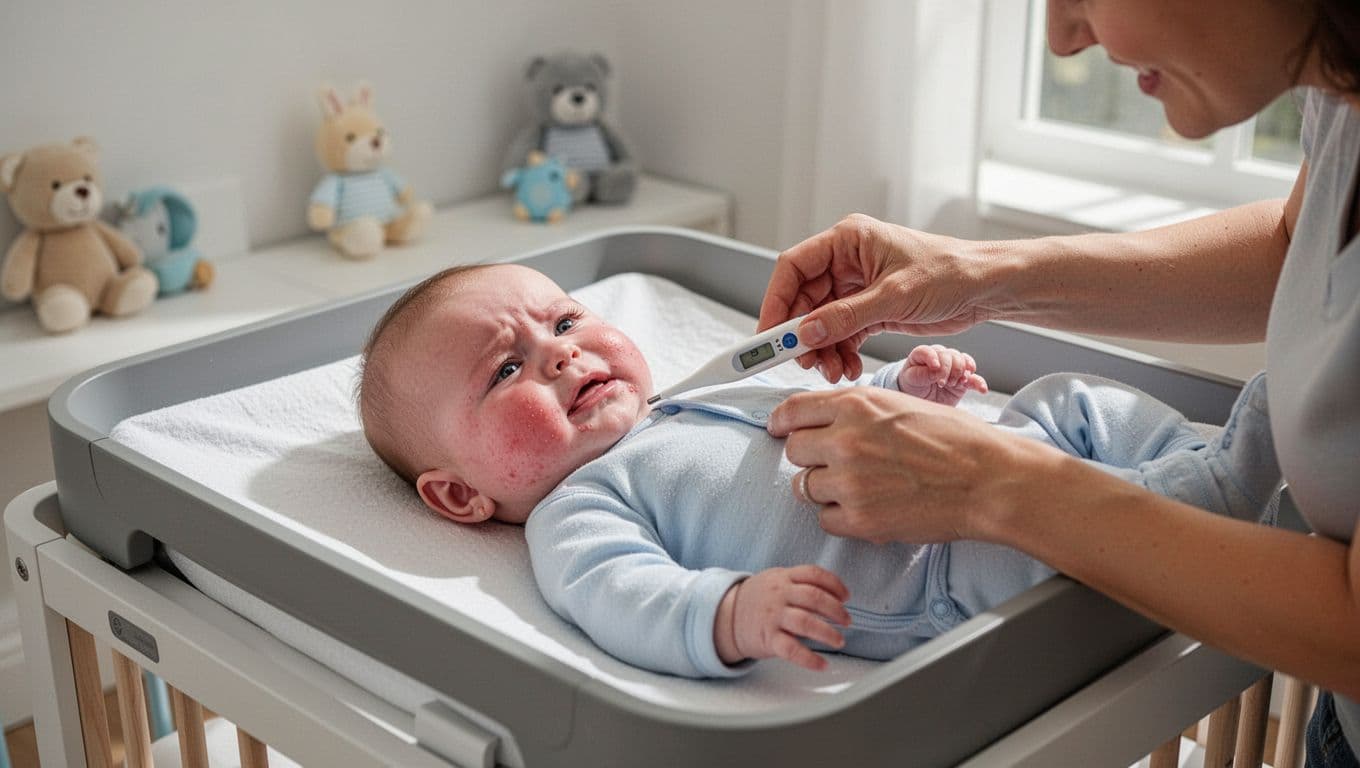
If your baby’s sleep change comes with any of these signs, teething is probably not the full answer. For a broader checklist, signs your child needs to see a doctor can help you sort out when to call.
A baby can have teething pain and still have another problem at the same time.
How to tell a sleep regression from teething
Sleep regressions usually last longer and line up with development. A baby may suddenly fight naps, wake more often, or seem wide awake at night because the brain is busy practicing new skills. Teething discomfort, by contrast, is usually shorter and more local, centered on sore gums, drooling, and chewing.
That difference matters. If your baby is rolling, sitting, crawling, pulling up, or dealing with separation anxiety, the sleep issue may last for days or weeks. Teething tends to come in waves, and one tooth often causes a shorter stretch of discomfort than a full regression.
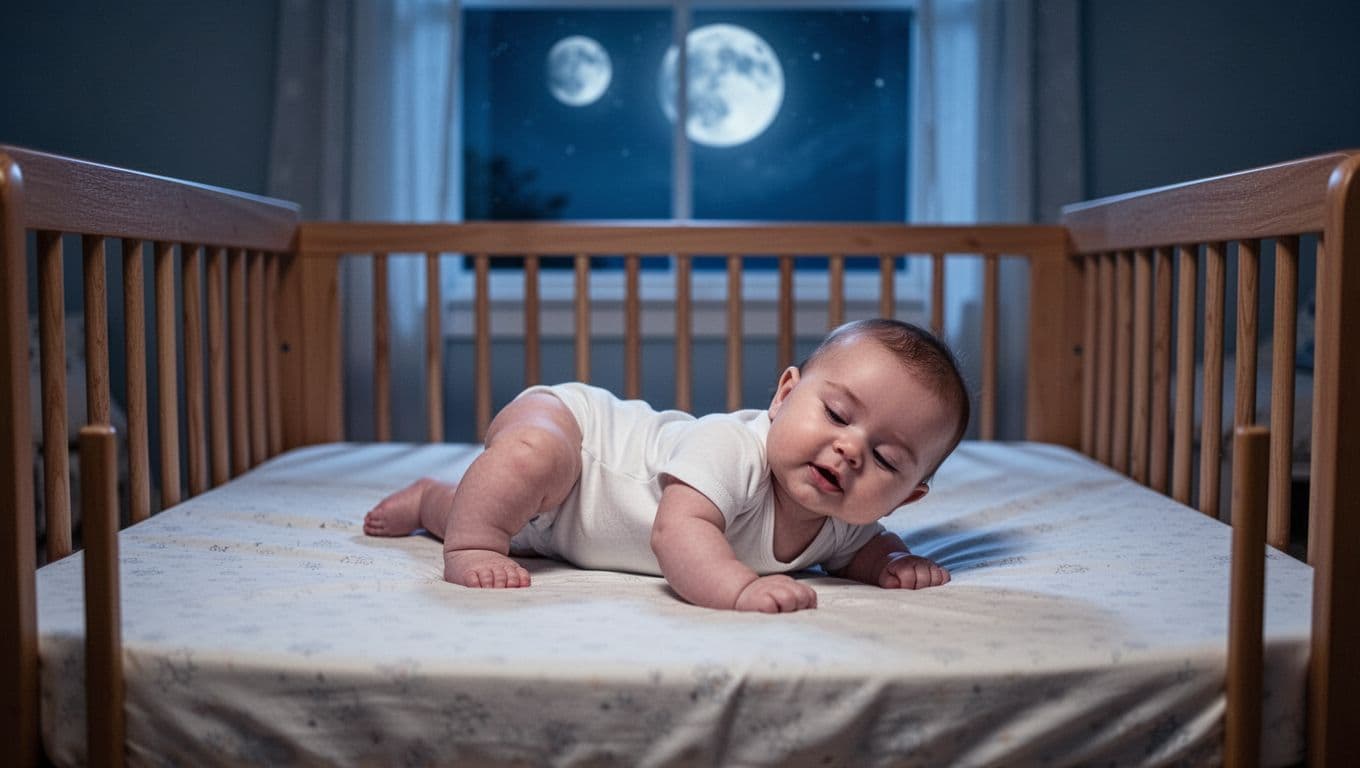
A helpful clue is the kind of wake-up you see. Regression wake-ups often come with alertness, restlessness, or practicing in the crib. Teething wake-ups are more likely to look like pain, gum rubbing, and fussing that eases with comfort. The Sleep Foundation’s baby sleep overview also notes that illnesses, growth spurts, and sleep regressions can all affect night wakings, which is why timing alone can be misleading.
If the pattern feels tied to a milestone and lasts beyond a few nights, think regression first. If the baby seems sore in the mouth and the discomfort peaks around naps or bedtime, teething fits better. When both are happening, the sleep disruption can feel bigger than either one alone.
Other common causes parents should keep in mind
Sometimes the answer is simpler than teething or regression. Hunger, overtiredness, reflux, ear infections, or a shift in nap timing can all throw sleep off fast. A baby who is underfed during the day may wake hungry at night, while a baby who stays up too long can get wired and have a harder time settling.
Ear infections are another common culprit, especially when night crying gets worse when your baby lies flat. Reflux can also wake a baby after feeds, and it often shows up as arching, spit-up, or discomfort after eating. Meanwhile, a new schedule, travel, or a missed nap can leave a baby overtired and hard to soothe.
If the sleep change is paired with persistent waking, fever, poor feeding, or unusual crying, look beyond teething first. That simple shift in thinking can help you catch a real problem sooner and avoid blaming sore gums for everything.
Conclusion
Babies do not usually sleep more when teething, and teething is not a strong reason for major sleep changes. The research points to the same pattern parents often see at home, a baby may seem off, but total sleep usually does not change much.
When sleep shifts show up, it helps to look at the full picture. Teeth can bring drooling, gum pain, and extra fussing, but growth spurts, regressions, hunger, and illness can do the same thing.
Normal baby sleep changes from week to week, and that can feel messy. A steady routine and a close eye on real symptoms are still the best way to sort out what your baby needs.
Save pin for later

- Can I Give A Half-boiled Egg To My Baby? - September 25, 2026
- What Are The Nutritional Benefits Of Eggs For Babies - September 25, 2026
- When Should I Avoid Giving Eggs To My Baby? - September 25, 2026