
A baby helmet is usually used to correct head shape, not because your baby is in danger. Plagiocephaly means one side of the head looks flatter, while brachycephaly means the back of the head is wider and flatter than expected.
For many babies, simple steps like tummy time and rolling practice come first, but some cases need extra help. This article explains when helmets are recommended, how they work, and how long babies usually wear them so you can make sense of the next step with less stress.
What baby helmets are actually for
Baby helmets, also called cranial remolding helmets, are used to guide head shape while a baby grows. They give a little more room where the skull is flat and limit growth where the head is already fuller, so the shape can even out over time. That means the helmet is about head shape, not brain growth.
For babies with moderate or severe flattening, a helmet can be part of a treatment plan after repositioning and tummy time are not enough. The goal is simple: help the skull grow in a more balanced way during a time when it changes fast. Cleveland Clinic’s flat head syndrome overview explains this process in plain terms.

A baby helmet guides head growth. It does not change brain development.
The difference between plagiocephaly and brachycephaly
Plagiocephaly is a flat spot on one side of the head, or sometimes the back, which can make the skull look a bit uneven. One side may look flatter than the other, so the head shape seems slightly off-center.
Brachycephaly is different. It means the back of the head is flatter and wider, so the head can look short from front to back.
Both are common in infancy, and both usually happen because of pressure on a soft baby skull. In many cases, the shape change is about position, not disease. That is why doctors often start with simple changes first and only suggest a helmet when a baby needs more help.
Why the skull can be shaped this way in infancy
A baby’s skull is soft and still growing, so it can change shape more easily than an adult skull. If a baby sleeps or rests in the same position often, one area can take more pressure and flatten.
Other common reasons include:
- Limited neck movement, such as torticollis
- Premature birth
- Twin pregnancies, when there is less room in the womb
- Spending a lot of time in swings, loungers, or carriers
Safe sleep on the back is still important, though. Babies should keep sleeping on their backs, because that lowers the risk of SIDS. The key is to protect sleep safety while also giving the head different positions during awake time.
When doctors recommend helmet therapy instead of watchful waiting
Doctors usually start with the simplest option first. For many babies, that means repositioning, more tummy time, and, if needed, physical therapy. Helmet therapy comes later, when the head shape is still clearly uneven and the baby is in the right age window for fast growth.
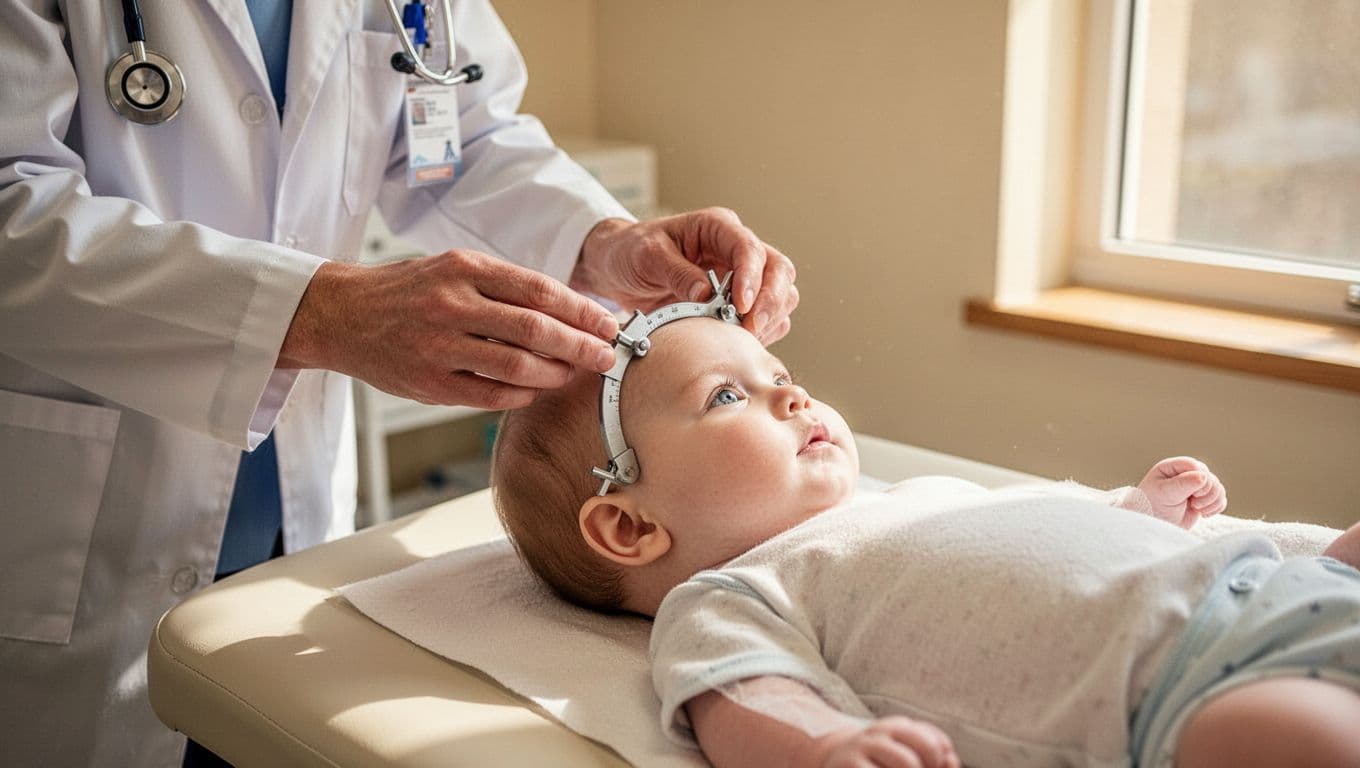
The decision is not based on one detail alone. Doctors look at the baby’s age, the shape change, neck movement, and whether the flat spot improves over time. That is why a proper exam matters before anyone starts helmet therapy.
Helmet therapy is usually a step up, not the first step.
Signs a baby may need a closer evaluation
Some babies improve with simple changes, but certain signs call for an early check. A flat spot that stays the same, or keeps getting more obvious, is one of the biggest clues. Uneven ears, facial asymmetry, a tilted head, or a strong preference for turning to one side also deserve attention.
These signs do not always mean a helmet is needed. Still, they can point to plagiocephaly, brachycephaly, or a neck issue like torticollis, so it helps to get looked at early. The American Academy of Pediatrics notes that head shape problems often show up in the first months and may improve with repositioning and tummy time, but some babies need more support (AAP clinical report).
A doctor may also ask questions like these:
- Does your baby always turn the head the same way?
- Does the flat area look better, worse, or unchanged after a few weeks?
- Has tummy time been hard because of fussiness or limited neck movement?
If the answer suggests the head shape is not improving, the next step is usually a full exam rather than guesswork. In some cases, physical therapy helps first, especially when tight neck muscles are part of the problem. Tummy time play ideas can also support head and neck strength at home.
Why age matters so much for treatment results
Helmet therapy works best during the fastest head-growth period, usually around 4 to 6 months. During that time, the skull changes quickly, so the helmet can guide growth more effectively.
That timing matters because skull growth slows as babies get older. Treatment can still help older babies, but it often takes longer. After about 8 to 12 months, results may be smaller because the skull is not changing as fast. The Congress of Neurological Surgeons guideline recommends helmet therapy for infants with persistent moderate to severe flattening after conservative care, especially when age is getting later.
This is why doctors often watch the clock as closely as the shape. If a baby is still young and mild flattening is improving, watchful waiting may be enough. If the baby is older and the shape is not changing, the case for a helmet gets stronger.
How severity affects the decision
Severity matters because mild, moderate, and severe flattening do not behave the same way. Mild cases often look like a small flat patch and usually improve with more tummy time, less time in one position, and regular movement during awake hours.
Moderate cases show more visible unevenness. One ear may sit a little farther forward, or the back of the head may look less round. These babies often need closer follow-up, and if repositioning and physical therapy do not help after a few weeks, a helmet may come into play.
Severe cases are easier to spot. The head shape looks more uneven, the ears may look off-line, and the face can seem slightly asymmetrical. In those cases, doctors are more likely to recommend helmet therapy, especially if the baby is still young enough to benefit.
Doctors may measure head shape during visits to track progress. Those measurements help show whether the plan is working or if the baby needs a different approach. If the numbers stay flat, the treatment plan may change. If the shape improves, watchful waiting may continue.
In practical terms, the decision often follows this pattern:
- Mild flattening gets repositioning and tummy time first.
- Moderate flattening gets closer follow-up and often physical therapy.
- Persistent or severe flattening may need a helmet, especially when early treatment has not helped enough.
The best next step is simple: have a doctor evaluate the baby early. That gives you a clear plan, and it helps you avoid waiting too long if helmet therapy is the right call.
What daily life looks like during helmet treatment
Once helmet therapy starts, daily life usually settles into a simple routine. The helmet becomes part of the day, much like a regular piece of baby gear. Most families get used to it fast, especially when they know what to expect and what signs to watch for.
How many hours a day babies usually wear the helmet
Most babies wear the helmet for about 23 hours a day. The short break is usually for bathing, cleaning the helmet, and checking the skin. That schedule gives the helmet enough time to guide head growth while the skull is still changing quickly.
Consistency matters because the helmet only works when your baby wears it. If it comes off too often, progress can slow down. A few missed hours here and there may not ruin treatment, but regular underuse can stretch the process out and reduce the final result. Cleveland Clinic’s helmet therapy guide explains the wear schedule in the same way.
The helmet works during wear time, so daily consistency matters more than perfect timing.

How long the treatment usually lasts
Many babies wear a helmet for 3 to 6 months, but the exact timeline depends on age and head shape. Younger babies and mild cases often finish sooner because their skulls are growing fast and the flattening is easier to correct.
More severe cases, or treatment that starts later, can take longer. Some babies need several more months, and in some cases treatment can last close to a year. The goal is steady improvement, not speed alone. Shriners Children’s helmet therapy overview notes that length of treatment changes with age and severity, which matches what many parents see in real life.
What follow-up visits and adjustments are for
Babies usually go back every few weeks so the care team can check the fit and make changes as needed. The helmet is custom-made, so it has to keep up as your baby grows. A snug fit at the start can become loose later, and a helmet that no longer fits well will not guide growth as well.
During these visits, the team looks at a few key things:
- Head shape to see whether the flattening is improving
- Helmet fit to make sure it sits in the right place
- Skin comfort to catch redness or pressure spots early
Some babies sweat more in the helmet, and mild redness can happen after wear. Short-lived pink marks are common, but sore spots, deep redness, or rash need a call to the care team. Regular cleaning also helps keep the helmet comfortable and keeps daily wear easier for everyone.
How well baby helmets work, and what the research says
Baby helmets can work well, but they work best for the right babies at the right time. The research points to the strongest results in infants with moderate to severe flattening, early treatment, and solid daily wear. At the same time, some mild cases improve with repositioning alone, so a helmet is not the right fit for every child.
A recent systematic review and meta-analysis found that helmet therapy improves head shape in the short term, but the studies are mixed and not all babies respond the same way. That is why doctors look at age, severity, neck movement, and progress over time before recommending treatment.
Which babies tend to get the best results
Babies with more noticeable flat spots usually have the most to gain. When the head shape is already clearly uneven, a helmet has more room to guide growth in a better direction.
Early treatment matters too. The younger the baby, the more flexible the skull is, which makes shape correction easier. That is why treatment often works best when it starts in the first half of infancy, not after a long wait.
Daily wear also makes a big difference. Families who keep up with the schedule usually see better progress than those with a lot of missed time. In practice, the strongest results tend to show up when helmet therapy is paired with:
- Repositioning during awake time
- Tummy time to reduce pressure on the flat side
- Physical therapy if neck tightness or torticollis is part of the problem
That combination gives the baby more chances to move the head, build strength, and grow more evenly.
What helmets can and cannot do
A helmet can improve head shape and symmetry over time. It can help round out a flat spot and reduce visible unevenness, especially when a baby still has a lot of skull growth ahead.
What it cannot do is fix every cause of asymmetry on its own. If a baby has a tight neck, poor range of motion, or another medical issue, the helmet alone will not solve that problem. It also does not treat developmental delays, and it is not needed for every baby with a flat head.
The main goal is better head shape, not a cure for every reason a head looks uneven.
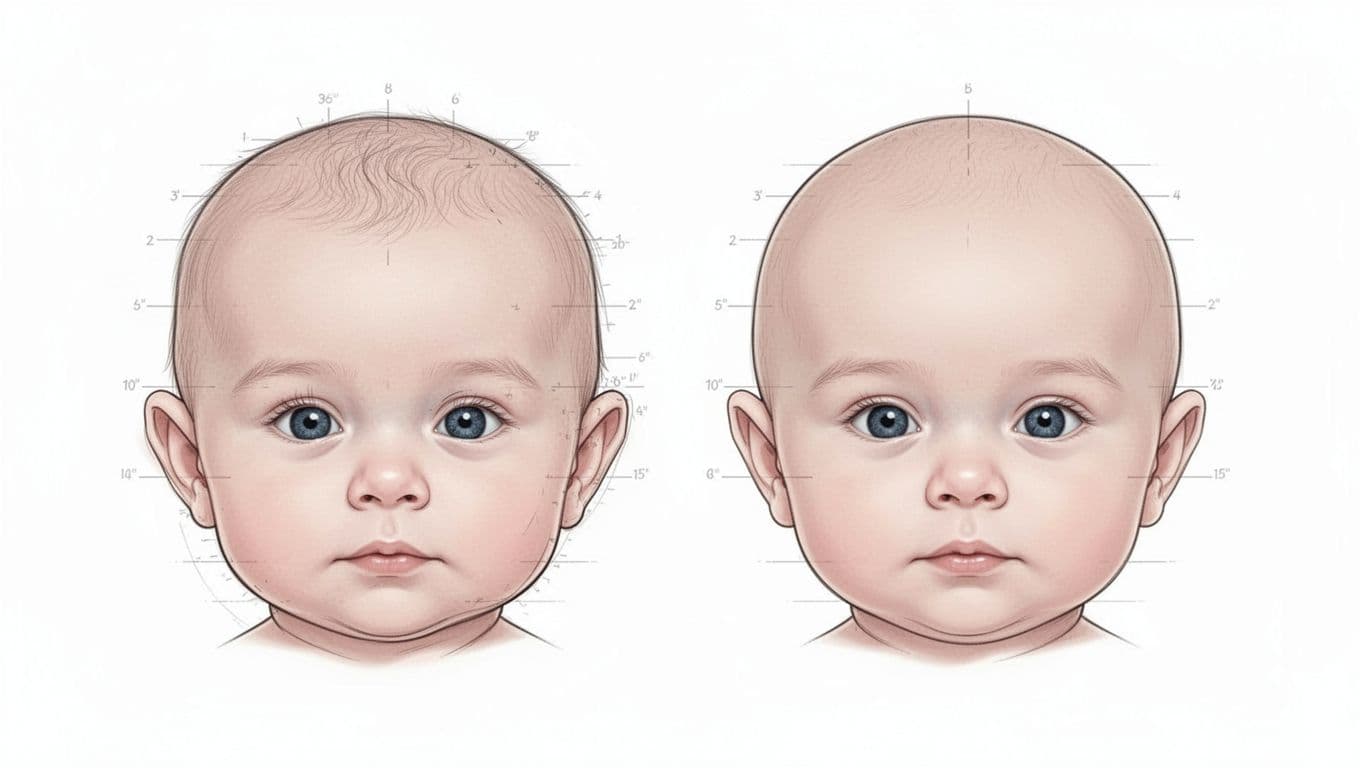
That is why doctors often start with the least intense option first. If the flattening improves with repositioning, helmet therapy may never be needed. If the shape stays the same, the helmet can become the better tool.
Possible downsides parents should know about
Most babies do fine with helmet therapy, but it can still take patience. The helmet is worn for long stretches, so the adjustment period can feel a little awkward at first.
Common side effects are usually mild. Babies may sweat more, get slight skin irritation, or develop an odor if the helmet is not cleaned well. Short-lived red marks can happen too, especially after longer wear days.
Serious problems are uncommon when the helmet fits properly and follow-up visits happen on schedule. Those visits matter because babies grow fast, and a helmet that fit well last week may need a small adjustment now.
A calm, steady routine helps most families get through treatment without much trouble. If the fit feels off, or if redness lingers, the care team should check it right away.
How doctors decide when it is time to stop wearing the helmet
Doctors stop helmet therapy when the baby has reached the best head shape possible, not when the head looks perfectly round. That decision comes from a mix of measurements, visual checks, and the baby’s age and growth rate.
In practice, the helmet often comes off when progress slows and the shape is close to the goal. The CNS guidelines on helmet therapy support this approach, especially for babies who started with moderate to severe flattening. Parents usually notice that the doctor is looking for steady improvement, not perfection.
What progress looks like over time
Progress tends to show up in small steps. The back of the head may look rounder, the ears may sit more evenly, and the face may look less uneven from the front.
These changes can be slow, so it helps to compare one visit with the next. A baby may look almost the same at home, yet the measurements still show improvement.
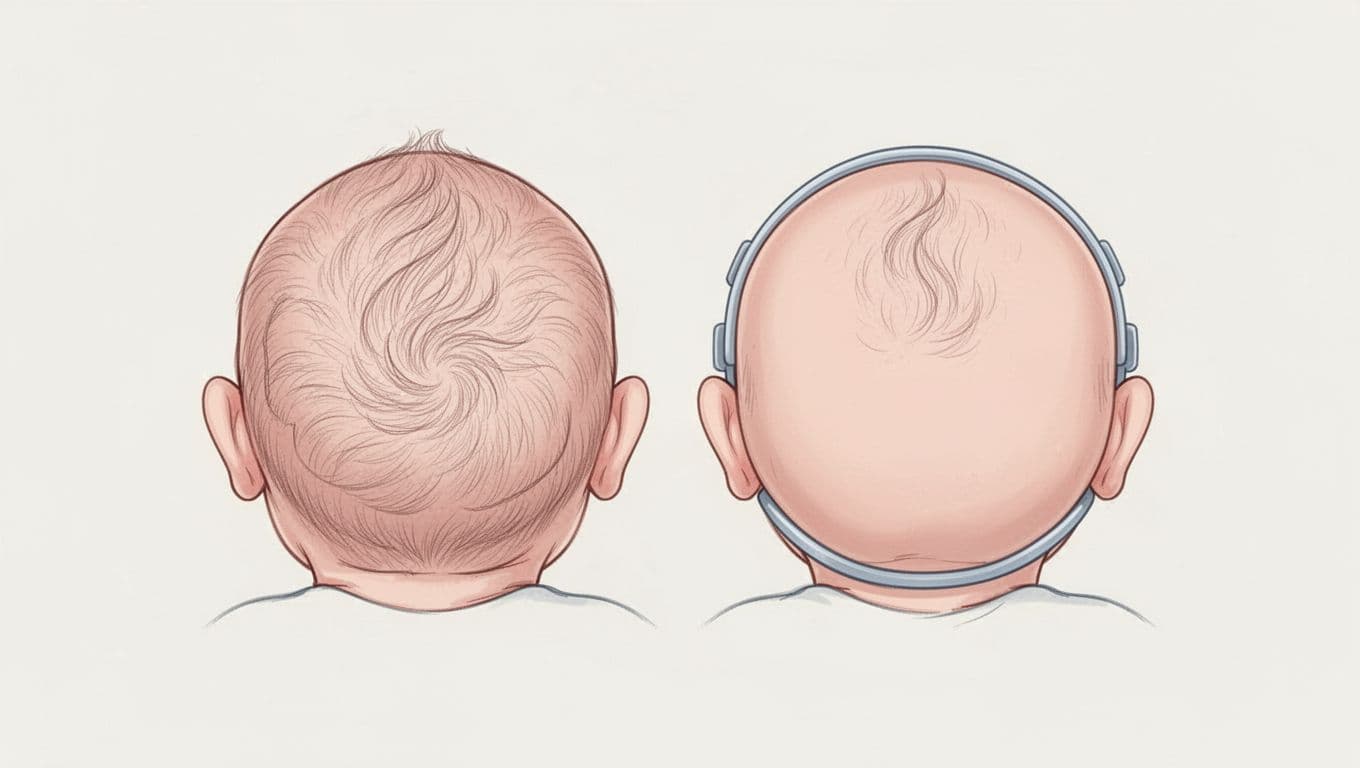
A small change at each visit can add up to a much better final shape.
Doctors often track this with repeat measurements and photos. That is why follow-up visits matter, even when progress seems slow.
Why some babies finish sooner than others
Some babies need less time because they start early, wear the helmet as prescribed, and have only mild or moderate flattening. Others need longer because they begin later, have more severe asymmetry, or miss wear time.
The baby’s growth rate matters too. Younger babies usually finish faster because their skulls are changing more quickly. By contrast, older babies often need more time, and sometimes the helmet stops helping as much once growth slows.
A simple way to think about it is this:
- Earlier start usually means a shorter course.
- Better daily wear usually means better results.
- Later start or more severe flattening often means treatment lasts longer.
Doctors use these patterns along with the baby’s measurements to decide when it’s time to stop. When the shape has improved as much as it reasonably can, the helmet has done its job.
Conclusion
Babies wear helmets to gently correct head shape when repositioning, tummy time, and other early steps have not helped enough. When a flat spot is moderate to severe, a helmet can guide skull growth during the months when it changes fastest, which is why early evaluation matters.
Most babies do best when treatment starts early and the helmet is worn consistently for a few months, usually close to 23 hours a day. If you also keep up with tummy time to build neck and shoulder strength, you give your baby a better chance at steady improvement.
The main takeaway is simple: helmet therapy is a targeted fix for head shape, not a routine need for every baby. A pediatrician or specialist can look at your baby’s age, head shape, and progress, then help you decide whether helmet therapy makes sense.
Save pin for later

- 10 Things You Shouldn’t Do in Front of Your Baby (and What to Do Instead) - September 22, 2026
- 15 Effective Ways to Deal With Stubborn Children (Without Yelling) - September 22, 2026
- Birth Order Influence: 8 Things Parents Should Know About Each Child - September 22, 2026