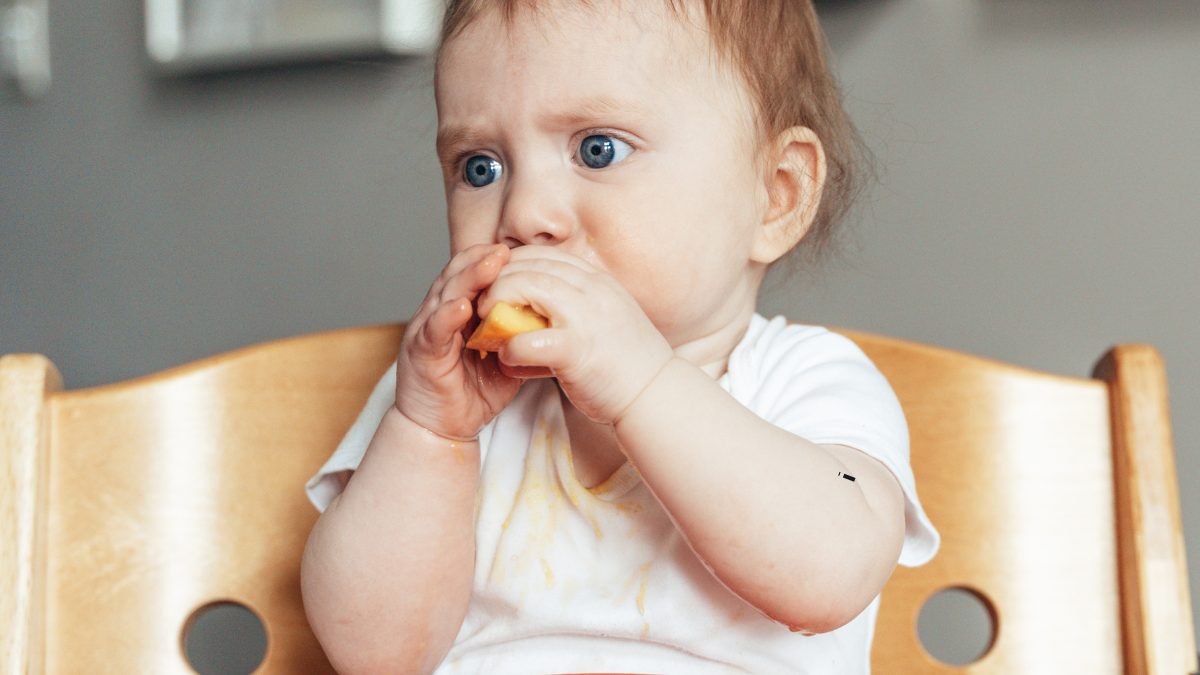

Your toddler takes a few bites, wipes their hands, and races off to play before you can offer another spoonful. That pattern is common, but if you’re hoping to support healthy weight gain, each bite can bring more nourishment through calorie-rich foods, protein, and healthy fats.
Toddlers grow at different rates, and their appetite can change from one day to the next. Offer regular meals and snacks without relying on candy or fast food, and talk with your pediatrician about sudden weight loss, slowed growth, or ongoing feeding concerns. If mealtimes feel like a daily struggle, these tips for getting your toddler to eat may also help.
5+ Healthy Foods to Make Toddlers Gain Weight Without Relying on Junk Food
Calorie-dense foods can give your toddler more energy in a small, manageable portion. Choose foods that also provide protein, fiber, vitamins, minerals, and healthy fats instead of simply adding sugar or oversized servings.

Full-Fat Dairy Adds Protein and Calories to Small Portions
Whole milk, full-fat yogurt, Greek yogurt, cottage cheese, and shredded cheese can make toddler meals more satisfying. Serve plain yogurt with mashed banana, stir whole milk into oatmeal, or offer cottage cheese with soft peaches or pears.
Shredded cheese melts easily into scrambled eggs, pasta, rice, or mashed potatoes. You can also add a small amount of cream, powdered milk, or full-fat dairy to recipes when your pediatrician recommends increasing calories.
Milk should complement meals rather than replace them. Too much milk may leave your toddler too full for foods that provide iron and other nutrients. For toddlers over 12 months, whole milk is commonly offered as a beverage, but follow your pediatrician’s advice for milk allergies, poor appetite, or feeding concerns. Parents can also review these milk allergy symptoms in babies when a dairy reaction is suspected.
Avocado, Olive Oil, and Other Healthy Fats Make Meals More Filling
Avocado has a soft texture and adds energy without making the portion much larger. Mash it onto toast, mix it into beans, or fold it into scrambled eggs. A little olive oil stirred into vegetables, pasta, rice, or lentils can also increase calories with barely any extra volume.
Butter works well in mashed potatoes, rice, or cooked vegetables. These fats support growth and brain development, but your toddler still needs variety. Pair richer ingredients with fruits, vegetables, whole grains, and protein rather than making every meal heavy.
A teaspoon of oil or butter can enrich a small serving, while your toddler still gets to practice eating different textures and flavors.
Eggs, Beans, Lentils, and Meat Support Steady Growth
Soft protein foods are affordable and easy to add to familiar meals. Try scrambled eggs, small egg muffins, mashed beans, smooth hummus, lentil soup, shredded chicken, flaky salmon, or tender ground meat.
Protein works best alongside carbohydrates and healthy fats. Serve beans with rice, shredded chicken with pasta, salmon with potatoes, or ground meat with soft vegetables. A high-calorie toddler food guide also recommends enriching familiar foods instead of depending on large portions.
Nut Butter, Oats, and Whole Grains Pack More Nutrition Into Snacks
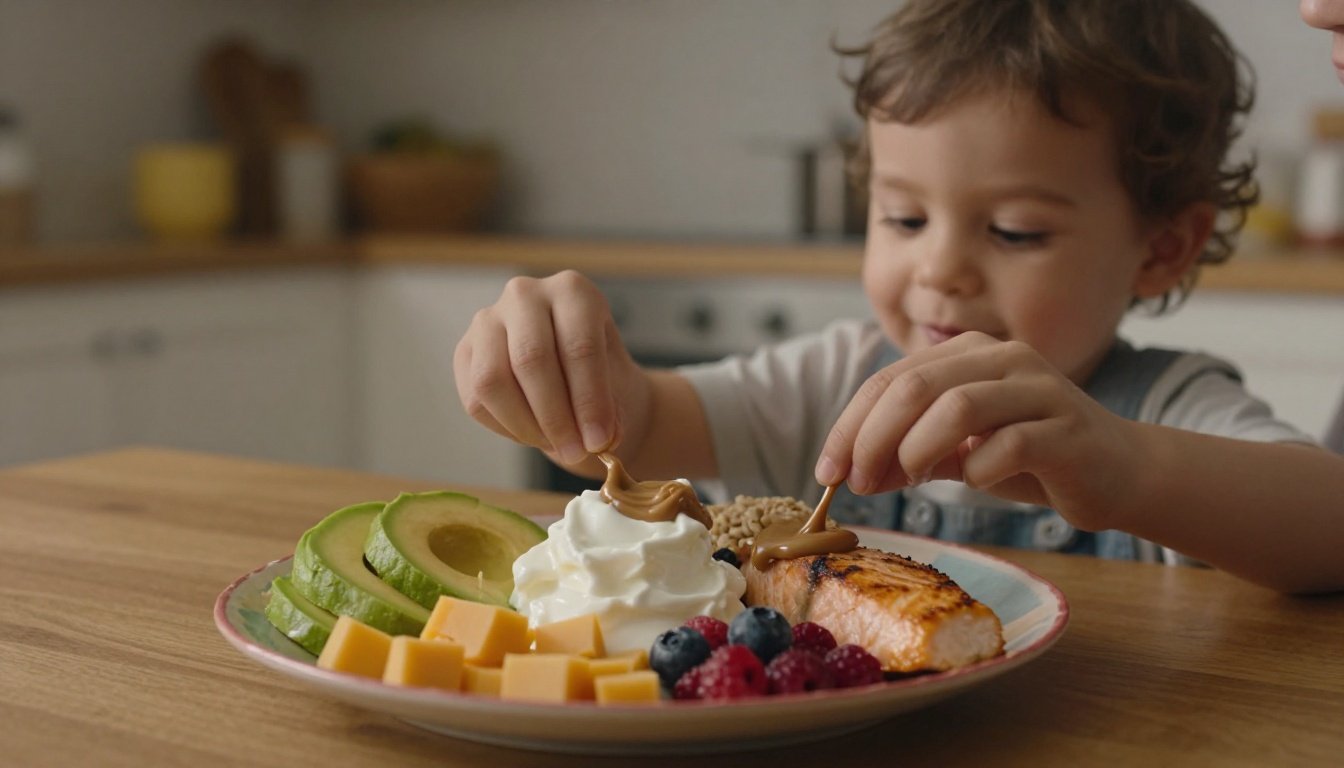
Thinly spread peanut, almond, sunflower seed, or another smooth seed butter on toast. You can also stir it into oatmeal or blend a small amount into yogurt. Introduce common allergens in an age-appropriate form, and ask your pediatrician for guidance if your child has eczema, an existing allergy, or a reaction to food.
Never offer whole nuts, whole seeds, hard raw vegetables, or thick spoonfuls of nut butter. These foods can cause choking. Serve your toddler while seated, supervise every bite, and adapt textures carefully.
Oats, whole-grain pancakes, soft bread, rice, and quinoa give those healthy fats and proteins a useful base. For example, serve oatmeal made with whole milk and mashed banana, or spread thin nut butter on soft toast alongside yogurt. Small additions can make ordinary meals more nourishing without turning them into junk food.
How to Serve Calorie-Dense Toddler Meals That Children Will Actually Eat
Food choice is only part of healthy weight gain. Your toddler also needs predictable eating times, small portions, familiar flavors, and the freedom to stop when full. A calm routine often works better than placing a large plate in front of a child and asking them to eat more.
Offer three meals and two or three small snacks each day, with food or drink about every two to three hours. Keep water available, but limit grazing and large drinks before meals so your toddler arrives with some appetite. The CDC’s toddler nutrition guidance also encourages a variety of fruits, vegetables, proteins, dairy, whole grains, and healthy fats.
Build Each Meal With Protein, Carbohydrates, and Healthy Fat
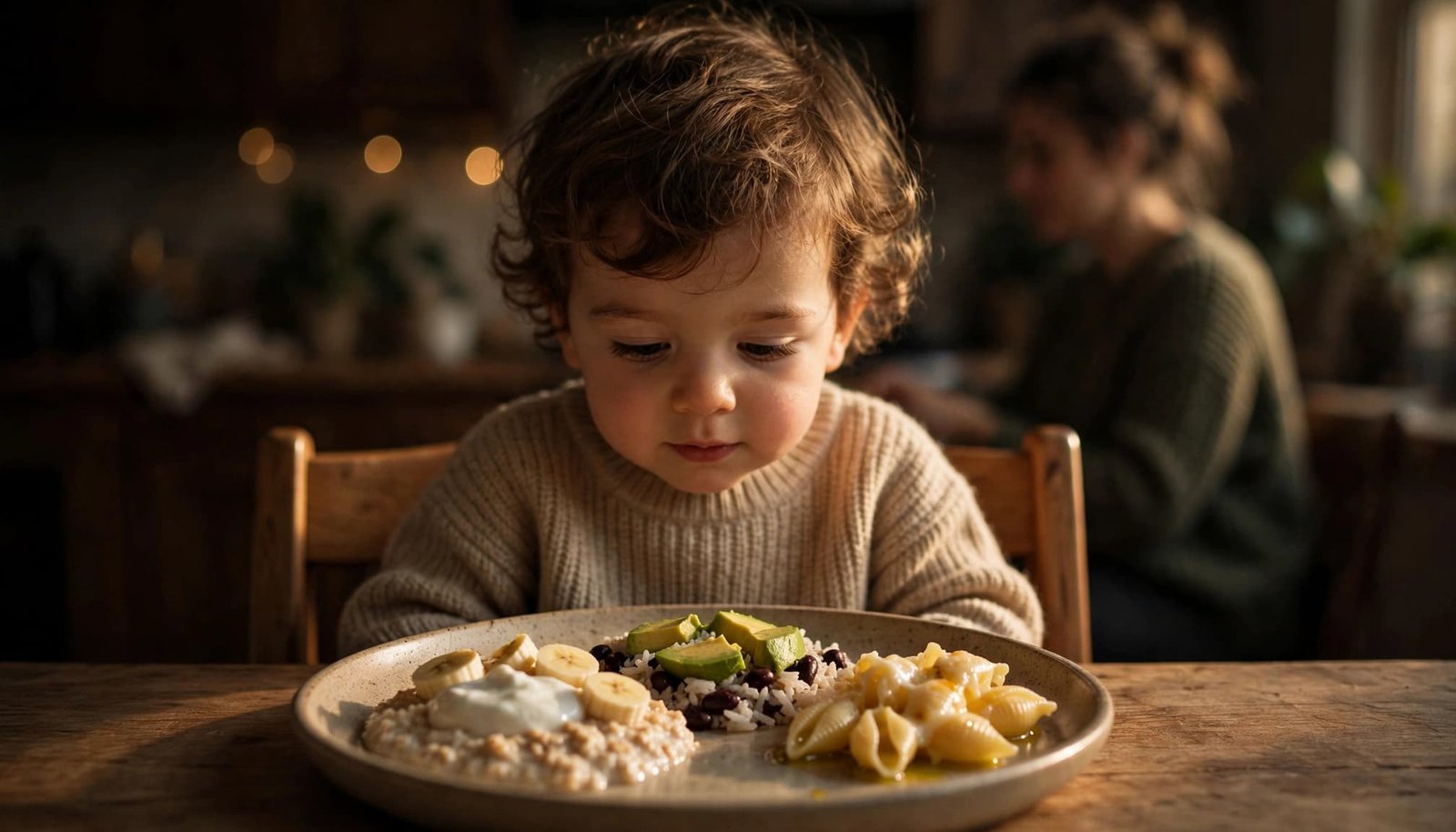
Use this simple plate formula: one protein, one starchy food, one fruit or vegetable, and one calorie booster. You don’t need perfect portions at every meal. The goal is to offer a balanced combination that gives your child several ways to eat well.
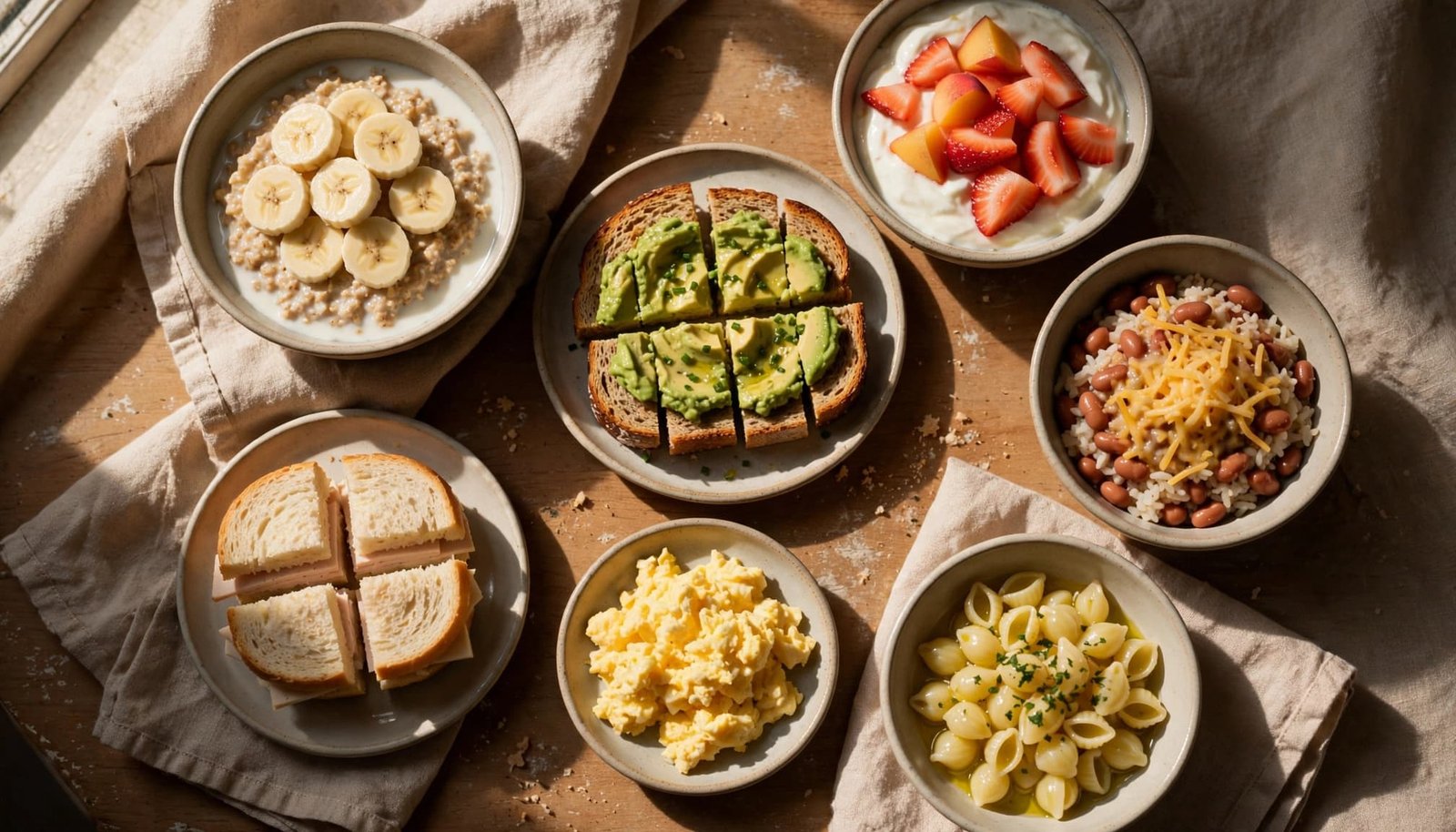
For example, breakfast might include oatmeal with yogurt and banana, plus a little nut or seed butter stirred into the oats. At lunch, serve rice with beans and avocado. Dinner could be soft pasta with cheese and olive oil alongside cooked peas or tender vegetables. A snack might combine full-fat yogurt with mashed fruit, or toast with a thin layer of nut butter.
Small servings are often less intimidating than a full adult-sized plate. Toddlers may eat enthusiastically one day and barely touch breakfast the next. Continue offering meals and snacks without pressure, then let your child decide how much to eat from the foods you provide.
Use Food Fortifiers to Add Energy Without Bigger Portions
Food fortifiers add calories to meals your toddler already accepts. Stir powdered milk into porridge, spread avocado on toast, or mix hummus into mashed beans. You can also add grated cheese to eggs, rice, pasta, or potatoes, then enrich vegetables with butter or olive oil.
Other useful additions include full-fat milk, yogurt, cream, and a mild sauce. Start with a small amount, because a familiar taste and texture may encourage your toddler to keep eating. For more ideas, these calorie-dense meal ideas for children can help you adapt everyday foods.
Avoid making sugar, candy, chips, or sweet drinks the main weight-gain strategy. They provide calories without the protein and nutrients your toddler needs. Also, never give honey to a child younger than 12 months because of the risk of infant botulism. During family meals, keep the atmosphere relaxed, offer new foods beside familiar favorites, and allow repeated exposure without force-feeding.
A Simple One-Day Meal Plan for Healthy Toddler Weight Gain
A realistic toddler meal plan offers food every two to three hours without turning the day into a feeding battle. Start with small portions, then let your child ask for more. Appetite changes from day to day, so serving sizes should match your toddler’s age, hunger, and ability to chew.
The CDC recommends about three meals and two or three snacks each day. You can review its guidance on how often to feed toddlers for more detail.
Easy Food Combinations for Picky Eaters
Pair a familiar food with one less familiar food, so your toddler has a comfortable option on the plate. Offer new foods in tiny amounts, such as one spoonful or a single bite, and repeat them without pressure.
A sample day could look like this:
- Breakfast: Serve oatmeal made with whole milk, mashed banana, and a small amount of smooth nut or seed butter. Add water or plain milk in an age-appropriate cup.
- Morning snack: Offer full-fat yogurt with soft berries, mashed peaches, or finely chopped ripe pear.
- Lunch: Try beans and rice with shredded cheese and mashed avocado. Keep the beans soft and adjust their texture for your child’s eating skills.
- Afternoon snack: Serve avocado toast, a small sandwich cut into soft pieces, or cheese with crackers. These simple filling snacks for toddlers can help busy parents plan ahead.
- Dinner: Offer scrambled egg with soft pasta tossed in olive oil, plus cooked vegetables or soft fruit. A toddler may eat only part of the plate, and that’s okay.
- Optional evening snack: If your child’s clinician recommends an extra snack, try yogurt, banana, toast with thinly spread nut butter, or a small portion of oatmeal.
You can swap ingredients based on your family’s culture, budget, allergies, and grocery options. Chicken can replace beans, potatoes can replace rice, and applesauce can replace fresh fruit when needed.
Batch cooking makes this routine easier. Prepare rice, beans, pasta, scrambled egg muffins, oatmeal portions, or soft vegetables ahead of time, then refrigerate or freeze them in toddler-sized servings. Keep quick options ready, such as yogurt, cheese, soft fruit, toast, or a small sandwich.
Offer more food when your toddler remains hungry, but never pressure them to finish the plate.
Always supervise eating and avoid choking hazards, including whole nuts, hard raw vegetables, and thick spoonfuls of nut butter. If weight gain remains a concern, ask your child’s clinician for an individualized plan rather than adding large portions or relying on sugary foods.
Foods and Feeding Habits That Can Get in the Way of Weight Gain
Healthy weight gain depends on more than adding calorie-dense foods. Drinks, oversized portions, pressure, and unsafe textures can all make eating harder. Offer regular meals and snacks, then allow your toddler to decide how much to eat from the foods you provide.
Juice, sweet drinks, and large amounts of milk can fill a small stomach before food reaches the plate. Toddlers still need water and age-appropriate milk, but offer drinks with meals or snacks instead of letting your child sip constantly. For children ages 1 to 3, the American Academy of Pediatrics recommends limiting 100% fruit juice to no more than 4 ounces per day. Water should be the usual drink between eating times.
Cakes, chips, cookies, fast food, and sugary drinks may add calories, but they don’t provide the protein, iron, healthy fats, and other nutrients your toddler needs for growth. Treats can have a place in a balanced eating pattern, especially during family celebrations. However, they shouldn’t replace nutrient-rich meals or become the main plan for weight gain.
Large portions can overwhelm a toddler before the first bite. Start with a small serving and offer more when your child remains hungry. Also, avoid pressuring your toddler to clean the plate. Pressure can turn the table into a battleground and make it harder for your child to notice hunger and fullness cues.
Constant grazing creates another problem. If your toddler eats crackers, milk, or snacks all afternoon, they may never feel hungry enough for lunch or dinner. Keep a predictable rhythm of three meals and two or three snacks, with water available between them. These toddler weaning meals and snacks can help you balance milk, water, and solid foods.
Keep Mealtimes Calm, Safe, and Developmentally Appropriate

Safe eating starts with posture and supervision. Seat your toddler upright in a high chair or at the table, and supervise every meal and snack. Keep eating calm and seated, rather than allowing your child to walk, run, recline, or eat in the car.
Prepare food for your toddler’s current skills. Cut grapes, cherry tomatoes, berries, and other round foods into small, safe pieces. Soften or shred tough foods, remove bones from meat and fish, and avoid whole nuts, popcorn, hard candy, and large chunks of meat. Smooth nut butter should be spread thinly or mixed into yogurt, oatmeal, or another soft food, never served by the spoonful. Review the CDC’s toddler choking hazard guidance for more examples.
Ask your child’s clinician about food allergies, swallowing problems, developmental delays, or special feeding needs. A personalized plan can support weight gain without making meals stressful or unsafe.
When Slow Weight Gain Needs a Pediatrician’s Guidance
A small meal, a missed snack, or a naturally slim body type doesn’t automatically mean your toddler has a health problem. Children grow at different speeds, and a better measure is your child’s growth pattern over time, not a comparison with siblings, friends, or children in the same daycare class.
Growth Charts Show Patterns, Not Diagnoses
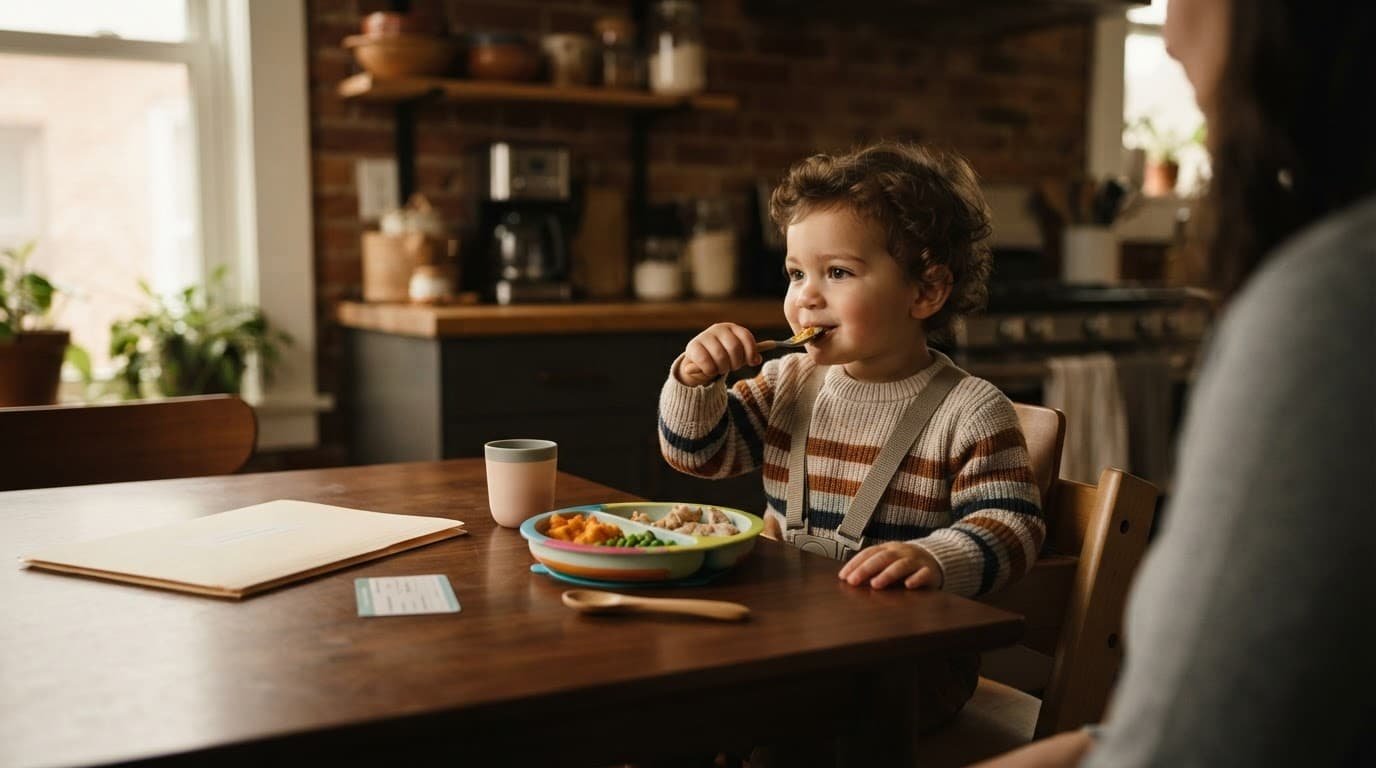
Your pediatrician will review weight, length or height, and growth over several visits. A child who stays on a steady curve may be healthy even if they fall near the lower end of the chart. A noticeable drop across growth percentiles deserves more attention than one isolated measurement.
For term children from birth to 2 years, the AAP and CDC recommend WHO growth standards. These charts track weight-for-age, length-for-age, weight-for-length, and head circumference. At age 2, healthcare providers generally transition to CDC growth charts for children ages 2 through 20.
Growth charts help clinicians spot patterns, but they don’t diagnose the reason a child is gaining weight slowly.
Your child’s clinician may ask about meals, snacks, milk, bowel movements, vomiting, allergies, activity, and feeding behavior. Bring a short food and symptom record if meals have become difficult. Details about portions, textures, and how long your toddler takes to eat can make the visit more useful.
Signs Your Toddler Needs Medical Review
Contact your pediatrician if your toddler has weight loss, a clear drop in their usual growth pattern, or ongoing poor appetite. You should also call if eating comes with frequent vomiting or diarrhea, trouble chewing or swallowing, coughing, choking, or prolonged distress.
Medical guidance is also important when slow gain appears alongside:
- Extreme tiredness or unusually low energy.
- Constipation that interferes with eating.
- Repeated stomach pain or signs of food intolerance.
- A very restricted diet or strong texture refusal.
- Delays or concerns involving speech, movement, play, or other development.
A pediatrician or registered dietitian can check for medical causes, feeding difficulties, allergies, digestive problems, or inadequate intake. They can also help you create a safe plan that fits your toddler’s needs and eating skills. Parents can review these toddler growth spurt signs for context, but persistent concerns still belong in a medical appointment.
Don’t start high-calorie supplements, weight-gain shakes, or concentrated formula without professional advice. Extra calories may be inappropriate, and incorrectly prepared formula can be dangerous. Your child’s clinician should decide whether a supplement is needed, which product is suitable, and how much to offer.
Conclusion
Healthy weight gain starts with a steady rhythm, not a perfect plate. Offer three meals and two or three snacks each day, then add healthy fats and protein to familiar foods such as oatmeal, yogurt, eggs, rice, toast, beans, and pasta. Small portions can feel more inviting, while options like these nutritious foods for kids to gain weight can help you keep meals varied and satisfying.
Keep mealtimes relaxed, supervise every bite, and prepare foods in textures and sizes your toddler can manage safely. Appetite will change from day to day, so one small meal does not define your child’s nutrition. Healthy weight gain is gradual, and toddlers don’t need to eat perfectly every day.
If your child has persistent poor weight gain, loses weight, eats very little over time, or shows symptoms such as vomiting, diarrhea, fatigue, coughing, or trouble swallowing, schedule a pediatrician’s review. Your steady routines, patient encouragement, and nourishing choices matter more than one difficult meal.

- Dry Cough in Kids: 5 Causes and Safe Solutions - September 23, 2026
- How to Help a Child Deal With Anxiety at Home - September 12, 2026
- How to Prepare Your Child for the First Day of School - September 12, 2026