
Your baby screams through every feeding, her little tummy bloated and skin blotchy. You’re exhausted, wondering if it’s colic or something worse. That’s often cow’s milk protein allergy (CMPA), where her immune system treats harmless milk proteins like threats (it’s not lactose intolerance, which is a digestion issue).
This affects about 2-3% of babies under age 1, but good news: most outgrow it by 3-5 years. Catching it early stops discomfort, poor growth, and endless worry, so you can get back to happy snuggles.
For a quick expert take, watch Cow’s Milk Protein Allergy in Babies. We’ll break down the causes next, then symptoms, diagnosis, and remedies that actually work.
What Causes Milk Allergy in Babies?
Cow’s milk protein allergy, or CMPA, happens when a baby’s immune system flags harmless milk proteins as dangerous invaders. It attacks casein and whey, the main proteins in cow’s milk. This sets off inflammation and discomfort. Lactose intolerance is different. That’s just poor sugar digestion in the gut. CMPA is an immune foul-up.
Picture your baby’s body like a home security system with a glitch. Milk proteins trip the alarm by mistake. No germs involved, just proteins from formula or mom’s diet. Breastfed babies get trace amounts when mom eats dairy; they pass right into milk. Formula delivers a bigger dose directly.
Genes play a part too. They team up with early gut exposure. Babies’ intestines are thin, so proteins sneak through easily. About 2-3% of U.S. infants under 1 face this. Most outgrow it by age 3-5 as their systems mature.
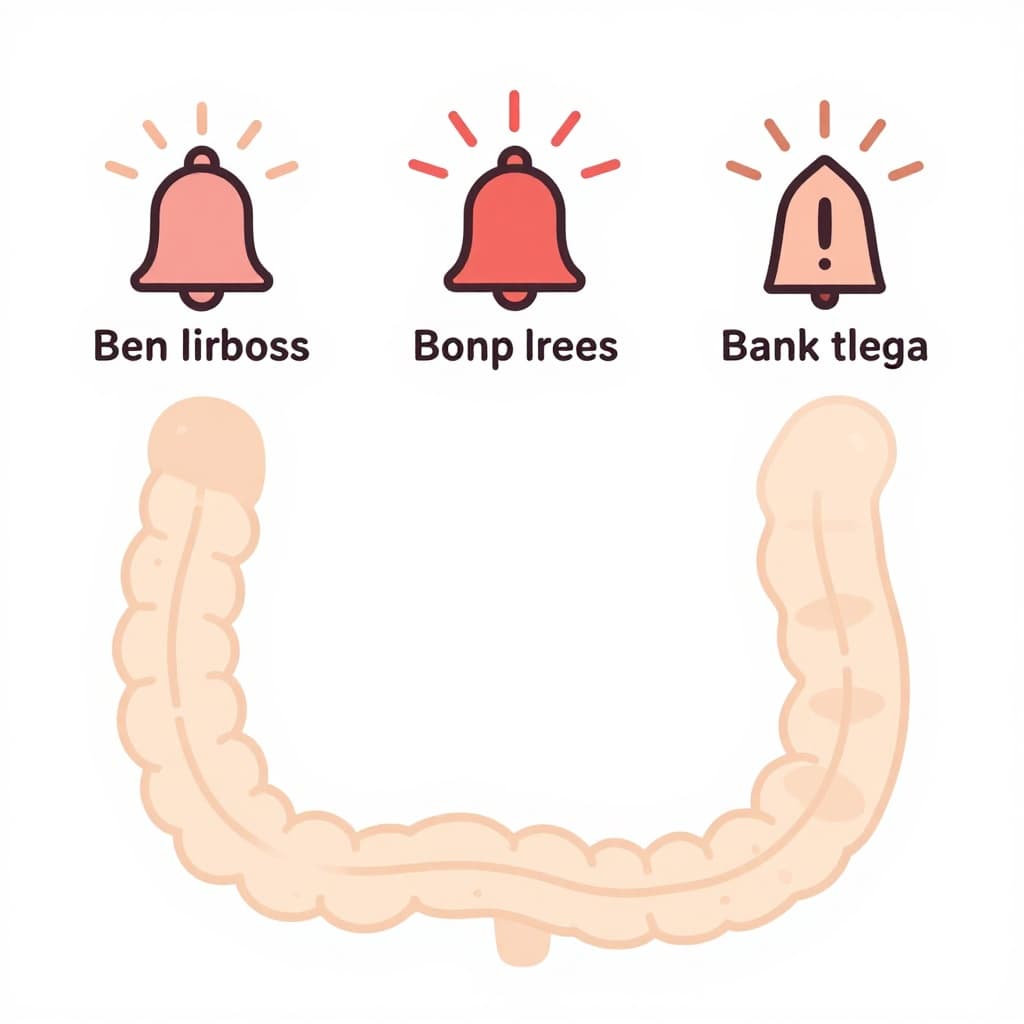
How Milk Proteins Trigger the Reaction
Proteins like casein and whey enter via formula or breast milk. In breastfed babies, mom eats dairy; bits cross into her milk supply. Formula skips that step. Once inside, they meet the gut’s immune cells.
Two reactions happen. IgE-mediated kicks in fast. Antibodies latch onto cells, releasing histamine in minutes. Think quick hives or wheeze. Non-IgE-mediated brews slower. T cells inflame the gut over days, no IgE needed. For details on these paths, check IgE vs non-IgE mechanisms in infants.
Both stem from immature tolerance. Babies’ systems learn slowly.
Who Is Most at Risk?
Certain babies face higher odds. Family history tops the list. If allergies, asthma, or eczema run in your crew, watch close. Siblings with food allergies raise the stakes too.
Other clues include eczema or existing allergies. Early formula feeding bumps risk since gut barriers strengthen slower without breast milk’s help. Learn more about breastfeeding benefits for digestion.
Premature infants or those with gut issues qualify too. Yet here’s comfort: 80-90% outgrow CMPA by school age. Early tweaks fix most cases fast.
Key Symptoms to Spot in Your Baby
Spotting milk allergy symptoms early makes a big difference. They fall into two groups: immediate ones that hit fast after a feed, and delayed ones that creep in over hours or days. These signs often mimic colic, reflux, or teething, so don’t guess on your own. Always call your pediatrician for a proper check. Here’s a quick comparison to help you see the differences.
| Feature | Immediate (Minutes to 2 Hours) | Delayed (Hours to Days) |
|---|---|---|
| Skin | Hives, rash, swelling | Eczema, ongoing rashes |
| Gut | Vomiting, cramps | Diarrhea, reflux, bloody stools |
| Breathing | Wheezing, cough | None usually |
| Growth | Rare impact short-term | Poor weight gain |
| Severity | Can lead to anaphylaxis | Chronic discomfort |
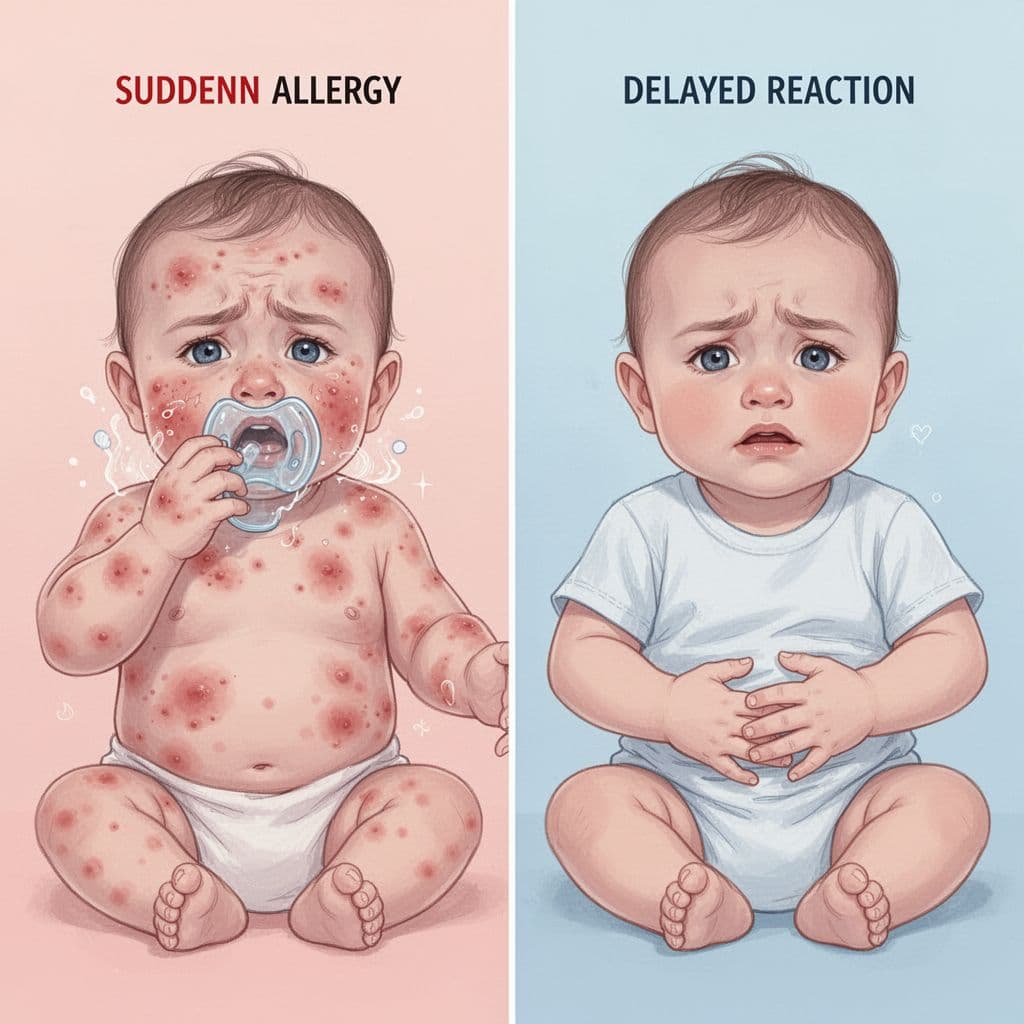
Signs That Appear Right Away
These quick reactions start within minutes to two hours of milk exposure. Your baby’s face might flush red with hives, those itchy raised welts that spread fast. Swelling puffs up lips, eyes, or cheeks. She could vomit right after feeding or wheeze with short breaths.
Breathing gets tough sometimes, like a tight cough or runny nose. In rare cases, anaphylaxis hits hard: pale skin, limpness, or trouble swallowing. Act fast then; use epinephrine if prescribed and rush to the ER. For more on these fast signs, see diagnosing cow’s milk allergies in newborns.
Babies seem fine one moment, distressed the next. Track feeds to share details with your doctor.
Subtle Symptoms That Build Over Time
Delayed signs sneak up over hours or days, often from non-IgE reactions. Skin stays irritated with eczema flares or dry rashes that won’t quit. Tummy hurts show as constant cries, like colic that lingers.
Diarrhea comes loose or with mucus; reflux spits up sour milk often. Bloody stools alarm parents, yet they link to gut inflammation. Over weeks, poor growth worries most: clothes stay baggy, cheeks thin out.
Breastfed? Mom’s dairy might trigger this; check signs of dairy sensitivity in breastfed infants. These mimic other issues, so your doctor rules out infections or intolerances first. Patience pays off with the right tweaks.
How Doctors Diagnose Milk Allergy Accurately
Doctors follow a clear path to confirm milk allergy in babies. They start simple and build from there. This process rules out other issues like reflux or infections. You build trust when you see how precise it is. No guesswork, just steps backed by pediatric guidelines.

Gather a Full Symptom History First
Your pediatrician asks key questions right away. When do symptoms start after feeds? How often do they happen? Any family allergies? They check your baby’s growth chart, skin, and belly too. This history points to milk protein allergy over colic. For example, bloody stools or poor weight gain raise flags. It takes minutes but guides everything next.
Order Stool Tests and Exams
Next, they do quick office checks. A stool sample spots hidden blood from gut irritation. It’s painless and common for delayed reactions. They also examine for rashes or swelling. These rule out infections fast. Positive results suggest allergy, so they move to diet changes.
Launch a Supervised Elimination Diet
The gold standard is a 2-4 week dairy-free trial. Formula-fed babies switch to hydrolyzed formulas like Nutramigen. Breastfed? Mom cuts all dairy. Symptoms often fade in 1-2 weeks. Doctors watch closely; no home tests here. If baby improves, they confirm with a re-challenge under supervision. See evidence-based diagnosis steps for cow’s milk allergy.
Run Targeted Allergy Tests if Needed
For fast reactions like hives, they add skin pricks or blood tests for IgE antibodies. A skin prick drops milk extract; a wheal shows allergy. Blood draws measure specific IgE levels. These help immediate cases but miss most delayed ones. Severe symptoms mean an allergist visit right away. Always let pros handle it, not DIY kits.
Proven Remedies to Ease Your Baby’s Discomfort
Once doctors confirm milk allergy, you can act fast for relief. Strict dairy avoidance works best, as CHOP guidelines stress. Breastfed babies improve when moms cut dairy; formula-fed ones switch types. Add symptom soothers too. Most babies settle in days to weeks. Your pediatrician guides every step.
Dairy-Free Tips for Breastfeeding Moms
You hold the key if breastfeeding. Cut all dairy from your diet right away; proteins pass into milk and trigger baby’s reaction. Start with a 2-4 week trial. Symptoms often fade fast.
Check labels close. Dairy hides in casein, whey, chocolate, or “natural flavors.” Bread, snacks, and sauces sneak it in too. CHOP lists full avoids like milk allergy diet tips. Probiotics help; try L. rhamnosus GG strains to support gut health during changes.

Boost calcium with leafy greens, almonds, or fortified plant milks later. See a dietitian to stay strong. Track your intake; apps spot hidden sources quick.
Switching to the Right Formula
Formula-fed babies need hydrolyzed options first. These break proteins small so they dodge the immune response. CHOP recommends extensively hydrolyzed formulas (eHF) for most cases; 90% improve.
Avoid soy unless your doctor okays it, since cross-reactions happen. Amino acid formulas (AAF) suit severe or non-responding cases.
Here’s a quick guide:
| Formula Type | Best For | Examples |
|---|---|---|
| Extensively Hydrolyzed (eHF) | Mild to moderate CMPA | Nutramigen, Alimentum |
| Amino Acid-based (AAF) | Severe symptoms, failures | EleCare, Neocate |
Get samples from your doctor. Transition slow over days to ease tummy upset. Cleveland Clinic backs this switch for quick relief.
Home Remedies for Common Symptoms
Soothe skin and gut while avoiding dairy. For eczema, slather fragrance-free moisturizers like CeraVe daily after baths. Colloidal oatmeal baths calm flares too; grind oats fine and soak 10 minutes.
Ease gas with tummy massages. Lay baby on back; rub clockwise in circles, 5 minutes post-feed. Bicycle legs help release bubbles. Burp often during feeds.
A doctor-supervised milk ladder builds tolerance later for some. These steps cut cries fast, but pair with pro advice always.
Emergencies and Long-Term Care Essentials
Rare but scary severe reactions like anaphylaxis demand your readiness. Most milk allergies cause milder woes, yet you prepare for the worst. Long-term, focus on nutrition and growth checks. These steps keep your baby safe and thriving.
Spot and Stop Anaphylaxis Fast
Anaphylaxis hits quick with hives, swelling, wheeze, or limpness. Give epinephrine first with EpiPen, Auvi-Q, or Neffy on the thigh. Press firm until it clicks; hold 3 seconds. Call 911 right away, even if symptoms ease. Stay calm, lay baby flat, and watch breathing.
A second dose follows in 5-15 minutes if needed. Head to ER for hours of monitoring. Download your AAP Allergy and Anaphylaxis Emergency Plan and post it on the fridge. Train all caregivers; practice monthly.

See subtle symptoms requiring medical attention to catch risks early.
Build Strong Nutrition for the Long Haul
Dairy avoidance lasts until tolerance builds, often by age 3-5. Boost calcium with fortified formula, plant milks after 12 months, or greens like broccoli. Vitamin D pairs well from sunlight or drops.
Yearly allergist retests check progress. A milk ladder under guidance introduces tiny amounts safely. Dietitians tailor meals; most kids outgrow fully. You control this; your baby gains weight and smiles back soon.
Conclusion
Spot symptoms like hives, bloody stools, or poor growth early.
Rush to your pediatrician for tests and an elimination diet.
Dairy avoidance brings fast relief for most babies.
Hydrolyzed formulas or mom’s dairy-free meals work well. Switch under guidance to avoid issues like soy cross-reactions.
Most kids outgrow milk allergy by age 3-5.
Your little one’s cries turn to coos soon. Talk to your doctor today. Share your story below; other parents thank you.
Save pin for later

- 12 Things Pregnant Women Do When They’re Alone - June 7, 2026
- 25 Healthy Pregnancy Snacks You Should Try - June 7, 2026
- 100 Funny Baby Jokes That Will Make You Laugh - May 15, 2026