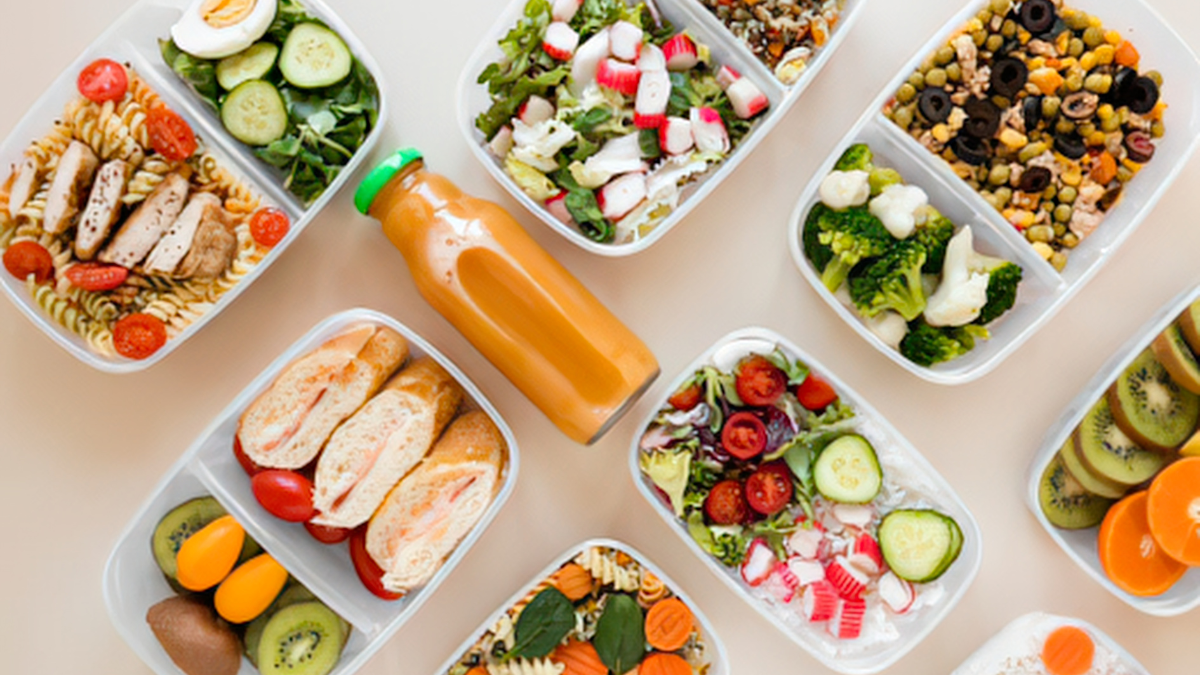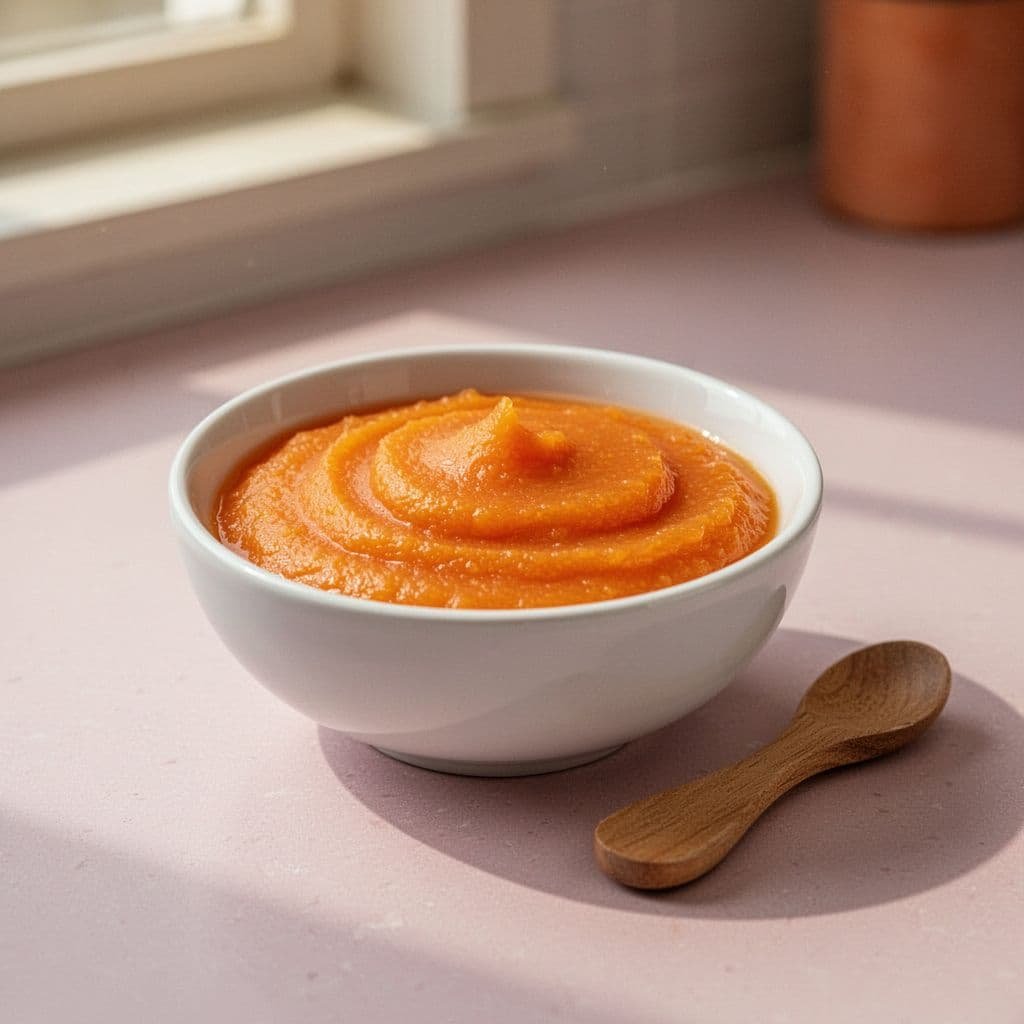
Slow weight gain in kids can happen for a lot of reasons, picky eating, nonstop play, small portions, recent illness, or plain old genetics. What matters most is giving your child weight gain foods for kids that bring real nourishment, not empty calories or pressure at the table.
That means choosing foods that are energy-dense and rich in protein, healthy fats, vitamins, and minerals, so each bite does more work. If your child also struggles with snack time, simple and balanced snacks for kids can help fill the gaps between meals without turning food into a battle.
Below, you’ll find 300 nutrient-rich choices grouped into easy categories, so you can mix and match meals with less stress and more confidence.
What healthy weight gain looks like for kids
Healthy weight gain in kids is steady, not sudden. It usually follows a child’s normal growth pattern, with small changes over time rather than quick jumps on the scale. The goal is to help your child grow stronger, stay energetic, and get the nutrients their body needs each day.
A child may need more food, but the bigger picture matters too. Calories help with growth, yet protein, fats, carbs, vitamins, and minerals help those calories do real work. A child who eats well should have steady energy, good focus, and age-appropriate growth over time.
Signs your child may need more nourishing foods
Sometimes the clues are small. A child who seems tired more often, leaves most of their food behind, or asks for snacks but skips meals may need a better food routine. Clothes that suddenly fit loosely, slower growth, or eating just a few bites at meals can also point to a need for more nourishing foods.
Look for patterns, not one bad day. A child who is growing well usually has decent energy, a steady appetite, and gradual changes in size and strength. If meals feel like a struggle most days, it may help to add more nutrient-rich options in smaller, easier portions.
Common signs include:
- Low energy during play or school time
- Loose-fitting clothes even after a normal season
- Skipping meals or pushing food away often
- Very small portions at most meals
- Slower growth than expected for age
A smoothie can also help fill gaps when solid food feels like too much. Healthy smoothie recipes for kids can make it easier to add fruit, yogurt, nut butter, or oats without turning snack time into a fight.
Why calories alone are not enough
More food helps, but better food helps more. A child needs calories, yet those calories should come with protein, healthy fats, carbs, and key nutrients that support the whole body.
Protein helps build muscle and repair tissue. Healthy fats support brain growth and help meals feel more filling. Carbs give quick fuel for play, school, and sports. Iron, zinc, calcium, vitamin D, and other nutrients help with blood health, bones, immunity, and steady development.
A fuller plate matters most when it gives real nutrition, not just extra volume.
A child who gets enough calories but little nutrition may still feel tired, hungry soon after eating, or run down more often. That’s why balanced meals matter more than simply adding more snacks or bigger portions. For example, a plate with eggs, avocado, fruit, and toast gives more support than a sugary snack alone. A practical idea is to pair foods, like protein plus fat or carbs plus fat, so each meal works harder for your child. Plant-based dinner ideas for kids can also help when you want filling meals with variety.
When to check with a doctor first
Some kids just need more nourishing meals and a better eating rhythm. Others need medical advice before any weight gain plan starts. Reach out to a pediatrician if your child has ongoing poor weight gain, weight loss, frequent stomach pain, vomiting, diarrhea, food refusal, or trouble swallowing.
A doctor should also weigh in if your child seems unusually tired, gets sick often, or has a very limited diet that keeps shrinking. The Boston Children’s Hospital guide on slow weight gain gives a helpful overview of when slow gain needs closer attention.
If eating feels stressful or your child avoids food most of the time, don’t wait it out for too long. A quick check can rule out medical causes and point you toward the safest next step.
The best weight gain foods for kids, grouped by food family
When you group foods by family, meal planning gets easier fast. You can mix one or two items from each group and build plates that are richer in calories, protein, and nutrients without making food feel heavy or boring.
The goal is simple. Fill the plate with foods that do more work in smaller bites. That means choosing foods that bring energy, growth support, and kid-friendly flavor to the table.
Energy-rich dairy foods kids can enjoy often
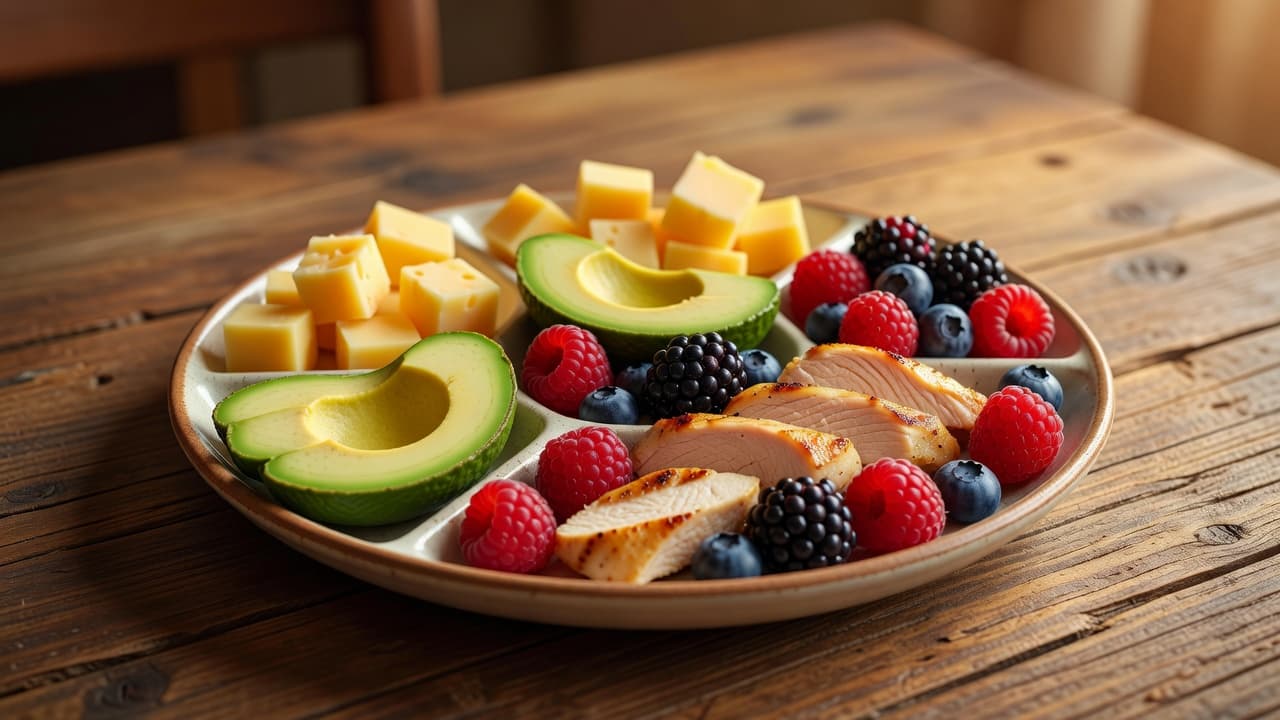
Dairy is one of the easiest places to add calories without much fuss. Whole milk, yogurt, cheese, cottage cheese, paneer, kefir, and Greek yogurt all bring a mix of protein, calcium, and calories that support healthy growth and bone strength.
Milk-based smoothies work well too, especially when a child eats better in sips than in bites. Blend whole milk or yogurt with banana, nut butter, oats, or fruit for a snack that feels gentle but still packs nutrition.
Try these simple ideas:
- Whole milk with breakfast cereal or oatmeal
- Greek yogurt with fruit and granola
- Cheese cubes in lunch boxes
- Cottage cheese with pineapple or peaches
- Paneer in wraps, rice bowls, or scrambled eggs
- Kefir blended into a fruit smoothie
Dairy also helps meals feel more filling, which matters when your child has a small appetite. For a broader look at how to add calories with food your child already likes, the Nationwide Children’s guide to making meals count gives a practical starting point.
Protein foods that help build strong bodies
Protein foods give kids the building blocks for muscle, tissue repair, and steady growth. Eggs, chicken, turkey, beef, fish, tofu, beans, lentils, chickpeas, edamame, peanut butter, nut butters, and seed butters all fit well into a weight gain plan.
Small appetites often do better with soft, familiar textures. Scrambled eggs, shredded chicken, lentil soup, turkey meatballs, tofu cubes, hummus, and bean dips can feel less intimidating than a big slab of meat or a large bowl of beans.
A few easy serving ideas make a big difference:
- Egg muffins for breakfast
- Chicken or turkey in sliders and wraps
- Beef mixed into pasta sauce or rice
- Fish cakes with potatoes
- Tofu in stir-fries or noodles
- Beans and lentils in soups, tacos, or quesadillas
- Peanut butter on toast, apples, or bananas
If your child picks at food, keep portions small and repeat favorites often. Protein doesn’t have to look fancy to work hard.
Healthy fats that pack more nutrition into smaller bites
Fats help raise calories fast, and they make food taste richer too. Avocados, olives, olive oil, nut butters, seeds, coconut, ghee, full-fat yogurt, and fatty fish all bring more energy into fewer bites.
These foods also support brain development and help meals feel satisfying. A spoonful of olive oil on rice, a swipe of nut butter on fruit, or avocado on toast can turn an ordinary snack into a stronger one.
Simple ways to use them include:
- Drizzling olive oil over pasta, rice, or vegetables
- Topping toast with avocado and cheese
- Adding ghee to warm grains or mashed potatoes
- Stirring seeds into yogurt or oatmeal
- Serving salmon or sardines in age-appropriate portions
- Mixing coconut into smoothies or baked snacks
A little fat goes a long way when a child needs more calories in less food.
Carb-rich foods that give kids steady energy
Carbs are not the enemy. Rice, oats, potatoes, sweet potatoes, pasta, bread, tortillas, quinoa, corn, and whole-grain cereals give kids the fuel they need for play, school, and sports.
They also make meals feel more complete when you pair them with protein and fats. Rice with chicken, pasta with cheese, toast with peanut butter, or potatoes with eggs gives better staying power than carbs alone.
For children who eat slowly or lose interest fast, carbs can help keep the plate familiar and filling. Warm oatmeal at breakfast, pasta at lunch, and sweet potatoes at dinner can all support steady energy through the day.
Fruit and vegetable picks that add vitamins without shrinking portions
Some fruits and vegetables bring more calories than others, while still adding fiber and color. Bananas, mangoes, grapes, dates, raisins, avocado, peas, corn, squash, and sweet potatoes are smart choices for kids who need extra nourishment.
These foods bring vitamins and minerals without crowding out the rest of the meal. Bananas and mangoes blend well into smoothies, grapes make easy snack cups, and dates or raisins can add natural sweetness to oatmeal or yogurt.
Try pairing produce with richer foods so the meal works harder:
- Banana with peanut butter
- Mango with Greek yogurt
- Grapes with cheese
- Raisins stirred into oatmeal
- Peas and corn mixed into rice or pasta
- Sweet potatoes with butter or olive oil
That mix keeps meals colorful and nutrient-dense at the same time. Kids get fiber, flavor, and calories, which is the kind of combination that helps them grow without turning every meal into a struggle.
How to turn simple foods into filling kid meals
The easiest filling meals start with food your child already knows. A plain plate becomes more satisfying when you add a carb, protein, fat, and produce item in the same meal, even if each part is small.
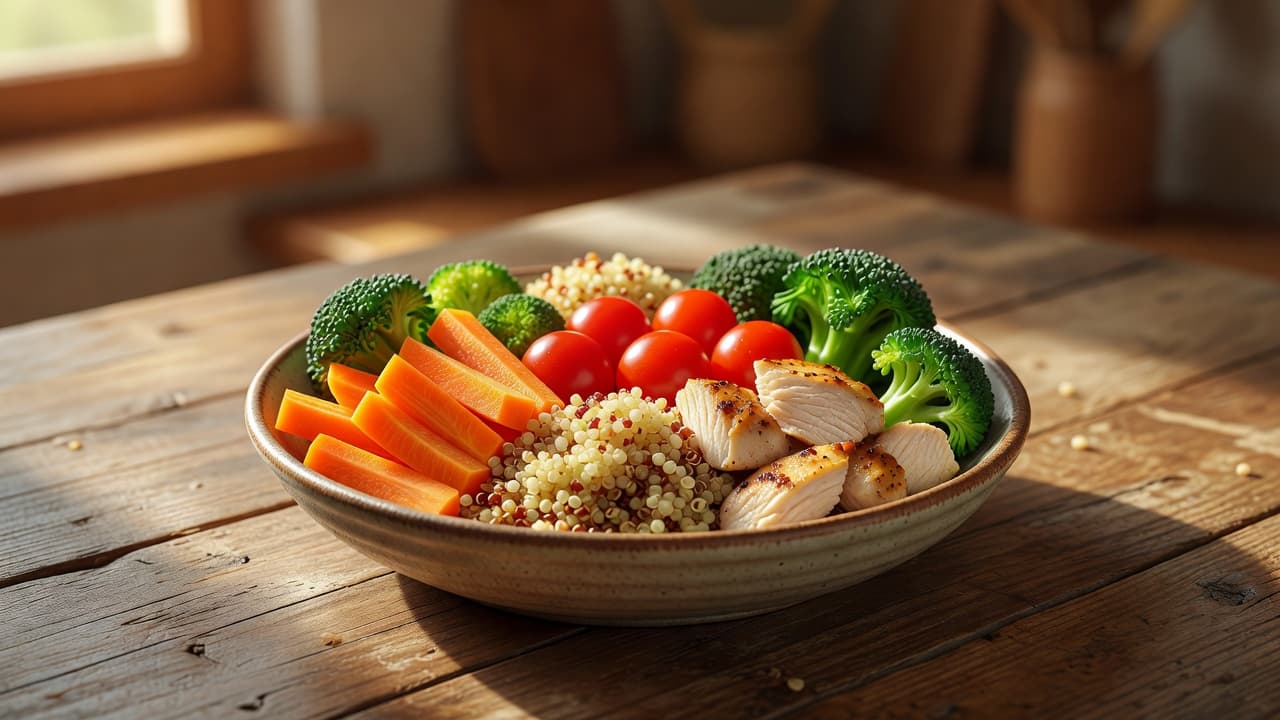
That balance matters because kids often eat better when the plate looks familiar. A scoop of rice, a few bites of chicken, a little avocado, and soft carrots can feel simple, yet it gives more staying power than one large bowl of one food.
Easy breakfast ideas that stick
Busy mornings call for breakfasts that come together fast and still hold a child through the morning. Oatmeal with nut butter, eggs with toast, yogurt parfaits, pancakes with fruit, and smoothies with milk and oats all work well because they mix energy, protein, and fat.
A few realistic swaps make breakfast feel fuller without making it fussy. Stir peanut butter into warm oats, serve scrambled eggs with buttered toast, or layer yogurt with berries and granola. For mornings that move too fast, a smoothie with milk, banana, and oats can go in a cup and out the door.
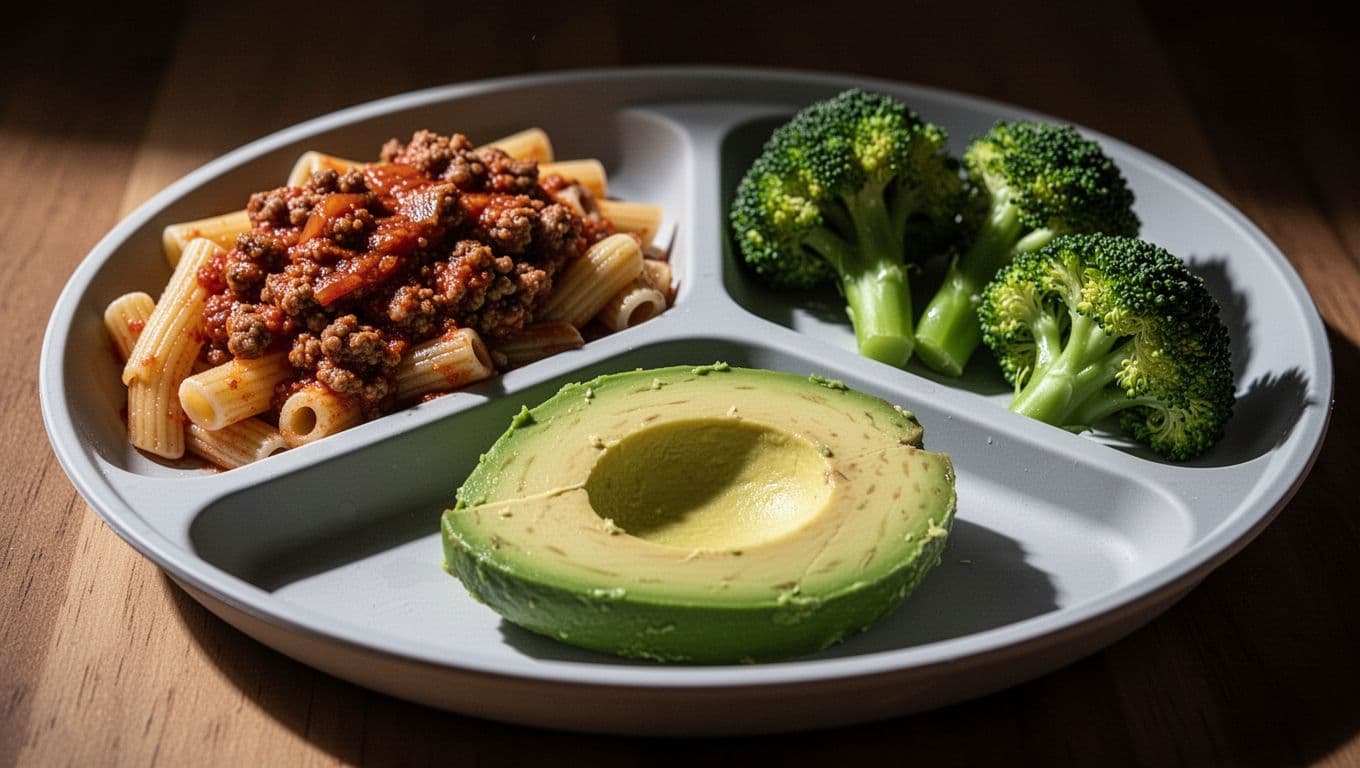
You can also keep a few breakfasts on repeat. Kids like rhythm, and repeated favorites often lead to better eating over time. For more toddler-friendly finger food ideas that can double as quick breakfast sides, these easy finger foods for toddlers fit neatly into small hands.
Lunch and dinner plates that bring more calories without junk food
Lunch and dinner do not need heavy recipes to be more filling. Rice bowls with chicken, beans, cheese, and a drizzle of olive oil are easy to build. Pasta with meat sauce, a little butter, and peas also gives more calories without piling on junk food.
Sandwiches work the same way. Add cheese and avocado, or pair turkey with mayo and sliced tomato. Potatoes with chicken, or baked potatoes topped with beans and butter, are simple meals that still feel complete. The NHS guide to helping a child gain weight also supports this kind of approach, with small changes that raise calories in everyday meals.
A simple plate formula helps:
- Carb: rice, pasta, potatoes, bread, or tortillas
- Protein: chicken, eggs, beans, beef, tofu, or fish
- Fat: cheese, avocado, olive oil, butter, or nut butter
- Produce: fruit, peas, corn, carrots, broccoli, or tomatoes
When you build meals this way, each bite does more work. That matters for kids who eat slowly or lose interest fast.
Smart snacks for in-between hunger
Snacks can matter as much as meals for kids who eat small amounts. If a child only manages a few bites at lunch, the snack that follows can help carry the day.
Good choices include cheese and crackers, trail mix, banana with peanut butter, yogurt cups, hummus with bread, boiled eggs, fruit with nut butter, and mini smoothies. These snacks are easy to pack, easy to serve, and easy to repeat.
The goal is not to fill kids with random munching. It’s to give small, calorie-rich snacks that keep hunger from sneaking up too hard between meals. A child who eats light at the table often does better with two or three solid snack moments spread through the day.
Homemade drinks that can help add calories
Some kids tire out before they finish a meal, and that’s where drinks can help. Milk shakes, yogurt smoothies, banana blends, and fortified drinks made with oats, nut butter, and fruit can add calories in a softer, easier way.
These drinks work best as support, not a meal replacement. Too many sugary drinks can crowd out food, so keep them as one part of the day, not the whole plan. Still, for a child who gets full fast or loses steam while chewing, a thick homemade drink can add real nourishment.
Try blending whole milk, banana, peanut butter, and oats for a simple calorie boost. You can also mix yogurt with fruit and a spoonful of nut butter for a creamy drink that feels more like food than juice.
Practical feeding habits that support healthy weight gain
The food on the plate matters, but the rhythm around it matters too. Kids who need to gain weight often do better with calm, steady habits that make eating feel easier and less pressured.
A loose routine can act like a safety net. When meals and snacks happen at predictable times, children are more likely to come to the table hungry and more willing to eat.
Serve smaller portions more often
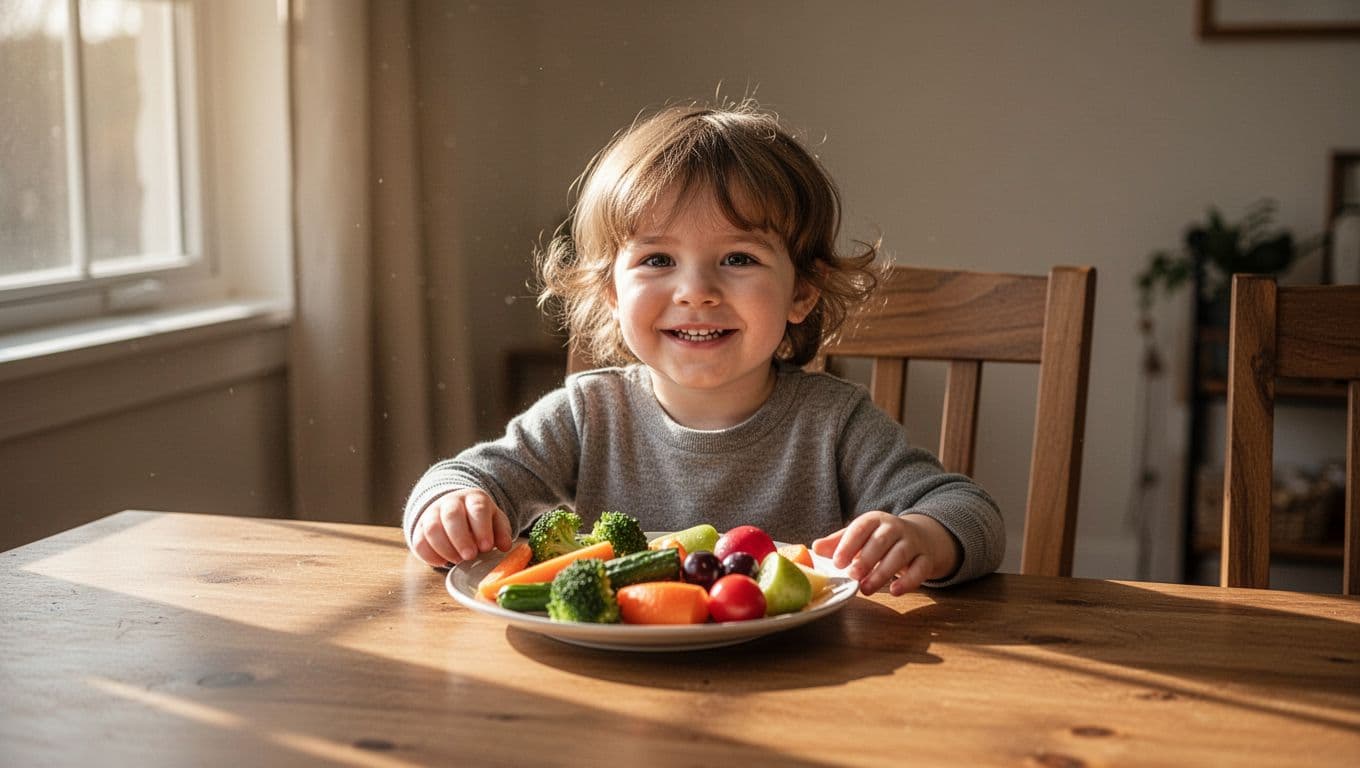
Some kids feel overwhelmed by a big plate. A smaller serving looks easier to handle, and that can lead to better eating overall. For many children, 5 to 6 mini meals a day works better than three large ones because the appetite never has to do too much at once.
That pattern also helps with slow eaters and kids who get full quickly. A simple rhythm might look like breakfast, a morning snack, lunch, an afternoon snack, dinner, and a bedtime bite if needed. Keep the timing flexible, but keep the flow steady.
Small, regular meals can feel like stepping stones, while oversized plates can feel like a wall.
The goal is comfort, not pressure. If your child eats well at one meal and lightly at the next, that still counts.
Add calories without making food unhealthy
Small enrichments can make meals more filling without changing the whole plate. Stir milk into oats, add cheese to eggs, drizzle olive oil over vegetables, or blend yogurt into fruit smoothies. These little changes add energy and nutrients in a quiet way.
You can also mix and match without making food feel heavy. A slice of toast with nut butter, a bowl of rice with butter, or pasta with a little cheese gives more staying power than plain versions.
The NHS guide on helping a child gain weight offers a simple reminder, small changes to food and drink can support healthy gain without turning meals into a project.
Make picky eating less stressful at the table
Picky eating gets harder when every bite becomes a debate. Calm routines help more than speeches. Sit down together when you can, keep the meal short and relaxed, and offer the same foods again in different ways.
Choice also helps. Instead of a big open-ended question, offer two healthy options, like apple slices or banana, rice or pasta, yogurt or cheese. That gives your child some control without letting the whole meal spin out.
Avoid bribing or pushing bites. Pressure often makes children shut down faster. Repeated exposure, patience, and a steady table routine usually do more than one perfect meal ever could.
Keep an eye on hydration and digestion
Thirst, stomach pain, and constipation can all affect appetite. If a child drinks too much right before meals, they may fill up before food even arrives. Water is still important, but spacing drinks away from meals can leave more room for eating.
Fiber also matters, because a sluggish gut can make a child feel uncomfortable and less interested in food. Pair fruits, vegetables, grains, and protein across the day so digestion stays regular. A balanced plate, plus enough water, can make eating feel easier and more natural.
If your child often says their tummy hurts or avoids food after drinks, notice the pattern. Small changes in timing and meal balance can make a real difference.
A simple weekly plan for parents who want results
A weekly plan takes the guesswork out of feeding kids who need more nourishment. Instead of starting from scratch every day, you work from a short list of staples, repeat meals in smart ways, and keep the food moving with less stress.
That rhythm matters. When the kitchen feels calm and familiar, kids usually eat better, and parents can stay consistent long enough to see change.

Build a grocery list from the 300 food ideas
Start by choosing a few foods from each group, then build around them for the whole week. You do not need all 300 ideas at once. A short list of reliable staples makes shopping faster and meals easier to throw together after a busy day.
A good list usually includes one or two items from each bucket:
- Protein: eggs, chicken, beans, yogurt, peanut butter, tofu
- Carbs: rice, oats, bread, pasta, potatoes, tortillas
- Fats: avocado, cheese, olive oil, nut butter, full-fat yogurt
- Produce: bananas, apples, mango, sweet potatoes, peas, corn
Pick foods that keep well, so nothing goes to waste. Oats, rice, pasta, peanut butter, frozen fruit, frozen vegetables, potatoes, onions, apples, and cheese all hold up well across several meals.
Budget-friendly foods help the plan last. Beans, eggs, oats, bananas, rice, potatoes, and frozen vegetables usually cost less and still bring real nutrition. When you buy those basics first, you can add one or two fresher items for variety.
Keep the list short enough to shop from memory, and broad enough to mix meals without boredom.
For a simple model of small, frequent eating, the Minnesota WIC weight gain tips also recommend planning meals and snacks through the day instead of waiting for hunger to hit hard.
Mix and match meals across the week
Repetition makes feeding easier. Kids do not need a brand-new menu every day, and they often eat better when familiar foods show up in new places.
Use a few core foods in different roles through the week. Eggs can appear at breakfast on Monday, in fried rice on Wednesday, and in a wrap on Friday. Beans can land in lunch quesadillas, soup, and rice bowls. Yogurt can show up as breakfast, a dip, or a snack with fruit.
Here is a simple weekly pattern that keeps variety without extra work:
| Food you prep once | Ways to use it during the week |
|---|---|
| Eggs | Scramble, egg sandwich, fried rice |
| Beans | Tacos, soup, rice bowls |
| Yogurt | Breakfast bowl, snack cup, smoothie |
| Rice | Dinner side, lunch bowl, stir-fry base |
| Chicken | Wraps, pasta, soup, salad topper |
This kind of repetition is normal and helpful. Kids feel safer with familiar textures, and parents spend less time starting over every day. A little change in shape or flavor goes a long way.
A 7-day meal prep plan can also help if you want a full week structure for dinners and leftovers.
Track progress without obsessing over the scale
The scale tells only one part of the story. Energy, appetite, clothing fit, and steady growth matter just as much, and sometimes more.
Look for small signs that the plan is working:
- Your child has more energy during play
- Meals end with fewer battles
- Shoes, pants, or shirts start to fit differently
- Appetite looks steadier across the day
- Growth stays on a slow, steady path
Those changes often show up before the numbers move much. A child who eats better, feels stronger, and grows at a steady pace is heading in the right direction.
Slow progress is usually better than quick fixes. Fast weight gain can crowd out better habits, while steady changes give the body time to use the extra food well. The Academy of Nutrition and Dietetics guide on safe weight gain supports this same patient approach, with simple meals and snacks built around protein, fats, and regular timing.
Keep the plan simple, repeat the foods that work, and watch for real-life changes first. That is where the results show up.
Conclusion
Healthy weight gain in kids works best when the plate stays simple, familiar, and full of nutrient-rich foods. The strongest choices are often the ones children already know, like eggs, yogurt, rice, avocado, beans, and bananas, because those foods are easier to repeat day after day.
Patience matters here. Small portions, steady meals, and calm routines often do more than big changes or forced bites, especially for picky eaters and small appetites. If your child is a toddler with similar feeding struggles, these high-calorie foods for picky toddlers can fit neatly into the same kind of routine.
Over time, small daily choices add up. When food feels loving, calm, and consistent, healthy growth has room to happen.
Save pin for later

- 20 Baby Shower Table Decor Ideas - July 22, 2026
- How To Raise A Confident Child - June 19, 2026
- Age-Appropriate Chores For Kids (By Age Group) - June 19, 2026