

Toddler growth spurts are normal, and they can show up in both body changes and behavior changes. You might notice your child eating more, sleeping more, getting clingy, or outgrowing clothes faster than expected.
These changes are usually short-term, and they can look different from one toddler to the next. If your child seems extra hungry, power-packed foods for toddler growth phases can help keep up with the demand, while their mood and energy levels may swing for a few days or weeks.
The key is knowing what fits a toddler growth spurt and what looks more like illness or another concern. That’s what this guide will help you sort out, so you can spot the signs with more confidence.
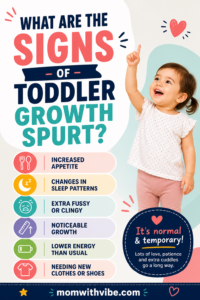
The most common signs your toddler may be hitting a growth spurt
Toddler growth spurts often show up in more than one way at once. One day your child seems the same as always, then suddenly the clothes fit differently, the appetite changes, and bedtime gets a little messy.
The signs can be subtle at first. You may not notice a single dramatic change, but a few small clues can add up fast. Parents often spot it first in everyday routines, like dressing, eating, or putting their toddler down for sleep.
Clothes, shoes, and diapers suddenly seem too small
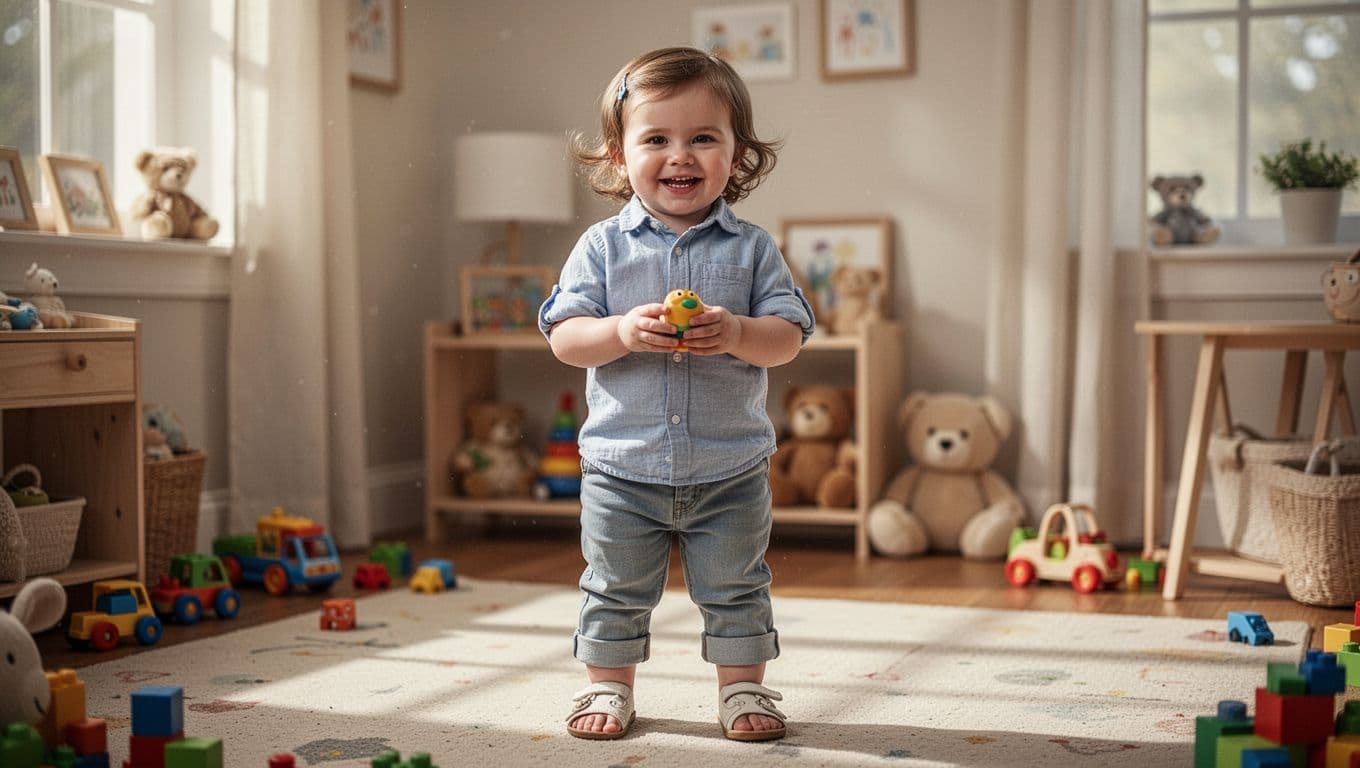
One of the easiest signs to catch is a change in fit. Pants may look short, sleeves may ride up, and shoes can start feeling snug almost overnight. Even diapers may sit differently because your toddler has stretched out so quickly.
This kind of change usually feels obvious once you notice it. A shirt that fit last week may now look too cropped, or pajamas may leave ankles exposed. That quick shift is often one of the clearest toddler growth spurt signs.
It helps to watch for more than one clothing clue at the same time:
- Pants look short at the ankle.
- Sleeves ride up during normal play.
- Shoes feel tight or harder to put on.
- Diapers fit differently, especially around the waist or legs.
If you are seeing this along with other changes, your toddler may be growing faster than usual. That pattern matters more than any one sign alone.
Your toddler seems hungrier than usual
A bigger appetite is another common clue. During a growth spurt, toddlers may ask for extra snacks, want second helpings, or seem ready for another meal sooner than expected.
That extra hunger usually shows up as a steady change, not just one big hungry day. For example, your toddler may keep asking for food after meals or seem less satisfied with a normal portion.
You may also notice more interest in frequent grazing throughout the day. That can be normal, especially when your child is using more energy to grow. A healthy toddler snack routine can help when those hunger cues show up again and again.
A growth spurt often looks like a child who needs more fuel, not just a child who had a big lunch.
If your toddler suddenly wants more food at breakfast, lunch, and dinner, the change is worth watching. A one-time snack attack is common, but a clear appetite jump can point to growth.
Sleep patterns may change for a short time
Growth can also throw sleep off for a bit. Some toddlers take longer naps, go to bed earlier, wake more often at night, or seem extra tired during the day. Others get sleepy before they normally would and need more rest to keep up.
That happens because growing bodies use a lot of energy. Your toddler may need extra sleep while their body catches up, and that can make the day feel a little off. If bedtime has gotten bumpy too, a toddler bedtime routine can help keep the night more predictable.
Watch for signs like these:
- Longer naps than usual.
- Earlier bedtimes without much resistance.
- Night waking after a stretch of better sleep.
- Daytime tiredness even after rest.
Sleep changes can look different from one child to the next. Still, if the timing lines up with other growth signs, the sleep shift may be part of the spurt.
Mood swings, clinginess, and more tears
Toddlers may also act more emotional when they are growing fast. A child who is usually easygoing might get clingy, tearful, or frustrated more often. That can feel sudden, but it often passes as their body settles down.
This happens because growth affects energy needs, comfort levels, and even patience. A toddler who feels tired or hungry may have a much shorter fuse. As a result, you may see more tantrums, more need for closeness, or more trouble with small changes.
Some parents also notice their child wants extra comfort at bedtime or during transitions. That does not always mean something is wrong. Often, it just means your toddler is working through a temporary physical change.
If your child seems more needy than usual, stay calm and keep routines steady. A little extra reassurance goes a long way when their body is asking for more from them.
How toddler growth spurts show up in movement and behavior
Toddler growth spurts do more than change height and shoe size. They can also change how your child moves, plays, and reacts during the day. A toddler may seem a little off for a short stretch, then settle back into a more familiar rhythm.
That in-between stage can show up in subtle ways. Balance may feel shaky, moods may swing faster, and your child may want more comfort than usual. As the body stretches and the brain catches up, daily life can look a little messier for a while.
More tripping, bumping, or seeming clumsy
As arms and legs lengthen, toddlers need time to adjust their balance. That can make a child who seemed coordinated last week suddenly look awkward this week. More falls, more bumps into furniture, and more missed steps are all common during this phase.
You might notice your toddler running with a strange bounce, turning too fast, or tripping over toys they usually avoid. Skills that seemed easy a few days ago can feel harder for a short time. Even simple play, like climbing onto a couch or kicking a ball, may look less smooth than usual.

If the clumsiness lines up with other growth signs, it usually points to a temporary adjustment. Extra balance play, like safe climbing, stepping over pillows, or motor skill play ideas, can help your toddler rebuild confidence without pressure.
A sudden clumsy stretch often means the body is changing faster than coordination can keep up.
Extra attachment to parents or caregivers
Some toddlers get much clingier during a growth spurt. They may want more cuddles, stay closer to you, or protest when you step out of the room. That need for closeness can come from tiredness, physical discomfort, or a simple need for reassurance.
A toddler may grab your hand more often, follow you from room to room, or ask to be held when they normally play alone. Separation can feel bigger during these days, even if your child usually handles it well. The change is often temporary, but it can feel intense in the moment.
A steady routine helps here. Offer comfort, keep your tone calm, and give a little extra patience during transitions like bedtime, drop-off, or cleanup. That support can make the whole day feel safer for your child.
Temporary fussiness that does not match the usual pattern
Growth spurts can make a child seem cranky for a few days or even a couple of weeks. The fussiness may show up as more whining, quicker tears, or shorter patience than you usually see. It can catch parents off guard because the mood shift may not match the child’s normal personality.
This kind of behavior does not usually mean your toddler has changed. It usually means their body is using a lot of energy and their comfort level is lower than usual. Once the spurt passes, the mood often settles too.
A few helpful signs can make the pattern clearer:
- Shorter fuse during normal routines.
- More resistance to small requests.
- Extra emotional reactions to minor disappointments.
- A return to normal after rest, food, and time.
If the crankiness comes with poor sleep or a bigger appetite, a growth spurt is even more likely. When your toddler seems out of sorts without a clear reason, watch the pattern for a few days before assuming it’s something bigger.
When toddler growth spurts usually happen
Toddler growth does not follow a strict calendar. Some children seem to shoot up for a week, while others grow in a steadier, less obvious way. That is why it helps to look for patterns instead of waiting for one exact age.
Many parents notice the biggest changes around ages 1 to 2 and again around ages 2 to 3. During those years, growth is still active, but it is usually more gradual than the fast pace of infancy. A source like KidsHealth’s toddler growth guide notes that toddlers grow steadily across these years, with changes in height, weight, and language all happening at once.
Why there is no exact schedule for every child
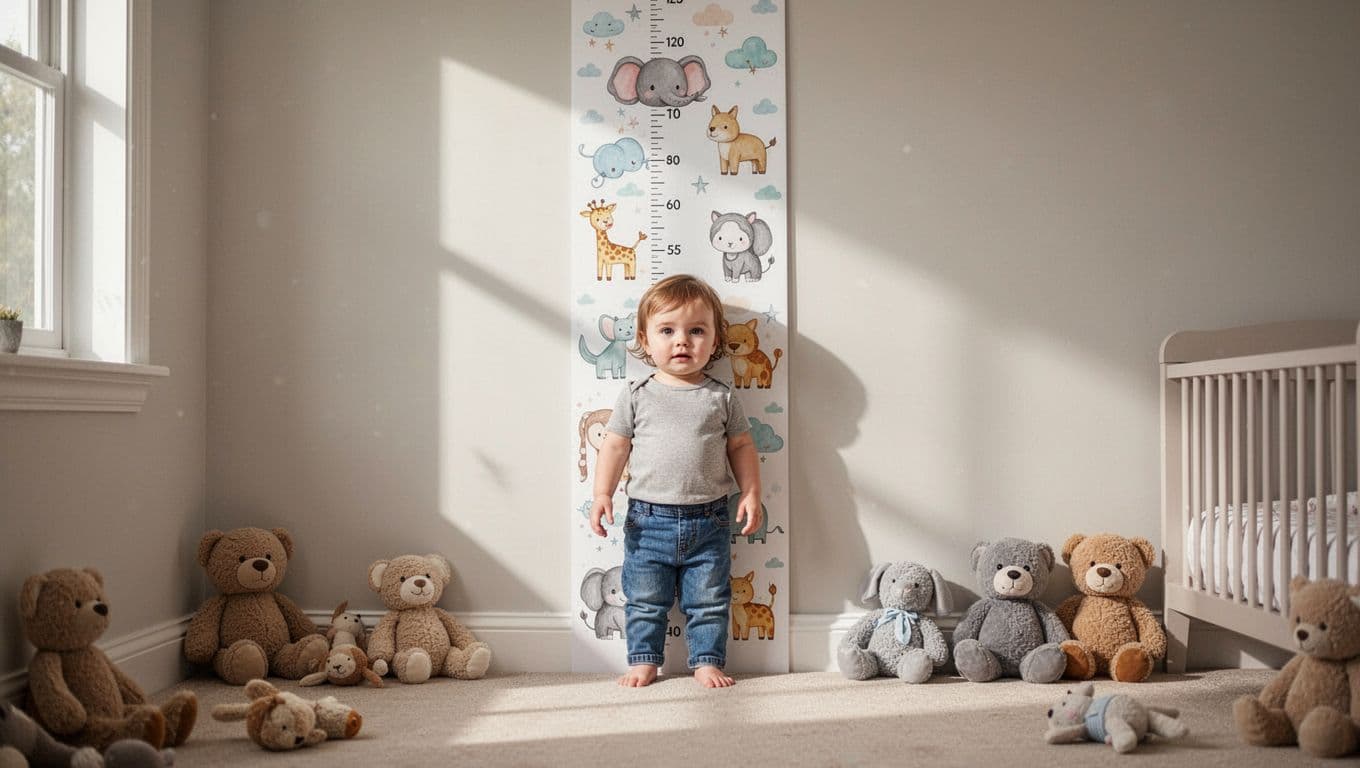
No two toddlers grow on the same timeline. Genetics shape a lot of the pattern, so a child may simply follow the growth pace of parents or close relatives. Diet, sleep, and overall health also matter, because a toddler needs enough rest and steady nutrition to keep up with normal development.
That is why some children have obvious bursts, while others seem to change little by little. One child may outgrow pants in a snap. Another may surprise you only when you compare photos or notice that sleeves have crept higher.
Growth spurts are often clearer in how a child acts than in any single measurement.
If your toddler seems healthy and is growing over time, that gradual pace is usually normal. The pattern matters more than a single busy week.
How long a growth spurt may last
A growth spurt can feel short and intense, or it can drag on a bit. For many toddlers, the most noticeable signs last a few days to a few weeks, and sometimes a little longer. Appetite changes, sleep shifts, and moodiness often fade as the body settles back into its usual rhythm.
That said, the overall growth pattern is still normal even when the timing feels messy. Toddlers do not usually grow in big baby-style jumps anymore. Instead, they tend to move through small bursts of change that come and go.
Why your child may seem different from month to month
Toddlerhood is busy on every front. Your child is growing in body, but also in language, balance, and problem-solving. That means one month may bring a big leap in speech, while the next month brings more climbing, running, or size changes.
This is why your toddler can seem like a different child from month to month. The changes may show up in clothes, mood, sleep, or movement, then shift again soon after. When you look at the bigger picture, that back-and-forth is part of normal toddler development.
In other words, growth spurts do not happen in isolation. They are one part of a child who is changing in several ways at once.
What you can do to support your toddler through a growth spurt
A growth spurt can make your toddler seem out of step for a few days. They may want more food, more sleep, more comfort, or all three at once. The best response is simple, steady support that fits into normal family life.
You do not need a special plan. Small changes to meals, sleep, comfort, and tracking can make the stretch easier for both of you.
Offer filling meals and healthy snacks more often
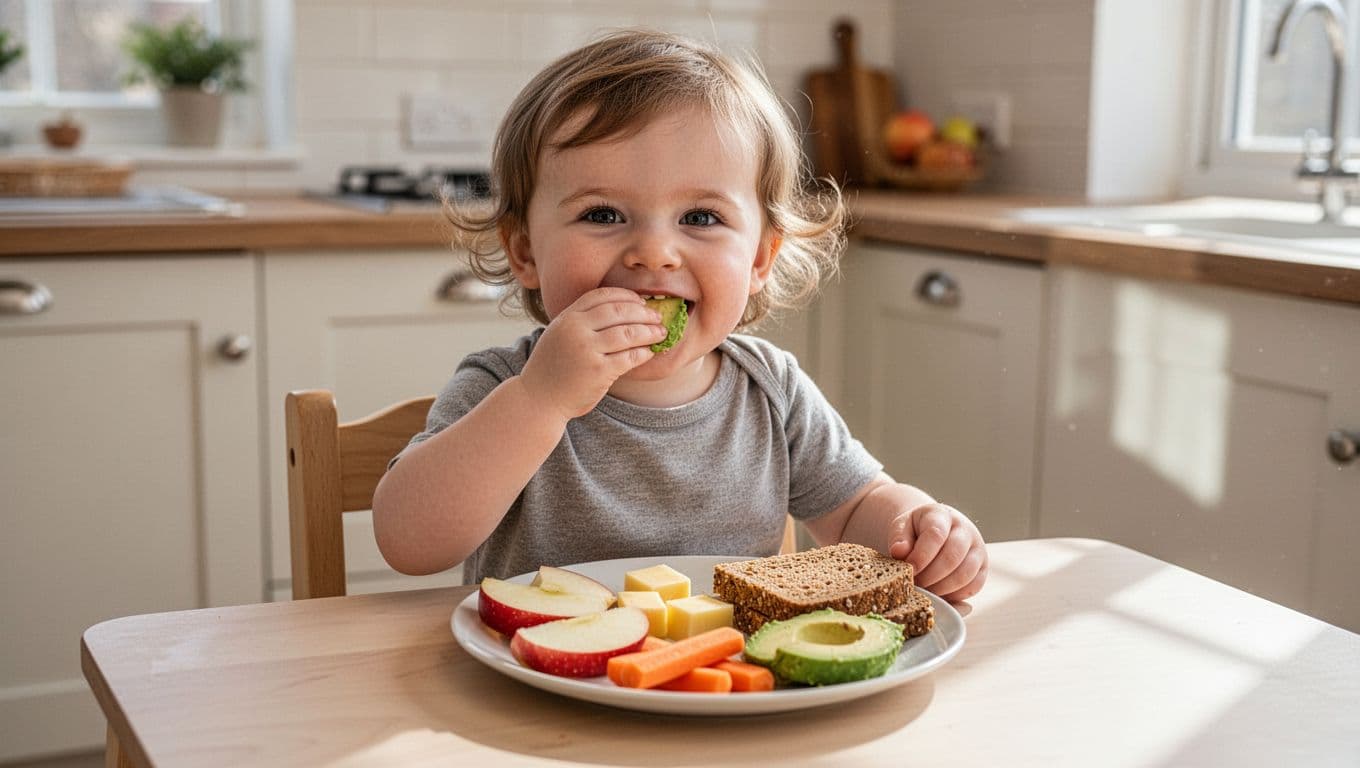
When hunger ramps up, keep food easy to reach and easy to eat. Toddlers usually do best with small meals and snacks that mix protein, healthy fats, fruits, vegetables, and whole grains. That combination helps them stay full longer and keeps energy steadier.
Try simple options like:
- Scrambled eggs with toast and fruit
- Yogurt with berries and oats
- Cheese cubes with whole-grain crackers and sliced pears
- Nut butter on toast, if it’s safe for your child
- Hummus with soft veggies and pita
- Avocado, beans, or chicken in small toddler-friendly portions
You can also offer food a little more often than usual. A growth spurt may bring short bursts of hunger between meals, so having snacks ready keeps everyone calmer. The CDC toddler nutrition tips support balanced meals and regular routines, which is a good fit here.
Keep the food simple and familiar. Growth spurts are not the time to fight over every bite.
A balanced snack plate is often enough. You do not need to make it fancy, just nourishing and easy to grab.
Protect sleep with a steady bedtime routine
Sleep can get wobbly during a growth spurt, so keep naps and bedtime as regular as you can. A calm, repeatable routine helps an overtired toddler settle down faster. It also gives their body a chance to rest and recover.
A predictable wind-down can be very plain and still work well. For example, you might do bath, pajamas, books, then lights out. If your child seems especially worn out, an earlier bedtime can help more than pushing through another busy hour.
Quiet time before bed also matters. Dim the lights, lower the noise, and keep the last stretch of the evening low-key. If you want more ideas for a simple evening pattern, predictable sleep routines for kids can help you build a calmer rhythm.
According to BabyCenter’s growth spurt guidance, extra rest and patience can make these periods easier for kids and parents. That lines up with what many families see at home.
Choose comfort when your toddler seems achy or extra tired
Some toddlers seem more sore, clingy, or worn down during a spurt. Gentle comfort helps. Cuddles, a warm blanket, a soft leg rub, or quieter play can ease the rough edges of the day.
A slow afternoon may be the right move. Try puzzles, books, coloring, or a short walk instead of high-energy play when your child looks drained. Warmth can help too, as long as it stays mild and safe.
Occasional growing discomfort can happen, but severe pain is a different story. If your toddler has intense pain, swelling, fever, or a clear limp, that needs medical attention. For normal grumbles and tiredness, comfort and rest usually go a long way.
Track growth without obsessing over every change
A loose record can help you see the pattern without turning growth into a daily project. You can jot down height, weight, sleep, appetite, and any big behavior changes. Then compare notes every few weeks, not every day.
Routine checkups are useful too, because they give you a real point of reference. A pediatrician can help you understand whether your toddler is following their usual curve. For a simple home system, the family organization systems for busy moms page has practical ways to keep notes and routines in one place.
A few things are worth watching:
- Appetite changes that last more than a few days
- Sleep shifts that keep repeating
- Clothes and shoes outgrowing fast
- Changes in energy or mood that match other growth signs
The goal is to notice trends, not to measure everything all the time. A small note here and there is enough to show you whether the phase is passing or becoming part of a bigger pattern.
When signs are not just a normal growth spurt
Most toddler growth spurts are short-lived and messy in familiar ways. A bigger appetite, extra sleep, and a crankier mood can all fit the picture. However, some changes are a warning that something else is going on.
The key is to look at the overall pattern. Growth should keep moving forward over time, even if it happens in small steps. If your toddler seems stuck, looks unwell, or changes stay around much longer than expected, it’s time to call the pediatrician.
Warning signs that should get checked out
A normal growth spurt does not usually mean your child stops growing for a long stretch. It also does not bring major, ongoing symptoms that keep getting worse. If you notice a flat growth pattern, trust that concern and bring it up.
Watch for red flags like these:
- No growth over time, especially if clothes, height, and weight all seem unchanged for months.
- Major appetite loss, where your child refuses food or eats far less than usual.
- Ongoing severe pain, including pain that wakes them, makes them limp, or keeps coming back.
- Extreme fatigue, where your toddler seems worn out most of the day, even after sleep.
- Changes that last too long, instead of settling down after a few days or weeks.
A child can have a brief picky phase or an off week and still be fine. What matters more is the trend. If growth stalls or your toddler seems weaker, paler, or less active, that deserves a closer look.
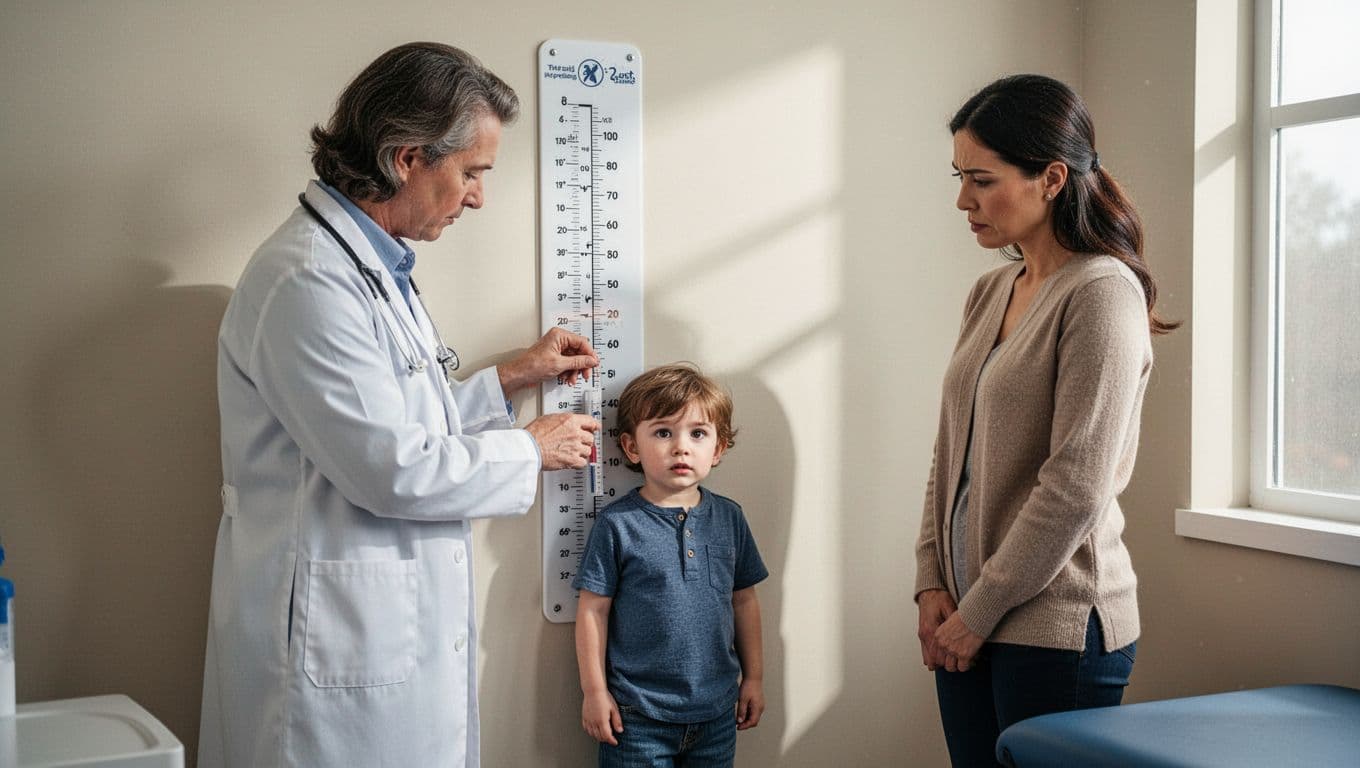
For a helpful comparison, common growth spurt signs can look temporary and light, while concerning symptoms tend to linger or pile up. If the pattern feels off, don’t wait for it to sort itself out.
When behavior changes may point to something else
Some behavior changes can look like fussiness at first, but illness often has a different feel. A toddler with a growth spurt may be clingy or cranky. A sick toddler often seems truly unwell.
Pay attention if you see:
- Persistent sleep problems that do not improve with a normal routine.
- Frequent vomiting or repeated stomach upset.
- Fever, especially when it comes with low energy or poor appetite.
- A child who seems sick rather than just cranky, with weakness, chills, or unusual quietness.
Growth spurts can disrupt sleep and mood, but they usually don’t make a child look ill. If your toddler is listless, dehydrated, or acting far from their usual self, think beyond growth. A fever plus poor appetite or vomiting points more toward illness than a growth phase.
Illness can hide behind fussiness, so the overall picture matters more than one symptom.
If you’re unsure, a quick call to the doctor is the safest move. Pediatric growth concerns are worth checking when symptoms pile up instead of fading.
Why regular well-child visits matter
Well-child visits give you a clean look at how your toddler is growing over time. The pediatrician measures height and weight, then compares them with normal growth patterns. That makes it easier to spot a healthy, steady curve or catch a slowdown early.
These visits also help calm a lot of worry. If your child is following their own growth curve, the doctor can say so with confidence. If something looks off, you’ll hear about it early enough to act.
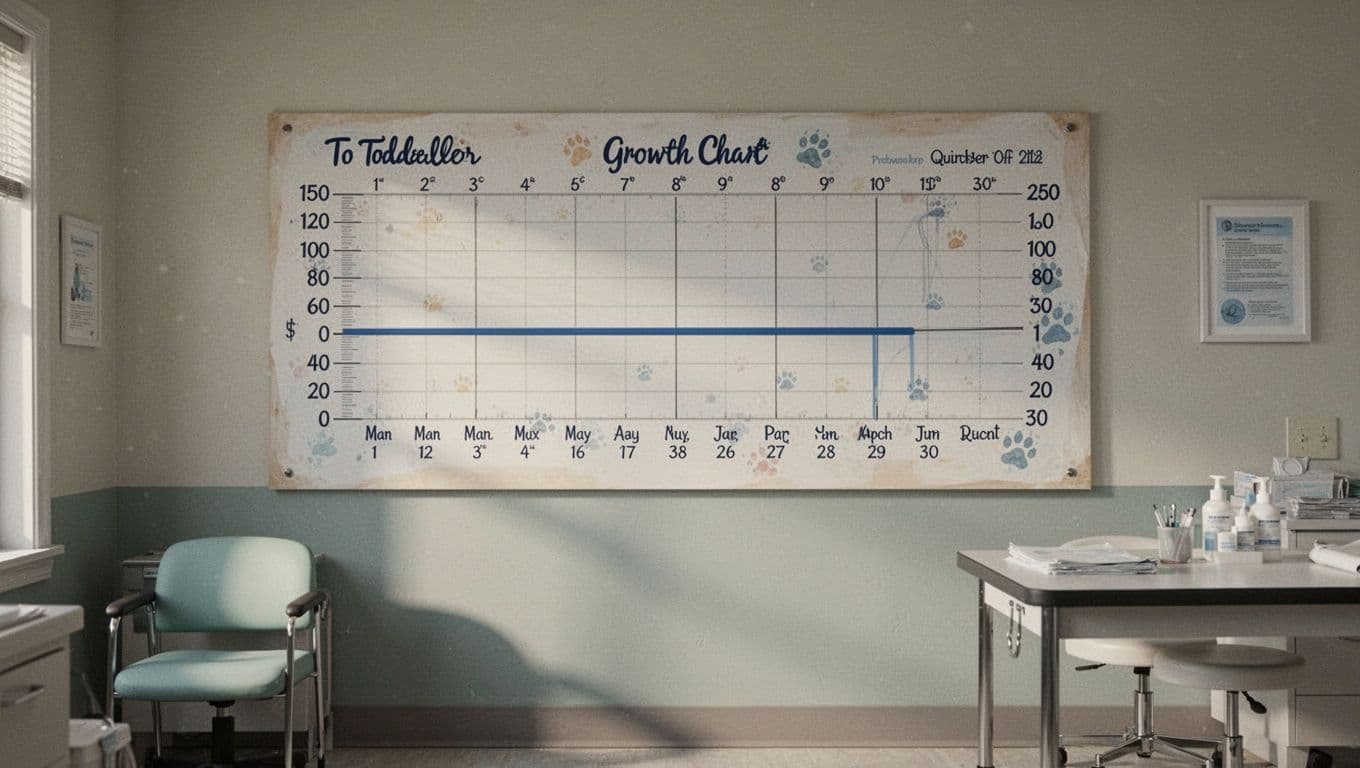
That regular tracking matters because one rough week tells you very little. A pattern over months tells the real story. It also gives your doctor a better chance to notice concerns tied to weight loss, slow height gain, or other development issues.
The American Academy of Pediatrics recommends routine developmental screening at specific ages, and parents do not have to wait for a scheduled visit if they’re worried. In other words, if your gut says something feels off, call sooner rather than later.
Conclusion
The clearest signs of a toddler growth spurt are usually easy to spot once you know what to watch for. A bigger appetite, more sleep, moodiness, clinginess, and clothes that seem to shrink overnight often show up together.
Those changes are usually temporary, and they fit normal toddler development. If the pattern feels off, or your child seems sick, in pain, or stops growing over time, trust your instincts and check in with the pediatrician.
Save pin for later

- How to Help a Child Deal With Anxiety at Home - September 12, 2026
- How to Prepare Your Child for the First Day of School - September 12, 2026
- Age-Appropriate Chores for Kids by Age Group - September 12, 2026