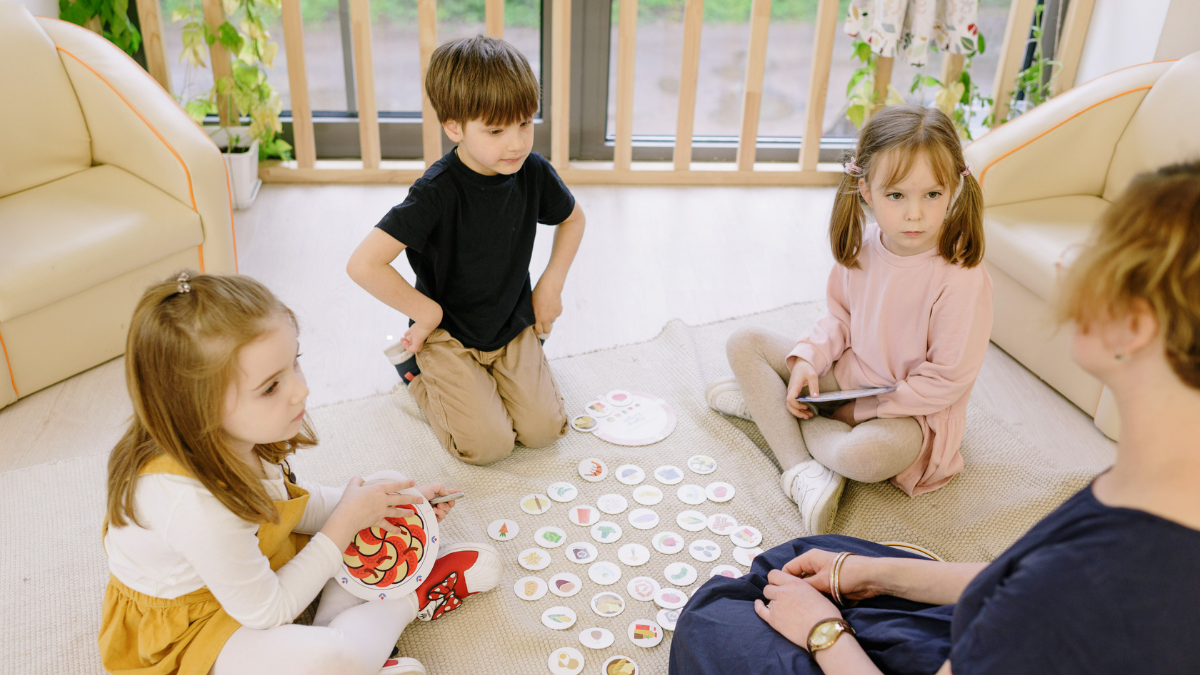

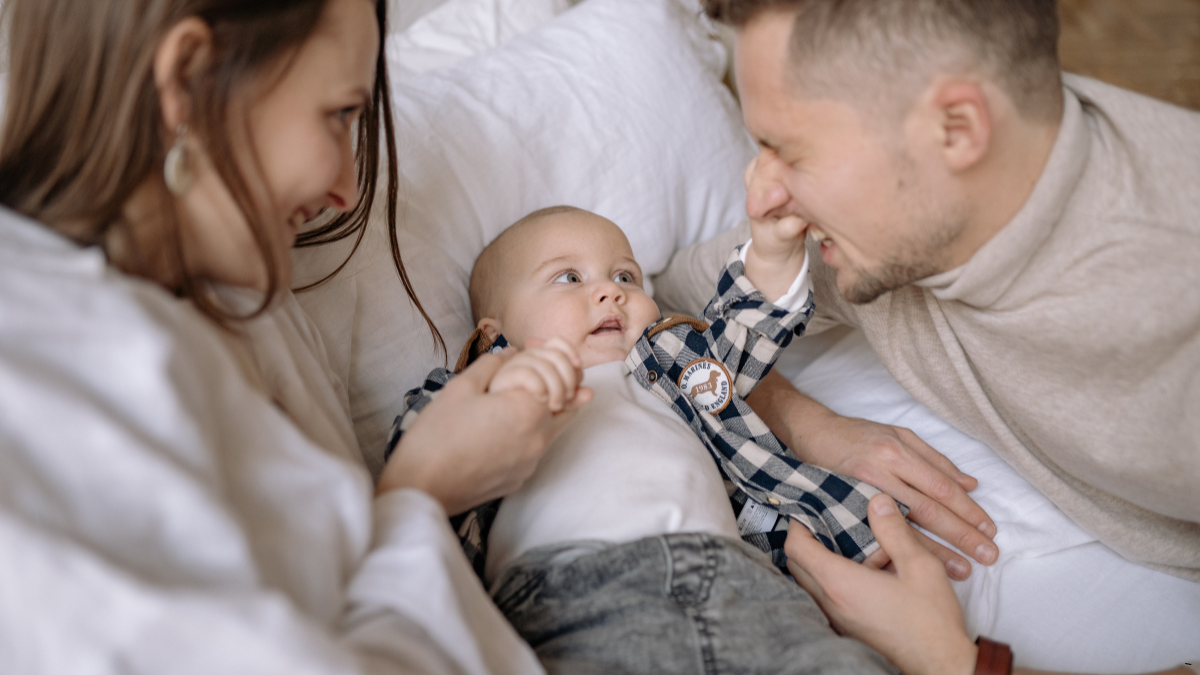
Great parenting has less to do with perfection and more to do with the traits that help kids feel safe, loved, and guided. Men and women with certain personality patterns often bring those strengths home in steady, meaningful ways, and that can shape a child’s confidence for years.
If you’ve ever wondered what makes one parent feel naturally calm, patient, or easy to trust, it often starts with personality. Kids notice far more than you think, which is why traits like empathy, patience, and consistency matter so much, as things kids secretly observe in parents shows.
The good news is that strong parenting doesn’t depend on one perfect type. It grows from personality, effort, love, and the willingness to keep learning, so let’s look at the nine personality types that often make the best parents.
Why personality matters so much in parenting
Personality shapes the small moments that children remember most. A parent’s tone, patience, and follow-through show up in daily life, so kids feel the difference fast. That is why two loving parents can create very different home climates.
The traits kids feel every day
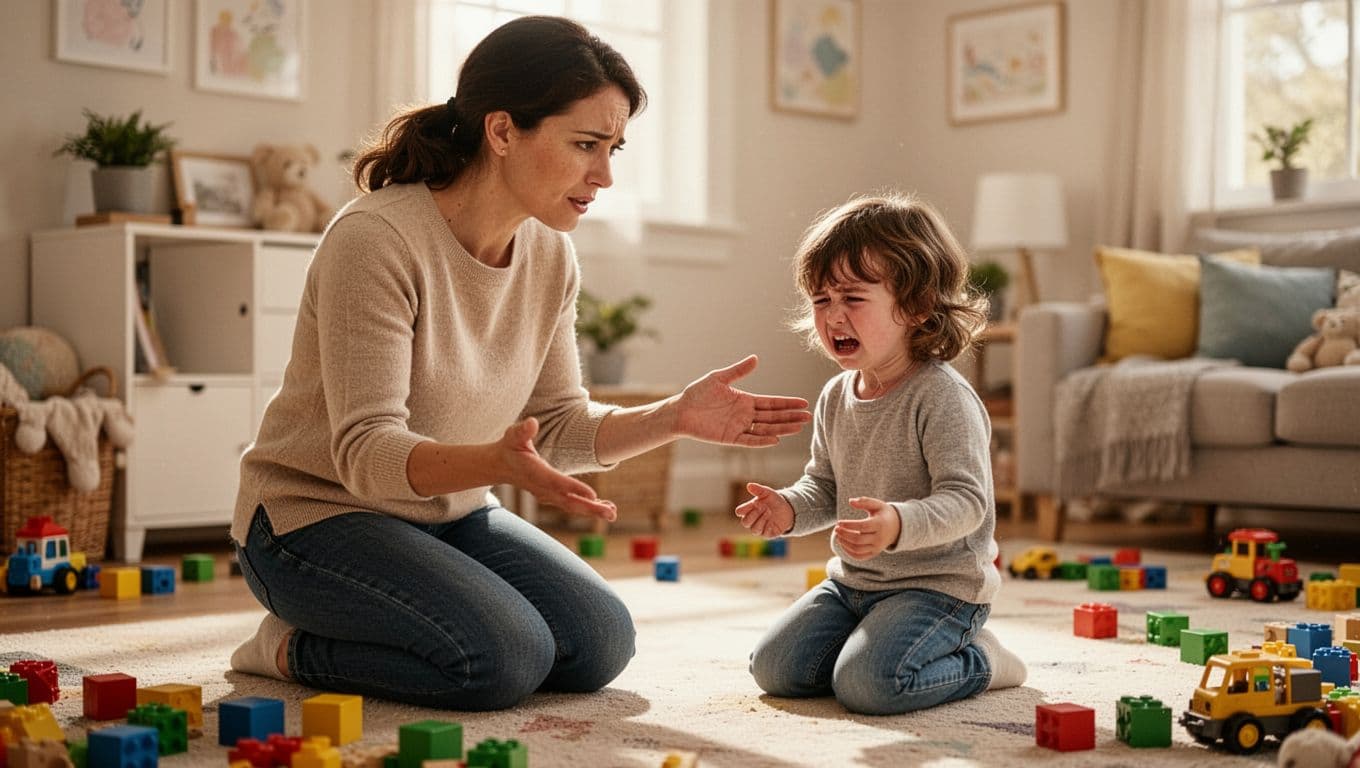
Children do not just hear what you say, they feel how you say it. When a parent stays calm during a meltdown, keeps routines steady, and listens without shutting feelings down, home feels safer. When the same parent snaps, changes rules often, or ignores frustration, kids notice that too.
This shows up in ordinary moments. A child spills juice, forgets homework, or argues with a sibling. One parent may correct the mistake with a steady voice and clear steps, while another reacts with tension or anger. The second reaction can teach fear. The first one teaches trust.
Kids also read emotional safety through repetition. If bedtime, chores, and consequences stay predictable, they learn what to expect. That kind of consistency matters because it helps children relax enough to learn, play, and speak honestly.
Children remember patterns more than promises. Tone and follow-through speak louder than a long lecture.
A parent with strong empathy may pick up on a child’s mood before the child even explains it. That parent often listens better and handles conflict with less heat. A parent who struggles with stress may still care just as much, but the day-to-day atmosphere can feel harsher. For more on the behavior children notice most, see these parental habits babies pick up on.
Why love alone is not the whole story
Love matters, but it does not run the whole house by itself. Parenting also needs patience, structure, self-control, and the ability to keep going when the day gets messy. A caring parent who has no follow-through can leave kids confused, while a steady parent makes daily life feel easier.
Personality helps here because some traits support the hard parts of parenting more naturally. Calm people often handle tantrums with less heat. Organized people tend to stick to routines. Patient people can repeat the same reminder ten times without turning every moment into a fight.
That does not mean only certain people can be good parents. It means some traits give you a stronger base. A parent who knows their own triggers can pause before reacting, and that one pause can change the whole mood in the room. Research on parental personality and child outcomes also points to the real role personality plays in early family life, as shown in this study on parental personality and early life ecology.
The best homes usually have both warmth and structure. When love is paired with patience and consistency, children get more than affection. They get a parent they can trust.
The steady parent who keeps life calm and predictable
Some parents bring a sense of order into the home without making it feel strict or cold. They stay even-tempered, keep routines in place, and respond in ways kids can count on. That kind of steadiness gives children a safe base, especially on hard days.
A calm, predictable parent makes daily life feel easier to manage. Kids know what comes next, who to turn to, and how problems will be handled. That lowers tension in the house and helps everyone breathe a little easier.
How calm parents lower stress at home
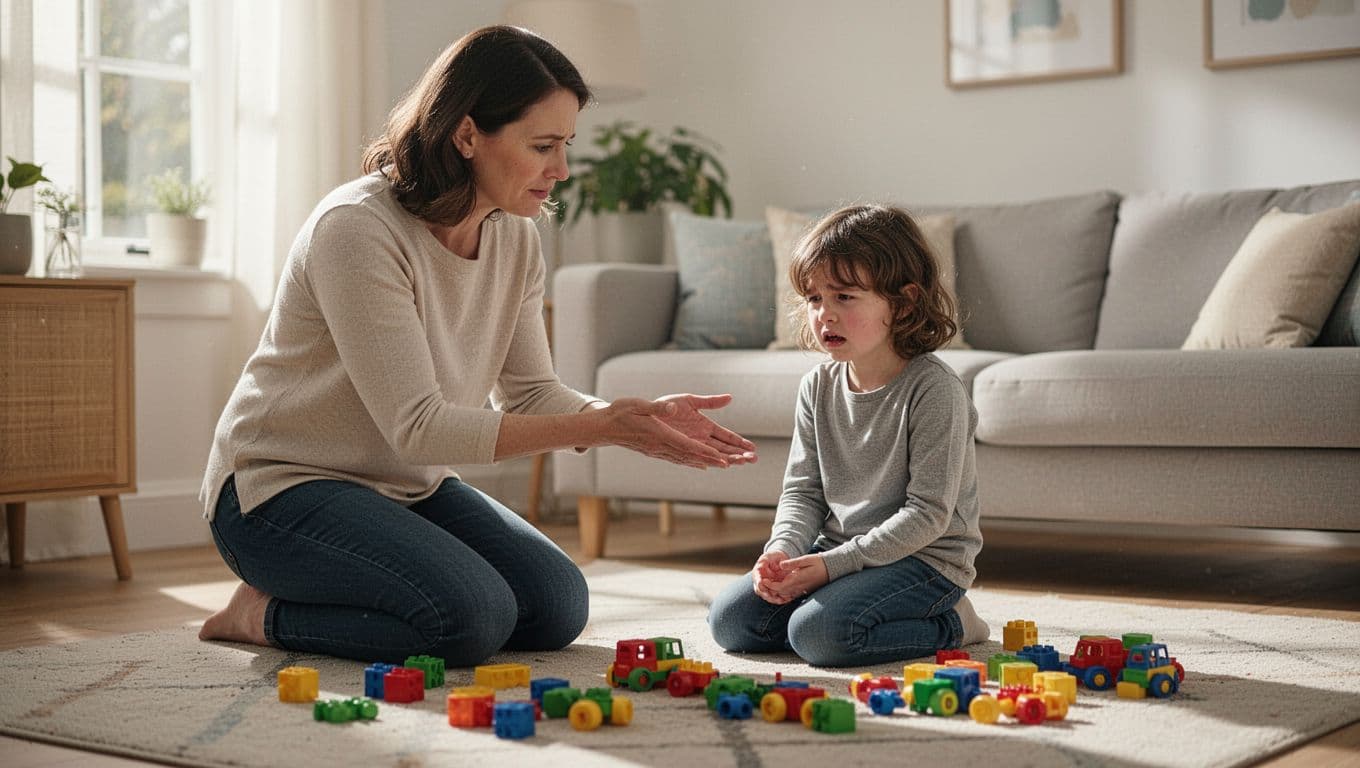
Calm parents set the tone for the whole room. When a child melts down, they do not add more heat with yelling or panic. Instead, they slow things down, use a steady voice, and help the child move through the moment.
That matters because kids borrow their parents’ emotional state. If you stay levelheaded, your child gets a model for what calm looks like under pressure. Over time, that helps them learn how to pause, name feelings, and settle themselves instead of spiraling.
A steady response also cuts down on household chaos. Less shouting means fewer power struggles, and fewer power struggles mean more energy for real parenting. The home feels safer when children know strong feelings will not turn into a storm.
This is one reason self-regulation matters so much in parenting. Parents who stay calm help kids stay calm, and that simple pattern can shape the whole tone of family life.
A calm parent often helps by doing a few simple things:
- Speaking slowly when a child is upset
- Keeping the same response instead of reacting differently each time
- Giving space to cool down before talking through a problem
- Using clear limits without raising their voice
When children see that emotions can be handled without explosions, they begin to trust their own ability to handle them too. That lesson stays with them long after the tantrum ends.
Calm does not mean passive. It means steady, clear, and hard to shake.
Why consistency builds trust
Children trust parents more when life feels predictable. If bedtime changes every night, homework rules shift based on mood, or consequences appear and disappear, kids start to test every boundary. They want to know if the rules are real.
Consistency makes the home feel stable. A regular bedtime, a set homework time, and the same follow-through after broken rules all tell children that their parent means what they say. That predictability reduces anxiety because kids know what to expect.
For example, a child who knows bedtime starts after the same routine each night is less likely to push back. The same goes for homework. When the expectation stays the same, kids spend less time guessing and more time cooperating.
A dependable evening routine can make a big difference too. If you want a practical example, this toddler bedtime routine guide shows how repeatable steps help little ones settle down more easily.
Consistency also teaches respect. Children learn that promises matter, rules apply even on busy days, and consequences are part of life, not random punishment. That builds trust because they know their parent is reliable, not unpredictable.
A steady parent does not need to be perfect. They just need to be clear, calm, and consistent enough for children to feel safe inside the rhythm of the day.
The patient listener who makes children feel heard
A patient listener gives a child something many kids crave, full attention without pressure. That kind of parent does not rush the story, fix every feeling, or brush off small worries. Instead, they make space, and that space helps children speak more honestly.
This personality type often creates a home where children feel safe enough to share the messy stuff, not just the easy parts. That matters because kids open up more when they know someone will hear them all the way through.
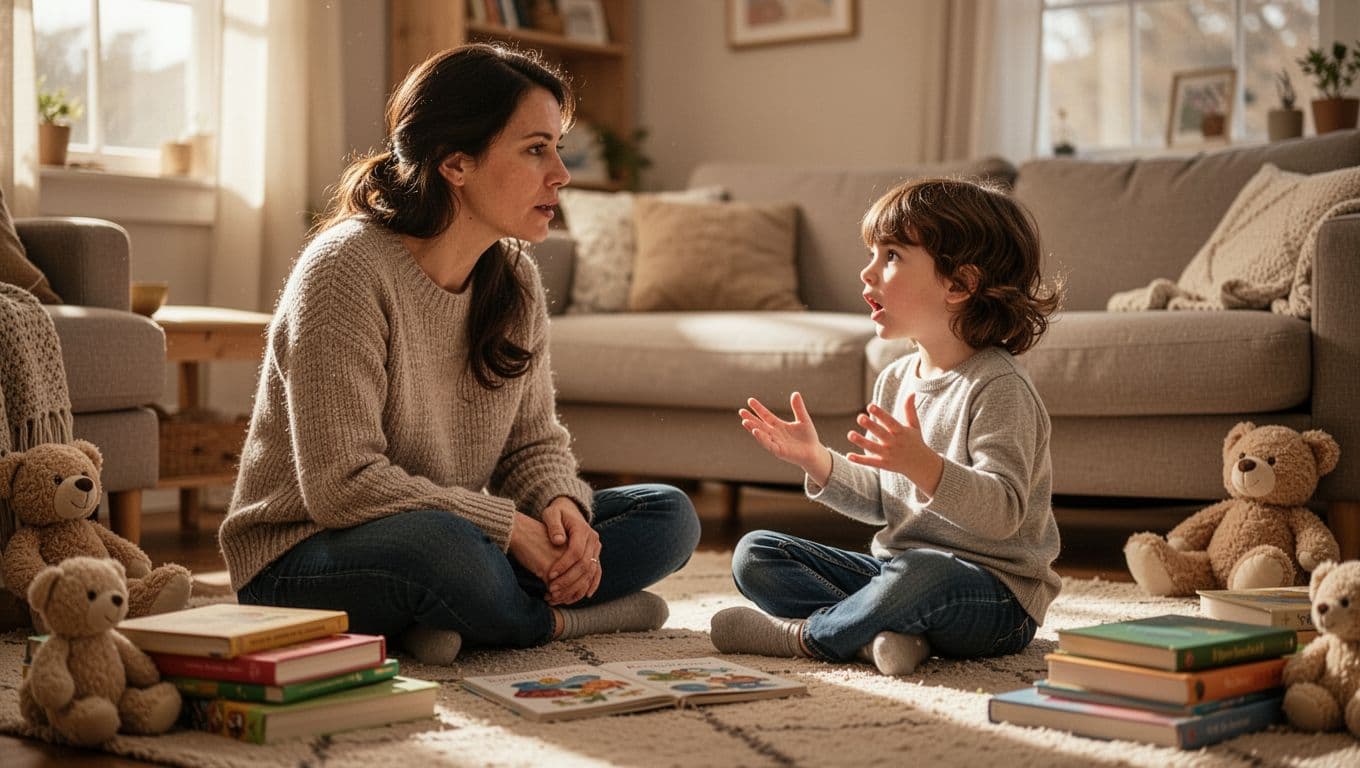
Listening creates emotional safety
Children talk more when they feel their words matter. A patient parent listens with eye contact, a calm face, and gentle follow-up questions like “What happened next?” or “How did that make you feel?” That simple attention tells a child, “You are safe here.”
Just as important, this kind of parent does not jump in too fast. Interrupting can make a child shut down, especially when they are trying to explain something confusing or embarrassing. When you wait, you give them room to finish their thought and trust their own voice.
The best listeners also take feelings seriously, even when the problem sounds small. A lost toy or a bad comment at school might seem minor to an adult, but it can feel huge to a child. When you treat those feelings with respect, your child learns that speaking up is worth it.
For parents who want simple ways to build this skill, active listening with toddlers offers a useful starting point. You can also use small home routines, like asking one open-ended question after school, to keep the door open.
Children often share more after they feel heard, not after they are corrected.
That same approach helps with emotions too. If you want more ideas for building that habit, emotional intelligence activities for kids can give you easy ways to make listening part of daily life.
Patience during hard phases of childhood
Patience matters most when children are hardest to handle. Tantrums, sibling fights, teen mood swings, and slow learning moments can test even the calmest parent. A patient parent stays steady long enough to guide instead of react.
That makes a big difference during tantrums. A child in full meltdown mode usually cannot absorb a lecture, but they can respond to a calm voice and a clear limit. The same is true when siblings are yelling at each other or when a teen shuts down after a rough day.
Patience also helps with repeated questions and repeated mistakes. Children often need the same answer more than once, and they learn at different speeds. A patient parent understands that repetition is part of growth, not a sign of failure.
In practice, this trait often shows up in a few simple ways:
- Staying calm during conflict so the child can settle faster
- Explaining the same rule again without sarcasm or anger
- Giving space for big feelings before talking about solutions
- Correcting slowly when a child needs extra time to learn
That calm follow-through helps children more than a quick reaction. A parent who stays present long enough can teach the lesson, not just stop the noise. If sibling tension is a regular issue, these sibling rivalry tips can help turn conflict into a chance to teach.
Patient parents also do better with behavior changes over time. They know one hard day does not define a child, and one reminder is rarely enough. When the response stays calm, children have a better chance to hear the message and use it next time.
The organized planner who keeps family life running smoothly
Some parents bring calm because they keep the details under control. They know what’s for dinner, where the permission slip is, and what time everyone needs to leave in the morning. That kind of planning lowers stress for the whole house, because kids feel prepared instead of caught off guard.
Organized parents are often the ones who notice problems before they turn into chaos. A missing school form gets handled early. A packed lunch gets made the night before. A busy week gets mapped out before everyone is already tired. That steady attention makes family life feel smoother, and children usually respond well to that kind of order.
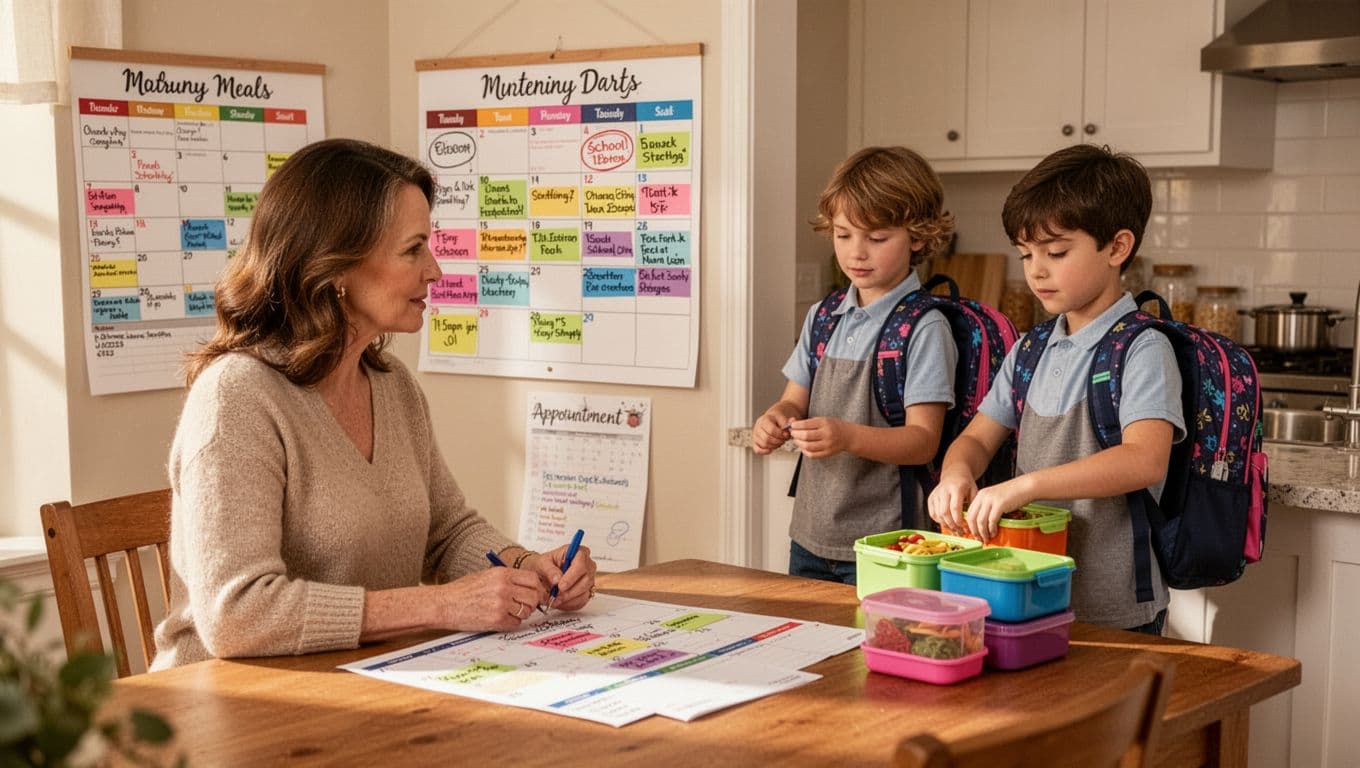
Routines make kids feel secure
Children relax when they know what comes next. Regular meals, bedtime routines, school prep, and after-school habits give the day a shape they can trust. When the pattern stays the same, kids spend less energy guessing and more energy cooperating.
This is why organized parents often see better behavior at home. A child who knows breakfast happens before school, homework happens after snack time, and bedtime starts with the same steps is less likely to fight the flow of the day. Predictability feels like a handrail, especially for younger kids who still need help managing time and transitions.
A simple routine can look like this:
- Morning prep happens the night before, with backpacks, shoes, and water bottles ready.
- Meal times happen around the same time, so hunger does not turn into crankiness.
- Bedtime follows the same steps, which helps kids settle faster.
- School nights stay structured, so homework and chores do not get lost.
Parents who want a more detailed setup can use family organization systems for busy moms as a practical starting point. The basic idea is simple, because order gives children comfort, and comfort often leads to better behavior.
Predictable routines do more than save time. They help kids feel safe inside the rhythm of the day.
Planning leaves more room for real connection
When the basics are handled, parents have more mental space for their kids. That matters more than it sounds. A parent who is not scrambling to find keys, remember appointments, or answer ten last-minute questions can actually sit down, listen, and stay present.
Good planning also keeps small problems from taking over the evening. If dinner is planned and school papers are signed, there’s less tension at the end of the day. That means more room for talking at the table, playing a quick game, or hearing about a child’s day without rushing them through it.
Children feel that difference fast. A parent who is less scattered tends to look more available, even on busy days. They can say yes to a board game, help with a puzzle, or just sit and listen without checking the clock every minute.
For more practical ideas, organized family morning routines can make the whole day start on a calmer note. When the morning runs better, the rest of the day usually has more breathing room too.
The best planners do not make family life rigid. They make it easier to enjoy.
The empathetic parent who understands feelings fast
Empathetic parents have a gift for picking up on emotion early. They notice the tight jaw, the quiet tone, the sudden silence, and they respond with care before a small problem grows bigger. That kind of awareness helps children feel seen, which is one of the fastest ways to build trust at home.

Kids open up to parents who understand them
Children open up faster when they feel accepted instead of judged. An empathetic parent does not rush to shut feelings down or turn every worry into a lesson. Instead, they listen first, which tells a child, “Your feelings make sense, and you can say them here.”
That response builds honesty over time. A child who knows they will not be mocked or dismissed is more likely to share the real story, not a polished version. They may admit they were hurt, scared, jealous, or embarrassed, because the relationship feels safe.
Acceptance also helps during hard moments, like school stress, friendship drama, or family changes. When a parent reacts with warmth, the child learns that difficult feelings do not break the bond. That is where trust grows, one calm conversation at a time.
A few small habits make this easier:
- Reflect their feeling by saying, “That sounds frustrating.”
- Stay curious instead of jumping straight to blame.
- Give them time to talk without cutting in.
- Follow up later so they know you remember.
Children talk more when they feel understood, not when they feel corrected.
Emotional awareness teaches healthy coping
Empathetic parents also model what healthy coping looks like. They name feelings out loud, take a breath when they feel tense, and solve problems without shame. Kids watch that closely, and they copy what they see.
For example, a parent might say, “I’m getting upset, so I need a minute,” instead of snapping. That simple line shows a child that strong emotions can be handled safely. It also gives them a script they can use later.
This matters most when kids are angry or overwhelmed. If you want more practical support for that stage, anger management activities for kids can help turn big feelings into teachable moments. The goal is not to erase emotion, but to guide it.
Empathetic parents often keep coping simple:
- Name the feeling.
- Pause and breathe.
- Talk about the next step.
- Fix what can be fixed.
That process helps children learn that feelings are real, but they don’t have to take over. Over time, they become better at calming themselves, asking for help, and moving through tough moments with less fear.
Research also points to the value of parental sensitivity in child development, including stronger attachment and socioemotional growth, as shown in this systematic review on empathy and parental sensitivity.
The responsible protector who children can count on
A responsible parent gives children more than love. They give them a steady sense that someone is paying attention, meeting needs, and handling life without drama. That kind of parent does not wait for reminders, because they already treat caregiving like serious work.
Children feel protected when the basics get done on time. Meals show up. School forms get signed. Rides happen when promised. The house may still be busy, but it does not feel shaky. That calm comes from follow-through.
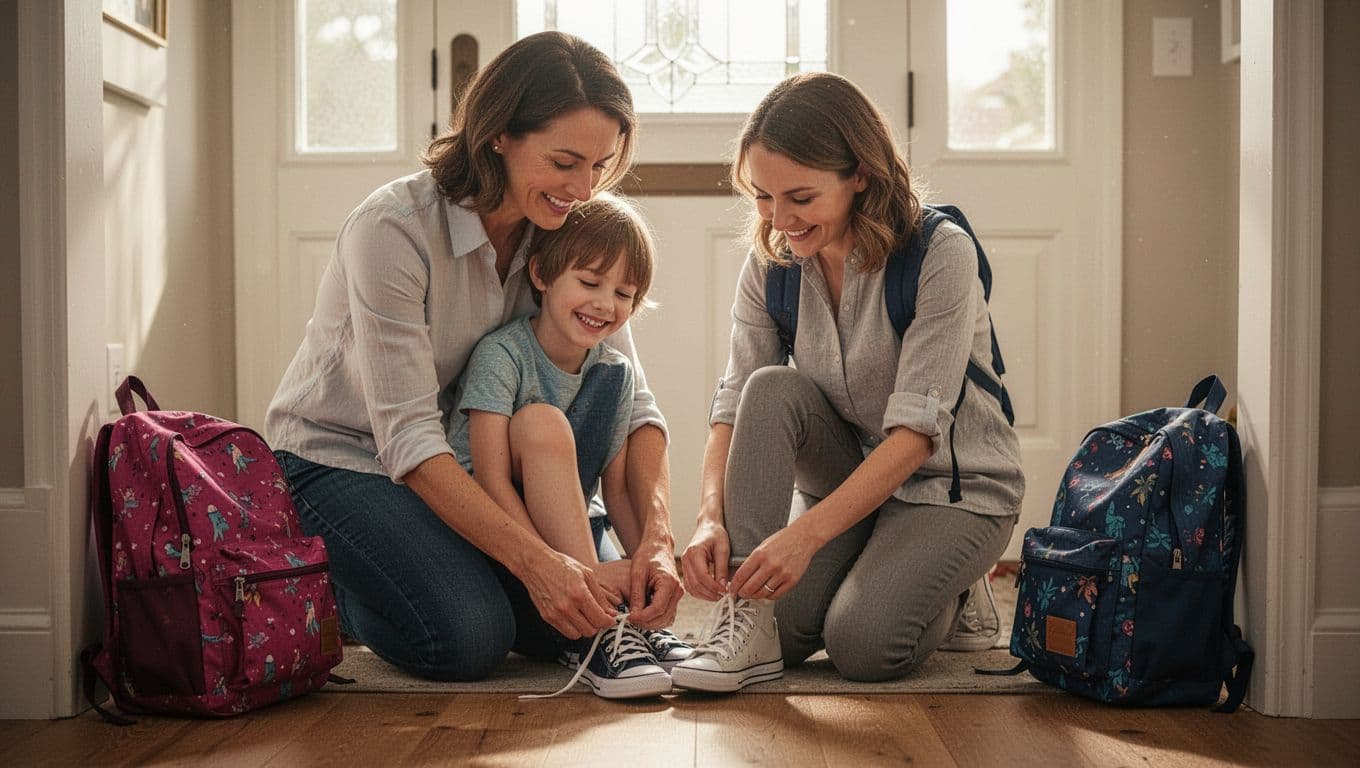
Dependability matters more than big speeches
Kids remember who shows up. They remember the parent who packed lunch, picked them up after practice, and kept their word about bedtime. Long talks about values matter less than the daily habit of doing what you said you would do.
That is why dependable parenting feels so safe. A child does not need a perfect speech about love when they can see it in action. The parent who checks homework, keeps appointments, and follows through on consequences sends a clearer message than words ever could.
Everyday moments carry the most weight:
- Arriving on time for school drop-off or a game
- Keeping promises about a walk, a story, or a weekend plan
- Handling hard tasks like doctor visits, discipline, or nightly routines
- Staying calm when a child needs help, not blame
Children trust actions faster than promises. Reliability becomes its own form of comfort.
Responsible parents also avoid the trap of empty reassurance. They do not say, “I’ll deal with it later,” when later never comes. Instead, they act now, and that steadiness helps kids feel that life is under control.
Children thrive when adults take ownership
Responsible parents do not pass the buck. They do not blame teachers, siblings, school staff, or the weather when something needs to be fixed. If a child is struggling, they step in and take ownership of the next move.
That matters because kids learn accountability by watching it at home. When a parent admits a mistake, corrects it, and keeps going, the child learns that responsibility is normal, not shameful. They also learn that hard jobs do not disappear just because they feel inconvenient.
This kind of parent takes parenthood seriously in practical ways. They read the forms, make the calls, set the rules, and protect the child from avoidable chaos. If you want a good example of where firm responsibility can cross into too much control, these signs you are being too strict as a parent can help show the difference.
Research backs up the value of this steady care. The National Academies notes that supportive parenting practices are linked with better child outcomes, especially when children are young, as shown in Parenting Matters. When adults handle duties with consistency, children feel safer and more secure.
A responsible protector does not need constant reminders. They already know that children depend on them, so they meet the need before the crisis grows. That is what makes them trustworthy, and that trust becomes one of the strongest gifts a child can carry.
The flexible problem-solver who adapts without losing control
Flexible parents keep the house steady without acting like every change is a disaster. They adjust plans, swap routines, and fix problems without turning the whole day upside down. That kind of calm adaptability helps kids feel safe, even when life gets messy.
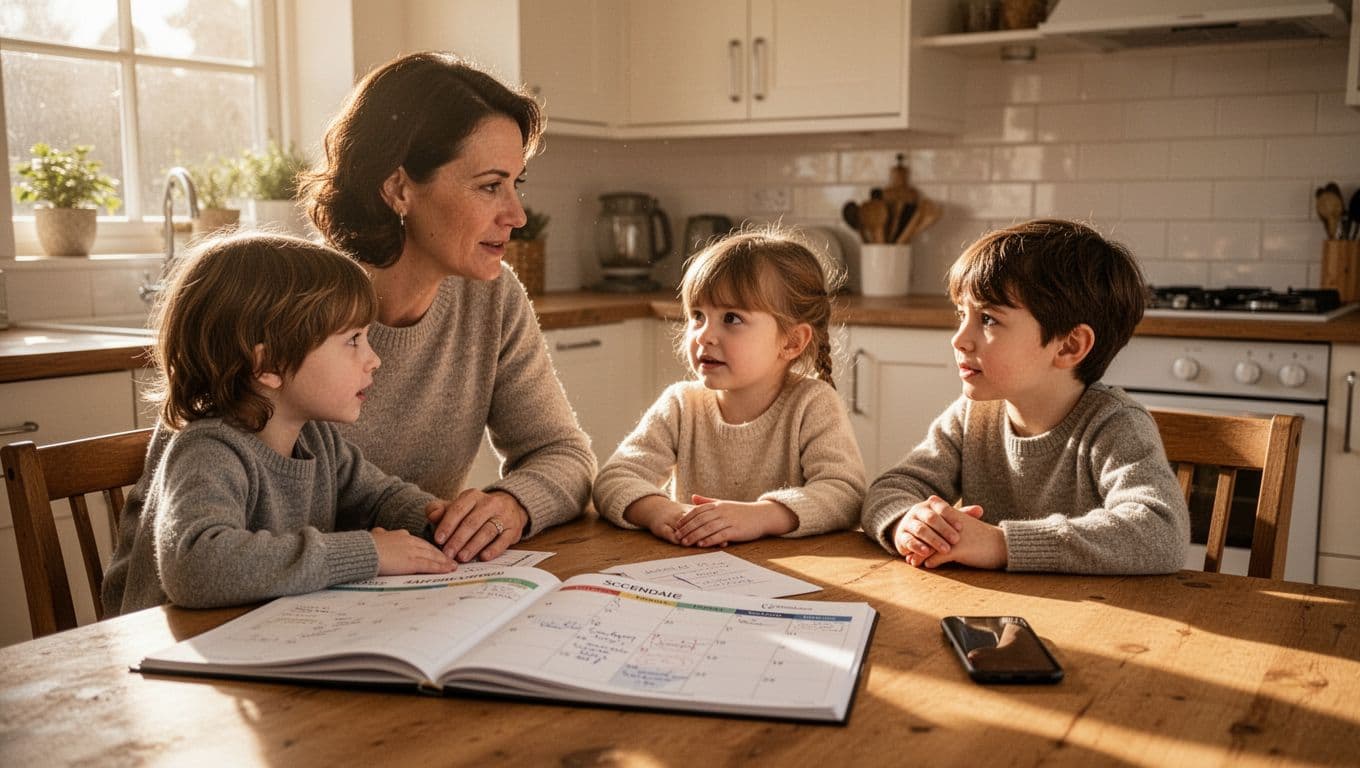
Why rigid parenting often backfires
Rigid parenting can create more stress than structure. When a parent insists on one right way, every small shift can turn into a fight. A late pickup, a sick day, or a missed nap starts to feel bigger than it is.
Kids feel that tension fast. They may stop asking for help, hide mistakes, or push back harder because the rules feel more like a battle than guidance. In that kind of home, even simple changes can bring power struggles, tears, and frustration.
A flexible parent handles the same moment with more ease. Instead of clinging to a plan that no longer works, they pause, adjust, and keep moving. That calm confidence tells children that change is manageable, not scary.
This matters most when life gets messy. A parent who can switch gears without losing control teaches a child that setbacks are normal. If you want a practical look at how structure and flexibility can work together, these tips for organized parenting routines show how order can stay useful without becoming rigid.
Kids do better with boundaries that bend a little, because real life bends too.
Rigid parents often mean well. Still, when every issue becomes a test of will, the home starts to feel tense. Flexibility keeps the focus on solving the problem, not winning the moment.
Adaptable parents raise resilient kids
Children learn how to handle change by watching the adults around them. When a parent stays calm, creative, and solution-focused, kids see that mistakes and surprises are part of life. They also learn that problems can be handled without panic.
A flexible parent might change dinner plans after a rough school day, build a new bedtime routine during illness, or find another way to get homework done. Those small choices matter because they show children how to think in new ways instead of freezing when plans shift.
This kind of parenting supports resilience because it gives kids a model for calm problem-solving. Research on adaptable thinking in children points to the same idea, since flexible thinking helps kids handle big emotions. When children see that approach at home, they start using it themselves.
You can also see the difference in daily life:
- A canceled plan becomes a new family activity instead of a ruined day.
- A sick child gets comfort and a new routine, not guilt or blame.
- A schedule change gets handled with a quick reset instead of a meltdown.
- Different child needs get met with flexibility, not comparison.
That kind of response builds confidence. Kids learn that problems can be managed, even when the first plan falls apart. They carry that lesson into school, friendships, and later life, which is one reason adaptable parents often raise children who bounce back faster after disappointment.
A flexible parent still keeps boundaries. They just know when to hold firm and when to adjust. That balance is what makes the home feel steady without feeling stuck.
The encouraging motivator who helps kids believe in themselves
Some parents give children a steady supply of confidence. They notice effort, point out growth, and speak in a way that makes kids want to try again. That kind of encouragement matters because children build self-belief through repeated experiences, not from one big pep talk.
An encouraging parent keeps praise honest and useful. They do not hand out empty compliments for everything. Instead, they show children what went well, what improved, and what to keep doing next time.
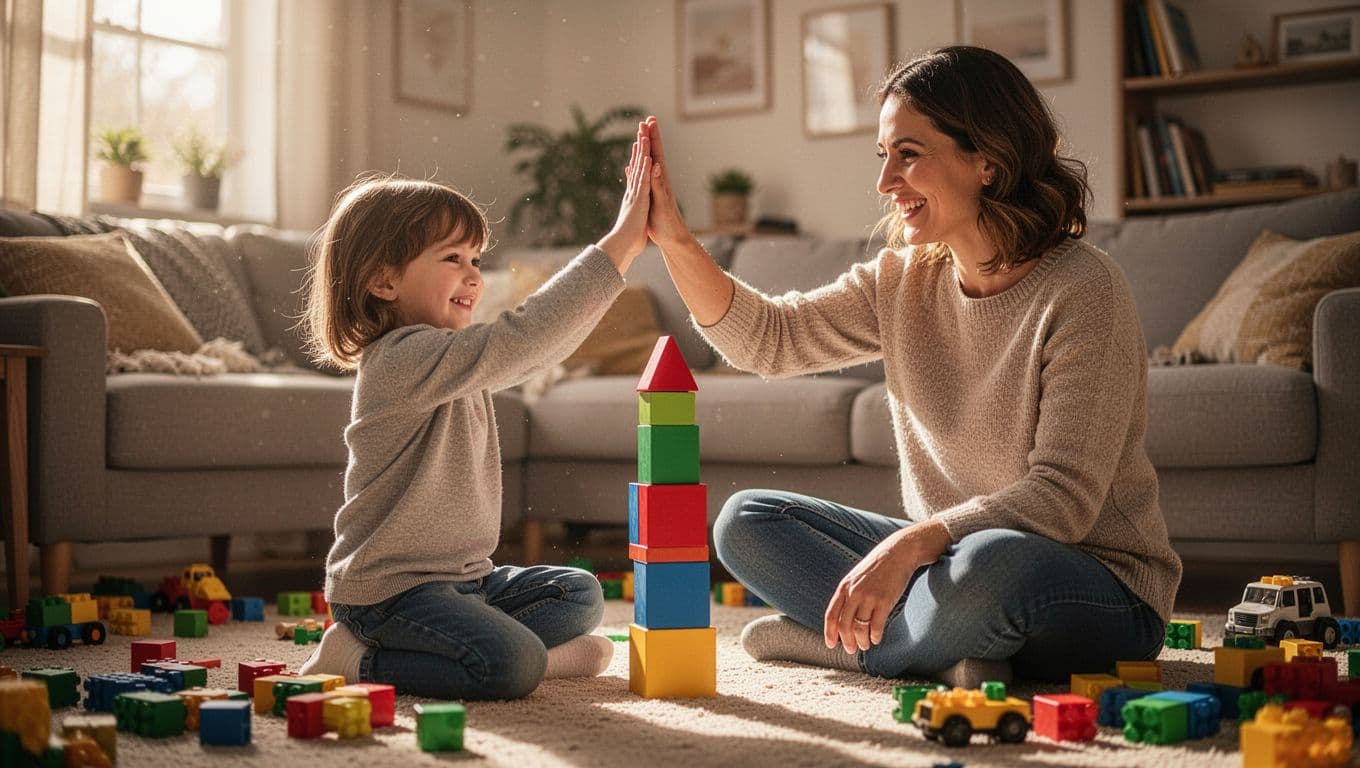
Praise that actually helps children grow
Empty praise sounds nice, but it does not teach much. “You’re the best” or “Good job” may feel warm in the moment, yet it gives kids little direction. Useful encouragement is more specific, because it helps children connect their actions to real progress.
A parent who knows how to encourage well says things like, “You kept working even when it got hard,” or “You were kind when your brother was upset.” That kind of feedback builds a stronger link between effort and outcome. It also helps children see that growth is something they can control.
Useful praise can point to several things:
- Effort: “You kept trying until the puzzle fit.”
- Improvement: “Your handwriting is clearer than last week.”
- Kindness: “You shared your crayons without being asked.”
- Courage: “You spoke up even though you felt nervous.”
This style of praise gives children something solid to hold onto. It tells them, “I see what you did, and it mattered.” Research also backs this up, showing that process-based praise supports better motivation than vague praise. This study on praise and young children found that nongeneric praise can support mastery behaviors.
Good encouragement sounds honest. It points to real effort, not fake perfection.
Parents can also use encouragement to make children feel valued in daily life. A quick note about persistence, a kind word after a hard practice, or a small celebration after a careful try can go a long way. If you want more ideas for building that habit, how to make your kids feel special every day offers simple ways to keep praise meaningful.
How support turns mistakes into lessons
Encouraging parents do not treat mistakes like a child has failed as a person. They treat mistakes like part of learning. That shift matters, because shame can make kids shut down, while support helps them stay open.
When a child misses a goal or makes a poor choice, a supportive parent stays calm first. They make room for disappointment, then help the child think through what happened. In other words, the mistake becomes information, not a label.
This kind of response protects self-esteem. A child who hears, “You messed up, and you can fix this,” learns that setbacks are survivable. A child who only hears criticism may start avoiding hard things altogether. That is why helping children bounce back from failure matters so much in everyday parenting.
A helpful response often looks like this:
- Name the feeling without drama.
- Talk about what happened.
- Point out one thing they did well.
- Ask what they want to try next.
That process gives children a path forward. It also teaches emotional strength, because they learn they can handle discomfort without giving up. Parents who want to reinforce this skill can also use positive reinforcement strategies that support better choices without shaming the child.
The message is simple, and kids need to hear it often: mistakes are part of learning, and effort still matters. When a parent says that with warmth and honesty, children start to believe they can grow through hard moments instead of being defined by them.
The fair-minded guide who balances love with clear rules
Some parents lead with warmth and structure at the same time. They listen, explain, and care, but they also hold the line when a rule matters. That balance is powerful because children do best when love feels steady and limits feel fair.
A fair-minded parent does not use discipline to win. They use it to teach. Kids usually accept boundaries more easily when the rules make sense, the tone stays respectful, and the response matches the behavior.
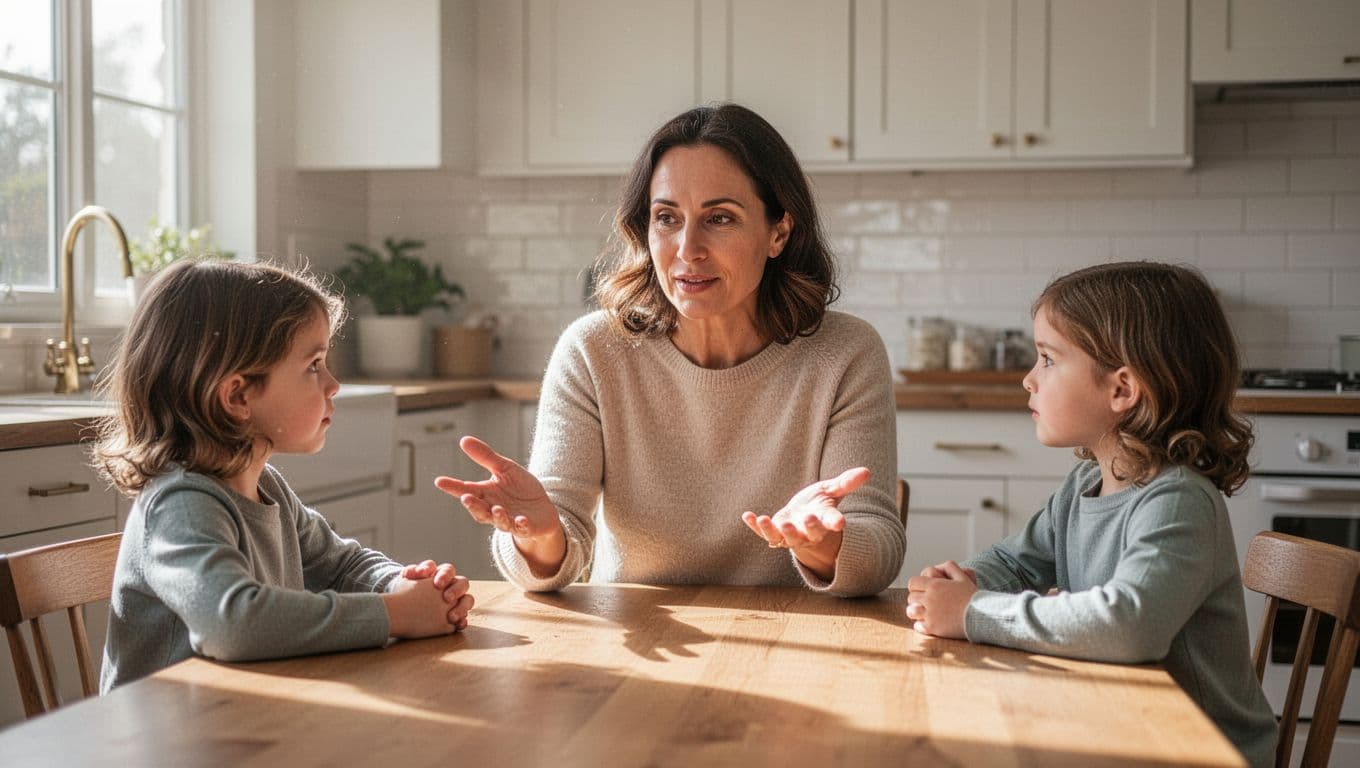
Firm boundaries help children feel safe
Clear rules are not harsh when they are fair and consistent. In fact, they often make children feel calmer because they know what to expect. A child who understands the rules spends less time guessing and more time settling into the rhythm of the home.
Boundaries also reduce power struggles. When rules change based on mood, children test more. When the limits stay the same, even during a hard day, kids learn that the house has structure they can count on.
A fair parent keeps rules simple and easy to follow:
- State the rule plainly so there is no confusion.
- Explain the reason in age-appropriate language.
- Follow through the same way each time.
- Stay calm so the rule, not the emotion, stays in charge.
That kind of consistency is one reason setting firm boundaries for kids matters so much. Children feel safer when the adults around them are clear and steady.
For a helpful comparison, the authoritative parenting style blends warmth with reasonable limits, and that balance supports better behavior over time. Kids do not need perfect parents. They need parents whose rules are clear enough to trust.
Respect grows when discipline feels even-handed
Children respond better when parents stay calm, explain decisions, and treat siblings with fairness. A child is more likely to accept a consequence when it feels connected to the behavior, not to the parent’s frustration. That is where respect starts to grow.
Even-handed discipline also matters between siblings. If one child always gets the harsher reaction, resentment builds fast. Fair treatment does not mean every child gets the exact same response, it means each child gets the response they actually need.
When a parent explains the “why,” kids learn that rules are not random. They may not like the answer, but they can understand it. That helps them accept limits without turning every correction into a fight.
Research on why children respond to authoritative parenting points to the same pattern, children do better when adults combine warmth with firm guidance. That approach works because it treats children with respect while still expecting cooperation.
Fair discipline sounds like this:
- Stay calm before correcting.
- Explain what happened and why it matters.
- Give a consequence that fits the mistake.
- Move on without holding a grudge.
That balance teaches children something important, rules are part of love, not a replacement for it.
Conclusion
The best parents are not flawless. They are calm when it counts, patient when kids test limits, and steady enough to make home feel safe.
Empathy, responsibility, flexibility, encouragement, fairness, and organization all matter too. Men and women can build these traits, and natural personality is only part of the picture.
What children remember most is steady love backed by real follow-through. With awareness, effort, and care, any parent can keep getting better and give their child a stronger foundation.
Save pin for later


- How to Help a Child Deal With Anxiety at Home - September 12, 2026
- How to Prepare Your Child for the First Day of School - September 12, 2026
- Age-Appropriate Chores for Kids by Age Group - September 12, 2026