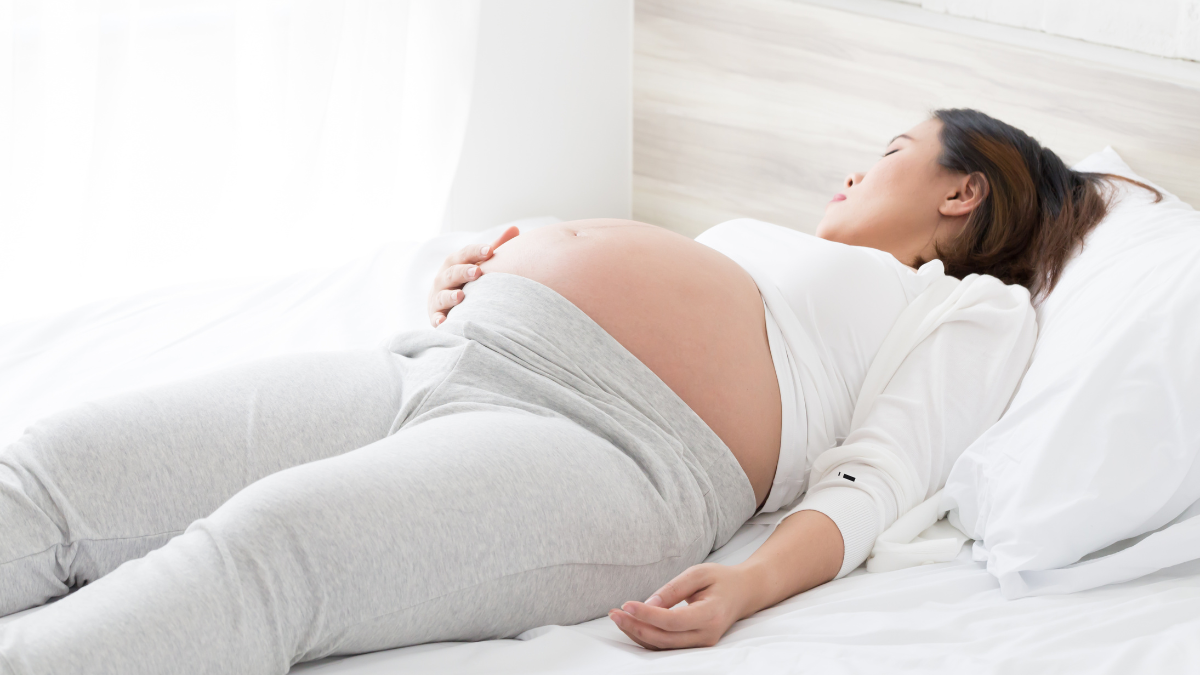


After pregnancy or infant loss, a new positive test can bring a rush of hope, followed by fear that something could go wrong again. You may find yourself watching every cramp, missed period, or change in your body for a sign that a rainbow baby is on the way.
The truth is that no special symptom can identify a rainbow baby. The term describes a baby born after a previous loss, not a medical diagnosis, so a new pregnancy is confirmed through a positive pregnancy test and follow-up care with your healthcare provider. Every loss and pregnancy is different, and ordinary early symptoms can feel anything but ordinary when you’re carrying grief alongside hope.
As you wait for answers, trying to conceive after miscarriage can bring up questions about timing, fertility, and when to call your doctor. This guide will explain what the term means, how to confirm a pregnancy, which symptoms are common, and when bleeding, pain, fever, or severe vomiting needs medical attention. You can also watch Pregnancy Anxiety After Loss | Rainbow Baby for reassurance that these mixed emotions are common.
What a Rainbow Baby Means After Pregnancy or Infant Loss
A rainbow baby is an informal, emotional term for a baby born after a previous pregnancy or infant loss. Some parents also use “rainbow pregnancy” for the pregnancy that comes before the birth. Either way, the phrase describes a personal experience, not a medical condition.
The loss may have involved a miscarriage, ectopic pregnancy, molar pregnancy, termination for medical reasons, stillbirth, or neonatal death. Tommy’s includes each of these experiences in its rainbow baby information and support. The term can honor a child who died while acknowledging the hope connected to a new pregnancy.
Why the rainbow metaphor matters to some families
Rainbows often appear after a storm, so the image can feel comforting after a time of heartbreak. For some parents, it expresses the return of hope without erasing the baby they lost. A new pregnancy may bring sunlight back into an ordinary moment, such as hearing a heartbeat or folding tiny clothes.
Still, a rainbow baby doesn’t replace the child who died. Each baby has a separate place in a family’s story, and a new arrival cannot undo grief. The metaphor offers meaning for some parents, but it doesn’t need to fit everyone.
A rainbow baby can bring new joy while the earlier loss remains part of your family history.
Some parents dislike the phrase because it can create pressure to feel grateful, happy, or healed. Others worry that people use it as if the new baby makes the loss easier. That can feel painful, especially during pregnancy appointments, birthdays, or holidays connected to the baby who died.
You can call your baby a rainbow baby, use the clinical phrase “subsequent pregnancy,” or choose no label at all. Your language belongs to you.

Grief and excitement can exist together
A positive pregnancy test after loss may bring excitement, fear, guilt, numbness, or relief. These feelings can change by the hour. You might celebrate a scan in the morning, then worry about symptoms before bed.
Tommy’s guidance recognizes that happiness, grief, and guilt can appear at the same time. Feeling afraid doesn’t make you less hopeful, and grieving your earlier baby doesn’t make you ungrateful for this pregnancy. Emotional reactions after loss don’t follow a neat calendar.
Give yourself permission to move slowly. You might find comfort in telling a trusted person what you need, keeping a journal, limiting upsetting conversations, or asking your healthcare provider for extra reassurance. If anxiety or sadness begins to interfere with sleep, daily tasks, relationships, or your ability to function, mention it during prenatal care. Support for pregnancy mental health after miscarriage can help you find care without judging your feelings.
How to Know a Rainbow Baby and How It Announces Itself: What the Signs Really Mean
A rainbow baby doesn’t announce itself through a special symptom pattern. The term describes a baby born after pregnancy or infant loss, so the only way to know conception occurred is through a positive pregnancy test and appropriate medical follow-up.
A test can show that you’re pregnant, but it can’t promise that the pregnancy will continue to birth. An appointment, ultrasound, and sometimes bloodwork help your provider assess how the pregnancy is developing. Even then, no symptom, dream, craving, or feeling can guarantee a healthy outcome.
Early pregnancy symptoms can look different every time
You may notice a missed period, breast tenderness, unusual tiredness, nausea, increased urination, mild cramping, or stronger reactions to certain smells. Some people also experience light spotting, bloating, or mood changes. The Mayo Clinic’s guide to early pregnancy symptoms explains that these signs can begin around the time of a missed period, although timing varies.
However, early pregnancy symptoms overlap with premenstrual symptoms, stress, ordinary hormonal changes, illness, and other health conditions. A late period might follow stress or an irregular cycle. Tender breasts and fatigue can happen before menstruation, too.
Some pregnant people have only one mild symptom, while others feel several changes at once. You might even feel almost completely normal during the early weeks. If you have a positive pregnancy test without symptoms, the lack of nausea or fatigue doesn’t automatically mean something is wrong.
Stronger symptoms don’t prove that a pregnancy is healthier, and weaker symptoms don’t prove that it is failing.
A home pregnancy test gives you more useful information than trying to interpret every body clue. Follow the test directions carefully, and contact your healthcare provider after a positive result. If you receive a negative result but your period doesn’t come, consider testing again later because testing too early can miss a pregnancy.

Why intuition and meaningful signs deserve care, not medical weight
After loss, you may notice vivid dreams, repeated coincidences, a sudden calm, or a feeling that a baby is near. These experiences can carry real emotional meaning, especially when they connect with your spiritual beliefs, culture, or personal rituals.
You don’t have to dismiss those moments. A dream may comfort you, and a ritual may help you hold hope while you wait. Still, emotional reassurance is different from medical proof. Intuition can’t confirm pregnancy, establish where it is located, or show whether fetal development is progressing.
Hold hope gently, then use testing and professional care for answers. Your provider can discuss timing, symptoms, and any concerns from a previous loss. Feeling hopeful is allowed, but hope cannot predict the outcome. Likewise, feeling afraid doesn’t cause a poor outcome or mean you have missed an important sign.
How to Confirm a New Pregnancy After Miscarriage or Loss
When pregnancy seems possible again, take one step at a time. A home urine test can identify pregnancy hormone, but your clinician may need bloodwork, an ultrasound, or repeat testing to confirm what is happening.
Start or continue a prenatal vitamin with folic acid if your healthcare provider recommends it. The CDC advises 400 micrograms of folic acid daily for people who could become pregnant. You can also review preconception health and prenatal vitamins while arranging care.
What an early appointment may include
Take a home pregnancy test when your period is late or when your clinician recommends testing based on your cycle. Use the first urine of the day if possible, and follow the package instructions closely. Check the result during the stated time window because reading it too early or much later can cause confusion.
A positive test soon after a miscarriage may reflect pregnancy hormone that remains in your body. It can also indicate a new pregnancy, retained pregnancy tissue, or, less commonly, another condition that needs medical attention. Contact your clinician rather than trying to interpret the result alone. ACOG’s early pregnancy loss guidance explains why follow-up may include urine testing, blood tests, or an ultrasound.

At the appointment, your provider may review:
- The date and type of your previous loss.
- Your last menstrual period and any recent pregnancy test results.
- Your symptoms, medical history, medications, and supplements.
- Your blood type, when that information affects care.
- Quantitative blood hCG testing, sometimes repeated to assess the pattern.
- A transvaginal ultrasound to check the pregnancy’s location and development.
Pregnancy dating can be less straightforward after a recent loss, especially if your periods haven’t returned to their usual pattern. Your provider may recommend repeat hCG testing or another ultrasound when the first results don’t provide a clear answer.
Pain or bleeding requires prompt guidance because an ectopic pregnancy must be considered when symptoms are concerning. Seek emergency care for severe pelvic or abdominal pain, fainting, extreme lightheadedness, or shoulder pain with bleeding. Mayo Clinic describes these as possible ectopic pregnancy warning signs.
Questions to bring to your doctor or midwife
Write your questions in your phone before the visit. After loss, a clear plan can make the waiting between appointments feel less uncertain.
- When should I schedule my first visit?
- Does my previous loss change my monitoring or ultrasound timing?
- Should I take folic acid or a prenatal vitamin, and which dose fits me?
- Are my current medications and supplements safe during pregnancy?
- Should I change my activity, exercise, travel, or work routine?
- Which blood tests or repeat tests might I need?
- Could my cycle make pregnancy dating difficult?
- How can I tell normal early symptoms from warning signs?
- Who should I call during office hours, and who handles concerns after hours?
- What support is available if anxiety, grief, or sleep problems become difficult?
- Should we discuss fertility testing or a preconception visit?
Asking for written instructions is reasonable. Before leaving, make sure you know your next appointment, the symptoms that require a call, and where to seek urgent care.
What Bleeding, Cramping, and Other Symptoms May Mean
Light spotting or mild cramping can happen in early pregnancy, but symptoms cannot be interpreted safely without context. Bleeding and pain do not always mean miscarriage, yet they deserve a call to a healthcare professional, especially after a previous loss.
After a recent miscarriage, new symptoms may come from normal recovery, a new pregnancy, infection, or another condition. Because these causes can feel similar, self-diagnosis is unsafe. If you notice a change, describe the amount of bleeding, location of pain, and timing to your care team.
Red flags that need urgent or emergency care
Contact your clinician, maternity unit, or early pregnancy unit promptly if bleeding increases, you pass tissue or fluid, cramps persist or worsen, or you notice unusual discharge. A fever above 100°F, chills, foul-smelling vaginal discharge, or feeling generally unwell can point to an infection. Mayo Clinic’s miscarriage guidance also lists these symptoms among reasons to contact your pregnancy care team.
Go to an emergency department or contact emergency services if you have:
- Heavy bleeding, such as soaking more than two large pads in an hour for two hours in a row.
- Severe abdominal or pelvic pain, especially pain that is one-sided or prevents normal activity.
- Shoulder pain, fainting, severe dizziness, or trouble staying upright.
- Heavy bleeding combined with weakness, pale skin, shortness of breath, or a racing heartbeat.
- Severe pain with a positive pregnancy test, even if the bleeding seems light.
These symptoms can signal an ectopic pregnancy, internal bleeding, or significant blood loss. They need urgent assessment rather than a routine appointment or a wait-and-see approach. Local emergency numbers and care pathways differ, so follow the instructions for your area. If you aren’t sure whether to call your doctor, maternity unit, urgent care, or emergency services, explain your symptoms and ask where to go.

When symptoms after a loss should be checked
Bleeding after a miscarriage often changes from bright red to brown as it slows. It may last around one to two weeks, although recovery varies based on how far along the pregnancy was and what treatment you received.
Arrange follow-up if bleeding continues, pain isn’t settling, symptoms return after improving, or you still feel unwell. A positive pregnancy test several weeks after the loss also needs medical review. Pregnancy hormone can take time to leave your body, but a positive result may also relate to retained tissue or a new pregnancy.
If it helps, keep brief notes about bleeding, pain, temperature, discharge, and pregnancy test results. Record pad changes rather than relying only on memory. These details give your clinician a clearer picture and help them decide whether you need an examination, bloodwork, or an ultrasound.
For more practical guidance, review these pregnancy bleeding and pain warning signs, then contact your care team with any concern that feels unusual or is getting worse.
How to Cope With Hope and Fear During a Rainbow Pregnancy
Pregnancy after loss can make an ordinary day feel emotionally crowded. You may feel joy after an ultrasound, fear when a symptom changes, guilt for celebrating, or numbness when others expect excitement. Hope and anxiety can share the same hour, and cautious attachment may feel safer than planning too far ahead.
You don’t have to force constant positivity. Instead, create small supports that help you stay present while the pregnancy unfolds.

Build a care plan that supports your mental health
Tell your obstetrician, midwife, or primary care clinician about the previous loss and the anxiety you feel now. Ask for screening for depression and anxiety during prenatal care. The American College of Obstetricians and Gynecologists recommends screening early in pregnancy, later in pregnancy, and after birth with validated tools such as the EPDS, PHQ-9, or GAD-7. You can review its perinatal mental health resources with your care team.
Before worry becomes overwhelming, agree on what you will do if it starts affecting daily life. Write down your provider’s phone number, appointment dates, after-hours instructions, and the name of one person you can call. You might also:
- Share pregnancy news only when you feel ready.
- Ask one trusted person to pass updates to family and friends.
- Mute upsetting social media posts, forums, or pregnancy announcements.
- Keep appointments and questions in one notebook or phone calendar.
- Try slow breathing, naming five things you see, or placing both feet firmly on the floor.
- Celebrate one milestone at a time, without promising yourself that you must feel happy every day.
Counseling can help, especially with a therapist familiar with grief, trauma, or pregnancy after loss. A pregnancy-after-loss group, Tommy’s, a local bereavement organization, or a trusted faith or community leader may also offer support. Choose services available in your region and fit them to your comfort level. Support for managing anxiety after miscarriage can also provide practical ideas for protecting your peace.
Seek extra help if you experience panic, ongoing inability to sleep, withdrawal from normal activities, intrusive memories or nightmares, hopelessness, or thoughts of self-harm. If you may hurt yourself or cannot stay safe, contact emergency services or a crisis service in your area immediately. In the United States, call or text 988 for the Suicide & Crisis Lifeline, or call 911 for immediate danger.
Make room for remembrance without treating the new baby as a replacement
Welcoming this baby doesn’t erase the baby you lost. Grief may appear during a scan, on an anniversary, or while choosing baby items. It may also sit beside genuine excitement.
Some parents keep a memory box, light a candle, use a private name, mark an anniversary, or speak openly with loved ones. Others prefer privacy. You may want public acknowledgment, a quiet ritual, or no ritual at all. Each choice is valid when it reflects what feels safe for you.
Bonding with this baby may feel immediate, delayed, cautious, or unlike your previous pregnancy. There is no required timeline for attachment. This baby has a separate place in your family, and the child you lost has a separate place in your story. A rainbow pregnancy can bring new love without resolving earlier grief.
What Can Help You Prepare for Pregnancy After Loss
Preparing for pregnancy after loss is about supporting your health and reducing avoidable stress, not guaranteeing a particular outcome. When possible, schedule a preconception visit so your clinician can review your recovery, chronic conditions, medications, supplements, and vaccination history. You can also ask whether you need any tests or changes before trying again.
The right time to try again is personal. Consider physical recovery, emotional readiness, and clinical advice together. Some people feel ready soon, while others need more time. Pregnancy loss is usually not caused by something a parent did, and healthy habits cannot prevent every loss.
During preparation, your healthcare provider may recommend a prenatal vitamin or folic acid. ACOG advises taking at least 400 micrograms of folic acid daily before pregnancy, although some medical histories require a different dose. Review preconception habits for conception for additional everyday planning ideas.
You can also support your health by:
- Avoiding smoking, alcohol, and illegal drugs while trying to conceive.
- Eating regular meals and drinking enough fluids.
- Staying active in ways your clinician considers safe.
- Asking which vaccines you need before pregnancy.
- Reviewing every prescription, over-the-counter medicine, vitamin, and herbal supplement.
- Asking about workplace or household exposure to chemicals and other harmful substances.
The ACOG prepregnancy care guidance can help you prepare questions for your appointment. Keep in mind that preparation gives you a stronger starting point, but it cannot control every pregnancy outcome.
A short plan can make the next appointment feel less overwhelming:
- Write down the date and type of your previous loss.
- Choose one or two support people who understand what you need.
- Plan transportation for appointments and urgent visits.
- Save daytime and after-hours medical contacts in your phone.
- Decide which words feel comfortable, such as “pregnancy,” “subsequent pregnancy,” or “rainbow pregnancy.”
- Note which updates you want to receive, share, or keep private.

Decide which milestones feel safe to share
You don’t need to announce a pregnancy, share ultrasound photos, plan a baby shower, or buy gifts on anyone else’s schedule. Some parents wait until testing, an ultrasound, or the end of the first trimester. Others tell a trusted person immediately because support feels safer than carrying the news alone.
Before sharing, decide what would make communication easier. You might say:
- “Please don’t ask me for updates. I’ll share news when I’m ready.”
- “I need practical help, not advice. Could you drive me to my appointment?”
- “Pregnancy talk may be hard for me on certain days, so I may step away.”
- “Please don’t use the phrase rainbow baby for us. We prefer to say we’re expecting.”
- “We aren’t ready for a shower or gifts yet, but we’ll let you know if that changes.”
At work, tell only the people who need to know, or ask human resources about leave and accommodations. You can request schedule flexibility for appointments without sharing your full history. A trusted person can also manage family messages, keep ultrasound updates private, or explain why you may skip a celebration.
There is no correct timeline for telling others or preparing for this baby. Choose milestones that protect your peace, honor your loss, and leave room for your feelings to change.
The Clearest Answer: A Rainbow Baby Is Known Through Care, Not a Special Sign
A rainbow baby doesn’t have a unique way of announcing itself. A vivid dream, sudden craving, calm feeling, or familiar pregnancy symptom may carry personal meaning, but none can confirm pregnancy or predict its outcome.
The reliable path begins with a home pregnancy test, followed by clinical confirmation and appropriate follow-up. After a positive result, contact your healthcare provider to discuss bloodwork, pregnancy dating, medications, and the right time for an ultrasound. A pregnancy care plan and warning signs can help you feel more prepared between appointments.
Early symptoms cannot tell the whole story
Fatigue, nausea, breast tenderness, frequent urination, mild cramping, and light spotting can occur in early pregnancy. However, symptoms vary widely. Some pregnant people feel many changes, while others feel almost normal.
Symptoms can also fade or change without proving that something is wrong. A positive test confirms pregnancy hormone, but only medical follow-up can help assess how the pregnancy is developing. ACOG explains that bleeding and cramping can occur with normal pregnancy, pregnancy loss, or ectopic pregnancy, so context matters. Read its early pregnancy loss guidance for more detail.

Let care and compassion guide the waiting
Trust your concerns, especially if bleeding becomes heavy, pain grows stronger, pain affects one side, or you pass tissue or fluid. Fever, chills, fainting, severe dizziness, or bleeding with significant pain require prompt medical attention. When unsure, call your care team and describe exactly what you notice.
Medical care gives you facts, while emotional support helps you carry the uncertainty. Hope may arrive in tiny moments, such as seeing a positive test, leaving an appointment with a plan, or feeling ready to imagine next month. You can welcome those moments without demanding constant confidence from yourself.
Conclusion
A rainbow baby does not announce itself through a special symptom, dream, craving, or feeling. A positive pregnancy test is the first clear sign, while clinical follow-up can confirm the pregnancy and help guide your care. Because symptoms vary so much, try not to measure your pregnancy by how nauseated, tired, or symptom-free you feel.
If you’re waiting to test, newly pregnant, grieving, or unsure how to feel, there is no perfect emotional response. Take the next small step that fits today. You might use a pregnancy test, call your clinician, rest, tell a trusted person, or ask for grief support. If you notice heavy bleeding, severe pain, fainting, fever, or another warning sign, contact your healthcare team promptly.
Hope and fear can share the same space. A new pregnancy does not replace the baby you lost, and it doesn’t require you to leave grief behind. Your family is allowed to carry love, grief, fear, and hope together as you move forward one day at a time.

- Dry Cough in Kids: 5 Causes and Safe Solutions - September 23, 2026
- How to Help a Child Deal With Anxiety at Home - September 12, 2026
- How to Prepare Your Child for the First Day of School - September 12, 2026