
Trying to get pregnant again can feel like holding hope in one hand and fear in the other. If you’ve been through disappointment before, even small changes can carry a lot of weight.
This time, I did ten things differently, and some were about my body, some were about my mind, and some were about timing. Every fertility story is different, but a few practical shifts can make the process feel more steady and less lonely, especially when you’re preparing for pregnancy and want a plan that feels clear. If you’re in that place now, this may help you sort through what matters most, getting ready for a healthy pregnancy.
I’ll start with the changes that made the biggest difference for me, one by one.
I stopped guessing and started tracking my cycle with purpose
Once I stopped guessing, everything felt less blurry. Instead of hoping sex happened on the right days, I had a clearer map of my cycle, and that changed how I approached the whole month.
The fertile window is the small stretch of days when pregnancy is most likely. In plain terms, sperm can live in the body for several days, and the egg lives for about a day after ovulation. That means timing matters more than most people realize. When I understood that, I stopped treating the whole month like one big chance and started focusing on the days that counted.

Why knowing my fertile window changed everything
Before, I felt like I was throwing darts in the dark. After tracking, sex felt more intentional, and that alone lowered my stress. I wasn’t trying every single day and burning out emotionally. I was paying attention to a smaller, more likely window, which made the effort feel focused instead of frantic.
I also stopped relying on memory. I marked the first day of my period, watched for changes in cervical mucus, and looked for the days when ovulation tests turned positive. If you want a simple explanation of the cycle math, Johns Hopkins Medicine breaks down the monthly fertility window in a way that’s easy to follow.
The simple tools I used to track my body
I kept it basic at first. A calendar app gave me a place to log period dates, a notebook helped me spot patterns, and ovulation strips showed when my body was getting close to ovulation. I also checked cervical mucus, since clear, slippery, stretchy mucus usually means fertile days are near.
A few months of notes mattered more than one perfect cycle. Patterns started to appear, and that gave me confidence instead of confusion.
- Calendar app: Good for spotting cycle length and period start dates
- Ovulation strips: Helpful for catching the LH surge before ovulation
- Basal body temperature: Useful for confirming ovulation after it happens
- Notebook: Simple, low-pressure, and easy to stick with
For a quick overview of how fertility timing works, the Office on Women’s Health ovulation calculator is a helpful reference. And if you’re still learning how to read your body’s signals, understanding ovulation and implantation pain can make those middle-of-cycle changes feel less confusing.
I paid closer attention to ovulation instead of leaving it to chance
Once I stopped treating ovulation like a mystery, getting pregnant felt more possible. Ovulation is the main event in the cycle, and once I understood that, the rest of the month made more sense. I quit hoping timing would work out by luck, because small changes in timing mattered far more than trying harder.
The signs I watched for each month
I started paying attention to the signals my body gave me. Around fertile days, my discharge changed first. It became clearer, wetter, and stretchier, almost like egg whites, and that told me my body was getting close to ovulation.
I also noticed mild cramping on one side some months. It was never severe, just a little pull or twinge low in my belly. My temperature shifted too. When I tracked my basal body temperature, I saw a small rise after ovulation, which helped me confirm that the fertile window had passed.
The clearest signs for me were cervical mucus and temperature changes. They gave me a better map than guesswork ever did.
These signs are common, and Cleveland Clinic’s ovulation overview explains them in plain language. Watching for them made my cycle feel less random and more readable.
How we planned intimacy around the fertile days
We kept intimacy regular during the fertile window, without turning it into a chore. That meant being more intentional when my body showed the right signs, then relaxing again after that window closed.
I didn’t want us to feel like we were following a script. So instead of forcing a rigid schedule, we stayed close during the days that mattered most. That rhythm felt more natural, and it took pressure off both of us.
A few simple habits helped:
- We paid attention early when fertile signs started showing up.
- We didn’t wait for a perfect day because perfect timing rarely exists.
- We stayed consistent through the fertile stretch instead of overthinking every hour.
I also used The Bump’s guide to ovulation symptoms to compare what I was seeing with common ovulation patterns. That gave me more confidence, and confidence made the whole process feel calmer.
I made everyday habits more fertility-friendly
I didn’t overhaul my life overnight. I made small, repeatable changes that supported my body instead of working against it. That meant eating better, moving with care, and giving rest the respect it deserved.

What I changed in my eating and movement routine
I stopped treating meals like an afterthought. Instead, I built plates that felt steady and satisfying, with protein, fiber, healthy fats, and color on the same dish. Eggs, yogurt, beans, leafy greens, salmon, fruit, nuts, and whole grains showed up more often, because my body seemed to like that balance.
I also cut back on extremes. I didn’t want a punishing diet, and I didn’t want to swing between being strict and being careless. A steady eating pattern felt calmer, and calmer felt better for trying to conceive.
Movement changed too. I chose gentle exercise, like walking, stretching, and light strength work, instead of pushing myself hard every day. A little movement helped me feel more grounded, but overdoing it only left me tired. ASRM’s guidance on natural fertility backs up that kind of middle ground, because moderation matters more than punishing effort.
A simple routine helped me stay consistent:
- Balanced meals kept my energy more even through the day.
- Whole foods gave me fewer blood sugar swings and less crash-and-burn eating.
- Gentle exercise helped me feel strong without draining me.
- No extremes kept my body from feeling like it was under stress.
I wanted habits that supported fertility without making my life feel small.
The habits I cut back on for better odds
I looked hard at the things that could quietly work against fertility, even when they seemed harmless in the moment. Smoking was an easy no for me, and I kept my distance from secondhand smoke too. Alcohol also moved lower on my list, and I kept caffeine in check instead of sipping it all day long.
That didn’t mean I lived like a robot. It meant I got honest about what was helping and what was not. A strong coffee in the morning felt fine, but three or four cups did not. The same went for late nights out, skipped meals, and those habits that make your body feel a little frayed.
Mayo Clinic’s fertility guidance on lifestyle choices says the same thing in plain terms: smoking, heavy drinking, and too much caffeine can all get in the way. I didn’t need drama about it, just better choices most of the time.
Why rest and sleep mattered more than I expected
Sleep became non-negotiable. When I was short on rest, I felt more impatient, more emotional, and less able to handle the waiting that comes with TTC. My body felt like it was running on a low battery, and that made everything harder.
Poor sleep and constant stress can throw hormones off balance, which affects ovulation and mood. Exhaustion also made me less patient with myself, and trying to conceive is already tender enough without adding that pressure. Getting enough sleep and keeping stress in check supported me in ways I didn’t expect at first.
I started protecting bedtime the same way I protected ovulation days. That meant a quieter evening, less screen time, and fewer late-night distractions. A simple rhythm made a real difference, because the body notices when life slows down.
I treated stress like part of the fertility picture, not just a side issue
Trying to conceive can wear on you in ways that show up in your body and your mind. I stopped pretending stress was separate from the process, because the waiting, the hope, and the repeated letdowns were all part of it. That shift helped me respond with more care instead of acting like I should just power through.

Stress did not mean I was causing infertility, and I did not treat it that way. Still, I could see how emotional strain changed my sleep, my patience, and the way I carried each cycle. Research from ACOG on mental health and infertility also makes it clear that emotional health belongs in the conversation.
What I did when the waiting started to wear me down
When the waiting got heavy, I made room for it instead of pushing it away. I wrote in a journal when my thoughts started looping, and prayer gave me a place to say the hard things out loud. Sometimes I talked to one safe person who knew how to listen without rushing me.
I also took quiet walks, even when I did not feel like moving. The air, the rhythm, and the break from constant thinking helped me breathe again. On some days, I stepped back from testing for a while, because checking too often only fed the spiral. Support groups and coping tools like these are also recommended by RESOLVE’s coping techniques.
How I protected my peace during the two-week wait
The two-week wait was the hardest stretch, because every twinge felt loaded with meaning. I tried to keep my days normal, so I would not sit and scan my body every hour. That meant staying busy, avoiding symptom searches, and setting a date for testing instead of guessing early.
I also gave myself limits. I muted triggers, cut back on social media, and stopped reading every forum post like it held a secret answer. When anxiety climbed, I reminded myself that waiting feels personal, but it is not proof that something is wrong.
A calm mind did not make pregnancy happen on its own, but it made the process easier to live through.
That mattered more than I expected, because peace did not fix everything, but it kept me steady enough to keep going.
I got more serious about medical advice and fertility testing
At some point, I stopped treating pregnancy like something I could manage with hope alone. I still believed in timing, habits, and patience, but I also wanted real answers. That meant asking better questions, listening more closely, and talking to my doctor sooner instead of waiting and wondering.
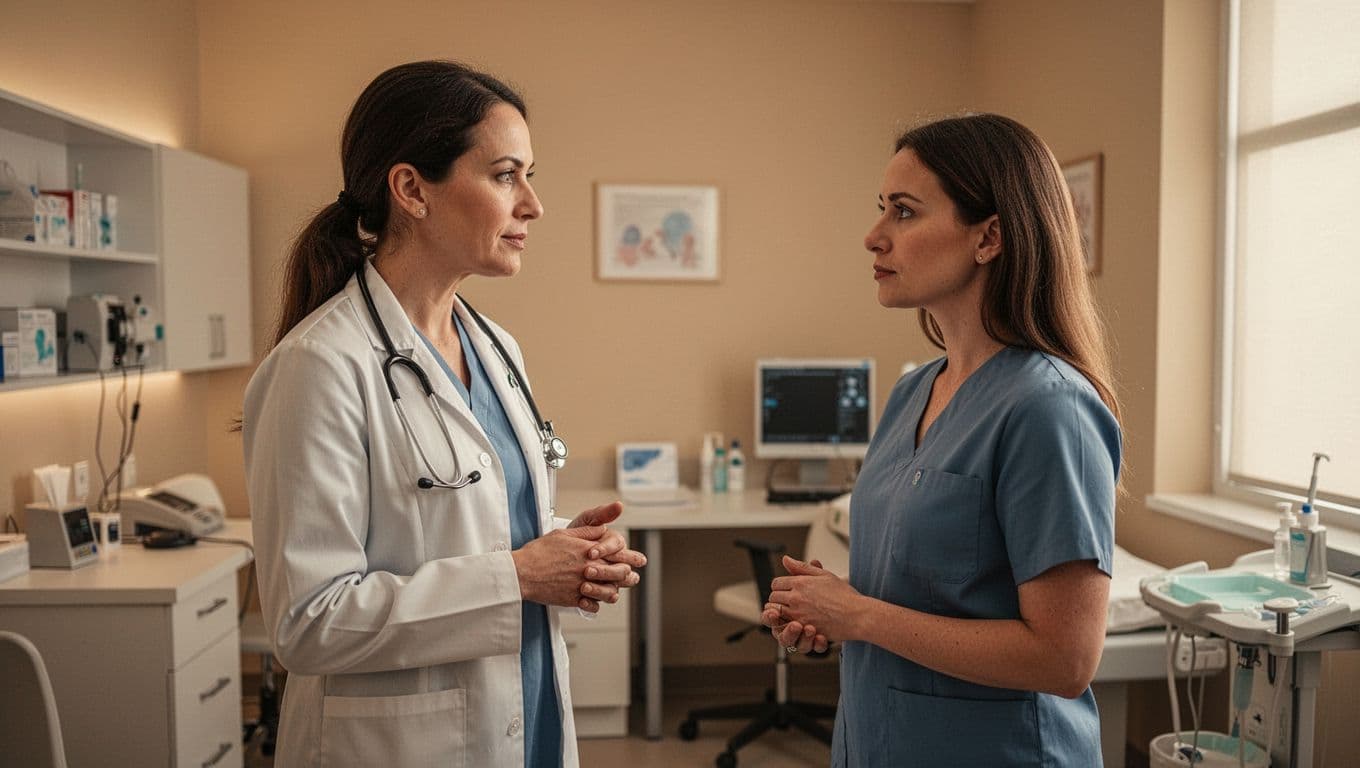
The questions I brought to my doctor
I came prepared, because a rushed visit can leave you with more stress than answers. I wanted simple, direct questions that would help me understand my body better and point me toward the next step.
A few of the questions I asked were:
- Is my cycle length normal for conception?
- Do you think I am ovulating every month?
- Should I keep taking my prenatal vitamin or add anything else?
- Do I need blood work to check my hormones or thyroid?
- What should we try next if this month does not work?
Those questions helped me move from vague worry to a real plan. They also made the appointment feel like a conversation, not a dead end. If you are trying to get pregnant, it helps to write your questions down before you go so you do not forget them in the moment.
I also made sure my doctor knew what I was already doing, including cycle tracking and supplements. That gave us a clearer starting point and kept me from repeating things that were already working.
When it made sense to ask for more testing
I stopped waiting for a perfect reason to seek help. Irregular cycles, repeated losses, or months of trying without success are all signs that a deeper look may be wise. If your body feels unpredictable, or if pregnancy is taking longer than expected, it is reasonable to ask for more support.
A fertility evaluation can start simple. Doctors often begin with hormone blood tests, ovulation checks, and a pelvic ultrasound. In some cases, they may also suggest an STI screening, a thyroid test, or an HSG to check whether the fallopian tubes are open. For a useful overview of early testing, the University of Utah Health guide on fertility specialists explains when it makes sense to get help.
The earlier you ask, the more options you usually have.
That is what I needed to hear. Asking for testing did not mean I had failed, it meant I was being careful with my time and my health.
In some cases, the first step is testing both partners. A semen analysis, for example, can check sperm count, movement, and shape. Cleveland Clinic’s fertility testing overview breaks down the basics in plain language, and it helped me understand what doctors often look at first.
For me, getting more serious about medical advice brought a new kind of calm. I was still hopeful, but now I also had a plan.
I paid attention to what I was putting into my body
This time, I stopped treating food and supplements like background noise. What I ate, what I skipped, and what I took every day all mattered more than I had admitted before. Small gaps can add up fast, especially when your body is preparing for pregnancy before there’s even a positive test.
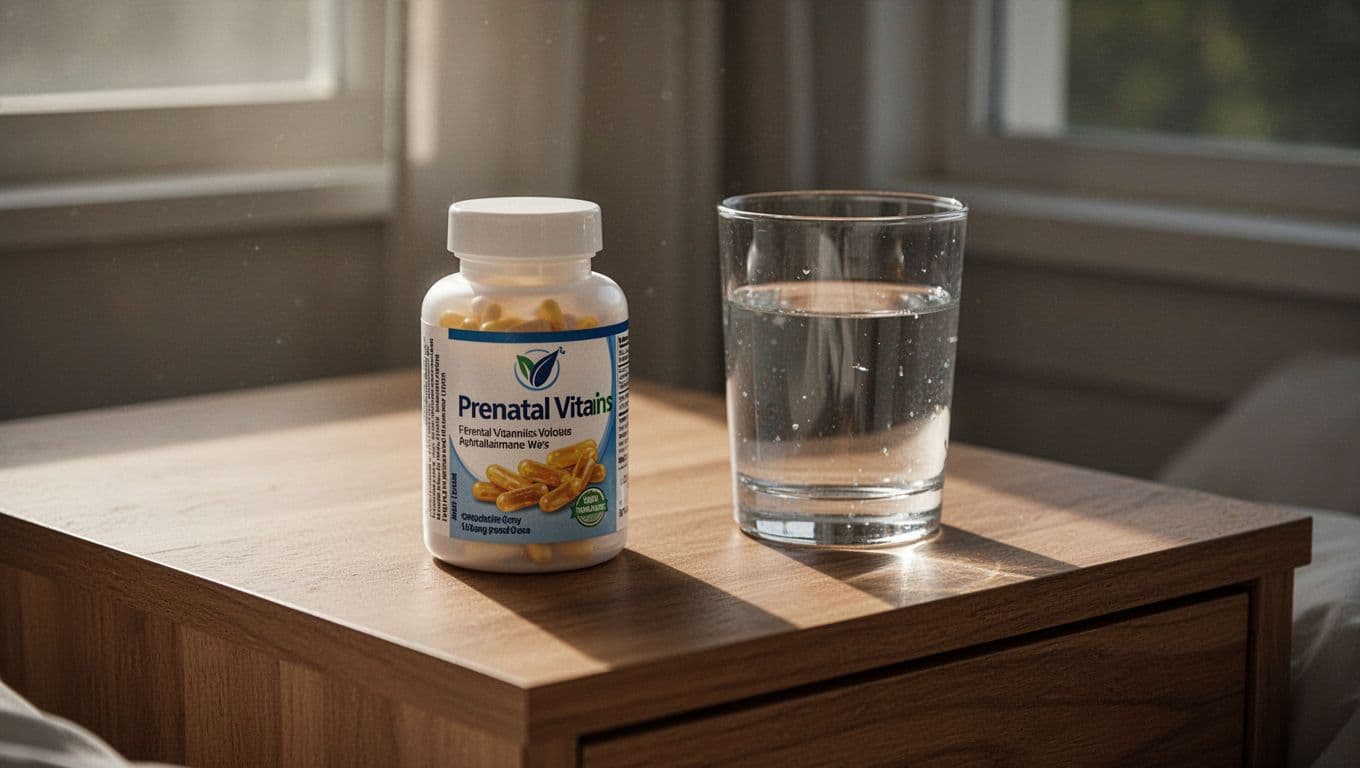
The prenatal basics I did not skip
I made folic acid non-negotiable, and I took my prenatal vitamin every day, not just when I remembered. That mattered because folic acid helps support early neural tube development, and that happens very early, often before someone even knows they’re pregnant.
I wanted a simple routine, so I kept the bottle near my toothbrush and took it at the same time each morning. Consistency beat perfection. A pre-pregnancy care guide from ACOG also points to the value of getting these nutrients in place before conception, not after.
A steady prenatal habit helped me feel prepared instead of reactive. It was one small daily promise to my body, and I kept it.
How I avoided overdoing random supplements
I also backed away from the urge to add everything under the sun. When you’re trying to conceive, it’s easy to think more pills mean better odds, but that’s not how it works. Too many extras can crowd out the basics or even create new problems.
So I stuck with doctor-approved supplements and asked before adding anything new. That kept me from guessing and helped me avoid wasting money on things I didn’t need.
A simple rule kept me grounded:
- Use a prenatal with folic acid unless your doctor says otherwise.
- Add only what your doctor recommends, based on your labs or health history.
- Skip the internet stack of supplements, because more is not always better.
If you want a clear breakdown of what belongs on your plate too, these prenatal vitamin food sources are a helpful place to start. Nutrition felt less overwhelming once I focused on the essentials and left the rest alone.
I changed the way I thought about trying to conceive
Trying again asked more of me than a new routine. It asked for a new inner voice. I had to stop measuring my journey against someone else’s speed and start treating my own process with more care.

I stopped comparing my timeline to everyone else’s
Comparison made everything heavier. When I looked at other people’s easy announcements, my own waiting felt longer and more painful. Their timing was not my timing, but it still had a way of stealing my hope.
So I started protecting my mind more carefully. I muted accounts that triggered me, left room for my own story, and reminded myself that a polished update never shows the whole road. If you need support with that emotional reset, healing your mindset after miscarriage can be part of the process too.
Comparison also made me rush my feelings. Once I let that go, I could breathe again. I did not need to be ahead. I only needed to stay present in my own season.
I learned to hold hope without forcing certainty
Hope felt safer when I stopped demanding proof every day. I still believed pregnancy could happen, but I quit acting like I could control the outcome by thinking harder or checking more often.
That shift gave me room for faith and patience at the same time. I could hope for a positive test without pretending I knew the exact date it would come. I could pray, prepare, and still accept the unknown.
Hope got lighter when I stopped turning it into a deadline.
That mindset helped me release pressure from every cycle. Instead of treating each month like a verdict, I treated it like one more step. I could want this deeply and still be gentle with myself when the answer had not come yet.
I looked at the little things that can quietly affect sperm and egg quality
I also paid attention to the small details I used to ignore. A lot of conception advice focuses on timing, but sperm and egg health can be shaped by the everyday stuff around it too, like what you use during sex, what you breathe in, and the habits sitting on the edge of your routine.
These changes were simple, but they mattered. They made our home feel more fertility-friendly, and they gave us a sense that we were both part of the process.

Why lubricant choice can matter more than people think
I didn’t think much about lubricant at first, but some products can make it harder for sperm to move. That can turn a helpful product into an obstacle, especially during the fertile window.
So I switched to a fertility-safe option when we needed one. Water-based, sperm-friendly lubricants are made to be gentler on sperm, and that small swap felt worth it. A plain guide to fertility-friendly lubricants explains the basics well, and it helped me understand why the label matters.
The small lifestyle tweaks we both made
We both made small changes, because conception is shared work. I cut back on smoking exposure, and he did the same. We also stayed away from vaping, since it can affect fertility in both men and women.
A few other habits changed too:
- Less smoke exposure helped protect sperm and egg health.
- Better sleep kept our bodies more settled.
- Fewer harsh chemicals around the house gave me peace of mind.
- Cleaner air and simpler routines made our space feel calmer.
I also paid more attention to the products we used at home, especially strong cleaners and scented sprays. Small exposures add up, and I wanted fewer things that might get in the way. For couples trying later in life, pregnancy after 30 tips can also be a helpful next read, since age and lifestyle often overlap in real life.
Tiny changes do not fix everything, but they can remove a few hidden roadblocks.
That was enough for me. I wasn’t trying to make life perfect, just cleaner, calmer, and a little more supportive of the pregnancy I wanted.
What I wish I had done sooner the first time around
Looking back, I wish I had stopped chasing a perfect formula. Pregnancy came with more peace once I had better awareness, better timing, and more support around me. The truth is simple: the small things mattered more than the big, dramatic ones.
I wish I had trusted small changes sooner
I used to think I needed one huge fix. Instead, progress came through ordinary habits that stacked up over time. Tracking my cycle, noticing ovulation signs, eating better, sleeping more, and asking for help gave me a clearer path.
That shift also changed how I felt inside. When I stopped blaming myself and started focusing on what I could actually control, the whole process felt less heavy. A shared mindset matters too, because fertility is easier to carry when both partners feel like they are on the same team.
I wish I had asked for support earlier
I waited longer than I needed to before getting medical guidance. I also waited too long to protect my peace, even though stress was draining me day by day. The next time around, I learned that support is part of the process, not a sign that something is wrong.
If you’re in the middle of trying, start with one small step. Track one thing, change one habit, or ask one question. That is often enough to move you forward.
Conclusion
What changed for me was not one perfect trick, it was a steadier way of paying attention. I tracked more, guessed less, cared for my body with more intention, and gave my mind a little more room to breathe.
If this story brings you back to your own waiting, hold on to the main lesson, more awareness, less pressure, and better support can make the path feel lighter. Every pregnancy journey is different, and someone else’s timing is never a promise for yours.
Keep your focus on the next small step, whether that is checking your cycle, talking to your doctor, or building a healthy pregnancy checklist that feels manageable. Gentle progress matters more than perfect pace, and hope has a way of holding steady when you treat yourself with care.
Save pin for later


- Dry Cough in Kids: 5 Causes and Safe Solutions - September 23, 2026
- How to Help a Child Deal With Anxiety at Home - September 12, 2026
- How to Prepare Your Child for the First Day of School - September 12, 2026