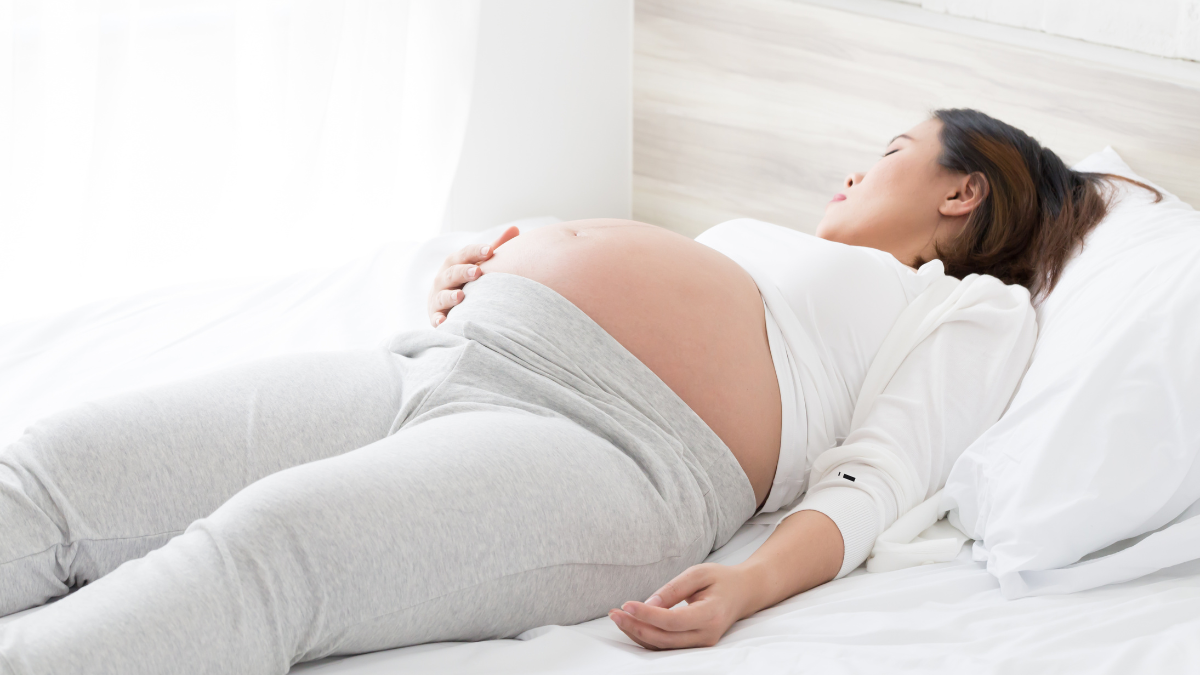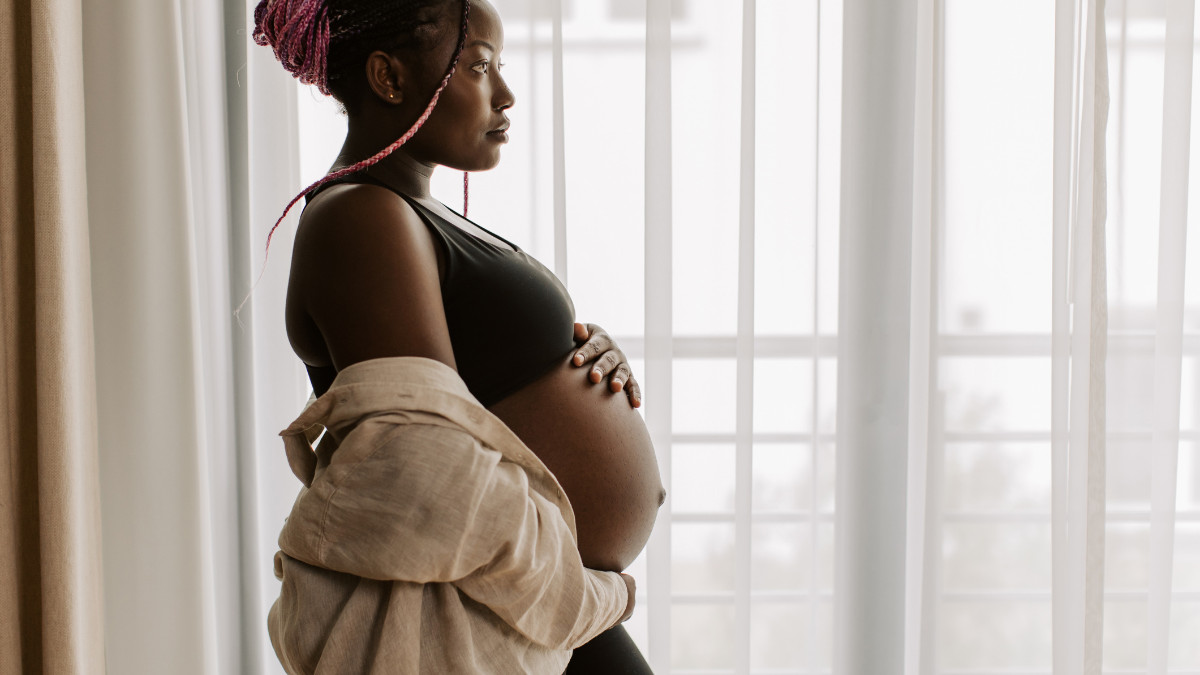
Being pregnant in your 30s is far more common than the old warnings make it sound, and for many women, it’s a healthy, ordinary part of life. In the U.S., first births for women in their 30s have been rising, and that shift makes sense when you look at school, careers, finances, better birth control, and the simple fact that family timelines don’t look the same for everyone.
The truth about pregnancy in your 30s sits between fear and wishful thinking. Age does bring real changes, including a slower decline in fertility and a closer eye on certain risks, like low birth weight in older pregnancies, but it doesn’t mean pregnancy is automatically unsafe.
Most women in their 30s can still have healthy pregnancies with solid prenatal care and early attention to red flags. The next step is knowing what those changes look like, so you can feel prepared instead of pressured, and so you can see where the real risks start and stop.
Why more people are having babies in their 30s now
Pregnancy in the 30s is common because life has changed. People spend more years in school, settle into careers later, and often wait until money and relationships feel more stable. For many families, that delay is a choice, not a mistake.
At the same time, the old timeline has loosened. Birth control is more reliable, fertility care is more available, and the idea that there is one “right” age to start a family has faded. The result is simple, more people are building families later, and they are doing it on purpose.
Career, school, and money often come first
A lot of adults spend their 20s setting up the life they want before adding a baby to it. That can mean finishing college, paying off loans, getting steady work, or waiting until rent and childcare feel manageable.
The pressure is real. Housing costs keep rising, daycare can eat a huge piece of a paycheck, and many people do not feel ready to step away from work too early. In daily life, that often looks like this:
- finishing a degree first
- building job security
- saving for a home
- paying off debt
- waiting until childcare fits the budget
The CDC’s latest national data shows the average age of first-time mothers has continued to rise, which fits what many families already know from experience. When the basics feel more stable, pregnancy often feels like the next step instead of the first one.

Better birth control and fertility care changed the timeline
Modern birth control gives people more control than past generations had. Pills, IUDs, implants, and other options help people plan if and when they want to get pregnant, instead of leaving timing to chance.
Fertility care has changed the picture too. Treatments like IVF, egg freezing, and fertility testing make later pregnancy feel more possible for many couples, even when conception does not happen right away. That does not make later pregnancy effortless, but it does make the path feel less closed.
People also talk more openly about fertility now. That matters, because it gives couples space to think, ask questions, and make a plan without panic. When pregnancy is treated as a timed decision instead of a rush, the 30s become a practical window for many families.
Life rarely follows one perfect schedule
Some people in their 30s are still traveling, finishing school, or enjoying newly found independence. Others are waiting for the right partner, or they simply want more time to grow into themselves before becoming parents.
That is normal. A stable relationship, emotional readiness, and a sense of security can matter just as much as age.
There is no single right age to start a family. For many people, the 30s are where the pieces finally line up, and that timing feels less like delay and more like the right moment.
What pregnancy in your 30s is really like for your body
Pregnancy in your 30s often feels a lot like pregnancy in your 20s, just with a few more watch points. For many women, the biggest difference is not how they feel day to day, but how closely their care team follows certain lab results and screening tests.
The main truth is simple: most people in their 30s have healthy pregnancies. Still, the odds of a few issues do rise with age, so it helps to know which changes are real and which ones are exaggerated. That way, you can stay informed without assuming the worst.
Your 30s are not the same as your 20s, but the change is often gradual
Risk does not jump on your 30th birthday. A pregnancy at 31 or 32 is often only a small step away, medically speaking, from a pregnancy in the late 20s. The bigger shift usually shows up later, and doctors start paying closer attention at 35 and older, which is why ACOG classifies pregnancy at age 35 or older as advanced maternal age.
That does not mean your body suddenly changes overnight. It means the odds of certain issues rise slowly over time, so your prenatal visits may include a little more screening and a little more discussion about results. For many women, that extra attention feels routine, not alarming.

Common risks that may become a little more likely
A few pregnancy risks do become more common as age goes up, but many are still low in absolute terms. That matters, because a higher risk does not mean a high risk.
| Issue | What changes in your 30s |
|---|---|
| Miscarriage | The chance rises gradually with age, especially later in the 30s. |
| Chromosome conditions | The odds increase, with a clearer jump after 35. |
| High blood pressure | More common in older pregnancies, so blood pressure checks matter. |
| Gestational diabetes | Slightly more likely, which is why glucose screening is routine. |
| Preterm birth | The risk rises a little, especially after 35. |
| C-section | Rates are higher in older mothers, often because of other health factors. |
CDC data from 2024 show the pattern clearly. Gestational diabetes was about 9.5% in ages 30 to 34 and 11.2% in ages 35 to 39. Preterm birth was 10.1% in ages 30 to 34 and 11.3% in ages 35 to 39. C-section rates also rose, from 33.8% in ages 30 to 34 to 38.4% in ages 35 to 39.
Chromosome-related risk also climbs with age, but the numbers are still small for most women. For example, CDC birth defect data show Down syndrome risk at about 1.1 per 1,000 births for ages 30 to 34, then 3.5 per 1,000 for ages 35 to 39. That is a real increase, but it is still not the norm.
Good prenatal care matters here. Prenatal care for healthy pregnancy gives your provider a chance to catch blood pressure changes, blood sugar issues, and growth concerns early.
Why age affects pregnancy risks in the first place
The main reason is egg quality. Eggs change over time, and that makes chromosome problems more likely as age rises. That is one reason miscarriage and chromosomal conditions become more common later in the 30s.
Your own health also plays a role. Conditions like high blood pressure, insulin resistance, and diabetes become more common with age, so pregnancy may start with a few more moving parts. In practical terms, your body is doing the same job, but the starting line can look a little different.
How to support a healthy pregnancy in your 30s
A healthy pregnancy in your 30s usually starts before the positive test. Good prep, steady prenatal care, and a few repeatable habits make a bigger difference than trying to do everything perfectly. The goal is simple, lower preventable risks, catch problems early, and give your body a solid starting point.
Start with a preconception checkup if you can
A preconception visit is a practical reset before pregnancy. Your doctor can review prescriptions, over-the-counter meds, chronic conditions, family history, and any vaccines you may need. That matters because some medicines need changes before conception, and conditions like thyroid disease, diabetes, high blood pressure, or depression may need a new plan.
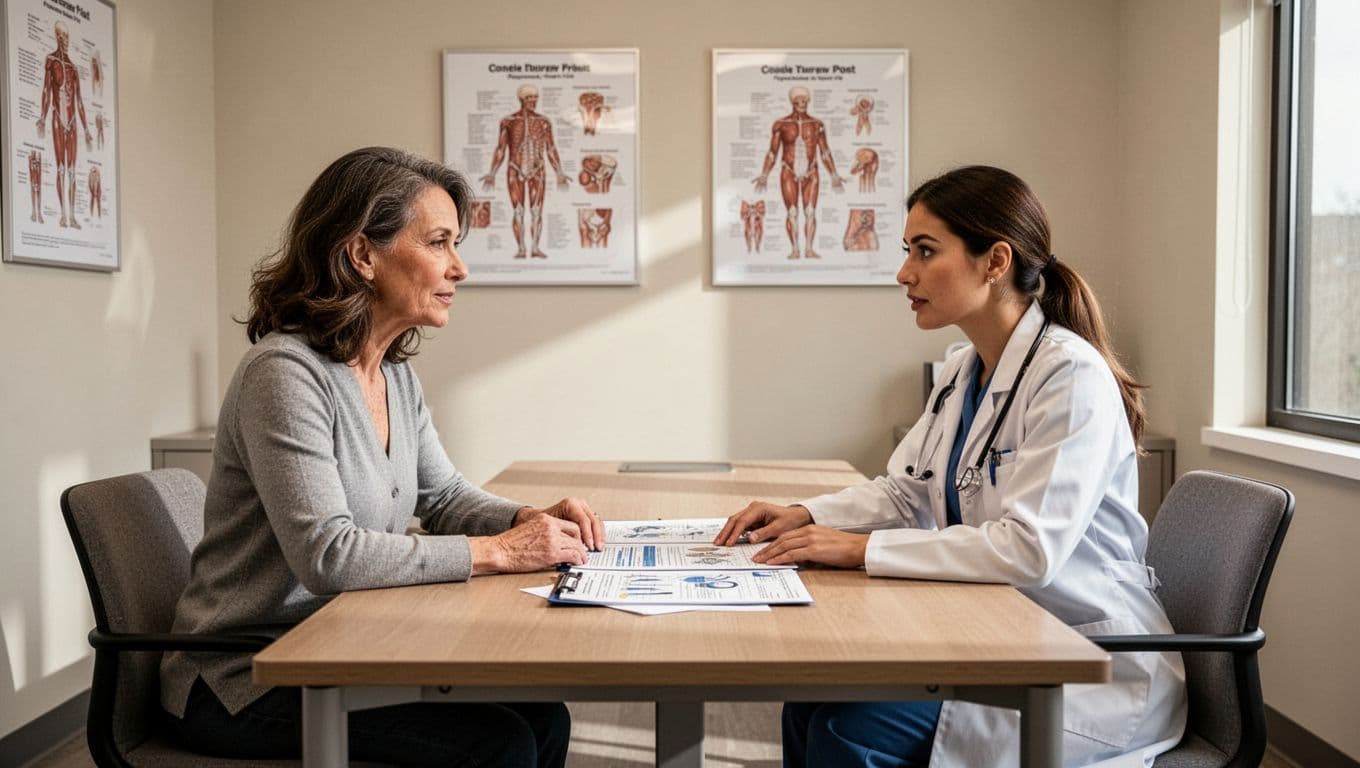
It is also a good time to ask about folic acid. The U.S. recommendation is 400 mcg daily before pregnancy, and a prenatal vitamin is often the easiest way to get it. The preconception health guidance from womenshealth.gov is a solid reference, but your clinician can tell you if you need a different dose based on your history.
Before you leave, make a simple plan:
- update needed vaccines
- confirm which medicines are safe
- ask about family history or genetic risk
- talk through weight, blood pressure, and blood sugar if needed
- set a follow-up visit if you have a chronic condition
Small daily habits can make a big difference
Pregnancy health does not depend on perfect meals or a flawless routine. Small, steady habits do most of the work.
Eat regular meals with protein, fruit, vegetables, whole grains, and healthy fats. Drink water through the day, get the sleep you can, and keep moving in ways that feel comfortable, such as walking or light exercise if your clinician says it is okay. If you are tired, start small. Ten minutes of movement still counts.
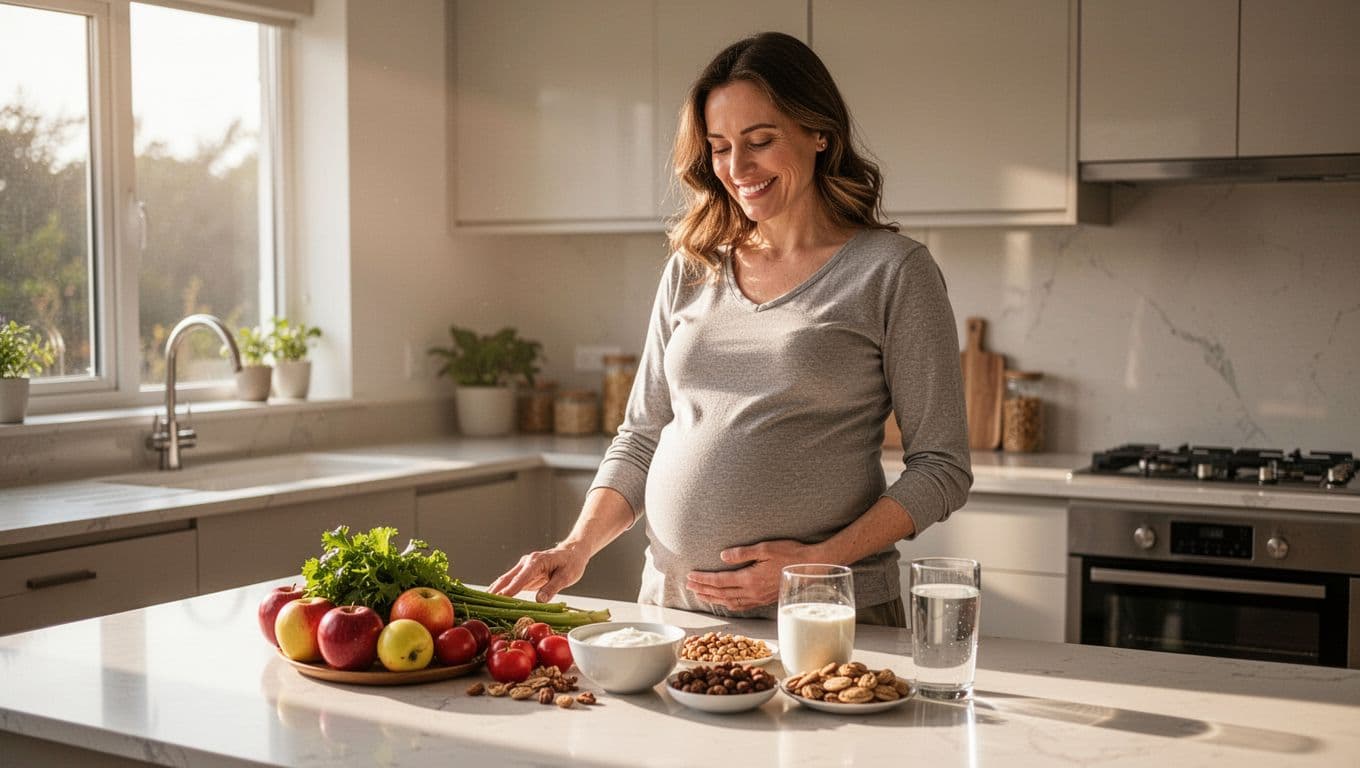
It also helps to leave out smoking, vaping, and alcohol. If that feels hard, treat it like a health goal, not a personal failure. Your doctor can help you build a plan that fits real life.
A few simple anchors can help:
- keep a water bottle nearby
- aim for a balanced snack before long gaps between meals
- go to bed at roughly the same time most nights
- move a little every day, even if it is only a short walk
Prenatal care matters even more after 30
Regular prenatal visits give your care team a chance to spot changes early, before they turn into bigger problems. Blood pressure checks are especially important, since they can catch signs of preeclampsia or other concerns before you feel sick.
Most visits also include growth checks, urine tests, blood work, and screening for gestational diabetes. Those routine steps may feel repetitive, but they matter because pregnancy problems often show up slowly. Skipping prenatal care can create avoidable gaps, especially when you are managing more than one health concern at once.
More visits are not a sign that something is wrong. They are a way to get ahead of problems.
After 35, some clinicians recommend closer monitoring because risk rises a little more. That might mean more conversations about blood pressure, growth scans, or screening options. The exact plan depends on your health history, but the point stays the same, catch issues early and keep the pregnancy moving in a safe direction.
Know when to ask more questions or get extra testing
If something feels unclear, ask. Age alone should not decide what testing you need, your personal history matters too. A doctor may suggest genetic screening, cell-free DNA testing, or other options based on your age, family history, or previous pregnancy history.
Cell-free DNA testing is a blood test that looks for signs of certain chromosome conditions. It can give helpful information, but it is still a screening test, not a diagnosis. If results point to a concern, your doctor can explain whether more testing makes sense.
This is also the time to speak up about fertility support if you need it. If you have been trying for a while, have irregular cycles, or have had pregnancy loss before, waiting and guessing only wastes time. ACOG’s guidance on pregnancy at 35 and older explains why screening conversations matter and why they should fit your situation, not just your age.
The best next step is simple. Bring your questions to your doctor, write down your meds and health history, and ask what support would make the biggest difference for you right now.
The emotional side of getting pregnant in your 30s
The feelings that come with pregnancy in your 30s are often mixed. You may feel hopeful and excited, then anxious the next day, then calm again after a good appointment or a kind conversation.
That range is normal. Pregnancy can bring joy, pressure, and self-doubt all at once, especially when life already feels full.
Many people feel pressure, worry, or comparison
Social media can make pregnancy feel louder than it really is. One scroll shows gender reveals, perfect bump photos, and babies who seem to arrive on cue, which can make your own path feel messy by comparison.
Family comments can add another layer. Questions like “When are you having a baby?” or “Are you sure you waited too long?” can sting, even when they are said casually. Friends may also move on different timelines, so it is easy to measure yourself against theirs and feel behind.

Those feelings do not mean you are ungrateful. They mean you are human. If comparison starts to take over, it can help to limit what you see, set boundaries with relatives, and remember that other people only post the polished parts.
Being older can also bring confidence and calm
There is another side to pregnancy in your 30s, and it often feels steadier. Many people know themselves better by then, so they trust their decisions more and second-guess less.
That confidence can show up in small ways. You may be clearer about what kind of support you need, more direct with your doctor, and less likely to chase perfection. Stable relationships can also help, because it is easier to face uncertainty when your home life feels grounded.
Your priorities may feel sharper too. Instead of trying to please everyone, you may care more about what keeps you healthy and calm. That shift can make pregnancy feel less like a performance and more like a real season of life.
Support helps more than perfect planning
Pregnancy rarely goes exactly as planned, and that is where support matters most. A partner who listens, a friend who checks in, or a parent who helps without judgment can take a lot of weight off your shoulders.
It also helps to talk openly with your healthcare provider about stress, sadness, or anxiety. If you are feeling overwhelmed, you do not need to wait until it gets worse. The ACOG guidance on mental health and pregnancy is a good reminder that emotional health belongs in prenatal care, too.
You may also want support that feels practical and personal, like building a strong pregnancy support system. That can include:
- one person you can text when worry spikes
- a friend who tells you the truth without judgment
- a group or class where other pregnant women understand the same fears
- a doctor or midwife who takes your concerns seriously
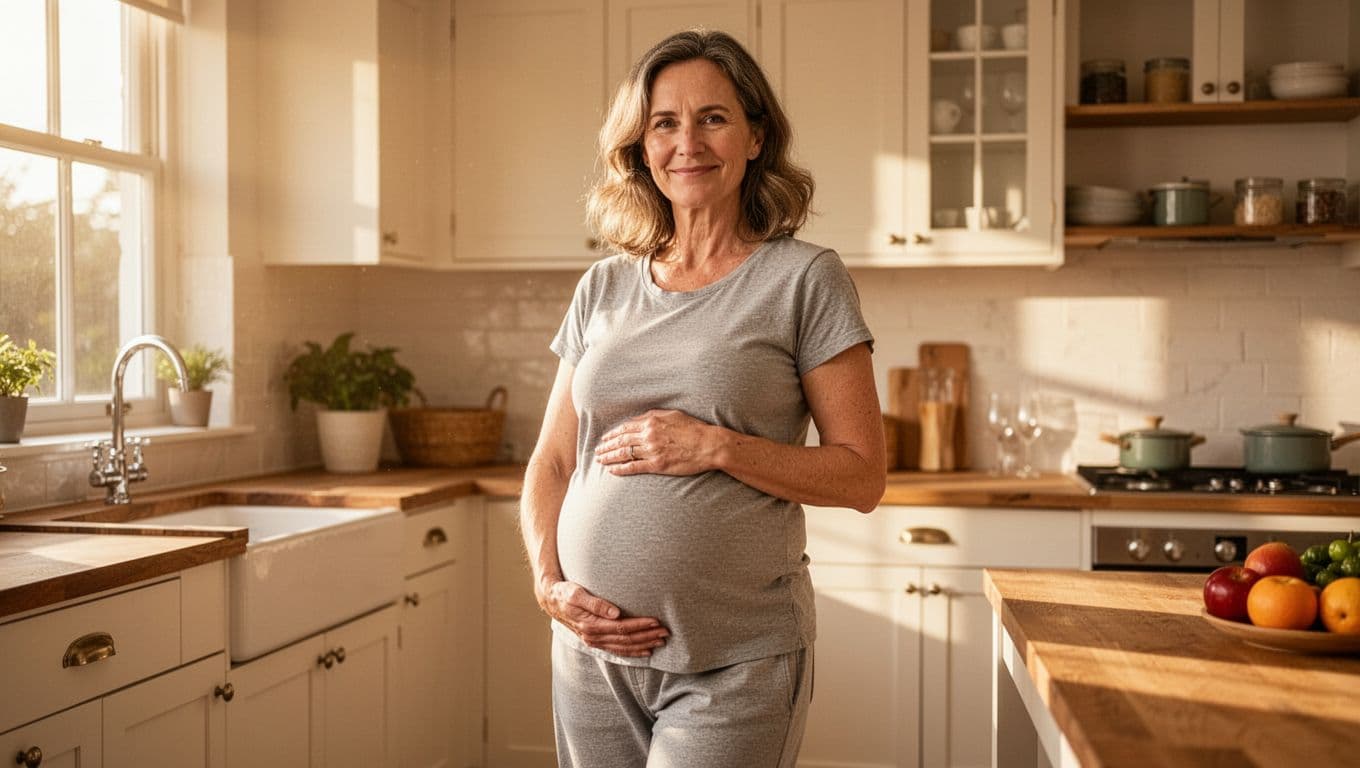
Support does not fix everything, but it lowers the sense of carrying it all alone. And for many women, that change makes pregnancy feel lighter, safer, and easier to face one day at a time.
Questions people ask most about pregnancy after 30
Once you get past the myths, the most common questions are usually simple: Can I still get pregnant, should I worry if I’m 35 or older, and can I still have a vaginal birth? The short answer is yes, many people in their 30s conceive and deliver healthy babies, but timing, screening, and birth plans may look a little different.
Is it harder to get pregnant in your 30s?
Yes, fertility does start to decline with age, but that does not mean pregnancy is out of reach. Many people still conceive naturally in their 30s, especially in the early and mid-30s.
What changes is the wait. For some couples, it may take a few extra months, and that can feel stressful when you are trying to plan your life around a pregnancy test. The ACOG overview on age and fertility explains why age affects egg quality and why conception can take longer for some people.

A useful rule of thumb is this, if you are under 35 and have been trying for a year without success, talk to your doctor. If you are 35 or older, that conversation often starts after six months. That timeline does not mean something is wrong, it just gives you a clearer point to get checked.
Do I need to worry if I am 35 or older?
No, 35 is a medical label, not a warning that pregnancy is unsafe. Doctors use it because certain risks rise enough to justify closer monitoring, more screening options, and a slightly different care plan.
Plenty of people over 35 have healthy pregnancies and healthy babies. The goal is not to scare you. It is to catch problems early if they show up and to give you the right support from the start.
Being 35 or older does not change the fact that most pregnancies are healthy. It changes how closely providers watch for the few problems that are more likely.
If you are 35 or older, your provider may talk more about genetic screening, blood pressure, or blood sugar. That does not mean those issues will happen, only that your care team is being careful in the right places.

Can I have a vaginal birth after 30?
Yes, absolutely. Age by itself does not decide how you give birth. Your birth method depends on many things, including your health, how labor unfolds, your baby’s position, and whether there are any pregnancy complications.
A C-section is not automatic just because you are in your 30s. Many women have vaginal births in their 30s, and many also have vaginal births after a previous C-section when their provider says it is safe. If your baby’s position affects labor, that matters more than the number on your birth certificate, and baby position can affect delivery.
If a C-section does become the safest option, that is about the birth situation, not a failure on your part. The main job is a safe delivery for you and your baby, and your provider will base that decision on what is happening in real time.
Conclusion
Pregnancy in your 30s is common, and for many women, it is also healthy and manageable. Age can change the odds of some risks, but it does not decide your outcome.
What matters most is the care you get and the choices you can control, like prenatal visits, healthy habits, and speaking up early when something feels off. Most people in their 30s can still expect a normal pregnancy with the right support.
If you are pregnant now or planning ahead, stay focused on your own situation instead of old myths. A trusted doctor can help you sort out what is routine, what needs watching, and what matters most for you.
Save pin for later

- Sweet Delicious Dinner Ideas For Family - September 24, 2026
- Baby Sitting Activities Ideas - September 24, 2026
- 10 Foods For Liver Health For You And Your Kids - September 24, 2026