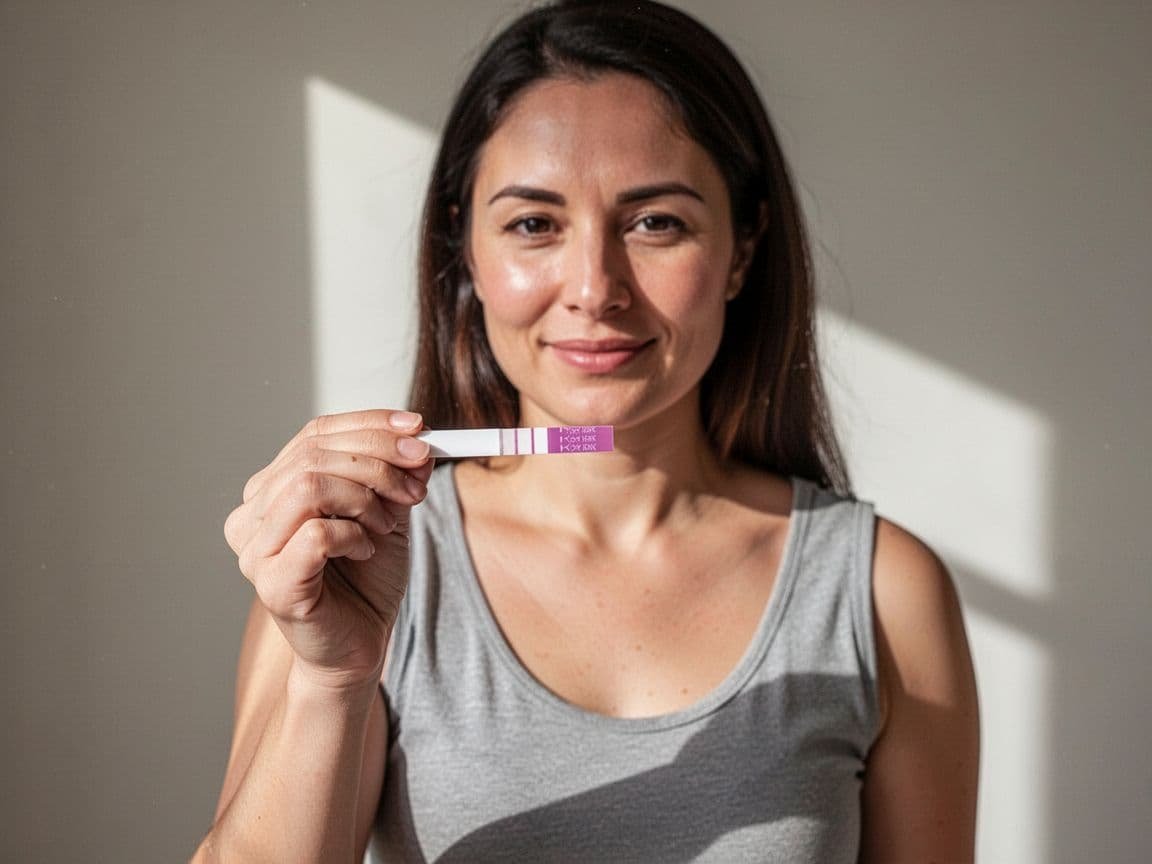
Tiny changes can feel huge when you’re pregnant, a wave of tiredness, a cramp that feels different, or a smell that suddenly turns your stomach. Those early signs can be strange, easy to miss, and surprisingly emotional, because they shape how you feel from morning to night.
Some of the most common clues show up in early pregnancy, while others can also look a lot like PMS or stress. That’s why a missed period, a pregnancy test, and medical guidance still matter, especially if your body is sending mixed signals. If you’re also trying to support your body day to day, a healthy pregnancy checklist can help you stay grounded.
5 Early Signs of Pregnancy Before Missed Period can also give you a quick visual starting point.
Why the smallest pregnancy symptoms can feel like a huge deal
Pregnancy can make your body feel like it has turned up the volume on everything. A little nausea can throw off breakfast, a small mood shift can color the whole afternoon, and mild fatigue can make even simple plans feel heavier.
That happens because your body is doing a lot behind the scenes. Hormones rise fast, energy gets redirected, and your senses can feel sharper than usual. You may also notice your body in a new way, which makes tiny changes feel loud and hard to ignore.
Hormones can change how your body feels from one day to the next
Early pregnancy can bring quick shifts in tiredness, nausea, appetite, and emotions. One day you may feel okay, then the next you feel wiped out before lunch. That does not mean your body is being dramatic, it means it is adjusting.
Rising hormones can also make food smell stronger, sleep feel lighter, and feelings hit harder. A meal that sounded good an hour ago may suddenly seem impossible. If mood changes feel intense, managing pregnancy mood swings can help you understand the emotional side of this stage.
The swings can feel confusing, but they are common. Johns Hopkins Medicine notes that early pregnancy hormones can make people feel more emotional or reactive, and the Mayo Clinic’s overview of pregnancy symptoms says mood swings are common in early pregnancy. That is why a small symptom can seem to arrive with big force.
What feels small on paper can be big in real life
A sore breast, one extra bathroom trip, or a bit of bloating may sound minor. In daily life, though, those changes can shape your whole rhythm. Sleep gets broken. Work feels less smooth. Even sitting still can feel uncomfortable.
A tiny symptom can also change how confident you feel in your body. You may start checking for signs more often, wondering what is normal and what is not. If you want a fuller picture of early clues, our guide to common early pregnancy signs can help you compare what you are feeling.
These little changes matter because they happen all day, not just once. A symptom that lasts five minutes in theory can follow you through meetings, errands, meals, and bedtime. That is why pregnancy can make the smallest shift feel like a much bigger deal than it would at any other time.
Tiny pregnancy symptom that can stop your whole day
Some pregnancy symptoms look mild at first, then they steal your energy, focus, or comfort for hours. They can make a normal morning feel off before you even finish breakfast.
The tricky part is that these changes often seem small to other people. For you, they can shape the entire day. A quick chore feels heavier, a usual meal turns your stomach, or getting dressed becomes an issue.

Fatigue that makes simple tasks feel heavy
Pregnancy tiredness is often more than plain sleepiness. It can feel like your body has put a blanket over everything, and even small jobs take real effort.
You may need naps in the middle of the day, lose your train of thought, or feel wiped out after a shower, a grocery run, or a short walk. That level of exhaustion can be tied to fast hormone changes, a growing blood supply, and the work your body is doing behind the scenes. The NHS overview of pregnancy symptoms also notes that tiredness is a common early sign.
When the fatigue is extreme, it can help to slow your pace and listen to your body. If you want a closer look at why early tiredness can hit so hard, why you might have no symptoms in early pregnancy can also help put the bigger picture in context.
Nausea that can show up morning, noon, or night
Pregnancy nausea does not always keep a morning schedule. It can show up while you are cooking lunch, riding in a car, or trying to fall asleep.
Smells often make it worse. Empty stomachs can also bring it on fast, and certain foods may suddenly feel unbearable. Even a normal meal can turn into a struggle if your body decides it is no longer welcome.
That unpredictability is what makes it so disruptive. One minute you feel fine, then a scent, a skipped snack, or a strong flavor can stop you cold. The Johns Hopkins Medicine guide to early signs of pregnancy includes nausea as one of the most common early clues.
Sore, swollen breasts that make everything feel different
Breast tenderness can make a bra feel too tight, sleep less comfortable, and movement a little more annoying than usual. Some people notice aching, swelling, heaviness, or a sharp sensitivity when they bump into something.
It may sound minor, but it can be hard to ignore because it follows you everywhere. Getting dressed, turning over in bed, or even walking down the stairs can feel different when your chest is sore.
This symptom can catch you off guard because it sneaks into ordinary moments. If you need more signs to compare, common early pregnancy signs can help you spot patterns without second-guessing every little change.
The little body shifts you notice before anyone else does
Early pregnancy often shows up in small ways before it feels obvious. A body that once felt predictable may start asking for bathroom breaks, looser waistbands, or a second look in the mirror.
These changes can be easy to brush off at first. Still, when several small shifts happen together, they can point to the same thing, your body is already working harder than usual.

Peeing more often than usual
A sudden need to pee more often can show up early in pregnancy. Your body makes more blood and fluid, so your kidneys work overtime and send more liquid to your bladder.
That can turn a normal day into a string of interruptions. Work meetings, long car rides, errands, and sleep all get harder when you keep needing the restroom. Nighttime trips can be the most annoying, because they break up rest and leave you feeling groggy in the morning.
According to NHS pregnancy symptoms guidance, frequent urination is one of the common early signs. It can feel small on paper, but in real life, it changes your pace fast.
Bloating that makes your jeans feel tighter fast
Bloating can make your stomach feel puffy, full, or uncomfortable, even when you have not eaten much. Pregnancy hormones slow digestion, so gas and constipation can build up and make your belly feel stretched.
That can be frustrating because the feeling often comes and goes. One hour your clothes fit fine, then the next hour your waistband feels too tight for no clear reason. If you want a simple way to support your body through these changes, a healthy pregnancy meal plan can help keep meals easier to manage.
A bloated belly early on does not always mean weight gain. Sometimes it is just your body holding onto more air, water, and pressure than usual.
Mild cramping or spotting that can make you pause
Light cramping or a small amount of spotting can feel confusing because it may seem a lot like an early period. The timing can make you hesitate, especially if the feeling is mild and comes without other obvious signs.
That said, not all bleeding is the same. Mild spotting can happen early in pregnancy, but heavy bleeding, sharp pain, or anything that feels unusual should be checked by a doctor. Johns Hopkins Medicine lists light bleeding or spotting among possible early signs, but pain that gets stronger is a different story.
These body shifts are small, yet they can change how you move through the day. When they show up together, they often make the first hint of pregnancy hard to ignore.
The emotional side of pregnancy changes people do not always talk about
Tiny pregnancy symptoms do not just show up in the body. They also spill into your mood, your patience, and the way you think about the day ahead. A small wave of nausea or a missed nap can feel much bigger when your emotions are already stretched thin.
That emotional shift is real. Hormones rise fast, sleep can get shaky, and even normal worries can feel louder than usual. If you have ever felt teary over nothing or irritated by everything, pregnancy may be part of the reason.
Mood swings that can hit out of nowhere
Pregnancy emotions can change quickly. One minute you feel fine, then a small comment, a smell, or a random thought brings tears to your eyes. Irritation can show up just as fast, and worry may hover in the background without warning.
This can feel unsettling, especially if you usually stay steady. Yet mood swings are common in early pregnancy because hormones affect both body and mind. The Johns Hopkins Medicine overview of early pregnancy signs includes mood swings as a normal early change.
Small things can feel bigger than they should. A delayed text, a messy room, or a change in plans may hit like a heavy weight. If that happens, it helps to slow down, breathe, and remind yourself that your feelings are shifting, not failing.
Hormone changes can make emotions feel sharper, but that does not mean you are overreacting.
Some days, kindness matters more than logic. Rest, water, food, and a quiet break can help soften the edge. If you need more support, ways to manage pregnancy mood swings can give you a calm place to start.
Food and smell changes that can make daily life tricky
Pregnancy can change the way food and smells land on you. A meal you loved yesterday may suddenly feel impossible today. At the same time, smells can seem stronger, sharper, and harder to ignore.
That can make daily life awkward in small but real ways. Cooking dinner may feel draining if the kitchen smells turn your stomach. Grocery shopping may take more effort when the dairy aisle or meat counter feels overwhelming. Eating out can get tricky, too, because a dish that looked perfect on the menu may become a hard no the moment it arrives.
Cravings can also appear overnight. One morning you may want oranges, toast, or ice-cold fruit. The next morning, nothing sounds right except a very specific snack. That constant shifting can make meals feel like a moving target.
If you are already tired or nauseous, these food changes can wear you down fast. Planning simple meals and keeping a few safe foods nearby can make the day easier to handle. Your appetite may not follow a neat pattern, and that is part of the process.
The mental weight of not knowing what is normal
Early pregnancy can make you second-guess almost everything. A tiny cramp, a sudden tear, or a change in appetite can lead to a long string of questions. Is this normal? Is it too early? Should you feel more? Should you feel less?
That kind of uncertainty can be exhausting. Before a test confirms pregnancy, every symptom can feel like a clue, and every quiet hour can feel loaded with meaning. Even after a positive test, the mind may keep scanning for signs and trying to make sense of them.
This is where the mental load gets heavy. You may be tracking symptoms, replaying conversations, and wondering if your body is telling you something important. When tiredness, nausea, or mood swings pile on, it gets harder to sort through the noise.
A clear list can help when your thoughts start spinning:
- Notice what changed, without judging it.
- Give yourself a little time before deciding what it means.
- Keep track of symptoms that feel new or strong.
- Reach out to a doctor if something feels off.
That calm, step-by-step approach can make the unknown feel less sharp. It also helps to remember that early pregnancy often feels uncertain before it feels clear. Your body may be working quietly, even when the signs are small and scattered.
When a tiny symptom is normal and when it needs a closer look
A small change in your body can be perfectly normal, especially in early pregnancy. Still, some symptoms are your body waving a red flag, and those deserve quick attention.
The hard part is that pregnancy signs can look ordinary at first. Tiredness, bloating, nausea, and breast soreness may all show up without meaning anything is wrong. A symptom becomes more worrying when it feels sudden, severe, or very different from what you expected.
Signs that are usually common in early pregnancy
Some early pregnancy symptoms are so common they can show up before a test gives you a clear answer. Tiredness, mild nausea, bloating, sore breasts, and peeing more often can all happen as hormones rise and your body adjusts.
These signs can be part of pregnancy, but they are not proof on their own. PMS, stress, sleep loss, stomach bugs, and other health issues can look similar. If you want a fuller list of early clues, the common early pregnancy signs guide can help you compare what you feel with what often happens in the first weeks.
A symptom can feel loud without being dangerous. The pattern matters more than one small change.
Mild cramping or light spotting can also happen early, and that can be unsettling. If the pain stays gentle and the bleeding is light, it may still fit with early pregnancy. Even so, pay attention to whether the feeling changes or starts to build.
Red flags that should not be brushed off
Some symptoms need a closer look right away. Heavy bleeding, severe cramping, strong one-sided pain, fainting, or anything that feels extreme or scary should never be ignored.
Other warning signs include pain that does not ease, vomiting that keeps you from keeping fluids down, a bad headache that won’t let up, or sudden swelling in the face, hands, or feet. The CDC’s maternal warning signs explain that severe pain, dizziness, and heavy bleeding need urgent care.
If something feels wrong in your gut, trust that feeling and call your doctor, midwife, or urgent care. You do not need to wait and see when the symptom is intense. Quick care is better than guessing.
Why a pregnancy test and prenatal care still matter
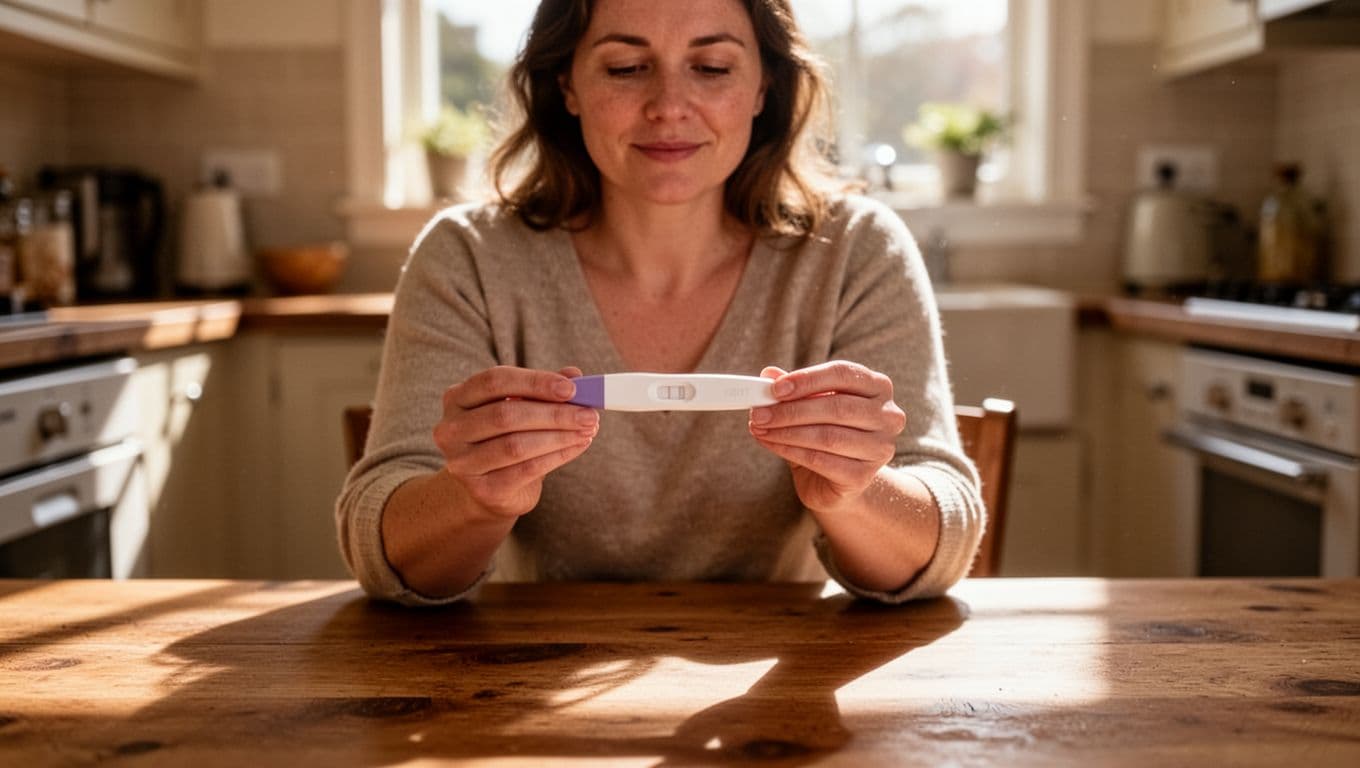
Because pregnancy symptoms can overlap with PMS or other health issues, a pregnancy test gives you a clearer answer. If your period is late and your body feels different, testing is the fastest way to stop the guessing game.
Once pregnancy is confirmed, early prenatal care matters for both parent and baby. A provider can check your health, date the pregnancy, and flag anything that needs follow-up. If you need help figuring out next steps after a positive result, what to expect during the second trimester can also help you think ahead with less stress.
Early care is not just about paperwork or appointments. It gives you a steady place to ask questions, mention symptoms, and get help before small concerns grow bigger.
Conclusion
Tiny pregnancy changes can carry a lot of meaning. A little nausea, a sore chest, or extra fatigue can shape your comfort, your mood, and the pace of your whole day.
Paying attention to those small signs matters, because your body is giving you information early. If something feels off, or the symptoms start to feel stronger than expected, it is always okay to ask a healthcare professional.
Save pin for later


- Dry Cough in Kids: 5 Causes and Safe Solutions - September 23, 2026
- How to Help a Child Deal With Anxiety at Home - September 12, 2026
- How to Prepare Your Child for the First Day of School - September 12, 2026