


Your body changes remarkably during pregnancy, and your nutritional needs shift right along with it. You don’t need a perfect diet to have a healthy pregnancy; instead, your goal is a simple, balanced plan that boosts your energy, eases common symptoms, and helps your baby grow.
Focusing on the right nutrients at the right time makes a massive difference in how you feel each day. Whether you are dealing with early morning nausea or looking for sustained energy in your final weeks, these balanced diet strategies for expectant mothers help you navigate each stage with confidence.
We will look at specific food priorities for the first, second, and third trimesters so you can keep your plate simple and your body fueled. For a helpful overview of these stages, you can check out this dietitian’s guide to eating during pregnancy.
What a healthy pregnancy meal plan should do for you and your baby
Eating well during pregnancy is not about dieting or rigid calorie counting. Instead, it is about providing your body with the fuel it needs to support your own health and your baby’s development. A well-rounded meal plan ensures your body has the energy to navigate daily life while laying a strong foundation for your growing baby. Following these tips for a healthy pregnancy diet makes a world of difference in how you feel throughout your journey.
The key nutrients that matter most during pregnancy
Your body works overtime during these nine months, so specific nutrients become your best friends. These building blocks support everything from brain development to energy levels. While a varied diet is your primary source, prenatal vitamins help bridge any gaps to ensure you and your baby get consistent support.
- Folate (Folic Acid): This vitamin is essential for your baby’s brain and spinal cord development. It significantly lowers the risk of neural tube defects, making it a priority in the early weeks.
- Iron: Your body creates extra blood to support your baby. Iron helps produce these red blood cells and prevents anemia, which keeps your energy levels steady and prevents fatigue.
- Calcium: Your baby needs this for strong bones and teeth. If your intake is low, your body may pull calcium from your own bones, so keeping your levels up protects your own skeletal health too. You can learn more about these requirements through Mayo Clinic’s guidance on essential nutrients.
- Protein: Think of protein as the primary construction material for your baby’s muscles, organs, and tissues. It supports healthy growth throughout every trimester.
- Fiber: Pregnancy hormones often slow down digestion. Fiber keeps things moving, which helps prevent uncomfortable constipation and supports steady blood sugar.
- Omega-3 Fats: These healthy fats are important for your baby’s brain and eye development.
- Water: Hydration is the unsung hero of pregnancy. Water helps create the extra fluids your body needs and supports digestion, while also reducing the risk of swelling and dehydration.
Simple rules for building balanced meals
You do not need a calculator to eat well. Building a healthy plate is straightforward when you use a visual guide. A simple, flexible approach helps you maintain energy and can even keep nausea at bay by preventing large swings in blood sugar.
Try filling your plate using this easy, reliable formula:
- Half the plate: Fill this space with colorful fruits and vegetables. They provide the vitamins and fiber you both need.
- Quarter of the plate: Add a source of lean protein like chicken, fish, eggs, or beans to support growth.
- Quarter of the plate: Include whole grains such as brown rice, oatmeal, or whole-wheat pasta for sustained energy.
- The extras: Round out your meal with a serving of dairy or healthy fats like avocado, nuts, and seeds.
Eating smaller, frequent meals instead of three massive ones often feels better on your stomach. If you are struggling with appetite or morning sickness, focus on these small, balanced options throughout the day. Consistency matters more than perfection. Remember to prioritize safety by choosing well-cooked ingredients and pasteurized dairy, which are key parts of safe eating guidelines for pregnancy. Keep your portions manageable and listen to your hunger cues; your body is excellent at signaling exactly what it needs.
How to eat in the first trimester when nausea makes food hard
The first few weeks of pregnancy often bring a whirlwind of changes, and for many, nausea is the most challenging guest. It can make your favorite healthy meals feel impossible to stomach. During this phase, your primary objective is simply to keep food down while maintaining your energy levels. There is no need for dietary perfection right now. Prioritizing small, frequent intakes of gentle, nourishing foods helps you bridge the gap until your appetite stabilizes.
Foods that are easier to tolerate when you feel sick
When your stomach feels unsettled, the sensory experience of food matters as much as the nutritional content. Strong odors or heavy, hot meals can quickly trigger discomfort. This is why many women find relief in bland, cold, or room-temperature options that demand less effort from the digestive system.
Focus on simple, plain staples that provide steady energy without overwhelming your senses:
- Dry snacks: Keep a stash of saltine crackers, plain toast, or dry cereal on your nightstand. Eating a few bites before you even sit up in bed can prevent that immediate morning wave of sickness.
- Neutral bases: Plain white rice, baked potatoes, or noodles offer easy-to-digest carbohydrates that settle a reactive stomach.
- Fruit and sauce: Bananas are gentle and easy to eat, while applesauce provides a smooth texture that is often more manageable than solid food.
- Protein sources: Greek yogurt and eggs are excellent, protein-rich options that are usually well-tolerated. If cooking smells bother you, stick to cold yogurt or hard-boiled eggs prepared by someone else.
Temperature plays a major role in comfort. Because heat often intensifies food aromas, cold or chilled items like yogurt, fruit, or even leftover pasta from the fridge are frequently easier to handle. Above all, listen to your body and avoid long gaps between meals. An empty stomach can intensify nausea, so try to graze on these small, gentle choices throughout the day rather than waiting for formal meal times. For soothing early pregnancy nausea with ginger, consider incorporating ginger tea or mild ginger candies into your routine to help quiet your system.
Small meal and snack ideas that support early pregnancy
Managing nausea requires a shift in how you think about eating. Instead of planning around three large, structured meals, embrace the habit of small, frequent snacking. Keeping snacks within reach at home, at work, or in your bag ensures you can address hunger pangs before they escalate into full-blown nausea.
Think of simple combinations that blend comfort with nutrition:
- Creamy and crisp: Spread a thin layer of peanut butter on apple slices or toast. The protein in the nut butter helps stabilize blood sugar, which is a key factor in staying hydrated while dealing with morning sickness.
- Balanced bites: Pair crackers with a slice of mild cheese or a spoonful of hummus. This combination offers a mix of complex carbohydrates and fats that keep you satisfied longer.
- Cool protein: Try a bowl of yogurt topped with fresh berries or a little granola for a cold, refreshing snack that packs a protein punch.
Fluid intake is just as important as food during these weeks, though it can feel like a chore when you are feeling ill. If plain water does not appeal to you, try sipping on chilled fruit-infused water, clear broth, or even sucking on ice chips to keep your fluids up. Diluted fruit juice is another option to consider if you need a quick caloric boost. If you find your symptoms are persistent or concerning, consult Mayo Clinic’s guidance on essential nutrients for further strategies on managing your symptoms safely. Remember that if you are struggling with early pregnancy symptoms or lack thereof, finding what works for your unique body is the most effective way to navigate this transition comfortably.
How to fuel the second trimester as your baby grows faster
By the second trimester, the persistent nausea of the early weeks often fades away. Many people finally regain their appetite, which is great because your baby is entering a rapid growth phase. Your body now needs more energy to support your baby’s developing organs and tissues. Focus on nutrient-dense foods to keep your energy steady and your own body feeling strong. You should aim for roughly 300 extra calories per day to fuel this transformation properly. Making these tips for staying happy and energized during pregnancy a part of your daily routine helps you feel your best.
Best foods for protein, iron, and calcium
Your growing baby relies on specific nutrients to build their blood, bones, and tissues. Protein acts as the primary construction material for your baby’s muscles and organs. Excellent sources include eggs, chicken, fish, beans, lentils, and tofu. If you are opting for plant-based sources, variety is key to getting all the necessary amino acids.
Iron helps your body create the extra blood needed to support your pregnancy, while calcium is vital for developing strong teeth and bones. You can find iron in lean meats, beans, and leafy greens. Dairy products like yogurt, milk, and cheese are classic calcium sources, but you can also get this mineral from tofu, beans, and certain leafy greens.
One smart strategy is to pair iron-rich foods with vitamin C to help your body absorb that iron more effectively. For instance, toss some spinach into a salad with sliced strawberries or enjoy a piece of fruit alongside your lentils. This simple combination makes a significant difference in how well your body utilizes these essential nutrients. You can find more detailed information on meeting these daily requirements in this nutrition guide for pregnancy.
Easy meal ideas that work in the middle months
Keeping your meals simple is the best way to ensure you actually eat well on busy days. You do not need elaborate recipes to provide the nutrition your body craves. Focus on combinations that are easy to prep, family-friendly, and packed with the building blocks your baby needs.
Here are a few straightforward meal and snack ideas to help you stay fueled:
- Breakfast: Try a bowl of warm oatmeal topped with chopped nuts and sliced berries for a mix of fiber and healthy fats.
- Lunch: Pack a turkey sandwich on whole-grain bread with crisp lettuce and tomato. This keeps you full longer than refined bread.
- Dinner: Prepare a simple meal of baked chicken served with brown rice and steamed broccoli or carrots.
- Snacks: Keep hearty options on hand like lentil soup, hard-boiled eggs, or Greek yogurt with seeds.
These options are easy to customize based on what you have in your pantry. If you feel tired after a long day, remember that frozen vegetables and canned beans are just as nutritious as their fresh counterparts. By keeping your choices simple and balanced, you maintain consistent energy levels for both you and your baby throughout the entire second trimester. For further guidance on why these nutrients are essential for your health, see these pregnancy and nutrition tips.
How to stay comfortable and nourished in the third trimester
The final stretch of pregnancy often feels like a balancing act. Your baby is hitting a final growth spurt, which places extra pressure on your stomach and digestive system. This shift frequently leads to common discomforts like heartburn, feeling full too quickly, constipation, and periods of low energy. While these symptoms are normal, you can adjust your habits to help your body feel more at ease. Focus on nutrient-dense options that support your baby’s final development while keeping your own digestive system moving smoothly.
Foods that can help with constipation, heartburn, and low energy
When your stomach feels squeezed, digestion slows down, and heartburn often becomes a daily companion. Prioritizing fiber-rich foods is the most effective way to keep your system regular and manage constipation. Whole grains such as oats, brown rice, and whole-wheat bread provide the fiber you need for steady digestion. In addition, fruits like pears, berries, and apples, along with vegetables like peas and carrots, add bulk to your diet without being heavy.
Do not forget that fiber needs fluid to work properly. Sip water consistently throughout the day to help move fiber through your system, which prevents common digestive blocks. If you struggle with persistent heartburn, simple, easy-to-digest meals are far better than large, heavy portions. Foods like bananas, melons, plain potatoes, and lean chicken are gentle on a sensitive stomach. You might also find relief by avoiding common triggers like spicy dishes, fried foods, and acidic items like tomato sauce or citrus juices.
Eating smaller, frequent meals instead of three large ones gives your stomach the space it needs. This approach reduces the pressure that causes acid to creep back up into your esophagus. Aim to sit upright for at least two hours after your last meal of the day. This simple change allows gravity to assist with digestion and helps you rest more comfortably at night. You can find more guidance on third trimester eating to help balance these priorities.
Third-trimester meal ideas that keep you full without feeling stuffed
Creating meals that provide lasting energy without making you feel uncomfortably full is the key to thriving in these final months. Think of your snacks and meals as tools for sustained strength. Instead of relying on refined carbohydrates that cause energy crashes, pair protein with fiber to keep your blood sugar balanced.
Try these combinations to support growth and comfort:
- Hearty oatmeal: A bowl of warm oats topped with sliced bananas and a spoonful of nut butter offers fiber, healthy fats, and steady, slow-release energy.
- Balanced bowls: Pair grilled salmon or chicken with a small serving of brown rice and steamed broccoli. This keeps your protein intake high while remaining easy to digest.
- Simple bean soup: A bowl of vegetable and bean soup is packed with iron and fiber. It is gentle on the stomach and provides essential nutrients for your baby’s brain development.
- Smoothie snacks: Blend Greek yogurt with frozen berries and a dash of ground flaxseed. This provides a cool, soothing way to get calcium and probiotics for digestion.
- Protein-rich toast: A slice of whole-grain toast topped with mashed avocado or a poached egg provides healthy fats and protein to keep hunger at bay.
You do not need to spend hours in the kitchen to nourish your body. Focus on keeping your fridge stocked with these versatile, simple ingredients. When you choose meals that offer a balance of protein, complex carbs, and healthy fats, you provide exactly what your baby needs to finish growing. If you experience fatigue, prioritize snacks like a handful of nuts or a piece of fruit to give yourself a gentle boost without overwhelming your digestive system. These habits help you reach the end of your pregnancy feeling fueled and ready for the days ahead. Consult health resources for third trimester for additional ideas on maintaining your physical strength as you approach your due date.
Foods to limit or avoid during pregnancy
Pregnancy naturally shifts how your body manages immune health, making you more sensitive to foodborne illness. You don’t need to live in fear, but adjusting a few habits helps protect both you and your baby. Focusing on fresh, thoroughly cooked ingredients is the best way to avoid risks like Listeria or Salmonella. By following standard pregnancy food safety guidelines, you can enjoy your meals without constant worry.
How to make safer choices without overthinking every meal
Staying safe in the kitchen is simpler than it seems. You just need to swap a few habits and stay mindful of how you handle ingredients. Most risks involve bacteria that thrive in raw or unpasteurized products, so cooking and cleaning are your primary defenses. According to safer food choices for pregnant women, following basic kitchen hygiene remains the most effective way to avoid infection.
Keep these practical, low-stress habits in mind as you prep your meals:
- Cook thoroughly: Ensure all meat, poultry, and eggs reach a safe internal temperature. If you love eggs, aim for firm whites and yolks rather than runny ones.
- Pick pasteurized: Always check labels on dairy products like milk, yogurt, and soft cheeses. If it’s not labeled as pasteurized, leave it on the shelf.
- Wash everything: Give all fresh fruits and vegetables a thorough rinse under running water, even if you plan to peel them.
- Handle fish wisely: Seafood is a great source of nutrients, but you should stick to low-mercury options like salmon, shrimp, or cod. Avoid high-mercury varieties such as shark, swordfish, and tilefish.
- Heat deli meats: If you crave hot dogs or deli meats, reheat them until they are steaming hot to kill any lingering bacteria.
Beyond specific ingredients, your storage habits matter. Keep your fridge temperature steady, and avoid leaving perishable leftovers out for too long. You should also limit highly processed items and sugary drinks, as these provide little nutritional value and can cause unwanted energy spikes. If you find yourself wondering about common pregnancy safety hazards, remember that most concerns are easily managed with simple swaps.
When you dine out, you don’t have to grill the server about every ingredient. Stick to well-cooked dishes, avoid raw seafood or unpasteurized dips, and opt for fresh, hot meals whenever possible. You can find more detailed advice on dietary choices during pregnancy through official resources if you need extra clarity. Trust your instincts, keep your kitchen clean, and enjoy the process of nourishing yourself and your growing baby.
A simple day-by-day pregnancy eating plan you can actually follow
Feeding yourself well during pregnancy doesn’t require complex recipes or hours in the kitchen. You benefit most from a routine that adapts to your energy levels, budget, and cravings. Think of this plan as a flexible template rather than a rigid set of rules. Use these ideas as a starting point to create a rhythm that keeps both you and your baby fueled throughout the day.
Sample one-day menu built around balance and flexibility
This daily outline focuses on the essential mix of protein, complex carbohydrates, and healthy fats. You can swap specific ingredients based on what you have on hand or what sounds appetizing that day.
- Breakfast: Start with a bowl of oatmeal topped with sliced bananas and a small handful of walnuts or flaxseeds. If you prefer savory options, two scrambled eggs with a side of whole-wheat toast works perfectly.
- Morning snack: Grab a piece of fruit like an apple or an orange. Pair it with a small portion of almonds or a cheese stick for a quick protein boost.
- Lunch: Assemble a turkey or bean wrap using a whole-grain tortilla. Add plenty of spinach, cucumbers, and a smear of hummus for extra fiber and flavor.
- Afternoon snack: Enjoy a small container of Greek yogurt with berries or a serving of cottage cheese. This satisfies a sweet tooth while providing a steady dose of protein.
- Dinner: Serve grilled chicken or sautéed tofu alongside brown rice and a generous side of steamed broccoli or carrots. If you are tired, a quick stir-fry using frozen vegetables is a great alternative.
- Evening snack: If you feel hungry before bed, a simple bowl of whole-grain cereal with milk or a piece of whole-wheat toast with peanut butter helps keep your blood sugar stable overnight.
Consistency matters more than perfection. If your morning is hectic, choose a quick yogurt instead of oatmeal. If you crave something different, feel free to rotate your protein or veggie choices. When you navigate the middle months, you can follow essential nutrition tips for the second trimester to keep your energy levels steady as your baby grows. This 1-day healthy-pregnancy meal plan offers another great example of how to balance your intake throughout the day.
Easy prep strategies for busy or tired days
Pregnancy fatigue is real, and some days you simply won’t have the energy for elaborate cooking. Prioritize convenience by keeping your kitchen stocked with reliable staples. Batch cooking is your best friend when you find an hour of extra energy. Prepare a large pot of chili, a batch of hearty soup, or a few chicken breasts on Sunday. These items keep well in the fridge or freezer and provide an instant meal when you are too tired to cook.
Keep grab-and-go snacks visible and ready to eat. Bowls of fruit, pre-portioned bags of nuts, or containers of hummus help you avoid reaching for less nourishing options during a busy workday or a chaotic afternoon with other children. Rely on frozen vegetables to save time on chopping and cleaning. They retain their nutrients well and add instant fiber to any dinner.
If you find yourself overwhelmed, check out these 7-day first trimester pregnancy meal plan ideas for additional inspiration on keeping your pantry organized. Remember that leftovers are perfectly healthy. Making extra during dinner ensures you have a nutritious lunch waiting for you the next day. Small, consistent efforts like these make healthy eating feel realistic, sustainable, and far less of a chore. For a deeper look at managing your food choices, see this pregnancy diet guide.
Conclusion
A healthy pregnancy meal plan does not have to be perfect to be effective. Each trimester brings its own set of needs, and your best approach is one that supports your specific symptoms, energy levels, and your baby’s growth.
Remember that balanced meals, consistent water intake, and smart food choices make the entire process feel more manageable. Focus on these simple habits rather than rigid rules, and your body will have the support it needs during this journey.
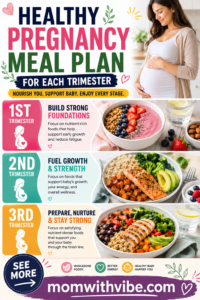
Save pin for later

- Asperger’s Syndrome in Babies: Early Signs and Next Steps - October 7, 2026
- 12 Beautiful Baby Names That Mean Forest, Plus Woodland Picks - September 27, 2026
- 15 Fantastic Baby Nicknames for Boys, From Sweet to Playful - September 27, 2026