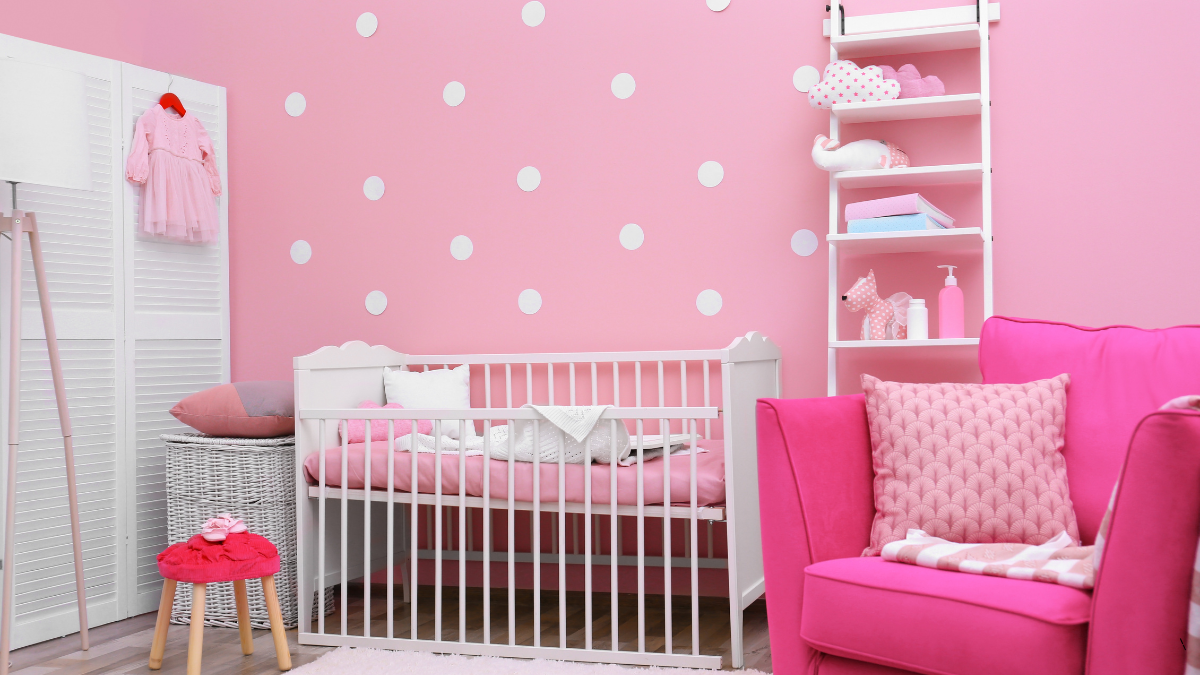
You likely feel an immense pressure to buy every gadget and decorative piece on the market when expecting a baby. It is easy to assume that a well-stocked room equals a prepared parent, but the truth is that a minimalist nursery can be safe, functional, and beautiful with very little effort.
Minimalism in this context means reducing clutter, making fewer purchases, and acting with more intention. By focusing on your baby’s real needs rather than fleeting trends, you can save money while creating a peaceful space. You might even find that making nursery preparation a fun ritual helps you stay grounded during this busy time.
If you are just beginning to think about your layout, remember that early nursery setup and layout tips often save you from unnecessary stress later. Here is how you can build a cozy, effective environment for your newborn without breaking the bank.
You can also watch this video for extra inspiration on essential baby items.
Start With the few nursery essentials that actually matter
The secret to a stress-free nursery is recognizing that your newborn does not need a curated showroom. Babies care about safety, warmth, and proximity to you, not matching color palettes or expensive nursery themes. By stripping back the extras, you save money and create a calmer, easier-to-clean environment. When you embrace practical advice for new parents, you find that your energy is better spent on resting and bonding than managing clutter.
Build the sleep setup around safety, not style
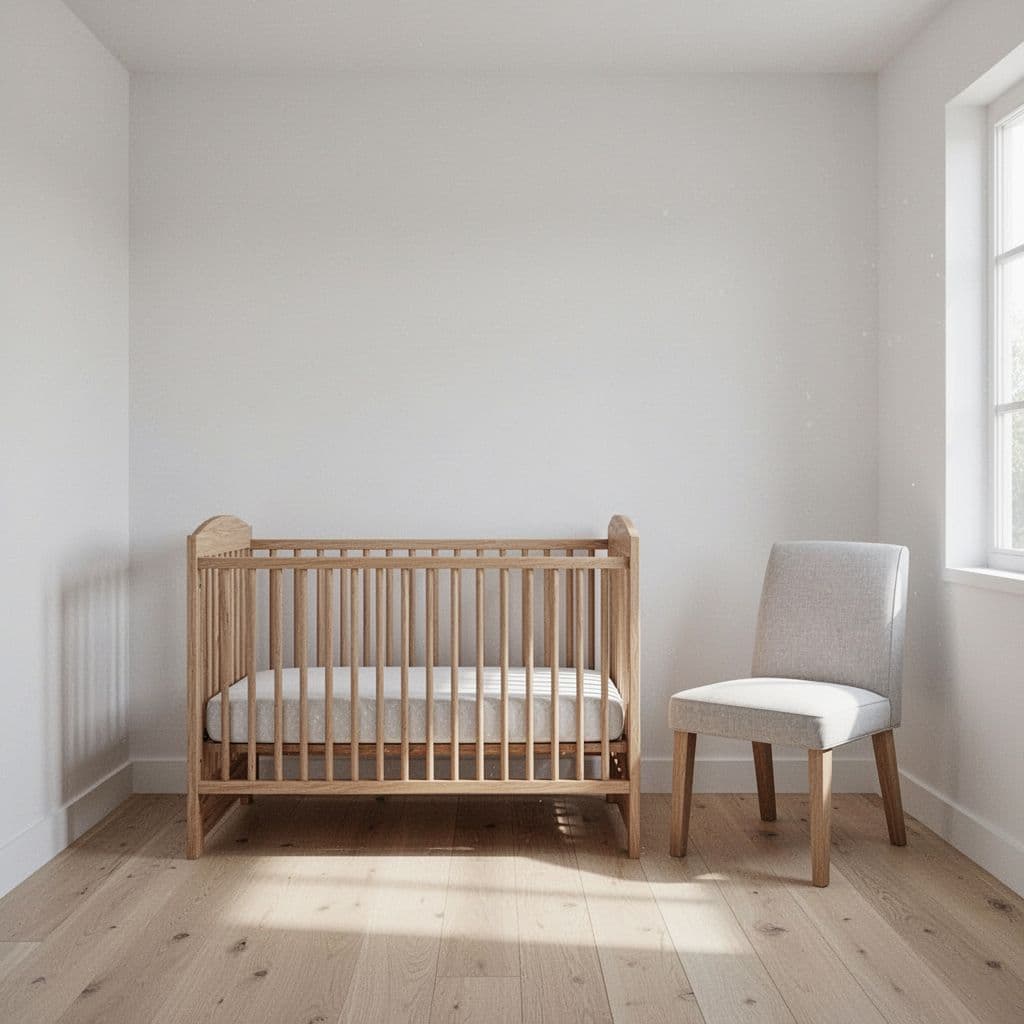
Your baby’s sleep area is the one place where you should prioritize quality over aesthetics. Select a crib or bassinet that meets modern safety standards. A firm mattress is non-negotiable for safety; it should fit snugly against the sides of the crib with no gaps. Skip the decorative bumpers, pillows, and loose blankets, as these pose risks.
You only need two to four fitted sheets. Since middle-of-the-night accidents are inevitable, having a quick-swap rotation is enough. While convertible cribs are popular for their ability to grow with your child, they are a luxury, not a requirement. Stick to what fits your current budget and space. A simple, sturdy crib does the job perfectly well.
Keep diapering simple with a small, practical setup
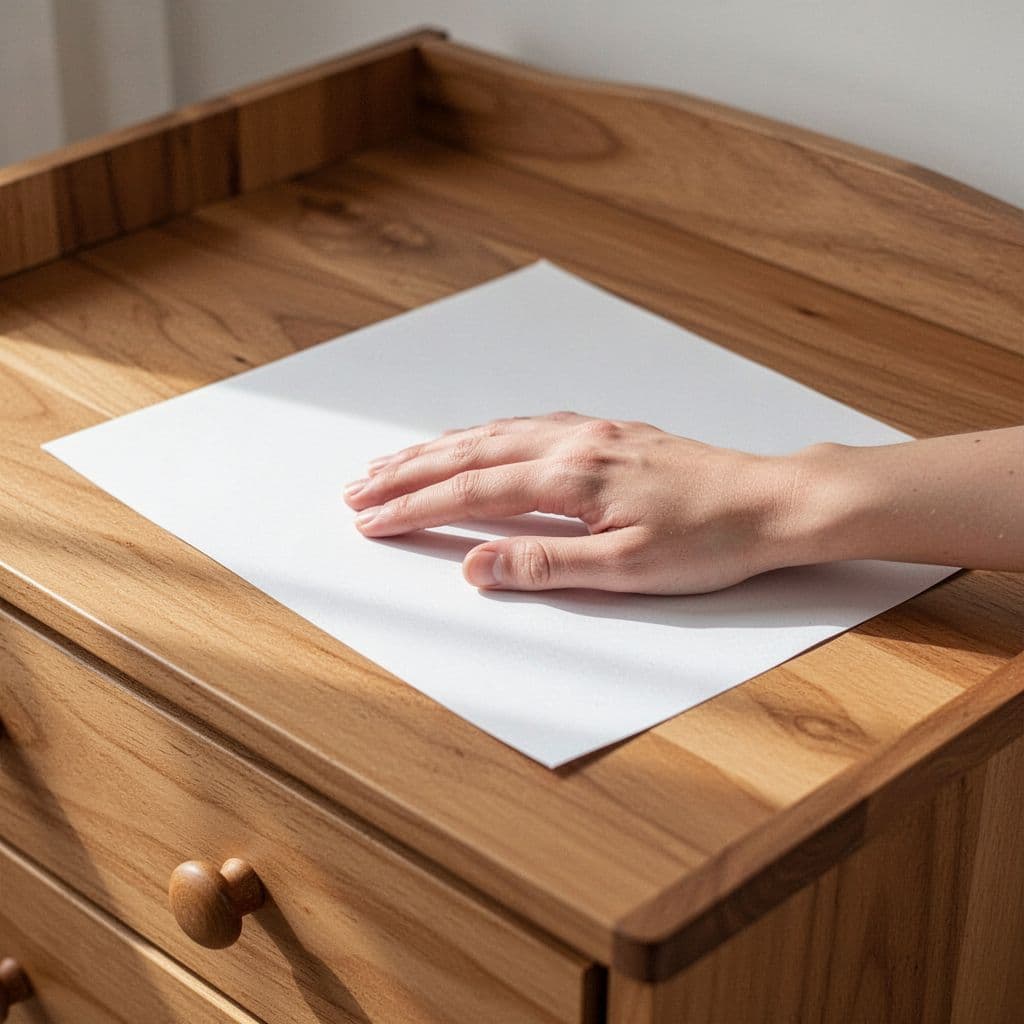
Diapering seems complex until you realize it is just a repetitive task that happens all day long. You do not need a fancy changing table or a specialized diaper pail. A basic changing pad placed on top of a sturdy dresser or a low-profile chest works just fine. If you want to save even more, a clean, dedicated towel or a portable changing mat works too.
Focus your budget on the consumables that you will actually use. Stock up on diapers, fragrance-free wipes, and a gentle diaper cream. Keeping these items within reach in a small basket or caddy makes the process efficient. You might notice that a diaper pail is often marketed as a must-have, but an odor-blocking trash can or simply taking the trash out regularly is usually enough.
Choose a basic feeding station that fits how you feed
Your feeding setup should adapt to your personal needs rather than a generic checklist. If you are bottle-feeding or pumping, start with only a few bottles. Babies are often picky about the shape of the nipple, and you might prefer one brand over another after a few days. You will also need a simple bottle brush for cleaning and a reliable way to store milk.
If you are nursing, a quality nursing pillow can provide necessary support for your back and arms. Regardless of your feeding method, keep a stack of burp cloths nearby at all times. These are the unsung heroes of the first few months. By buying only these immediate essentials, you leave yourself room to buy what you actually need once you find your unique rhythm with your baby.
What you can skip to save money and space
It is easy to feel overwhelmed by the endless aisles of baby products claiming to make your life easier. Marketing teams are experts at making you believe every gadget is mandatory for a happy baby. In reality, most of these items simply add clutter to your home and take up valuable space. You can safely skip many of these trends to save money and keep your environment calm.

Skip the extras that look nice but rarely get used
Many baby gadgets exist purely for convenience or aesthetic appeal, yet they often gather dust. Wipe warmers, for example, can dry out wipes and harbor bacteria. Bottle sterilizers are rarely necessary if you have a dishwasher or simply wash items with hot, soapy water. Similarly, expensive baby food makers are often redundant because a standard fork or blender works just as well when your baby finally starts solids.
Avoid filling your nursery with big toy sets or excessive decorative furniture that limits your floor space. If you receive too many blankets as gifts, store them away or pass them on rather than crowding the crib. If you find a specific need arises later, you can always acquire these items then. Keeping your setup flexible prevents you from being locked into gear you might eventually regret buying.
Wait on big purchases until you know your baby’s preferences
Newborn gear like swings, bouncers, and specialized swaddles are notoriously hit-or-miss. Some babies enjoy the motion of a swing, while others prefer being held or lying flat. Purchasing these high-ticket items before birth often leads to buyer’s remorse when you discover your baby dislikes them.
Waiting allows you to assess your baby’s personality and needs after they arrive. You might find that a simple wrap or carrier is all you need for soothing, making a bulky bouncer unnecessary. By holding off, you avoid the waste of unused equipment and keep your minimalist nursery focused on what your baby truly loves.
Avoid overbuying newborn clothes before the baby arrives
Babies grow at an incredible rate during those first few months. Many parents find that their little one outgrows newborn sizes in a matter of weeks, sometimes days. It is much more practical to buy a small starter collection rather than stocking up on dozens of outfits.
A handful of sleepers, onesies, socks, and hats are enough to get you through the first week. You can easily do laundry more frequently or purchase more as you get a better sense of the correct size. Focusing on quality over quantity saves you money and keeps your dresser drawers manageable, which is a major win for any new parent.
Smart ways to stretch your nursery budget
Creating a beautiful space for your baby doesn’t require a massive budget. Many parents find that the most inviting nurseries are those that rely on creativity rather than expensive, specialized furniture. By focusing on durability and versatility, you can build a room that serves your family well without the financial strain.
Buy used in the right places, and skip used items that are unsafe
Secondhand shopping is a smart way to find high-quality gear for a fraction of the cost. Items like wooden dressers, sturdy bookshelves, and comfortable feeding chairs are often available at garage sales or thrift stores. These pieces are usually safe if they are clean and in good condition. Always check for loose parts or peeling paint, but these items generally avoid the safety risks associated with specialized infant gear.
However, prioritize your budget for new items when it comes to sleep and safety. Never purchase used crib mattresses or car seats. Mattresses can harbor bacteria or lose their firmness over time, which increases safety risks. Car seats have expiration dates and a potential history of accidents that you cannot verify. For essential safety guidelines before you shop, always check for current recalls on any secondhand item you consider.
Use furniture you already own in a new way
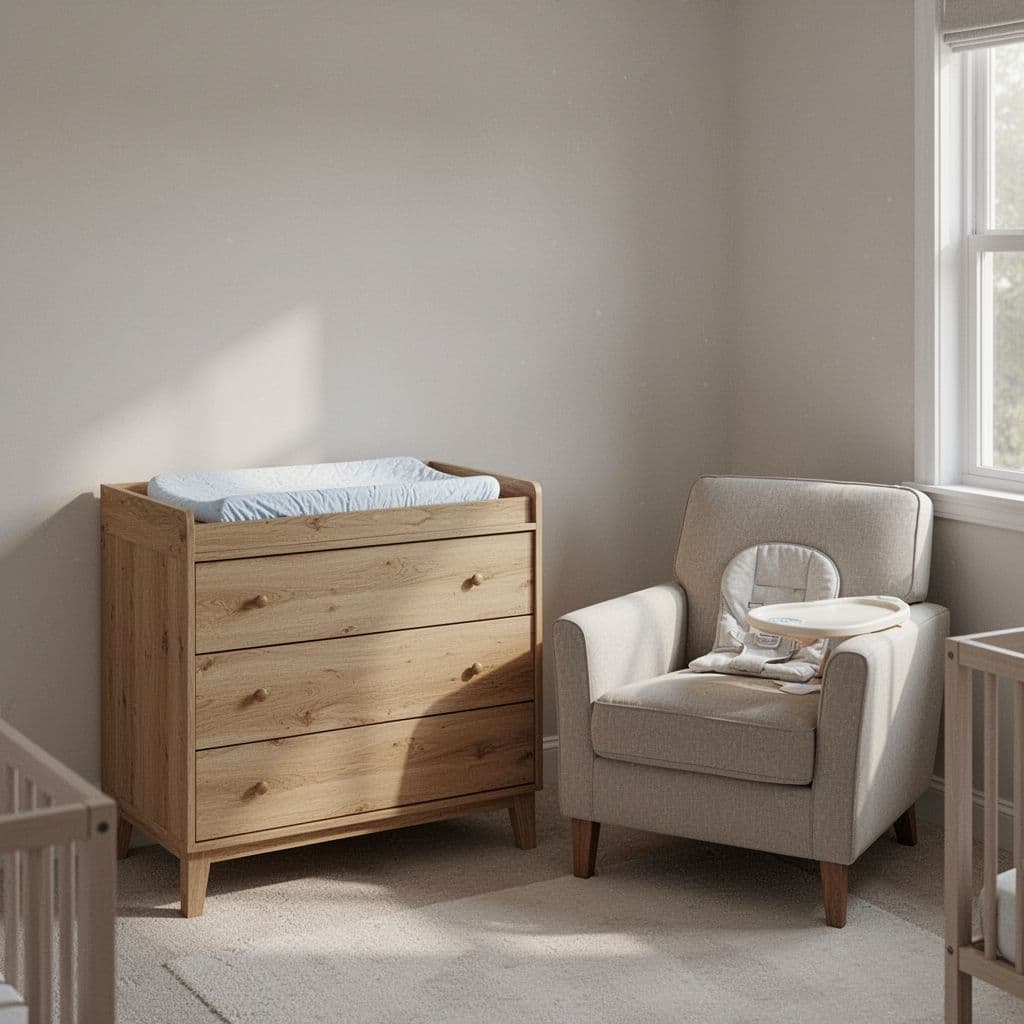
You likely have furniture in your home that can perform double duty in the nursery. Instead of buying a dedicated changing table that you will stop using in a year, use a dresser you already own. Simply secure a changing pad to the top, and you have a functional station with plenty of storage for diapers and wipes in the drawers below.
Similarly, look for a comfortable chair in your living room or guest room that you can move into the nursery. If it supports your back and feels cozy, it works perfectly for middle-of-the-night feedings or soothing sessions. By using existing furniture, you avoid the cost of nursery-specific items and keep the room feeling like a natural part of your home. If you enjoy organizing your home with multi-purpose pieces, you might also like these affordable outdoor toy storage ideas as your child grows.
Stick to one simple style so you buy less
It is easy to get caught up in elaborate nursery themes, but a consistent, simple style often prevents impulse buys. Choose a soft color palette, such as neutral creams, grays, or muted earth tones, and stick to it for any new items you add. This approach makes it easier to mix and match things you already have or receive as gifts.
A clean look also keeps the room feeling peaceful. When you limit your color scheme, you won’t feel the need to hunt down matching character bedding or themed wall decor. Focusing on a basic aesthetic ensures that every item in the room has a purpose. You will save money, and you’ll create a quiet, clutter-free environment that is easy to maintain long after your baby arrives.
Build the room around daily routines, not Pinterest perfection
Your nursery exists to help you care for your baby, not to serve as a magazine spread. True efficiency comes from arranging the room so your natural workflow dictates the layout. When you prioritize how you move during a 3 a.m. feeding or a quick diaper change, you remove unnecessary friction from your day. Focus on keeping your most frequent tasks simple and your surfaces clear of clutter to maintain a peaceful, manageable environment.
Set up the room so the most-used items are easy to reach
Efficiency in the nursery centers on proximity. You should never have to walk across the room while holding a squirming newborn just to grab a fresh diaper or a clean burp cloth. Place essential supplies exactly where you use them most often. Keep diapers, wipes, and rash cream within arm’s reach of your changing surface. Storing these items in a dedicated caddy or an open drawer ensures you can grab what you need with one hand.
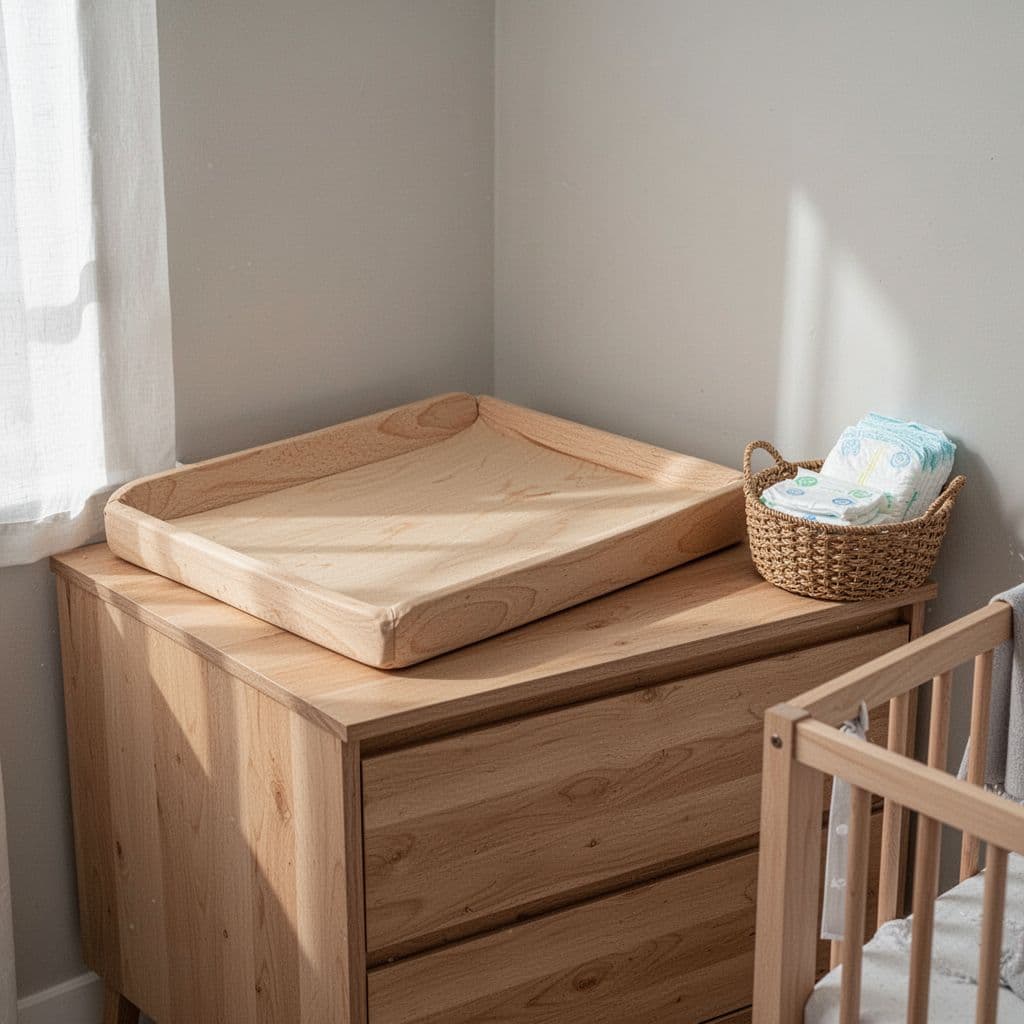
Similarly, stash a stack of burp cloths and a spare change of clothes near your primary feeding chair. This preparation saves you from frantic searching when spit-up happens. Keep your changing surfaces and tabletops mostly clear of decorations or spare items. An empty surface is much easier to wipe down and sanitize, and it keeps the room feeling calm rather than chaotic when you are sleep-deprived. If you want more inspiration on keeping things orderly, check out nursery organization tips for additional ideas on maintaining a clutter-free space.
Make storage simple enough to maintain every day
Complex organizational systems often fall apart because they take too much time to manage. Avoid elaborate setups that require constant adjusting or specific placement of every item. Use simple tools like baskets, drawer dividers, or basic bins to group similar objects together. A few labeled bins are usually enough to keep the room tidy with very little effort on your part.
When your storage solutions are easy to use, you are far more likely to put things back in their proper place. Think of it like creating calm play spaces for preschoolers, where clear homes for every item make cleanup quick. If you have a specific bin for socks, onesies, or toys, simply toss the items in and move on. Keeping your system intuitive ensures that even on your most exhausted days, the nursery remains functional and orderly.
Create a soothing space with only a few decor pieces
A nursery does not need a wall-to-wall design theme to feel complete or warm. You can create a peaceful atmosphere by choosing just one or two meaningful pieces that make you feel happy. A soft, plush rug provides comfort for floor time, while a single, simple print on the wall adds personality without visual noise. A small lamp with a warm bulb creates a soft glow, which is much better for late-night soothing than harsh overhead lights.
When you limit your decor, the room naturally feels larger and more relaxing. Every item you choose should serve a purpose or truly bring you joy. If you find yourself tempted to buy more, pause and ask if the piece adds to the calm or just adds to your dusting list. A minimalist, intentional space is often the most soothing one for both you and your newborn.
A short shopping checklist to help you finish with confidence
Buying baby gear often feels like a race to accumulate as much as possible, but you can choose a different path. By using a clear, intentional checklist, you ensure your nursery remains a space for calm rather than clutter. Focus your resources on the items that solve immediate needs, and leave the rest for later.
Use a simple buy-now, buy-later checklist
Sort your shopping list into two groups to keep your budget under control. The “buy-now” category covers the absolute basics required to bring your baby home safely. Everything else belongs in the “buy-later” category. You can acquire those items only if your daily routine reveals a genuine need.
- Day one essentials: Start with a safe, firm-mattress crib or bassinet, a few fitted sheets, a supply of diapers and wipes, mild diaper cream, and basic clothing like onesies and footed sleepers. Include your chosen feeding supplies and a few soft burp cloths to keep messes manageable.
- Things that can wait: Almost everything else qualifies as optional. Fancy nursery furniture, specialized baby food makers, multiple baby swings, or a mountain of decorative items rarely prove necessary in the first month. These items often occupy space you could better use for more important things.
If you are currently packing your hospital bag or organizing your nursery, be sure to reference an essential diaper bag checklist for newborns to ensure you have the core items ready for your first few days home.
Ask one final question before every purchase
Before you confirm any purchase, pause to evaluate its true value. Ask yourself if the item solves a specific, recurring problem or if it simply promises a convenience you might not actually need. A useful item should save you time, improve safety, or provide consistent comfort.
If you find yourself hesitating, remember that stores will still be open next week. Can this purchase wait until you understand your baby’s unique temperament? Often, the best gear choice is deciding not to buy anything at all. When you choose to wait, you protect your budget and keep your home environment simple and functional. Stick to items that truly earn their place in your nursery, and you will find that a minimalist approach brings more peace than any gadget ever could.
Final Thoughts
A minimalist nursery isn’t about doing less for your baby. It is about choosing what truly matters while skipping the excess. By focusing on safe sleep, simple diapering, and basic feeding supplies, you build a space that works for your daily life. Smart budget moves, like using furniture you already own and buying only the essentials, keep your home peaceful and free of clutter.
You don’t need a picture-perfect room to be prepared for your little one. Start with your core needs and add extra items only when you identify a real gap in your routine. Trust that a simple, intentional environment is more than enough to welcome your newborn home. You are already doing a great job by putting your focus on what actually helps your family thrive.]
Save pin for later

- Asperger’s Syndrome in Babies: Early Signs and Next Steps - October 7, 2026
- 12 Beautiful Baby Names That Mean Forest, Plus Woodland Picks - September 27, 2026
- 15 Fantastic Baby Nicknames for Boys, From Sweet to Playful - September 27, 2026