

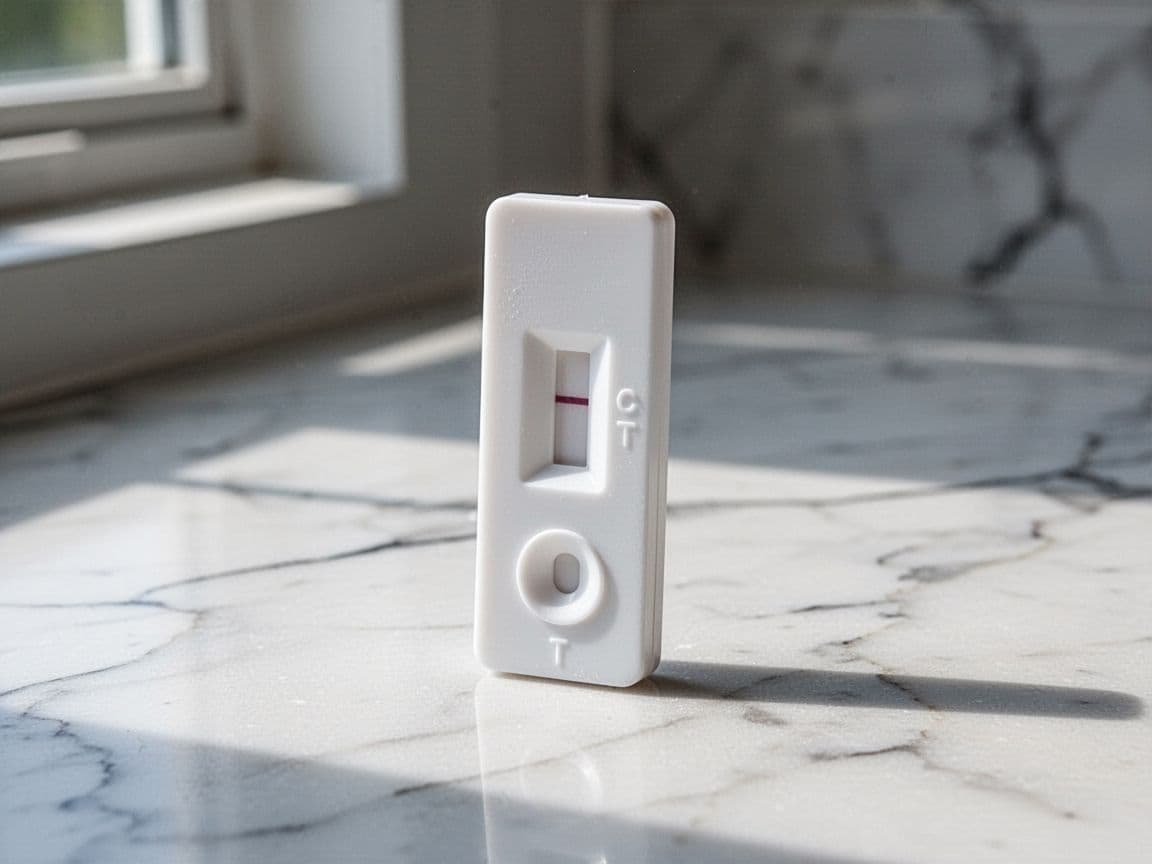
Trying to get pregnant naturally can feel simple in theory and confusing in real life. The good news is that how to get pregnant naturally often comes down to timing, body awareness, and a few steady habits that support fertility.
If you’ve been guessing your fertile days or wondering which changes actually matter, you’re not alone. Small steps, like tracking ovulation, keeping a healthy weight, and making smart preconception choices, can make a real difference, and these pregnancy prep tips can help you start with a stronger foundation. For a quick visual refresher, this video is a helpful companion:
In the next sections, you’ll see the most science-backed ways to improve your chances, plus when it makes sense to ask for help if pregnancy doesn’t happen right away.
Understand your fertile window so you know when pregnancy is most likely
Timing matters more than guesswork when you’re trying to conceive. The days around ovulation give you the best shot, because sperm can wait longer than the egg can.

Learn the six-day fertile window around ovulation
Your fertile window is the five days before ovulation plus ovulation day. That’s the short stretch when pregnancy is most likely. Sperm can live in the reproductive tract for 3 to 5 days, but the egg usually lives only 12 to 24 hours after it is released.
That means sex before ovulation often gives better odds than waiting until after. If sperm is already in place when the egg comes out, fertilization has a real chance. If you wait too long, the egg may be gone before sperm arrives.
A simple way to remember it is this: the egg has a short clock, but sperm can stay ready and waiting. For a plain-language breakdown of timing, Johns Hopkins Medicine’s fertility window guide explains the basics well.
The best time to have sex for pregnancy is usually in the days leading up to ovulation, not just on ovulation day.
Track ovulation with signs your body already gives you
Your body leaves clues. Cervical mucus often becomes clear, slippery, and stretchy before ovulation, almost like egg whites. That usually means you’re in your fertile days.
Cycle tracking helps too. If you know your usual cycle length, you can spot when ovulation might happen. Then, ovulation test strips can catch the hormone surge that comes right before ovulation. Basal body temperature rises after ovulation, so it helps confirm that ovulation already happened.
Used together, these signs make more sense than any one clue alone. App predictions can point you in the right direction, but your body signs often give the clearest picture.
Have sex often enough during your fertile days
You do not need perfect timing every time. Sex every 1 to 2 days during the fertile window is usually a good rhythm.
That pace keeps sperm present without turning the process into a chore. Some couples feel better aiming for every other day, while others prefer daily sex when they can. Either way, regular sex matters more than precision.
If the calendar starts to feel heavy, keep it simple. Focus on the fertile days, stay relaxed, and give your body a steady chance.
Support your body with habits that can help fertility naturally
Your body does a lot of quiet work before pregnancy ever begins. Small daily habits can help create a better setting for ovulation, hormone balance, and early baby development. The goal is not perfection. It is steady support, one choice at a time.
Take folic acid before you conceive
Folic acid matters before you even see a positive test. It helps support the baby’s brain and spine in the earliest stage, when many people do not yet know they are pregnant. That early window moves fast, so starting ahead of time gives your body a head start.
A common recommendation is 400 micrograms daily unless your doctor suggests a different dose. Many prenatal vitamins include folic acid, so you can make it part of a simple pre-pregnancy routine. The CDC and healthy pregnancy checklist both point to folic acid as one of the first habits to get in place.
If you are trying to conceive, think of folic acid as a small daily habit with an important job. It is one of the easiest ways to support early development before pregnancy is even confirmed.
Eat a steady, balanced diet that supports reproductive health
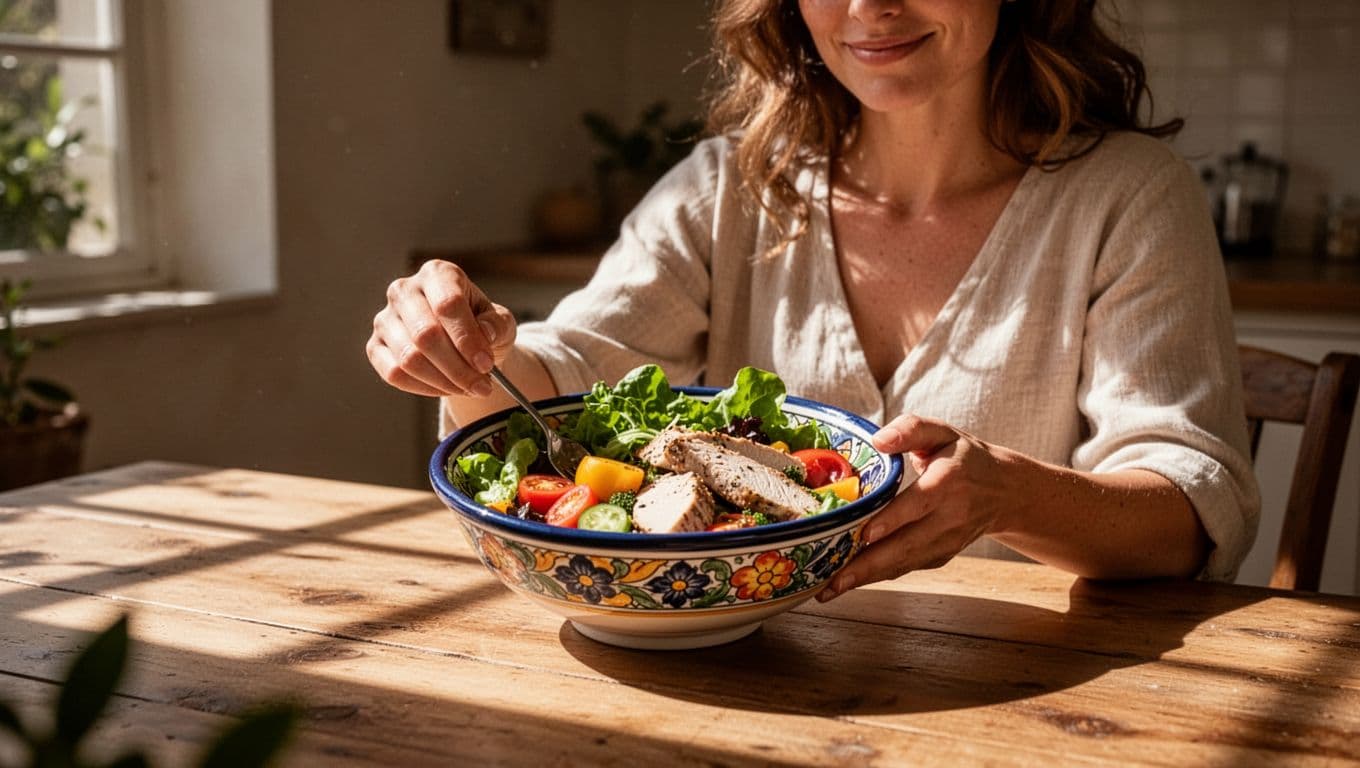
A Mediterranean-style, plant-forward diet is a smart place to start. Fill your plate with vegetables, fruit, beans, nuts, whole grains, fish, olive oil, and lean protein. This kind of eating pattern gives your body steady fuel and a wide range of nutrients that support reproductive health.
You do not need a perfect menu or special fertility superfoods. However, too much added sugar, refined carbs, and trans fats may work against fertility. A balanced plate usually does more good than chasing one magic ingredient.
Simple meals often work best. For example, try oatmeal with nuts and berries, a bean and veggie bowl, or salmon with brown rice and greens. Research from the American Society for Reproductive Medicine supports healthy eating as part of natural fertility care.
Keep a healthy weight without crash diets
Being underweight or overweight can affect ovulation and hormone balance. That does not mean your body has to fit a narrow ideal. It does mean your cycle may respond better when weight changes happen slowly and with care.
Crash diets often backfire. They can leave you tired, stressed, and short on key nutrients. Instead, make small shifts you can live with, like better meal timing, more protein at breakfast, or a daily walk after dinner.
Gentle changes usually work better than dramatic ones. Your body likes steadiness more than punishment.
Move your body, but do not overtrain
Regular moderate exercise supports overall health and may help fertility. Walking, gentle strength training, swimming, and yoga are all solid choices. They keep blood flowing, support mood, and help with weight balance.
Too much intense exercise can sometimes disrupt cycles, especially if your body has little recovery time. If you are training hard, notice whether your periods are changing or becoming irregular.
Aim for consistency over intensity. A routine you can keep week after week is more useful than a workout plan that leaves you drained.
Protect fertility by avoiding smoking, drugs, and too much alcohol or caffeine
Smoking and recreational drugs should be avoided when you are trying to conceive. They can affect egg and sperm quality, and they add strain your body does not need right now. If quitting feels hard, smaller steps still count.
Alcohol is best kept minimal, and many people choose to avoid it while TTC. Caffeine should stay limited too. A morning coffee is usually not the problem, but large amounts can add up fast.
A calm approach helps here. You do not need a perfect record, just a cleaner path for your body to work well.
Make your home and routine more fertility-friendly
Your daily habits shape the background noise of fertility. Sleep, stress, meals, and basic self-care may not feel dramatic, but they help your body keep a steady rhythm. When you are trying to conceive, that steady rhythm matters.
Sleep enough so your hormones can stay steady
Poor sleep can leave you drained, moody, and more reactive than usual. It can also affect the hormones that help control ovulation and sperm production, which makes sleep a bigger fertility factor than many people realize. Research on sleep and fertility shows that disrupted sleep can interfere with reproductive hormones and the body clock.
A regular sleep schedule helps. Try to go to bed and wake up around the same time each day, even on weekends. A short nighttime routine can also calm your system, like dimming lights, putting your phone away, reading for a few minutes, or taking a warm shower.

When your evenings feel peaceful, sleep comes easier. That can help your body stay more balanced, night after night.
Manage stress in ways that feel realistic
Trying to conceive can stir up hope, worry, and disappointment all at once. Stress management may not cause pregnancy on its own, but it does support your mind and body while you wait.
Keep it simple and honest. A brisk walk, journaling, prayer, slow breathing, or talking with someone you trust can take the edge off a hard day. If a full self-care routine feels unrealistic, start with one small habit you can repeat.
A little structure can help too. For example, you might set aside ten quiet minutes before bed or take a short walk after dinner. If you want more ideas for body-friendly pre-pregnancy habits, these pregnancy prep tips fit well with a calmer routine.
Stress may not be the reason pregnancy takes time, but constant strain can make the process feel heavier than it needs to be.
Pay attention to food safety and simple health basics
A few everyday choices can make your body feel more ready for pregnancy. Choose low-mercury fish more often, avoid high-mercury options like shark and swordfish, and wash produce well before eating. These are small steps, but they help create a safer start.
It also helps to look at the basics of your general health. Keep up with regular checkups, manage any long-term conditions, and stay current on medications or supplements with your doctor’s guidance. If you have not done that yet, now is a good time to start.
Know when it is time to check in with a doctor
Trying naturally can take time, and that waiting period can feel heavy. Still, there comes a point when a quick check-in brings more peace than guesswork. A doctor can help you spot patterns, rule out common issues, and show you the next best step.
Use age and timing as your guide
A simple rule helps keep things clear. If you’re under 35, many clinicians suggest trying for 12 months before seeking fertility help. If you’re 35 or older, it’s wise to check in after 6 months.
That timeline gives your body a fair chance, while still protecting your time. It also keeps small delays from turning into long stretches of uncertainty. For a plain medical overview, Northwestern Medicine’s fertility guidance explains these age-based steps well.
Earlier support makes sense if your cycles are very irregular, you rarely ovulate, or you already know about a health issue that can affect fertility. In those cases, waiting rarely helps.
Watch for signs that deserve earlier support
Some clues point to a sooner conversation with a clinician. Irregular periods, very painful periods, known PCOS, endometriosis, or a history of pelvic infections can all affect conception.
Previous miscarriages also deserve attention, especially if you’ve had more than one. That does not mean something is wrong beyond repair. It simply means your doctor may want to look more closely and help you plan the next step. If you’re looking for context after loss, trying to conceive after a miscarriage may help you think through timing with more care.
Reaching out early is not overreacting. It is a smart way to get answers sooner.
A check-in can also bring relief when worry starts to crowd out hope. Sometimes the next step is just one appointment, one set of questions, and a clearer path forward.
Conclusion
Getting pregnant naturally usually comes down to a few steady habits that work together. Time sex around ovulation, support your body with healthy food, folic acid, sleep, and movement, then keep stress and harmful habits in check.
If pregnancy does not happen right away, that does not mean the path is closed. Knowing when to ask for help can save time and ease worry, especially if your cycles are irregular or you have a known health issue.
The process can feel slow, but each cycle is a fresh chance. Stay consistent, stay patient, and give your body the support it needs.
Save pin for later

- Asperger’s Syndrome in Babies: Early Signs and Next Steps - October 7, 2026
- 12 Beautiful Baby Names That Mean Forest, Plus Woodland Picks - September 27, 2026
- 15 Fantastic Baby Nicknames for Boys, From Sweet to Playful - September 27, 2026