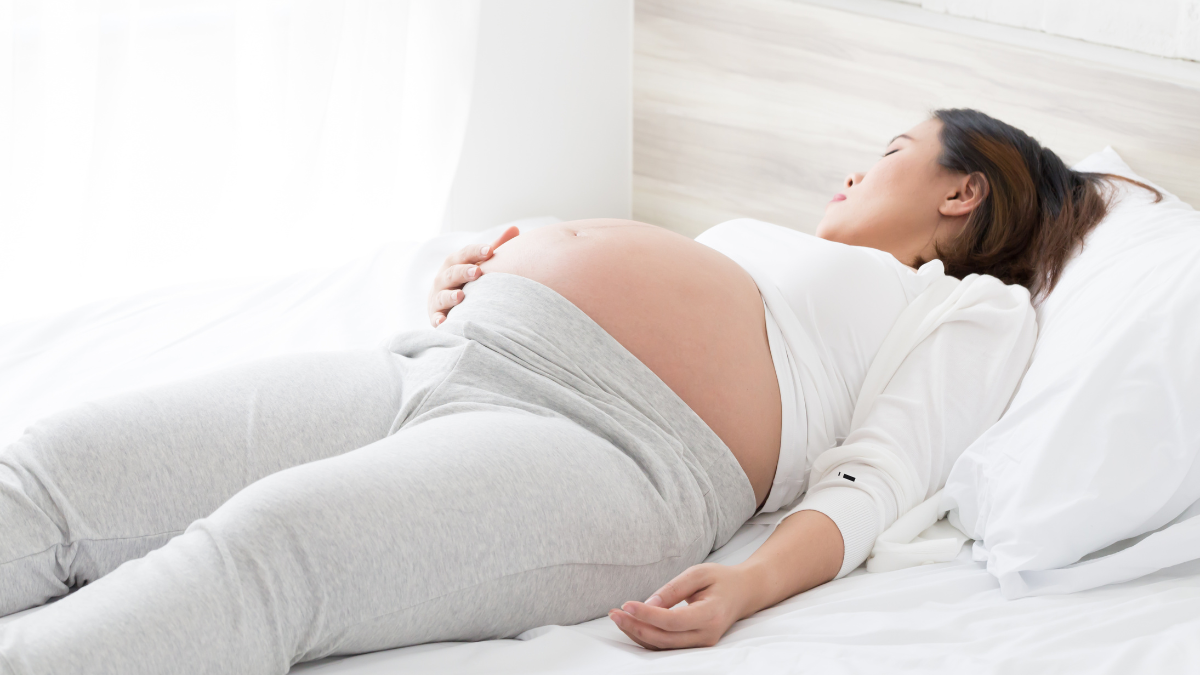

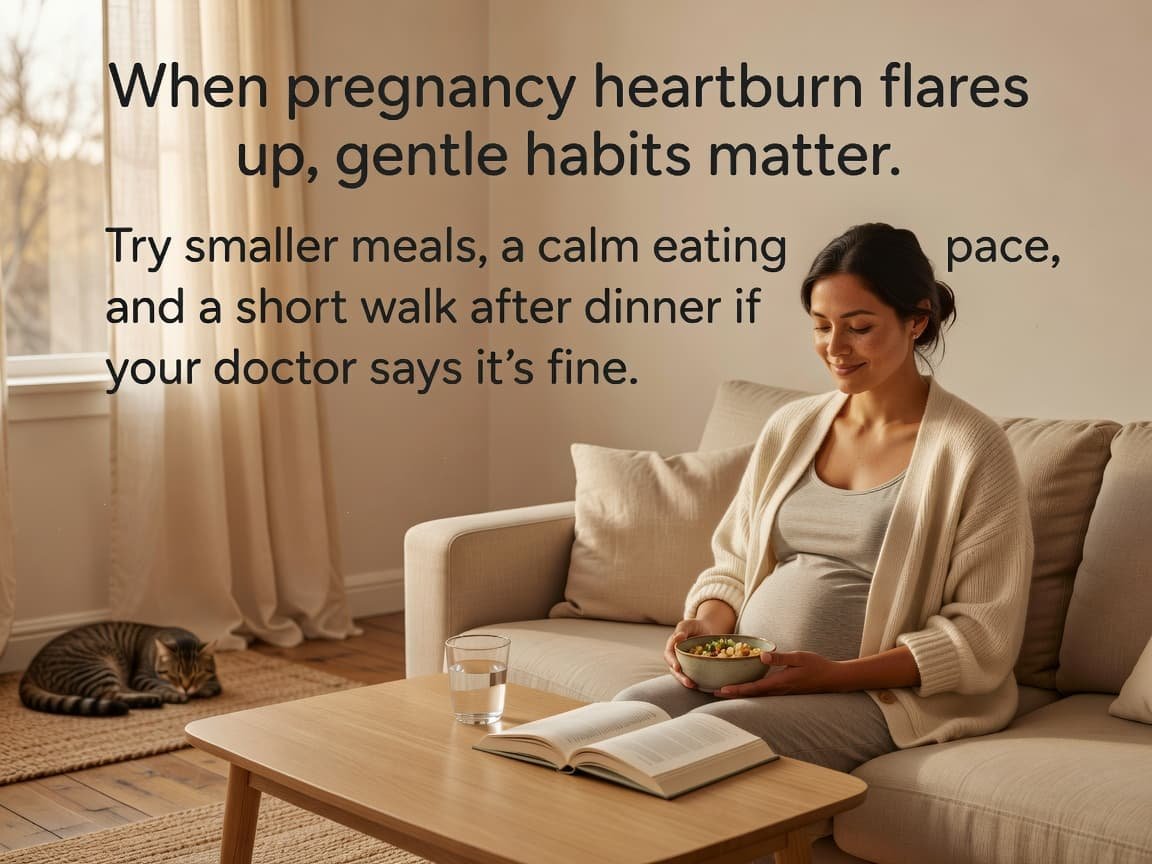
Heartburn can show up fast in pregnancy, leaving a hot, sour burn that rises after meals or lingers at night. Hormonal changes relax the valve that keeps acid down, and as your baby grows, there’s less room in your stomach.
The good news is that relief often starts with small, steady habits. Simple changes like eating smaller meals, choosing gentler foods, staying upright after eating, and sleeping with your upper body raised can ease the pressure without adding stress to your day. A balanced eating guide for every trimester can also help you spot meals that feel easier on your stomach.
You don’t need a harsh routine or a long list of rules to feel better. Natural comfort often comes from the basics, like smart food choices, calm meal timing, and a few bedtime adjustments that keep acid from creeping up.
If your symptoms keep coming back, get worse, or come with trouble swallowing, vomiting, chest pain, or weight loss, call your doctor. Next, let’s look at the everyday changes that can calm pregnancy heartburn and help you eat and rest with more ease.
Why pregnancy heartburn happens in the first place
Pregnancy heartburn usually starts with two forces working at once: hormones and pressure. Progesterone rises during pregnancy, and that hormone loosens smooth muscles throughout the body. That helps the uterus grow, but it also slows digestion and relaxes the valve that keeps stomach acid where it belongs.
When that valve loosens, acid can slip upward more easily, especially after a heavy meal.
The lower esophageal sphincter acts like a gate between your stomach and your esophagus. When it stays tight, food and acid move in the right direction. When pregnancy hormones relax it, the gate opens too easily, and the burn begins. Johns Hopkins Medicine explains pregnancy heartburn in a way that makes this valve change easy to understand.
How hormones change digestion
Progesterone slows the wave-like motion that moves food through your digestive tract. As a result, food sits longer in the stomach, which can lead to fullness, bloating, and a sour rise in the chest. If you already feel stuffed after a meal, even a small bend forward can stir up discomfort.
This is why heartburn can feel worse after eating. A full stomach creates more acid pressure, and a relaxed valve has a harder time holding it back. If you want a broader look at pregnancy habits that support comfort, the essential healthy pregnancy checklist offers helpful basics to keep in mind.
Why a growing belly can make symptoms worse
As the uterus expands, it presses upward on the stomach. That squeeze leaves less space for food and acid, so reflux becomes easier to trigger. Large meals can make the pressure spike, while lying flat or bending over can give acid a clear path upward.
That is why many women notice heartburn at night. After dinner, digestion slows, the stomach stays fuller, and lying down removes the help of gravity. A small meal, an upright position, and a little time between eating and rest can make a real difference.
## Food and drink habits that can calm pregnancy heartburn naturally
The way you eat can make a big difference when your chest feels hot and your throat tastes sour. Small, steady habits often calm the burn better than dramatic changes, especially when your stomach already has less room to work with.
### Choose smaller meals and eat more slowly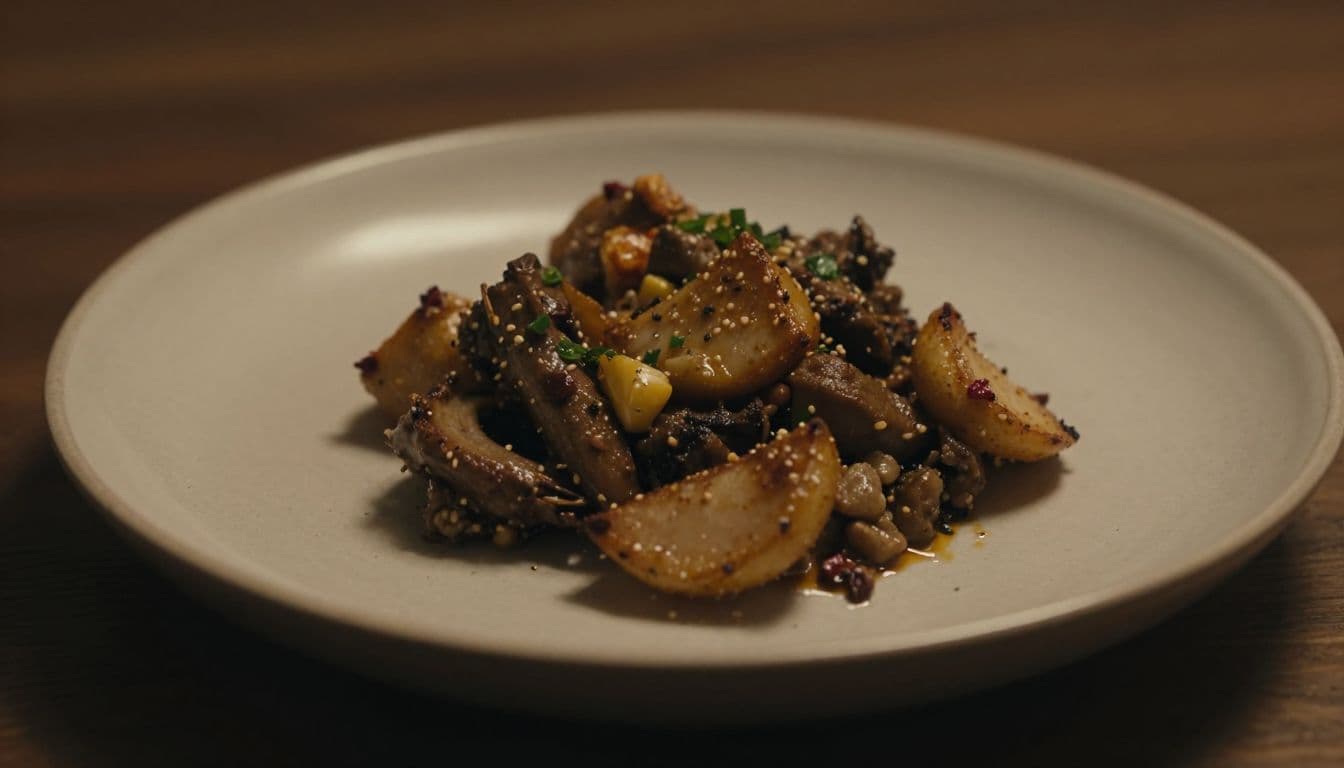
A packed stomach can push acid upward, especially when the valve between the stomach and esophagus is already relaxed. That pressure often rises after a big meal, so stopping before you feel stuffed can bring real relief.
Smaller meals are easier to digest and put less strain on your system. Try eating a little more often, then pause when you feel satisfied, not full. Eating slowly also helps because it gives your body time to notice that it has had enough.
A few simple habits can help:
- Put down your fork between bites.
- Chew food well instead of rushing.
- Sit upright while you eat.
- Keep dinner lighter if nighttime symptoms are worse.
If you want a simple structure for gentler meals, a food-first approach to prenatal nutrition can help you build balanced plates without overfilling yourself. For many women, that lighter feeling is the difference between a calm evening and a night spent with acid in the throat.
Watch for your personal trigger foods
Heartburn triggers are not the same for everyone. Some people react to spicy foods right away, while others feel the burn after fried foods, fatty meals, citrus, chocolate, tomato-based dishes, or fizzy drinks.
Keeping track of what you ate before symptoms flare up can make patterns easier to spot. A simple food note on your phone or in a notebook is often enough. Over time, you may notice that one slice of pizza or a glass of soda does more damage than you expected.
A few common triggers to watch include:
- Spicy sauces, chili, and curry
- Fried or greasy foods
- Citrus fruits and juices
- Tomatoes, salsa, and pasta sauce
- Chocolate
- Carbonated drinks
Cleveland Clinic also notes that changing eating and drinking habits can help reduce pregnancy heartburn, including eating smaller meals more often and avoiding trigger foods when possible. Heartburn During Pregnancy: Causes & Treatment
Sip water in a gentler way
Water usually sits better when you sip it slowly through the day. Chugging a large amount at once can fill the stomach and add to that heavy, pressurized feeling.
Many pregnant women also feel better drinking fluids between meals instead of alongside a big plate of food. That keeps hydration steady without crowding the stomach during meals. If plain water feels boring, keep it simple and add a slice of lemon only if citrus does not bother you.
A steady bottle nearby works better than waiting until you feel thirsty. Small sips can calm dryness, support digestion, and keep your mouth from feeling coated after meals.
For pregnancy heartburn, less pressure often means less burn.
If you are experimenting with food and drink habits, keep the changes small and consistent. One calmer meal, one slower sip, and one trigger food left off the plate can add up fast.
Natural remedies for pregnancy heartburn that may bring quick relief
Some home remedies can take the edge off pregnancy heartburn when your chest feels hot and your throat tastes sour. They don’t work the same for everyone, though, so the best options are the ones your stomach handles well and your doctor is comfortable with.
### Try ginger in small amounts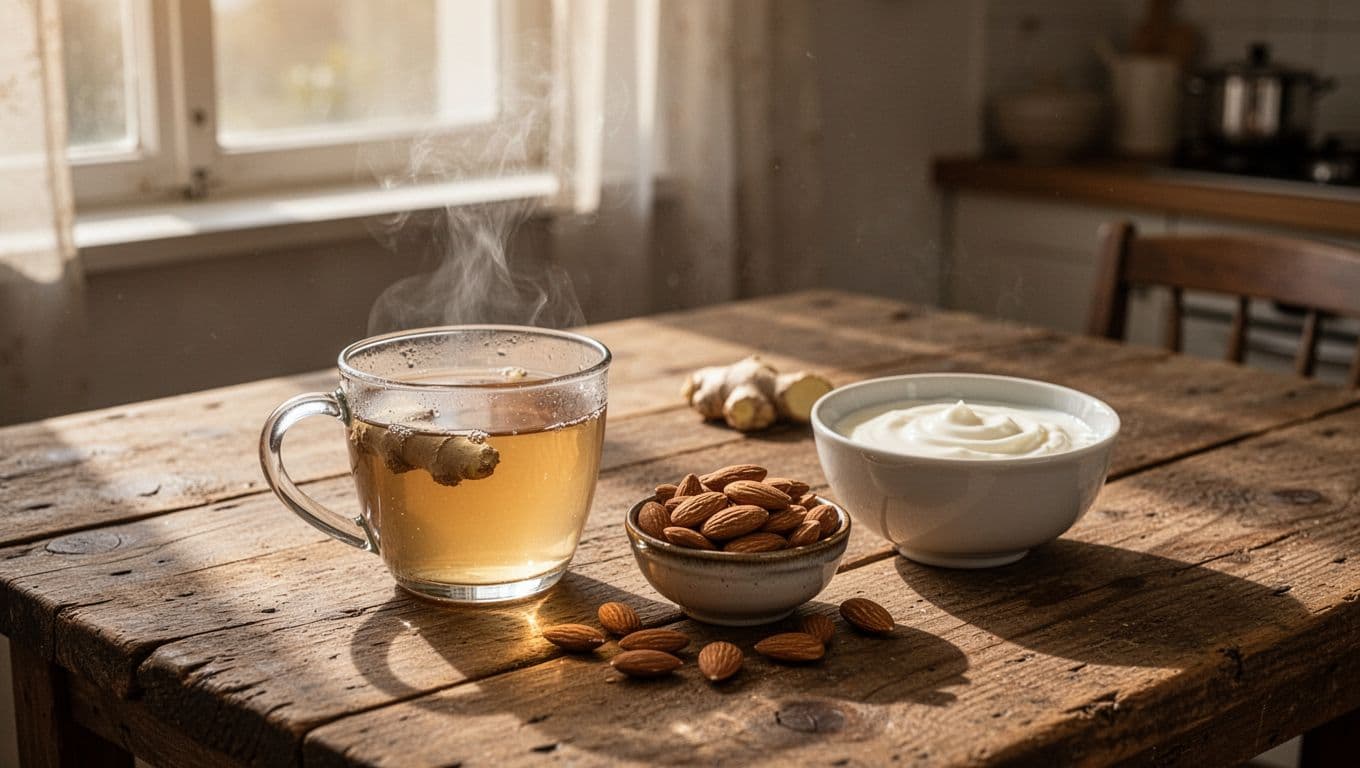
Ginger helps some people feel less queasy and less irritated after meals. A mild cup of ginger tea or a few ginger chews may settle your stomach without adding much fuss to your day.
Keep the amount small, though. Too much ginger can bother some stomachs and make the burn feel worse instead of better. A light cup is usually a safer place to start than strong tea or large doses.
If you want a simple test, try ginger once and notice how your body responds. If it feels soothing, that may be a useful tool to keep nearby on rough days.
Use simple snacks like yogurt or almonds
Plain yogurt or a small handful of almonds can feel soothing for some women because they are mild and easy to keep on hand. They also work well when you need a quick snack that does not sit too heavy.
A few bites may be enough to calm an empty stomach, which sometimes makes heartburn flare. Dairy helps some people, while others do better with nuts, so pay attention to what feels gentle for you.
For more general heartburn-friendly food ideas, this pregnancy heartburn relief guide includes simple snack options many people already keep in the kitchen.
Chew sugar-free gum after meals
Chewing sugar-free gum after eating can help your mouth make more saliva. That extra saliva may wash acid back down and ease the burning feeling in your chest or throat.
This trick is simple, cheap, and easy to try after lunch or dinner. Many people like it because it does not require a special recipe or extra prep.
Choose a flavor that feels fresh but not too strong. If mint seems to bother you, switch to a milder option.
Some remedies soothe the stomach, while others help clear acid faster. The relief can be real, but it often depends on your body.
A few women also reach for milk if they tolerate it well, but the effect can vary. Also, baking soda is not a routine pregnancy remedy unless your doctor specifically approves it. It may act fast, but it can bring unwanted risks during pregnancy, so it should stay off the regular self-care list.
If heartburn keeps coming back, or if a remedy makes symptoms worse, stop using it and bring it up at your next prenatal visit.
Sleep positions and daily habits that keep acid from rising
Nighttime heartburn often gets worse when your body is flat, full, and relaxed after a long day. The good news is that a few small changes can keep acid lower and make evenings feel much calmer. Think of this as giving gravity a little help.
Stay upright after meals
Lying down too soon after eating makes it easier for stomach acid to move upward. When your body is horizontal, there is less help from gravity, so reflux can slide into the esophagus more easily, especially after dinner.
Try to stay upright for 2 to 3 hours after meals. A slow walk, light chores, or even sitting in a supportive chair can help your food settle better. If you need more tips for nighttime comfort, these tips for comfortable pregnancy sleep can make bedtime feel less stressful.
Avoid bending over right after eating, too. That can press on your stomach and nudge acid in the wrong direction. A lighter evening meal also helps, since a smaller stomach puts less pressure on the valve that keeps acid down.
Sleep on your left side
Left-side sleeping often helps because it keeps the stomach in a lower position than the esophagus. That makes it harder for acid to flow back up while you rest. It can also help your stomach empty in a steadier way.
If you usually wake up with a sour taste or a burning chest, this position is worth trying first. A better sleep position for pregnancy can make a real difference when reflux shows up at night. If left-side sleeping still leaves you uncomfortable, raising your upper body a little can add extra support.
Choose clothes that do not squeeze your middle
Tight waistbands can press on your stomach and make reflux feel worse. Soft, loose clothes give your belly room to move and breathe, which matters more after meals and before bed.
Look for:
- Loose tops that do not cling at the waist
- Soft pajama bottoms or maternity pants with gentle stretch
- Bras and bands that feel supportive, not tight
- Sleepwear that stays comfortable when you lie on your side
A calm evening routine helps, too. Eat a little earlier, slow the pace of the evening, and let your body settle before bed. Small comforts often make the biggest difference when heartburn keeps trying to rise.
When pregnancy heartburn needs medical advice
Most pregnancy heartburn is annoying, not dangerous. Still, some symptoms need a doctor’s attention, especially when the burn feels intense, keeps returning, or starts to look less like ordinary reflux and more like something else.
### Signs that should not be ignored
Call your doctor if heartburn becomes frequent, severe, or worse over time. Also speak up if you have trouble swallowing, repeated vomiting, chest pain, weight loss, or a feeling that something is off.
Some warning signs need faster care. Severe belly pain, trouble breathing, black stools, vomiting blood, dehydration, fever, or sudden swelling should never be brushed aside. If the pain spreads to your arm, jaw, shoulder, or back, get medical help quickly.
When symptoms stop acting like ordinary heartburn, they need a closer look.
Why a doctor visit matters
Pregnancy can blur the line between heartburn and other problems. Chest pain, for example, can come from reflux, but it can also point to a different issue. That is why it helps to describe your symptoms clearly, including when they start, what makes them worse, and whether food, rest, or position changes help.
You can also mention what you have already tried. Simple details can help your doctor decide whether you need extra testing or a safer treatment plan. The Cleveland Clinic’s pregnancy heartburn guidance explains when symptoms deserve more attention.
Safe treatment options may still be available
If natural steps are not enough, pregnancy-safe treatment options may be available. Your doctor can help you choose what fits your symptoms and pregnancy stage. That may include medicines that are commonly used in pregnancy, but only when they are right for you.
If your heartburn keeps taking over your day, bring it up at your next prenatal visit. You do not need to tough it out alone, and relief may be easier to find than you think.
Conclusion
Pregnancy heartburn can feel miserable, especially when it shows up after meals or steals sleep at night. The good news is that small daily changes often bring real relief, especially when you focus on smaller meals, gentle food choices, steady sips of water, and a left-side sleep position.
Pay attention to your own triggers, because what burns for one person may feel fine for another. When you pair that awareness with simple habits, like staying upright after eating and avoiding tight waistbands, your body usually has less pressure to fight.
You don’t have to push through the discomfort in silence. If heartburn keeps coming back, gets worse, or makes it hard to eat or rest, asking your doctor for help is a smart next step.
Save pin for later


- Baby Development Stages: Milestones From Birth to 12 Months - September 20, 2026
- 5 Elegant Baby Pictures to Take at Home - September 20, 2026
- 14 Fun Ways New Moms Can Celebrate Their Baby Without Exercise - September 20, 2026