
The first days after birth can feel like a surprise no one prepared you for. Your body may be healing from delivery, but it’s also dealing with hormone swings, fluid loss, sore muscles, bleeding, and emotional strain all at once.
That means postpartum recovery can bring changes you didn’t expect, like cramping, night sweats, leaking breasts, or a stomach that still looks pregnant. If you’ve been wondering whether what you’re feeling is normal, this honest look at the postpartum healing basics for new moms can help you make sense of the early weeks and months after birth.
Why postpartum recovery feels so different from what you expected
Postpartum recovery can feel like a moving target. One hour you may feel almost fine, then the next you are sweating, sore, weepy, and exhausted for no clear reason. That mix can feel alarming, but it often comes from a body that is doing several jobs at once: healing, adjusting, and trying to find a new normal.
Every birth story is different, yet many changes after delivery are common. They can still feel shocking because they show up in waves, not all at once. Your body may look one way on the outside and be working hard underneath. If you want a broader view of the early weeks, these holistic postpartum recovery tips can help frame what healing often looks like.
Your hormones do not calm down right away
After birth, hormone levels drop fast, and that sudden shift can hit hard. Mood swings may feel sharper than expected, sleep can feel broken, appetite may change, and your sex drive may drop or vanish for a while. Some women also notice night sweats, oily skin, dry skin, or acne, all tied to that hormone reset.
The strange part is how quickly it all happens. You can wake up feeling one way and end the day feeling like a different person. That quick turn can make normal recovery feel unfamiliar.
A body can be healing even when the feelings are loud and unpredictable.
Your milk supply, if you are breastfeeding, can also affect how full, tender, or warm your breasts feel. Meanwhile, the hormone changes after birth can leave you craving food one day and forgetting to eat the next. If mood changes feel intense or last too long, Mayo Clinic Health System explains why postpartum mood shifts deserve attention, not shame.
Healing is not the same as looking healed
Birth may be over, but the outside of your body often needs more time. Swelling can stick around, your belly may stay soft and round, and loose skin may hang on longer than you expected. That does not mean your body failed to recover. It means healing is still in progress.
You may also feel tender in places that do not show on the surface. A sore pelvis, weak core muscles, bladder leaks, or aching stitches can make simple tasks feel harder than they should. Even sitting, standing, or walking can feel off at first.
A soft belly, a still-pregnant shape, or lingering swelling can be normal for weeks or longer. The body often heals in layers, and the outside usually changes last. For more support with the day-to-day side of recovery, simple self-care for new moms can make the process feel less heavy.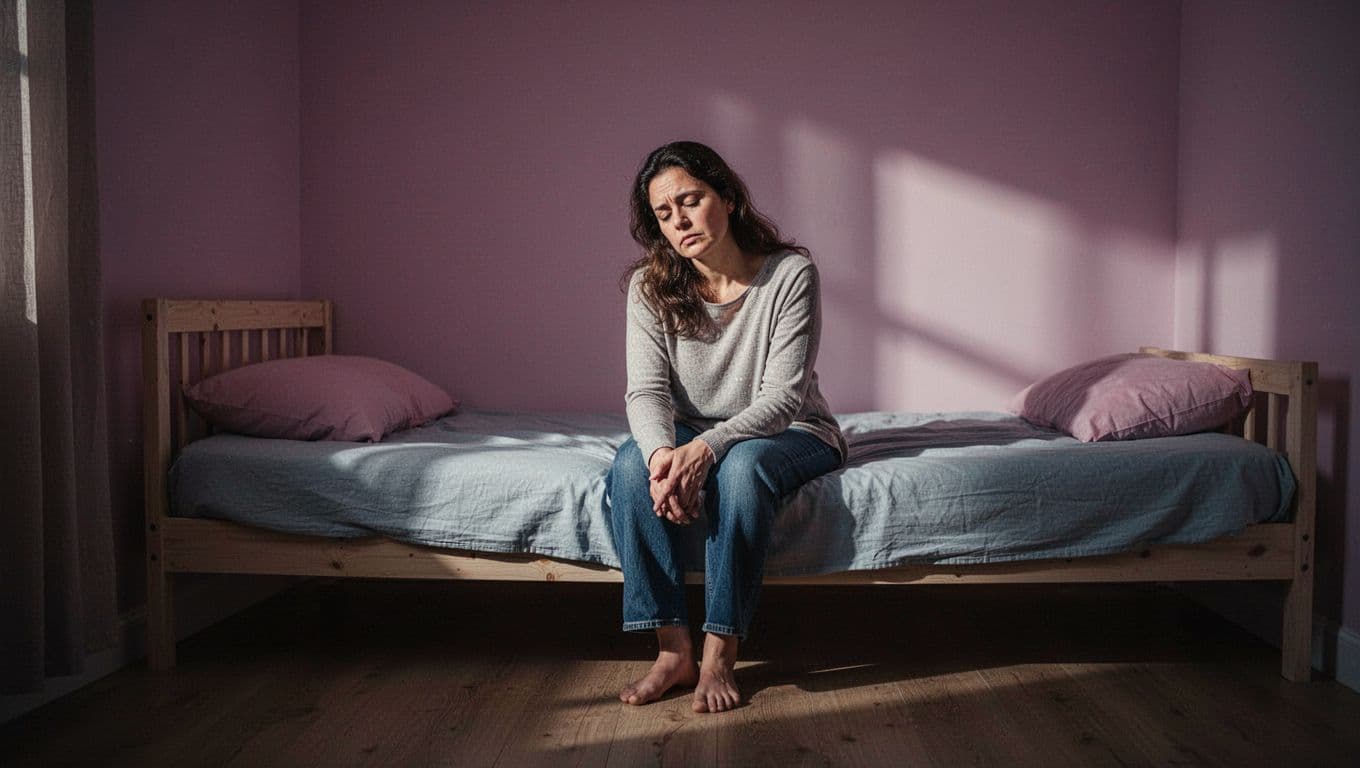
The postpartum body changes no one warns you about in the first weeks
The first few weeks after birth can feel messy in ways no one prepares you for. Some changes are obvious, but others show up quietly, then hit hard in the middle of the night or during a diaper change.
Bleeding, cramps, sweating, breast pain, and vaginal soreness are all common parts of early recovery. They can feel intense, yet they often belong to the normal healing process. If you want a bigger-picture view of the pace of recovery, why postpartum recovery takes time helps put these shifts in context.
Bleeding can last longer than you think
After birth, your body sheds the lining that supported pregnancy. That discharge is called lochia, and it can start off heavy before it slowly fades. In the first days, it may look bright red, then it can shift to pink, brown, yellow, or even white as healing continues.
This bleeding can last for several weeks, and that surprises a lot of new moms. Some days it looks lighter, then movement, breastfeeding, or more activity can make it seem heavier again. Cleveland Clinic’s lochia guide explains that this flow is made up of blood, mucus, and uterine tissue, which is why it can look and change so much.
Bleeding that soaks a pad too fast or brings on large clots is not part of normal recovery and needs medical attention.
A steady fade is what you want to see. If the bleeding gets heavier again after slowing down, or if the clots are large, call your doctor right away. For many women, that slow taper feels like a long stretch, but it is often just the body doing clean-up work.
Afterbirth cramps can surprise you
Once the baby is born, the uterus starts shrinking back to its pre-pregnancy size. That tightening can cause cramping, and it often feels like period pain with extra force behind it. The cramps may come and go, especially in the first days.
Breastfeeding can make them feel stronger for some moms. That happens because nursing releases hormones that help the uterus contract. The pain can catch you off guard, but it usually means your body is working the way it should.
A warm compress, gentle rest, and approved pain relief can help. If the cramps feel severe or keep getting worse, that needs a closer look.
### Sweats, odor, and fluid loss can feel intense
Night sweats can show up fast after birth. You may wake up damp, change clothes, and still feel sticky by morning. That happens because hormone levels shift and your body sheds the extra fluid it held during pregnancy.
Body odor can change too. It may smell stronger, sharper, or just different for a while, especially at night or in the early morning. This is common and temporary, even if it feels embarrassing in the moment.
Fresh clothes, a cool room, and plenty of water can make the nights easier. The sweating usually eases as your hormones settle and your body finishes releasing the extra fluid.
Breasts may feel huge, sore, or hard overnight
Milk often comes in a few days after birth, and the change can feel sudden. Your breasts may become full, tight, warm, or painful almost overnight. Leaking is common too, especially when one feeding runs late or you hear a baby cry.
That heavy, stretched feeling is called engorgement, and it can make even a T-shirt feel uncomfortable. Later, your breasts may change again as feeding patterns shift or breastfeeding ends. They may feel softer, smaller, or uneven for a while.
Some tenderness is normal, but sharp pain, fever, redness, or a hard lump that does not ease needs attention. Breast changes are often one of the most noticeable parts of early postpartum life, because they can change by the hour.
Vaginal discomfort can linger even after birth feels over
Soreness down there is common, especially after a vaginal birth or stitches. The area may feel swollen, raw, dry, or tight when you sit, walk, or use the bathroom. Even after a C-section, pelvic pressure and vaginal dryness can still show up.
Small things can help more than you expect. A peri bottle, loose clothes, extra water, and gentle hygiene can make the day feel less harsh. If pain gets worse instead of better, or if burning and odor appear, that is a sign to get checked.
These early changes can feel loud and messy, but many of them are part of normal recovery. The body is healing in pieces, and each piece has its own timing.
The changes that show up a little later and catch many moms off guard
Some postpartum changes arrive after the first wave of healing. That is part of what makes them so startling. The hospital stay may be over, the bleeding may be lighter, and the house may feel calmer, yet your body can still change in ways you did not expect.
These later shifts often show up as hair coming out in handfuls, a belly that stays soft, leaks when you sneeze, or feet that no longer fit the same shoes. Dryness and a lower sex drive can also linger, even when you feel ready for life to settle down. Your body is still adjusting, and it does not follow a tidy schedule.
### Hair shedding can happen months after birth
Postpartum hair loss often surprises moms because it rarely starts right away. During pregnancy, hormones can keep more hair in the growth phase, so your hair may look fuller than usual. After birth, those hormones drop, and a few months later, the extra hair starts to shed all at once.
That shedding can look dramatic. You may notice more hair in the shower drain, on your pillow, or wrapped around your brush. For many women, it begins about three months after delivery and fades on its own over time. Johns Hopkins Medicine notes that postpartum hair loss usually eases within the first year.
The sight of it can feel alarming, but it usually does not mean anything is wrong. It is your body balancing itself after pregnancy. Still, if the shedding feels extreme or keeps going long after the first year, it is worth asking your doctor about it.
Your stomach may stay soft and round for a while
A flat stomach does not return on a deadline. After birth, the uterus needs time to shrink, the abdominal muscles need time to tighten, and the skin needs time to recover its shape. That is why the belly often stays soft, round, or loose longer than people expect.
Even active women can face this. Exercise helps with strength, but it does not snap everything back overnight. If your core muscles separated during pregnancy, the middle of your body may feel weak or unstable for a while. The skin can also lag behind, like fabric that needs a long stretch before it settles.
A soft belly after pregnancy is normal. It can change slowly over months, not days. That slower pace can feel frustrating, yet it is a common part of postpartum healing.
Leaking pee and pelvic pressure are common
A sneeze, a laugh, or a quick step can bring a small leak after birth. That happens because pregnancy and delivery put a lot of stress on the pelvic floor, which is the group of muscles that supports the bladder, uterus, and bowels. Vaginal birth can stretch those muscles further, but pregnancy itself can also weaken them.
Some moms also feel heaviness, dragging, or pressure low in the pelvis. It can feel like the body is not fully held together yet. That sensation is often more obvious after a long day on your feet or after lifting, bending, or carrying the baby.
Pelvic floor symptoms are common, but you do not have to just live with them.
Simple support, like pelvic floor rehab, can help many women feel stronger over time. If leaking, pain, or pressure keeps showing up, it deserves attention. These symptoms are common, but they are also treatable.
Feet, joints, and shoe size can change too
Your feet may not go back to their old shape after pregnancy. Swelling, extra weight, and the hormone relaxin can all make the arches flatten and the feet spread out. That can leave you with a shoe size that feels a little off, or a pair of sandals that suddenly pinches.
Joints can feel looser too, which may make walking feel different for a while. Some women notice their feet stay slightly bigger even after the swelling is gone. That change can be small, but it is memorable the first time your favorite shoes refuse to fit.
If your shoes feel tight or your arches ache, give your feet room and support. A new pair of walking shoes may become part of your postpartum wardrobe sooner than you expected.
Dryness and low desire can last longer than you think
Postpartum dryness can affect the vagina, skin, and even your sense of comfort in your own body. Hormone shifts, breastfeeding, and exhaustion can all play a part. That dryness may make sex feel unappealing or uncomfortable, even if you expected to feel normal by now.
Low desire is common too. Your body may still be tired, touched out, and focused on healing. When sleep is broken and your mind is full, desire often takes a back seat.
A gentle pace helps here. Lubrication, patience, and honest conversation with your partner can ease the pressure. If dryness or pain keeps interfering with daily life or intimacy, a doctor can help you sort out what is normal and what needs treatment.
These later changes often feel unexpected because they do not arrive all at once. They show up in small signs, then become part of everyday life. Once you know what to watch for, they feel less like a shock and more like part of the long road of recovery.
Breastfeeding and hormones can change how your body feels day to day
Some postpartum changes are hard to see, but easy to feel. Breastfeeding, hormone swings, and broken sleep can leave your body feeling dry, tender, warm, tired, or just plain off.
That shift can touch everything from comfort in your clothes to how much closeness you want. It can also make familiar parts of yourself feel far away for a while. None of that means anything is wrong with you. It means your body is still adjusting after birth.
Vaginal dryness can make intimacy uncomfortable
Low estrogen after birth can leave vaginal tissue thinner, drier, and more sensitive. Breastfeeding can keep estrogen levels lower for longer, since the body is focused on milk production. Add healing tissues, stitches, or pelvic floor soreness, and even a normal day can feel irritated.
That dryness is not only a sex issue. It can make walking, wiping, sitting for long periods, or wearing certain underwear feel uncomfortable too. Some women notice a burning or chafing feeling before they ever think about intimacy.
A gentle approach helps. Water-based lubricant, a slower pace, and medical guidance if pain keeps going can make a real difference. For a fuller explanation of the hormone side of this, Healthline’s guide to postpartum vaginal dryness breaks down why this happens after birth.
Your sex drive may feel very different
Desire can drop for a lot of reasons at once. Exhaustion blunts interest. Pain makes the body guard itself. Hormones shift the mood and the body at the same time. Then there is the mental load of feeding schedules, diapers, laundry, and trying to remember the last time you drank water.
That mix can make your sex drive feel low, uneven, or missing altogether. For some women, desire returns quickly. For others, it comes back slowly, or changes shape in ways they did not expect.
None of this is a sign that you love your partner less. It usually means your body is busy healing and your mind is stretched thin. If intimacy feels different right now, that is common, and it deserves patience instead of pressure.
You may find yourself wanting affection more than sex, or needing quiet more than touch. That is normal too. Honesty matters here, because pretending everything feels fine only adds stress.
Your body image may feel unsettled even when everything is normal
Postpartum change can hit your self-image in quiet, stubborn ways. Your clothes fit differently. Your breasts may look fuller or softer. Your stomach may feel loose. Even your face can look tired in the mirror after weeks of short sleep.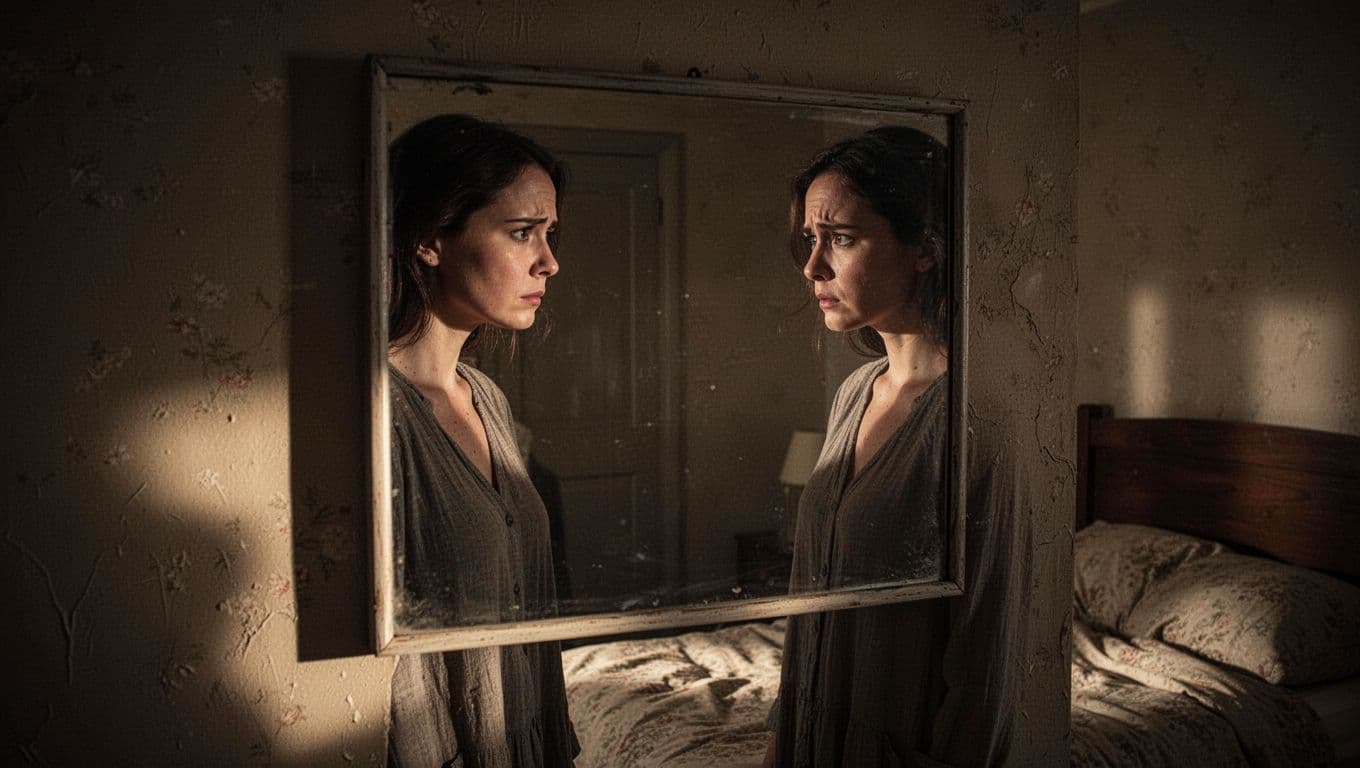
That can bring frustration, grief, or a strange kind of distance from your own body. You may know, logically, that healing takes time, yet still feel unsettled when you look in the mirror. Both things can be true at once.
Feeling unlike yourself does not mean you are failing. It means your body is living through a major reset.
This emotional shift is real, and it can show up on ordinary days. A bra that feels too tight, a shirt that sits differently, or a scar that catches your eye can stir up more feeling than you expected. When that happens, remind yourself that recovery is not a straight line.
Hormones and breastfeeding can also affect mood and energy, which makes body image feel even more fragile. If you want a closer look at how feeding choices and hormones shape comfort, The Vag Whisperer’s postpartum pelvic health notes offers a helpful overview.
The good news is that this unsettled feeling usually softens with time. As sleep improves, hormone levels settle, and your body feels stronger, your reflection often starts to feel more familiar again.
When postpartum body changes need medical attention
A postpartum body can feel strange for weeks, and many changes are part of normal healing. Still, some symptoms are red flags, and they should not be brushed aside as “just recovery.”
The safest rule is simple: healing should slowly get easier. If bleeding, pain, swelling, or fatigue feels suddenly worse, or if something feels wrong in a way you cannot explain, call your doctor or midwife.
### Know the red flags that should not be ignored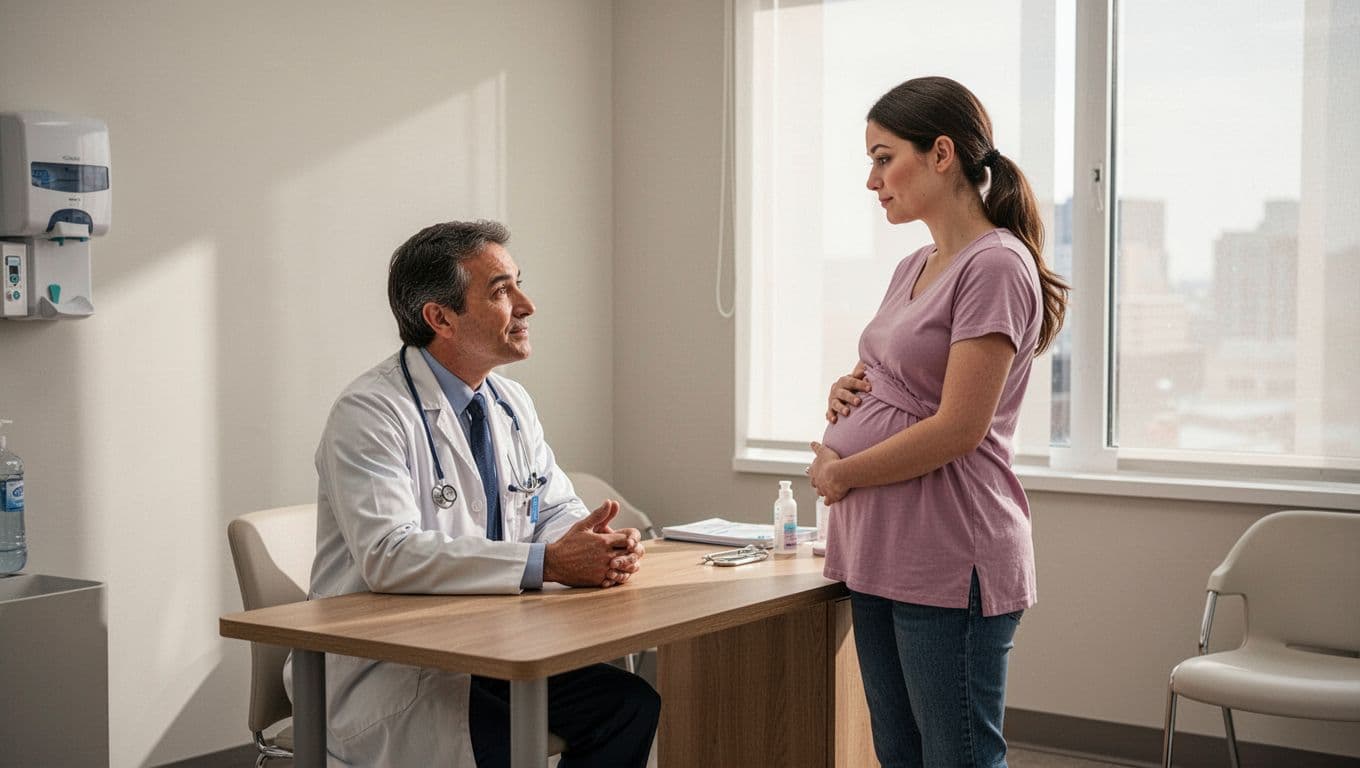
Some postpartum symptoms need quick medical attention, even if they start out small. Call right away if you are soaking more than one pad an hour, passing large clots, or bleeding that gets heavier after it had started to slow.
A fever, severe belly pain, or foul-smelling discharge can point to infection. So can breast redness, hot skin, swelling, and pain that keeps getting worse instead of easing. The CDC’s postpartum warning signs also lists symptoms like chest pain, trouble breathing, dizziness, and vision changes as urgent.
Watch for these warning signs:
- Heavy bleeding that soaks pads fast
- Clots larger than an egg
- Fever of 100.4 F or higher
- Bad-smelling vaginal discharge
- Severe or worsening belly pain
- Breast redness with pain or a hard, painful lump
If any of these show up, do not wait to see if they pass.
Trust your gut if something feels off
Sometimes the body gives a warning before the numbers or signs look dramatic. If your pain feels extreme, your swelling seems unusual, or your exhaustion feels far beyond normal new-parent tiredness, speak up.
That matters with postpartum care. A lot of moms try to push through because they expect discomfort, but recovery should not feel like a steady slide backward. If you feel worse instead of better, call your provider and describe exactly what changed.
Your body has already done a lot. It deserves attention when it asks for help.
Conclusion
Postpartum body changes can feel messy, surprising, and unfair, yet many of them are part of normal healing. Bleeding, sweats, hair loss, breast changes, and a softer belly all tell the same story, your body is recovering after a major job.
What matters most is patience and care. Rest when you can, drink water, eat enough, and get medical help when something feels wrong or gets worse instead of better.
A changed body is not a broken body. It is a body that has carried life, done hard work, and needs time to settle into a new rhythm.
Save pin for later

- Helicopter Parenting: 10 Signs You’re Doing It and How It Affects Your Kid - September 22, 2026
- 10 Things You Shouldn’t Do in Front of Your Baby (and What to Do Instead) - September 22, 2026
- 15 Effective Ways to Deal With Stubborn Children (Without Yelling) - September 22, 2026