
Waching your little one explore their first tastes of food is a joyful milestone. You might be eager to introduce nutrient-dense eggs into their diet, though the advice surrounding them is often clouded by old myths.
Contrary to outdated fears, you can safely offer eggs as soon as your baby starts solid foods around six months. They are a powerhouse of nutrition, and serving them regularly is a great way to support your child’s growth.
If you are navigating the demands of raising children and feel unsure about how to begin, you are not alone. Understanding the best approach for these early meals makes all the difference in building a healthy relationship with food. This guide clears up the confusion so you can serve eggs with confidence.
When Is the Right Time to Introduce Eggs?
Deciding when to start your baby on solids is a major parenting milestone. While the journey is unique for every child, most health professionals agree that around six months is the ideal window to begin. Waiting much longer than this, or rushing into it too soon, can make the process more difficult for your little one. Instead of relying on a strict calendar, watch your baby for clear physical cues that tell you they are ready to join the family at the table.
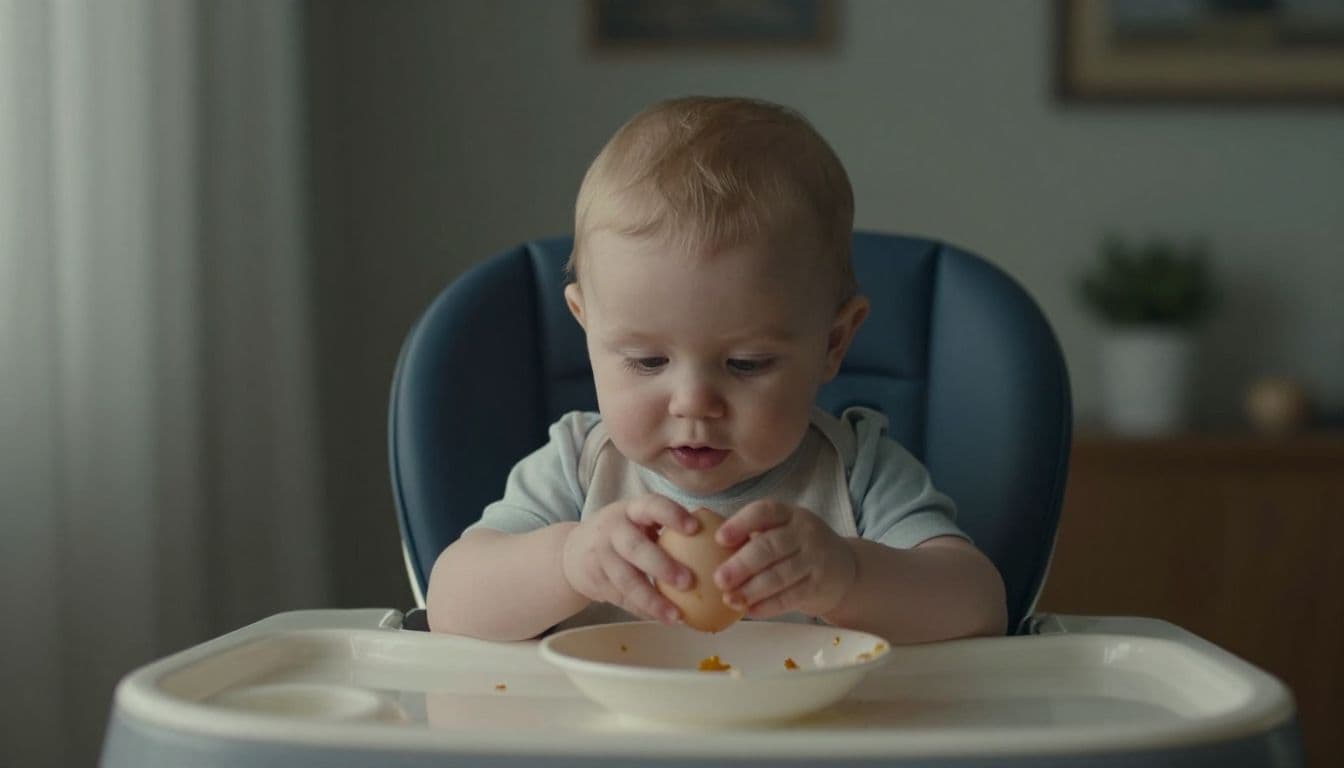
Signs Your Little One Is Ready for Solids
Your baby communicates their readiness through specific physical developments. Before offering eggs or any other solid food, ensure they can sit up with little to no support. This core strength helps them swallow safely and reduces the risk of choking. Additionally, look for the disappearance of the tongue-thrust reflex. Younger babies automatically push foreign objects out of their mouths with their tongues. Once this instinct fades, they are better equipped to move food to the back of their mouth for swallowing.
Keep an eye out for these subtle signals that your baby is interested in mealtime:
- Steady head control: They should be able to hold their head upright and steady without wobbling.
- Growing curiosity: Your little one watches you intently while you eat and may even reach for your food.
- Improved coordination: They are able to grab objects and bring them directly to their mouth.
Pay attention to these signs your baby is hitting developmental milestones to gauge their overall progress. When your child reaches these markers, they are physically and cognitively prepared to start exploring new tastes and textures.
Why Early Introduction Matters
For a long time, many parents delayed introducing common allergens like eggs, hoping to avoid potential reactions. Current research suggests the exact opposite approach is often better for your child. Introducing eggs around the six-month mark can actually help the immune system learn to tolerate them. By providing small, regular tastes, you help your baby’s body recognize these proteins as safe food rather than foreign threats.
The goal is to foster acceptance through early, consistent exposure. You do not need to overthink it; just prepare simple baby-friendly breakfast recipes to get started. According to findings from the American Academy of Pediatrics, there is no evidence that delaying these foods offers any protective benefit. In fact, proactive introduction is a key strategy in preventing food allergies later on. Always serve eggs in a fully cooked, manageable form to keep things safe as your child discovers new flavors.
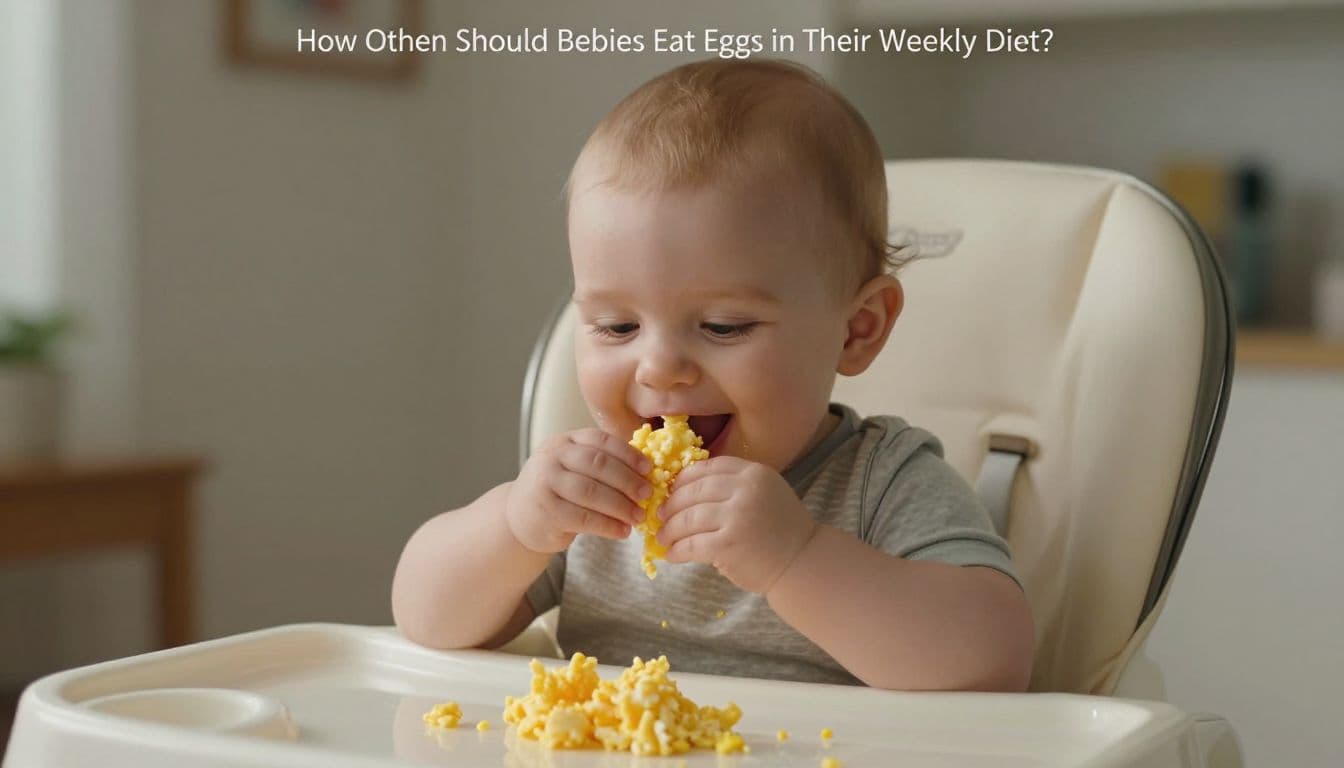
How Often Should Babies Eat Eggs in Their Weekly Diet?
Once your baby accepts their first bites, you might wonder how often eggs should grace their high chair tray. Because eggs are packed with vital nutrients like choline and protein, they are a wonderful staple for a growing child. Research shows that including them regularly, perhaps two to three times a week, supports healthy growth during these critical early stages. While you could serve them daily, variety remains the best approach to ensure your little one gets a broad spectrum of nutrients from many different foods. Consistency is the secret ingredient here, as regular exposure helps your baby build a strong, healthy immune system while learning to love new textures.
Starting with Small Portions
It is normal to feel a bit cautious when you introduce any new food for the first time. Start by offering a very small amount, such as a quarter teaspoon of well-cooked, scrambled egg. This tiny portion is plenty for their first taste test and makes it much easier to observe how they handle the new protein. Keep the preparation simple, using only plain, fully cooked egg without added salt or seasonings. You can gradually increase the size of these portions as your baby becomes more comfortable and shows they enjoy the taste. By keeping the introduction low-pressure, you allow your baby to dictate the pace of their culinary journey.
Tracking Your Baby’s Reaction
Watching for signs of a reaction is a natural part of the process when you offer new foods. Pediatricians often suggest waiting about three to five days between introducing major allergens, which allows you to pinpoint exactly what might cause a reaction. If you offer a new food like egg, stay alert for any symptoms that seem out of the ordinary. While most babies handle eggs without any trouble, keeping a close eye on their physical response provides peace of mind.
Monitor your baby for these common signs of food intolerance or allergy:
- Skin changes: Watch for any sudden hives, redness, or rashes that appear around the mouth or face.
- Digestive upset: Occasional fussiness is normal, but persistent vomiting or diarrhea can be an indicator of an issue.
- Respiratory trouble: If your baby develops wheezing, coughing, or difficulty breathing, stop feeding and contact your pediatrician.
If you find yourself needing more help with menu planning as they grow, check out these nutritious food recipes for 9-month-olds. For a deeper look at how egg intake benefits long-term development, you can see scientific findings on egg consumption in infants. Most babies eventually thrive on a diverse diet, and your patience during these first few weeks sets a strong foundation for their future eating habits. Always rely on expert feeding recommendations for ages zero to two to keep your plan on the right track.
Safe Ways to Prepare Eggs for Growing Babies
Preparing eggs for your little one is a straightforward process, but safety remains the priority. Because infants have developing immune systems, you must ensure that every egg dish is cooked thoroughly to eliminate the risk of Salmonella. Avoid serving soft or runny yolks, as these do not reach the temperatures required to neutralize potential bacteria. Always cook eggs until both the white and the yolk are completely firm. You can learn more about these essential egg safety guidelines to keep your kitchen environment clean and your baby safe during mealtime.
Simple Cooking Methods for Beginners
If you are new to feeding your baby solids, hard-boiled eggs are an excellent place to start. Boiling the egg until it is fully set ensures it is safe and easy to prepare ahead of time. Once the egg cools, peel it and mash the yolk and white together with a fork on a clean tray. If the texture feels too dry, add a tiny bit of breast milk or formula to create a smooth, creamy consistency that is much easier for your baby to swallow.
Scrambled eggs offer another quick solution for busy mornings. Whisk the egg thoroughly and cook it in a non-stick pan over medium heat. Make sure to cook the mixture until it is dry throughout, with no wet or runny patches left in the pan. Once finished, you can mash the scrambled pieces further with a fork to ensure they are the right size for small mouths. Using these tips for preparing baby finger foods helps you refine your approach as your baby becomes more comfortable with different textures.
Fun Egg Recipes for Older Infants
As your baby grows and develops better chewing skills, you can introduce more variety. You might consider creating simple egg strips, which are easier for older infants to grasp with their developing pincer grasp. Whisk eggs and cook them into a thin, fully set omelet, then slice the result into manageable, finger-length strips. These are soft enough to gum easily but firm enough for your baby to hold onto while exploring their food.
Another creative option involves incorporating eggs into nutritious pancakes. Blend a cooked egg with a ripe banana or a small amount of iron-fortified baby cereal to form a thick batter. Cook these until they are golden brown and fully set in the center. Because these pancakes are soft and moist, they are an ideal choice for babies who are moving toward self-feeding. Always prioritize recipes that focus on proper food handling and preparation to maintain high safety standards at every meal. Serving these varied, well-cooked options allows your baby to discover new flavors while ensuring their nutrition stays on track.
Addressing Concerns and Allergy Myths
It is normal for your heart to skip a beat when considering potential food allergies. Parents often feel anxious about introducing new proteins, especially when stories of reactions circulate. However, many fears around early egg introduction are rooted in outdated advice that no longer holds up under modern research. Your baby is likely more ready than you think, and current guidance encourages you to move forward with confidence rather than caution.

Navigating Eczema and High-Risk Situations
If your little one deals with eczema, you might wonder if eggs remain a safe choice. Eczema is often a sign that the skin barrier is sensitive, which can sometimes correspond with a higher risk for food sensitivities. While this sounds daunting, early and consistent exposure is actually a primary way to support your baby’s developing immune system. You do not need to avoid eggs indefinitely, as delaying them often misses a window where your child’s body can best learn to tolerate them.
If your baby has severe, hard-to-control eczema or a known food allergy, always consult your pediatrician before serving eggs. They can help you create a specific plan, which might include testing or a supervised first feeding. For babies with mild to moderate skin concerns, many health authorities, such as the Allergy and Asthma Network, support introducing common allergens at home once your baby is safely eating other solids.
Separating Fact from Fear
Many parents assume that avoiding allergens prevents reactions, yet the opposite is often true. Early introduction acts like a training session for the immune system, teaching it to recognize eggs as fuel instead of threats. Keep these points in mind to stay on track:
- Consistency is vital: One taste of egg does not provide lasting protection. Keep eggs in your baby’s diet regularly after they tolerate that first small, well-cooked portion.
- Keep it simple: Start with a tiny amount of fully cooked egg. Avoid raw or runny yolks, as these do not kill bacteria and are not safe for an infant’s digestive system.
- Monitor for clues: Watch your baby closely for any hives, rashes, or digestive issues after a meal. Most infants sail through this process without trouble.
You are the best observer of your child’s health. If you feel that something is off, or if your family has a significant history of severe allergies, your pediatrician is your best partner. For more context on the latest medical shifts, see guidelines from the American Academy of Pediatrics regarding common allergens. Approaching this milestone with clear facts makes the entire experience much calmer for both of you.
Save pin for later


- What Causes a Flat Head Shape in Babies? - September 20, 2026
- Baby Massage for Gas Pain: Step-by-Step Instructions - September 20, 2026
- Newborn Skin Peeling: Common Causes and Warning Signs - September 20, 2026