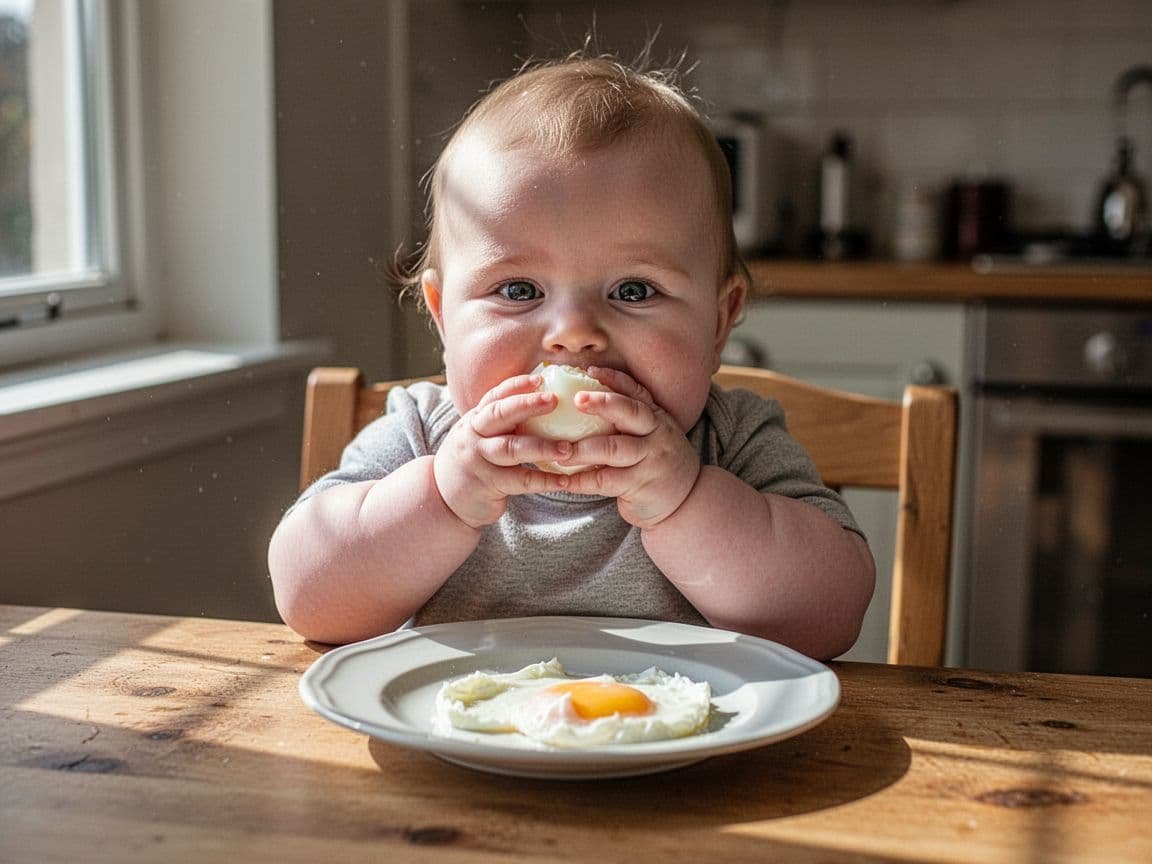
Are you feeling a bit nervous about adding new foods to your baby’s plate? It is a common worry, but most babies can safely enjoy well-cooked eggs around 6 months of age.
While eggs are packed with nutrients, timing, preparation methods, and your baby’s unique health history are the key pieces to the puzzle. This guide helps you navigate those first bites with confidence, knowing exactly when to proceed and when to pause. If you are ever unsure about what to do when baby refuses to eat, checking in with your pediatrician is always a smart step before making big changes to their routine.
When to Avoid Eggs for Your Baby
Knowing when to hold off on introducing eggs is just as important as knowing how to serve them. While eggs are a nutrient-dense powerhouse, certain situations require you to press pause. This is not about panic, but rather about patience and preparation. By identifying these specific scenarios, you can create a safer, more predictable experience for your little one as they explore new flavors.
Your baby is not ready for solids yet
The most important milestone for any new food is developmental readiness. Experts generally recommend waiting until your baby is around 6 months old before introducing complementary foods. Before this stage, your baby’s digestive system is still maturing, and their ability to handle different textures remains limited.
Watch for clear signals that your baby is ready to join the family at the dinner table. They should be able to sit with minimal support, maintain good head control, and show active interest in what you are eating. If your baby still pushes food out of their mouth with their tongue or lacks the physical coordination to handle solids, it is best to stick with breast milk or formula for a little longer.
The egg is raw, runny, or only partly cooked
Food safety is the foundation of a positive feeding experience. You should strictly avoid offering raw, soft-boiled, or runny eggs to a baby, as these carry a genuine risk of Salmonella. Bacterial contamination can be especially tough on an infant’s developing immune system.
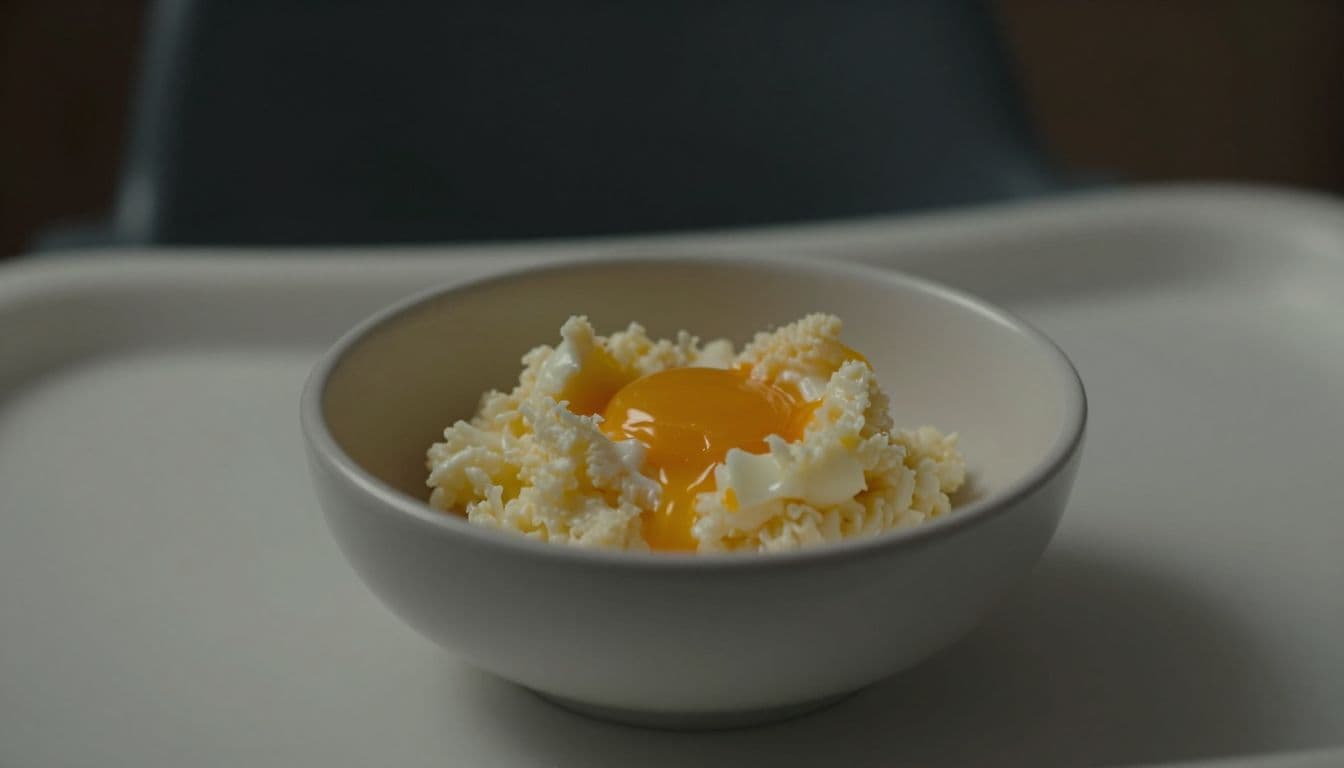
Always ensure eggs are cooked until both the yolk and white are completely firm. You can easily prepare them by scrambling them thoroughly or hard-boiling them until they reach a solid texture. Once cooked, mash the egg well or mix it into a food your baby already enjoys to create a safe, manageable consistency. For more on getting the basics right, check out these safe meal planning for 9-month-olds.
Your baby has eczema, a known food allergy, or a strong family history
If your baby deals with severe eczema or has already experienced an allergic reaction to another food, pause before introducing eggs. These factors indicate a higher sensitivity, so it is smart to seek guidance from your pediatrician first.
A doctor might suggest an allergy test or recommend a supervised introduction to ensure your baby stays safe. Remember, a high allergy risk does not mean you must avoid eggs forever. Often, early exposure under medical guidance can actually help your baby develop tolerance. You can learn more about the current perspective on early introduction of allergenic foods through resources from trusted health organizations.
Your baby reacted badly to eggs before
If you have already introduced egg and noticed a concerning change, stop offering it immediately. Watch for signs such as a sudden rash or hives, localized swelling, vomiting, diarrhea, or unusual irritability. More severe reactions might include persistent coughing, wheezing, or difficulty breathing.
If you notice any trouble with breathing or facial swelling, seek emergency medical help right away. Do not try to offer the food again until you have consulted with a specialist. Taking a cautious approach after a potential reaction protects your baby and provides you with the professional feedback you need to move forward safely.
How to introduce eggs safely when your baby is ready
Moving past the initial caution around allergies, you can introduce eggs as a nutrient-rich part of your baby’s diet once they reach the right developmental milestones. Eggs provide essential proteins and healthy fats that support brain growth. The shift from avoidance to inclusion is simple when you focus on timing and preparation. By offering eggs early in the day and ensuring they are thoroughly cooked, you create a safe environment for your baby to explore this new flavor. This gentle approach helps you gain confidence while providing your little one with a nourishing start.
Start with a tiny serving and watch for a reaction
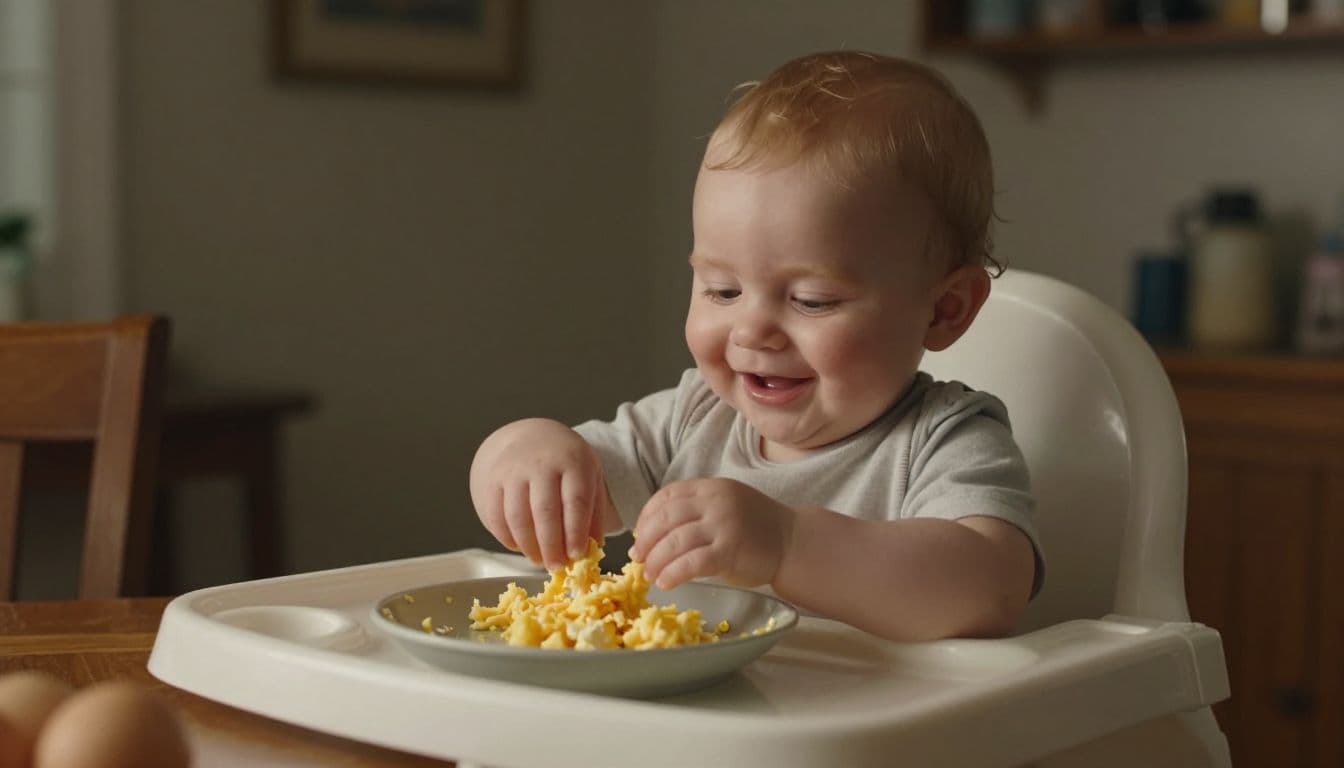
The most effective way to introduce egg is to keep the first portion very small. Think of it as a taste test rather than a full meal. Try offering just a tiny spoonful early in the morning when your baby is alert and happy. Providing the food early in the day is a smart strategy because it gives you several hours to observe for any delayed physical signs.
Watch your baby closely during and after the meal. Most allergic reactions happen shortly after consumption, though sometimes they appear a little later. Look for changes such as hives, red spots around the mouth, or unusual fussiness. If you notice any of these, stop the feeding and contact your pediatrician. If your baby shows no reaction, you can gradually increase the portion size over subsequent days. For more general advice on building a routine, you might explore these nutritious baby breakfast ideas to help structure your mornings. Experts generally recommend continuing to offer the food regularly to help your baby build tolerance, as outlined in this guide on early introduction of allergenic foods.
Choose baby-friendly egg textures
Texture plays a massive role in how easily your baby accepts new foods. Avoid giving whole chunks of egg that could be a choking hazard. Instead, focus on textures that are soft and easy for your baby to manage with their gums.
Practical, stress-free ways to prepare eggs include:
- Well-cooked scrambled eggs: Make sure these are cooked all the way through until they are firm. You can mash them lightly with a fork to break them into smaller, safer pieces for your baby to grab.
- Hard-boiled egg mash: Grate or finely mash a hard-boiled egg. It creates a fluffy consistency that is easy to mix into other foods your baby already loves, such as mashed avocado or sweet potato.
- Blended egg dishes: If you are making a larger family meal, you can incorporate cooked egg into recipes like soft veggie muffins or pancakes. This hides the texture while still providing the nutrients.
Keep the presentation simple. Your baby is still learning how to move food around in their mouth, so helping them by offering safe, manageable bites will make the entire process smoother for both of you. Stick to these basic preparation styles, and your baby will have a much easier time discovering their new favorite morning fuel.
What egg allergy can look like in babies
Watching your little one explore new textures and flavors is a milestone you likely wait for with excitement. Because their immune systems are still learning, it is helpful to stay observant during mealtime. Identifying a potential allergy early allows you to react calmly and keep your baby safe. When you introduce eggs, look for subtle shifts in their behavior or physical appearance that might signal they are not tolerating the new food well.
Mild signs to notice early
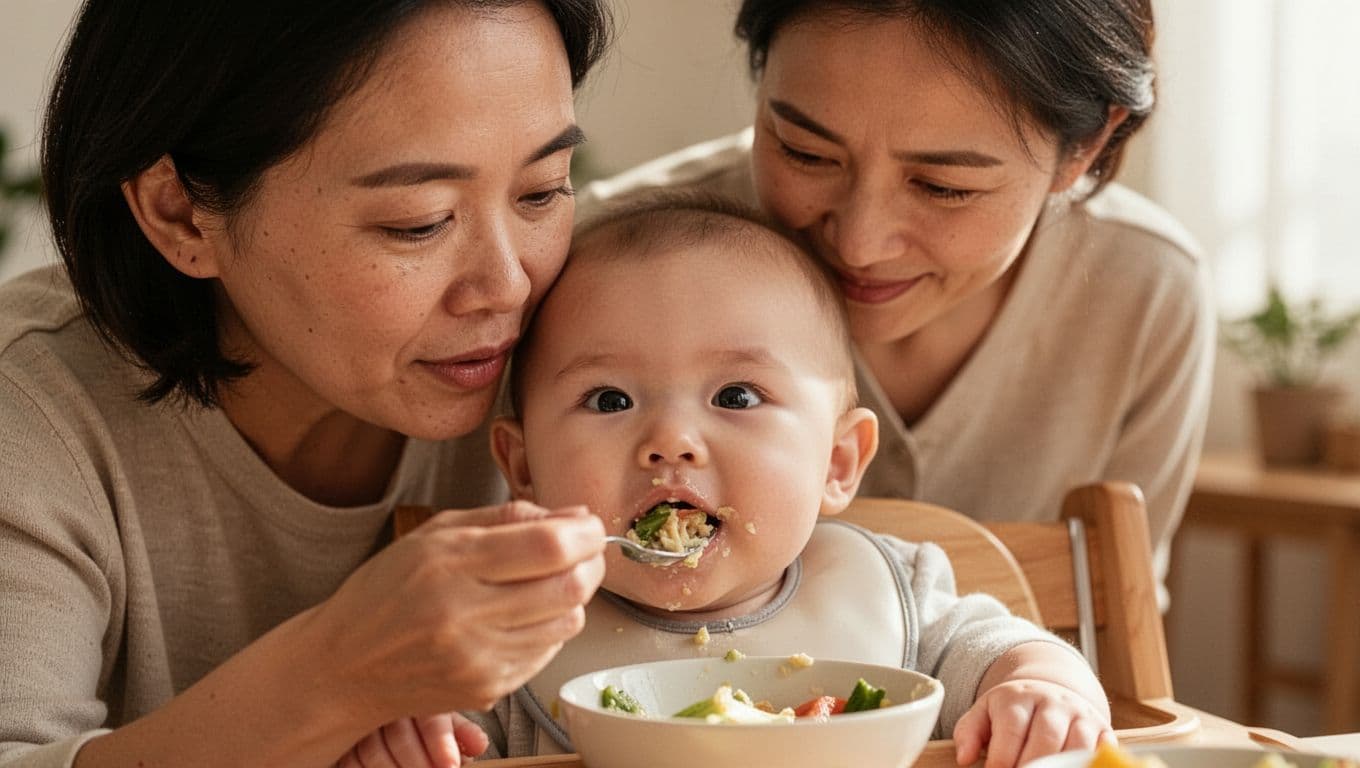
Allergic reactions often start small. You might notice changes on your baby’s skin or in their digestion shortly after they eat. These symptoms do not always mean a life-threatening situation, but they are clear signals that your baby’s body is struggling with the ingredient. If you spot these changes, pause the meal and watch your baby closely.
Keep an eye out for these common, mild warning signs:
- Skin changes: Look for hives, small red bumps, or patches of redness that appear suddenly, especially around the mouth or face.
- Itching: Your baby might rub their face or eyes more than usual, signaling localized irritation.
- Mild swelling: You may notice slight puffiness around the lips or eyelids.
- Digestive upset: Vomiting, diarrhea, or unusual fussiness immediately following a meal can indicate a reaction.
If any of these signs appear, stop offering the egg. Contact your pediatrician to discuss what happened so you can plan the next steps together. Even if the symptoms seem minor, professional guidance helps you determine if further testing or recognizing symptoms of soy allergy in babies might be relevant to your child’s overall health picture.
When a reaction is an emergency
Some reactions escalate quickly and require immediate medical intervention. If your baby shows signs that involve their ability to breathe or a sudden drop in their overall well-being, do not hesitate to seek emergency help. Anaphylaxis is rare, but it is a serious condition that demands prompt action.
Call emergency services immediately if you notice these severe symptoms:
- Breathing difficulties: Watch for wheezing, noisy breathing, a persistent cough, or signs that your baby is struggling to catch their breath.
- Severe swelling: Significant swelling of the tongue, lips, or throat can quickly block airways.
- Color changes: If your baby’s skin turns pale, blue, or blotchy, this is a major warning sign.
- Loss of alertness: A sudden, dramatic drop in energy, extreme sleepiness, or if your baby appears limp or difficult to wake, requires urgent care.
If you are ever in doubt, treat the situation as an emergency. It is far better to be cautious when your baby’s health is at stake. For more foundational information on how common food allergy symptoms in children and babies present, you can review resources from established medical institutions. Staying informed and knowing exactly when to pivot helps you manage your baby’s diet with confidence and care.
Should you wait to give eggs to prevent allergies?
Many parents worry that offering allergenic foods early will trigger a reaction. It is common to feel the urge to wait as long as possible. However, recent findings shift this perspective significantly. Most health guidelines now suggest that delaying the introduction of common allergens does not prevent the development of food allergies. In fact, waiting too long might miss a window where the immune system is more receptive to new proteins.
What current guidance says about timing
You do not need to wait until your baby is a toddler to offer eggs. Once your baby shows readiness for solids, usually around 6 months of age, eggs can be a part of their diet. The goal is to provide well-cooked, soft-textured foods that match their developmental stage.
Think of this as a natural step in building a varied menu. Introducing eggs early does not mean you have to rush the process or force large quantities. Start with small, manageable amounts to see how your baby handles the texture and taste. Consistent, safe exposure often helps the body accept new foods more easily. By keeping the egg fully cooked, you also reduce other safety risks, ensuring that the primary goal remains a positive, stress-free experience for your child.
Why a doctor may still advise extra caution
While early introduction is helpful for most, your baby might need a different approach. If your child has severe eczema or a history of reacting to other foods, talk to your pediatrician before starting. These health markers suggest your baby may have a higher sensitivity level.
A doctor will provide a personalized plan, which might include specific steps for at-home introduction or even a supervised session in a clinical setting. This extra caution is not a reason for fear; instead, it is a way to tailor your approach to your child’s unique needs. Having a clear plan from a professional helps you move forward with peace of mind. Every baby has a unique path to exploring new foods, and your pediatrician is the best partner for determining the safest way to begin that journey.
Conclusion
Feeding your baby new foods is a big step, but you don’t need to fear the process. Just wait until your little one shows they are ready for solids, and keep the eggs fully cooked to ensure they stay safe.
If you notice any signs of an allergic reaction, stop feeding them the egg and check in with your pediatrician. They can provide a plan if your baby has a higher risk for allergies.
You have the tools to handle this change with confidence. Trust your instincts, start with small portions, and enjoy these new milestones with your baby.
Save pin for later

- What Causes a Flat Head Shape in Babies? - September 20, 2026
- Baby Massage for Gas Pain: Step-by-Step Instructions - September 20, 2026
- Newborn Skin Peeling: Common Causes and Warning Signs - September 20, 2026