
Baby girls come with a few surprises, and some of them are stranger than most new parents expect. From tiny body changes after birth to amazing facts that start long before delivery, baby girl facts can be equal parts scientific and unexpected.
If you’re a new or expecting parent, these details can make the early days feel even more fascinating. And if you want more calm, practical support for those first weeks, helpful tips for first-time moms can make the journey feel a little lighter. Now, let’s look at the little-known facts that may surprise you the most.
What makes baby girl facts so surprising in the first place?
Baby girl facts catch people off guard because so much of a baby’s story starts long before birth, and the rest changes fast after delivery. What looks simple on the surface often has a hidden backstory, and that is where the surprise comes from.
Newborns also share many traits, whether they are girls or boys. Their bodies are still adjusting, their senses are waking up, and small changes can look dramatic if you do not expect them. Still, some details stand out more in baby girls, which is why parents often hear a few facts for the first time only after bringing their daughter home.
A lot of baby girl development happens before birth
By the time a baby girl is born, she has already been busy for months. In the womb, she begins forming the parts that help her hear, taste, and respond to the world. She is also born with the early reproductive cells she will carry for life, which surprises many parents because so much of that development happens before they ever meet her face to face.
That early growth is one reason newborn baby girl facts can sound almost impossible at first. A tiny baby may already react to sound, settle around familiar voices, and show signs of a body that has been preparing for life outside the womb. If you want a fuller picture of those early changes, newborn first month milestones can help connect the dots.
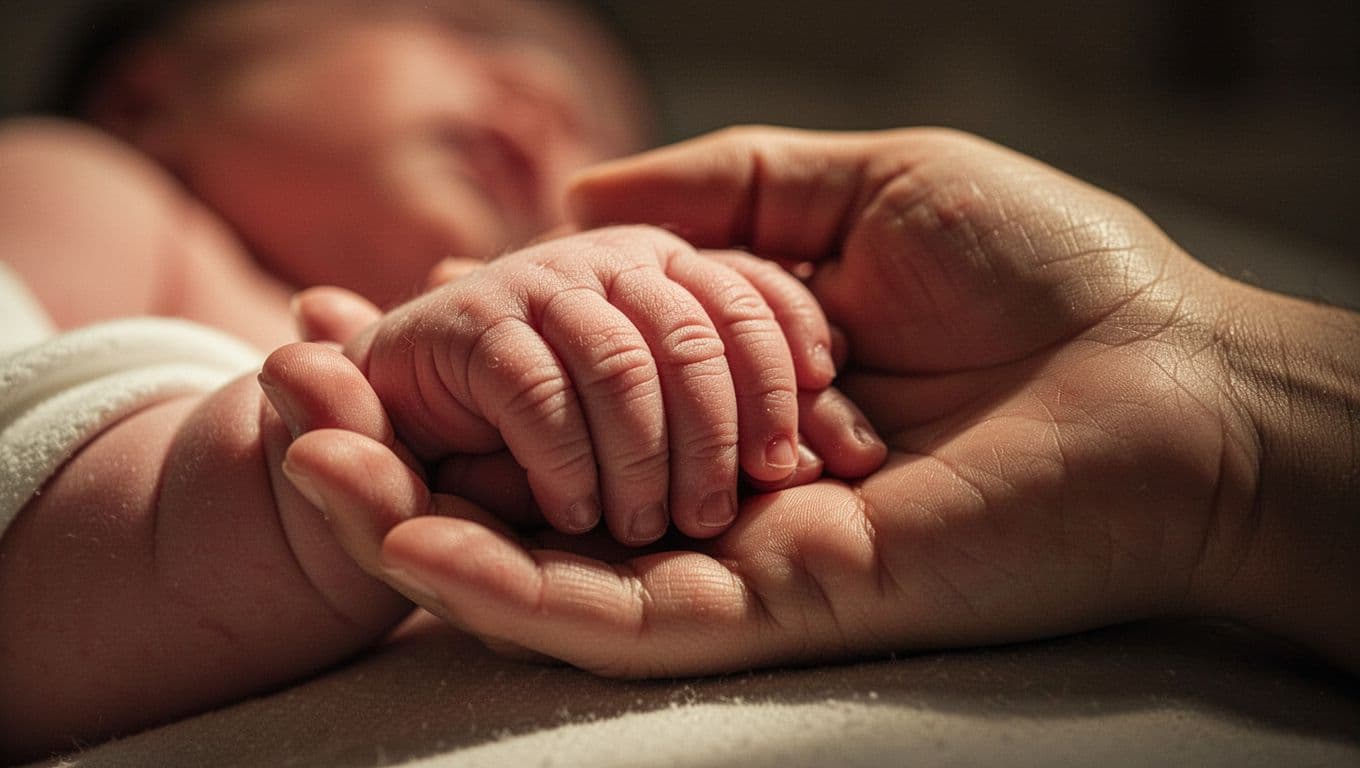
Newborn life is full of tiny temporary changes
The first days after birth can bring a few sights that seem startling but are usually normal. Some baby girls have slight breast swelling, a small amount of vaginal bleeding, or a white discharge because their hormone levels are dropping after birth. These changes often pass on their own within days or weeks.
New parents are often surprised because these signs look bigger than they are. The same is true for weak tears, which are common at first because tear glands are still developing. A newborn face can seem so delicate that even a tiny change feels huge, but most of these early details are part of normal newborn adjustment.
If a change looks heavy, lasts too long, or your baby seems unwell, a doctor should check it.
For a quick look at how common these early shifts are, fascinating newborn facts gives more examples that new parents rarely hear about.
10 baby girl facts that will blow your mind
Baby girls arrive with more going on behind the scenes than most people realize. Their bodies are already busy before birth, then they keep changing fast in those first weeks at home. Some facts sound almost unreal the first time you hear them, yet they are part of normal growth.
These little surprises can make newborn life feel even more amazing. They also help calm nervous parents, because once you understand what is normal, the early days feel less confusing and a lot more magical.
Baby girls are born with all the eggs they will ever have
Long before birth, a baby girl already has millions of immature egg cells tucked inside her tiny body. By the time she is born, that number has already dropped a lot, but it is still astonishing to think about.
That means her body starts life with her future already in place. She won’t make new eggs later, so this early stage is one of the most remarkable parts of baby girl development. A tiny newborn is already carrying the start of a lifelong story.
Some newborn girls can have a tiny mini period
In the first days after birth, a baby girl may have a small amount of blood in her diaper. This can happen because the hormones she was exposed to in the womb suddenly drop after delivery.
It can look alarming at first, but it is usually harmless and short-lived. The body is simply adjusting to life outside the womb. If the bleeding is heavy or keeps going, a doctor should check it, but a small spot or streak is often part of normal newborn adjustment.
Tiny breast buds can show up right after birth
Some newborn girls develop small breast buds, and a few may even have a little milk-like fluid. This happens because pregnancy hormones can still affect the baby for a short time after birth.
Boys can have this too, so it is not unique to girls. The swelling usually fades on its own as those hormones clear from the body. It is one of those newborn details that looks surprising but often passes without treatment.
Baby girls are born with more bones than adults
A newborn has about 300 bones, which is more than an adult has. That sounds backwards, but many of those bones are still soft and separate. As a child grows, some of them fuse together.
This extra flexibility helps a baby fit through birth and grow fast in the first years. Later, the body becomes more solid and shaped for standing, walking, and running. A newborn is, in a way, still under construction.
Their kneecaps are not fully hard yet
At birth, kneecaps are not fully formed bone. They begin as soft cartilage and slowly turn into bone later. That is why a baby’s legs can seem so soft and delicate compared with an adult’s.
This is a good reminder that a newborn body is still building itself piece by piece. The process takes time, and that soft start is exactly how growth is supposed to begin.
Baby girls can hear before they are born
Sound reaches the womb more easily than many parents expect. Voices, music, and even steady sounds from outside can travel through the mother’s body and reach the baby.
That is why a newborn may calm down at a familiar voice after birth. She has already heard it before. For many parents, this fact feels especially moving, because it means connection can start long before the first cuddle.
For more on early baby behavior, newborn eye contact and development helps explain why babies seem so drawn to faces and voices.
They have extra sensitive taste buds
Newborns have far more taste buds than adults, so taste can feel stronger early in life. That helps explain why babies can react so clearly to different flavors in milk.
The world is new to them, and even tiny changes can register fast. A baby girl may not talk about it, of course, but her tiny mouth is already picking up on a lot more than you might think.
Baby girls usually cannot cry real tears at first
A baby girl can cry loudly from day one, but real tears often come later. Tear glands need time to fully kick in, so early crying can look dry even when the baby is very upset.
That can surprise new parents, especially when the cries sound so intense. Still, dry-looking crying in the first weeks is usually normal. The tears often show up later, once those tiny glands are ready.
A newborn girl can only see clearly up close
Right after birth, babies are nearsighted. They can see best when a face is close, which is why your baby may seem so focused during feeding or cuddling.
This is one reason face-to-face moments feel so powerful in the newborn stage. Your baby is not ignoring the room, she just sees the world best from a short distance. Your face is one of the clearest things in her view.
They have a built-in trick for breathing and swallowing
Newborn babies come with an early ability that helps them feed and breathe safely at the same time. Their bodies know how to coordinate that rhythm in a way that older children and adults no longer need.
It is a small thing to watch, but it is a huge part of survival. Feeding a newborn looks simple from the outside, yet it takes a carefully tuned body to do it well. That early skill is one more reason babies feel so amazing to hold.
Why these baby girl facts matter for new parents
Knowing a few baby girl facts can turn a scary moment into a normal one. Newborns change fast, and some of those changes look strange at first. When you already know what may happen, you can stay calmer and focus on your baby instead of panicking over every tiny detail.
That confidence matters in the early weeks. A diaper with a small blood spot, a baby with no tears, or a little breast swelling can look alarming when you’re tired and unsure. Yet many of these changes are part of healthy newborn adjustment, not a warning sign. If you want more broad support on early growth, tracking baby developmental milestones can help you connect these little changes to the bigger picture.
They help you tell normal from worrying signs
A little knowledge goes a long way when your newborn looks different from what you expected. Tiny breast buds, poor vision at birth, and dry crying without tears often fit within normal newborn behavior. Even a short phase of vaginal spotting can happen as hormones leave the body after birth.
That does not mean every change should be ignored. It means you can look at the whole picture before you panic. A warm, red, painful breast area, heavy bleeding, or a baby who seems sick still needs a doctor’s attention. For a simple guide on common parent worries, common worries and fears for parents offers practical reassurance.
When you know what is common, you can respond with calm instead of fear.
They make bonding feel more personal
These facts also help you connect with your baby in a more meaningful way. When you know she can hear familiar voices before birth, or settle into a close face after delivery, every cuddle feels more intentional. Your voice, your scent, and your touch are not small things, they are part of how she learns safety.
That early closeness can ease the awkwardness many new parents feel. Instead of wondering whether your baby notices you, you can trust that she already does in small but important ways. A quiet feed, a soft voice, and skin-to-skin contact can feel like the first real conversation you share.
Simple ways to support a baby girl in her first months
The first months can feel soft, sleepy, and a little uncertain. Small body changes, quiet stretches, and sudden fussiness are all part of the picture, so steady care matters more than perfect routines.
A calm voice, warm hands, and close contact often do more than fancy gear. If you want a simple starting point, making life easier with a newborn can help you build a gentler rhythm at home.
Keep her close and talk softly
Your baby girl hears more than she can show. In the early weeks, your voice, touch, and eye contact help her feel safe and connected, almost like a soft thread tying you together. Hold her close during feeds, diaper changes, and quiet wake times, then speak in a low, steady tone.
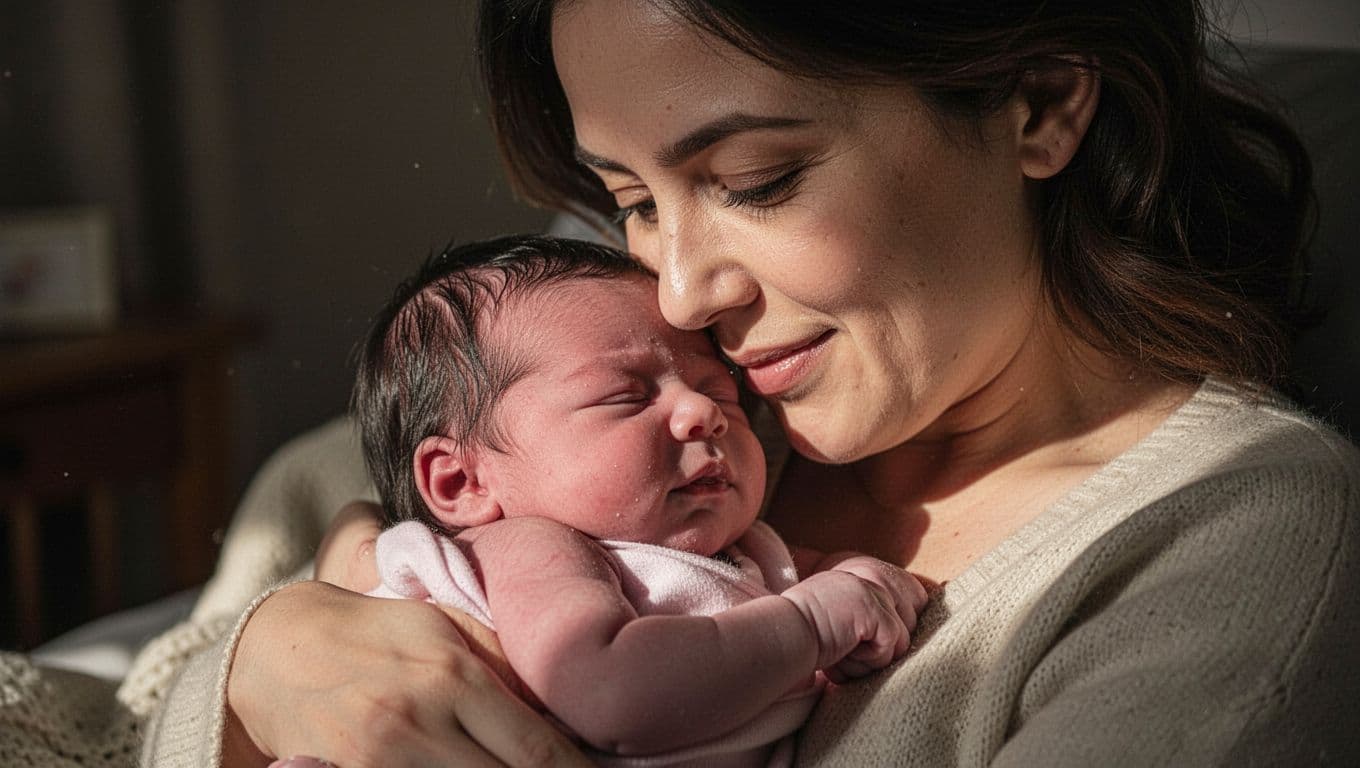
Skin-to-skin contact can be comforting, and it also helps many babies settle after a busy moment. For more ideas on gentle touch, baby massage guide for bonding can give you easy ways to add calm without making care feel complicated.
Watch changes without panicking
Newborn bodies change fast. You may notice a little swelling, peeling skin, watery eyes, or other temporary shifts that look bigger than they are. Many of these settle on their own as her body adjusts to life outside the womb.
A simple habit helps here, notice, pause, and look for the pattern. Is she feeding well? Does she seem settled after care? Are the changes easing over time? That kind of calm watching gives you useful clues without turning every detail into a worry.
Know when to check with a pediatrician
Some signs need a doctor’s guidance. If something looks severe, lasts too long, or just feels off, trust that instinct and ask.
Reach out if she has heavy bleeding, trouble feeding, a fever, a red or painful area, or a change that keeps getting worse. The same goes for breathing that seems strained or a baby who is hard to wake. Most newborn quirks pass, but peace of mind matters too, and a quick call can help you sort out what needs attention.
Conclusion
These baby girl facts are more than fun trivia. They show how much is already happening before birth, and how much change still unfolds in those first quiet weeks at home.
Once you understand what is normal, small surprises feel less scary. That knowledge helps you care for your daughter with more calm, more trust, and a sharper eye for what truly needs attention. If you want to keep building that confidence, guide to baby growth and development can help you see the bigger picture.
A baby girl carries beauty, change, and mystery right from the start. Those early days are full of tiny signs that life is already hard at work.
Save pin for later


- How to Tell if Your Baby Has an Ear Problem: Key Signs - September 20, 2026
- 15 Fun Learning Activities for Two-Year-Olds - September 20, 2026
- Easy Ways to Make Baby Sleep and Save Time - September 20, 2026