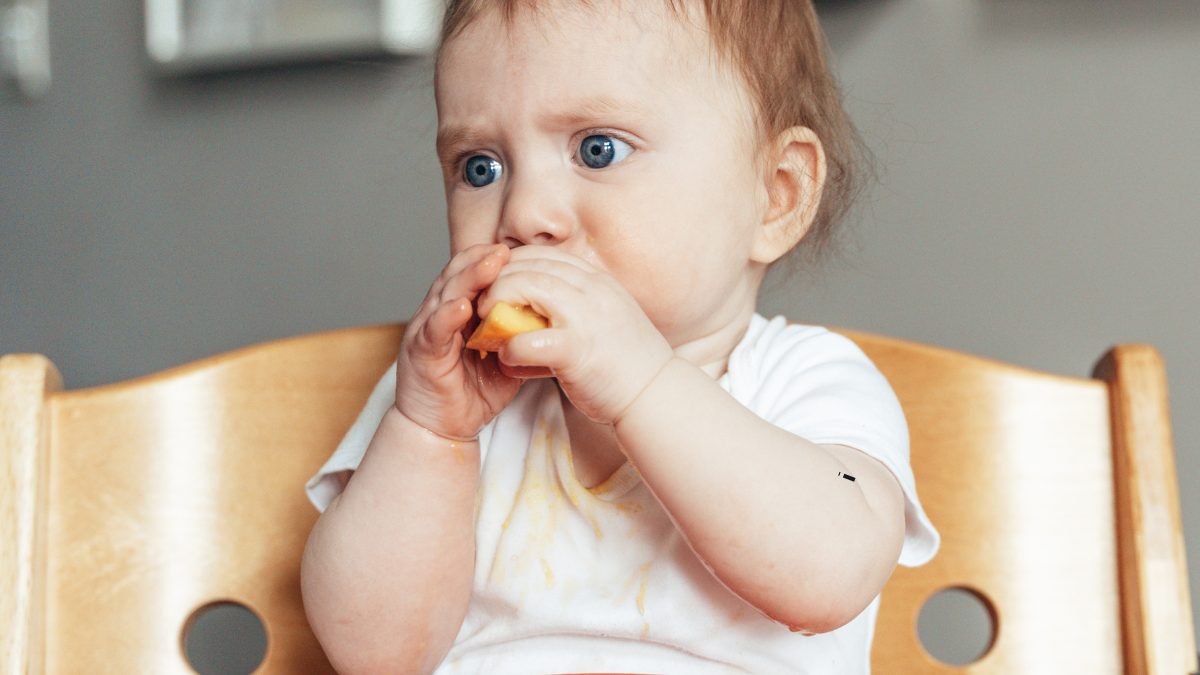
When your baby doesn’t feel well, the signs can be small, and that makes them easy to miss. A little less feeding, extra fussiness, unusual sleepiness, or a change in breathing can tell you a lot before your baby can tell you anything at all.
That’s why it helps to watch for baby sickness signs early, especially when the changes seem mild. Babies can go from “a little off” to needing care fast, so trust the little clues, like feeding patterns, wet diapers, body temperature, and how alert they seem.
This guide covers 8 common signs your baby may be getting sick, plus the warning signs that need a doctor’s call. If you’ve also noticed fewer wet diapers or dry lips, recognizing signs of baby dehydration can help you spot a problem early.
Most of the time, quick action and calm observation are enough to keep you one step ahead. Next, let’s look at the first signs that can tell you your baby needs extra attention.
How babies usually show they are getting sick
Babies do not always show illness the way older kids or adults do. Instead of saying they feel bad, they often shift in small ways first, like eating less, sleeping more, crying differently, or seeming harder to settle.
That is why patterns matter so much. One off day may not mean much, but a sudden change in behavior, feeding, diapers, or alertness can be the first clue that something is wrong. Babies also tend to show discomfort through mood before they show clear physical symptoms, so a fussy, sleepy, or unusually quiet baby deserves attention.

Why small changes matter so much in infants
A baby has very limited ways to communicate discomfort. Because of that, the earliest signs of illness often show up in daily routines, not in obvious symptoms. You may notice less interest in feeding, more fussiness, a different cry, fewer wet diapers, or sleep that feels off.
Those changes can seem tiny, but they are often the first red flags. A baby who suddenly drinks less, wakes more often, or seems harder to comfort may be telling you something before fever, cough, or congestion appear. If your baby is also showing signs like breathing trouble, warning signs of infant breathing trouble should get attention right away.
When a baby acts “not quite right,” the pattern matters more than any single symptom.
When a baby’s age changes what to watch for
Age makes a big difference. Newborns and babies under 3 months need extra caution because even a mild fever or feeding change can point to a serious problem. In this age group, it is smart to treat sudden changes in appetite, sleep, or energy as important.
Older babies often show illness in more familiar ways, like a runny nose, cough, or mild vomiting. Still, their behavior matters just as much. A baby who gets quieter, feeds poorly, or seems far more tired than usual may be sick even before the symptoms look like a classic cold. For younger babies, the CDC’s RSV guidance for infants also shows how early symptoms can start small and then change quickly.
If your baby is very young, trust the change, not just the symptom.
The 8 signs your baby is getting sick
Babies rarely come out and show you exactly what’s wrong. Instead, sickness often starts with small changes in how they eat, sleep, cry, or breathe. Those little shifts can look harmless at first, but they can also be the first clue that your baby needs attention.
The signs below can happen with a simple cold, a stomach bug, or something more serious. What matters most is the pattern. If your baby seems off in more than one way, or the symptoms are getting worse, pay close attention.
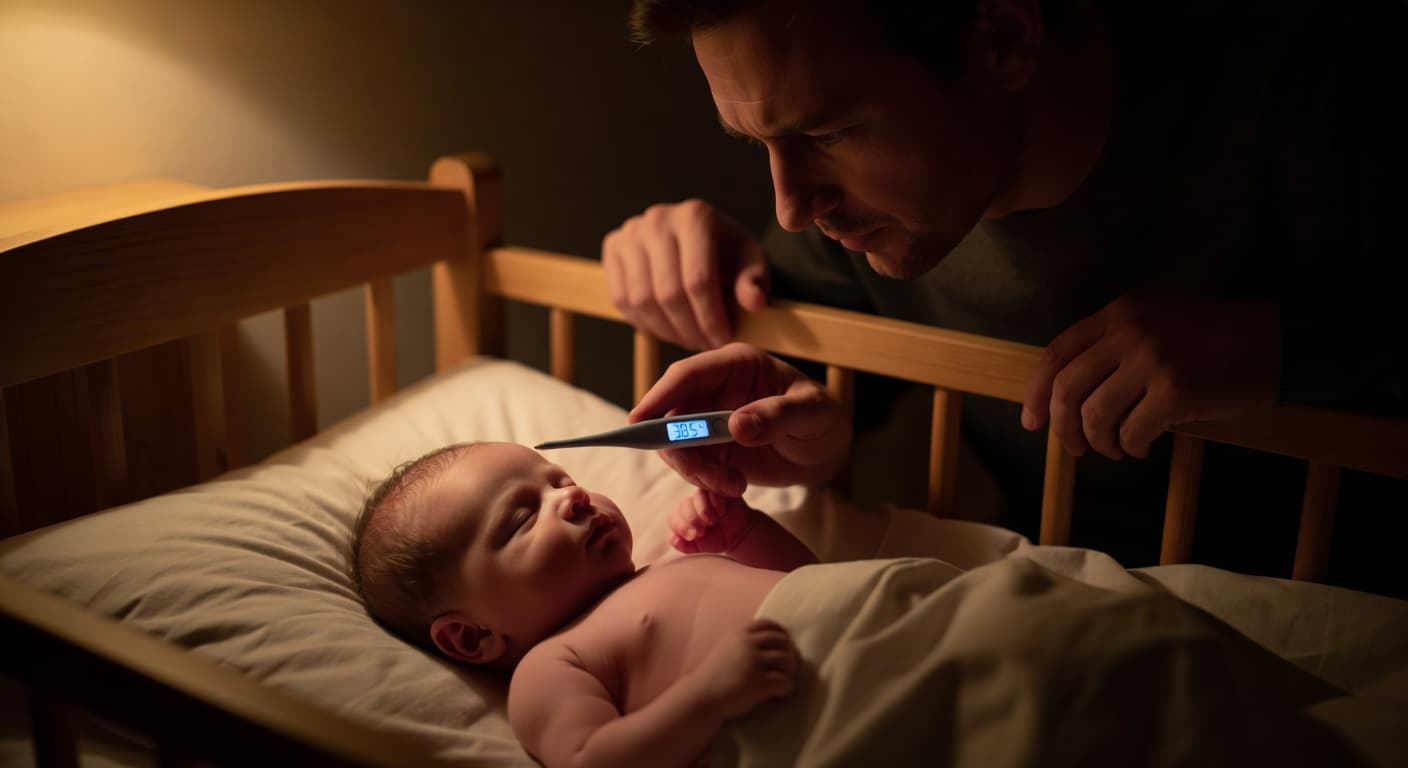
A fever or body feels hotter than usual
A fever can be one of the first clear signs that your baby is fighting an infection. Sometimes, you may also notice that your baby feels warm, looks flushed, or seems more uncomfortable than normal. That change in body temperature matters, especially in young infants.
For babies under 3 months, any fever needs a doctor call right away. That age group is different because even a small fever can point to a more serious illness. For older babies, a fever still deserves attention if it lasts, keeps climbing, or comes with feeding trouble, breathing changes, or unusual sleepiness. The Mayo Clinic notes that fever in young babies should never be ignored.
If your baby feels hotter than usual, check the temperature with a reliable thermometer. Then watch the full picture, not just the number.
Runny nose, stuffy nose, or coughing that seems new
A new runny nose, stuffy nose, sneezing, or cough can point to the start of a cold. Mild congestion is common, and many babies get a little stuffy before other symptoms show up. Even so, it can still affect how well they eat and sleep.
A baby with a blocked nose may pull away from the breast or bottle because breathing and feeding at the same time gets harder. Sleep can also get choppy, which makes an already fussy baby even more upset. That is why a simple cold can snowball fast in infants.
Call the doctor if the cough gets worse, the congestion makes feeding difficult, or breathing starts to look harder than usual. A little sniffle is one thing. Breathing that looks strained is different.
Feeding less, refusing the bottle, or nursing poorly
When babies get sick, feeding often changes early. Some babies pull away from the breast or bottle. Others start nursing poorly, fall asleep mid-feeding, or take much less milk than usual.
That drop in appetite can happen before more obvious symptoms appear. It can also lead to dehydration if your baby is not taking in enough fluids. If your baby suddenly skips feeds, feeds for much shorter stretches, or acts too weak to eat well, take it seriously.
Watch for patterns like these:
- Taking only a few sips or short feeds
- Turning away after starting to eat
- Falling asleep before finishing
- Crying or fussing during feeds
A baby who refuses multiple feeds in a row needs a doctor call. Feeding is one of the best windows into how a baby feels.
More crying, fussiness, or a cry that sounds different
Sick babies often cry more, settle less easily, or seem crankier than usual. Sometimes the cry changes too. It may sound weaker, sharper, higher-pitched, or nonstop. Parents usually notice this right away, even if they cannot explain it.
A cry that sounds “off” can matter just as much as the number of tears. Some babies cry because they are uncomfortable from fever, gas, congestion, or pain. Others cry in a way that feels more urgent, as if something is wrong beneath the surface.
If you need help telling the difference between normal fussiness and a cry that may point to sickness, recognizing when newborn crying signals illness can help. Trust your read on your baby. You know their usual cry better than anyone.
Sleeping more than usual or seeming very hard to wake
A sick baby may sleep more than normal, especially if the body is using energy to fight an illness. That can look like extra naps, longer stretches of sleep, or less interest in playing. By itself, more sleep does not always mean something is wrong.
The warning sign is lethargy. If your baby feels floppy, barely responds, or is hard to wake, that is not just a sleepy day. A baby who seems weak or unusually unresponsive needs prompt medical attention.
Look for the difference between a baby who is resting and a baby who is hard to rouse. A sleepy baby may wake, look around, and feed. A concerningly sleepy baby may barely react, then drift right back down.
Fewer wet diapers or signs of dehydration
Dehydration can show up fast when a baby is sick and not feeding well. One of the first clues is fewer wet diapers. You may also notice a dry mouth, no tears when crying, or a soft spot on the head that looks sunken.
These signs matter because babies lose fluids quickly. If your baby is taking in less milk, vomiting, or has diarrhea on top of that, the risk goes up. A dry diaper here and there is not the same thing as a clear drop in output over time.
Pay attention if your baby has:
- Fewer wet diapers than usual
- A dry mouth or dry lips
- Tears that are missing or very low
- A soft spot that looks sunken
If you are already tracking hydration, these baby dehydration signs can help you spot trouble sooner.
Vomiting, diarrhea, or a big change in poop
A stomach bug can hit babies hard. Vomiting, diarrhea, or a sudden change in poop color, texture, or frequency can all point to illness. Spit-up is common in babies, but repeated vomiting is different. It is usually more forceful, happens more than once, and may come with clear discomfort.
Diarrhea is another red flag, especially if your baby is also feeding poorly. Loose stools plus low intake can lead to dehydration quickly. Even if the cause is a simple virus, your baby may need closer watching.
Call the doctor if vomiting keeps happening, if diarrhea is frequent, or if your baby cannot keep feeds down. A belly bug can pass, but babies should not have to power through poor hydration.
Trouble breathing, color changes, or a rash that looks unusual
This is the most urgent group of signs. Fast breathing, grunting, flared nostrils, or the skin pulling in around the ribs all suggest your baby is working too hard to breathe. Blue lips, a blue face, pale skin, or gray skin are even more serious.
Rashes can also matter, especially if they look red, warm, blotchy, strange, or spread quickly. Some rashes need a prompt look from a doctor, especially when they come with fever or other sick signs.
If you notice any of these symptoms, seek medical attention right away:
- Breathing that looks fast or strained
- Grunting or nostril flaring
- Blue lips, pale skin, or gray skin
- A rash that looks unusual or spreads fast
Breathing trouble, color changes, and an odd-looking rash are not signs to watch overnight, they need prompt care.
When in doubt, trust the change. A baby who looks, sounds, or feeds differently than usual is telling you something, and it is always better to listen early.
What to do when you notice these baby sickness signs
Once you spot a change, stay calm and act in steps. Most mild illnesses start small, and a clear plan helps you avoid second-guessing every symptom. Watch closely, write things down, and use your baby’s age and symptoms to decide how fast to move.
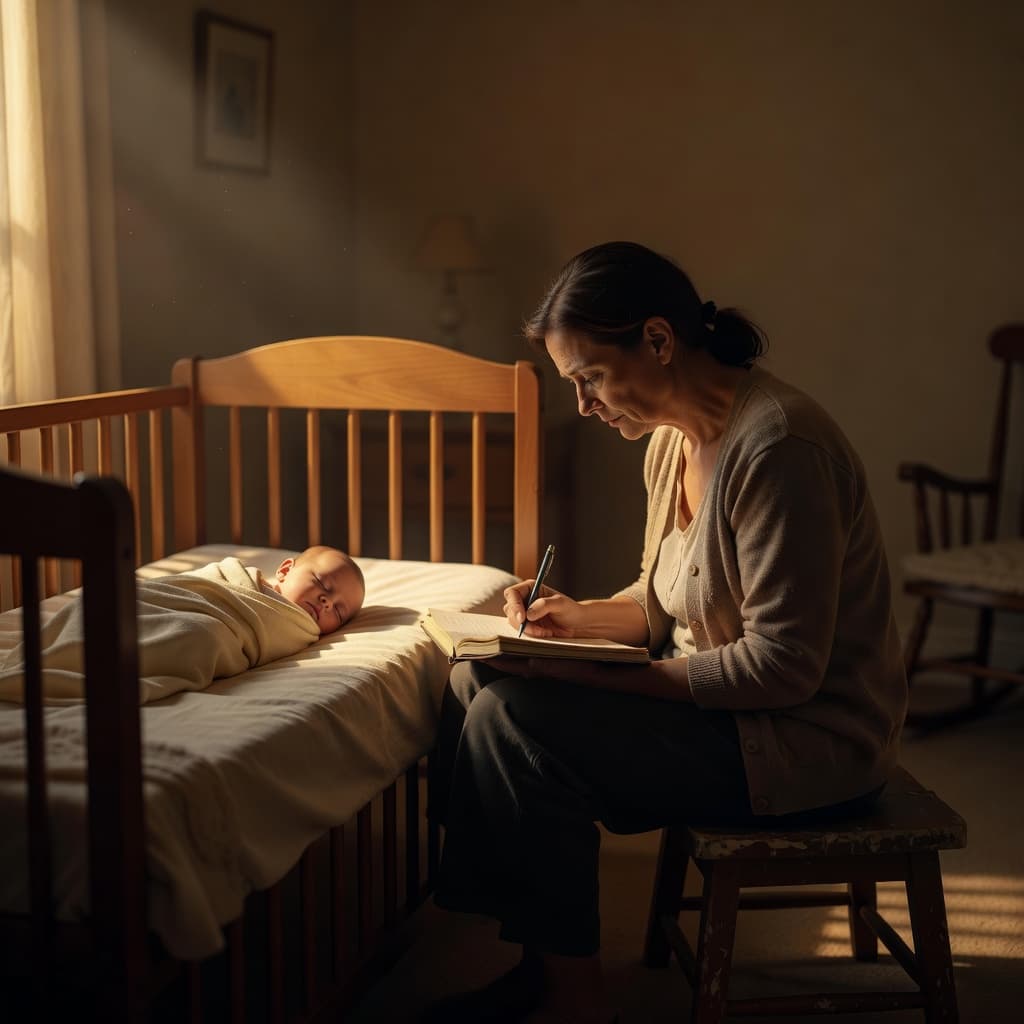
Watch symptoms closely and write them down
Start with a simple log. Write down your baby’s temperature, how much they eat, how often they pee, any vomiting or diarrhea, and when each symptom began. Also note sleep changes, fussiness, coughs, congestion, and anything that seems different from your baby’s normal pattern.
A few short notes can reveal a lot. For example, a baby who feeds less in the morning, skips a diaper, then gets sleepier by evening is giving you a timeline, not just a random bad day. If you also notice bowel changes, healthy baby digestion signs can help you compare what is normal and what is not.
This record also helps your doctor act faster. Instead of trying to remember everything in the moment, you can share clear details like, “temperature started last night” or “wet diapers dropped after the last feeding.” That kind of information makes the next step easier.
Use your baby’s age to decide how fast to call
Age changes the urgency. Newborns and babies under 3 months need medical advice faster because their bodies can change quickly, even when symptoms look mild. A fever, poor feeding, or unusual sleepiness in this age group should never sit on the back burner.
Older babies can sometimes be watched a little longer if the symptoms are mild and getting better. A stuffy nose, a small temperature, or a brief drop in appetite may improve with rest and fluids. Still, if symptoms last, worsen, or affect breathing and feeding, call the pediatrician.
The Mayo Clinic guidance on sick babies and HealthyChildren’s fever advice both stress that younger babies need faster attention. When in doubt, age should push you toward calling sooner, not later.
Get medical help right away for emergency warning signs
Some symptoms need immediate care. Do not wait to see if they improve overnight or after the next feeding. Call emergency services or go to the ER if your baby has trouble breathing, blue lips, a seizure, or is very hard to wake.
Get help right away if you notice any of these signs:
- Breathing that looks fast, strained, or includes grunting
- Blue, gray, or very pale lips or skin
- A baby who is floppy, unresponsive, or very hard to wake
- Bright green vomit
- A fever in a baby under 3 months
- A rash that does not fade when pressed
- No wet diapers for several hours, especially with weak feeding
If your baby looks seriously unwell, trust that first instinct and act on it.
After that, call your pediatrician even if you are unsure. It is always better to ask early than to wait for a small problem to become a bigger one.
How to comfort a baby who may be coming down with something
When your baby seems off, comfort care can make the day easier while you watch for changes. Keep things simple, stay close, and focus on the basics, because a sick baby often needs less stimulation and more steady support.

Keep feeds gentle and frequent
If your baby is congested or less interested in eating, try shorter feeds more often. A stuffy nose can make a full feeding feel like hard work, so a few smaller sessions may go better than one long one.
Let your baby set the pace. Pause when they need to breathe, burp, or settle, then offer more if they seem willing. For breastfed babies, more frequent nursing is often easier during illness, and for bottle-fed babies, a slower pace can help them stay comfortable.
Watch wet diapers as you go. If feedings keep dropping off or diapers get fewer, call the doctor. When sick babies have trouble feeding, Children’s Healthcare of Atlanta also recommends fluids and rest as basic home care.
Help with congestion and comfort
A blocked nose can make a baby miserable fast. Saline drops before feeds can loosen mucus, and a gentle suction afterward may help your baby breathe and eat more easily. A cool-mist humidifier can also add moisture to the room, which may ease dry air and congestion.
Keep safety in mind with every remedy. Babies should not get over-the-counter cold medicines, and steam treatments are not safe for infants. Also, avoid pillows, wedges, or anything loose in the crib.
A few small comfort steps can go a long way:
- Hold your baby upright for a little while after feeds
- Use soft, calm voices and low light
- Dress your baby in light layers
- Offer extra cuddles and rest
The NHS also advises keeping a sick child comfortable with fluids, quiet, and a room that feels airy without being too cold. Comfort care helps your baby feel better, but it does not replace calling the doctor when symptoms worsen or feeding drops off.
Conclusion
A baby does not need to look obviously sick before something is wrong. Small changes in fever, breathing, feeding, wet diapers, or sleep can tell you a lot before the symptoms get bigger.
The main thing to watch is the pattern. If your baby is feeding poorly, breathing harder than usual, showing signs of dehydration, or acting unusually sleepy, trust that change and pay close attention. A fever, especially in a young infant, also needs fast action.
You do not need to panic over every sniffle or fussy moment. You do need to trust your instincts and notice when your baby is not acting like themself.
Early action can help your baby get care faster, and that can make all the difference.
Save the pin for later

- How to Stop Using a Pacifier: Benefits and Weaning Tips - September 20, 2026
- 20 Mountain Baby Names for Boys and Girls With Meaning - September 20, 2026
- 20 Tough Boy Names and Their Meanings - September 20, 2026