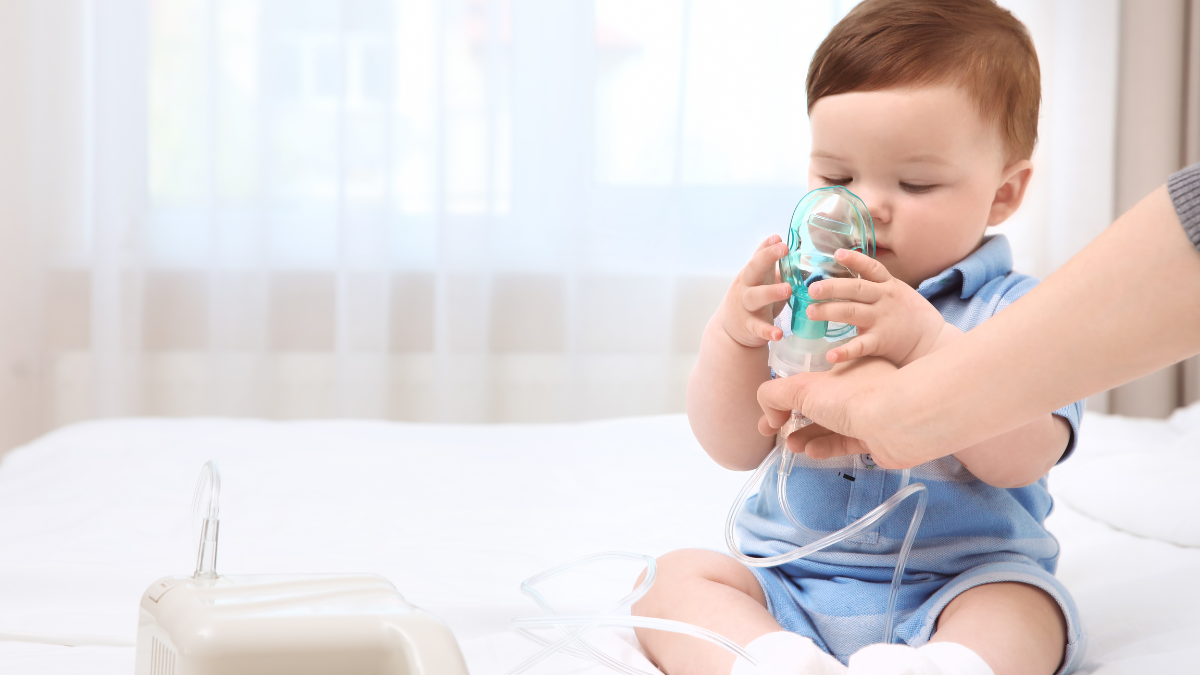


Breathing problems in babies can worsen quickly, so trust your instincts if your baby suddenly looks or sounds different. Brief pauses, uneven breaths, and occasional noisy breathing can be normal in newborns, but blue or gray lips or skin, severe breathing effort, long pauses, or a baby who’s difficult to wake require immediate emergency help. Call 911 or your local emergency number instead of waiting to see whether these signs improve.
This guide is educational and doesn’t replace emergency medical care. It explains 10 warning signs, including fast breathing, grunting, flaring nostrils, chest pulling in, head bobbing, unusual pauses, and changes in crying or alertness. You can also review these signs your baby is struggling to breathe so you know what to watch for. Next, we’ll separate normal newborn breathing patterns from signs that need urgent attention.
For a visual example of infant distress sounds, see Infant Distress Warning Signs.
10 Signs Your Baby Can’t Breathe Properly
“Breathing properly” is the medically accurate phrase, but parents often search for signs that a baby “can’t breathe.” The key is to notice changes in breathing rate, effort, color, feeding, and alertness.

Fast breathing and breathing pauses that last too long
1. Persistent fast breathing can mean your baby is working harder to get enough air. Count breaths when your baby is calm, not crying or feeding, by watching the chest or belly rise and fall for a full 60 seconds. More than 60 breaths per minute is concerning, especially when the rate stays high.
2. Unusually long pauses are another warning sign. Newborns can have brief pauses of a few seconds and short bursts of faster breathing, called periodic breathing, when they otherwise look comfortable and pink. Breathing should not stop for longer than about 10 seconds. A longer pause, or any pause with blue color, limpness, gasping, or difficulty waking, needs emergency help. Don’t delay calling 911 while counting if your baby appears distressed.
Nostrils widening and grunting with each breath
3. Nasal flaring happens when a baby’s nostrils widen with each breath. This movement helps pull more air into the lungs, but it also shows that breathing requires extra effort.
4. Repeated grunting may sound like a soft, strained noise at the end of every exhale. Your baby may be trying to keep the small air sacs in the lungs open. An occasional sound can occur after crying, but persistent grunting is different. Seek urgent care if it continues or appears with rapid breathing, color change, poor feeding, or chest pulling. The Children’s Hospital of Philadelphia explains grunting and other respiratory distress signs in more detail.
The skin pulling in around the ribs or neck
5. Chest retractions occur when the skin sucks inward as your baby breathes. Look between the ribs, beneath the rib cage, above the breastbone, or at the base of the neck. These indentations show that your baby is using extra muscles to move air.
Normal newborn breathing can make the belly rise and fall gently. Retractions look different because the skin visibly pulls inward with each breath. Check briefly while your baby is calm rather than crying, but don’t repeatedly inspect your baby or delay medical care. Retractions need prompt assessment, especially when paired with flaring, grunting, fast breathing, or a change in color.
Blue, gray, pale, or unusual color around the lips
6. Blue or gray coloring on the lips, tongue, gums, face, or skin can mean that your baby isn’t getting enough oxygen or has poor circulation. This is an emergency when it doesn’t quickly resolve or occurs with breathing difficulty. The NHS overview of newborn respiratory distress also lists rapid breathing, flared nostrils, and grunting as related warning signs.
Mild bluish hands and feet can sometimes occur in newborns, especially when they’re cold. Blue lips or tongue are more serious. If you’re unsure whether the color is normal, seek immediate help. Call 911 rather than driving if your baby is struggling to breathe or turning blue or gray.
Poor feeding, choking, sleepiness, or a floppy body
7. Being too breathless to feed may appear as stopping repeatedly, taking only a few sucks, or becoming exhausted during a bottle or breastfeed. Babies must coordinate sucking, swallowing, and breathing, so respiratory distress can quickly interfere with feeding.
8. Coughing or choking during feeds can signal that your baby cannot coordinate breathing and swallowing. Repeated episodes deserve urgent medical advice, particularly when they occur with fast or noisy breathing.
9. Unusual sleepiness or difficulty waking is concerning when your baby doesn’t respond as usual, cannot stay awake to feed, or seems far less alert. 10. Weakness or floppiness is an emergency sign. A weak or unusual cry may also indicate that your baby lacks the energy to breathe or respond normally.
Call 911 immediately if your baby is floppy, difficult to wake, having a seizure, or unable to feed because of breathing trouble. You can also review these urgent symptoms in newborns so you know when breathing changes require immediate action.
What Normal Newborn Breathing Looks Like, and What Is Not Normal
Newborn breathing can look uneven without being dangerous. Your baby’s rate may speed up, slow down, or pause briefly, then return to a steady pattern. The most useful clues are your baby’s color, breathing effort, alertness, and feeding, not one unusual breath.

Normal newborn breathing patterns
When calm, babies under one year often breathe about 25 to 45 times per minute. Newborn references may give a broader normal range, often around 30 to 60 breaths per minute, because breathing changes during sleep, crying, feeding, and movement. Premature babies may breathe faster, so their usual pattern matters too.
Many newborns have periodic breathing. This means your baby takes several regular breaths, pauses for a few seconds, and then takes a short burst of faster breaths. Brief pauses lasting less than about 10 seconds can be normal when your baby stays pink, comfortable, and responsive. The pattern often becomes more regular by around 6 weeks.
Gentle belly movement is also expected. Babies rely heavily on their diaphragms, so their belly may rise and fall more than their chest. Occasional sighs, snorts, or brief noisy breaths can happen, especially during sleep. For more context, see this guide to normal newborn breathing sounds.
Signs breathing is not normal
Check your baby’s breathing when they’re calm and settled. Watch the chest and belly for a full 60 seconds, rather than counting for 15 seconds and multiplying. Crying can temporarily make breathing much faster, so wait a few minutes if your baby is upset, unless they already appear distressed.
Persistent breathing above 60 breaths per minute is concerning, especially when it continues after your baby settles. A pause longer than about 10 seconds also needs medical attention, particularly if your baby gasps, changes color, becomes limp, or is difficult to wake.
Look for effort as well as speed. Repeated grunting, nostrils widening with every breath, or skin pulling inward between the ribs can indicate respiratory distress. Blue, gray, or unusually pale lips and tongue require emergency help.
Fever, congestion, coughing, and bronchiolitis can make breathing harder. Prematurity, heart conditions, and lung conditions also increase the need for prompt medical advice. If your baby is breathing poorly, feeding less, or responding differently, contact a healthcare professional without waiting for the pattern to worsen. You can also review breathing problems during a newborn cold for related warning signs.
What to Do if Your Baby Is Struggling to Breathe
Act quickly when your baby’s breathing changes. Call 911 or your local emergency number immediately for blue or gray lips, tongue, or face; severe chest pulling; repeated breathing pauses; gasping; a floppy body; difficulty waking; or breathing so hard that your baby can’t feed. Keep your baby with you, place the phone on speaker, and follow the dispatcher’s instructions.

If your baby is breathing normally but still seems unwell
A baby who is pink, alert, feeding normally, and breathing comfortably may not need an ambulance, but illness can change quickly. Contact your pediatrician, urgent care, or a local medical advice line the same day if your baby has a fever, worsening cough, increasing congestion, vomiting, fewer wet diapers, or a sudden change in behavior.
Congestion can make sucking and breathing harder, especially during breast or bottle feeds. Offer medical advice if your baby starts taking much less than usual, needs frequent breaks, or becomes tired during feeds. You can also review these feeding problems caused by congestion and signs of dehydration in babies for related warning signs.
If unusual breathing happens only sometimes, record a short video for the clinician, but only when doing so doesn’t delay care. Write down when the symptoms began, your baby’s temperature, breathing rate, feeding amounts, wet diapers, and any changes in alertness. These details help a clinician see whether the problem is improving, staying the same, or getting worse.
If your baby is not breathing normally
A baby who isn’t breathing, only gasps, or breathes infrequently and irregularly needs emergency help immediately. Call 911, put your phone on speaker, and follow the dispatcher’s infant CPR instructions. Don’t drive yourself if your baby is severely distressed, because emergency responders can begin care while traveling to you.
If you suspect choking, remove an object only when you can clearly see it and easily remove it. Never sweep a finger blindly through your baby’s mouth, since you could push the object farther inside. The American Red Cross baby CPR guidance can help you learn these skills before an emergency, but during an active crisis, follow the dispatcher rather than trying to remember every step.
Don’t give unapproved cough or cold medicines, use smoke or essential oils, or prop your baby into an unsafe sleep position. Keep your baby on a firm, flat sleep surface, and seek immediate help if breathing becomes difficult.
Why Breathing Trouble Happens and How Doctors Assess It
Breathing trouble in a baby can have several causes, and the same warning sign may occur with different conditions. Prompt assessment helps clinicians identify the problem before breathing effort, oxygen levels, or hydration worsen.

Common causes of breathing difficulty
Viral infections are common causes. Bronchiolitis can swell and clog the small airways, while pneumonia may inflame the lungs and cause fever, coughing, fast breathing, or poor feeding. Croup can narrow the upper airway and create a harsh, barking cough or noisy inhalation. A guide to croup, bronchiolitis, and pneumonia symptoms can help you recognize related illness patterns.
Other possibilities include allergies, severe congestion, or choking on milk, mucus, or a foreign object. Premature babies may have immature lungs, and some newborns develop temporary breathing problems soon after birth. Heart conditions and chronic lung conditions can also affect how well a baby moves oxygen through the body.
These causes can look similar at home, so symptoms alone can’t confirm what is happening. A baby with new or worsening breathing difficulty needs medical assessment rather than a guessed diagnosis.
What clinicians check
A clinician first watches your baby’s breathing. They assess the rate, rhythm, depth, and effort, looking for grunting, nasal flaring, chest retractions, head bobbing, pauses, wheezing, or stridor. The NIH review of newborn respiratory distress describes these visible signs as important parts of the initial assessment.
Next, a pulse oximeter checks oxygen saturation. The clinician also measures heart rate and temperature, listens to the lungs, and checks skin, lips, and tongue for blue, gray, or unusually pale coloring. Feeding and hydration matter too, so they may ask how much your baby has taken and how many wet diapers occurred.
Depending on the findings and suspected cause, treatment may include gentle suctioning, oxygen, fluids, or medicine. Some babies need hospital monitoring because their breathing can change quickly, especially when they are premature, very young, dehydrated, or already have a heart or lung condition. Prompt evaluation gives the care team time to support breathing before exhaustion develops.
Conclusion
Briefly irregular breathing can be normal in newborns, especially when your baby remains pink, alert, comfortable, and able to feed. However, ongoing breathing effort is not normal. Persistent fast breathing, long pauses, grunting, nasal flaring, or chest retractions need prompt medical attention.
Blue or gray lips, tongue, or skin are emergency signs, as are feeding trouble, unusual sleepiness, difficulty waking, or a floppy body. If your baby shows severe breathing difficulty, changes color, or cannot stay awake, call emergency services immediately. For more guidance, review these newborn breathing trouble and SIDS warning signs.
When symptoms are less severe but still worry you, contact your pediatrician or a medical advice line without delay. You don’t need to be certain that something is wrong before asking for help. Trust your instincts, because getting medical advice early is always appropriate when your baby’s breathing or behavior suddenly changes.
save pin for later

- 10 Reasons Babies Cry While Pooping and When to Worry - September 20, 2026
- 10 Signs Your Baby Can’t Breathe Properly - September 20, 2026
- 8 Important Steps to Bathe a Baby Safely - September 20, 2026