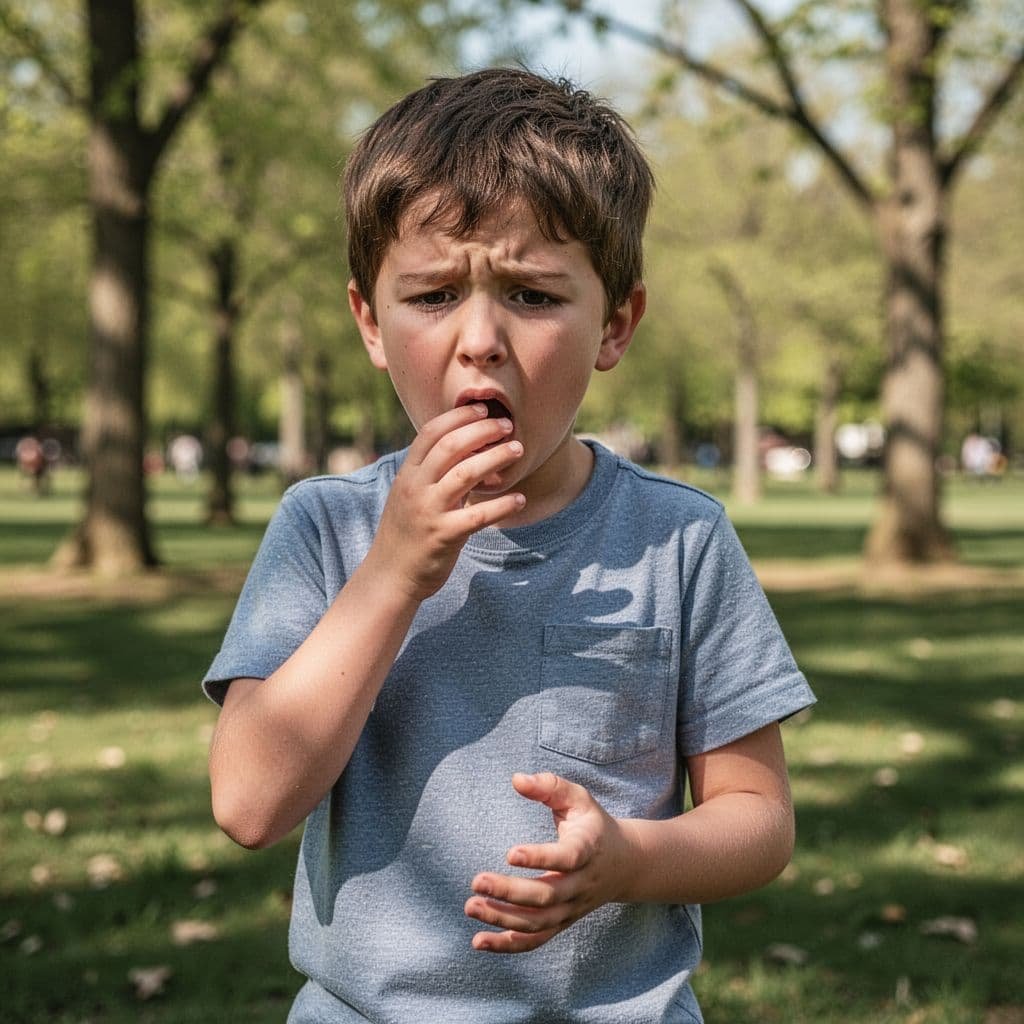
A dry cough in children can sound harsh, tickly, and stubborn, and it often keeps parents awake long after bedtime. It usually means the throat or airways are irritated, but that irritation can come from many things, including a cold, allergies, asthma, reflux, or even smoke and dust.
Most dry coughs clear with time, but the cause matters, because the right care depends on what is driving the cough. A child with a fever, runny nose, or tiredness may be fighting a virus, while wheezing, night coughing, or trouble breathing can point to something more serious, especially if symptoms keep coming back like the common causes of nighttime coughs in children.
If you’re trying to figure out what helps, what to avoid, and when a doctor should take a closer look, you’re in the right place. The sections ahead break down the main causes, warning signs, treatment options, prevention tips, and the moments when a cough needs medical attention.
What a dry cough in children usually sounds like
A dry cough can sound rough, sharp, and a little empty. It often comes in quick bursts, and it may sound more like a bark, a hack, or a scratchy throat-clearing than a cough that brings anything up.
Parents often notice it most at night or after a child has been running around. That is because irritation in the throat or airways can seem louder when everything else is quiet. A dry cough can also feel stubborn, as if it keeps coming back before the child gets a chance to settle.

Dry cough vs. chesty cough
A dry cough does not bring up mucus. It usually sounds harsh, tickly, or hacking, and the child may keep coughing without coughing anything into a tissue or spit cup.
A chesty cough sounds wetter. You may hear mucus rattling in the chest, and the cough may sound deeper or more phlegmy. In simple terms, a dry cough feels like an irritated throat, while a chesty cough often sounds like the body is trying to clear mucus.
For a parent, the difference often shows up in the sound and feel of the cough:
- Dry cough: scratchy, barking, tickly, little or no mucus
- Chesty cough: wet-sounding, deeper, mucus may come up
That difference can offer clues, but it does not replace medical advice. A cough can change fast, and the cause may not be obvious at home. For more on how kids’ coughs are described in clinics, Children’s Hospital Colorado breaks down common cough types.
Common signs that travel with the cough
A dry cough often shows up with other symptoms, and those extra signs can help you narrow down what is going on. A child with a virus may have a runny nose, sore throat, mild fever, sneezing, and tiredness. Allergies can bring more sneezing, a stuffy nose, and irritation that lingers.
Watch for these common add-ons:
- Runny nose or stuffy nose
- Sore throat
- Fever
- Fatigue
- Sneezing
- Wheezing
- Shortness of breath
Wheezing or breathing trouble needs close attention, especially if the cough keeps getting worse.
A dry cough plus wheezing, for example, can point to asthma or airway irritation. A cough with fever and fatigue may fit a viral illness. Smoke, dust, and dry indoor air can also make the throat feel raw and keep the cough going.
If you want a broader warning sign to keep in mind, these signs that your child needs a doctor can help you spot when a cough is part of something more serious.
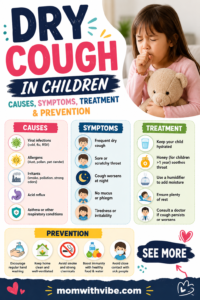
The most common causes of dry cough in children
A dry cough in children is a symptom, not a diagnosis. That matters, because the same scratchy cough can come from a simple virus, allergies, asthma, or something in the air that is irritating the throat.
The good news is that many dry coughs are common and short-lived. A cough that lingers after the worst of a cold has passed can still be normal, especially when the airways need time to calm down.
Viral infections like colds, flu, and COVID-19
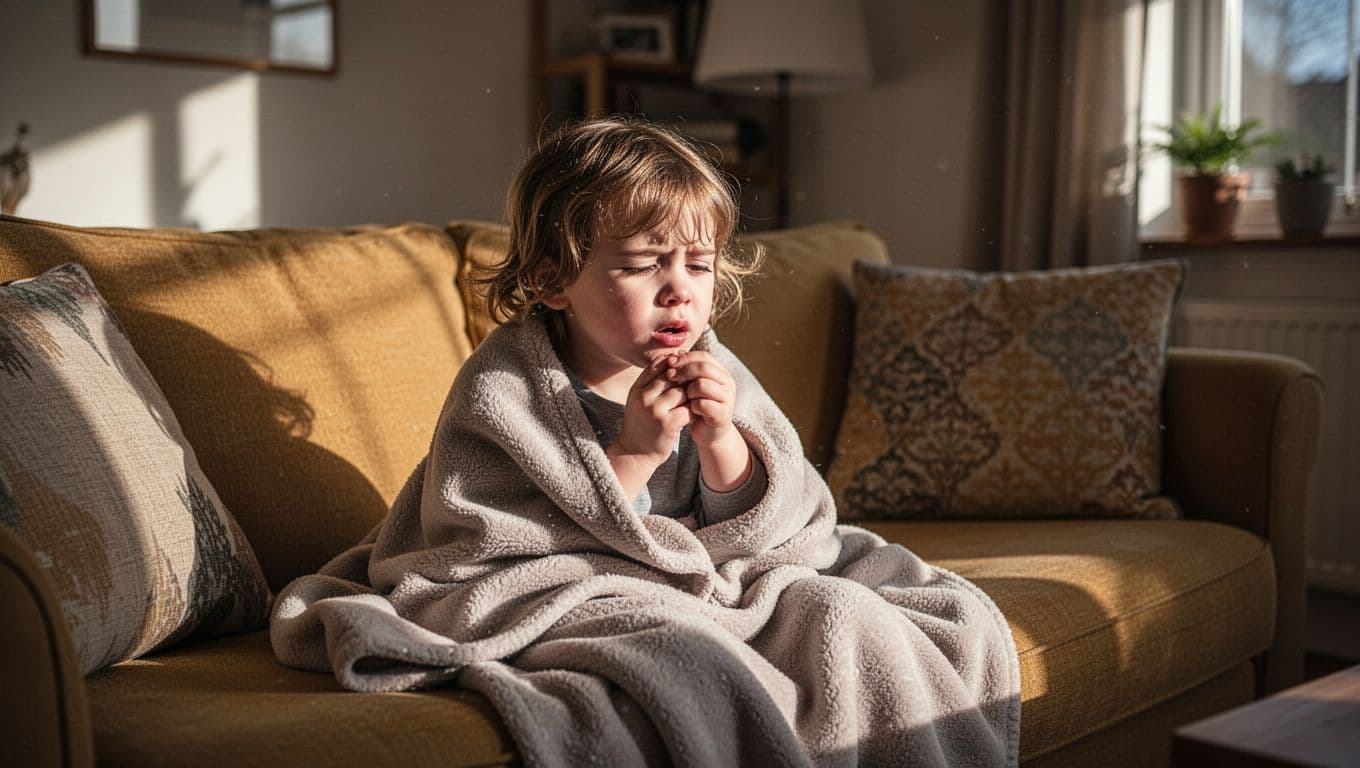
Viral infections are one of the most common reasons children get a dry cough. A cold, the flu, or COVID-19 can irritate the throat and airways, and that irritation often keeps the cough going even after the runny nose or fever starts to fade.
That lingering cough can sound stubborn. A child may seem mostly better, then keep coughing for days or even a couple of weeks as the airways heal. If the cough came after a stuffy nose or sore throat, a virus is often the first place to look.
Parents sometimes worry when the cough lasts longer than the sniffles. Still, that does not always mean something serious is happening. A dry cough can hang around like an echo after the infection has moved on.
Allergies and postnasal drip
Pollen, dust, mold, and pet dander can all trigger a dry cough in children. These triggers can irritate the nose, throat, and airways, which may lead to coughing without much mucus at all.
Allergies often bring other clues with them. You may see sneezing, itchy eyes, a stuffy nose, or a child who keeps rubbing their face. The cough may get worse when they are around the trigger, such as in a dusty bedroom or during high-pollen days.
A child can have a throat-irritating allergy cough without sounding “chesty” or mucus-heavy.
Postnasal drip can add to the problem. When mucus slides down the back of the throat, it can make a child cough even if the cough itself stays dry. For children who seem to cough more in certain seasons or rooms, allergy symptoms and triggers are worth paying attention to.
Asthma and airway sensitivity
Asthma can show up as a dry cough, sometimes even without obvious wheezing. In some children, the cough is the main clue, and it may be easy to miss at first.
The cough often gets worse at night, during exercise, or in cold air. A child may run, laugh, or sleep fine for a while, then start coughing hard when their airways tighten. That pattern can feel confusing, because the child may otherwise seem well.
A doctor should confirm asthma. If the cough keeps returning, or if it appears with shortness of breath, chest tightness, or frequent night waking, it needs a medical check. A parent can notice the pattern, but only a clinician can sort out whether asthma is behind it.
Irritants in the air and dry indoor air
Smoke, pollution, fumes, strong odors, and dry air can scratch a child’s throat and airways. Secondhand smoke is a major trigger, and even brief exposure can set off a cough that lasts longer than the smell itself.
Everyday home settings matter here. A child may cough after someone smokes nearby, after cleaning with strong sprays, or after breathing dry heated air all night. Even a room that feels warm and cozy can dry out the throat enough to keep the cough going.
Small changes can help:
- Keep the home smoke-free, including cars and entryways.
- Open windows or improve airflow when safe and practical.
- Use gentle, unscented cleaners when possible.
- Run a cool-mist humidifier if indoor air is dry, and clean it often.
For a child with a cough that flares in a bedroom or living room, the air around them may be part of the problem. A simple change in the room can sometimes make a bigger difference than expected.
Other illnesses that can start with a dry cough
Some infections begin with a dry cough before they turn into something more obvious. Croup, bronchiolitis, pneumonia, and whooping cough can all start this way, and the cough may become more severe or sound unusual as the illness progresses.
That is why a lingering or intense cough should not be brushed aside too quickly. If the cough is getting worse, waking your child often, or coming with fever, breathing trouble, or unusual tiredness, it deserves attention.
A dry cough can be the first warning light on the dashboard. Most of the time, it points to something common, but when it stays loud, harsh, or persistent, it should be checked. A closer look now can save a lot of worry later.
Symptoms that help you tell when the cough needs attention
A dry cough can sound harmless at first, but the rest of the symptom picture tells the real story. A child who is still playing, drinking, and breathing normally often needs time, rest, and watchful care. A child who looks unwell, breathes hard, or keeps getting worse needs a doctor’s attention.
Pay close attention to the pattern around the cough. The small clues, like a runny nose or tiredness, often point to a simple viral illness. The bigger clues, like chest pain or trouble breathing, call for faster action.
Mild symptoms that often go with a simple illness
A dry cough that comes with a runny nose, sneezing, sore throat, low fever, or tiredness often fits a common viral illness. These symptoms can make a child sound miserable, but they usually improve with time, fluids, and rest.
The cough may linger after the worst part has passed. That can feel frustrating, yet it often happens because the throat and airways stay irritated for a while. If your child is eating, sleeping fairly well, and breathing without strain, home care is often enough for the moment.
A simple cold can move through a child like a passing storm. It may leave behind sniffles, a scratchy throat, and a dry cough that fades slowly. If the fever stays low and the child still has energy between coughing spells, that is usually more reassuring.
For basic guidance on what a typical cough can look like, Mayo Clinic’s cough warning signs give a helpful reference point.
Warning signs that should not be ignored
Some symptoms mean the cough needs prompt medical care, not more waiting. Trouble breathing, wheezing, chest pain, a high fever, bluish lips, dehydration, extreme sleepiness, or a cough that keeps getting worse all deserve attention.
These signs can show that the body is working too hard. Watch for fast breathing, ribs pulling in with each breath, or nostrils flaring. Also take note if your child can barely talk, eat, or sleep because of the cough.
A few symptoms need urgent help right away:
- Blue, gray, or pale lips or face
- Severe breathing trouble
- Fainting or passing out
- Not drinking well or fewer wet diapers
- Very hard to wake or unusually weak
- Coughing fits that end in vomiting
When breathing changes, the cough is no longer the main issue. The whole body may need help.
If you want a quick overview of serious cough symptoms in children, Children’s Hospital of Atlanta lists common red flags in plain language.
When a dry cough may be a long-term pattern
A dry cough that lasts for weeks, keeps returning, or shows up mostly at night may point to asthma, allergies, or another ongoing issue. That kind of pattern deserves a closer look, even if the child seems fine during the day.
Night coughing is a common clue. So is a cough that flares with exercise, cold air, dust, or pets. In other words, the cough keeps following a pattern instead of fading away.
A child with asthma may cough after running, laughing, or lying down to sleep. A child with allergies may cough more in certain rooms or during certain seasons. When the same cough keeps circling back, it usually means something is still irritating the airways.
A cough that lasts more than a few weeks should not be brushed off. It may not be an emergency, but it does need medical advice so the cause can be treated the right way.
Safe ways to treat a dry cough at home
A dry cough can wear a child out fast, especially when it lingers at bedtime. The goal at home is simple: calm the throat, ease irritation, and help your child rest while you watch for signs that the cause needs medical care.
Home care works best when it matches the reason for the cough. A cough from dry air needs different support than one tied to allergies or asthma. That is why comfort measures help, but they should sit beside the right treatment plan.
Comfort steps that can help your child feel better
Rest gives the body room to recover, so keep the day quiet and low-pressure. A child does not need strict bed rest, but shorter play, earlier naps, and a calmer evening can help the cough settle.
Fluids are just as important. Water, soup, and other age-appropriate drinks keep the throat moist and make coughing less sharp. Warm drinks can be soothing, especially when the throat feels scratchy.

A few simple comfort steps can make a real difference:
- Offer warm drinks like warm water, broth, or caffeine-free tea if your child is old enough for them.
- Use a cool-mist humidifier in the bedroom if the air feels dry.
- Keep your child well-rested with early bedtime and quiet activities.
- Raise fluids often in small sips instead of waiting for big drinks.
- Use honey only if your child is over 12 months old, since it can help coat the throat and calm coughing at night.
Honey should never be given to babies under 12 months, even in tiny amounts.
A cool-mist humidifier can be especially helpful in winter, when heaters dry out the air. Just clean it often, because a dirty humidifier can spread irritation instead of easing it. For more home-care ideas that fit kids’ coughs, Nemours KidsHealth on cough care offers a helpful overview.
Medicines and treatments that depend on the cause
When a dry cough comes from allergies, the fix may be allergy medicine recommended by a doctor. If asthma is the cause, a child may need prescribed inhalers or other asthma medicines to calm the airways.
If an infection is behind the cough, treatment should follow the doctor’s guidance. Some infections clear on their own, while others need medical care or close monitoring. The right treatment depends on what is actually causing the cough, not just on how loud it sounds.
That is why a lingering cough should not be treated the same way every time. A child who coughs after pollen exposure may need a different plan than one who coughs after a cold or during exercise. If the cough keeps coming back, ask your child’s doctor whether allergies, asthma, or another condition may be part of the pattern.
For a parent, the key is to match the fix to the problem. One-size-fits-all care rarely works well with coughs, and the wrong treatment can delay relief.
What not to give without medical advice
Cough syrups, decongestants, and antihistamines may seem like quick answers, but they are not always safe or useful for young children. Many of these products do little for a dry cough, and some can cause side effects such as sleepiness, upset stomach, or a racing heart.
That risk matters more in younger children. If a medicine has not been approved by your child’s doctor, skip it and use safer comfort care instead. Warm drinks, rest, and a cool-mist humidifier are usually better starting points.
It also helps to read labels carefully. Some cold and cough products combine several ingredients, which makes it easy to give too much by mistake. When in doubt, check with your child’s pediatrician before giving any over-the-counter cough medicine.
If you want a trusted public-health reminder about how honey and home care fit into cough relief, Children’s Hospital’s home remedies guide is a useful reference.
How to prevent dry cough in children before it starts
Prevention works best when it fits real family life. You do not need a perfect home or a spotless routine, just a few steady habits that keep a child’s throat and airways from getting irritated in the first place.
Dry coughs often begin with small things, like a dusty room, a smoky car ride, or a cold night of dry air. Once you cut down those triggers and slow the spread of germs, you give your child a much better chance of staying comfortable.

Cut down on triggers at home and outside
Smoke is one of the biggest cough triggers for children. Keep the home and car smoke-free, and avoid walking through smoky areas when you can. Even secondhand smoke on clothes can irritate sensitive airways.
Dust, mold, strong scents, and fumes can also set off a dry cough. Regular dusting, vacuuming with a good filter, and fixing damp spots help lower those triggers. Skip heavy air fresheners, scented candles, and harsh cleaning sprays when possible, since they can leave the air feeling sharp and stale.
Indoor air matters, especially in winter. Use a cool-mist humidifier if the air feels dry, and clean it often so it does not collect mold. Open windows when the weather allows, and keep the bedroom air moving instead of stuffy.
Cold, dry air can make coughing more likely too. A scarf over the mouth and nose can help older children when they go outside on chilly days. For children who seem sensitive to air quality, small changes at home can make a real difference.
A simple room routine can help:
- Dust and vacuum often, especially in bedrooms.
- Wash bedding regularly to cut down on dust.
- Repair leaks and damp corners before mold grows.
- Use unscented products when you can.
- Keep pets out of the bedroom if dander seems to trigger coughing.
If your child keeps coughing in certain spaces, pay attention to the pattern. The room may be giving the clue.
Lower the chance of infections spreading
Many dry coughs start with a cold or flu, so stopping germs early matters. Good handwashing still does a lot of heavy lifting here. Teach children to wash with soap and water after school, before meals, and after coughing or sneezing.
It also helps to keep some distance from people who are clearly sick when possible. That is not always easy with school, sports, or daycare, but even a little caution can lower exposure. Avoid sharing cups, utensils, and water bottles, especially during cold and flu season.
Vaccines also play an important part in prevention. Keep routine immunizations up to date, including the vaccine that protects against whooping cough. The American Academy of Pediatrics cough care guide also reminds parents that simple home steps, like fluids and rest, matter once a cough starts.
If your child is around classmates or siblings often, these habits help more than one large effort:
- Wash hands before eating.
- Cover coughs and sneezes with an elbow or tissue.
- Toss used tissues right away.
- Stay home when fever or cough is strong.
Small habits like these are easy to repeat, and that repetition is what helps.
Help children with allergies or asthma stay ahead of flare-ups
If allergies or asthma are part of your child’s history, prevention needs a little more planning. Follow the treatment plan your child’s doctor gave you, even on days when the cough is quiet. Skipping regular care can let irritation build before you notice it.
Known triggers matter here. Pollen, pet dander, dust, cold air, and strong scents can all push a child toward coughing again. Keep track of what seems to set it off, then adjust the home environment around those patterns. A child who coughs after cleaning day may need stronger dust control, while a child who coughs outdoors may need help during high-pollen days.
Watch for early signs of trouble, not just the cough itself. A child who starts clearing their throat more, wheezing, or coughing at night may be heading toward a flare-up. Acting early is easier than waiting for the cough to settle in like a storm that will not move on.
If repeat coughs are a regular pattern, talk with your child’s doctor about the next step. A clear plan for allergies or asthma can prevent many coughs before they begin, and it helps you respond faster when the airways start to tighten.
When to call the doctor about a child’s dry cough
A dry cough often starts small, then hangs around like a rough pebble in the throat. Some coughs are harmless and fade with rest, but others need same-day medical advice, especially when breathing changes or the cough keeps returning.
The safest approach is to watch the whole child, not just the sound of the cough. Energy, breathing, color, and how well your child can eat or play tell you far more than the cough alone.
Call right away if breathing looks hard or painful
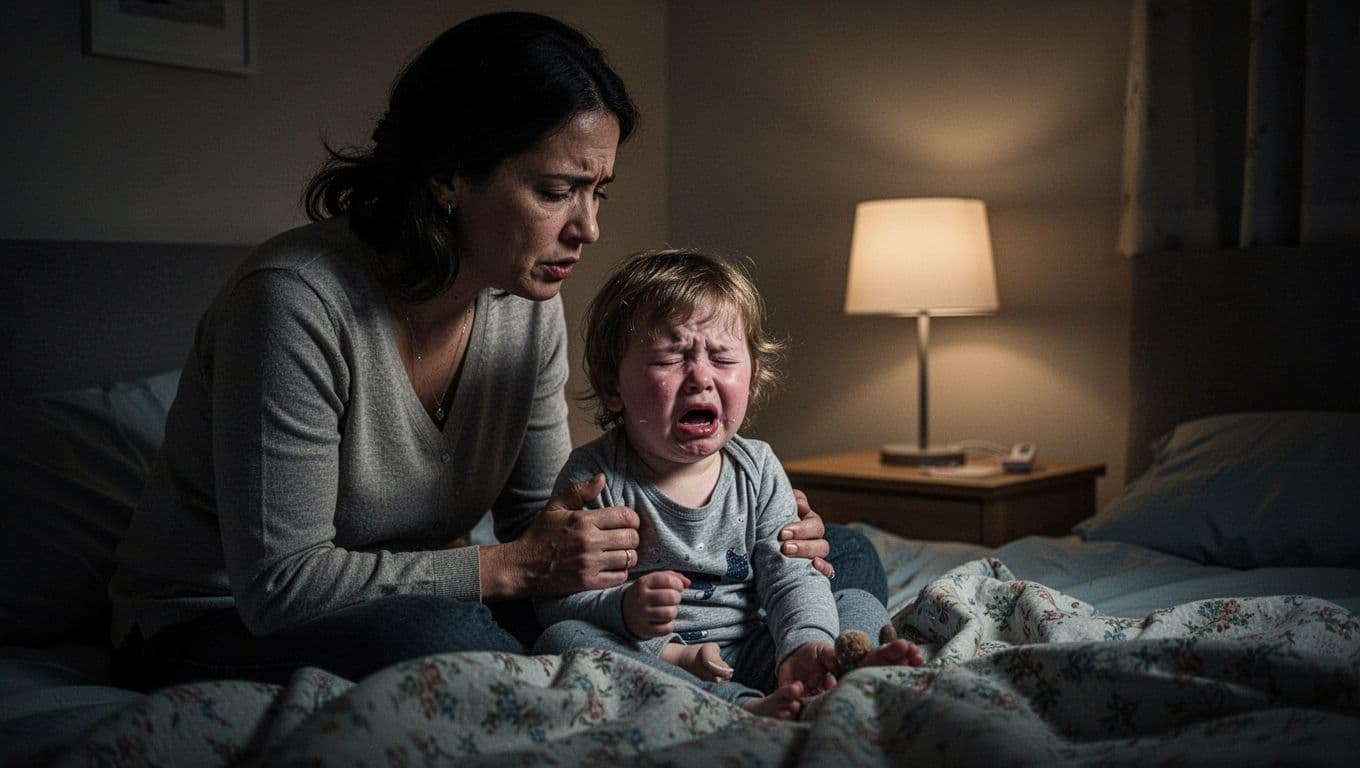
If your child is breathing fast, wheezing, or working hard to get air, call right away. Chest retractions, where the skin pulls in between the ribs or under the neck, are a serious warning sign. So are blue, purple, gray, or very pale lips.
A child who cannot speak, cry, eat, or play normally because of breathing trouble needs urgent care. The same goes for a child who seems weak, very sleepy, or suddenly unlike themselves.
Watch for these red flags:
- Fast breathing that looks much quicker than usual
- Wheezing, grunting, or noisy breathing
- Chest pulling in with each breath
- Blue, gray, or pale lips or skin
- Trouble speaking, crying, or playing
- Nasal flaring or a child leaning forward to breathe
If breathing looks bad, do not wait for the cough to settle. Treat it as an emergency and get help now. For a broader list of serious cough symptoms, Common Children’s Coughs Explained gives a clear reference.
A cough plus breathing trouble is no longer a simple home-care problem.
Get checked if the cough keeps hanging on
A dry cough that lasts more than a few weeks should be discussed with a doctor, even if your child seems mostly okay. The same is true when the cough keeps coming back after it fades for a few days.
That pattern can point to asthma, allergies, or another condition that needs treatment. Night coughs, exercise coughs, and coughs that flare in dusty rooms or cold air often tell the same story. The cough is acting like a smoke alarm that keeps chirping for a reason.
You should also make an appointment if the cough comes with fever that keeps returning, chest pain, unusual tiredness, or poor sleep. A child who coughs so much that they miss school, skip play, or wake often at night needs a closer look.
In short, call the doctor when the cough is persistent, repetitive, or part of a pattern that does not make sense. A dry cough that lingers may not be dangerous, but it should not be ignored either.
Conclusion
A dry cough in children is often tied to a minor virus or simple irritation, and it usually settles with time, fluids, rest, and a calm home routine. Still, the cause matters, because allergies, asthma, smoke, or another illness can call for a different response.
Watch the full picture, not just the cough itself. If your child has wheezing, breathing trouble, chest pain, a high fever, or a cough that keeps returning, get medical help without waiting.
The clearest path is simple, steady care. Cut back on common triggers, notice symptom patterns early, and trust your instincts when a cough feels off. That kind of attention can make a real difference for your child’s comfort and recovery.
Sav pin for later

- 20 Baby Shower Table Decor Ideas - July 22, 2026
- How To Raise A Confident Child - June 19, 2026
- Age-Appropriate Chores For Kids (By Age Group) - June 19, 2026