
Nighttime toddler coughing often sounds worse than it does during the day, because lying flat lets mucus pool in the throat, dry air can irritate the airways, and a little irritation turns into a lot once sleep starts. What seems like a mild cough at dinner can become a long, rough night for both you and your child.
Colds, postnasal drip, allergies, reflux, and asthma are common causes, and most cases can be soothed with calm, safe care at home. This guide will help you spot the likely cause, ease your toddler’s symptoms, and know when it’s time to call the doctor.
What is causing your toddler’s cough after bedtime?
Nighttime coughs often point to the same short list of causes, but the pattern matters. A cough that starts only after lights out can mean mucus is draining, air is too dry, or airways are reacting to something in the room. A steady toddler bedtime routine guide can also make the pattern easier to spot, because you can tell what changes right before the cough begins.
When you listen closely, the sound gives you clues. A wet cough, a dry tickle, a barking cough, or one that shows up after meals all points in a different direction. That is why it helps to narrow down the likely cause before you try to treat it.
Postnasal drip from a cold or stuffy nose
This is one of the most common causes of a bedtime cough. When a toddler lies down, mucus from a cold or stuffy nose can drain toward the throat instead of out through the nose. That drip irritates the airway and triggers a wet, nagging cough that sounds worse at bedtime or soon after sleep starts. Toddler coughs when lying down is often the clue parents notice first.
You may also see a runny nose, sniffles, throat clearing, or a cough that comes with congestion. During the day, the cough may fade because your child is upright and swallowing more often. At night, gravity changes the picture.
Allergies in the bedroom
Dust mites, pet dander, mold, and pollen can collect in bedding, carpets, curtains, and stuffed animals. If your toddler sleeps in the same room every night, the cough can show up in the same place again and again. That repeat pattern is a big clue.
Allergies can cause a dry cough or a cough that sounds wet because the nose keeps making mucus. Sneezing, itchy eyes, and a stuffy nose often come with it. If the cough settles down when your child sleeps somewhere else, the bedroom is worth a closer look.

If the same cough shows up night after night in the same room, think about what your toddler breathes in while sleeping.
Dry air and irritated airways
Dry indoor air can make a toddler’s throat feel scratchy, especially when heaters are running or the room is dusty. That dryness can irritate the airways and trigger a cough that starts after bedtime and keeps going once your child is asleep.
This type of cough often sounds dry and tight. It may improve in a more humid room or after your child spends time away from the dry air. If the cough seems worse in winter or after the heat kicks on, air dryness is a likely piece of the puzzle.
Viral illnesses like colds, flu, or croup
Viral infections can irritate the airways long after the day is over. A cough from a cold may start as part of the illness and linger after the worst symptoms fade. Flu can do the same, but your child may also have fever, body aches, and tiredness.
Croup is different because it often causes a barking cough and hoarseness that get worse at night. A simple way to think about it is this: if the cough came with a fever, runny nose, or a recent illness, a virus may be behind it. For a parent-friendly overview of common nighttime cough causes, MedicalNewsToday’s guide to toddler coughing at night lays out the main patterns clearly.
Acid reflux that shows up when lying down
When a toddler lies flat, stomach contents can move upward more easily. That can irritate the throat and lead to coughing, gagging, or a hoarse voice. Some children also cough after meals, especially if they ate close to bedtime.
The pattern matters more than a single symptom. A cough that shows up after eating, when lying down, or with frequent throat clearing may fit reflux. This is not something to diagnose at home, but the timing can help you describe the problem to your child’s doctor.
Asthma or reactive airways
Some toddlers cough more at night because their airways tighten during sleep. The cough may sound dry, and it may come with wheezing or a whistling sound when they breathe out. You may also notice coughing after running, laughing, or playing hard.
If the cough keeps coming back with no obvious cold, asthma or reactive airways deserves a medical check. That matters even more when it happens often, interrupts sleep, or comes with trouble breathing.
How to tell whether the cough sounds harmless or needs attention
A toddler cough by itself does not tell the full story. The sound, timing, and symptoms around it usually matter more than the noise alone. A loose wet cough with a runny nose often points to mucus, while a cough with wheezing, fever, or blue lips needs a closer look.
Clues in the sound and timing of the cough
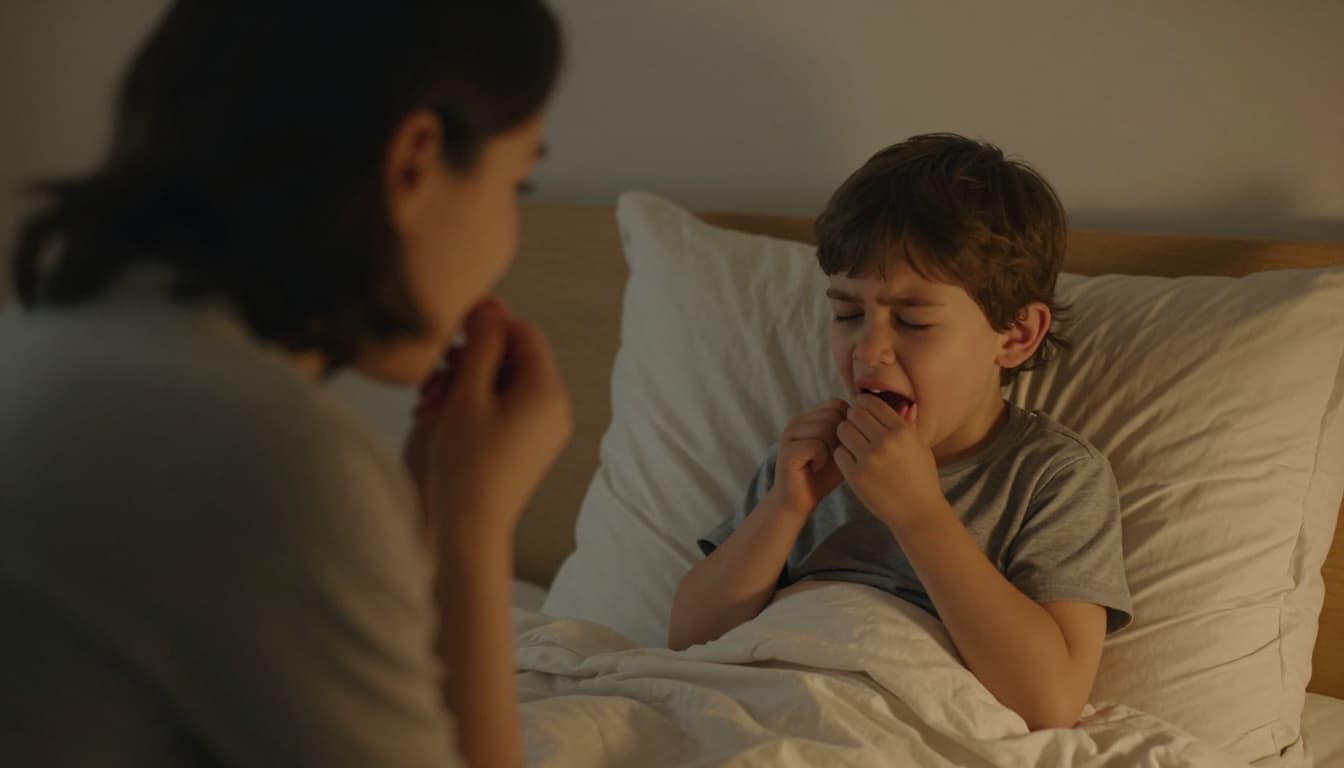
A wet cough usually sounds chesty or phlegmy. That often means mucus is sitting in the throat or airways, which is common with a cold or a stuffy nose. A barky cough can sound harsh and seal-like, which is a classic croup clue. A dry, repeated cough is more likely with allergies, asthma, or simple irritation from dry air.
Timing gives you even more detail. When a cough shows up only after lying down, that matters because mucus can drain backward at night. It can also happen with reflux, since stomach contents can move up more easily in a flat position. Toddler coughing when lying down is often the pattern parents notice first.
If the cough fades when your child sits up, gets a drink, or leaves the bedroom, that pattern helps point to drainage or irritation rather than something more serious.
Symptoms that make an infection more likely
A cough that starts with a runny nose, fever, sore throat, or hoarse voice often fits a viral illness. Poor sleep is common too, since congestion and throat irritation get worse once your toddler lies down. If the cough began around the same time as a cold, that makes an infection more likely.
Most viral coughs improve little by little with time. Still, some need a pediatrician’s guidance, especially if the cough lingers, keeps getting worse, or your child seems more uncomfortable than expected. A parent-friendly guide to nighttime coughing in children also points out that a cough lasting more than a few weeks deserves a call.
Signs that point to breathing trouble
Breathing trouble is the line you do not want to watch overnight. The Mayo Clinic says to get medical help fast if a cough comes with wheezing, shortness of breath, or vomiting.
Look for these warning signs:
- Fast breathing that looks hard work, not just a few quick breaths
- Pulling in at the ribs or neck with each breath
- Blue lips or a blue face, even briefly
- Wheezing or a whistling sound when breathing out
- A child who looks exhausted, panicked, or unable to settle

If your toddler seems too tired to sleep, drink, or calm down because of the cough, get medical help right away. Those signs do not belong in the “wait and see” category.
Safe ways to soothe a toddler’s cough at night
When your toddler keeps coughing after bedtime, simple comfort steps usually help more than anything else. Focus on moisture, clear nasal passages, fluids, and a cleaner sleep space. The American Academy of Pediatrics also says cough medicines are not recommended for young children, so safe home care matters most unless your pediatrician says otherwise.
Use a cool-mist humidifier and keep the room clean
Dry air can make a cough feel harsher. A cool-mist humidifier adds moisture to the room, which can ease throat irritation and help loosen mucus that keeps tickling the airway.
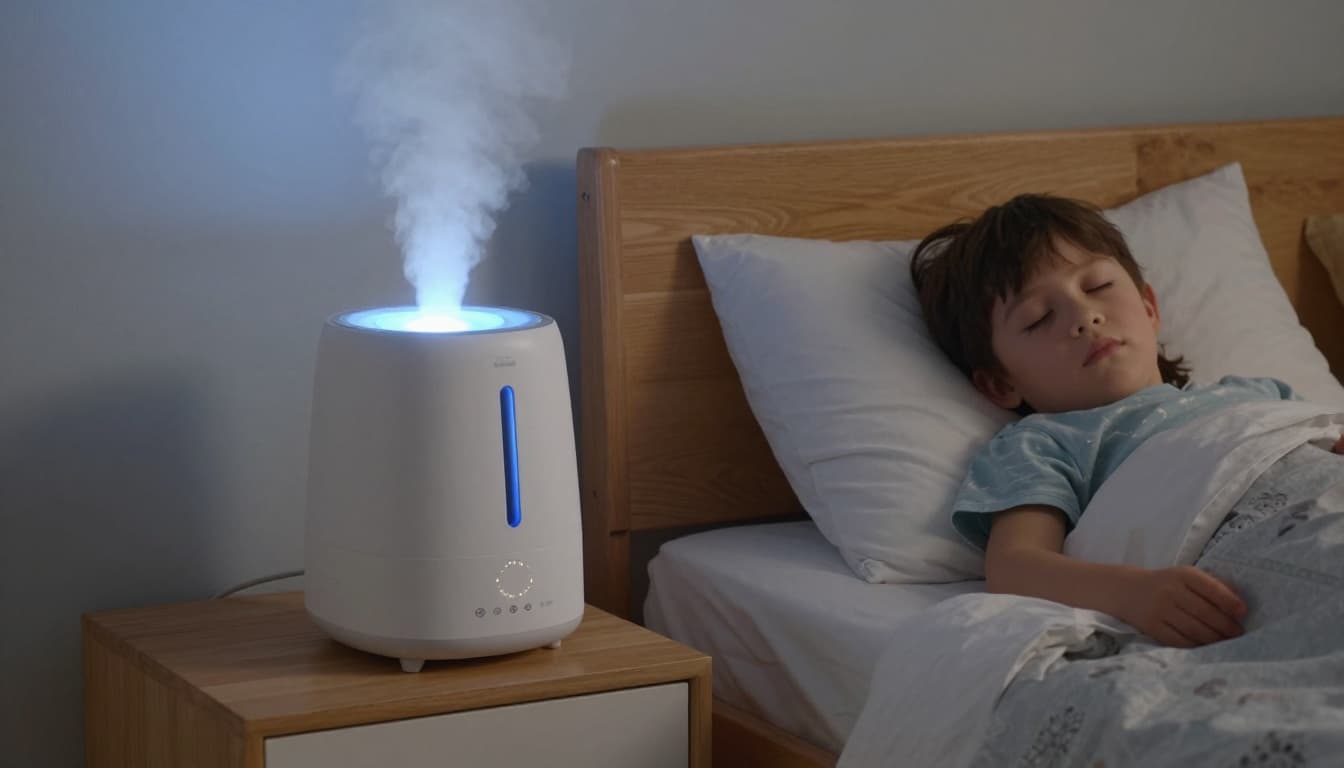
Place the humidifier where the mist can spread through the room, but not so close that it makes the bedding damp. Run it at night, empty it in the morning, and let it dry before refilling it.
Cleaning matters just as much as using it. Wipe and rinse it often, follow the maker’s directions, and do not let standing water sit inside. A dirty humidifier can grow mold, and that can turn one trigger into another.
A few practical habits make it work better:
- Change the water every day.
- Clean it regularly, especially if you use it nightly.
- Keep the bedroom free of dust and damp spots.
- Avoid placing it near curtains, stuffed toys, or the crib rails.
Clear the nose before bedtime
If your toddler has a stuffy nose, start with saline drops or saline spray before sleep. After a minute or two, use gentle suction if your child still cannot clear the mucus on their own. That extra step can help a lot when postnasal drip is the problem.

This works because mucus often slides toward the throat once your toddler lies down. Clearing the nose first can reduce that drip, which means less coughing after lights out.
If your child is old enough, let them blow their nose after the saline loosens things up. For younger toddlers, keep the suction gentle and brief so the nose does not get sore. Simple cough care for parents also points to saline and cool mist as safe first steps.
Offer fluids and calming bedtime routines
Fluids can soothe a scratchy throat and thin mucus at the same time. Water is fine for most toddlers, and breast milk or formula still helps younger children. Warm broth can also feel comforting when a cough makes bedtime rough.

Offer a few sips before bed, and keep water nearby if your child wakes up coughing. Small drinks are usually better than a big cup right before sleep, since a full belly can make some toddlers uncomfortable.
A warm bath before bed can also help. It may loosen mucus and give your toddler a calm reset before sleep. That pairs well with predictable wind-down time, like bath, pajamas, a book, then bed. A steady rhythm can make coughing nights less chaotic, and soothing pre-sleep rituals for toddlers are easier to repeat when everyone is tired.
Reduce common bedroom triggers
If allergies or irritation are part of the problem, the bedroom can keep the cough going all night. Dust, pet dander, and mold often collect where kids sleep, so a few home changes can make a real difference.
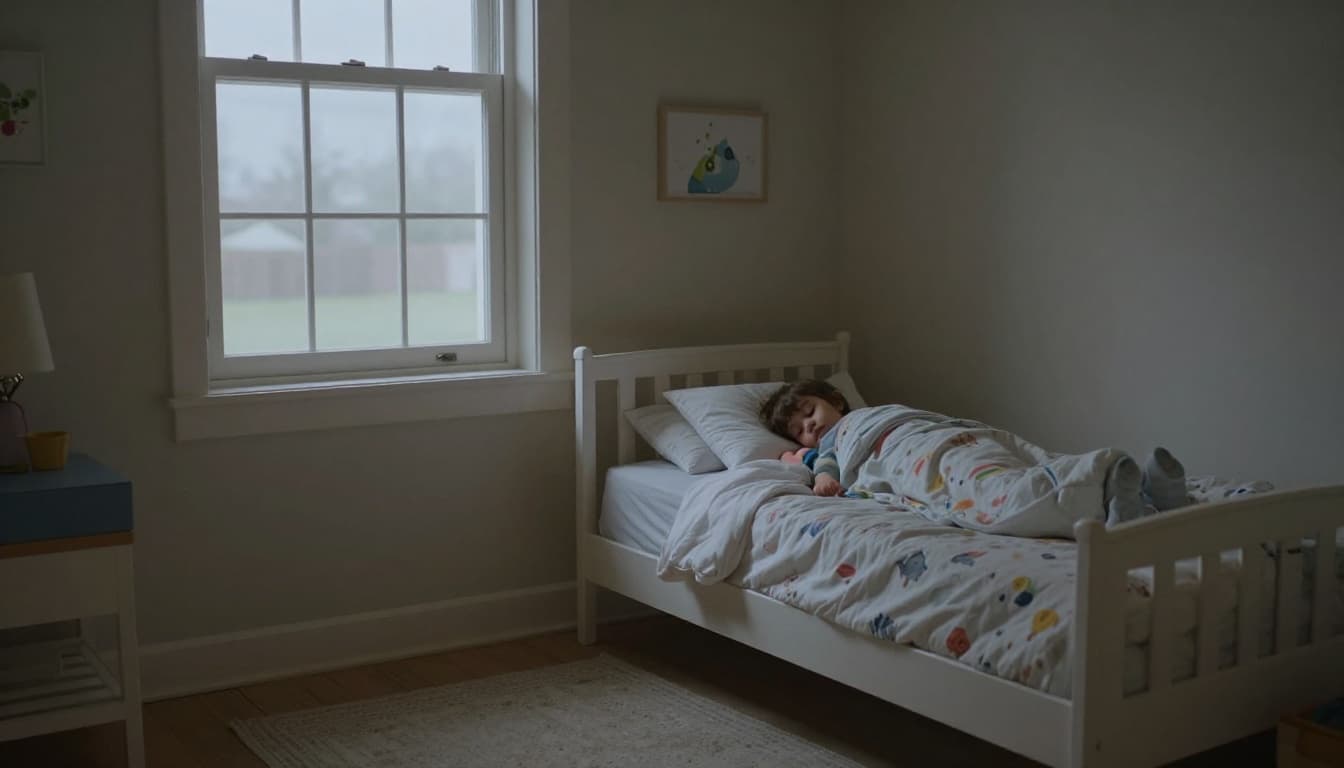
Start with the basics:
- Wash bedding regularly.
- Keep pets out of the sleeping area.
- Vacuum carpets and floor edges often.
- Wipe dusty surfaces and check for damp spots or mold.
These changes help most when the cough shows up in the same room again and again. If the coughing improves after you clean the space or move your toddler to a different room, you have a strong clue that irritation is part of the issue.
A cleaner room will not stop every cough, but it can remove the small triggers that turn a mild throat tickle into a long night.
What not to do when your toddler is coughing at night
When your toddler is coughing after bedtime, it’s tempting to try anything that might bring fast relief. That usually leads parents toward adult-style remedies, extra bedding, or strong home fixes that do more harm than good. Young children need age-appropriate care, so the safest move is usually the simplest one.
A calm, safe approach works better than forcing a quick fix. Focus on comfort, clear air, and watching for warning signs. Avoid the common mistakes below, even when the cough sounds rough.
Avoid over-the-counter cough medicines for young children
Many cough and cold medicines are not recommended for children under 6 because they have limited benefit and can cause safety problems. The FDA’s guidance on cough and cold medicine warns against giving these products to children younger than 2, and product labels usually say not to use them under age 4. The HealthyChildren guidance on cough and cold medicine also says children 4 to 6 should only take them if a doctor recommends it.
That means you should skip the shortcut and stick with safer care. These medicines often do little for a toddler’s cough, and mixing products can lead to accidental overdosing.

Do not use loose pillows or unsafe sleep setups
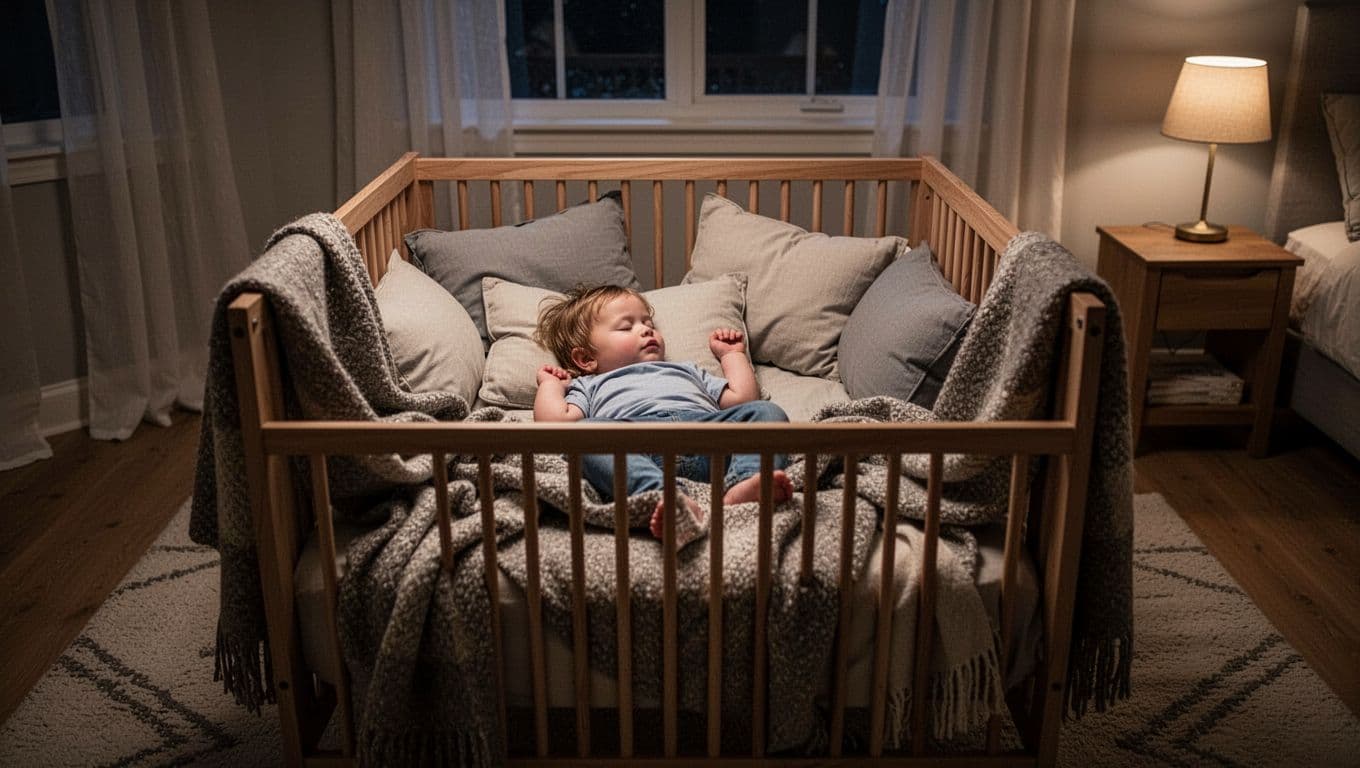
It can feel logical to pile up pillows, prop your child upright, or add extra blankets so the cough seems less harsh. In a toddler’s bed, that often creates more risk than relief. Loose bedding can shift during sleep, block airflow, or leave your child tangled and uncomfortable.
Keep the sleep space simple and safe. If you are thinking about elevation because of postnasal drip or reflux, avoid homemade setups with stacked pillows or rolled blankets. Ask your pediatrician what is safe for your child’s age and sleep setup instead.
Skip home treatments that can irritate more than help
Strong scents, smoke exposure, and hot or harsh remedies can make nighttime coughing worse. That includes scented oils near the face, incense, cigarette smoke, and steaming bowls or very hot mist that could burn your child.
Gentle care is better. A cool-mist humidifier, saline, fluids, and a clean room usually make more sense than anything intense. If a remedy smells strong, feels hot, or makes the room hard to breathe in, leave it out.
A few things to avoid are easy to remember:
- Smoke from cigarettes, vapes, or fireplaces.
- Strong perfumes, candles, and essential oils near the bed.
- Hot steam from bowls, pots, or boiling water.
- Rubs or balms used too close to the nose or mouth.
When the cough is persistent, loud, or paired with breathing trouble, skip the home experiment and call your child’s doctor.
When to call the pediatrician right away
Most toddler coughs at night can wait for home care, but some need a doctor fast. The key is to watch the pattern, not just the noise. A cough that keeps hanging on, gets worse, or comes with breathing changes deserves attention.

If your child looks sicker than a simple cold, trust that instinct and call. A quick check can rule out something that needs treatment sooner rather than later.
Coughing that lasts more than a few weeks
A cough that keeps going for more than a few weeks, gets worse, or keeps coming back should not be brushed off as a lingering cold. Toddlers do catch back-to-back viruses, but a cough that never really clears can point to asthma, allergies, reflux, or another cause.
That matters even more if the cough is interrupting sleep, showing up every night, or changing in sound over time. A pediatrician can listen to the lungs, look at the nose and throat, and ask the right questions about triggers, meals, pets, and exercise. If the pattern keeps repeating, it needs an exam, not just more waiting.
A cough that lingers past the usual cold window deserves a real look, especially when it keeps returning at bedtime.
For a cough pattern that feels unclear, it helps to review a trusted symptom guide like HealthyChildren’s croup symptom checker. It can help you decide whether the cough sounds like something mild or something that needs care.
Fever, wheezing, or trouble breathing
This is a same-day medical concern. Call the pediatrician right away if the cough comes with fever and your child looks very sick, or if you hear wheezing and see any breathing strain.
Watch closely for these warning signs:
- Wheezing or a whistling sound, especially when breathing out
- Fast breathing that looks hard, not just quick
- Chest pulling in between the ribs or at the neck
- Blue lips or blue skin
- A high fever with a child who seems weak, limp, or very uncomfortable
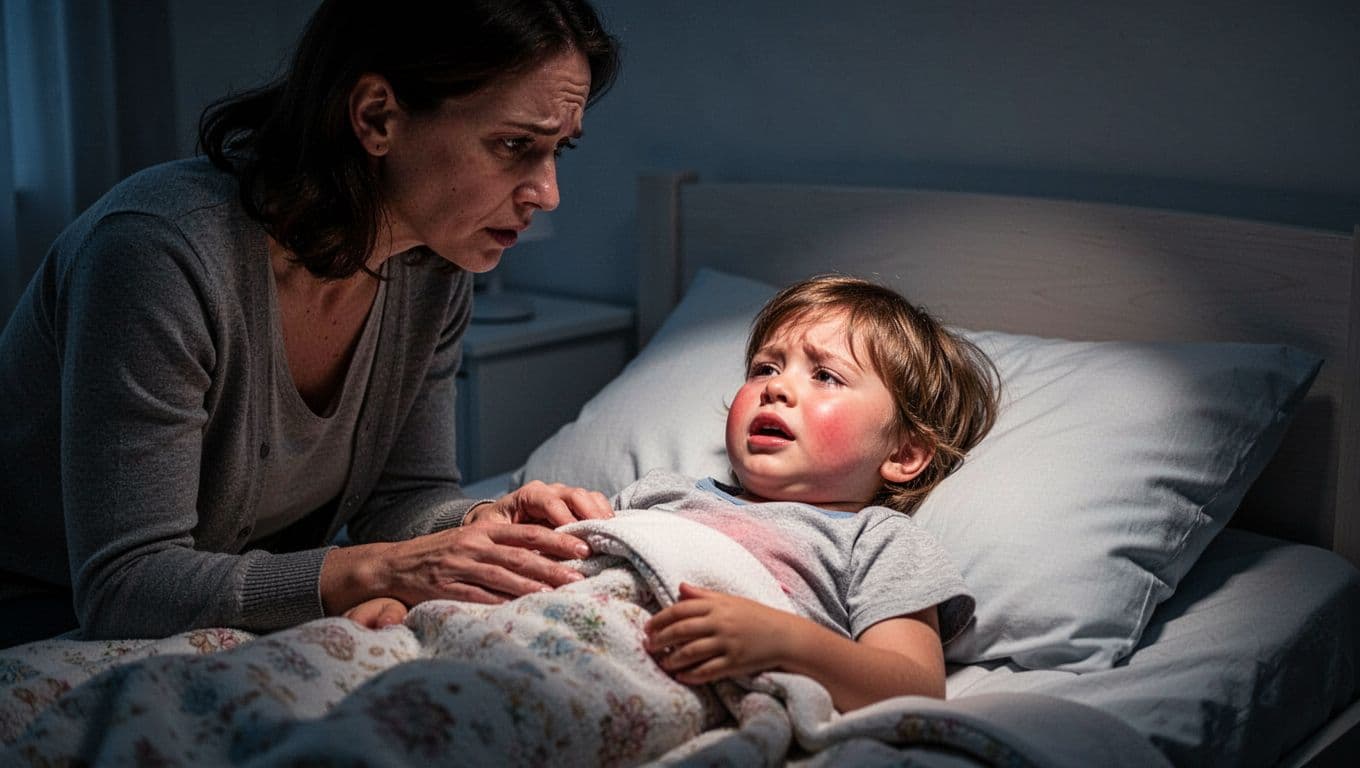
A fever by itself does not always mean an emergency. A fever plus breathing trouble is different. If your toddler is working to breathe, do not wait until morning.
For parents who want a clear medical reference, HealthyChildren’s severe croup guide explains when symptoms move past home care and into urgent care.
A barking cough, whooping sound, or repeated vomiting
A barking cough can point to croup, and croup often gets worse at night. A whooping sound after a coughing fit can point to pertussis, also called whooping cough. Repeated vomiting after coughing can happen when the cough is forceful or the airway is very irritated.
These symptoms need a doctor’s advice, even if your toddler seems okay between episodes. Croup can swell the upper airway, and pertussis can spread fast and last for weeks. Repeated vomiting also raises the risk of dehydration, so call sooner rather than later.
If the cough sounds harsh, seals like a bark, or comes in violent fits, get medical help the same day. If your child cannot catch a breath, turns blue, or has trouble swallowing, that is emergency care.
A cough that wakes your toddler once in a while can happen with a cold. A cough that keeps repeating, causes vomiting, or changes how your child breathes needs a closer look right away.
Conclusion
Nighttime toddler coughing is common, and it often comes down to mucus, dry air, allergies, or a simple viral illness. The best first steps are still the basics, clear the nose before bed, run a cool-mist humidifier, offer fluids, and keep the bedroom free of irritants.
A calm bedtime routine and steady bedtime and wake times can also make cough nights easier to spot and manage. When the pattern is clear, it gets easier to tell whether you are dealing with drainage, dryness, reflux, or something that needs more attention.
Trust your instincts if the cough is severe, lasts too long, or comes with wheezing, fast breathing, or blue lips. Those signs need a pediatrician’s guidance right away.
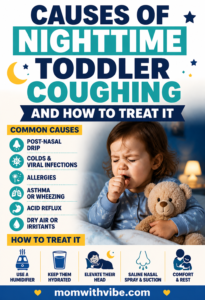
Save pin for later

- 10 Things You Shouldn’t Do in Front of Your Baby (and What to Do Instead) - September 22, 2026
- 15 Effective Ways to Deal With Stubborn Children (Without Yelling) - September 22, 2026
- Birth Order Influence: 8 Things Parents Should Know About Each Child - September 22, 2026