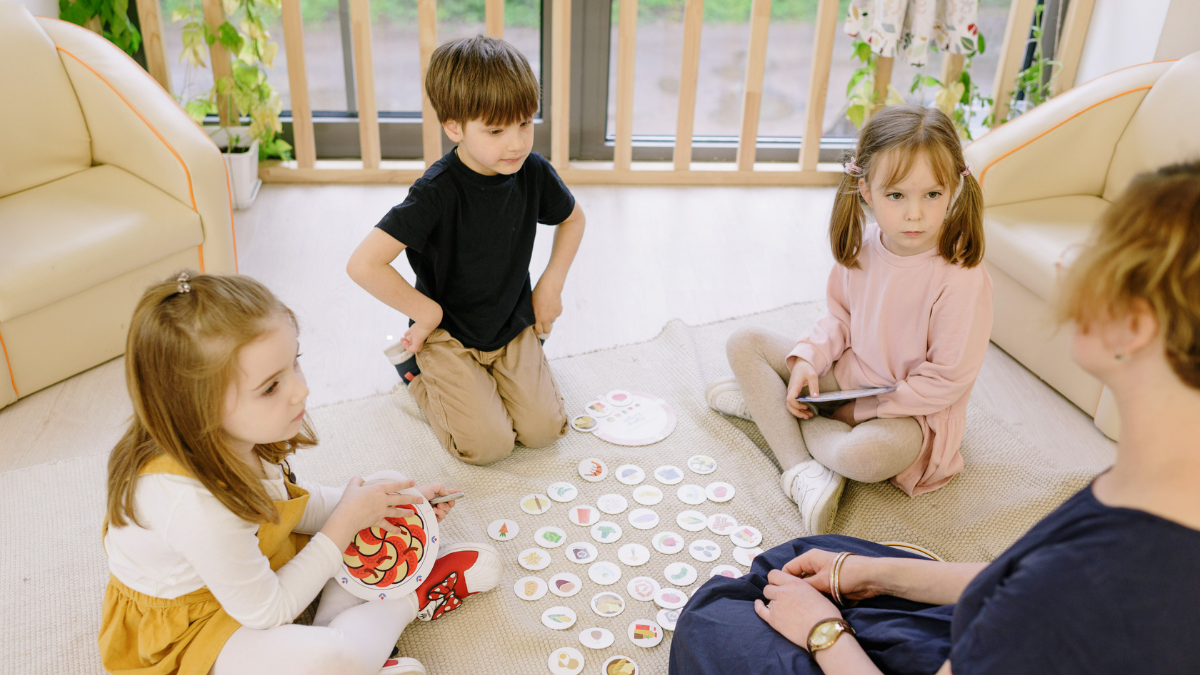


Parents notice birth order patterns for a reason, even if it’s not a perfect science. One child seems eager to lead, another keeps the peace, a youngest pushes boundaries, and an only child often carries a mix of those traits at once. That’s why birth order feels so relatable, it gives shape to the little differences you already see at home.
The point isn’t to box kids in or treat every sibling the same. It’s to notice where your habits as a parent might shift, so you can stay fair, spot blind spots, and give each child what they need most. If you’ve ever wondered why one child seems to get more patience, more pressure, or more freedom than the others, you’re already seeing how birth order can shape your parenting style.
That awareness can change the way you respond to conflict, expectations, and attention in your family, and the next part shows how those patterns tend to play out.
What birth order can, and cannot, tell you about your child
Birth order can help you spot patterns, but it should never be used like a label maker. It may shape who gets more attention, who learns to wait, and who tries to stand out, yet it does not lock a child into one personality forever.
Recent research backs that balance. Large studies, including work published in PNAS, find only small links between birth order and broad personality traits, while family setting can still shape day-to-day behavior in noticeable ways. A child may act more responsible at home, more stubborn with siblings, or more reserved with parents, and those habits often come from family dynamics, not destiny.
Why family roles feel so real, even when personality labels do not
Siblings adjust to each other fast. One child learns to lead, another learns to keep the peace, and another learns that getting attention means acting up or staying quiet. Parents shape those patterns too, because age, experience, and family size naturally change how you respond to each child.
That is why birth order can feel powerful in daily life. A firstborn may get more early guidance, while a younger child may see more relaxed rules. In a larger family, those differences grow even more because each child enters a different version of the home. If sibling conflict is part of that picture, practical tips for managing sibling rivalry can help keep the role patterns from turning into постоянные fights.
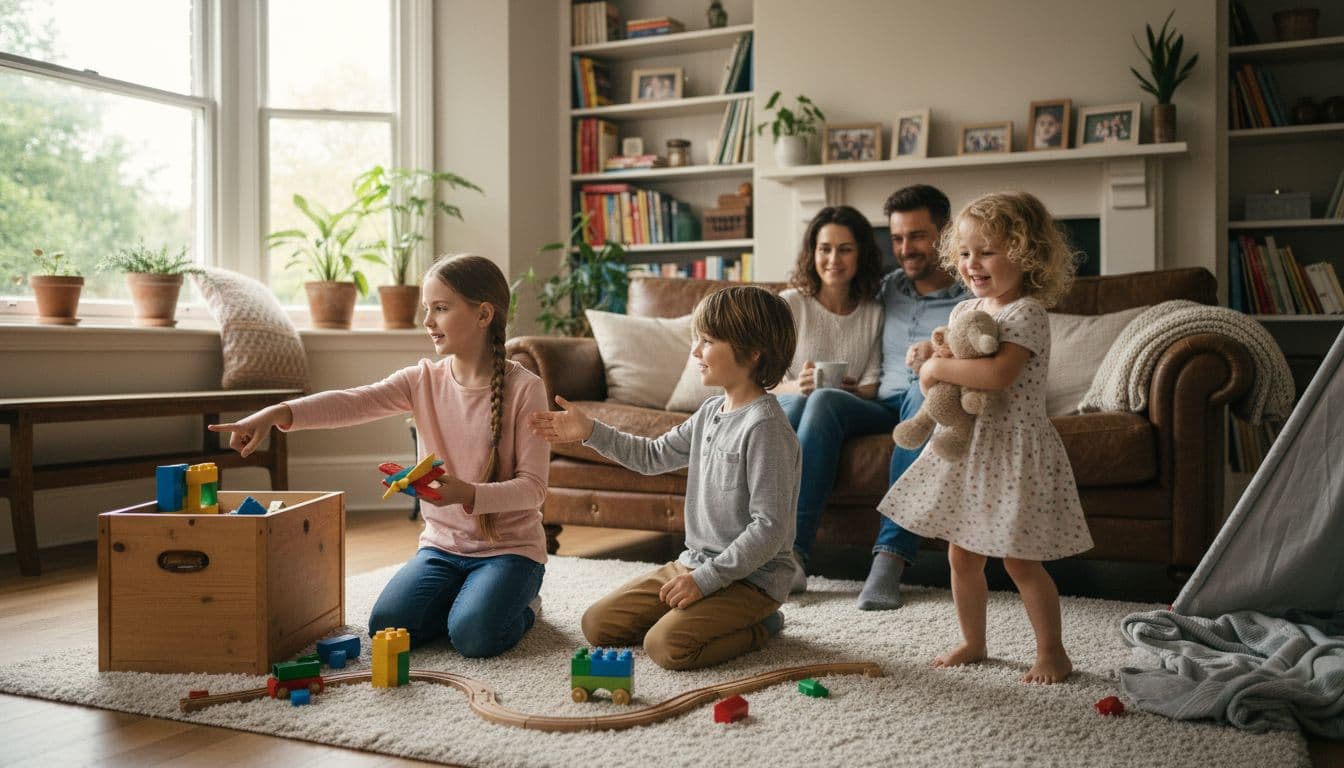
Those roles can be useful because they explain behavior you see every week. Still, they are habits, not fixed traits.
The biggest myth parents should stop repeating
A child is not doomed to be bossy, needy, rebellious, or shy because of birth order. When parents repeat those labels, kids often start living up to them, or feeling boxed in by them.
Labels can also change how you parent without you noticing. If you expect the oldest to be responsible, you may overlook their need for support. If you expect the youngest to be carefree, you may miss signs that they want more structure. The better move is to notice the pattern, then ask whether it still fits this child today.
For a closer look at how expectations can shape parenting, avoiding sibling comparisons in parenting is a good next step.
How firstborns can push parents toward perfection and pressure
Firstborns often change the rhythm of a home. Because they arrive when parents are still learning, they usually get more rules, more watchful eyes, and more responsibility than younger siblings. That can build strong habits, but it can also turn an oldest child into the child who feels they must get everything right.
The line between guidance and pressure gets thin when the oldest child starts acting like the family’s second adult.
Research on firstborn pressure points to the same pattern, parents often expect more, correct more, and trust the first child with more responsibility early on, which can feed perfectionism. One overview of firstborn child pressures breaks down how that dynamic can show up at home.
How to support a firstborn without turning them into the family helper
Shared chores are healthy, but they should not fall on the oldest child by default. Spread tasks across the family, and keep them age-appropriate. A steady home rhythm, like the one described in these family organization systems for busy moms, can help chores feel normal instead of loaded onto one child.
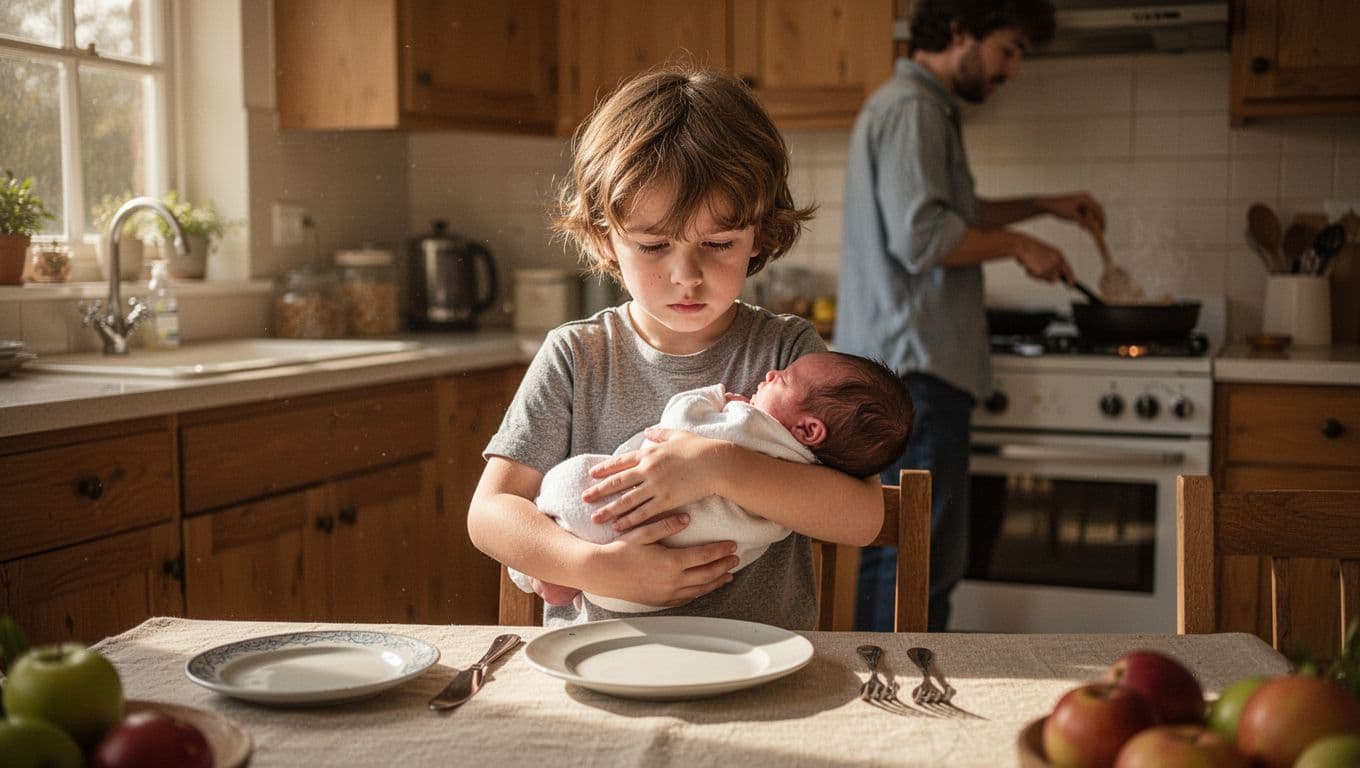
Make room for the oldest child to be messy, playful, and a little careless sometimes. One-on-one time helps here, because it reminds them they are loved for who they are, not just what they do.
Praise effort, patience, and kindness instead of flawless results. A child who hears “you worked hard” learns something healthier than a child who only hears “you got it perfect.” That small shift lowers pressure and keeps responsibility from turning into self-worth.
Signs your oldest child may be carrying too much
Some firstborns handle extra responsibility well at first, then start showing strain. Watch for signs like:
- Anxiety about mistakes that seems bigger than the situation.
- Rigid behavior where changes or surprises feel unbearable.
- Trying to control siblings because they feel responsible for everyone.
- Adult-like worry about money, rules, or family problems.
- Giving up play because they think they should always be useful.
These signs do not mean something is wrong with your child. They usually mean the balance at home needs a reset. When the oldest child starts acting like a parent, the pressure has gone too far, and that is a cue to pull some of the weight back where it belongs.
Why middle children need to be seen on purpose
Middle children can slip through the cracks in busy homes. The oldest often gets the most responsibility, the youngest gets the most help, and the child in the middle is left to adapt. Over time, that can shape how you parent, too. You may check in less, assume they are fine, or notice them only when there is conflict.
That is where trouble starts. A middle child may stop asking for attention because it feels easier to stay low-key. They may also get compared without anyone meaning to, especially when an older sibling seems more driven or a younger sibling seems more needy. If you want a closer look at how middle kids are often perceived, Parents.com explains middle child patterns.
Ways to make the middle child feel known and valued
Start with small, steady moments of attention. A short walk, a book at bedtime, or 10 minutes alone in the car can tell a child, “I see you.” These moments matter because middle children often need connection before they start showing signs of strain.
Give them room to lead, too. Let the middle child choose the game, plan a snack, or handle a family task where their voice matters. That kind of trust builds confidence and keeps them from feeling like they are always following someone else.
It also helps to name their strengths out loud. Say things like, “You are good at calming people down,” or “You notice when others feel left out.” Middle children often have strong people skills, fairness, and flexibility, and they hear those traits less often than they should. If sibling tension is part of the picture, fun ways to reduce sibling fights with kids can help you create better daily patterns.
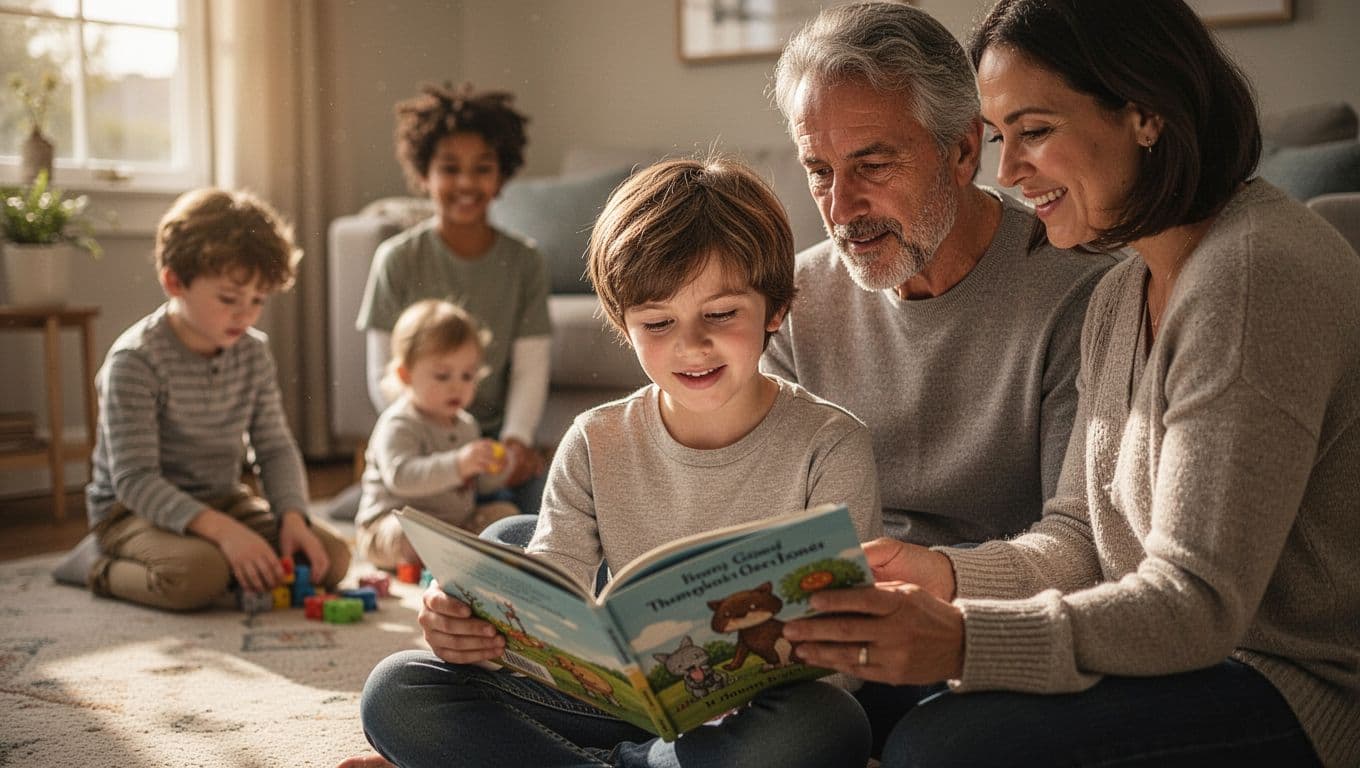
Middle children usually do not need more drama, they need more direct attention.
How to keep comparison from becoming a habit
Comparison creeps in fast. You may say one child is “so easy” while another is “always a challenge,” and the middle child hears where they rank. That can wear down trust and make identity feel borrowed instead of their own.
Use specific praise instead of sibling labels. Praise the exact behavior you want to see, like “You stayed calm when plans changed,” or “You helped your sister without being asked.” That kind of feedback tells a child what you notice, without turning siblings into a scoreboard.
If you catch yourself guessing about how the middle child feels, pause and ask. A simple “How are you doing lately?” can open a door you did not know was closed. When you make room for that child on purpose, you lower conflict and help them feel like they matter for who they are, not where they fall in the line.
How youngest children can make parents softer than they mean to be
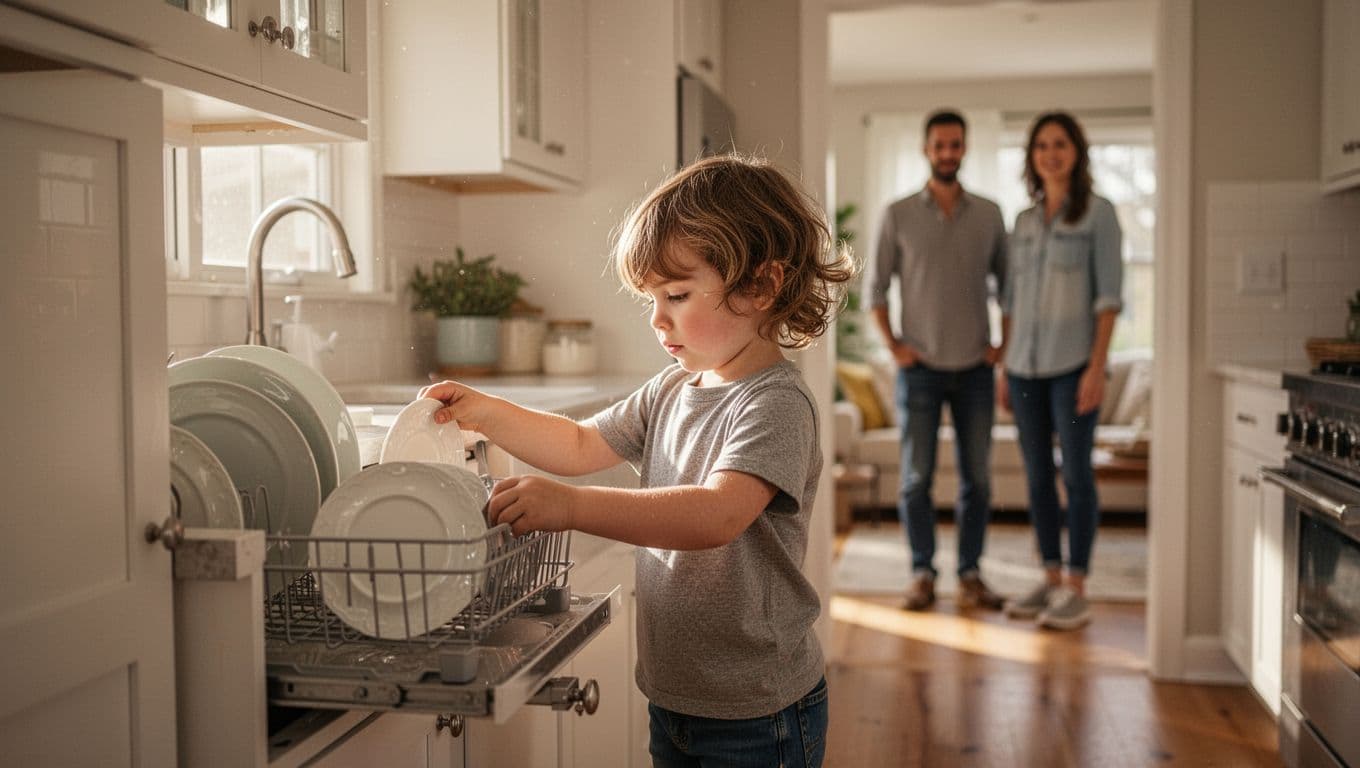
Youngest children often meet a different version of you. By the time they arrive, you know more, worry less, and sometimes pick your battles faster. That can mean more relaxed rules, more help, and a little extra leniency, which can feel warm and harmless at first.
A recent Parents overview of birth order and parenting style notes that youngest children often get more freedom because parents are more experienced by then. That comfort can be good, but it can also turn into rescuing if you step in too quickly.
What healthy independence looks like for the youngest child
Healthy independence starts small. A youngest child can put away toys, carry napkins to the table, sort laundry, or help pack a backpack. These jobs build confidence because they show, “I can handle part of this on my own.”
The same goes for problem-solving. Let them try to open a container, tie a shoe, or fix a simple mistake before you jump in. Frustration is part of the lesson, and your calm presence matters more than quick rescue.
Stepping back is not the same as stepping away.
You can stay warm and steady while still letting your child struggle a little. Try saying, “I’m here if you need me,” then give them a moment to work through it. That balance tells a youngest child they are supported, not carried.
If you want more age-based ideas, small responsibilities that build independence can help you choose tasks that fit their stage.
How to tell the difference between nurturing and overprotecting
Nurturing helps a child feel safe enough to try. Overprotecting removes the trying part. If you finish every task, smooth every conflict, or fix every disappointment, your youngest child may start waiting for help instead of building skill.
A simple test helps: ask whether your help is teaching or taking over. Helping looks like showing once, then letting them try. Taking over looks like stepping in before they have a real chance to think, fail, or recover.
For example, it makes sense to help with a hard zipper the first time. It does not make sense to do the zipper forever because it is faster. The same idea applies to homework, chores, friendships, and frustration. When you give support without constant rescue, your youngest child grows into confidence instead of dependence.
Only children need structure, not just extra attention
Only children often get a lot of adult attention, and that can be a gift. They also need clear limits, chances to share, and real practice with disappointment. When parents stay close but keep structure steady, an only child learns that attention does not mean getting their way every time.
That balance matters because only children can mature early. Many become good at talking with adults, asking smart questions, and reading the room. Still, they need peer practice and home rules that feel firm, calm, and fair. If you want a simple way to keep connection strong without overdoing it, daily ways to show kids they’re valued can help without turning attention into overprotection.
Building social skills without forcing a sibling-like life
Only children do not need a pretend sibling experience. They need regular time with other kids, where they can wait, negotiate, lose a turn, and try again. Playdates, group classes, team sports, and neighborhood games all give them that practice in real life.

A few good options include:
- Playdates with mixed personalities so your child learns to adjust.
- Group activities like art, scouts, or music, where sharing space is part of the plan.
- Team sports that teach turn-taking, patience, and losing with grace.
- Small home moments where they have to negotiate a toy, a snack, or a game rule.
The goal is not constant company. The goal is social range.
Helping only children handle pressure and perfectionism
Only children can feel like they are carrying the whole family’s hopes. That pressure can show up as perfectionism, fear of mistakes, or a strong need to perform well. The fix is simple: keep standards high, but make room for rest, play, and mess.
Talk about effort more than results. Praise practice, patience, and follow-through, then let a bad grade, a failed shot, or a rough day stay a rough day. Research on only children shows they are often well-adjusted and closely bonded with parents, but they still need boundaries and peer time, not endless explanation or special treatment. The American Psychological Association notes that close parental attention can help, yet it can also make expectations feel heavy.
A healthy home for an only child says, “You matter, and you also have to cope.” That message builds confidence without turning your child into the center of every room.
Your own birth order can shape your parenting style too
Many parents think they are reacting only to their child, but they are also reacting from their own childhood. If you grew up as the oldest, middle, youngest, or only child, you may still carry those rules into your home without meaning to. That is why what kids secretly observe from their parents matters so much, because children notice the habits you repeat, not just the words you use.
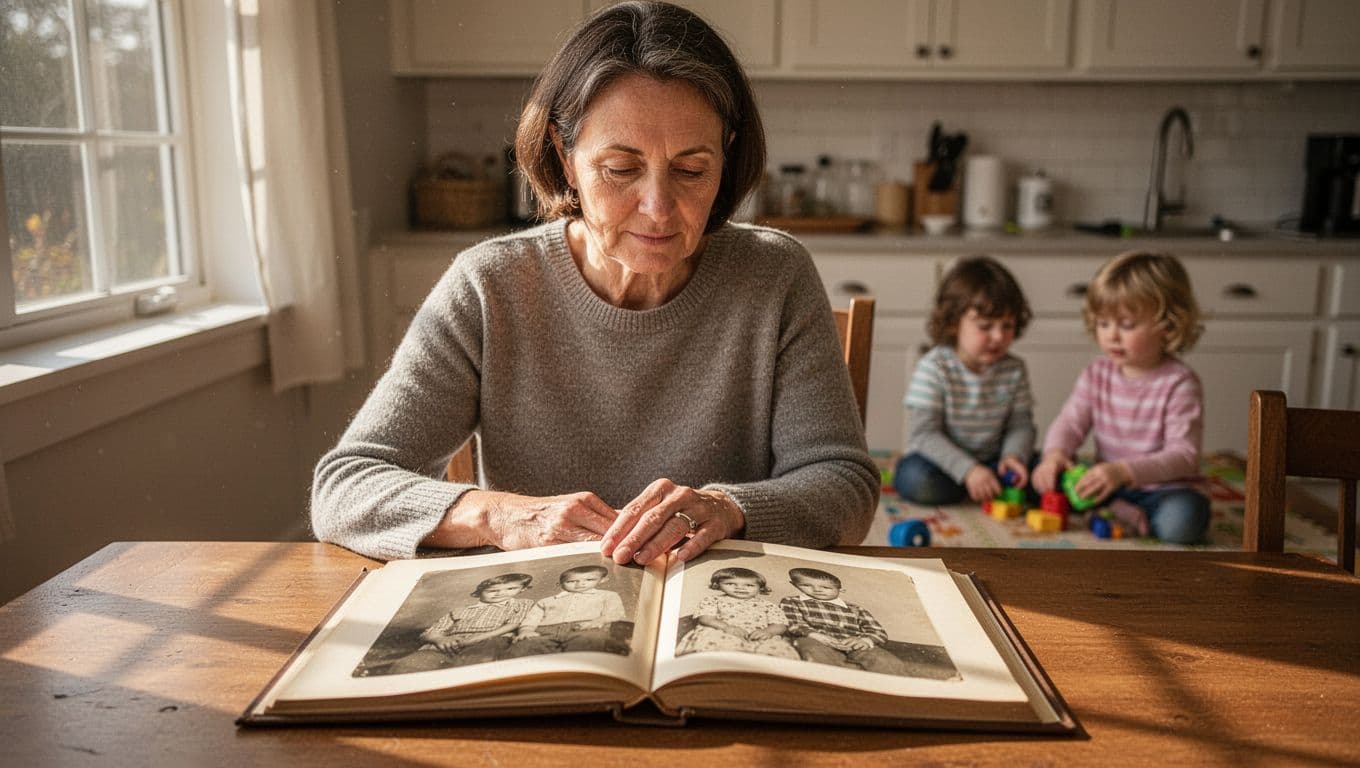
A firstborn parent may slip into strictness because structure once felt like love. A youngest child parent may feel uneasy with harsh rules and swing too far toward freedom. Research on birth order and parenting also shows that parents can treat children differently by birth order, even when they don’t mean to, which is one reason strategic parenting and birth order keeps showing up in family studies.
Questions that help you spot your parenting blind spots
A few honest questions can show you where old habits are running the show. Keep them simple, and answer them without judging yourself.
- What role did I play in my family, leader, helper, peacemaker, or the one who got overlooked?
- What rules shaped me most, and do I still follow them now?
- Which child in my home feels easiest to parent, and why?
- Which child pushes my buttons fastest?
- Do I expect the oldest to be responsible just because I was?
- Do I relax more with younger kids because that feels familiar?
These questions work because they point to patterns, not blame. Once you see the pattern, you can pause before you repeat it.
How to give each child what they need instead of what feels familiar
Fair parenting starts with noticing that each child needs something a little different. One child may need more structure, another needs more patience, and another needs more chances to try on their own. Equal parenting does not mean identical parenting.
For example, you might give one child a strict bedtime because they need better rest, while another needs extra check-ins because transitions are hard. That is fair if the reason fits the child. It becomes a problem when you parent out of habit instead of need.
Try this before you react:
- Ask what this child needs right now.
- Notice whether your answer is based on this child or on your own childhood.
- Adjust the response, even if it feels unfamiliar.
That small pause helps you separate old family scripts from current family needs. In the long run, that is what keeps your parenting balanced, clear, and truly fair.
Conclusion
Birth order can explain a lot about the way kids act, but it should stay a guide, not a label. The strongest takeaway is simple, your child’s position in the family may shape how they ask for attention, handle pressure, or test limits, yet it does not decide who they are.
When you notice those patterns, you can parent with more care and less comparison. That means giving the oldest room to be a kid, making sure the middle child feels seen, helping the youngest build real independence, and giving only children clear limits along with warmth. It also means checking your own habits, because your birth order can shape how you respond without you realizing it.
Used well, birth order awareness helps you slow down and choose a better response. It can reduce sibling comparison, strengthen connection, and make your parenting feel more fair and intentional. That kind of steady attention goes a long way in any family.
Save pin for later


- 10 Things You Shouldn’t Do in Front of Your Baby (and What to Do Instead) - September 22, 2026
- 15 Effective Ways to Deal With Stubborn Children (Without Yelling) - September 22, 2026
- Birth Order Influence: 8 Things Parents Should Know About Each Child - September 22, 2026