

Sudden infant death syndrome, often called SIDS, is the sudden and unexplained death of a baby under one year old. It is a rare occurrence, but it naturally weighs heavily on the minds of many parents. Doctors only confirm a case of SIDS after a thorough investigation rules out other potential causes, making it a diagnosis of exclusion.
While the exact causes remain unknown, researchers have identified several environmental factors that significantly influence safety. Understanding these elements helps you create a protective environment for your little one. You can learn more about these safety considerations for co-sleeping and other nighttime arrangements as you set up your nursery.
This post breaks down the current understanding of what might lead to these events, how medical professionals perform a diagnosis, and the concrete steps you can take to lower risks. If you are looking for a quick visual overview of the core concepts, you can watch this helpful video on SIDS risks. Establishing these habits early provides peace of mind as your baby grows.
What SIDS means and why it still worries parents
Sudden Infant Death Syndrome, commonly known as SIDS, is the sudden, unexplained death of a seemingly healthy infant under one year of age. It typically occurs during sleep. Because this tragedy leaves so many unanswered questions, it remains a source of deep anxiety for parents. Medical professionals view the condition as a diagnosis of exclusion. This means they only use the term after a full investigation rules out every other known cause, such as accidents or underlying health issues. This process often feels frustrating for families who seek clear answers, but it reflects the current limitations in how science understands these events.
How SIDS is different from suffocation or other sleep-related deaths
It is common to group all unexpected sleep-related deaths under one umbrella, but experts distinguish between them for good reason. SIDS is a specific diagnosis reserved for deaths that remain unexplained even after an autopsy, a death scene investigation, and a review of the baby’s medical history. In contrast, accidental suffocation or strangulation involves a clear, identifiable cause.
For example, a baby might die due to entrapment or wedging between a mattress and a wall, or because soft bedding covered their nose and mouth. While both SIDS and these accidents are types of Sudden Unexpected Infant Death (SUID), they are distinct categories. Recognizing this difference helps parents see that many tragedies are actually preventable accidents. By preventing SIDS by avoiding common baby care mistakes, you take active control over the physical environment to remove those specific, known hazards.
Why the cause is still not fully understood
Medical researchers have yet to pinpoint one single cause for SIDS, which can feel unsettling for new parents. Most experts agree that it likely stems from a combination of factors rather than one clear trigger. This viewpoint often relies on the Triple Risk Hypothesis, which describes how three separate elements might align at a tragic moment.
- A vulnerable infant: Some babies may have a hidden weakness in the brain areas that control breathing, heart rate, or waking up from sleep.
- A critical development stage: The first year of life involves rapid growth. During certain months, a baby’s protective reflexes are still maturing and may not work perfectly.
- An outside stressor: This is where your actions make a massive difference. Environmental stressors like soft bedding, overheating, or stomach sleeping can tax a baby’s system beyond its current ability to compensate.
Because we cannot identify which infants might have that underlying, invisible weakness, we focus on removing the stressors we can control. This approach shifts the goal from finding a single culprit to lowering risk through essential guidelines for safe infant sleep. When you provide a firm, flat surface and keep the crib clear of items that could obstruct breathing, you effectively pull one of the triggers out of the equation. Focusing on these habits provides a protective layer that keeps your baby safe while they grow and develop their own natural reflexes.
The factors that can raise a baby’s risk
While parents often worry about many things, it is important to remember that most risk factors are beyond your control. These factors do not mean a parent caused a death. Instead, they represent specific areas where we can focus our efforts to build a safer environment. By understanding these influences, you can make informed choices to protect your baby.
Sleep habits and sleep spaces that matter most
The environment where your baby rests is the most significant factor you can influence. A safe sleep space is firm, flat, and completely empty. When you remove obstacles, you give your baby the best chance to breathe easily and move freely.
Soft surfaces pose a hidden risk because they can mold to a baby’s face, potentially trapping exhaled air and creating a pocket of carbon dioxide. Pillows, blankets, and stuffed animals might look cozy, but they are unnecessary for infants and can cover a baby’s nose or mouth. If you are setting up your nursery, remember that safe sleep for babies requires keeping the crib clear of everything except a tight-fitting sheet.
Bed-sharing is another area that requires careful thought. Sleeping with an infant in an adult bed introduces dangers like accidental rolling or entrapment between the mattress and the wall. Because adult beds are designed for comfort rather than safety, they are usually too soft for an infant. Many parents find that having the baby sleep in a crib or bassinet near the parents’ bed creates a space that is both close and protective. Establishing nurturing sleep habits for newborns early on helps your child associate their own sleep space with comfort and rest.
Health and pregnancy factors doctors pay attention to
Certain circumstances during pregnancy or at birth can influence a baby’s vulnerability. Doctors and researchers keep these factors in mind when discussing risk, but they are simply indicators of where extra care may be beneficial. Focusing on these points helps families and healthcare providers work together for the best possible outcome.
Prematurity and low birth weight are among the most significant considerations. Infants born before 37 weeks or those who weigh less than five pounds, eight ounces at birth often have developing systems that are still working to mature. Because these babies may have more trouble with heart rate or breathing regulation, they often require more observation during their first few months.
Prenatal care is another core piece of the puzzle. Regular visits to your doctor allow for the monitoring of both mother and baby. These appointments provide a chance to identify any issues early and offer guidance on staying healthy throughout the pregnancy. Avoiding substances like alcohol, drugs, and nicotine is vital as well. Research from the National Institute of Child Health and Human Development indicates that smoke exposure—whether before or after birth—increases a baby’s risk.
Breastfeeding also plays a protective role in reducing risk, as it provides natural benefits for your baby’s immune system. Additionally, doctors look at other factors like family history or maternal age. If a sibling has died from SIDS, or if a mother is younger than 20, physicians might suggest increased monitoring. You can learn more about these known risk factors through established resources to help you and your pediatrician navigate your baby’s needs with confidence. Understanding these health elements allows you to partner with your medical team to give your little one a healthy start.
How doctors diagnose SIDS after an infant death
Doctors cannot diagnose SIDS before a death occurs. It remains a diagnosis of exclusion, which means medical professionals apply the label only after they rule out every other possible cause. This process is deeply thorough because it seeks to provide families with clear answers while ensuring that no accidental or medical factor is overlooked.
The medical community relies on a standardized, three-part investigation to reach this conclusion. This systematic approach includes a detailed scene investigation, a complete autopsy, and a comprehensive review of the infant’s medical history. If this process does not identify a specific cause, such as an infection, a birth defect, or an accidental injury, the death may be categorized as SIDS.
Why a full scene investigation is part of the process
A death scene investigation is a critical step in understanding what happened during an infant’s final moments. Investigators carefully observe the sleep area to document the environment exactly as it was when the baby was discovered. They look for specific details in the crib, such as the position of the baby, the presence of soft bedding, or any items that might have obstructed the airway.
The goal is to rule out external factors that could lead to accidental suffocation or entrapment. Investigators may conduct interviews with caregivers to understand the daily routine and the setup of the nursery. This is not about blame, but rather about gathering facts to see if environmental risks played a role in the tragedy. By documenting these elements, investigators provide a clearer picture that helps families identify whether a preventable hazard existed. You can learn more about how to set up a secure environment in these safe sleep guidelines to protect your own child.
What an autopsy and medical history review can reveal
Beyond the scene investigation, doctors perform a complete autopsy to examine the physical health of the infant. This medical examination is essential to identify or rule out underlying conditions that could have caused the death. Pathologists check for signs of infection, genetic disorders, or metabolic conditions that might not have been visible during the baby’s life.
In addition to the physical exam, doctors review the baby’s medical history and the family’s health background. This information helps them understand if there were any subtle warning signs or previously undiagnosed vulnerabilities. If this review or the autopsy identifies a specific cause, the death is not labeled SIDS. For instance, if tests reveal a heart defect or an acute illness, that becomes the clinical diagnosis. This thorough process of elimination ensures that the term SIDS is only used when the cause of death remains truly unexplained after all medical avenues have been exhausted.
The safest sleep habits that lower SIDS risk
You can lower your baby’s risk of SIDS by following a set of consistent habits during every sleep period. These practices are simple to implement, and they form the most effective shield against preventable sleep-related dangers. When you make these steps part of your daily routine, you create a protected environment that supports your infant’s safety as they grow.
Back sleeping, room-sharing, and an empty crib
The foundation of safe sleep rests on a simple concept known as the ABCs. It stands for Alone, on the Back, and in a Crib or bassinet. Placing your baby on their back for every nap and every night is the most important habit you can establish. This position helps keep their airway open and is the safest sleep position for all infants under one year of age. Even when a baby learns to roll over on their own, you should continue placing them on their back to start their sleep.
Your baby belongs in their own separate sleep space, such as a crib, bassinet, or play yard that meets safety standards. This area must be firm, flat, and level. Always use a tight-fitting sheet designed for the specific mattress, and ensure it remains the only item in the crib. Soft objects like blankets, pillows, bumpers, and plush toys increase the risk of suffocation and should remain entirely outside of the sleep space.
Room-sharing is another pillar of a safe plan. Keep your baby’s crib or bassinet in your bedroom for at least the first six months. This proximity makes it easier to monitor, feed, and comfort your little one throughout the night. However, do not bring the baby into your bed. An adult mattress is usually too soft for an infant, and the presence of pillows or heavy bedding creates hazards like accidental entrapment. Keeping the baby within view but in their own designated sleep area gives you peace of mind while keeping them physically safe.
Smoking, overheating, and unsafe sleep products to avoid
Substances that alter a baby’s environment or their physical response can raise the risk of SIDS significantly. Avoid exposing your infant to cigarette smoke, marijuana, alcohol, or opioids. These substances impact how a baby regulates their breathing and heart rate. It is best to keep your home and car completely smoke-free, as even secondhand smoke exposure is linked to higher risk levels.
Overheating is another danger you can manage through careful dressing. Infants cannot regulate their body temperature as effectively as adults. Keep their room at a comfortable temperature, and dress them in light, breathable sleep clothing. A good rule is to dress the baby in no more than one extra layer than what you would wear in the same environment. Avoid using heavy blankets, as they can cause the baby to get too hot or accidentally cover their head.
Be cautious of products marketed as “SIDS preventers.” Wedges, positioners, and heart or breathing monitors have not been proven to lower SIDS risk. In some cases, these devices can actually create new hazards, such as accidental suffocation if the baby shifts against them. Stick to the basics of a flat, empty surface. Using newborn care tips that prioritize a bare crib is always safer than relying on unproven gadgets.
Feeding, pacifiers, and vaccines as part of prevention
Your feeding choices and health management offer further layers of protection. Breastfeeding is associated with a reduced risk of SIDS, as it supports your baby’s immune system and early development. If you choose to breastfeed, do so as long as it works for you and your baby. Any amount of breastfeeding is beneficial, though exclusive breastfeeding often provides the greatest protective effect.
Once breastfeeding is firmly established, offering a pacifier at nap time and bedtime is another recommended strategy. The exact reason why pacifiers lower risk is still under study, but the evidence is consistent. If the pacifier falls out during sleep, you do not need to put it back in. Also, never force a baby to take a pacifier if they do not want one, and avoid attaching it to the baby’s clothing or using pacifiers that hang around their neck, as these pose a strangulation risk.
Finally, keep up with your baby’s routine medical care. There is clear evidence that infants who receive all their recommended vaccinations are at a lower risk for SIDS compared to those who are not vaccinated. Vaccines protect your baby from serious illnesses that could tax their system during this vulnerable first year. Bringing your baby to every well-child visit ensures your pediatrician can monitor their growth, answer your questions, and guide you in maintaining a healthy, safe lifestyle for your little one.
When to call the doctor or seek emergency help
It is normal to feel uncertain about your baby’s health as you learn their daily habits. Most small changes in behavior or feeding are minor, but knowing when to take action is a vital part of being a parent. Trusting your instincts is always the right approach when you feel something is not quite right.
Signs that require emergency medical help
Some situations demand immediate attention. Call 911 or head to the nearest emergency room if your baby displays any of the following symptoms:
- Breathing difficulties: This includes fast or noisy breathing, grunting sounds, flaring nostrils, or skin pulling in between the ribs.
- Color changes: Seek help if your baby’s lips, tongue, or skin appear blue, purple, or gray.
- Unresponsiveness: If your baby is limp, very floppy, or is unusually difficult to wake, they need urgent medical evaluation.
- Seizure activity: Any rhythmic jerking or sudden, unexplained loss of consciousness is a medical emergency.
- High fever in a newborn: Any fever in a baby younger than three months old should be treated as an emergency.
For a detailed list of warning signs that indicate a need for professional assessment, see these newborn warning signs provided by medical experts.
When to contact your pediatrician
You should reach out to your pediatrician for guidance on non-emergency health or sleep concerns. Early intervention often prevents minor issues from becoming major problems. Contact your doctor if you notice persistent changes in your baby’s health, such as:
- Feeding issues: Your baby is consistently too sleepy to nurse or take a bottle, or shows a sudden loss of appetite.
- Sleep changes: You notice loud snoring, frequent gasping during sleep, or a drastic, sudden shift in sleep patterns that feels wrong.
- Signs of illness: Contact the office if your baby has a fever, vomiting, or shows signs of dehydration like fewer wet diapers or a very dry mouth.
- Behavioral shifts: If your baby is consistently fussy, in obvious pain, or does not act like themselves, a professional check-up provides peace of mind.
If you ever feel unsure about a symptom, do not hesitate to call your doctor for advice. Learning subtle signs your child needs medical evaluation helps you stay prepared. Your pediatrician is a partner in your baby’s health, and they are there to help you navigate these common parental questions.
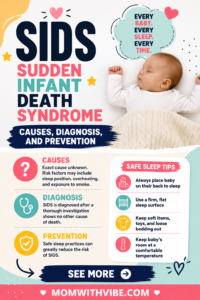
Save pin for later

- 12 Things Pregnant Women Do When They’re Alone - June 7, 2026
- 25 Healthy Pregnancy Snacks You Should Try - June 7, 2026
- 100 Funny Baby Jokes That Will Make You Laugh - May 15, 2026