

It can feel overwhelming when your child reacts strongly to everyday sounds, textures, or lights that seem perfectly fine to everyone else. You aren’t alone in wondering why your little one struggles with things that other kids handle with ease, and it is natural to look for answers.
Sensory processing issues mean a child’s brain has trouble organizing the information it receives from their senses. While most kids adapt quickly to their environment, those with these challenges might feel overwhelmed or confused by normal input. Every child experiences the world in their own way, and noticing these signs is the first step toward providing the right support for them.
Sometimes, parents find that engaging sensory play projects help their children process these inputs in a safe and comfortable environment. If you want to see what some of these behaviors look like in practice, this helpful video breaks down common sensory seeking and avoiding signs.
Let’s look at the nine specific signs that might indicate your child is experiencing sensory processing differences.
What Are Sensory Processing Differences
Every child experiences the world through their senses, but for some, the brain interprets these signals differently. You can think of the brain as having a sensory filter. For most people, this filter manages incoming information like a screen, letting through just the right amount of data. When a child has sensory processing differences, that filter may be either too thin or too thick.
If the filter is too thin, the brain lets in too much information at once. A regular room feels like a concert hall, and a soft sweater feels like sandpaper. When the filter is too thick, the brain misses some incoming signals. The child might need extra input, like deep pressure or constant movement, just to feel like they are present in their own body. You can find more detail on these challenges by reviewing information about sensory processing challenges to see how it affects daily life.

Sensory Avoiders
Some children are hypersensitive, meaning they are over-responsive to the world around them. These kids are often called sensory avoiders because they spend much of their energy trying to keep the environment from overwhelming them. They might cover their ears during loud events, refuse to touch certain food textures, or shy away from bright lights.
Because their brain is on high alert, they often react with intense emotions when they feel flooded. Providing simple texture-based activities at home can sometimes help these children explore sensations in a controlled, predictable way. When a child feels they have control over the input, they are much more likely to engage without the panic that usually comes with sensory overload.
Sensory Seekers
In contrast, sensory seekers are under-responsive. Because their “filter” is thick, they crave intense input to get the same level of stimulation that other kids get from everyday life. These children are the ones who seem to never stop moving. They might jump, spin, crash into walls, or constantly touch everything they see just to get a clear sense of where their body is in space.
While this behavior often looks like simple high energy, it is actually a biological need to wake up their system. They are trying to turn the volume up on the world so they can feel and process it more clearly. Incorporating developmentally appropriate sensory play provides a healthy outlet for this need. By helping them get the right kind of input, you can often help them feel more regulated and calm during the rest of their day.
Signs Your Child Might Be Overwhelmed by Senses
It is common for children to have moments of frustration, but those with sensory processing differences often face a unique set of challenges. Their brains receive input differently, which makes everyday environments feel intense or even painful. Watching for these specific behaviors helps you identify when your child feels overloaded and allows you to create a more supportive environment for them.

Reactions to Sounds and Busy Environments
Many children with sensory challenges find common household noises or public spaces difficult to tolerate. A vacuum cleaner, for instance, might sound like a jet engine to them, causing an immediate physical reaction. You might notice your child covering their ears, crying, or even trying to run away when these sounds occur. Hand dryers in public restrooms often trigger similar distress because the noise is sharp, sudden, and impossible to ignore.
Busy places like supermarkets or malls create a wall of sensory information that many children find exhausting. The mix of bright overhead lights, constant movement, and overlapping background conversations can quickly lead to a meltdown. If your child becomes irritable or shuts down after only a short time in these environments, they are likely experiencing sensory overload. It is helpful to realize their reaction is a physical response to an overstimulated brain rather than simple behavioral defiance. Recognizing these patterns allows you to prepare for outings or choose quieter times to run errands.
Struggles with Clothing and Physical Touch
Sensory-avoiding children often experience the physical world with heightened sensitivity. Clothing that feels comfortable to you might feel restrictive or painful to them because their skin registers every detail. Tags that rub against the neck, tight elastic bands, or seams inside socks often become sources of significant distress. You may find yourself playing a daily game of trial and error to find items that don’t cause an immediate reaction.
Physical touch also presents challenges for many children who are sensitive to sensory input. Even a light, affectionate touch or a hug from a loved one might feel overwhelming or uncomfortable. They may pull away or stiffen up, not because they dislike you, but because their brain interprets that sensation as too much input. Respecting their need for personal space helps them feel secure while they learn how to manage their body. Offering them control over when and how they receive touch provides a sense of safety that is vital for their well-being.
Picky Eating and Texture Sensitivities
Food is often a major battleground for children who struggle with sensory input. The issue rarely involves being a picky eater in the traditional sense; instead, it is about how the mouth and brain interpret texture, smell, and temperature. A child might refuse a certain food because the “mushy” or “crunchy” feeling is too intense, or because the scent is simply too strong to handle. They may only eat foods that have a very specific, predictable texture.
Sudden changes in food temperature or mixed textures in a single dish can also feel unsettling. When you look at their eating habits through a sensory lens, it becomes easier to understand why they prefer a limited diet. You can find more information about sensory processing challenges to learn how these triggers impact their willingness to explore new options. Supporting your child involves creating a calm, pressure-free mealtime atmosphere that respects their sensory boundaries while allowing them to develop comfort with new foods at their own pace.
Signs Your Child Is Craving More Sensory Input
When a child craves more sensory input, they are essentially trying to turn up the volume on the world around them. Their nervous system is under-responsive, meaning it takes more intensity than usual for their brain to register and process information. You might notice they seem like they are always in motion or constantly seeking physical contact, but this is rarely about being difficult. Instead, it is a genuine biological need to feel grounded and present in their own body. If you want to better understand the underlying mechanics of these behaviors, what are sensory seekers provides a great overview of why this system seeks extra stimulation.

Need for Constant Movement and Bumping
Children who crave vestibular and proprioceptive input often appear to have boundless energy. They might be the kids who are always running, jumping, or spinning until they get dizzy. For them, these intense movements provide the feedback their muscles and joints need to feel stable. Without this, they might feel disconnected from their surroundings.
You may see them crashing into furniture, wrestling with siblings, or jumping off high surfaces. These actions are not necessarily signs of aggression or lack of discipline. They are often attempts to get deep pressure or intense movement to soothe a nervous system that feels “low.” Learning how to recognize sensory seeking can help you distinguish between typical high energy and a genuine physical need for more regulation.
Sometimes, simple activities can help these children get the input they need in a safer way. While older children might enjoy trampolines or heavy lifting tasks, younger children often benefit from rhythmic bonding activities for infants that provide consistent, soothing physical input. Watching for these patterns allows you to offer healthy, regulated outlets for their energy.
High Energy and Tactile Seeking
Tactile seekers go through the world with their hands wide open. They want to touch everything, explore every texture, and feel how objects react to their grip. You might notice them rubbing fabrics, constantly fidgeting with small items, or even chewing on collars or pencils. This behavior serves as a way to gather information about their environment through their sense of touch.
For many of these children, rough play is a primary source of feedback. They might enjoy being squeezed, wrapped in heavy blankets, or playing in ways that involve intense tactile engagement. It is a way to “wake up” their skin receptors. For a deeper dive into how this system functions, is your child a sensory seeker offers useful perspective on how these under-responsive systems interact with daily environments.
It is helpful to provide options that honor this urge to touch without letting it become a disruption. Offer items with different textures, such as kinetic sand, textured stress balls, or even just various fabrics around the house. When you provide appropriate outlets for tactile exploration, your child often feels more settled and ready to focus on other tasks. By validating their need for touch, you help them build the body awareness they need to navigate the world with more confidence.
Supporting Your Child at Home and School
Creating a supportive space for your child starts with small, intentional adjustments. When your child struggles to process sensory input, their environment often dictates how well they can function and stay regulated. By tailoring your home and school strategies to meet their unique needs, you can reduce daily frustration and help them feel more secure. Creating a playful learning environment at home is a great place to start, as it builds a foundation for exploring textures and movements at a comfortable pace.
Practical Strategies for Home Success
Predictability is one of the most effective tools for a child with sensory challenges. Establish consistent routines for morning, mealtime, and bedtime so your child knows exactly what to expect. You can also use visual schedules to minimize the stress of switching between tasks. If your child struggles with transitions, provide a clear five-minute warning before moving on to the next activity.
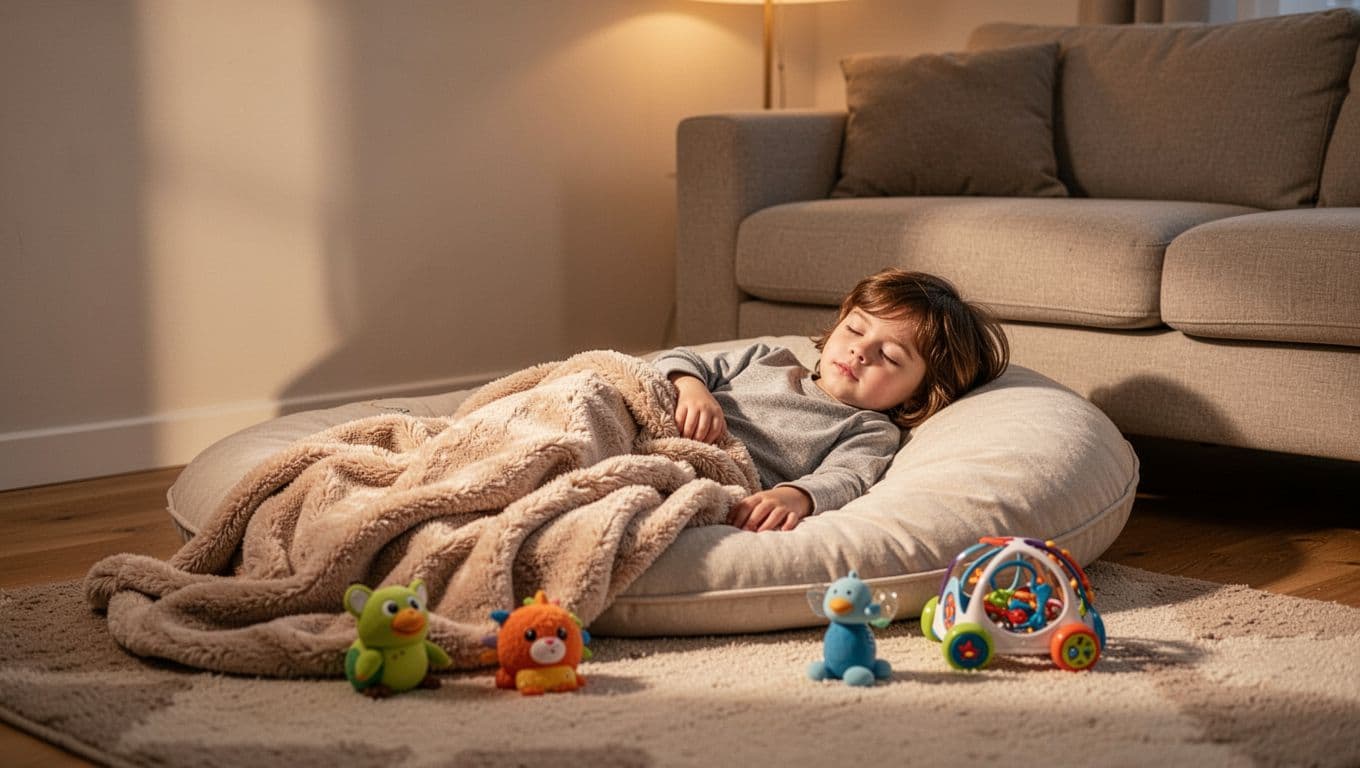
Designating a quiet corner in your home provides a safe retreat when the world feels like too much. Equip this space with soft lighting, cozy blankets, and calming items like fidget tools or noise-canceling headphones. This gives your child a place to reset their nervous system without feeling forced into social interaction. Additionally, look for ways to incorporate heavy work, such as carrying groceries or doing simple wall push-ups, to help ground their body. Always remember that the goal is regulation, not perfection. If you feel stuck, working with a professional can make a significant difference. Occupational therapists are highly trained to identify your child’s specific triggers and can provide specific guidance on sensory integration therapy to help them manage their responses.
Navigating the School Environment
Communication with your child’s teacher is key to ensuring they have a successful day in the classroom. Share what works at home, such as a specific need for movement breaks or sensitivity to loud noises. You might also suggest simple changes like seating your child away from high-traffic areas or noisy equipment. When teachers understand the underlying cause of a child’s behavior, they can respond with empathy and effective accommodations.
Teach your child how to advocate for their own needs as they get older. Use simple phrases or hand signals that they can use to let an adult know they need a break. It is helpful to pack a small sensory kit in their backpack that includes items like a small stress ball, a chewy necklace, or noise-canceling headphones. These tools allow them to self-regulate quietly during class, which boosts their confidence and focus. If their sensory needs feel unmanageable, consult with school staff about a formal support plan. Early, targeted intervention often leads to better long-term outcomes for children as they learn to navigate their environment.
Conclusion
Recognizing these signs is the first step toward getting your child the right support. By identifying their specific needs, you find better ways to help them regulate their emotions and navigate their daily life.
Please remember that your child is not acting out on purpose. Their reactions to sensory input are real physical responses, not signs of bad behavior. It is important to approach these moments with patience and curiosity.
Every child is unique and has their own way of experiencing the world. When you embrace those differences, you create a safe environment where they can grow with confidence. Your support makes a world of difference for their well-being.
Save pin for later


- 12 Things Pregnant Women Do When They’re Alone - June 7, 2026
- 25 Healthy Pregnancy Snacks You Should Try - June 7, 2026
- 100 Funny Baby Jokes That Will Make You Laugh - May 15, 2026