
Three little fish share a calm pond, and their peaceful days take a sharp turn when fishermen appear near the water. In the story of the three fishes, each friend makes a different choice, and those choices lead to very different outcomes.
This gentle fable gives kids a clear lesson about paying attention, thinking ahead, and acting before trouble gets closer. It’s an easy story to read aloud, and it opens the door to a simple but important talk about wise choices, bravery, and caution.
Who are the three fish, and what makes each one different?
The three fish live in the same calm pond, but they do not think the same way. That is what makes the fable easy for children to remember. One fish pays close attention, one fish thinks fast, and one fish trusts things will stay safe on their own.
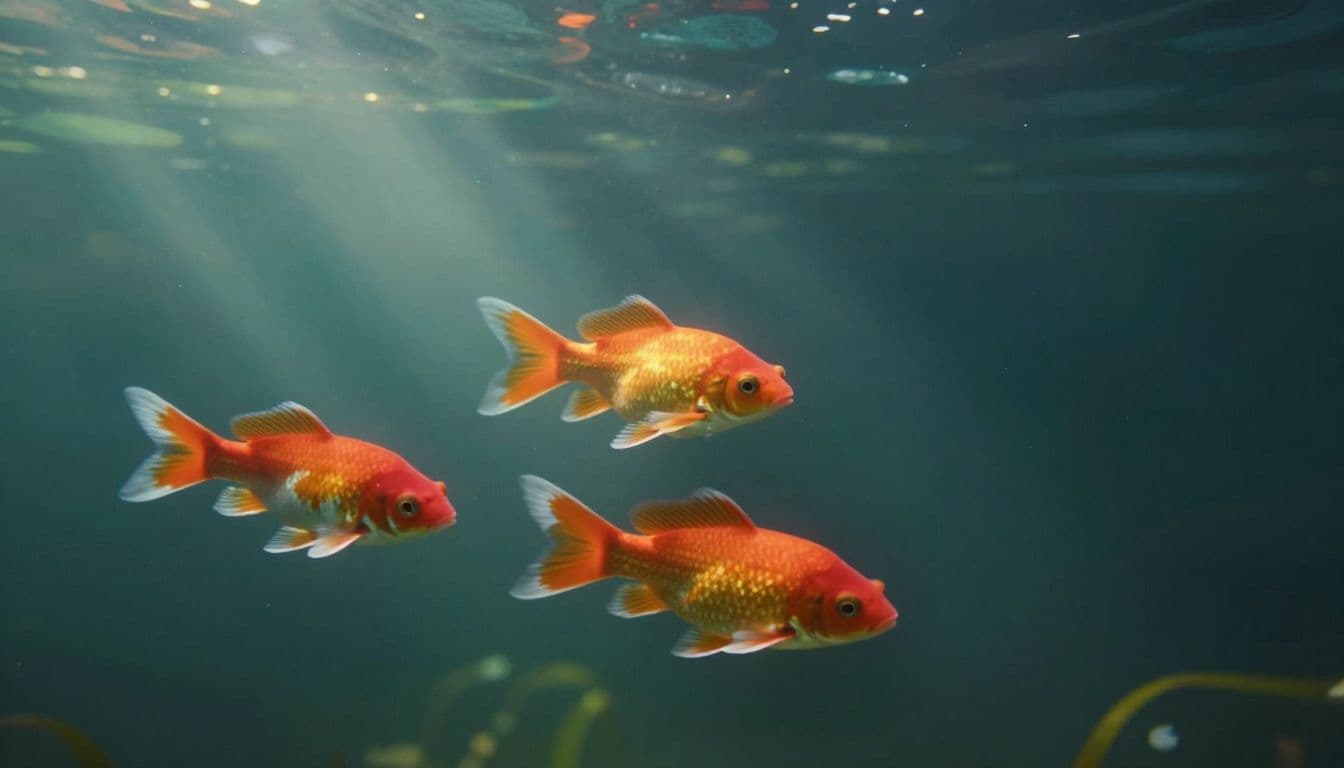
Each fish shows a different kind of habit, and each habit matters when danger appears. In stories like this, children can see how choices shape what happens next. A calm pond can change in a moment, so the fish’s reactions tell the whole lesson.
Small choices matter long before trouble gets close.
The careful fish who notices danger early
The first fish is careful and alert. It listens to the water, watches the bank, and notices little changes before the others do. When danger feels near, this fish believes in moving early instead of waiting too long.
Children can picture this fish like someone who sees storm clouds before the rain starts. It does not panic, but it does pay attention. That kind of wise caution can keep a fish safe, because it acts before fear has time to grow.
For young readers, this fish shows a simple truth: being alert helps protect us. It reminds us to notice signs, trust good sense, and act before a problem gets bigger. For more ways to build that habit in children, see practical ways to build mental strength in kids.
The clever fish who thinks fast under pressure
The second fish stays calm when the net comes near. Instead of freezing, it looks for a quick way out and uses its mind like a flashlight in the dark. That fast thinking gives it a real chance to escape.
This fish is easy to picture in action. It sees the danger, keeps its head, and finds a smart path before the moment slips away. Cleverness helps here, because it turns fear into action.
That kind of quick thinking is useful in many parts of life. Children can learn that smart choices matter, especially when things change fast. A child who practices calm thinking may handle hard moments with more confidence. Emotional intelligence activities for families can help build that same calm response at home.
The fish who waits too long and gets caught
The third fish hears the warning but does nothing. It hopes the danger will pass, so it stays where it is and waits. That choice feels easy at first, but it leads to trouble.
This fish is gentle and trusting, yet too much waiting becomes a problem. The net arrives, and by then there is very little time left. Children can understand this part clearly, because it shows how ignoring a warning can cost us a safe chance to act.
The lesson is simple and fair. Care, quick thinking, and timely action all matter, while delay can leave a person stuck. In this fable, the three fish each show a different path, and those paths make the story memorable for kids.
The story of the three fishes, told step by step
The pond was calm at first, but calm does not last forever. One day, the three fishes heard a warning that fishermen were nearby and might return soon. The water seemed peaceful, yet the message changed everything. Danger had not arrived yet, but it had sent a small shadow ahead of it.

The warning that changes everything
When the fish heard the news, the first thing they felt was a rush of concern. The water had not changed, but the meaning of the moment had. A warning like that is small, yet it can save a life if someone listens.
The fish swam close together and took the message seriously. They knew the fishermen could return at any time, and waiting too long would make the pond unsafe. That is how trouble often begins, with a warning that gives just enough time to act.
How the first two fish escape in different ways
The first fish did not waste a second. It left the pond right away and moved to safety before the danger got closer. Quick action gave it room to breathe, and that choice kept it out of harm’s way.
The second fish stayed, but it did not sit still. It used a smart trick to survive, showing that quick thinking can work in more than one way. One fish escaped by leaving, while the other escaped by staying alert and using its head. For parents who want more ways to talk about wise choices with children, positive parenting techniques for toddlers can help build that same habit of careful action.
A warning is useful only when someone does something with it.
The two fish made different choices, but both understood the same truth. When danger comes close, thinking fast matters.
Why the third fish’s choice leads to trouble
The third fish heard the warning too, but it did nothing. It stayed where it was and hoped the danger would pass on its own. That hope did not protect it, because waiting gave the fishermen time to catch it.
This part of the story is clear. The third fish was not unlucky, it was unprepared. It had the same warning as the others, but it did not use that chance to act. As a result, the outcome was much harder.
Children can follow that lesson easily, because the cause and effect are plain. The fish that listened and moved stayed safer, while the fish that waited too long got into trouble. That simple pattern is what makes the Three Fish moral story easy to remember and talk about.
What kids can learn from the story of three fishes
The story of the three fishes gives children more than a clever tale. It shows how small choices can shape what happens next, especially when a warning appears early.
Kids understand this lesson best when it connects to real life. A parent’s warning, a school rule, or a strange feeling that something is off can all be moments to stop, look, and think.

It helps to pay attention when something feels wrong
Children do not need a big alarm bell to notice danger. Often, a small sign is enough, like a parent’s serious voice, a broken fence, or a place that suddenly feels unsafe.
That habit matters because danger usually gives hints first. A child who notices those hints can step back, ask for help, or leave before trouble grows. For parents, this is one reason understanding key developmental milestones in children matters, since growing awareness is part of healthy development.
A simple way to teach this lesson is to use everyday examples:
- A parent says, “Stay away from that area,” and the child listens.
- A room feels too crowded or too noisy, so the child moves closer to an adult.
- A toy looks broken, so the child does not keep using it.
Children stay safer when they trust small warning signs early.
When kids learn to notice what feels wrong, they build a habit that protects them far beyond this fable.
Quick thinking can save the day
The story also shows that a clear mind helps when a problem shows up fast. Panic makes choices messy, but calm thinking gives a child a better next step.
Quick thinking does not mean rushing blindly. It means pausing for a moment, noticing what is happening, and choosing the safest move. That might mean calling a parent, moving away from danger, or asking a trusted adult for help right away.
This lesson fits many childhood moments. A child might spill something hot, hear a dog barking loudly, or realize a game is getting rough. In those moments, a smart choice matters more than fear. For a helpful look at how kids build confidence through challenge, the dangers of overprotective parenting explains why children need space to practice judgment.
A child can remember this simple pattern:
- Notice the problem.
- Stay calm for a moment.
- Choose the safest next step.
That is the kind of thinking that turns fear into action.
Waiting and hoping is not a real plan
The third lesson is easy for children to understand. If a problem is growing, waiting usually makes it worse.
Kids sometimes hope a hard thing will go away on its own. They may ignore a warning, delay asking for help, or stay quiet because they feel nervous. Yet the story of the three fishes shows that hope without action can leave someone stuck.
This does not mean children should be afraid all the time. It means they should learn that small steps matter. Speaking up, moving away, or telling an adult is often enough to change the outcome. A child who acts early has more choices than a child who waits too long.
You can explain it in plain words: if something looks wrong, do not sit still and wish for the best. Move, speak, and get help. That simple habit is stronger than fear.
The story also teaches a bigger truth about daily life. Problems at home, at school, or with friends rarely fix themselves while we stay quiet. A kind word, a clear choice, or a quick request for help can make a hard moment easier to handle. For a broader view of how stories help children learn and grow, children’s literature and storytelling can shape healthy thinking in everyday life.
How to read this fish story with your child
This story becomes more memorable when you read it like a tiny play, not a quiet lecture. Keep your tone warm, add a little drama, and let your child join in as the fish make their choices.
A good read-aloud feels like a pond with ripples. Your voice makes the water move, and your child stays part of the scene instead of sitting on the edge.

Ask simple questions while reading
Short, playful questions help children stay alert and curious. They do not need long answers. A quick choice or two is enough to keep the story moving.
Try asking:
- “What should the fish do now?”
- “Which fish made the smartest choice?”
- “What do you think will happen next?”
- “Who listened best?”
- “Would you stay or swim away?”
Pause after each question and let your child guess. If they answer in a funny or unexpected way, that is fine. The point is to keep their mind in the water with the fish.
You can also point to the fish and ask them to compare choices. Children often remember the story better when they can pick the brave fish, the clever fish, or the fish that waited too long. For more ideas on making story time interactive, making reading time more engaging can help turn books into playful moments.
A few small questions can do more than one long explanation.
Use the story to start a real-life chat
After the last page, keep the talk gentle and close to home. Connect the fish story to moments your child already knows, like listening when a parent calls, asking for help when something feels wrong, or moving fast when there is a real problem.
You might say, “The fish who listened early stayed safer. What helps you listen early at home?” Or, “If something feels off, who can you tell right away?” These questions feel safe, and they make the lesson practical.
Simple examples work best:
- When a grown-up gives a warning, children can stop and listen.
- When a choice feels confusing, they can ask for help.
- When something seems unsafe, they can move away right away.
A calm chat after reading does more than teach the moral. It helps your child connect the story to daily life, which is exactly why fables stay in a child’s mind so long. If you want another way to build that habit, reading strategies for preschoolers offers simple ways to keep young children involved with books.
To make the story even more fun, use different voices for each fish. Give the careful fish a steady voice, the clever fish a quick voice, and the fish that waits too long a soft, unsure one. That tiny change can make the whole story feel alive. For more ideas on turning fables into playful lessons, fables for children offers a helpful look at why these stories stick with kids.
Conclusion
The story of the three fishes stays with children because each fish makes a different choice, and each choice leads to a different ending. That simple pattern gives kids a clear lesson about paying attention, thinking ahead, and moving when it matters.
It is a gentle fable, but its message is strong. When children learn to notice warnings, stay calm, and act early, they carry a habit that can help them in small moments and bigger ones too. For more quiet stories that work well at the end of the day, calming bedtime stories for children can keep story time soft and meaningful.
What makes this tale memorable is its honesty. Care, quick thinking, and timely action can make a big difference, and that is a lesson children can remember long after the last page.
Save pin for later

- Asperger’s Syndrome in Babies: Early Signs and Next Steps - October 7, 2026
- 12 Beautiful Baby Names That Mean Forest, Plus Woodland Picks - September 27, 2026
- 15 Fantastic Baby Nicknames for Boys, From Sweet to Playful - September 27, 2026