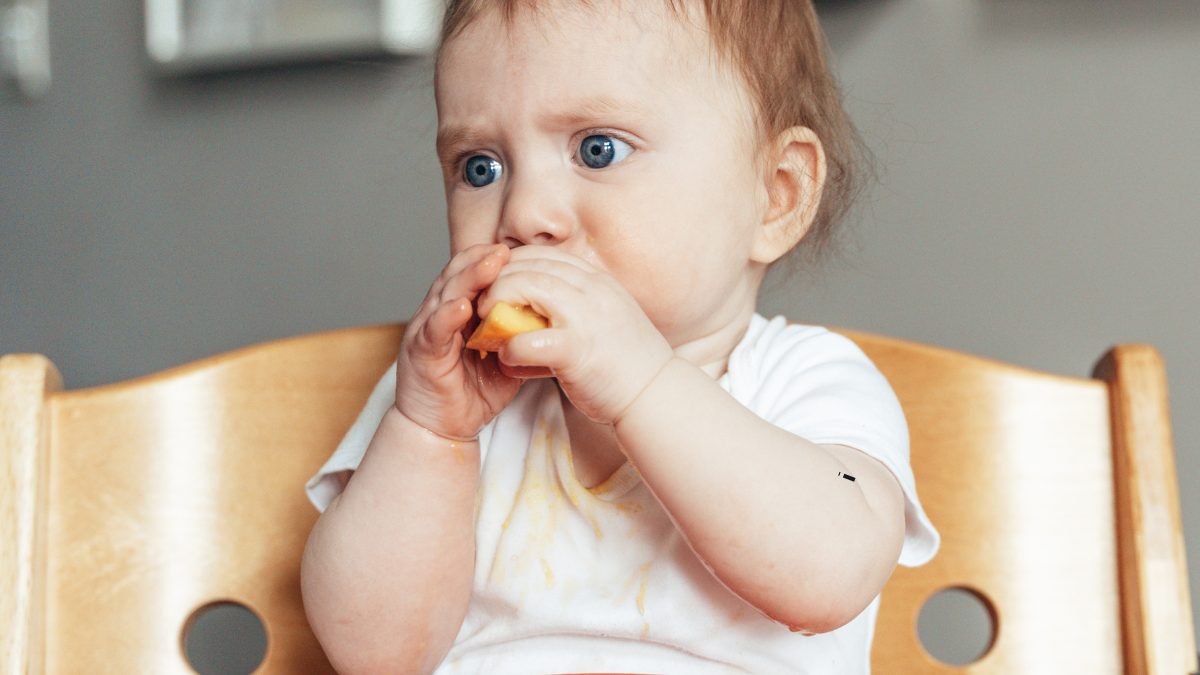
Your child takes one look at dinner, pushes the plate away, and asks for the same plain food they ate yesterday. If that scene feels familiar, take a breath: picky eating is common, and it doesn’t mean you’re doing anything wrong as a parent.
The goal isn’t to force your child to clean the plate. Instead, calm routines and repeated, pressure-free chances to explore food can make mealtimes easier over time. These strategies for toddler picky eating include serving new foods beside familiar favorites, offering smaller portions, involving your child in preparation, and keeping your response neutral when they refuse.
You may also find that a food needs several exposures before it feels familiar, so a rejected bite doesn’t mean the food is off the menu forever. The eight practical tricks below will help you create less stressful meals while giving your child room to decide what and how much to eat. If your child chokes often, has repeated vomiting, struggles to grow, or eats an extremely limited range of foods, talk with a pediatrician or feeding professional. For more ideas, watch this picky-eating video from MyRecipes.
Why picky eating happens, and what parents can control
Picky eating often reflects normal development, not a parenting failure or a difficult personality. Appetite can change from day to day, and a child who ate well yesterday may barely touch dinner tonight. Growth also slows after the baby stage, so some children naturally need less food than parents expect.
Several common factors can shape food refusal:
- Unfamiliar foods may trigger caution, especially when a child prefers predictable meals.
- Strong reactions to texture, smell, temperature, or mixed foods can make certain bites feel unpleasant.
- Growing independence can turn food choices into one area where your child feels in control.
- Constipation, reflux, choking, or another uncomfortable eating experience may make a child wary of similar foods.
A child who rejects a soft vegetable may be responding to its texture, not trying to challenge you. Understanding the reason makes it easier to choose a calm response. Children with intense reactions to texture or smell may also benefit from learning about sensory signs that affect children’s eating.

Use responsive feeding to divide the responsibility
Responsive feeding gives you a clear job without asking you to control every bite. You decide what food to offer, when meals and snacks happen, and where your child eats. Your child decides whether to eat and how much to eat.
That boundary can prevent many mealtime battles. Serve a balanced meal, include at least one familiar food, and allow your child to choose what feels comfortable. Avoid pressuring, bribing, or insisting on one more bite. Those tactics may produce a bite today, but they can also make the table feel stressful tomorrow.
Regular meal and snack times help your child notice hunger and fullness. Keep food available at predictable intervals, then let your child respond to their appetite. You can offer water between meals, while frequent grazing or filling drinks may reduce hunger at mealtime.
Your responsibility is to provide the opportunity to eat. Your child’s responsibility is to decide whether and how much to eat.
Set realistic expectations for new foods
One refused meal tells you very little about your child’s health or future eating habits. Children often need 10 to 15 low-pressure exposures before an unfamiliar food feels safe enough to taste. An exposure might mean seeing, smelling, touching, or licking the food, not finishing a serving.
Offer a tiny portion beside something your child already enjoys. Keep your reaction neutral when they refuse, then try again another day in a different form. Research on picky eating also supports repeated exposure, parent modeling, and relaxed family meals, as described in this review of picky eating in children.
Over time, your calm consistency becomes more useful than a clean plate. If eating causes pain, frequent vomiting, choking, poor growth, or an extremely limited diet, contact your child’s pediatrician or a feeding professional.
8 Tricks to Get Your Picky Eater to Eat Without a Mealtime Battle
Small changes can make food feel safer without turning dinner into a negotiation. Use these tricks consistently, then judge progress over weeks rather than expecting one meal to change your child’s eating habits.
Start with a familiar food and serve tiny portions
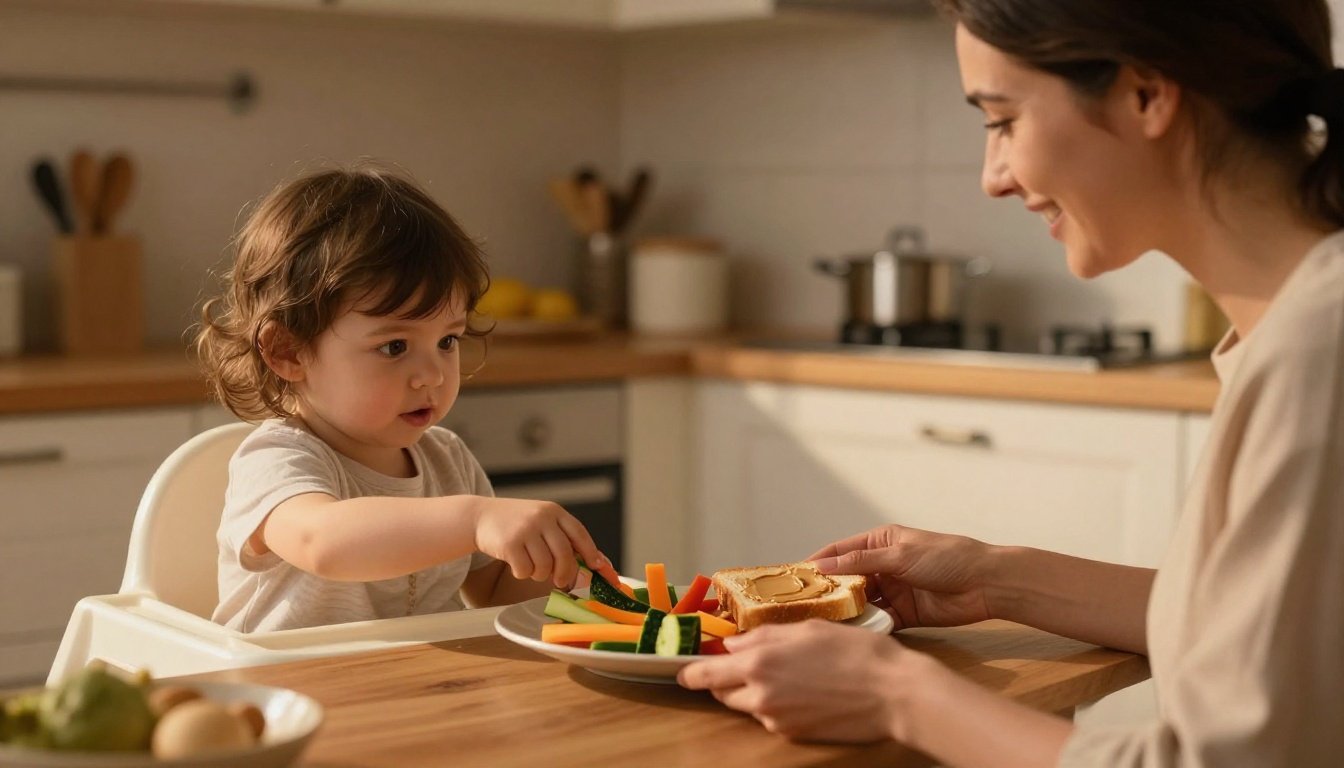
Trick one: pair every unfamiliar food with something your child already accepts. Familiar food offers comfort, while the new food gets a low-pressure introduction. Try roasted carrots with pasta, a new fruit beside crackers, or a small piece of chicken next to rice. You can also use these easy toddler finger food recipes for manageable ideas.

Trick two: keep the new portion extremely small. A pea-sized taste may feel less intimidating than a large scoop taking up half the plate. Your child can ask for more if they want it.
Never make your child finish the unfamiliar food, or even taste it. Seeing it, leaving it untouched, or moving it around the plate still gives your child a safe chance to become familiar with it.
Offer food on a steady schedule and let your child help
Trick three: serve meals and snacks at predictable times instead of allowing all-day grazing. Children should come to the table hungry, but not so hungry that they feel frantic. Offer regular meals, planned snacks, and water between eating times. Many feeding guidelines suggest leaving roughly two to three hours between eating opportunities and keeping meals around 20 to 30 minutes.
When the time ends, calmly clear the table without treating it as punishment. A steady schedule helps your child notice hunger and fullness while reducing pressure to eat during one particular meal.
Trick four: give your child safe choices and simple kitchen jobs. Let them wash berries, stir batter, choose between broccoli and peas, or place napkins on the table. Involvement can make an unfamiliar food feel less threatening because your child has seen and handled it before.
You still decide which nutritious foods are available. Your child chooses between reasonable options, not whether the family must prepare a separate dinner.
Make new foods feel familiar through repetition and play
Trick five: offer rejected foods again after a break instead of removing them forever. Children may need 10 to 15 or more positive exposures before accepting a new food. Looking at it, touching it, smelling it, licking it, or taking one bite can all count as progress. Guidance on repeated exposure to new foods supports returning to foods without pressure.
Change the presentation when you try again. Serve cucumber raw, in small rounds, or inside a sandwich. Keep your voice neutral whether your child tastes it or ignores it.
Trick six: explore food away from the main meal. Sort foods by color, make a face with fruit, visit a farmers market, or read a food-themed book together. These activities build familiarity without placing a bite under a spotlight.
Keep the play honest. Don’t trick your child into eating by hiding food or pretending a bite is something else. Trust grows when your child knows what is on the plate.
Model calm eating and protect your child’s hunger cues
Trick seven: eat the same foods together and show curiosity without giving a nutrition lecture. Say, “This is crunchy,” or “I like the smell.” Your child learns more from watching your relaxed response than from hearing that vegetables are necessary to earn dessert.
Trick eight: respect hunger and fullness cues while keeping clear meal boundaries. You decide what, when, and where food is served. Your child decides whether to eat and how much. Avoid pressure, bribery, shame, distractions, and forced bites.
When your child refuses, try saying, “You don’t have to eat it. It will be here if you decide you want some.” Then continue your meal calmly. Consistent, low-pressure opportunities give your picky eater room to build confidence at their own pace.
Build a picky-eater meal routine that works in real life
A picky-eater routine works best when it fits your actual schedule. Serve one family meal when possible, include one familiar food, and let your child decide what and how much to eat from the options available. Age-appropriate portions also matter, since an overflowing plate can feel overwhelming.

Keep the family meal simple and predictable
Offer breakfast, lunch, dinner, and planned snacks at roughly consistent times. Your child should have enough time to feel hungry, but not reach the table exhausted and desperate for food. Serve everyone the same meal, then include one accepted item such as bread, rice, fruit, yogurt, or plain pasta.
Keep children seated upright and supervised while they eat. Remove screens and toys, and use a table or another designated eating spot. The CDC also recommends serving unfamiliar foods with foods your child already likes, which makes the plate feel less intimidating.
If your child asks for a separate meal, stay calm. You can offer a basic backup food already included in dinner, such as the bread from the table, plain rice, or fruit. Avoid cooking a completely new meal after your child rejects the first one. That pattern can quickly turn you into a short-order restaurant.
Say, “You don’t have to eat it. Dinner is what we have tonight.” Then allow your child to leave the table when the meal ends. A familiar option protects your child’s chance to eat without requiring a custom menu.
Adapt the routine for busy days
Some evenings call for shortcuts. Keep easy foods available, such as frozen vegetables, scrambled eggs, beans, whole-grain toast, shredded chicken, or prewashed fruit. A simple plate with two or three foods still counts as a family meal.
For daycare or school, share your child’s routine with caregivers. Ask them to include a familiar food, follow the planned meal and snack schedule, and avoid pressuring your child to clean the lunchbox. Pack foods your child can manage independently, especially when the setting is noisy or rushed.
Travel also becomes easier with preparation. Bring familiar snacks alongside one small taste of something new. These kid-friendly snacks for long car rides can help you avoid relying on candy or drive-through food when hunger strikes.
Siblings may need different portions or food choices. Serve the same main meal, but let each child choose from the foods offered. One child might eat the chicken, while another prefers the rice and fruit. You don’t need to make identical plates.
Avoid habits that increase food stress
Hiding every vegetable can make meals easier for a moment, but it doesn’t help your child learn to accept vegetables openly. Continue blending vegetables into some recipes if you like, while also serving small visible portions.
Dessert shouldn’t become payment for eating dinner. Using sweets as a reward can make vegetables seem unpleasant and dessert seem more valuable. Offer treats occasionally without tying them to the number of bites eaten. For guidance on added sugar limits for toddlers, use age-appropriate recommendations rather than fear or guilt.
Too many snacks can erase hunger before meals. Offer planned snacks, water between eating times, and a calm response when your child refuses. A neutral “Maybe you’ll be hungry at snack time” protects the routine better than pleading, bargaining, or showing disappointment.
Know when picky eating needs medical or feeding support
Selective eating is common, but ordinary food preferences are different from a feeding problem. A child may dislike broccoli, prefer plain pasta, or reject foods with mixed textures while still growing well and eating enough variety over time. The concern is not one disliked food. It is a pattern that affects growth, nutrition, safety, or daily life.
If your child has any warning signs below, contact their pediatrician. Keep a short record of foods, symptoms, meal length, vomiting, bowel movements, and changes in weight. That information can help the doctor see the full pattern.

Red flags that deserve a pediatrician’s attention
Make an appointment if your child has poor weight gain, loses weight, seems unusually tired, or shows signs of dehydration, such as very dark urine, fewer wet diapers, a dry mouth, or unusual sleepiness. A shrinking list of accepted foods also matters, especially when your child refuses entire food groups or suddenly stops eating foods they once enjoyed.
Ongoing vomiting, severe constipation, pain with eating, or meals that regularly take more than 30 minutes can point to a problem beyond typical pickiness. Your pediatrician can check for reflux, constipation, oral pain, allergies, nutritional gaps, or other medical causes. Before adding high-calorie foods, get guidance if your child is losing weight or struggling to grow. These nutrient-rich foods for kids may not address the cause of poor intake on their own.
A sudden loss of foods your child used to eat deserves attention, even if they still accept a few favorites.
Watch for swallowing and breathing problems
Eating should not regularly involve choking, coughing, or distress. Contact your child’s pediatrician if you notice frequent choking, coughing, gagging during meals, food pocketing in the cheeks, slow or difficult chewing, or trouble swallowing. Other warning signs include a wet or gurgly voice after eating, congestion after meals, repeated throat clearing, pain with swallowing, or trouble breathing while eating.
These symptoms can indicate that food or liquid is not moving safely. The signs of pediatric feeding and swallowing disorders include breathing difficulty during meals and refusal of certain textures. Don’t wait for a child to “grow out of” frequent choking or breathing changes. Stop the meal if your child is struggling to breathe, and seek urgent medical care when needed.
Know when a feeding team can help
A pediatrician may refer your child to a registered dietitian, speech-language pathologist, occupational therapist, or specialized feeding team. A registered dietitian can assess nutrition and help close gaps without turning meals into a battle. A speech-language pathologist can evaluate chewing and swallowing, while an occupational therapist may help with sensory responses, positioning, and mealtime skills.
Bring a list of accepted foods and note how your child handles different textures, temperatures, and brands. Also record how long meals take and whether your child coughs, gags, pockets food, or becomes exhausted. A feeding team uses those details to create practical steps that fit your child’s needs.
Treat allergic reactions as urgent
Hives, facial or lip swelling, repeated vomiting, wheezing, or breathing difficulty after eating may indicate an allergic reaction. Severe breathing problems, throat swelling, or swelling of the tongue require emergency care. Call 911 and follow your child’s allergy action plan. This article offers general information, not a diagnosis, so trust your instincts when eating suddenly becomes unsafe or your child’s health begins to change.
Conclusion
Helping a picky eater takes patience, structure, and many calm opportunities to explore food. Keep meals and snacks predictable, include a familiar favorite, and offer new foods in small portions without pressure. Involve your child in simple kitchen tasks, model relaxed eating, and try gentle exposure to new plant-based foods through repeated, low-stress family meals.
Measure progress in small steps, such as allowing a food on the plate, touching it, smelling it, or taking one bite. A meal doesn’t need to end with an empty plate to count as progress. When children feel safe and respected at the table, trust grows across many ordinary meals, even when they still refuse the food.
If eating involves choking, pain, repeated vomiting, poor growth, weight loss, or a very limited diet, contact your child’s pediatrician or a feeding professional. With steady routines and less pressure, your picky eater can build confidence at their own pace.
Save pin for later


- Dry Cough in Kids: 5 Causes and Safe Solutions - September 23, 2026
- How to Help a Child Deal With Anxiety at Home - September 12, 2026
- How to Prepare Your Child for the First Day of School - September 12, 2026