Summer can make potty training feel possible at last, because your child wears fewer clothes, messes are easier to clean, and you can stay consistent without school-day chaos. A fast summer potty training method works best when your toddler is ready, you stay calm, and you keep the routine simple enough to repeat every day.
That said, speed only matters if the skill lasts. Short bursts of progress are nice, but the real goal is a child who starts noticing body signals, heading for the potty sooner, and growing more sure of themselves, even when the day gets busy. For parents who are also dealing with bathroom resistance, making potty time easier can help when pooping turns into the hard part.
The best results usually come from a clear plan, steady follow-through, and a little patience while your toddler finds their rhythm. Here’s how to make summer work in your favor.
Why summer can make potty training feel easier
Summer gives potty training a softer landing. Your child wears less, your days often feel less packed, and small bathroom wins happen with less friction. That matters because potty training goes better when the child feels calm, the parent stays steady, and the routine repeats often.
Warm weather also helps you notice patterns. When your toddler drinks more water, plays outside, and stays close to home, bathroom needs often show up in a more predictable way. That makes it easier to spot timing, follow body signals, and keep things simple.
A steady routine, good sleep, and enough water help your child feel more comfortable during this change.
Fewer clothes mean faster bathroom trips
Shorts, dresses, and easy-waist pants can save you precious seconds when your toddler needs to go. Instead of wrestling with snaps, tight leggings, or layers, you can move straight to the potty. Those few saved moments matter, especially when a child is still learning how to hold it.
Fewer layers also mean fewer messes to manage. If an accident happens, cleanup is lighter and less stressful, which keeps the mood calmer for both of you. That easier cleanup can help you stay patient, and patience makes a big difference during potty training.
A simple summer wardrobe can help a lot:
- Elastic waistbands make quick bathroom trips easier.
- Loose shorts and dresses reduce fumbling.
- Simple outfits make accidents less messy and less upsetting.
When the clothes are easy, the whole process feels less like a battle. That leaves more room for learning and less room for frustration.
More time at home helps your child learn faster
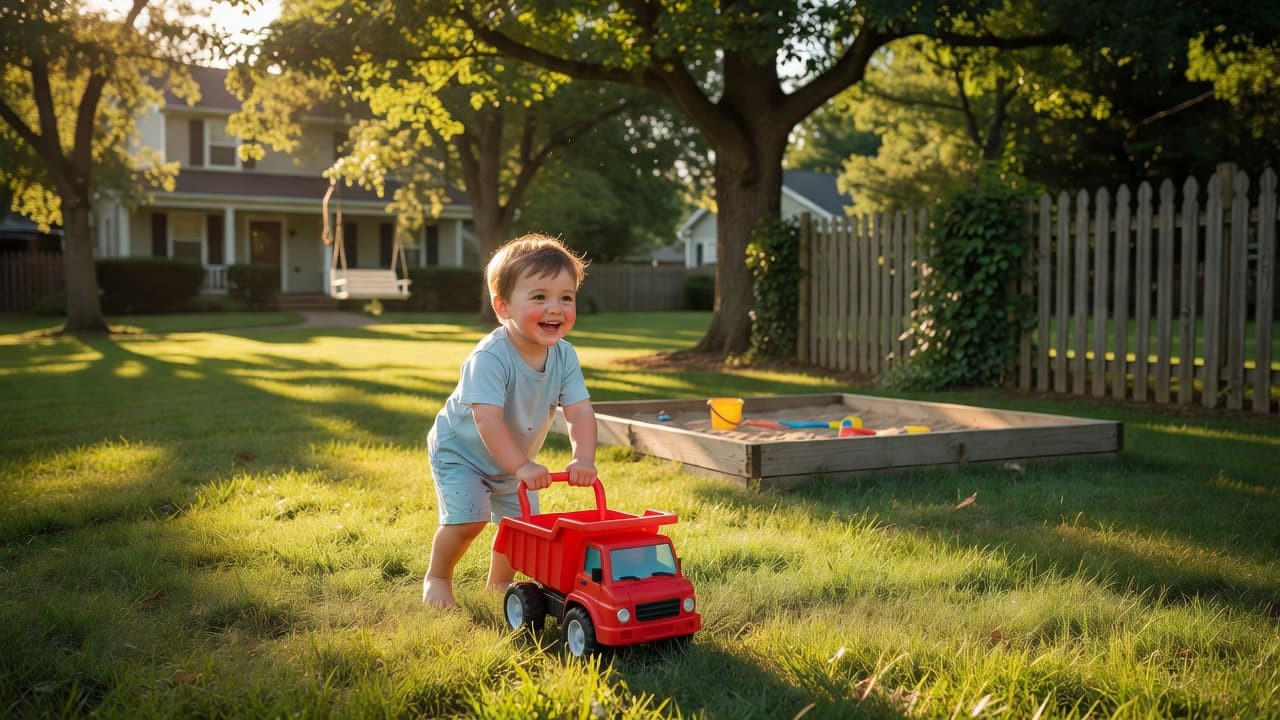
Summer often slows the calendar down. Fewer school runs, fewer heavy clothes, and fewer outside commitments can make it easier to stay close to home for a few days. That kind of consistency helps toddlers because they learn through repetition.
When you can repeat potty trips at home, your child gets more chances to notice the same cues and follow the same routine. The schedule starts to feel familiar, and familiar is calming. For a child who is still learning, that calm is half the job.
It also helps parents read the pattern more clearly. You see the moments before a pee accident, the after-breakfast rush, or the nap-time window. If you need extra support with a child who resists pooping on the potty, helping a three-year-old poop on the potty can give you a useful next step.
Warm weather can support a calmer routine
Summer mornings and afternoons can feel lighter. Fresh air, outdoor play, and slower family rhythms often take some pressure off the day, and that matters when a child is learning a new habit. A peaceful routine helps toddlers pay attention, settle faster, and cooperate more easily.
Warm weather can also make the bathroom routine feel less tense. Your child may spend more time nearby, play outside in easy clothes, and drink more water through the day. That mix gives you more chances to notice when they need to go, and more chances to respond before an accident happens.
Simple habits support that calm:
- Keep sleep regular so your child starts the day rested.
- Offer enough water so bathroom signals come through clearly.
- Stick to the same general routine so potty trips feel predictable.
Summer works best when it stays low-stress. A child who feels comfortable learns faster, and a parent who keeps the rhythm steady makes that learning easier to repeat.
Check for potty training readiness before you start
A fast summer potty training method works best when your toddler is ready for it. The season can help, but the calendar cannot teach a skill on its own. Readiness gives you traction, and without it, even the simplest plan can feel like pushing a stroller uphill.
The goal is to spot real signs in daily life, not to guess based on age or hope. When your child can stay dry longer, notice a wet diaper, and follow simple directions, you have a better starting point. Emotional calm matters too, because potty training asks a child to handle change without turning every small shift into a fight.
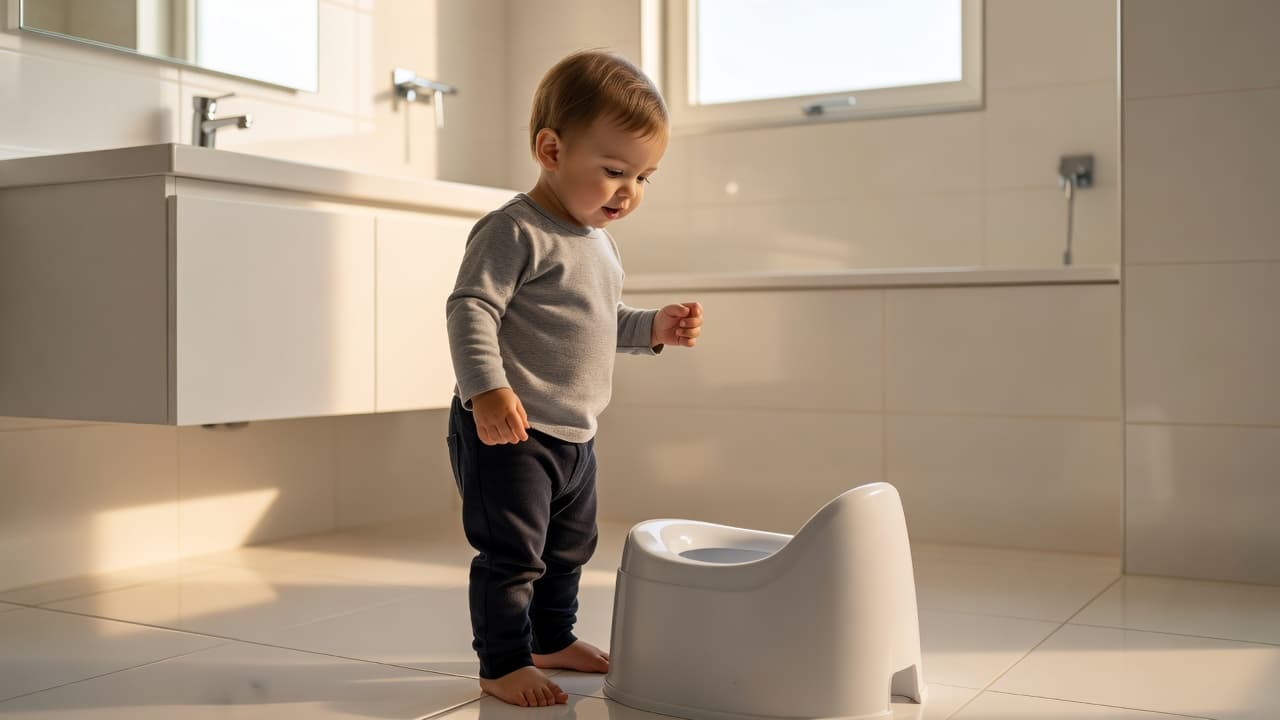
Signs your child may be ready now
Look for patterns you can see during a normal day. A toddler who is ready often stays dry for longer stretches, sometimes one or two hours at a time, and may even wake up dry after a nap. You may also notice that they pause before peeing, hide to poop, or seem bothered by a wet diaper.
Other helpful clues include simple cooperation and curiosity. Your child may follow basic directions like “bring me your shoes” or “sit here for a minute,” and may want to watch you use the bathroom. Some toddlers start asking about the toilet, wanting to flush, or showing interest in underwear instead of diapers.
A few practical readiness signs stand out:
- Longer dry periods between diaper changes
- Noticeable body signals like squirming, hiding, or pausing
- Interest in the potty or bathroom routine
- Ability to follow simple directions
- Some comfort with small changes in routine
The Cleveland Clinic notes that potty training readiness includes both body signals and the ability to cooperate with the process, which lines up with what parents often see at home. Mayo Clinic’s potty training guidance also points to signals like needing the bathroom and being able to sit on the toilet. If those signs show up often, you have a real opening.
Why rushing too early can backfire
Starting before your child is ready can stretch the process out instead of speeding it up. More accidents usually mean more cleanup, more frustration, and less confidence for everyone. A toddler who feels pushed may begin to resist, hold it in, or ignore the potty altogether.
That stress can spill into other parts of the day. Some children get tense around the bathroom, some stop telling you when they need to go, and some start fighting every prompt. When that happens, the process slows down because you are spending energy on resistance instead of learning.
Pressure can turn potty training into a battle, and battles are slow.
Children also learn better when they feel steady. If the child is not ready, even praise and rewards can lose their effect. The summer window still helps, but it helps most when your toddler can meet you halfway.
How to tell readiness from wishful thinking
One good day does not always mean readiness. A toddler may sit on the potty once, stay dry for an afternoon, or copy a sibling, then lose interest the next day. That is normal. Real readiness shows up as a pattern, not a lucky streak.
Give it a few days and watch what repeats. If your child keeps noticing wet diapers, asks for the potty more than once, and can handle small changes without melting down, the signal is stronger. If the interest disappears as soon as the moment passes, your child may still need time.
A simple check can help you stay honest:
- Watch for the same signs over several days.
- Notice whether your child cooperates without a big struggle.
- Look for body awareness, not just curiosity.
- Start when the signs cluster together, not when one sign shows up alone.
That approach saves time in the long run. A child who is truly ready usually learns with less conflict and more confidence, and that makes summer potty training feel smoother right from the start.
Use a simple fast summer potty training plan
A quick summer reset works best when you keep the plan clear and the days steady. Toddlers learn fast through repetition, so a few focused days at home can help them connect body signals with the potty before the habit gets tangled up in outings, errands, and mixed messages.
The goal is simple: make the potty easy to reach, easy to use, and easy to repeat. When you cut distractions and keep the rhythm the same, your child starts noticing patterns faster. That is how a short summer stretch can feel more productive than a scattered week.
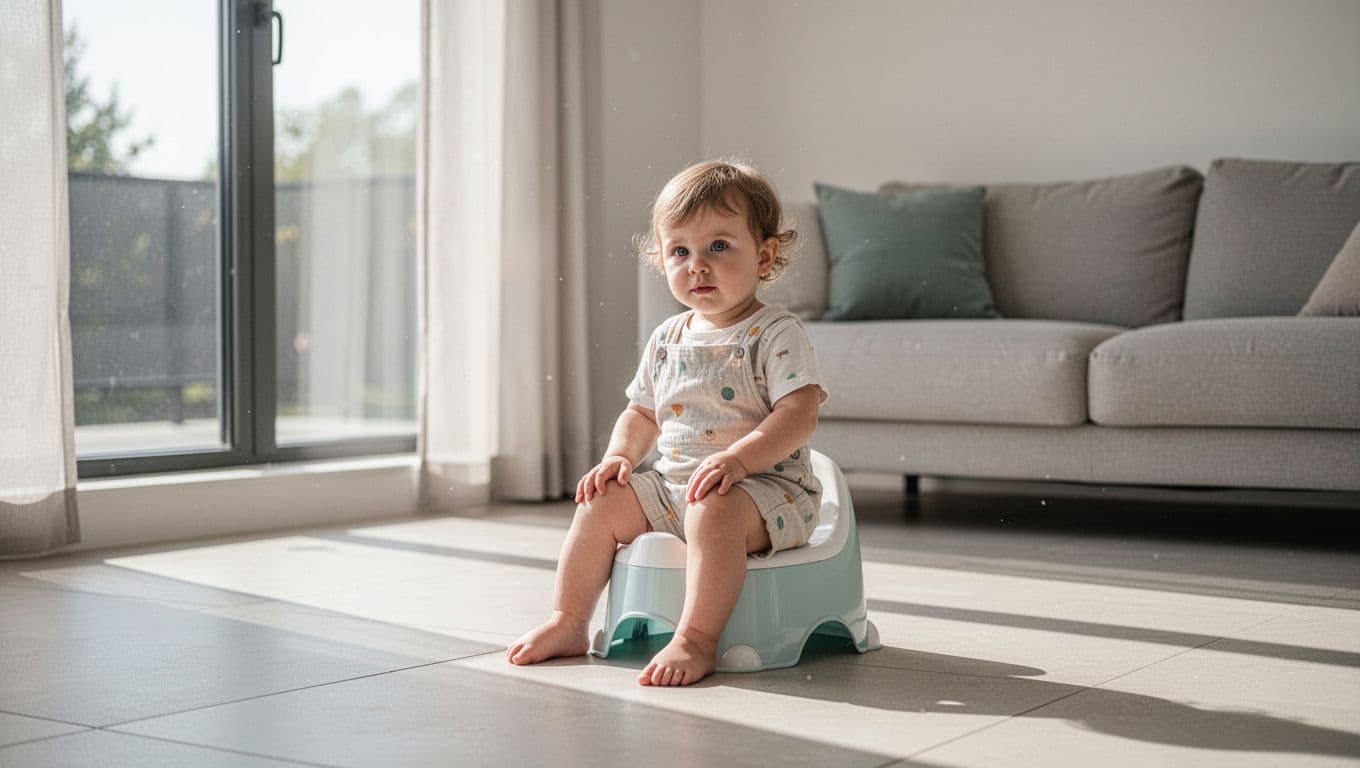
A few calm days at home can teach more than a busy week with mixed routines.
Set aside two to three steady days at home
A short run of low-distraction days gives your toddler a chance to notice what their body feels like before they go. Without car rides, store trips, or constant changes, your child can focus on the same cue, the same potty, and the same response.
That repetition matters because toddlers learn by pattern. If they feel the urge, walk to the bathroom, and hear the same calm response every time, the routine starts to stick. For many families, a home reset also makes it easier to spot timing, like the first pee after waking or the usual poop window after breakfast.
Keep the days simple. Stay home, keep plans light, and watch for the moments when your child usually needs to go. If you want a broader look at timing and readiness, Summer Health’s potty training tips line up well with this kind of steady start.
Choose easy clothes or no diaper at first
Easy clothing helps your toddler feel the urge sooner. A thick diaper can hide the signal, but light shorts, a loose dress, or going without a diaper at home makes the body cue harder to miss.
It also speeds up the trip to the bathroom. When there are fewer layers to pull down, there is less confusion and less time between “I need to go” and sitting on the potty. That small gap matters, because toddlers often lose the moment if the process feels too long.
Many parents use underwear, easy pull-on shorts, or bare-bottom time during the first stretch at home. The point is not perfection. The point is to make the path from urge to potty short enough for your child to succeed more often.
Use frequent potty sits without turning it into a chore
Short, regular potty sits work better than waiting too long and hoping for the best. In the early days, try frequent trips, especially after meals, after drinks, and whenever your child shows a familiar signal.
The sits should feel calm, not tense. A quick visit every 20 to 30 minutes at first can help some toddlers, while others need a little more space. The exact timing matters less than the rhythm, because calm repetition helps the habit form.
You can keep it simple with a light routine:
- Sit after waking.
- Sit after meals.
- Sit before naps.
- Sit after naps.
- Sit before bed.
Accidents will still happen, and that does not mean the plan failed. It means your child is learning. When you stay even-tempered, your toddler is more likely to stay relaxed too.
Build the day around natural potty times
The easiest plan follows the body’s own schedule. Most toddlers need the potty at familiar times, so use those moments instead of guessing all day long.
Morning is a strong starting point. Offer the potty right after waking, then again after breakfast. After lunch, before nap, after nap, and before bed are also smart times to keep the pattern going.
This is where a simple rhythm wins. Your child does not need a complicated chart or a long lecture. They need a day that keeps bringing them back to the same step, the same place, and the same chance to succeed. A few repeats across the day often teach more than one big push.
If pooping timing feels unpredictable, tracking the pattern for a few days can help. Baby poop frequency gives a useful reference for understanding what is normal and when to pay closer attention.
The best summer potty plan feels plain on purpose. Keep the days steady, make clothes easy, sit often, and let the routine do the work.
Make the potty easy to use and the routine easy to follow
A toddler does better when the bathroom feels simple and familiar. The fewer hoops you ask them to jump through, the faster the habit takes hold. That means a setup that fits their body, words they can understand, and clothes that do not slow them down.
Small changes matter here. A low potty, a steady step, and the same short phrases each time can turn a shaky moment into a routine your child can repeat with less help.
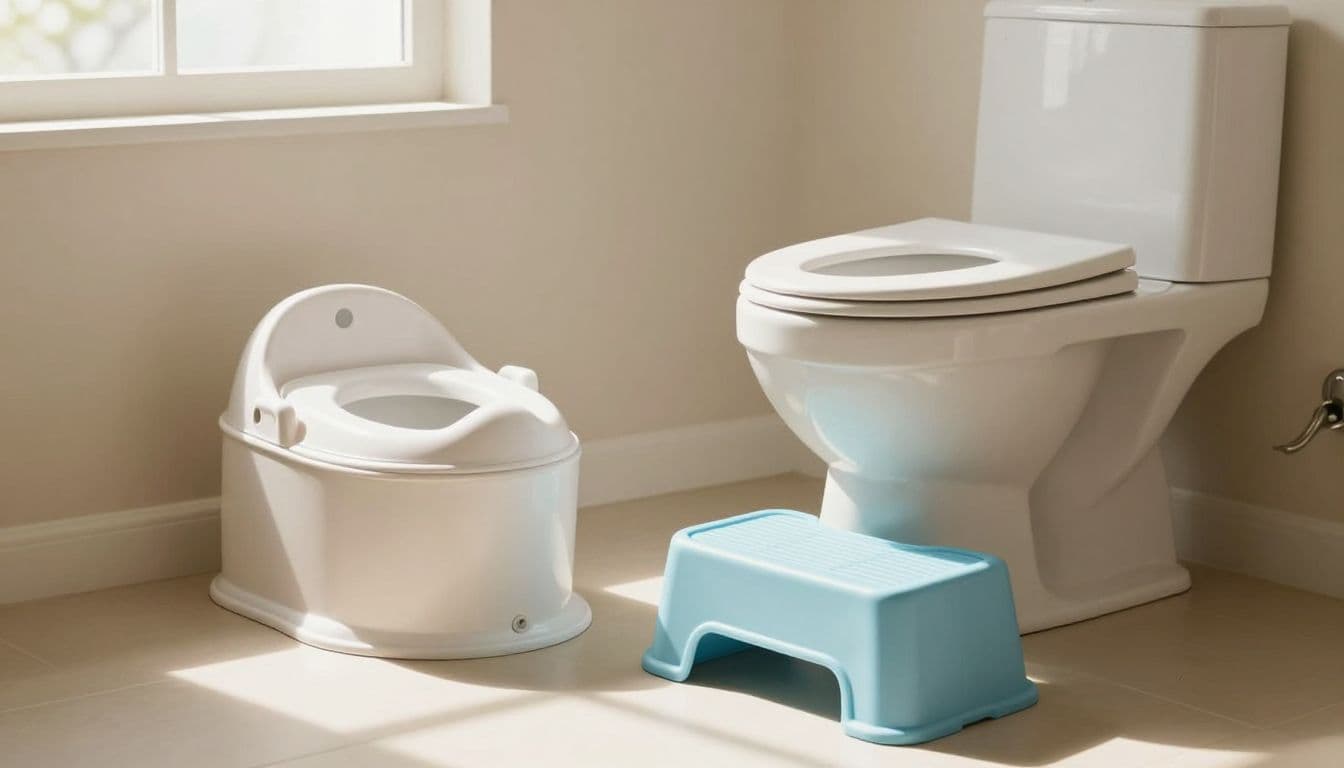
Create a child-friendly bathroom setup
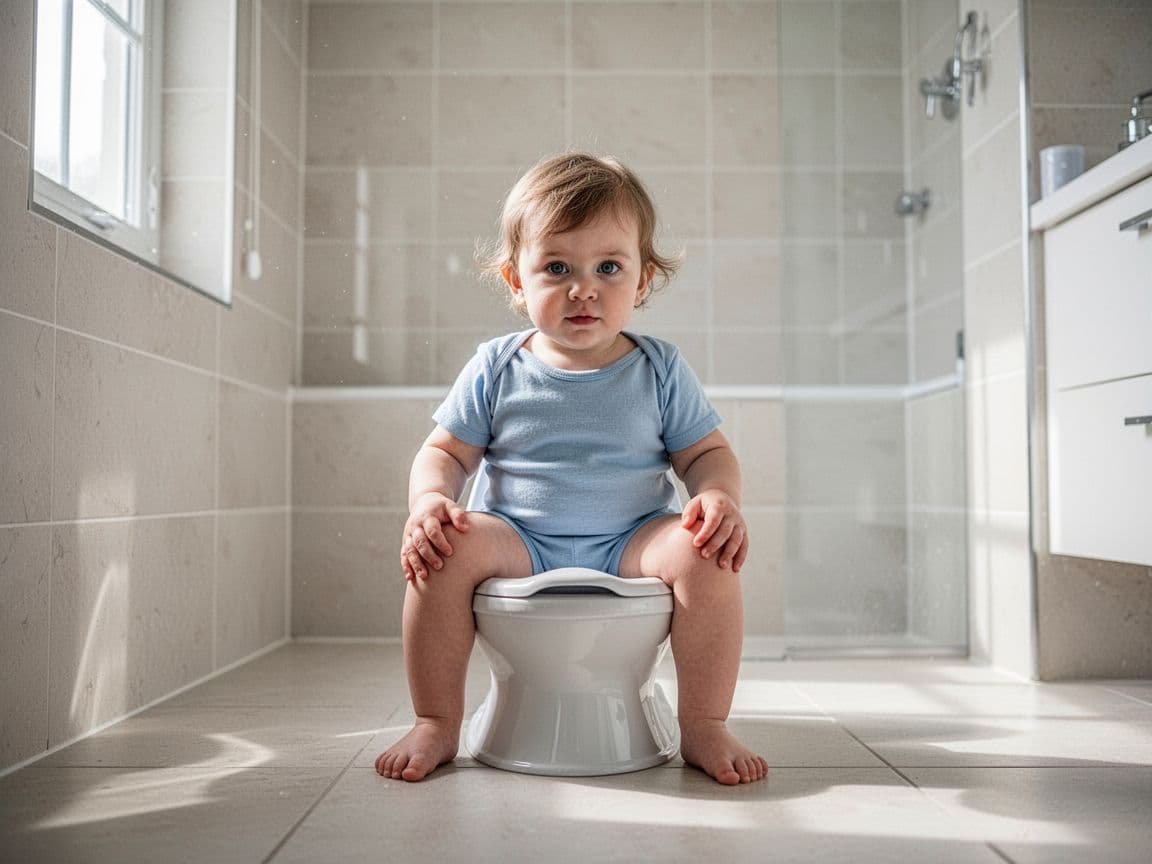
A bathroom that fits your toddler’s size can cut down on fear and hesitation. A small potty chair gives your child a place that feels reachable and safe, while a toilet seat insert helps them use the big toilet without feeling swallowed by it. Either option can work well, as long as your child can sit down and get up without a struggle.
A stepstool matters too. When your toddler can plant both feet, they feel steadier, and that stable footing often helps with both pee and poop. It also makes the bathroom feel less slippery and less like a place built for adults only.
If you want a quick setup, keep these pieces close:
- Small potty chair for fast access and early practice
- Toilet seat insert for getting used to the real toilet
- Stepstool so feet rest flat and climbing feels easy
Many parents start with a child-size potty because it feels less intimidating. Others prefer a toilet insert because it reduces cleanup. The best choice is the one your child accepts without a fight.
The Mayo Clinic notes that helping children understand the potty chair as a small toilet can make the process easier. That simple idea works well at home too. Make the setup friendly, and your toddler has a better chance of moving with confidence.
Use the same words every time
Toddlers learn by hearing the same message over and over. If one adult says “go potty,” another says “use the bathroom,” and a third says “try to sit,” the child gets mixed signals. Keep it plain. Use the same words for the same action every time.
Simple language makes the routine easier to follow. Say “pee,” “poop,” and “potty” instead of changing the phrase each time. That way, your toddler hears one clear idea, not a string of different instructions.
A few short phrases can carry the whole routine:
- “It’s potty time.”
- “Do you need to pee?”
- “Let’s try the potty.”
- “Good job going poop in the potty.”
You don’t need a long speech. In fact, short words work better because toddlers can hold onto them. When the message stays the same, the routine starts to feel familiar, and familiar feels safe.
Consistency also helps during accidents. Instead of sounding alarmed, keep the same calm tone and repeat the same cue next time. That steady pattern teaches faster than a mix of praise, panic, and new instructions.
Pick clothes that do not slow them down
Summer clothing can make potty training much easier. Choose outfits that pull down fast, because every extra second can lead to an accident. Loose shorts, soft dresses, and elastic waistbands are all good choices for this stage.
Skip clothes that create a battle. Overalls, tight leggings, tricky buttons, and stiff snaps can turn a simple potty trip into a race you may not win. If your child has to fight their clothes, they may not make it in time.
Helpful summer picks include:
- Loose shorts with elastic waists
- Easy sundresses or skirts
- Underwear that slips down quickly
- Simple rompers only if they open fast enough
Bare feet or grippy socks can also help at home. Stable footing matters when a child is still learning balance on the way to the bathroom. A smooth path, easy clothes, and a nearby potty remove little bits of friction that often cause accidents.
For the same reason, keep bathroom access open. Leave the potty where your toddler can reach it quickly, and avoid moving it around too much. A clear path from play area to bathroom gives your child less to think about and more chance to succeed.
When the setup is easy, the words are simple, and the clothes are friendly, potty training starts to feel less like a task and more like a habit your child can actually follow.
Praise progress and handle accidents without drama
Potty training often feels like a series of ups and downs. One hour your toddler is proud of their success, and the next, a puddle appears on the rug. How you react in these moments defines the rhythm of your training days. Children learn faster when they feel safe and supported rather than pressured or embarrassed. A child who feels secure is much more willing to try again after a mistake. Keep your focus on steady, warm encouragement to keep the momentum moving forward.
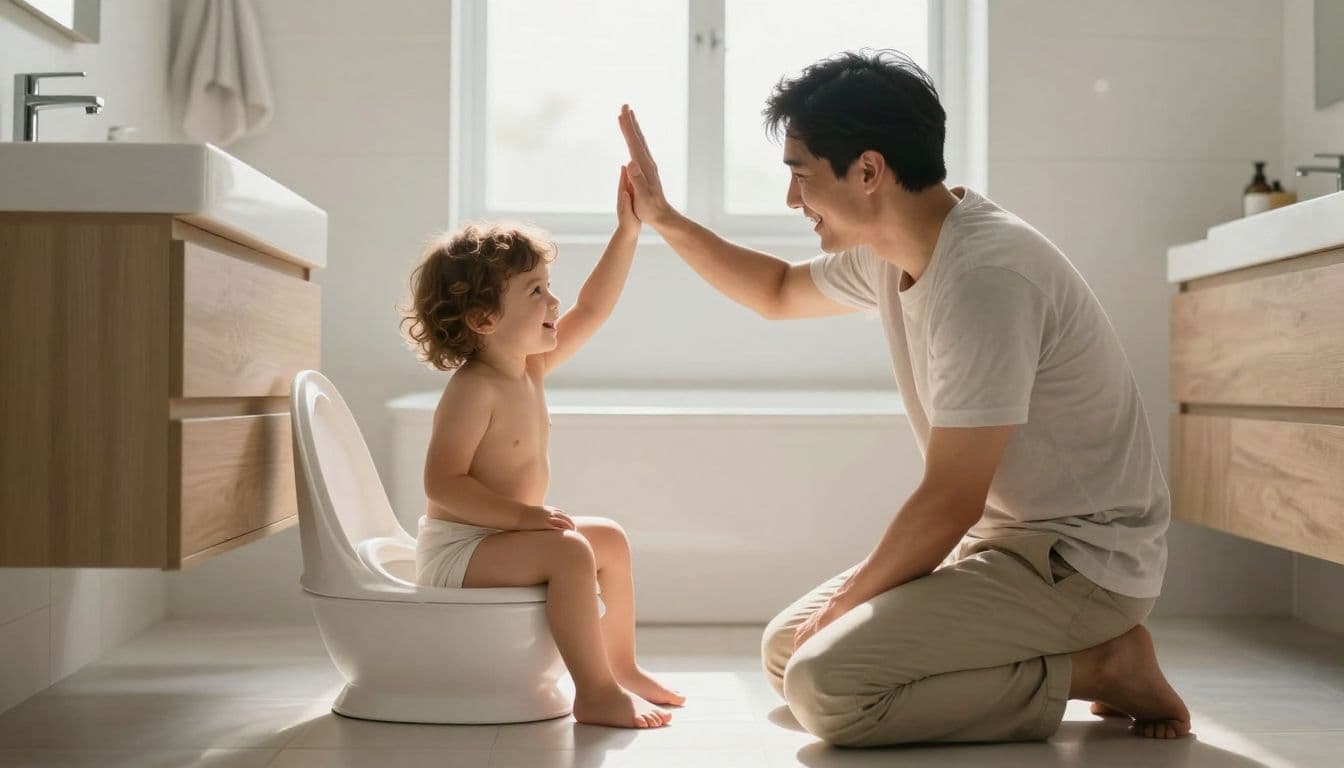
What to say right after a success
When your toddler uses the potty, your response should be immediate, warm, and clear. Avoid generic praise like “good job” if you want to help them connect the act to the result. Instead, name exactly what they did right. Use a calm and happy tone to show them that this is a normal part of the day, not a massive performance.
Try these simple, effective phrases to reinforce their progress:
- “You listened to your body and went to the potty!”
- “I see you used the toilet just like a big kid.”
- “You recognized the signal and made it to the potty on time.”
- “That was a great job stopping to take care of your body.”
By focusing on their specific action, you help them understand their own internal cues. This builds confidence and reminds them that they have control over their body. Keep your tone light and celebratory but avoid making it a huge production that might create pressure for the next time.
How to respond to accidents calmly
Accidents are not moral failures. They are simply feedback that your child is still learning how to manage their body signals. When an accident happens, your priority is to remain neutral and helpful. If you react with frustration or disappointment, your toddler may become anxious or fearful, which often leads to holding it in or avoiding the potty entirely.
Instead, follow these steps to reset the day:
- Acknowledge the moment: Use a flat, matter-of-fact tone. Say something like, “It looks like you had an accident. Let’s get cleaned up.”
- Help them clean: If they are old enough, invite them to help you wipe up the spill or toss wet clothes into the laundry. This teaches cause and effect without assigning blame.
- Move on quickly: Once the mess is gone and they have fresh clothes, shift to a new activity. Avoid lingering on the mistake or asking them why it happened.
- Return to the routine: Simply pick up where you left off by offering a scheduled potty break.
This approach keeps the focus on the solution, not the frustration of the mess. It shows your child that you are a teammate who helps them manage their growth, not a judge of their performance.
Why small rewards can help
Motivation can be a powerful tool when used as a simple bridge to a new habit. For some toddlers, a small, instant incentive provides the extra push needed to walk away from a game or a favorite toy to reach the potty. The trick is to keep these rewards immediate and low-stakes. A sticker, a high-five, or a small treat works best when it is paired with verbal encouragement about their success.
Think of rewards as a temporary training wheel rather than a long-term goal. As your child grows more comfortable with the process, you can slowly fade out the external rewards. The intrinsic pride of staying dry and learning a new skill will soon be enough. If you are struggling with a child who resists the new routine, remember that finding the right rhythm is just as important as transitioning from co-sleeping to a toddler bed, as both require patience and a consistent, supportive environment.
Conclusion
The quickest path to success during the summer isn’t about rushing your child or forcing them into a strict schedule. Real progress comes from waiting for your toddler’s own signs of readiness, creating a simple plan, and staying the course with steady, daily habits.
Summer offers the perfect environment for this transition, but your patience and calm approach provide the actual engine for growth. While accidents are an inevitable part of the journey, meeting them with a steady hand and a supportive voice keeps the experience positive for everyone.
When you prioritize consistent, low-stress practice over speed, children pick up these new skills faster. Keep the routine simple, keep the mood light, and trust that your child will find their rhythm soon.
Save pin for later

- What Causes a Flat Head Shape in Babies? - September 20, 2026
- Baby Massage for Gas Pain: Step-by-Step Instructions - September 20, 2026
- Newborn Skin Peeling: Common Causes and Warning Signs - September 20, 2026