
![Toddler Refuses to Poop? Fix Stool Holding and Constipation When your toddler refuses to poop, it's often more than stubbornness. Hard stools can hurt, so many kids start holding it in out of fear, discomfort, or a need to stay in control. That cycle can turn a small problem into days of straining, tears, and anxiety around the bathroom. The good news is that toddler poop refusal usually gets better with softer stools, calm bathroom habits, and a steady approach that doesn't turn pooping into a battle. With the right changes, you can help your child feel safe again and make bathroom time less tense. If the pattern keeps going or pain shows up, knowing when to call the doctor matters too, and that's where we'll start. What is really behind your toddler's poop refusal? A toddler who refuses to poop is usually trying to avoid discomfort, not trying to be difficult. In many cases, the problem starts with one painful bowel movement and grows from there. Once pooping hurts, a child may begin holding stool on purpose. Then the stool sits longer, gets drier and larger, and the next trip to the bathroom feels even scarier. That is how a small moment turns into a loop that keeps repeating. A small child stands in a brightly lit bathroom with a nervous expression, looking down at a nearby child-sized potty. Strong light creates dramatic shadows across the tiled floor and walls. [https://user-images.rightblogger.com/ai/00db9149-7736-4b47-af46-63115345c6a0/toddler-potty-training-anxiety-3f486944.jpg] The pain cycle that keeps toddlers from going Hard poop can feel sharp and overwhelming for a toddler. After that first painful experience, many children start bracing themselves before they even feel the urge again. That fear changes what happens next. Instead of relaxing, your child tightens up, squeezes, or ignores the urge to go. The longer stool stays inside, the more water the body pulls out of it, so it becomes harder, thicker, and more painful to pass. This is why constipation can snowball so fast. A child may hold it today, then face an even bigger and more uncomfortable poop tomorrow. Soon, the bathroom itself starts to feel like a threat. For a simple medical explanation of stool withholding, ERIC's guide on stool withholding [https://eric.org.uk/childrens-bowels/stool-withholding/] breaks down how pain can trigger the cycle. When it is fear, power, or a potty training problem Sometimes the issue starts with feelings, not just the body. Toddlers are wired to claim control, and poop can become one of the few things they feel they can manage. Potty training can make this worse. A child may resist sitting on the toilet, fear the flush, dislike wiping, or hate the feeling of the potty seat. If training moves too fast, pressure can turn a mild worry into a hard refusal. Rewards can also backfire when they feel like pressure. A toddler who senses urgency may dig in harder, especially if the bathroom becomes a stage for performance. The more tense the adult gets, the more the child may hold on. Stress matters too. Travel, illness, new routines, or changes at home can throw off bathroom habits. Some children also react to sensory discomfort, such as the sound of flushing, the cold seat, or the feeling of being exposed. > Pressure often turns a bathroom habit into a power struggle. Signs constipation may be the real issue A child can still be constipated even if they poop a little now and then. Small leaks or occasional stools do not always mean the bowels are empty. Watch for these signs: * Small, hard poops that look dry or pebble-like * Belly pain or a tight, swollen stomach * Skid marks in underwear from stool that leaks around a blockage * Bloating or a belly that feels full and uncomfortable * Long gaps between bowel movements * Straining without much result * Refusing to sit on the potty after a painful poop If your child seems backed up, that can explain a lot of the resistance. A toddler who is constipated often avoids going because the last experience taught their body to expect pain. For more background on how constipation and withholding connect, Johns Hopkins Medicine explains childhood constipation [https://www.hopkinsmedicine.org/health/wellness-and-prevention/dealing-with-kids-and-constipation] in plain terms. A few clear patterns usually point to the real problem. Pain, fear, control, and constipation often work together, and the child ends up stuck in the middle. Get the stool soft first, because comfort comes before cooperation Before you focus on toilet habits, focus on the stool itself. A toddler who expects pain will hold back, no matter how many reminders you give. Soft, easy-to-pass poop lowers the fear, and that is what starts breaking the cycle. That means the first goal is simple: make bowel movements less work for the body and less scary for your child. Water, fiber, and a few smart food swaps can help. In some cases, a short break from toilet training pressure gives the body time to reset. Foods and drinks that help things move Water helps stool stay softer, while fiber adds bulk and keeps things moving. Together, they make pooping less like pushing a rock and more like passing a soft lump. That matters a lot when your toddler is already tense. A wooden plate rests on a warm-toned table, filled with slices of sweet pear, fresh blueberries, and steamed broccoli florets. Morning light highlights the natural textures of this nutritious snack. [https://user-images.rightblogger.com/ai/00db9149-7736-4b47-af46-63115345c6a0/healthy-toddler-snack-plate-e50c6a5a.jpg] Start small if your child is picky. A few bites of pears, prunes, peaches, berries, beans, vegetables, oats, or whole grains can help more than a full meal overhaul. You do not need to rebuild every plate overnight. A simple swap often works better than a battle. Try: * pear slices instead of crackers at snack time * oatmeal instead of sugary cereal * berries or peaches with breakfast * beans mixed into soup, rice, or quesadillas * soft vegetables on the side, even if only a few bites A little more fluid matters too. Offer water often through the day, not just at meals. For a child-friendly overview of constipation-friendly foods, Children's Hospital of The King's Daughters [https://www.chkd.org/patient-family-resources/our-blog/foods-that-help-relieve-constipation-in-kids/] gives a simple food and drink guide. Foods that can slow a constipated toddler down Some foods can make constipation worse for some children, especially when they crowd out fiber-rich options. Too much dairy can be a problem for certain toddlers. So can a pattern built around white bread, white rice, pasta, and other low-fiber foods. That does not mean these foods are always bad. It means the balance matters. If your child eats mostly low-fiber foods and drinks very little water, stool can get dry and hard fast. A few children also react differently to certain foods, so watch your own child's pattern. If milk-heavy meals or a day of plain carbs seem to lead to more holding, adjust gently rather than cutting everything at once. The U.S. National Institute of Diabetes and Digestive and Kidney Diseases also lists fiber-rich foods such as oats, beans, and whole grains as helpful for constipation in children, and its nutrition guide for constipation [https://www.niddk.nih.gov/health-information/digestive-diseases/constipation-children/eating-diet-nutrition] is a useful reference. Why pressure or punishment can make holding worse Fear tightens the body, and shame tightens it even more. If your child already expects pain, harsh words can make pooping feel even less safe. Then the holding gets worse, not better. Stay calm when there is an accident, a refusal, or a messy diaper. Treat it like a problem to solve, not bad behavior. A child learns fast when your face is tense, so keep your tone low and steady. A pause in toilet training can help if constipation has taken over. Some toddlers need time away from pressure while their stool softens and their fear settles down. That short reset is often better than forcing the issue every day. > The goal is to make the bathroom feel safe again before you ask for cooperation. If your child keeps tightening up, stop turning poop into a test. Let the body calm down first, then return to the routine with less pressure and more patience. Build a simple toilet routine that works with the body A toddler who refuses to poop often needs rhythm more than pressure. The body likes patterns, and the bowel often wakes up after meals, especially after breakfast. When you build the day around that natural cue, the bathroom feels less like a fight and more like part of the routine. The goal is to give your child a steady chance to go without making it a big event. Keep the timing predictable, keep the mood light, and let the body do the work. The gastrocolic reflex [https://my.clevelandclinic.org/health/body/gastrocolic-reflex] is one reason this works, since eating can trigger the colon to move stool along. A bright bathroom features a sturdy wooden footstool placed carefully before a crisp white toilet. Soft sunlight illuminates the clean, minimalist surfaces, creating a calm and supportive space for young children. [https://user-images.rightblogger.com/ai/00db9149-7736-4b47-af46-63115345c6a0/cozy-toddler-bathroom-setup-31fc3181.jpg] Use the after-meal window to your advantage After a meal is often the easiest time to try. The bowel usually becomes more active, so a short toilet sit after breakfast, lunch, or dinner can catch that natural urge without forcing it. Start with one consistent time, then add more if needed. Many parents find breakfast works best because the body is already waking up, but lunch or dinner can help too. The key is sameness, so your child knows what comes next. A simple rhythm looks like this: 1. Sit for a few minutes after breakfast. 2. Try again after lunch if morning went well. 3. Add a short evening sit if your child still seems backed up. Keep the sit calm and brief. If nothing happens, that is fine. You are training the body to expect the toilet, not demanding instant results. Keep toilet sits short, calm, and low-stress Long toilet battles usually backfire. A toddler needs a few quiet minutes, not a long wait that turns into frustration on both sides. Two to five minutes is enough at first. Let your child bring a small book, hum a song, or take slow breaths if that helps them settle. Calm bodies poop more easily, because fear and tension make the muscles tighten. > The routine should feel ordinary, like washing hands after a meal. Use a gentle script each time. "Let's sit for a little while, then we're all done" is clear and safe. If your child gets upset, end the sit kindly and try again later. The bathroom should feel predictable, not like a place where everyone holds their breath. Make the bathroom physically easier to use A good position matters. When a toddler sits with feet dangling, pushing gets harder and the body can feel unsteady. A footstool helps keep the feet flat and supported, which gives your child more balance and makes it easier to bear down. A child-sized seat or potty chair can also help if the regular toilet feels too big. Some toddlers relax faster when their body fits the seat better. If your child looks scared, smaller equipment can make the bathroom feel less like a giant hard chair and more like a safe spot. Small adjustments make a real difference: * Feet flat on a sturdy stool * Knees slightly higher than the hips * Bottom secure on the seat * A potty chair nearby if the toilet feels too tall The Johns Hopkins constipation guide [https://www.hopkinsmedicine.org/health/wellness-and-prevention/dealing-with-kids-and-constipation] also recommends short sits after meals and notes that a footstool can help with easier bowel movements. Once the body feels supported, the child often feels more secure too. That sense of safety can be the difference between clenching and going. Praise effort, not just poop, and use rewards the right way When a toddler is scared to poop, pressure usually backfires. What helps more is steady praise for trying, sitting, and staying calm. That kind of support lowers the stress in the room and makes the bathroom feel less like a test. Small rewards can help too, but only when they celebrate the habit, not just the result. A child who feels encouraged is more likely to try again tomorrow. What to say when your toddler is scared or stuck Keep your words short and warm. Your child does not need a lecture. They need proof that pooping is safe, and that you will help without making it a big scene. Try phrases like: * "You were brave and sat on the potty." * "Poop should not hurt. We will help your body feel better." * "You can tell me if you feel stuck." * "I am proud of you for trying." * "Take your time. I am here." These small lines matter because they calm the body as well as the mind. A toddler who feels watched, rushed, or shamed often holds tighter. A toddler who feels safe is more likely to relax. You can also praise the effort after a hard day. "You tried even though it felt hard" tells your child that trying still counts. That message builds trust, one calm sit at a time. > Praise the trying, not just the toilet success. Use small rewards to celebrate the habit Rewards work best when they support the routine. Stickers, a simple chart, or a tiny treat can make bathroom time feel encouraging. The goal is to reward sitting, trying, and staying calm, not only producing poop. That keeps the focus on what your child can control. If the reward only comes after a bowel movement, some toddlers feel more pressure and freeze up. A sticker for sitting after breakfast sends a gentler message: "You showed up, and that matters." A few ideas that work well: * a sticker after each calm sit * a stamp on a bathroom chart * one extra bedtime story after a full week of trying * choosing the next book for potty time Keep rewards simple and predictable. They should feel like a cheer, not a bribe or a threat. "If you poop, you get this" can create tension. "You get a sticker for trying" feels lighter and more helpful. The American Academy of Pediatrics also recommends keeping potty training positive with praise and small rewards, and its toilet training tips [https://www.healthychildren.org/English/ages-stages/toddler/toilet-training/Pages/Praise-and-Reward-Your-Childs-Success.aspx] give a clear parent-friendly overview. For some families, a small non-food reward works better than snacks, and Cleveland Clinic's reward ideas [https://health.clevelandclinic.org/tinkle-treats-how-to-limit-sugar-when-potty-training] offer a few simple options. Keep your own tone steady and reassuring Your mood sets the temperature of the room. If you stay calm, your child has a better chance of calming down too. If you look tense every time the bathroom comes up, your toddler may brace for trouble before they even sit. A steady parent helps the child feel safe. That safety can lower resistance, because the bathroom stops feeling like a place where something bad might happen. Over time, your calm voice becomes part of the routine itself. Say less when your child is worried. Use a normal voice, keep your face soft, and avoid reacting strongly to accidents or refusals. Simple comments like "We will try again later" or "Your body is learning" keep the moment grounded. Try to make the bathroom feel ordinary. You can read a short book, sit nearby, or quietly wait without hovering. When your child learns that pooping does not bring panic, the fear starts to shrink. That shift matters more than any sticker ever could. A parent kneels on the tiled bathroom floor, smiling softly at a small child seated on a training potty. The warm, low light creates an intimate environment for supportive learning. [https://user-images.rightblogger.com/ai/00db9149-7736-4b47-af46-63115345c6a0/parent-supporting-toddler-potty-7aa0aa5c.jpg] A calm routine, a few kind words, and small rewards for effort can turn bathroom time into something manageable. When your child feels safe enough to try, progress usually follows. Know when to pause, watch closely, or call the doctor Most toddler poop refusal gets better with softer stool, less pressure, and a steadier routine. Still, some signs point past ordinary withholding. When a child looks sick, pain grows, or the bathroom pattern drags on for weeks, it's time to stop waiting it out. A worried parent sits on a couch gently holding the small hand of a reclining toddler. Dramatic, warm indoor lighting emphasizes the intimate and serious emotional connection between the two figures. [https://user-images.rightblogger.com/ai/00db9149-7736-4b47-af46-63115345c6a0/worried-parent-caring-toddler-0ba6b781.jpg] Red flags that need medical help sooner Call the doctor sooner if your toddler has vomiting, poor appetite, a swollen or hard belly, blood in the stool, or severe belly pain. A child who seems very unwell, weak, feverish, or worse than usual should not be left to "see if it passes." These signs can mean more than simple constipation. If your child is crying in pain, refusing food, or the belly looks puffed up like a tight drum, get medical advice right away. A small streak of blood on hard stool can happen from a tiny tear, but repeated bleeding still needs a check. For a parent-friendly medical reference, CHOC's constipation guide [https://choc.org/conditions/gastroenterology/constipation-in-children/] explains the warning signs that need attention. When home changes are not enough If better meals, more water, calmer toilet sits, and less pressure do not help, a pediatrician may need to check for constipation or another issue. Ongoing withholding for weeks or months should not be ignored, because the stool can keep backing up and the fear can grow. A doctor may suggest a treatment plan to soften stool, clear a blockage, or calm the cycle of pain and holding. That plan can also help you tell the difference between normal resistance and a body problem that needs more support. The Johns Hopkins constipation overview [https://www.hopkinsmedicine.org/health/conditions-and-diseases/constipation-in-children] offers a clear look at common symptoms and treatment options. How to know if potty training needs a short reset Sometimes the smartest move is to ease off potty training for a while. If your toddler tenses up, cries, hides, or fights every toilet sit, the pressure may be too high for now. A short reset gives the body time to heal and gives your child room to feel safe again. That pause is not failure. It often helps break the link between the toilet and fear, so you can return later with less stress and better results. Conclusion You can help your child move past this stage by prioritizing their physical comfort over strict training schedules. Start by keeping stools soft with proper hydration and fiber, as this removes the physical pain that often triggers the fear of going. Once the discomfort fades, build a calm and consistent bathroom routine that centers on support rather than performance. Stay observant for signs that professional help is needed, such as ongoing pain or physical distress. If the process feels like a constant battle, feel free to pause your training efforts to let your child reset and feel safe again. Progress often feels slow when you are in the thick of it, but gentle, steady steps almost always outweigh the results of force. Your patience creates the foundation for a healthier and more confident bathroom habit.](https://momwithvibe.com/wp-content/uploads/2026/06/How-to-fix-toddlers-refusal-to-poop.jpg)
When your toddler refuses to poop, it’s often more than stubbornness. Hard stools can hurt, so many kids start holding it in out of fear, discomfort, or a need to stay in control.
That cycle can turn a small problem into days of straining, tears, and anxiety around the bathroom. The good news is that toddler poop refusal usually gets better with softer stools, calm bathroom habits, and a steady approach that doesn’t turn pooping into a battle.
With the right changes, you can help your child feel safe again and make bathroom time less tense. If the pattern keeps going or pain shows up, knowing when to call the doctor matters too, and that’s where we’ll start.
What is really behind your toddler’s poop refusal?
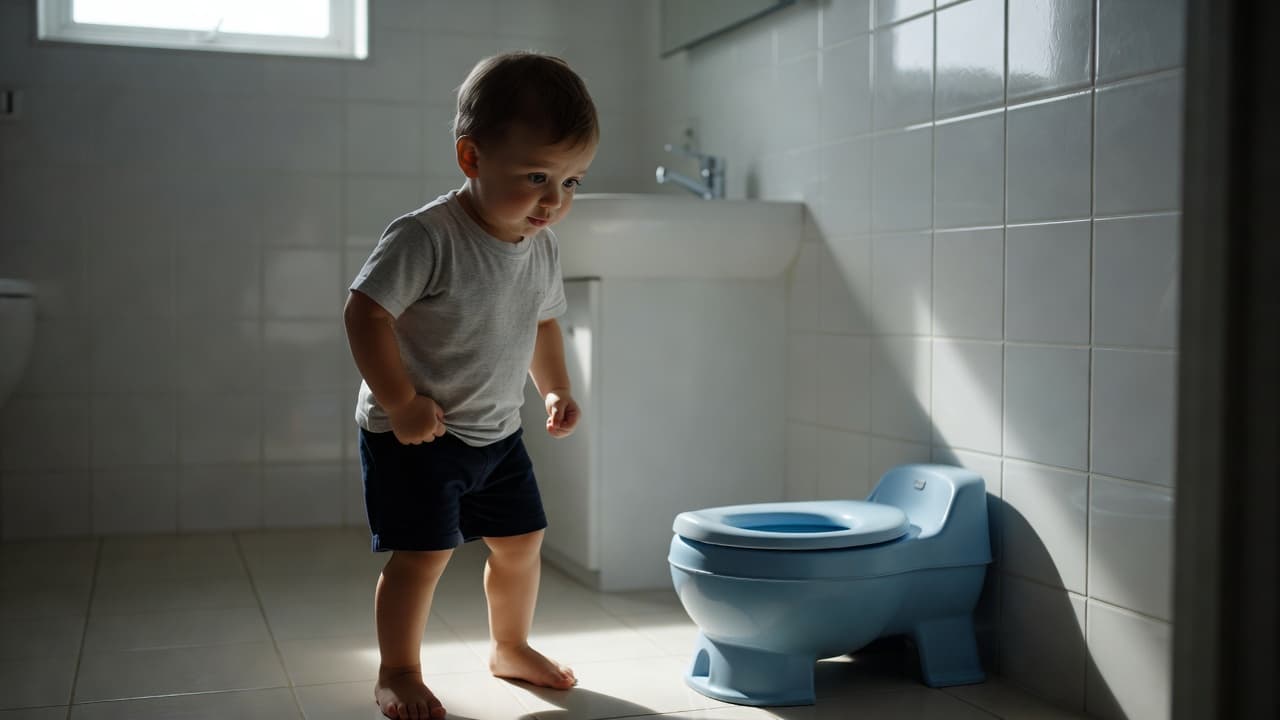
A toddler who refuses to poop is usually trying to avoid discomfort, not trying to be difficult. In many cases, the problem starts with one painful bowel movement and grows from there.
Once pooping hurts, a child may begin holding stool on purpose. Then the stool sits longer, gets drier and larger, and the next trip to the bathroom feels even scarier. That is how a small moment turns into a loop that keeps repeating.
The pain cycle that keeps toddlers from going
Hard poop can feel sharp and overwhelming for a toddler. After that first painful experience, many children start bracing themselves before they even feel the urge again.
That fear changes what happens next. Instead of relaxing, your child tightens up, squeezes, or ignores the urge to go. The longer stool stays inside, the more water the body pulls out of it, so it becomes harder, thicker, and more painful to pass.
This is why constipation can snowball so fast. A child may hold it today, then face an even bigger and more uncomfortable poop tomorrow. Soon, the bathroom itself starts to feel like a threat.
For a simple medical explanation of stool withholding, ERIC’s guide on stool withholding breaks down how pain can trigger the cycle.
When it is fear, power, or a potty training problem
Sometimes the issue starts with feelings, not just the body. Toddlers are wired to claim control, and poop can become one of the few things they feel they can manage.
Potty training can make this worse. A child may resist sitting on the toilet, fear the flush, dislike wiping, or hate the feeling of the potty seat. If training moves too fast, pressure can turn a mild worry into a hard refusal.
Rewards can also backfire when they feel like pressure. A toddler who senses urgency may dig in harder, especially if the bathroom becomes a stage for performance. The more tense the adult gets, the more the child may hold on.
Stress matters too. Travel, illness, new routines, or changes at home can throw off bathroom habits. Some children also react to sensory discomfort, such as the sound of flushing, the cold seat, or the feeling of being exposed.
Pressure often turns a bathroom habit into a power struggle.
Signs constipation may be the real issue
A child can still be constipated even if they poop a little now and then. Small leaks or occasional stools do not always mean the bowels are empty.
Watch for these signs:
- Small, hard poops that look dry or pebble-like
- Belly pain or a tight, swollen stomach
- Skid marks in underwear from stool that leaks around a blockage
- Bloating or a belly that feels full and uncomfortable
- Long gaps between bowel movements
- Straining without much result
- Refusing to sit on the potty after a painful poop
If your child seems backed up, that can explain a lot of the resistance. A toddler who is constipated often avoids going because the last experience taught their body to expect pain.
For more background on how constipation and withholding connect, Johns Hopkins Medicine explains childhood constipation in plain terms.
A few clear patterns usually point to the real problem. Pain, fear, control, and constipation often work together, and the child ends up stuck in the middle.
Get the stool soft first, because comfort comes before cooperation
Before you focus on toilet habits, focus on the stool itself. A toddler who expects pain will hold back, no matter how many reminders you give. Soft, easy-to-pass poop lowers the fear, and that is what starts breaking the cycle.
That means the first goal is simple: make bowel movements less work for the body and less scary for your child. Water, fiber, and a few smart food swaps can help. In some cases, a short break from toilet training pressure gives the body time to reset.
Foods and drinks that help things move
Water helps stool stay softer, while fiber adds bulk and keeps things moving. Together, they make pooping less like pushing a rock and more like passing a soft lump. That matters a lot when your toddler is already tense.
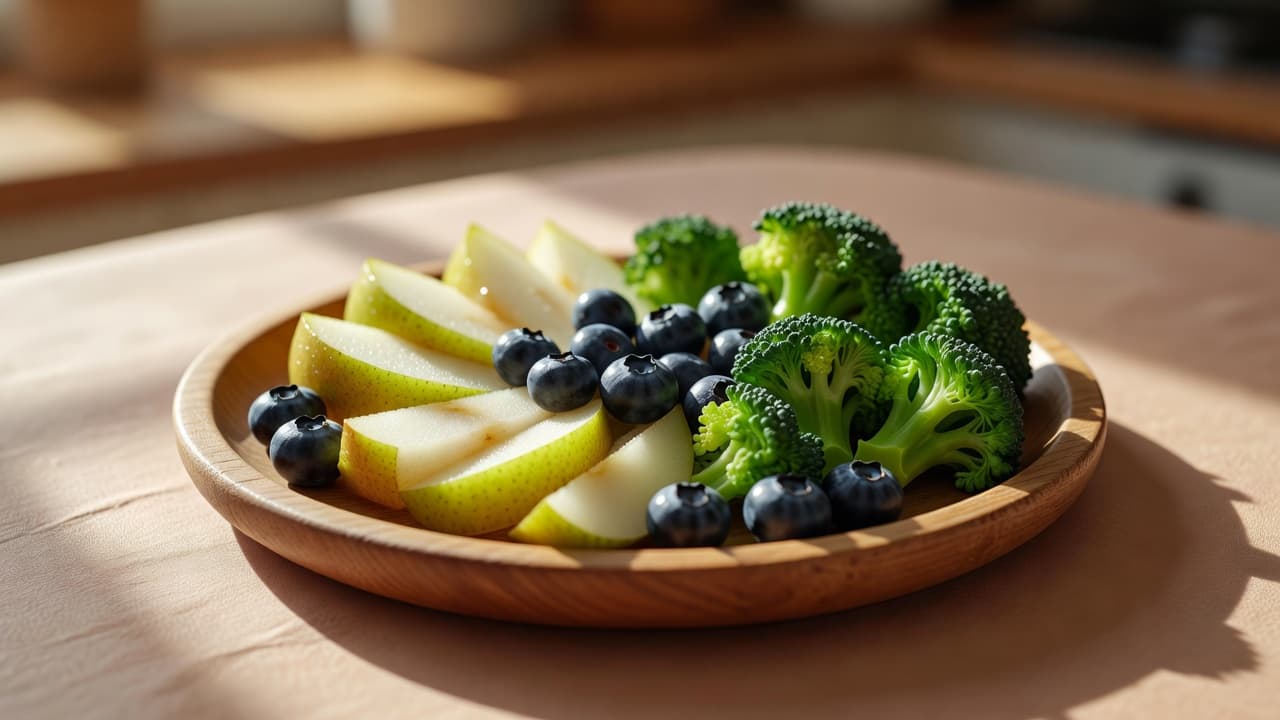
Start small if your child is picky. A few bites of pears, prunes, peaches, berries, beans, vegetables, oats, or whole grains can help more than a full meal overhaul. You do not need to rebuild every plate overnight.
A simple swap often works better than a battle. Try:
- pear slices instead of crackers at snack time
- oatmeal instead of sugary cereal
- berries or peaches with breakfast
- beans mixed into soup, rice, or quesadillas
- soft vegetables on the side, even if only a few bites
A little more fluid matters too. Offer water often through the day, not just at meals. For a child-friendly overview of constipation-friendly foods, Children’s Hospital of The King’s Daughters gives a simple food and drink guide.
Foods that can slow a constipated toddler down
Some foods can make constipation worse for some children, especially when they crowd out fiber-rich options. Too much dairy can be a problem for certain toddlers. So can a pattern built around white bread, white rice, pasta, and other low-fiber foods.
That does not mean these foods are always bad. It means the balance matters. If your child eats mostly low-fiber foods and drinks very little water, stool can get dry and hard fast.
A few children also react differently to certain foods, so watch your own child’s pattern. If milk-heavy meals or a day of plain carbs seem to lead to more holding, adjust gently rather than cutting everything at once. The U.S. National Institute of Diabetes and Digestive and Kidney Diseases also lists fiber-rich foods such as oats, beans, and whole grains as helpful for constipation in children, and its nutrition guide for constipation is a useful reference.
Why pressure or punishment can make holding worse
Fear tightens the body, and shame tightens it even more. If your child already expects pain, harsh words can make pooping feel even less safe. Then the holding gets worse, not better.
Stay calm when there is an accident, a refusal, or a messy diaper. Treat it like a problem to solve, not bad behavior. A child learns fast when your face is tense, so keep your tone low and steady.
A pause in toilet training can help if constipation has taken over. Some toddlers need time away from pressure while their stool softens and their fear settles down. That short reset is often better than forcing the issue every day.
The goal is to make the bathroom feel safe again before you ask for cooperation.
If your child keeps tightening up, stop turning poop into a test. Let the body calm down first, then return to the routine with less pressure and more patience.
Build a simple toilet routine that works with the body
A toddler who refuses to poop often needs rhythm more than pressure. The body likes patterns, and the bowel often wakes up after meals, especially after breakfast. When you build the day around that natural cue, the bathroom feels less like a fight and more like part of the routine.
The goal is to give your child a steady chance to go without making it a big event. Keep the timing predictable, keep the mood light, and let the body do the work. The gastrocolic reflex is one reason this works, since eating can trigger the colon to move stool along.
Use the after-meal window to your advantage
After a meal is often the easiest time to try. The bowel usually becomes more active, so a short toilet sit after breakfast, lunch, or dinner can catch that natural urge without forcing it.
Start with one consistent time, then add more if needed. Many parents find breakfast works best because the body is already waking up, but lunch or dinner can help too. The key is sameness, so your child knows what comes next.
A simple rhythm looks like this:
- Sit for a few minutes after breakfast.
- Try again after lunch if morning went well.
- Add a short evening sit if your child still seems backed up.
Keep the sit calm and brief. If nothing happens, that is fine. You are training the body to expect the toilet, not demanding instant results.
Keep toilet sits short, calm, and low-stress
Long toilet battles usually backfire. A toddler needs a few quiet minutes, not a long wait that turns into frustration on both sides.
Two to five minutes is enough at first. Let your child bring a small book, hum a song, or take slow breaths if that helps them settle. Calm bodies poop more easily, because fear and tension make the muscles tighten.
The routine should feel ordinary, like washing hands after a meal.
Use a gentle script each time. “Let’s sit for a little while, then we’re all done” is clear and safe. If your child gets upset, end the sit kindly and try again later. The bathroom should feel predictable, not like a place where everyone holds their breath.
Make the bathroom physically easier to use
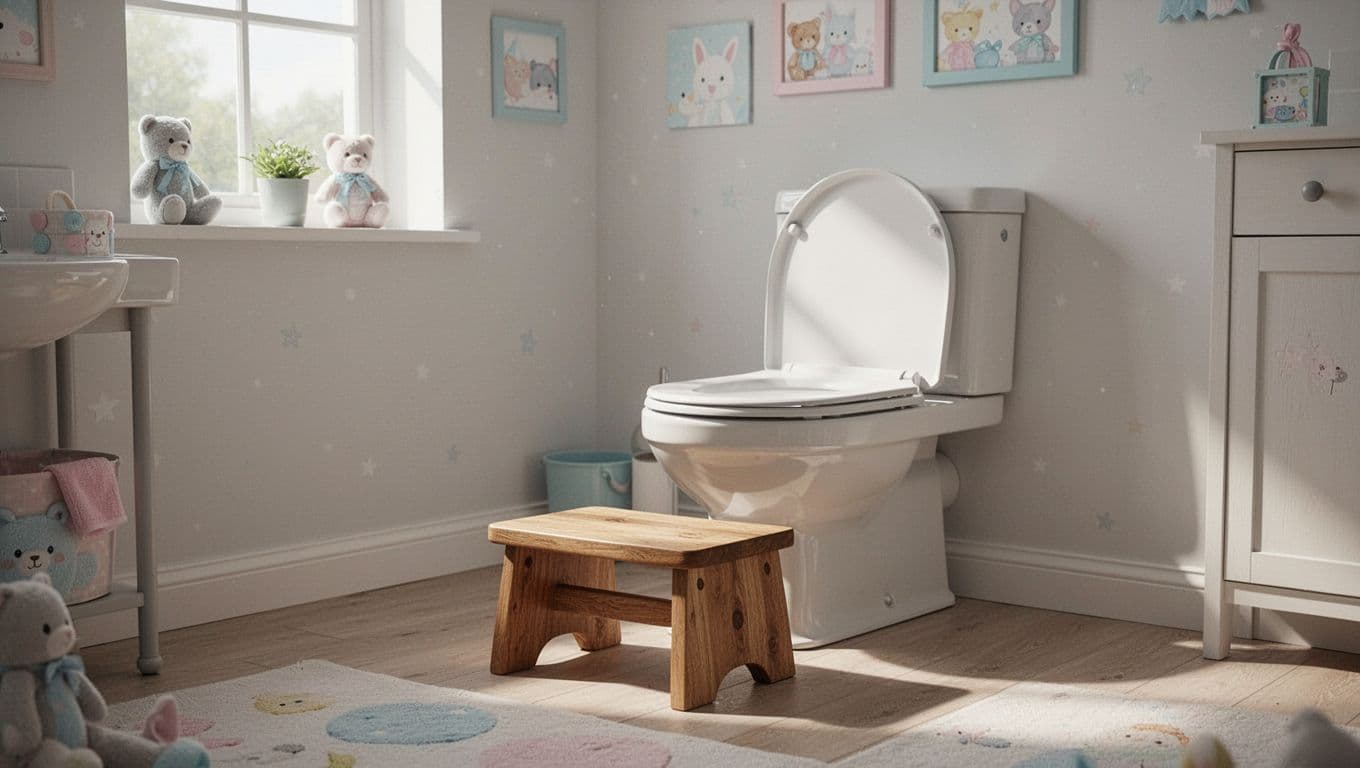
A good position matters. When a toddler sits with feet dangling, pushing gets harder and the body can feel unsteady. A footstool helps keep the feet flat and supported, which gives your child more balance and makes it easier to bear down.
A child-sized seat or potty chair can also help if the regular toilet feels too big. Some toddlers relax faster when their body fits the seat better. If your child looks scared, smaller equipment can make the bathroom feel less like a giant hard chair and more like a safe spot.
Small adjustments make a real difference:
- Feet flat on a sturdy stool
- Knees slightly higher than the hips
- Bottom secure on the seat
- A potty chair nearby if the toilet feels too tall
The Johns Hopkins constipation guide also recommends short sits after meals and notes that a footstool can help with easier bowel movements. Once the body feels supported, the child often feels more secure too. That sense of safety can be the difference between clenching and going.
Praise effort, not just poop, and use rewards the right way
When a toddler is scared to poop, pressure usually backfires. What helps more is steady praise for trying, sitting, and staying calm. That kind of support lowers the stress in the room and makes the bathroom feel less like a test.
Small rewards can help too, but only when they celebrate the habit, not just the result. A child who feels encouraged is more likely to try again tomorrow.
What to say when your toddler is scared or stuck
Keep your words short and warm. Your child does not need a lecture. They need proof that pooping is safe, and that you will help without making it a big scene.
Try phrases like:
- “You were brave and sat on the potty.”
- “Poop should not hurt. We will help your body feel better.”
- “You can tell me if you feel stuck.”
- “I am proud of you for trying.”
- “Take your time. I am here.”
These small lines matter because they calm the body as well as the mind. A toddler who feels watched, rushed, or shamed often holds tighter. A toddler who feels safe is more likely to relax.
You can also praise the effort after a hard day. “You tried even though it felt hard” tells your child that trying still counts. That message builds trust, one calm sit at a time.
Praise the trying, not just the toilet success.
Use small rewards to celebrate the habit
Rewards work best when they support the routine. Stickers, a simple chart, or a tiny treat can make bathroom time feel encouraging. The goal is to reward sitting, trying, and staying calm, not only producing poop.
That keeps the focus on what your child can control. If the reward only comes after a bowel movement, some toddlers feel more pressure and freeze up. A sticker for sitting after breakfast sends a gentler message: “You showed up, and that matters.”
A few ideas that work well:
- a sticker after each calm sit
- a stamp on a bathroom chart
- one extra bedtime story after a full week of trying
- choosing the next book for potty time
Keep rewards simple and predictable. They should feel like a cheer, not a bribe or a threat. “If you poop, you get this” can create tension. “You get a sticker for trying” feels lighter and more helpful.
The American Academy of Pediatrics also recommends keeping potty training positive with praise and small rewards, and its toilet training tips give a clear parent-friendly overview. For some families, a small non-food reward works better than snacks, and Cleveland Clinic’s reward ideas offer a few simple options.
Keep your own tone steady and reassuring
Your mood sets the temperature of the room. If you stay calm, your child has a better chance of calming down too. If you look tense every time the bathroom comes up, your toddler may brace for trouble before they even sit.
A steady parent helps the child feel safe. That safety can lower resistance, because the bathroom stops feeling like a place where something bad might happen. Over time, your calm voice becomes part of the routine itself.
Say less when your child is worried. Use a normal voice, keep your face soft, and avoid reacting strongly to accidents or refusals. Simple comments like “We will try again later” or “Your body is learning” keep the moment grounded.
Try to make the bathroom feel ordinary. You can read a short book, sit nearby, or quietly wait without hovering. When your child learns that pooping does not bring panic, the fear starts to shrink. That shift matters more than any sticker ever could.
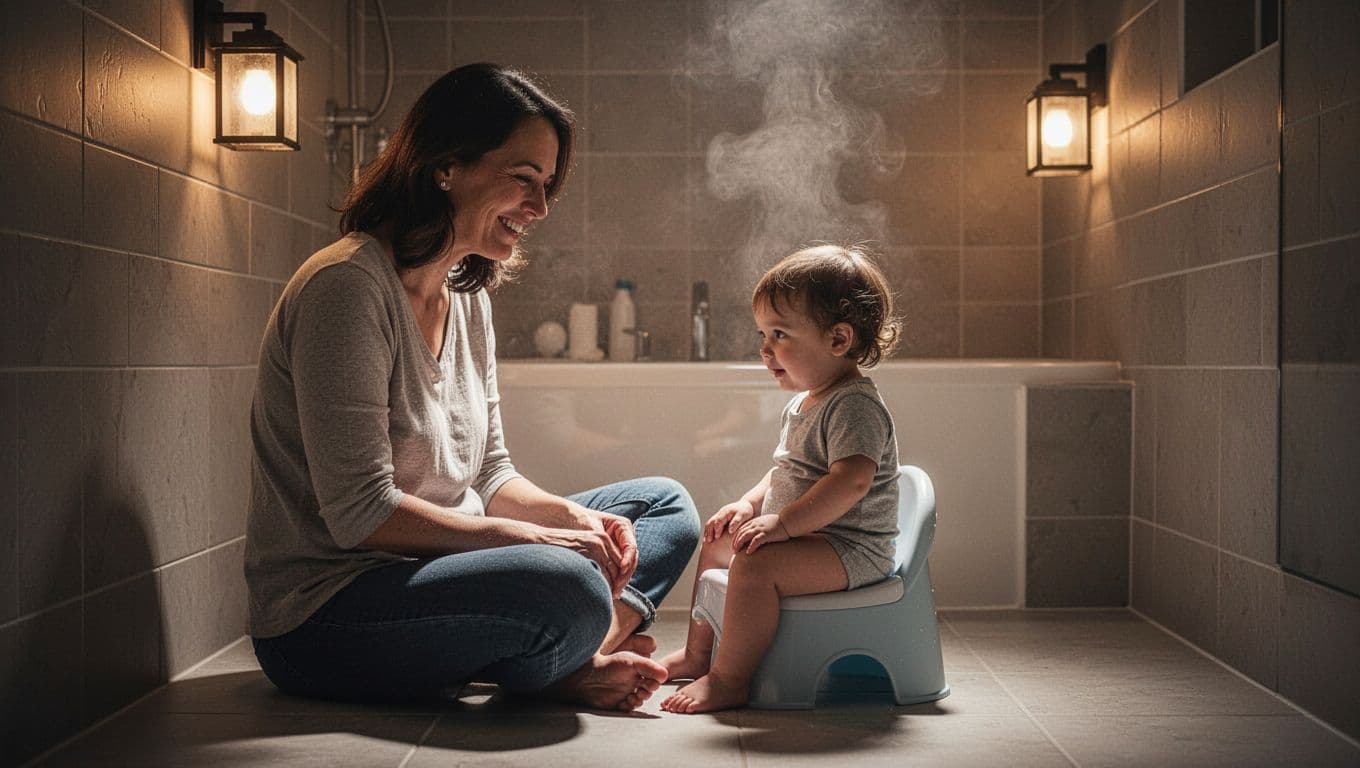
A calm routine, a few kind words, and small rewards for effort can turn bathroom time into something manageable. When your child feels safe enough to try, progress usually follows.
Know when to pause, watch closely, or call the doctor
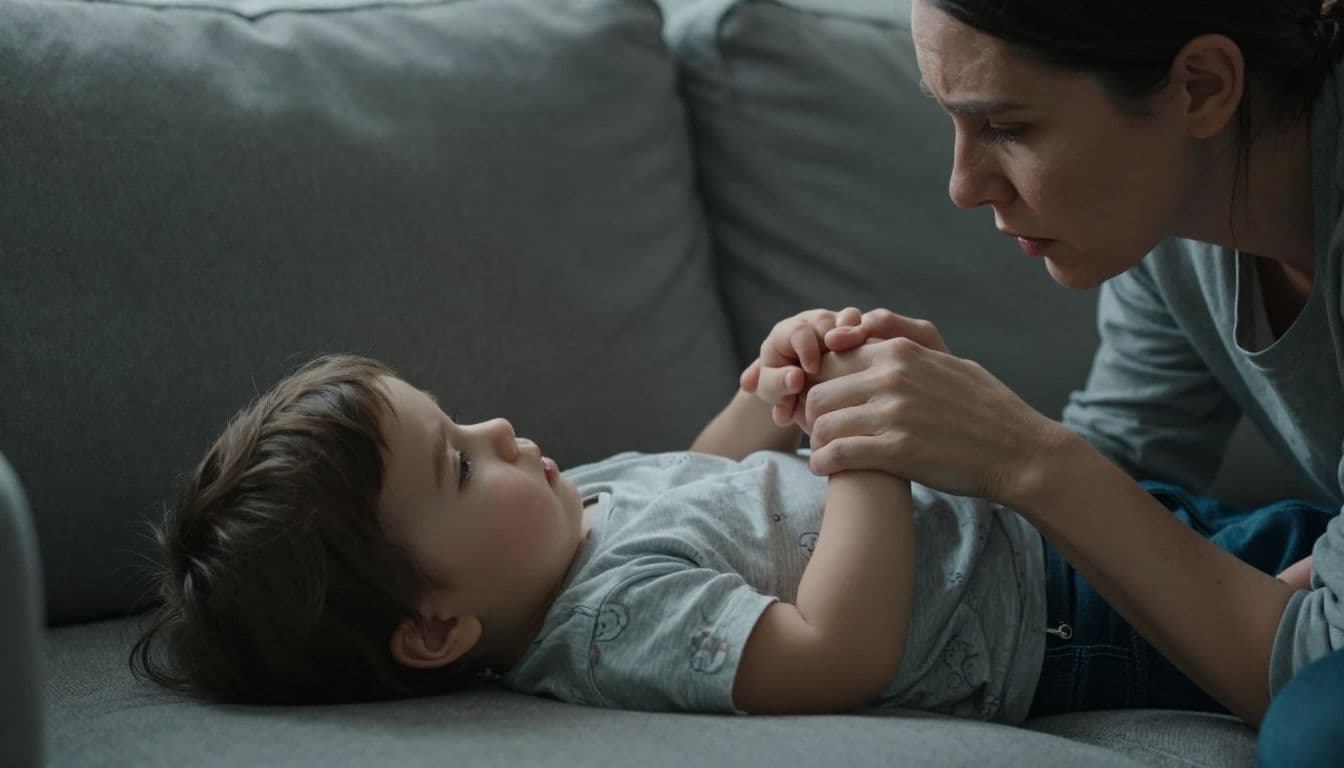
Most toddler poop refusal gets better with softer stool, less pressure, and a steadier routine. Still, some signs point past ordinary withholding. When a child looks sick, pain grows, or the bathroom pattern drags on for weeks, it’s time to stop waiting it out.
Red flags that need medical help sooner
Call the doctor sooner if your toddler has vomiting, poor appetite, a swollen or hard belly, blood in the stool, or severe belly pain. A child who seems very unwell, weak, feverish, or worse than usual should not be left to “see if it passes.”
These signs can mean more than simple constipation. If your child is crying in pain, refusing food, or the belly looks puffed up like a tight drum, get medical advice right away. A small streak of blood on hard stool can happen from a tiny tear, but repeated bleeding still needs a check.
For a parent-friendly medical reference, CHOC’s constipation guide explains the warning signs that need attention.
When home changes are not enough
If better meals, more water, calmer toilet sits, and less pressure do not help, a pediatrician may need to check for constipation or another issue. Ongoing withholding for weeks or months should not be ignored, because the stool can keep backing up and the fear can grow.
A doctor may suggest a treatment plan to soften stool, clear a blockage, or calm the cycle of pain and holding. That plan can also help you tell the difference between normal resistance and a body problem that needs more support.
The Johns Hopkins constipation overview offers a clear look at common symptoms and treatment options.
How to know if potty training needs a short reset
Sometimes the smartest move is to ease off potty training for a while. If your toddler tenses up, cries, hides, or fights every toilet sit, the pressure may be too high for now.
A short reset gives the body time to heal and gives your child room to feel safe again. That pause is not failure. It often helps break the link between the toilet and fear, so you can return later with less stress and better results.
Conclusion
You can help your child move past this stage by prioritizing their physical comfort over strict training schedules. Start by keeping stools soft with proper hydration and fiber, as this removes the physical pain that often triggers the fear of going. Once the discomfort fades, build a calm and consistent bathroom routine that centers on support rather than performance.
Stay observant for signs that professional help is needed, such as ongoing pain or physical distress. If the process feels like a constant battle, feel free to pause your training efforts to let your child reset and feel safe again.
Progress often feels slow when you are in the thick of it, but gentle, steady steps almost always outweigh the results of force. Your patience creates the foundation for a healthier and more confident bathroom habit.
Save pin for later
![Toddler Refuses to Poop? Fix Stool Holding and Constipation
When your toddler refuses to poop, it's often more than stubbornness. Hard stools can hurt, so many kids start holding it in out of fear, discomfort, or a need to stay in control.
That cycle can turn a small problem into days of straining, tears, and anxiety around the bathroom. The good news is that toddler poop refusal usually gets better with softer stools, calm bathroom habits, and a steady approach that doesn't turn pooping into a battle.
With the right changes, you can help your child feel safe again and make bathroom time less tense. If the pattern keeps going or pain shows up, knowing when to call the doctor matters too, and that's where we'll start.
What is really behind your toddler's poop refusal?
A toddler who refuses to poop is usually trying to avoid discomfort, not trying to be difficult. In many cases, the problem starts with one painful bowel movement and grows from there.
Once pooping hurts, a child may begin holding stool on purpose. Then the stool sits longer, gets drier and larger, and the next trip to the bathroom feels even scarier. That is how a small moment turns into a loop that keeps repeating.
A small child stands in a brightly lit bathroom with a nervous expression, looking down at a nearby child-sized potty. Strong light creates dramatic shadows across the tiled floor and walls. [https://user-images.rightblogger.com/ai/00db9149-7736-4b47-af46-63115345c6a0/toddler-potty-training-anxiety-3f486944.jpg]
The pain cycle that keeps toddlers from going
Hard poop can feel sharp and overwhelming for a toddler. After that first painful experience, many children start bracing themselves before they even feel the urge again.
That fear changes what happens next. Instead of relaxing, your child tightens up, squeezes, or ignores the urge to go. The longer stool stays inside, the more water the body pulls out of it, so it becomes harder, thicker, and more painful to pass.
This is why constipation can snowball so fast. A child may hold it today, then face an even bigger and more uncomfortable poop tomorrow. Soon, the bathroom itself starts to feel like a threat.
For a simple medical explanation of stool withholding, ERIC's guide on stool withholding [https://eric.org.uk/childrens-bowels/stool-withholding/] breaks down how pain can trigger the cycle.
When it is fear, power, or a potty training problem
Sometimes the issue starts with feelings, not just the body. Toddlers are wired to claim control, and poop can become one of the few things they feel they can manage.
Potty training can make this worse. A child may resist sitting on the toilet, fear the flush, dislike wiping, or hate the feeling of the potty seat. If training moves too fast, pressure can turn a mild worry into a hard refusal.
Rewards can also backfire when they feel like pressure. A toddler who senses urgency may dig in harder, especially if the bathroom becomes a stage for performance. The more tense the adult gets, the more the child may hold on.
Stress matters too. Travel, illness, new routines, or changes at home can throw off bathroom habits. Some children also react to sensory discomfort, such as the sound of flushing, the cold seat, or the feeling of being exposed.
> Pressure often turns a bathroom habit into a power struggle.
Signs constipation may be the real issue
A child can still be constipated even if they poop a little now and then. Small leaks or occasional stools do not always mean the bowels are empty.
Watch for these signs:
* Small, hard poops that look dry or pebble-like
* Belly pain or a tight, swollen stomach
* Skid marks in underwear from stool that leaks around a blockage
* Bloating or a belly that feels full and uncomfortable
* Long gaps between bowel movements
* Straining without much result
* Refusing to sit on the potty after a painful poop
If your child seems backed up, that can explain a lot of the resistance. A toddler who is constipated often avoids going because the last experience taught their body to expect pain.
For more background on how constipation and withholding connect, Johns Hopkins Medicine explains childhood constipation [https://www.hopkinsmedicine.org/health/wellness-and-prevention/dealing-with-kids-and-constipation] in plain terms.
A few clear patterns usually point to the real problem. Pain, fear, control, and constipation often work together, and the child ends up stuck in the middle.
Get the stool soft first, because comfort comes before cooperation
Before you focus on toilet habits, focus on the stool itself. A toddler who expects pain will hold back, no matter how many reminders you give. Soft, easy-to-pass poop lowers the fear, and that is what starts breaking the cycle.
That means the first goal is simple: make bowel movements less work for the body and less scary for your child. Water, fiber, and a few smart food swaps can help. In some cases, a short break from toilet training pressure gives the body time to reset.
Foods and drinks that help things move
Water helps stool stay softer, while fiber adds bulk and keeps things moving. Together, they make pooping less like pushing a rock and more like passing a soft lump. That matters a lot when your toddler is already tense.
A wooden plate rests on a warm-toned table, filled with slices of sweet pear, fresh blueberries, and steamed broccoli florets. Morning light highlights the natural textures of this nutritious snack. [https://user-images.rightblogger.com/ai/00db9149-7736-4b47-af46-63115345c6a0/healthy-toddler-snack-plate-e50c6a5a.jpg]
Start small if your child is picky. A few bites of pears, prunes, peaches, berries, beans, vegetables, oats, or whole grains can help more than a full meal overhaul. You do not need to rebuild every plate overnight.
A simple swap often works better than a battle. Try:
* pear slices instead of crackers at snack time
* oatmeal instead of sugary cereal
* berries or peaches with breakfast
* beans mixed into soup, rice, or quesadillas
* soft vegetables on the side, even if only a few bites
A little more fluid matters too. Offer water often through the day, not just at meals. For a child-friendly overview of constipation-friendly foods, Children's Hospital of The King's Daughters [https://www.chkd.org/patient-family-resources/our-blog/foods-that-help-relieve-constipation-in-kids/] gives a simple food and drink guide.
Foods that can slow a constipated toddler down
Some foods can make constipation worse for some children, especially when they crowd out fiber-rich options. Too much dairy can be a problem for certain toddlers. So can a pattern built around white bread, white rice, pasta, and other low-fiber foods.
That does not mean these foods are always bad. It means the balance matters. If your child eats mostly low-fiber foods and drinks very little water, stool can get dry and hard fast.
A few children also react differently to certain foods, so watch your own child's pattern. If milk-heavy meals or a day of plain carbs seem to lead to more holding, adjust gently rather than cutting everything at once. The U.S. National Institute of Diabetes and Digestive and Kidney Diseases also lists fiber-rich foods such as oats, beans, and whole grains as helpful for constipation in children, and its nutrition guide for constipation [https://www.niddk.nih.gov/health-information/digestive-diseases/constipation-children/eating-diet-nutrition] is a useful reference.
Why pressure or punishment can make holding worse
Fear tightens the body, and shame tightens it even more. If your child already expects pain, harsh words can make pooping feel even less safe. Then the holding gets worse, not better.
Stay calm when there is an accident, a refusal, or a messy diaper. Treat it like a problem to solve, not bad behavior. A child learns fast when your face is tense, so keep your tone low and steady.
A pause in toilet training can help if constipation has taken over. Some toddlers need time away from pressure while their stool softens and their fear settles down. That short reset is often better than forcing the issue every day.
> The goal is to make the bathroom feel safe again before you ask for cooperation.
If your child keeps tightening up, stop turning poop into a test. Let the body calm down first, then return to the routine with less pressure and more patience.
Build a simple toilet routine that works with the body
A toddler who refuses to poop often needs rhythm more than pressure. The body likes patterns, and the bowel often wakes up after meals, especially after breakfast. When you build the day around that natural cue, the bathroom feels less like a fight and more like part of the routine.
The goal is to give your child a steady chance to go without making it a big event. Keep the timing predictable, keep the mood light, and let the body do the work. The gastrocolic reflex [https://my.clevelandclinic.org/health/body/gastrocolic-reflex] is one reason this works, since eating can trigger the colon to move stool along.
A bright bathroom features a sturdy wooden footstool placed carefully before a crisp white toilet. Soft sunlight illuminates the clean, minimalist surfaces, creating a calm and supportive space for young children. [https://user-images.rightblogger.com/ai/00db9149-7736-4b47-af46-63115345c6a0/cozy-toddler-bathroom-setup-31fc3181.jpg]
Use the after-meal window to your advantage
After a meal is often the easiest time to try. The bowel usually becomes more active, so a short toilet sit after breakfast, lunch, or dinner can catch that natural urge without forcing it.
Start with one consistent time, then add more if needed. Many parents find breakfast works best because the body is already waking up, but lunch or dinner can help too. The key is sameness, so your child knows what comes next.
A simple rhythm looks like this:
1. Sit for a few minutes after breakfast.
2. Try again after lunch if morning went well.
3. Add a short evening sit if your child still seems backed up.
Keep the sit calm and brief. If nothing happens, that is fine. You are training the body to expect the toilet, not demanding instant results.
Keep toilet sits short, calm, and low-stress
Long toilet battles usually backfire. A toddler needs a few quiet minutes, not a long wait that turns into frustration on both sides.
Two to five minutes is enough at first. Let your child bring a small book, hum a song, or take slow breaths if that helps them settle. Calm bodies poop more easily, because fear and tension make the muscles tighten.
> The routine should feel ordinary, like washing hands after a meal.
Use a gentle script each time. "Let's sit for a little while, then we're all done" is clear and safe. If your child gets upset, end the sit kindly and try again later. The bathroom should feel predictable, not like a place where everyone holds their breath.
Make the bathroom physically easier to use
A good position matters. When a toddler sits with feet dangling, pushing gets harder and the body can feel unsteady. A footstool helps keep the feet flat and supported, which gives your child more balance and makes it easier to bear down.
A child-sized seat or potty chair can also help if the regular toilet feels too big. Some toddlers relax faster when their body fits the seat better. If your child looks scared, smaller equipment can make the bathroom feel less like a giant hard chair and more like a safe spot.
Small adjustments make a real difference:
* Feet flat on a sturdy stool
* Knees slightly higher than the hips
* Bottom secure on the seat
* A potty chair nearby if the toilet feels too tall
The Johns Hopkins constipation guide [https://www.hopkinsmedicine.org/health/wellness-and-prevention/dealing-with-kids-and-constipation] also recommends short sits after meals and notes that a footstool can help with easier bowel movements. Once the body feels supported, the child often feels more secure too. That sense of safety can be the difference between clenching and going.
Praise effort, not just poop, and use rewards the right way
When a toddler is scared to poop, pressure usually backfires. What helps more is steady praise for trying, sitting, and staying calm. That kind of support lowers the stress in the room and makes the bathroom feel less like a test.
Small rewards can help too, but only when they celebrate the habit, not just the result. A child who feels encouraged is more likely to try again tomorrow.
What to say when your toddler is scared or stuck
Keep your words short and warm. Your child does not need a lecture. They need proof that pooping is safe, and that you will help without making it a big scene.
Try phrases like:
* "You were brave and sat on the potty."
* "Poop should not hurt. We will help your body feel better."
* "You can tell me if you feel stuck."
* "I am proud of you for trying."
* "Take your time. I am here."
These small lines matter because they calm the body as well as the mind. A toddler who feels watched, rushed, or shamed often holds tighter. A toddler who feels safe is more likely to relax.
You can also praise the effort after a hard day. "You tried even though it felt hard" tells your child that trying still counts. That message builds trust, one calm sit at a time.
> Praise the trying, not just the toilet success.
Use small rewards to celebrate the habit
Rewards work best when they support the routine. Stickers, a simple chart, or a tiny treat can make bathroom time feel encouraging. The goal is to reward sitting, trying, and staying calm, not only producing poop.
That keeps the focus on what your child can control. If the reward only comes after a bowel movement, some toddlers feel more pressure and freeze up. A sticker for sitting after breakfast sends a gentler message: "You showed up, and that matters."
A few ideas that work well:
* a sticker after each calm sit
* a stamp on a bathroom chart
* one extra bedtime story after a full week of trying
* choosing the next book for potty time
Keep rewards simple and predictable. They should feel like a cheer, not a bribe or a threat. "If you poop, you get this" can create tension. "You get a sticker for trying" feels lighter and more helpful.
The American Academy of Pediatrics also recommends keeping potty training positive with praise and small rewards, and its toilet training tips [https://www.healthychildren.org/English/ages-stages/toddler/toilet-training/Pages/Praise-and-Reward-Your-Childs-Success.aspx] give a clear parent-friendly overview. For some families, a small non-food reward works better than snacks, and Cleveland Clinic's reward ideas [https://health.clevelandclinic.org/tinkle-treats-how-to-limit-sugar-when-potty-training] offer a few simple options.
Keep your own tone steady and reassuring
Your mood sets the temperature of the room. If you stay calm, your child has a better chance of calming down too. If you look tense every time the bathroom comes up, your toddler may brace for trouble before they even sit.
A steady parent helps the child feel safe. That safety can lower resistance, because the bathroom stops feeling like a place where something bad might happen. Over time, your calm voice becomes part of the routine itself.
Say less when your child is worried. Use a normal voice, keep your face soft, and avoid reacting strongly to accidents or refusals. Simple comments like "We will try again later" or "Your body is learning" keep the moment grounded.
Try to make the bathroom feel ordinary. You can read a short book, sit nearby, or quietly wait without hovering. When your child learns that pooping does not bring panic, the fear starts to shrink. That shift matters more than any sticker ever could.
A parent kneels on the tiled bathroom floor, smiling softly at a small child seated on a training potty. The warm, low light creates an intimate environment for supportive learning. [https://user-images.rightblogger.com/ai/00db9149-7736-4b47-af46-63115345c6a0/parent-supporting-toddler-potty-7aa0aa5c.jpg]
A calm routine, a few kind words, and small rewards for effort can turn bathroom time into something manageable. When your child feels safe enough to try, progress usually follows.
Know when to pause, watch closely, or call the doctor
Most toddler poop refusal gets better with softer stool, less pressure, and a steadier routine. Still, some signs point past ordinary withholding. When a child looks sick, pain grows, or the bathroom pattern drags on for weeks, it's time to stop waiting it out.
A worried parent sits on a couch gently holding the small hand of a reclining toddler. Dramatic, warm indoor lighting emphasizes the intimate and serious emotional connection between the two figures. [https://user-images.rightblogger.com/ai/00db9149-7736-4b47-af46-63115345c6a0/worried-parent-caring-toddler-0ba6b781.jpg]
Red flags that need medical help sooner
Call the doctor sooner if your toddler has vomiting, poor appetite, a swollen or hard belly, blood in the stool, or severe belly pain. A child who seems very unwell, weak, feverish, or worse than usual should not be left to "see if it passes."
These signs can mean more than simple constipation. If your child is crying in pain, refusing food, or the belly looks puffed up like a tight drum, get medical advice right away. A small streak of blood on hard stool can happen from a tiny tear, but repeated bleeding still needs a check.
For a parent-friendly medical reference, CHOC's constipation guide [https://choc.org/conditions/gastroenterology/constipation-in-children/] explains the warning signs that need attention.
When home changes are not enough
If better meals, more water, calmer toilet sits, and less pressure do not help, a pediatrician may need to check for constipation or another issue. Ongoing withholding for weeks or months should not be ignored, because the stool can keep backing up and the fear can grow.
A doctor may suggest a treatment plan to soften stool, clear a blockage, or calm the cycle of pain and holding. That plan can also help you tell the difference between normal resistance and a body problem that needs more support.
The Johns Hopkins constipation overview [https://www.hopkinsmedicine.org/health/conditions-and-diseases/constipation-in-children] offers a clear look at common symptoms and treatment options.
How to know if potty training needs a short reset
Sometimes the smartest move is to ease off potty training for a while. If your toddler tenses up, cries, hides, or fights every toilet sit, the pressure may be too high for now.
A short reset gives the body time to heal and gives your child room to feel safe again. That pause is not failure. It often helps break the link between the toilet and fear, so you can return later with less stress and better results.
Conclusion
You can help your child move past this stage by prioritizing their physical comfort over strict training schedules. Start by keeping stools soft with proper hydration and fiber, as this removes the physical pain that often triggers the fear of going. Once the discomfort fades, build a calm and consistent bathroom routine that centers on support rather than performance.
Stay observant for signs that professional help is needed, such as ongoing pain or physical distress. If the process feels like a constant battle, feel free to pause your training efforts to let your child reset and feel safe again.
Progress often feels slow when you are in the thick of it, but gentle, steady steps almost always outweigh the results of force. Your patience creates the foundation for a healthier and more confident bathroom habit.](https://momwithvibe.com/wp-content/uploads/2026/06/How-to-fix-toddlers-refusal-to-poop-200x300.png)

- What Causes a Flat Head Shape in Babies? - September 20, 2026
- Baby Massage for Gas Pain: Step-by-Step Instructions - September 20, 2026
- Newborn Skin Peeling: Common Causes and Warning Signs - September 20, 2026