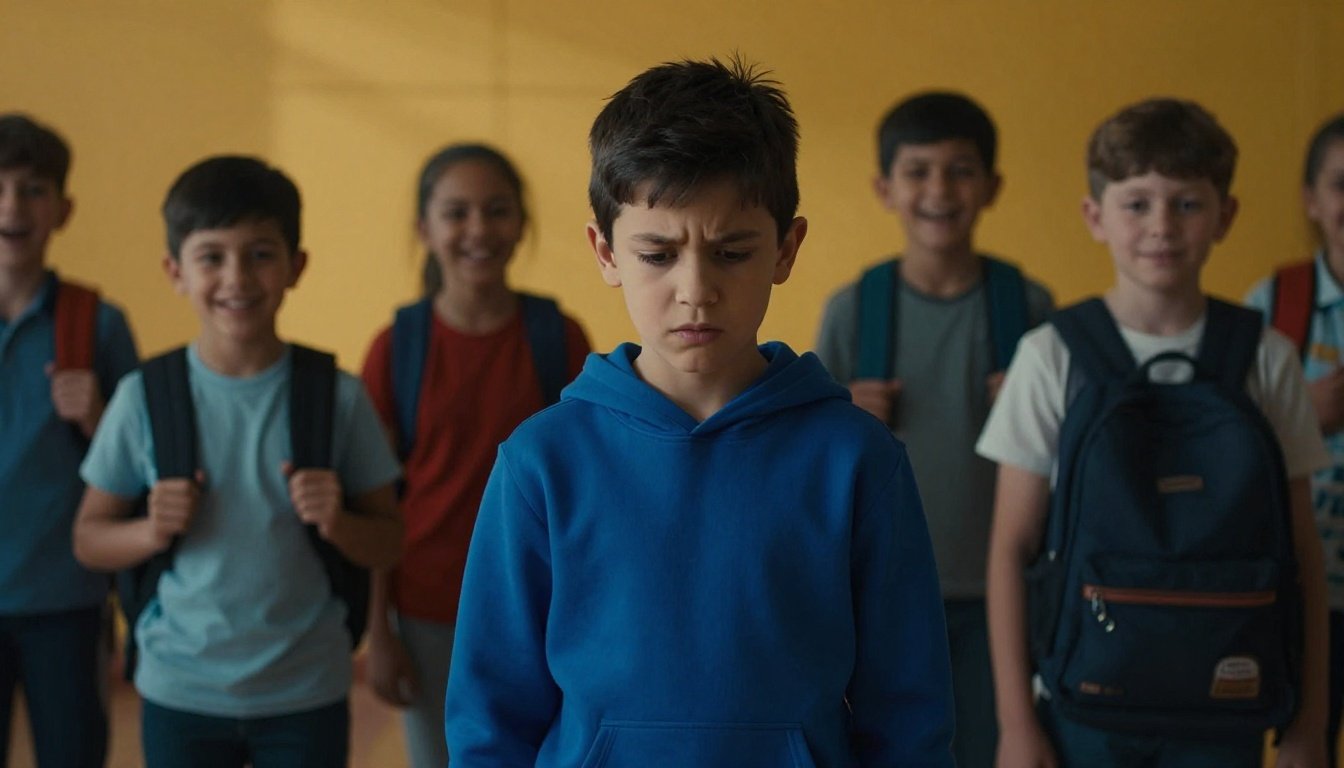
When your child comes home after a teacher reports repeated teasing, hitting, or leaving another student out, your stomach may drop. Hearing that your child could be bullying others is painful, but the behavior doesn’t make them a bad child or a lost cause.
Instead, look for patterns and listen carefully before reacting. Repeated aggression, a strong need to control or impress others, little concern for someone else’s feelings, blaming others, and frequent trouble at school or with peers can point to a larger problem. Calm, firm guidance helps your child take responsibility while learning better ways to handle anger, conflict, and friendships. You can also explore these ways to build your child’s emotional intelligence as you support healthier behavior.
Next, we’ll look at the five signs that may show your child is bullying others and what each one can mean.
Watch a related parenting video on YouTube.
What Counts as Bullying Behavior in a Child?
Bullying is more than a child being rude, losing their temper, or having one bad argument. According to StopBullying.gov’s definition, bullying involves unwanted aggressive behavior, a real or perceived power imbalance, and repetition or a strong chance the behavior will happen again.
That pattern matters because one unkind moment doesn’t automatically make your child a bully. Look at what happened, how often it happens, who holds the power, and how the other child is affected.
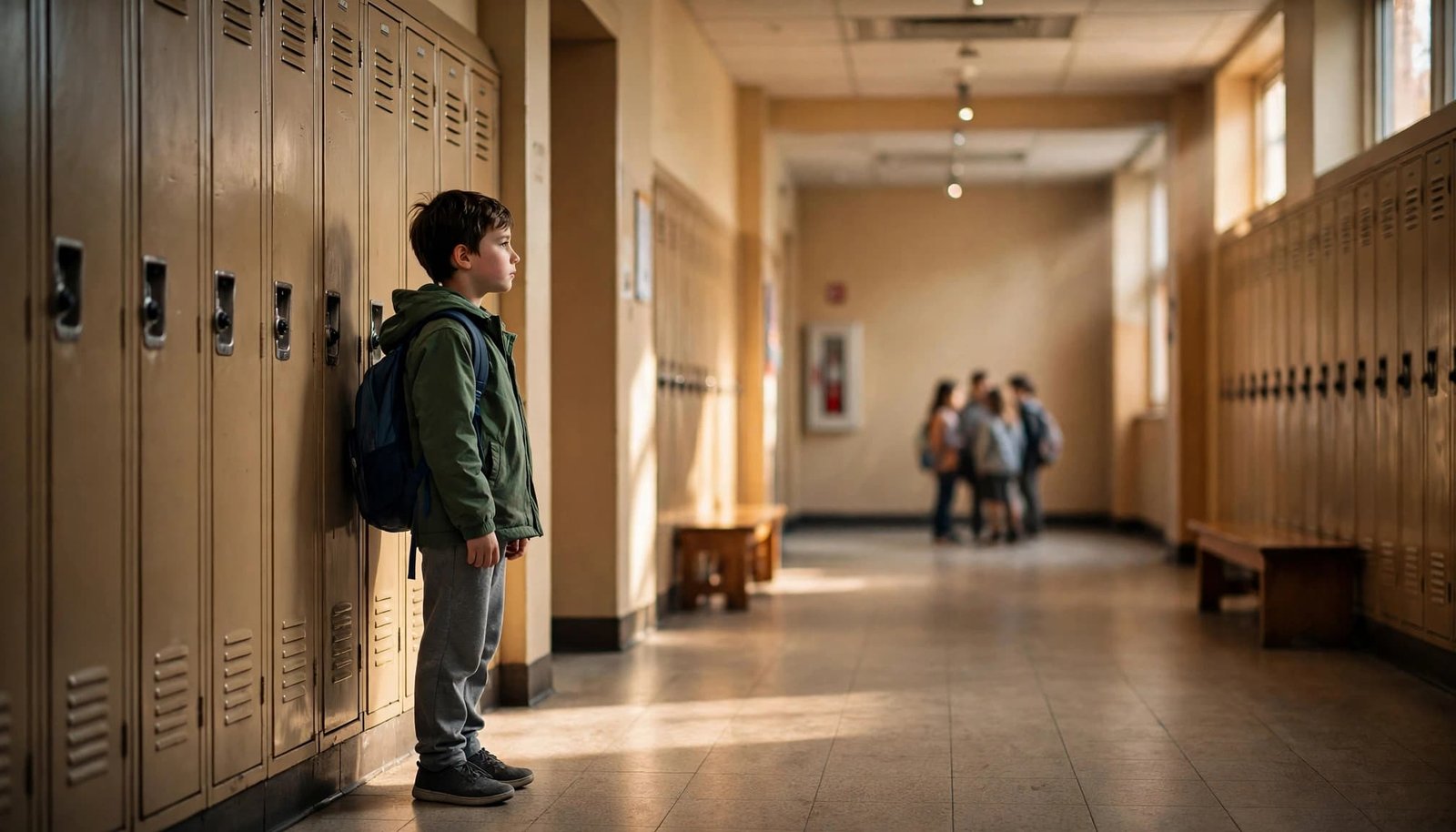
Bullying Can Take Several Forms
Children may bully others in ways that are easy to see or much harder to notice. Physical bullying can include hitting, kicking, shoving, tripping, taking belongings, or damaging another child’s property.
Verbal bullying includes repeated name-calling, threats, taunting, or cruel comments. Social bullying targets a child’s friendships or reputation. For example, your child might spread rumors, tell classmates not to include someone, repeatedly leave a child out, or use popularity to control a group.
Cyberbullying happens through phones, games, messaging apps, or social media. Posting an embarrassing picture, sharing a humiliating video, creating a fake profile, or sending repeated cruel messages can harm a child long after the school day ends.
Look for the Pattern and the Power Imbalance
A child may have more physical strength, social influence, access to private information, or control over a group. Even when two children seem equally confident, one child may feel unable to speak up or leave the situation.
Ask your child for facts before making a conclusion. Who was there? What was said or done? Has it happened before? What happened afterward? Speak with the teacher, counselor, or other supervising adult when accounts conflict.
Children may bully because of peer pressure, a need for control, learned behavior, stress, or difficulty managing strong emotions. These reasons can help you understand the behavior, but they don’t excuse the harm. Calm limits, accountability, and positive behavior strategies for children can help your child learn safer ways to handle conflict and relationships.
5 Signs That Show a Kid Is a Bully
One rude comment or playground argument doesn’t define your child. Look for repeated patterns across settings, including school, sports, sibling relationships, group chats, and neighborhood play. Bullying usually involves harmful behavior, a power imbalance, and repetition or a strong chance of happening again, as StopBullying.gov explains.

They Frequently Start Fights, Threaten Others, or Use Cruel Words
Repeated pushing, hitting, teasing, name-calling, threats, and intimidation deserve attention. For example, your child may shove a smaller child during recess, threaten someone who challenges them, or use private information to embarrass a classmate.
The key concern is the pattern and power imbalance, not rough play between children who feel equally safe and can stop when asked. Ask what happened before and after the incident, who was targeted, and whether similar events keep occurring. Strong emotions may explain your child’s behavior, but they don’t make hurtful actions acceptable.
They Try to Control the Group or Pick on Children With Less Power
Bullying can happen without a single shove. Your child may decide who can join a game, pressure friends to exclude one student, control a group chat, or use popularity, age, size, money, or social status to get their way.
A child who seems charming around adults may act controlling with peers. Listen to several perspectives and watch what happens when your child enters a group. Leadership includes others and respects boundaries. Domination depends on fear, pressure, or exclusion.
They Show Little Empathy After Someone Is Hurt
Notice how your child responds when another child cries or looks embarrassed. Laughing at the pain, saying the child deserved it, refusing to apologize, or treating the harm as a joke can become concerning when these reactions happen repeatedly alongside hurtful behavior.
Children are still learning empathy, so one awkward response doesn’t prove bullying. Ask, “How do you think they felt?” and “What could you do to repair the harm?” Stories, role-play, and specific conversations about impact can teach more than forcing a quick apology. You can also find ideas for teaching children emotional intelligence.
They Blame the Other Child and Refuse to Take Responsibility
A child who repeatedly says everyone else started it, changes the story, lies about witnesses, or calls the other child “too sensitive” may be avoiding responsibility. Still, children can be wrongly accused or struggle to explain confusing events, so check the facts before deciding what happened.
Focus on accountability rather than shame. Hear each account, separate intent from impact, set a fair consequence, and help your child make amends. Responsibility and self-control are skills your child can practice through calm conversations and clear limits.
They Have a Growing Pattern of Aggression, Discipline Problems, or Bullying Friends
Look across time for connected signs, such as frequent fights, repeated office referrals, aggression toward siblings or animals, unexplained belongings, or friends who also bully others. Bragging about popularity or controlling people can add another warning sign.
One school referral doesn’t define a child. However, several reports deserve prompt attention, so compare information from teachers, coaches, caregivers, and other adults. Aggression can also point to stress, trauma, learning needs, or emotional struggles. If the behavior is sudden, intense, or difficult to change, speak with your child’s pediatrician or a child mental-health professional.
How to Tell Bullying Apart From Normal Peer Conflict
Children argue, make mistakes, and sometimes play too roughly. A disagreement alone doesn’t mean your child is bullying someone. The clearest clues are the balance of power, the repeated nature of the behavior, and whether one child feels afraid, humiliated, or unable to make it stop.
Normal Conflict Usually Involves Equal Power
Ordinary peer conflict usually happens between children with similar power, age, confidence, or social standing. Both children can explain what happened, disagree with each other, and leave the situation without fearing what comes next.
For example, two children may argue over whose turn it is, trade sharp words, or wrestle during rough play. If one child says, “Stop,” and the other child stops, adults can often help them solve the problem and move forward. The conflict may end after an apology, a turn-taking plan, or a calm conversation.
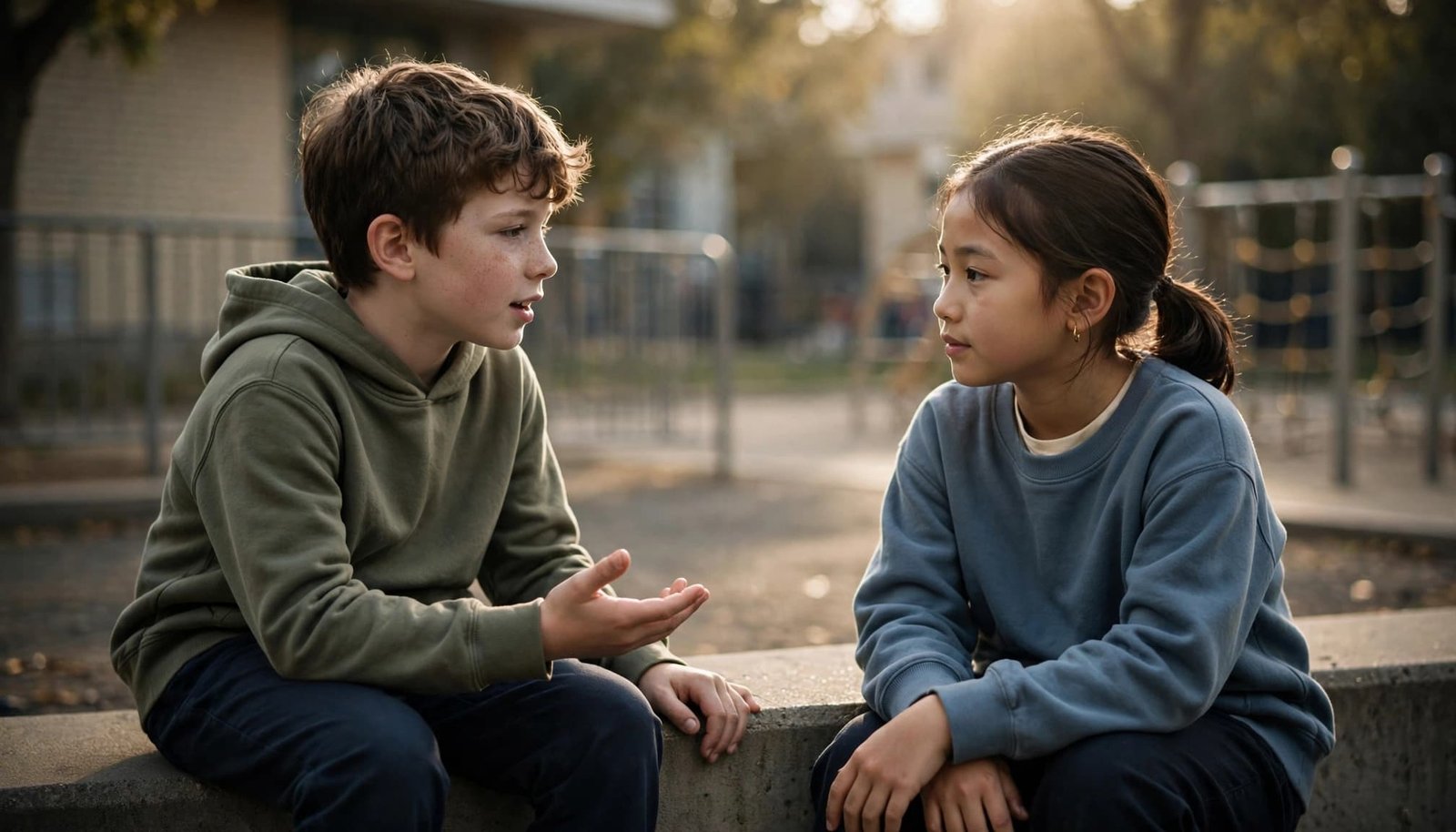
As PACER’s conflict and bullying guidance explains, conflict involves disagreement, while bullying involves one child using power or control against another. That distinction helps you respond firmly without labeling your child after one difficult moment.
Bullying Creates a Pattern of Fear or Control
Bullying is more likely when one child has greater physical strength, social influence, access to private information, or control over a group. The behavior may repeat, or the child may threaten enough harm that the target expects it to happen again.
Look for repeated teasing after the other child asks for it to stop, the same student being excluded from games, threats in the hallway, or embarrassing images shared with classmates. Rough play becomes bullying when your child keeps targeting the same child after adults intervene or after the child clearly shows fear or distress.
Cyberbullying can continue after the school day ends. Messages, posts, group chats, gaming conversations, and shared images can reach a child at home, during the evening, or on weekends. A child may also delete the content before an adult sees it, so save screenshots and messages when possible.
Remember that children who bully don’t always look angry or troubled. Some act charming, popular, or calm around adults. Likewise, a child who is bullied may not cry, withdraw, or ask for help. Some hide their distress, defend the person hurting them, or worry that reporting will make things worse.
Before contacting school staff, keep a simple record that includes:
- The date, time, and location of each incident.
- The words or actions involved, plus names of witnesses.
- Any injury, damaged belongings, or change in behavior.
- Screenshots, posts, group-chat messages, or shared images.
A clear record helps adults see whether the problem is a single conflict or an ongoing pattern. If your child faces threats of serious harm, contact the school promptly and seek emergency help when needed.
What Parents Can Do When They Suspect Their Child Is Bullying
Suspecting your child is bullying someone can bring anger, fear, and embarrassment. Start with calm action, not shame. Your child needs to understand the harm, take responsibility, and practice safer ways to respond.
Talk Privately and Listen Before You Decide
Choose a quiet moment when neither of you is rushing out the door. Keep your voice steady and describe the specific concern: “Your teacher said you threatened another student at recess. Tell me what happened.”
Ask open questions such as:
- “What were you hoping would happen?”
- “Who may have been affected?”
- “What happened after the other child asked you to stop?”
- “Has anything like this happened before?”
Listen to your child’s account, but don’t use confusion or peer pressure to excuse threats, aggression, humiliation, or exclusion. You can acknowledge their feelings while holding the boundary: “I understand that you were angry. Hurting or embarrassing someone is still not acceptable.”
A private conversation gives your child room to tell the truth without feeling trapped. These calm communication strategies for parents can help you keep the discussion focused instead of turning it into a shouting match.
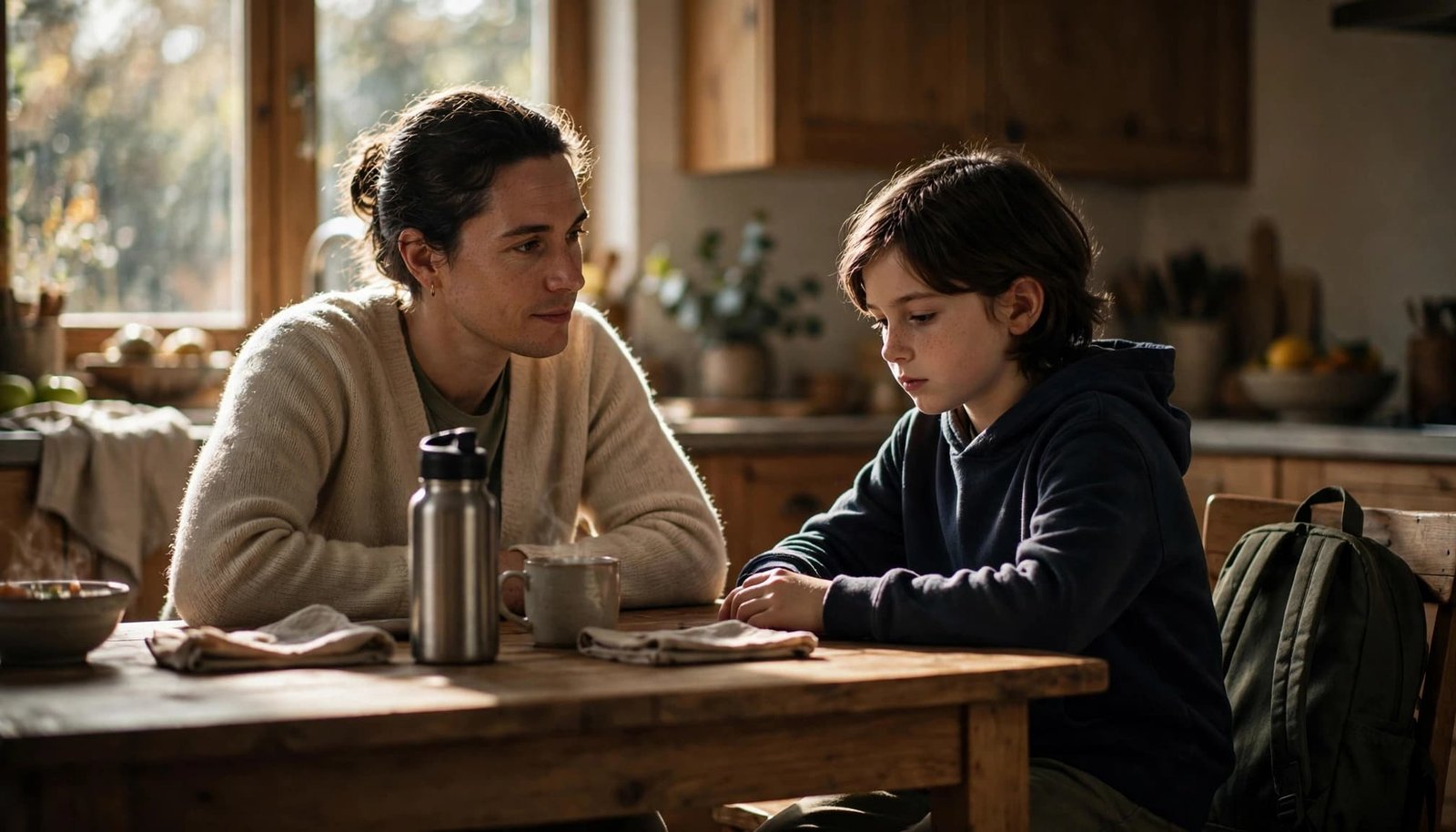
Set a Clear Boundary and Related Consequence
State your family rule in simple language: We don’t hurt, threaten, humiliate, or exclude people to get power or attention. Then explain what will happen if the behavior continues.
A related consequence might include losing access to a group chat, game, phone, or social activity used to target the other child. Increase supervision when needed, especially during online conversations, gaming, and texting. Avoid public punishment, physical discipline, or telling your child to fight back. Those responses can increase fear and aggression instead of teaching self-control.
The consequence should create space for learning. Help your child practice saying, “Stop,” walking away, getting an adult, and using respectful words when frustrated. Positive strategies for repeated misbehavior can support this practice at home.
Require Repair and Work With the School
Accountability should include a genuine repair, when it is safe and appropriate. Your child might write a sincere apology, replace damaged property, delete a cruel post, or complete a helpful action approved by the school. Don’t force an in-person meeting if it could frighten or pressure the other child.
Contact the teacher, counselor, or principal with dates, exact words, screenshots, and other facts. Ask what supervision will increase and how staff will track future incidents. School support may include behavior planning, counseling, anger-management work, conflict-resolution services, or closer adult supervision. StopBullying.gov’s parent guidance also recommends working with adults who can support every child involved.
If threats involve serious injury, weapons, dangerous aggression, self-harm, or suicidal thoughts, seek urgent help from emergency services, your child’s pediatrician, or a qualified mental-health professional. Persistent behavior also deserves professional attention, because a child may need support with stress, trauma, impulse control, or emotional regulation.
How to Help a Child Build Empathy and Safer Social Skills
Long-term change takes more than one serious conversation. Your child needs repeated practice with empathy, emotional control, and respectful problem-solving. Set clear limits, keep routines steady, and watch for small changes over several weeks.
Model Calm Conflict Resolution
Children learn social behavior by watching how adults handle frustration. When you disagree with your child, lower your voice, name the problem, and explain your next step. You might say, “I’m frustrated, so I’m going to take a minute before we talk.” This shows your child that strong feelings can guide a pause instead of an attack.
Help your child name emotions before discussing behavior. “You felt embarrassed when you lost the game” gives them language for the feeling without excusing the response. Then ask, “How do you think the other child felt when you laughed?” Perspective-taking connects the action with its impact.
These emotional intelligence activities for kids can make those conversations more practical and less like a lecture.

Practice Safer Responses Before Problems Happen
Role-play moments that often trigger your child, such as losing a game, being left out, receiving criticism, or seeing a friend tease someone. Take turns playing each person, then rehearse a better response. Your child might practice saying:
- “I didn’t like that. Please stop.”
- “I’m too upset to talk right now.”
- “I need help from an adult.”
- “We disagree, but I won’t insult you.”
Help your child identify early warning signs, such as clenched fists, a hot face, fast talking, or the urge to get even. Choose a replacement action for each trigger, including taking space, breathing slowly, asking for help, or walking away.
Praise the behavior you want to see. Say, “You let your friend join the game,” or “You accepted feedback without insulting anyone.” Specific praise helps your child notice that inclusion and self-control earn positive attention. Social-emotional learning also supports empathy, communication, and conflict-management skills, as StopBullying.gov’s social-emotional learning guidance explains.
Keep checking in with teachers and counselors about progress, new incidents, and helpful strategies. Extra support may be needed if aggression worsens, mood changes become severe, trauma symptoms appear, or your child continues hurting others despite consistent consequences. A pediatrician or qualified child therapist can help identify problems that require more than home practice.
Conclusion
Repeated aggression, controlling behavior, low empathy, refusal to accept responsibility, and a wider pattern of conduct problems can point to bullying. One argument or unkind moment doesn’t define your child, so focus on facts, repeated behavior, power differences, and the effect on the targeted child.
Your child is responsible for the harm, but they aren’t beyond help. Protect the child being targeted, share clear information with the school, and set firm boundaries at home. Then teach your child better ways to handle anger, frustration, and peer pressure, using practical tools such as anger management activities for kids.
Early action can stop the pattern before it grows. With clear expectations, consistent follow-through, and support from the school or a qualified professional, your child can learn accountability, repair harm, and build healthier friendships.
Save pin for later


- Dry Cough in Kids: 5 Causes and Safe Solutions - September 23, 2026
- How to Help a Child Deal With Anxiety at Home - September 12, 2026
- How to Prepare Your Child for the First Day of School - September 12, 2026