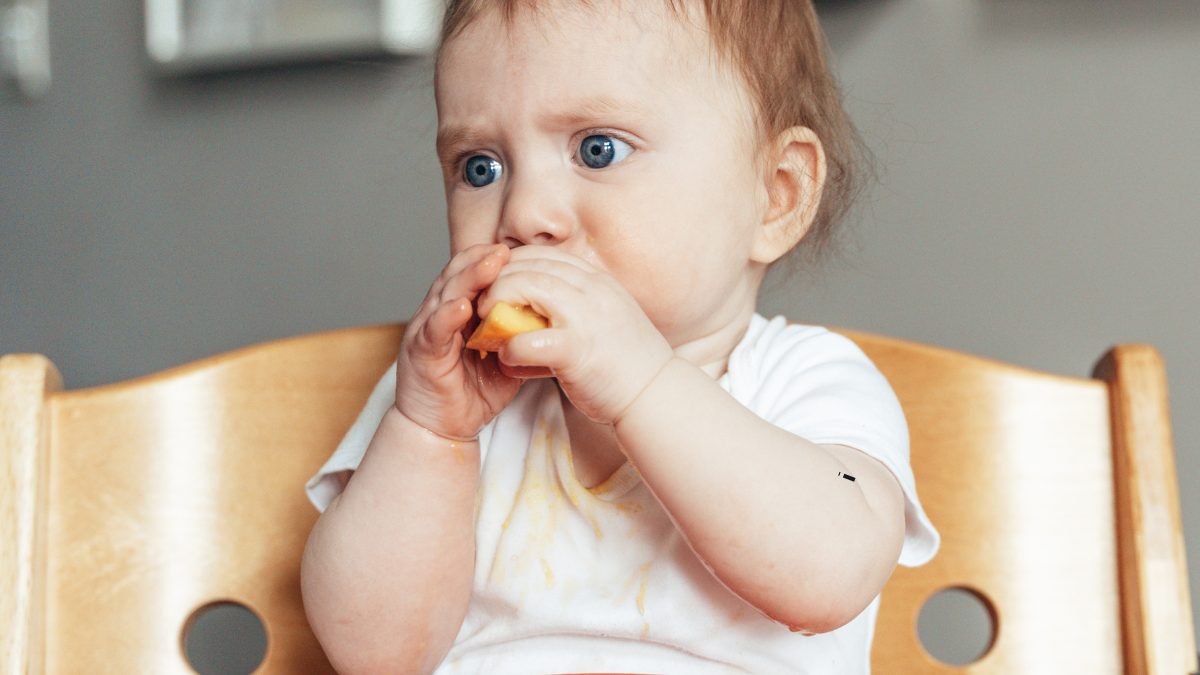
When your child wakes crying, tugs at one ear, and can’t settle back to sleep, an earache can turn a quiet night into a stressful one. Ear pain may come from a middle ear infection, swimmer’s ear, a cold, allergies, trapped water, or simple irritation, so prevention isn’t always possible.
Still, you can lower your child’s risk with everyday habits, such as holding a bottle upright during feeds, keeping vaccinations current, avoiding cigarette smoke, drying ears after swimming, and never putting cotton swabs or other objects into the ear canal. You can also learn the signs of an earache in children so you know when discomfort needs medical attention. This guidance supports, but doesn’t replace, advice from your child’s pediatrician; next, we’ll look at practical ways to protect your child’s ears at home.
How to prevent earache in children by understanding the main causes
Earache prevention starts with knowing which risks you can reduce and which ones you cannot control. Family history, a child’s age, ear anatomy, and some infections are outside your hands. Still, everyday habits can lower exposure to common triggers and help you recognize patterns early.
Know which earache risks you can and cannot control
A middle ear infection develops behind the eardrum. Colds, flu, and other respiratory infections can swell the drainage tube between the middle ear and the back of the nose. When that tube becomes blocked, fluid can collect and create conditions for infection. Young children are more likely to develop these infections because their tubes are smaller and still developing.
By contrast, swimmer’s ear affects the ear canal, the passage leading to the eardrum. Repeated water exposure, trapped moisture, scratching, or irritation can damage the canal’s natural protection. The prevention steps differ, so HealthyChildren’s ear infection guidance is a useful reference for middle ear infection risks.
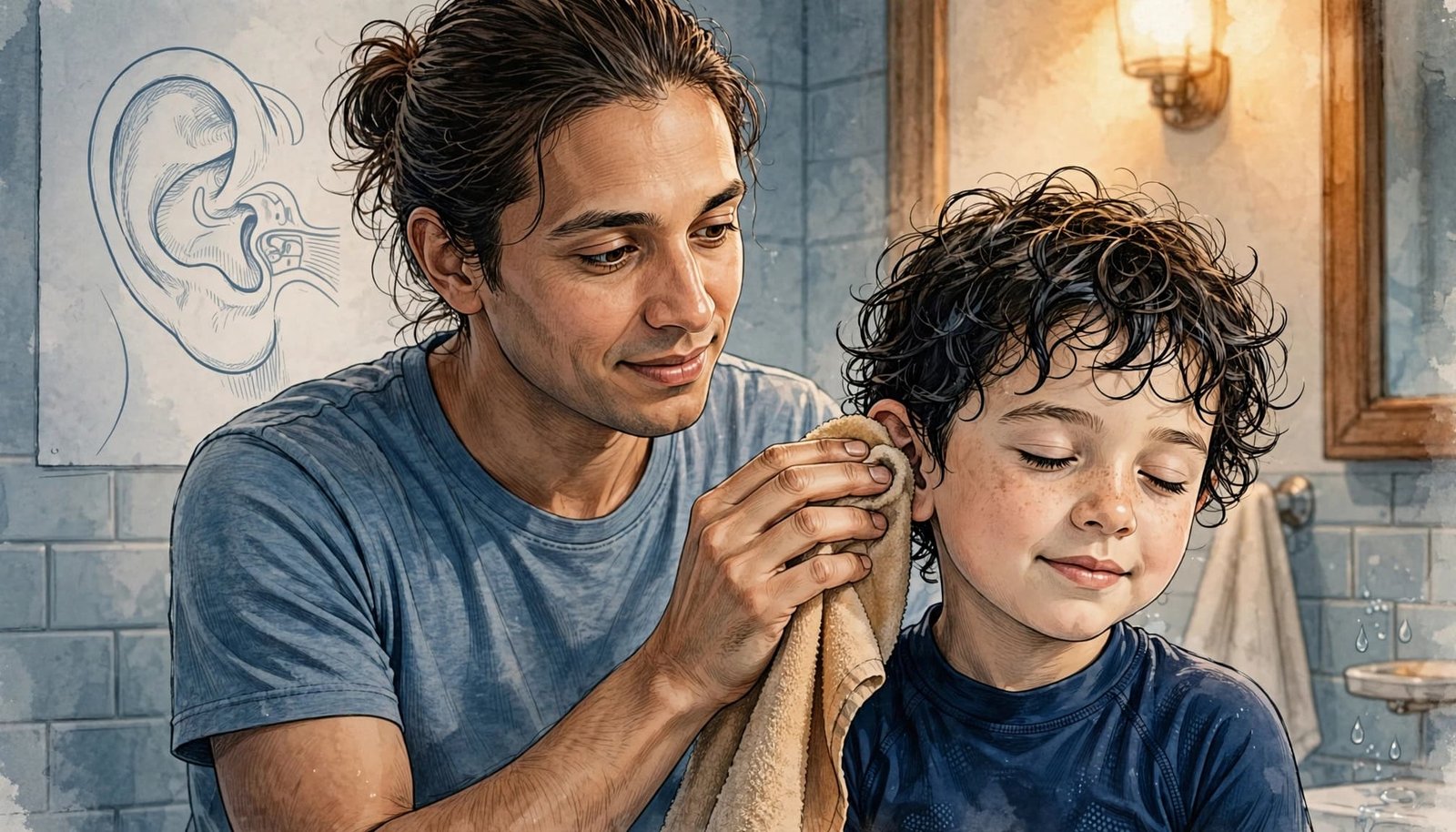
Some children face more risk because they catch frequent colds, attend group child care, have allergies, or spend time around secondhand smoke. Bottle-feeding while lying flat can also allow milk to flow toward the middle ear. None of these factors means you caused an earache, and no parent can prevent every infection.
Focus on habits within your control:
- Wash your child’s hands often, especially after play and before meals, and keep vaccinations current, including the yearly flu vaccine.
- Keep children away from cigarette and vape smoke. Smoke exposure can increase the chance of ear infections.
- Hold your baby upright during bottle-feeding, and never put a baby to bed with a bottle.
- Dry the outer ears after swimming or bathing. Never put cotton swabs, fingers, or other objects into the ear canal.
- Ask your pediatrician before using ear-drying drops, particularly if your child has ear tubes, ear drainage, or a known eardrum problem.
Ear pulling alone doesn’t prove an infection. Babies may touch their ears when they’re tired, teething, or exploring their bodies. However, repeated earaches deserve a closer look. Track when the pain happens, whether it follows a cold or swimming, and any fever, drainage, sleep trouble, or hearing changes. Share those details with your pediatrician instead of relying on unproven home remedies. For example, ear rubbing during teething can resemble an ear problem, but a clinician can tell the difference.
Build daily habits that lower the chance of ear infections
You can’t prevent every cold or ear infection, but small routines can reduce the spread of germs and protect your child’s ears. Wash hands with soap and water after coughing, sneezing, toileting, and outdoor play. Teach older children not to share cups, utensils, or water bottles when someone is sick.

During cold and flu season, wipe high-touch surfaces such as doorknobs, faucet handles, light switches, and shared toys. When possible, limit close contact with people who have respiratory symptoms. These steps won’t stop every illness, but they may reduce infections that can lead to middle ear inflammation.
Smoke-free living matters just as much. Keep children away from cigarettes, cigars, vaping aerosols, fireplaces that produce heavy smoke, and smoky cars or rooms. Ask caregivers and relatives to follow the same rule. If someone smokes, changing smoke-exposed clothing and washing hands before holding a baby can reduce contact with residue. These habits also support smoke-free ways to protect children’s airways.
Keep vaccinations current, especially flu and pneumococcal vaccines
Recommended vaccines don’t prevent every ear infection, but they protect against illnesses linked to ear infections. The yearly flu vaccine can lower a child’s risk of influenza, while the pneumococcal vaccine protects against Streptococcus pneumoniae, a common cause of middle ear infections.
Follow the current CDC vaccine recommendations for young children, along with your pediatrician’s advice. Vaccine schedules can change as public health guidance develops, and your child’s age or medical history may affect the plan.
Check your child’s records during well-child visits. If your child missed a dose, ask about catch-up vaccination rather than assuming the series must start over. Vaccines are one layer of prevention, not a guarantee that your child will never develop an earache.
Use feeding habits that protect babies’ middle ears
Breastfeeding is associated with a lower risk of ear infections. When possible, CDC guidance supports exclusive breastfeeding until about 6 months, followed by continued breastfeeding for at least 12 months if parent and child choose. Families use different feeding methods, and formula-feeding parents haven’t done anything wrong.
For bottle-fed babies, hold your baby in a mostly upright position instead of feeding while lying flat. A flat position may allow milk to move toward the middle ear. Never put a baby to bed with a bottle.
If you’re gradually transitioning away from breastfeeding, calm and consistent routines can help. These gentle breastfeeding weaning ideas can make the change feel less abrupt for both of you.
Think carefully about pacifiers after six months
Pacifiers can soothe babies and support sleep, so this isn’t a strict rule. However, NHS guidance suggests trying not to give a pacifier after 6 months because prolonged use may be linked with more ear infections.
Discuss your child’s comfort, sleep habits, and dental guidance with the pediatrician, especially if your baby relies heavily on a pacifier. Never dip a pacifier in sweet foods, and don’t share it between children. Sweet coatings can harm teeth, while sharing can spread germs.
Prevent swimmer’s ear with simple water and swimming precautions
Swimmer’s ear affects the outer ear canal, where trapped moisture and small scratches can allow irritation or infection to develop. After swimming, baths, and showers, focus on keeping the canal dry without poking or rubbing inside the ear.
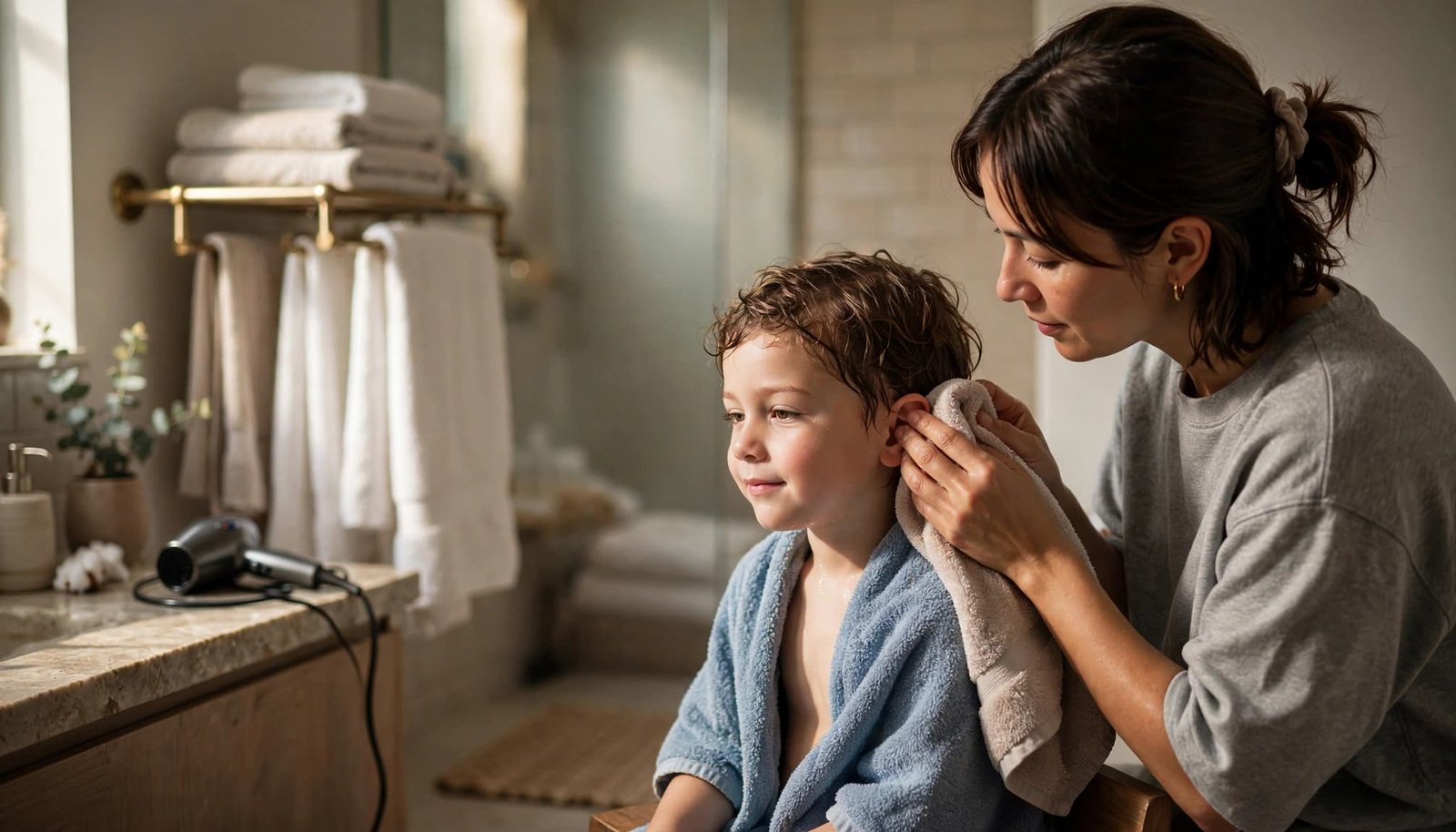
After water play, have your child tilt their head so each ear faces downward. Gently pull the earlobe in different directions while the water drains, then pat the outer ear with a soft towel. If moisture remains, use a hair dryer on the lowest heat and speed setting, held several inches away. Stop if your child feels discomfort.
Children who get swimmer’s ear repeatedly may need extra protection. A bathing cap, soft ear plugs, or custom-fitted swim molds can help limit water entry, but the fit matters. Avoid products that feel tight, painful, or difficult to remove. Ask your child’s clinician which option suits their ears, especially because hard plugs and poorly fitted devices can irritate the canal.
Children with ear tubes, a perforated eardrum, ear drainage, or recent ear surgery should follow their clinician’s swimming instructions. Some children can swim with certain ear conditions, while others need to keep water out until healing occurs. Don’t assume the same rule applies to every child.
Keep water out when advised, but don’t seal a child’s ear with a product that causes pressure or pain.
The CDC’s swimmer’s ear prevention guidance recommends drying the ears thoroughly and asking a healthcare professional before using ear-drying drops. Avoid homemade vinegar-and-alcohol mixtures and over-the-counter drying drops unless a clinician approves them for your child. These products may harm the ear when tubes, a hole in the eardrum, active ear pain, swimmer’s ear, or drainage is present.
Keep water, shampoo, and irritation out of sensitive ears
At bath time, tilt your child’s head back while washing their hair. Guide shampoo and rinsing water toward the back of the head rather than directly toward the ears. Use a cup or gentle stream instead of a forceful spray near the ear canal, and rinse away soap that collects around the outer ear.
Some children have eczema, dry skin, or irritation around the ears. Scratching and cracked skin can make the canal more vulnerable, so managing the underlying condition may reduce repeated pain. Ask a clinician how to protect your child’s ears if water regularly causes burning, itching, or soreness. Cotton balls, petroleum jelly barriers, and other bathing aids should be used only when a healthcare professional recommends them for that child.
Do not put cotton swabs or household objects in a child’s ear
Earwax helps protect the ear canal and usually moves outward without assistance. Clean only the outside of the ear with a soft, damp cloth. Cotton swabs, fingers, hairpins, pencils, paperclips, keys, and ear candles can push wax deeper, scratch delicate skin, cause infection, or injure the eardrum.
If wax appears to block hearing, or an object becomes stuck, contact a medical professional. Don’t try to remove it at home. Seek care promptly for drainage, worsening pain, fever, or balance problems, including the warning signs that your child should see a doctor.
What to do when a child starts complaining of ear pain
Prevention can’t stop every earache, so early observation matters. Notice what changes, write down the details, and avoid treating the cause based on symptoms alone. A clinician may need to examine the eardrum to tell whether the pain comes from an infection, trapped fluid, irritation, injury, or another problem.
Know when earache needs prompt medical advice
Babies and toddlers may not be able to explain ear pain. Instead, you might notice ear rubbing, crying, poor sleep, unusual fussiness, reduced appetite, fever, balance changes, or less reaction to sounds. These signs can overlap with teething or a cold, so you can also review information about when a baby’s ear symptoms need medical care.
Older children may describe pain, pressure, itching, muffled hearing, or a feeling of fullness. Look for fluid or pus from the ear as well. The CDC’s ear infection symptom guidance can help you compare your child’s symptoms, but it can’t replace an examination.
Contact your child’s healthcare professional if ear pain lasts longer than two to three days, keeps returning, or occurs with:
- Hearing changes, ear drainage, or pus.
- Swelling around the ear or redness behind it.
- A very high fever, chills, or worsening illness.
- Balance trouble, severe pain, or pain after an injury.
- Something stuck in the ear.
A child under 2 with pain in both ears needs prompt medical advice. Seek urgent care for severe symptoms, a child who is difficult to wake, signs of serious illness, or swelling behind the ear. Follow your local pediatrician’s or urgent-care service’s guidance, especially for infants and children with medical conditions.
Before calling, note when the pain began, whether your child has a cold or fever, whether one or both ears hurt, and whether the pain followed swimming or an injury. Those details can help the clinician decide how quickly your child needs care.

Use comfort measures safely while waiting for care
Rest, fluids, and a warm, clean washcloth held against the outer ear may help your child feel more comfortable. If approved for your child’s age, give acetaminophen or ibuprofen according to the package label or your clinician’s instructions. Never give aspirin to a child unless a healthcare professional specifically directs you to do so.
Don’t use leftover antibiotics, put oil in the ear, or give numbing drops unless a clinician recommends them. Decongestants, antihistamines, and ear candling aren’t routine treatments for a child’s earache and may cause harm or delay proper care.
Pain relief can make the wait easier, but it doesn’t identify or treat the cause. If warning signs are present, arrange an examination even when medicine briefly helps.
A simple earache prevention checklist for parents
Earache prevention doesn’t require a perfect routine. A few steady habits can lower common risks, while your pediatrician can help when your child’s needs are more complex.

Keep these habits in your routine
Use this checklist as a quick reminder during well-child visits, cold season, and swim days:
- Keep routine vaccines current, including the yearly flu vaccine.
- Wash your child’s hands often, especially before meals and after coughing, sneezing, or play.
- Maintain a smoke-free home and car. Ask caregivers to follow the same rule.
- Feed babies in a more upright position, and never put them to sleep with a bottle.
- Consider breastfeeding when it works for your family. Formula-feeding parents haven’t done anything wrong.
- Ask your pediatrician about pacifier use after 6 months, particularly if your baby uses one throughout the day or night.
- Dry the outer ears after swimming, bathing, and water play.
- Protect sensitive ears during bathing when your child’s clinician recommends it.
- Never insert cotton swabs, fingers, hairpins, or other objects into the ear canal.
- Call the pediatrician for recurring pain, ear drainage, hearing changes, balance problems, swelling, or other warning signs.
Children with ear tubes, hearing concerns, frequent infections, eczema, allergies, or past ear surgery may need an individualized plan. For example, water precautions and ear-drying drops aren’t suitable for every child. Ask what applies to your child’s ears instead of copying another family’s routine.
If your child develops an earache despite these precautions, you haven’t failed. Some infections happen because of age, anatomy, or an ordinary cold. Trust what you notice, write down changes, and seek medical advice when the pain returns or something feels unusual. For more support during respiratory illness, review these handwashing tips for protecting babies.
Conclusion
Preventing earache in children isn’t about following one perfect rule. It comes from steady habits, including keeping vaccines current, washing hands, maintaining smoke-free air, feeding babies safely, drying ears after water play, and avoiding objects inside the ear canal.
Even with thoughtful care, some infections happen because of age, anatomy, or an ordinary cold. That isn’t a parenting failure. Trust your instincts, watch for changes in pain, hearing, drainage, fever, or balance, and contact your child’s pediatrician when symptoms are severe, persistent, or unusual.
A calm routine can lower common risks, but careful observation helps you respond when prevention isn’t enough.
Save pin for later

- Dry Cough in Kids: 5 Causes and Safe Solutions - September 23, 2026
- How to Help a Child Deal With Anxiety at Home - September 12, 2026
- How to Prepare Your Child for the First Day of School - September 12, 2026