
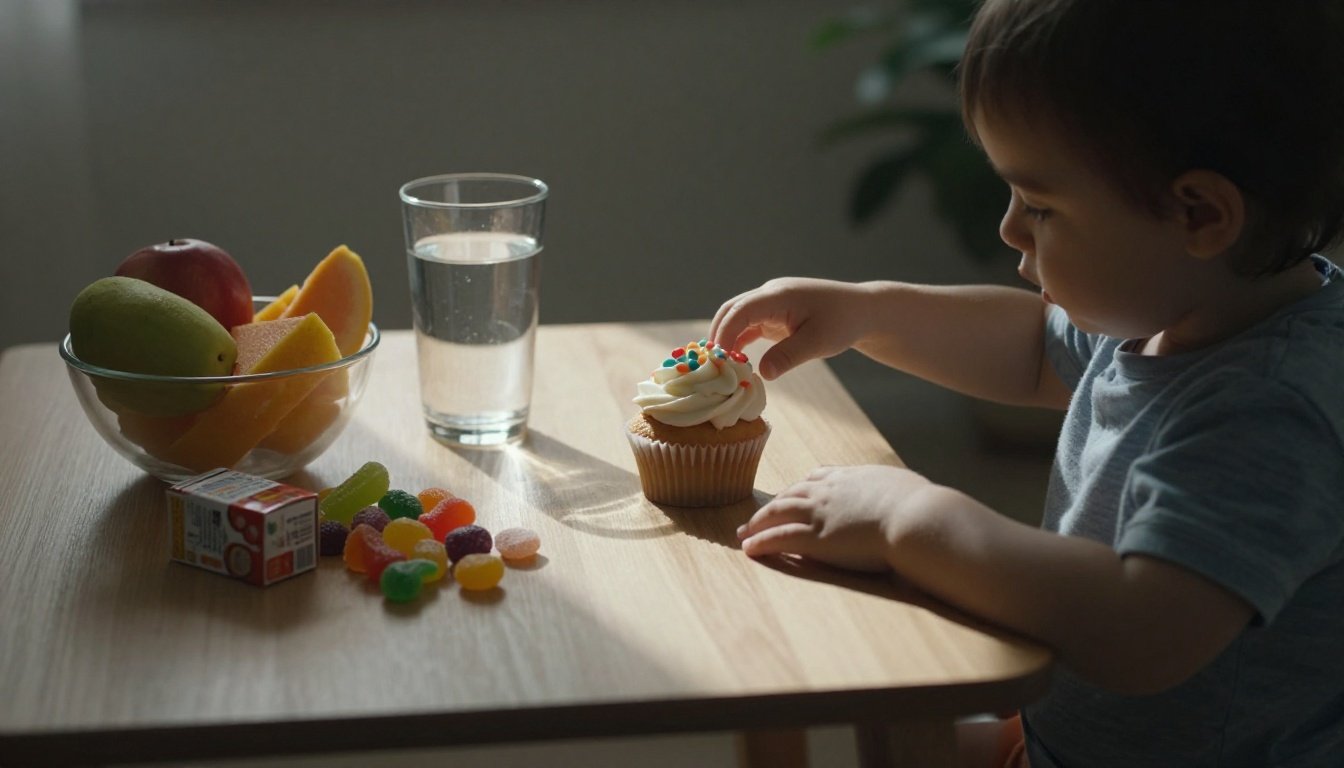
A birthday cupcake, a pouch of fruit snacks, or a sweet drink can make a toddler’s day, but small treats can add up faster than you might expect. The clear answer is that children under 2 should have no added sugar, while children age 2 and older should stay below 25 grams, or about 6 teaspoons, of added sugar per day.
That number applies to added sugar, not the natural sugar in whole fruit, vegetables, or plain milk. You don’t need to panic over one cookie or turn snack time into a battle; a calm, balanced approach works better. Along the way, you’ll learn how to read labels, understand juice and sugary drinks, recognize health concerns, and reduce sugar without creating food anxiety. For more help with everyday meals, try these healthy toddler finger food recipes.
The Exact Amount of Sugar That Is Bad for Toddlers, by Age
There is no single toxic amount of sugar that makes a toddler sick. The concern is regularly eating too much added sugar, which can crowd nutritious foods off the plate and raise the risk of tooth decay and unhealthy weight gain. The guidance is simple: children under 2 should avoid added sugar, while children age 2 and older should stay below 25 grams per day.
Why children under 2 should have no added sugar
Babies and young toddlers have small stomachs, so every bite needs to provide useful nourishment. Added sugar supplies calories without the protein, fiber, vitamins, or minerals children need for growth and development. A sweet snack can fill a little belly while leaving less room for foods that support steady energy and healthy eating habits.
Early exposure may also shape a preference for very sweet flavors. When sugary foods appear often, naturally sweet foods such as fruit can seem less exciting. That doesn’t mean you need to panic over one accidental bite or a taste of birthday cake. The recommendation is a public health goal for your child’s usual pattern, not a reason to feel guilty about an isolated moment.
The key is knowing which sugars count as added sugar. Natural sugar occurs in:
- Breast milk and plain milk
- Plain yogurt without added sweeteners
- Vegetables
- Whole fruit
A banana’s natural sugar comes with fiber and nutrients. Sweetened yogurt, cookies, syrup, candy, and flavored drinks contain sugar added during preparation or processing. The American Academy of Pediatrics guidance on reducing added sugar offers practical ways to spot and reduce these sources.
What changes after a child turns 2
Turning 2 doesn’t make sugary foods healthy. Instead, the guidance changes from avoiding added sugar completely to keeping it below 10% of daily calories, according to the Dietary Guidelines for Americans. For most families, the AAP’s practical target of less than 25 grams, or about 6 teaspoons, per day is easier to use.
Calorie needs vary by child, so focus on the pattern rather than one meal. A 12-ounce soda can contain more than the entire daily target by itself. If your child has special dietary needs, growth concerns, or feeding challenges, ask their pediatrician for individualized guidance.
Added Sugar Versus Natural Sugar: What Counts Toward the Limit
Added sugar is any sweetener put into food or drinks during preparation or processing. That includes table sugar, syrups, honey, molasses, fruit juice concentrate, and ingredients with names ending in “sugar,” such as cane sugar or coconut sugar. These sugars count toward your toddler’s daily limit, even when the package sounds wholesome.
Natural sugar is already present in foods such as whole fruit, vegetables, plain milk, and unsweetened yogurt. The sugar in a banana comes with fiber and nutrients, while lactose in plain milk comes with protein, calcium, and other useful nutrients. According to the CDC guidance on foods and drinks to limit, naturally occurring sugar isn’t classified as added sugar.
Foods with natural sugar that toddlers can enjoy
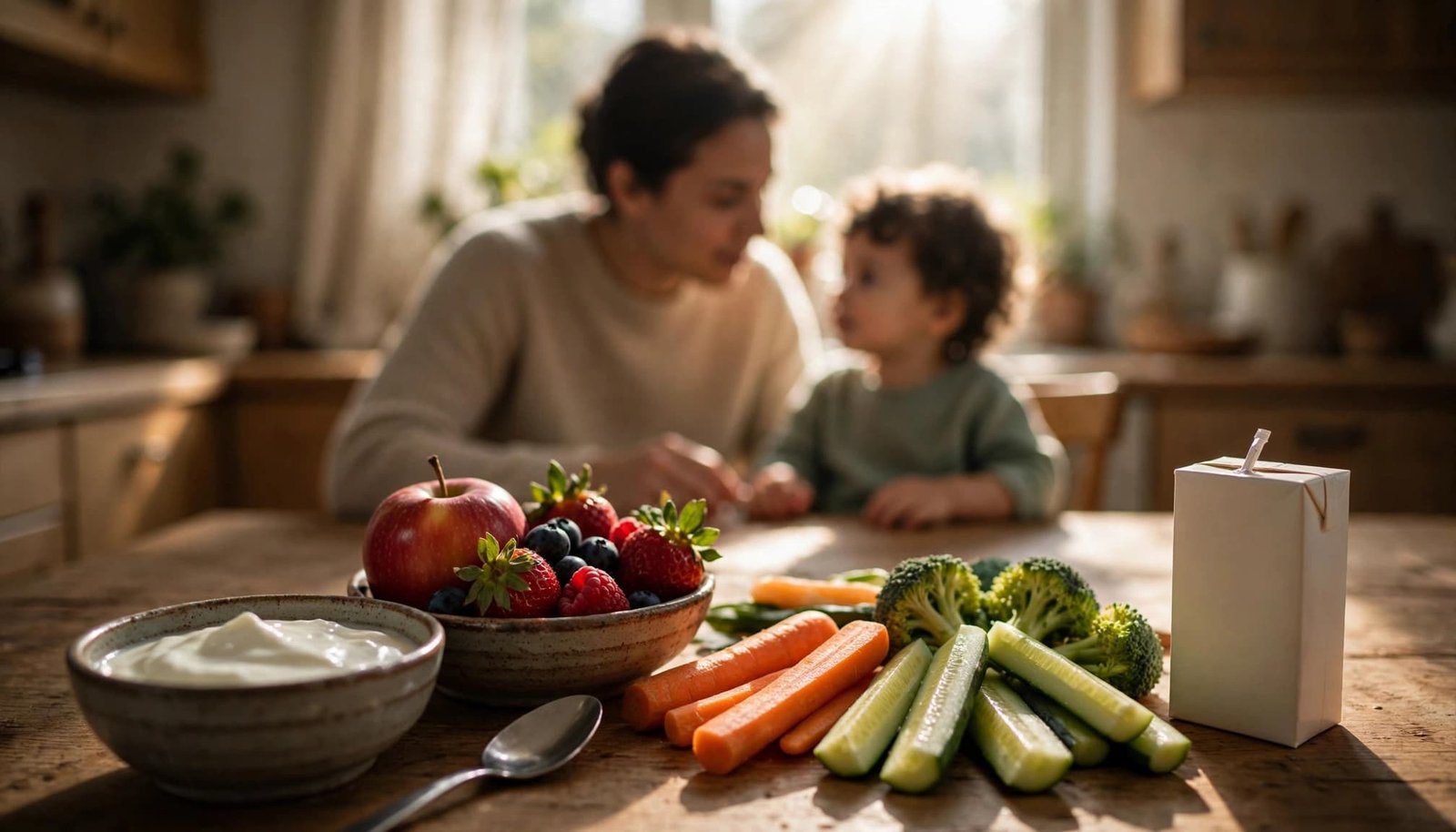
You don’t need to remove naturally sweet foods from your toddler’s meals. Offer whole berries, bananas, apples, pears, sweet potatoes, and carrots as regular foods, not as substitutes for candy or dessert. Whole fruit is usually a better choice than juice because fiber slows eating and helps your child feel satisfied.
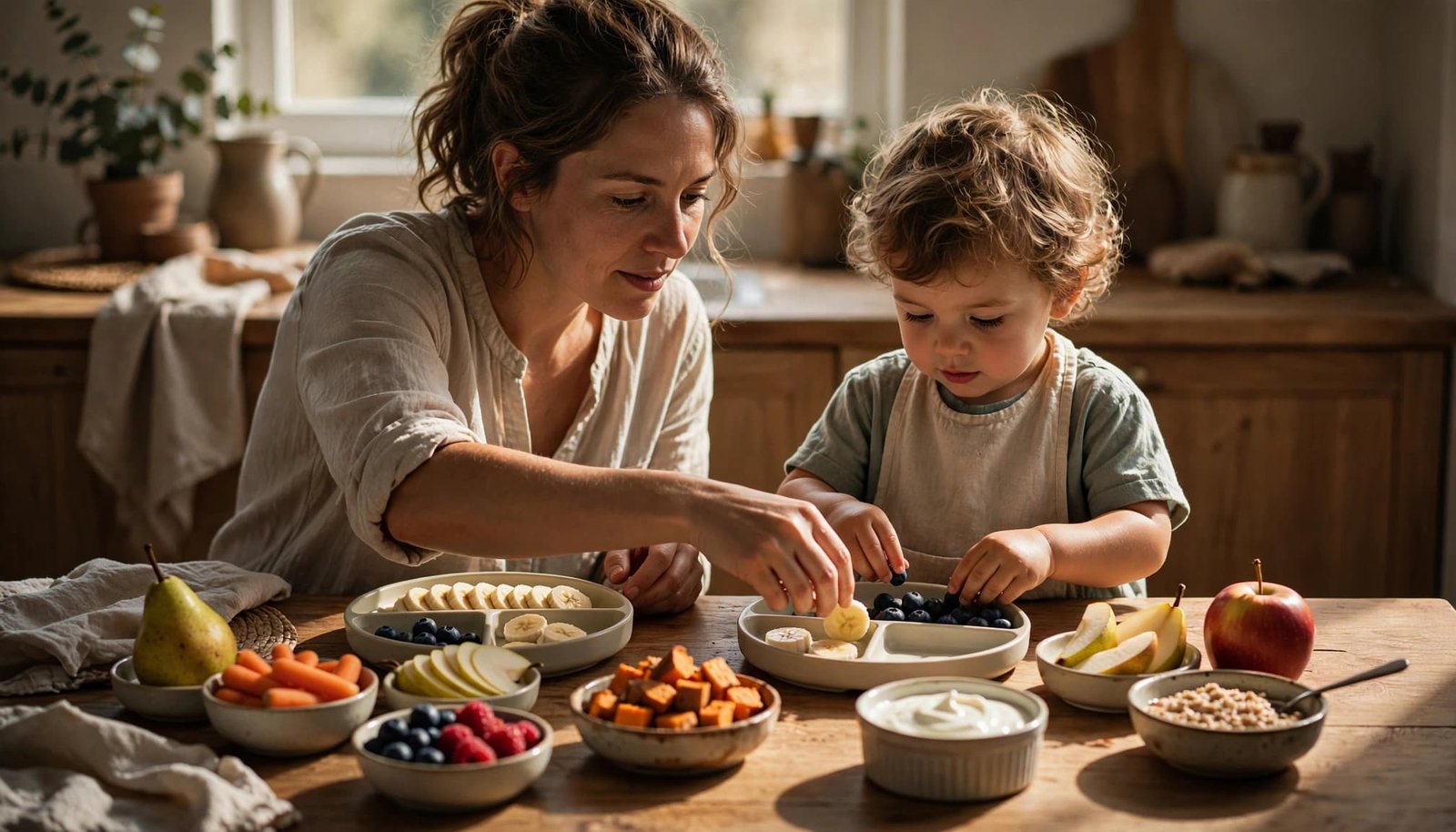
Pairing natural sweetness with protein, fiber, or fat can make a meal more filling. Try plain yogurt stirred with mashed berries, oatmeal topped with banana and nut butter, or soft roasted sweet potato alongside scrambled egg. These combinations can help your child stay satisfied instead of quickly asking for another sweet snack. For more practical ideas, explore these fruit and yogurt snack ideas.
Hidden added sugar in toddler favorites
Added sugar can hide in foods marketed for children. Common examples include flavored yogurt, granola bars, cereal, snack pouches, crackers, ketchup, pasta sauce, breakfast pastries, toddler milk, and sweetened plant-based drinks. Fruit-flavored snacks and flavored oatmeal may sound nutritious, but the ingredient list can tell a different story.
A packaged food isn’t automatically harmful. Compare similar products, check the Added Sugars line on the Nutrition Facts label, and choose the option with less added sugar when practical. Plain yogurt, unsweetened oatmeal, and no-sugar-added applesauce are simple swaps that preserve convenience without making every meal feel restrictive.
How Much Juice Can a Toddler Have Each Day?
For toddlers, water and plain milk should be the everyday drinks. Juice can fit occasionally, but it shouldn’t replace water, milk, or whole fruit.
The best drinks for children ages 1 to 3
Children ages 1 to 3 should have no more than 4 ounces of 100% fruit juice per day. Children under 1 should not have juice at all. The American Academy of Pediatrics explains the age-based limit in its fruit juice guidance.
Four ounces is only 1/2 cup, so a toddler-sized portion may be much smaller than a typical restaurant cup. Always check the label and look for the words “100% juice.” Juice still contains concentrated natural sugar and very little of the fiber found in whole fruit. Offer sliced fruit, berries, or a banana more often when your child wants something sweet.
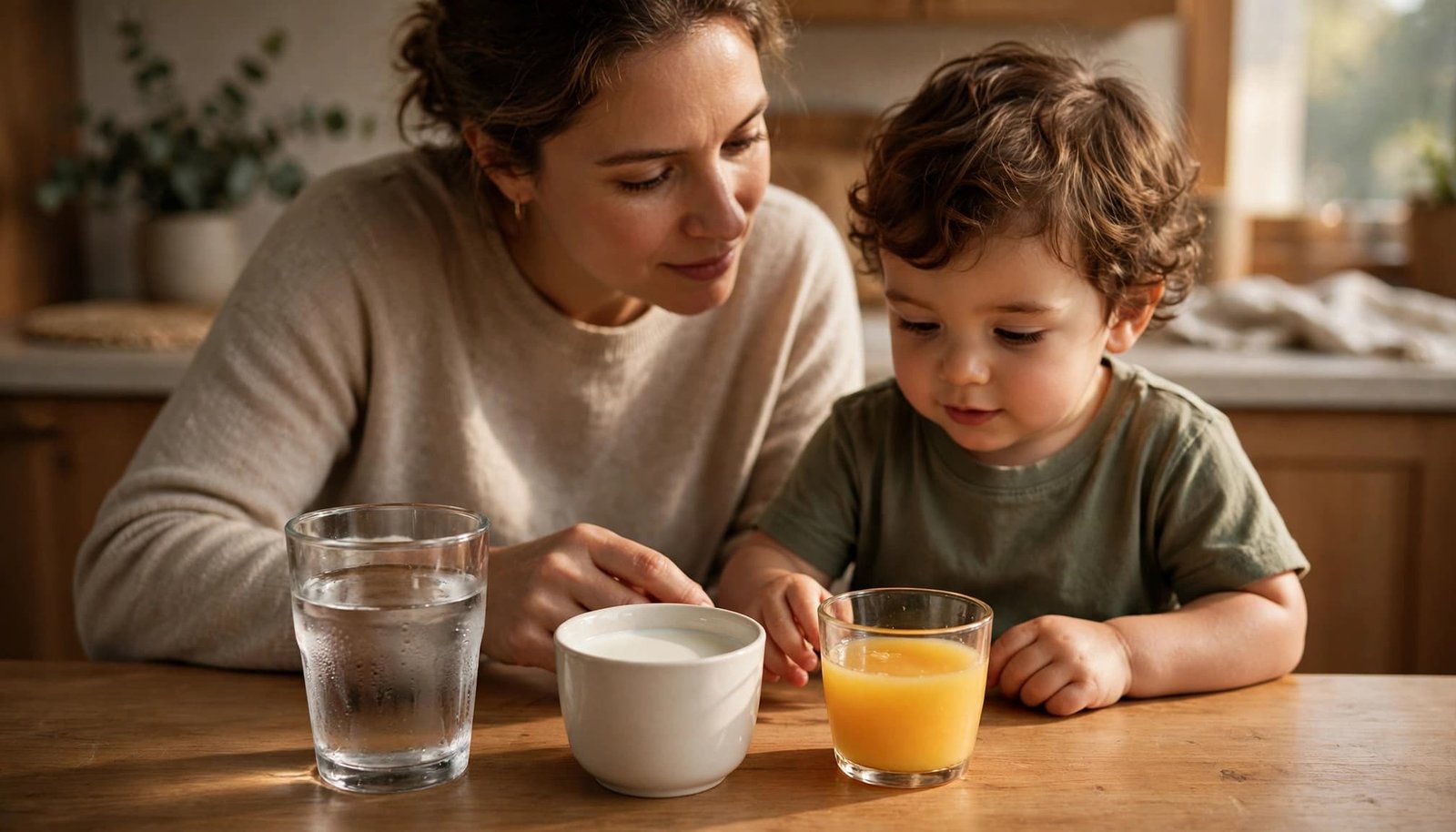
Juice drinks, fruit drinks, fruit-flavored beverages, sweetened waters, sports drinks, soda, sweet tea, sweetened coffee, and flavored milk are different from 100% juice. They often contain added sugar, so they shouldn’t become routine toddler drinks. Water also matters between meals because toddlers can mistake thirst for hunger. Offering it regularly may reduce repeated requests for sweet beverages and help your child arrive at meals ready to eat.
At a party, restaurant, or family gathering, you don’t need to create a scene over one small serving. Choose water or milk when they’re available, share a small juice portion with a meal, and return to your normal routine afterward. These toddler drink and eating tips can help when beverages start affecting appetite.
Why sipping sugary drinks is harder on little teeth
Tooth decay depends on more than the total amount of sugar. How often teeth meet sugar matters too. Frequent between-meal exposure, especially more than three times a day, gives mouth bacteria repeated chances to produce acids that weaken enamel.
Serve juice with a meal instead of letting your toddler carry a cup and sip it throughout the day. Between meals, offer water. Never put juice or another sweet drink in a bedtime bottle or cup, because sugar can remain against the teeth for hours.
Brush according to your dentist’s advice, using fluoride toothpaste when recommended. These baby oral hygiene tips can also help you build safer bottle and cup habits.
What Too Much Added Sugar Can Do to a Toddler’s Health
Too much added sugar usually causes trouble through repeated habits, not one cookie or a single party. Since toddlers have small appetites, sugary foods can take up valuable space without providing much protein, fiber, iron, or other nutrients needed for growth.
Many children ages 1 to 3 eat more added sugar than recommended, so this is a common family concern, not a parenting failure. The CDC’s added sugar guidance explains why young children need nutrient-dense foods and drinks during these early years.

Signs sugar may be crowding out better foods
Pay attention to the pattern across a full day or week. Your toddler may be relying too heavily on sweet foods if they regularly refuse meals but ask for cookies, candy, or sweet snack bars soon after. Drinking juice instead of water or milk can create a similar cycle.
Other signs include frequent packaged treats between meals and little interest in foods such as eggs, beans, meat, vegetables, whole grains, or plain yogurt. Sugary drinks are especially easy to overconsume because children can finish them quickly, while liquids usually provide less fullness than solid food.
Still, picky eating alone doesn’t prove that sugar is the problem. Toddlers often reject familiar foods, test independence, or need many exposures before accepting a new flavor or texture. Keep offering balanced meals without pressure, and use practical feeding strategies for picky children.
Ask your child’s pediatrician for help if your toddler has poor growth, low energy, ongoing constipation or diarrhea, frequent thirst, or a very limited diet. Feeding support may also help when sweet drinks or treats dominate daily eating.
Why the daily pattern matters more than one special treat
A cupcake at a birthday party, a holiday cookie, or a small serving of family dessert won’t harm your toddler. Health guidance focuses on what happens most days, not perfect eating at every celebration.
Keep treats occasional and serve modest portions alongside, or after, a normal meal. Pairing dessert with regular food helps prevent sweets from replacing lunch or dinner. Also, avoid using sugar as a reward for eating vegetables, behaving well, or finishing a plate. That approach can make sweets seem more valuable and turn meals into negotiations.
One special treat matters far less than a routine built around water, balanced meals, and limited sweet snacks.
Calm limits work better than strict food rules that create fear or shame. You can enjoy dessert together, then return to the usual family routine at the next meal.
How to Read a Toddler Food Label Without Doing Complicated Math
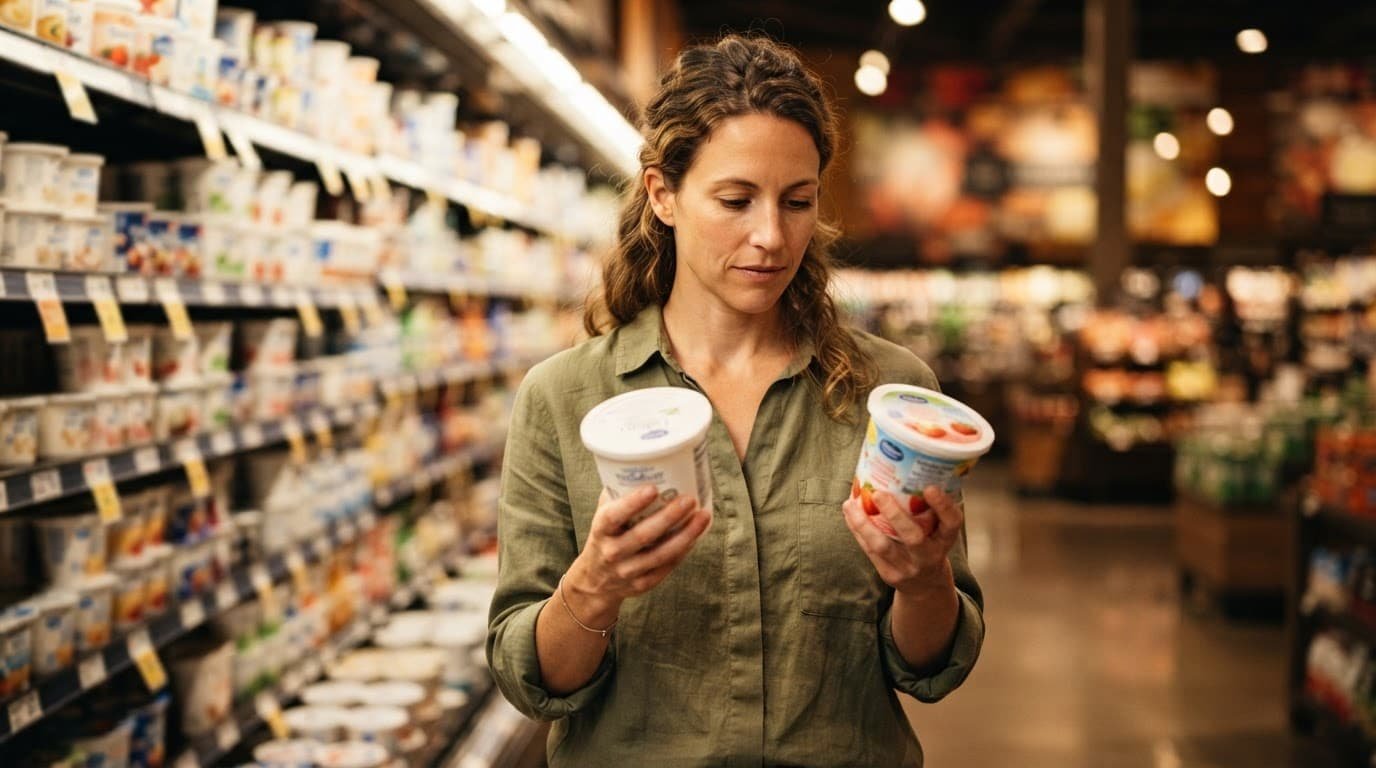
You don’t need to calculate every ingredient in the grocery aisle. Use a quick three-step check: serving size, added sugars, then ingredients. The FDA explains that the serving size reflects a typical amount people eat, not a recommendation for how much your toddler should have. For more detail, see the FDA’s Nutrition Facts label guide.
A quick way to compare two similar products
Start with the serving size. If your toddler eats two servings, you need to double the listed sugar. Next, find Total Sugars on the Nutrition Facts panel, then look directly underneath for Includes Added Sugars. Natural sugar and added sugar are different, so the added sugar line is the number that matters for the daily limit.
For children age 2 and older, you can compare the grams with the practical target of less than 25 grams of added sugar per day. That target is a guide, not an amount your child needs to use every day. A snack with 8 grams of added sugar uses about one-third of that daily target.
When two products are otherwise similar, choose the one with little or no added sugar. Compare:
- Plain yogurt with flavored yogurt.
- Unsweetened oatmeal with flavored oatmeal packets.
- Cereals with similar serving sizes.
- Snack bars with similar protein and fiber amounts.
However, added sugar shouldn’t be your only measure of a good food. Check fiber, protein, sodium, and the overall ingredient list, too. A lower-sugar food may still offer little nutrition or contain a large amount of sodium. For snack ideas that include more balance, try these nutritious toddler finger foods.
Sugar names parents may see in the ingredients list
Ingredients appear in order by weight, so several sweeteners near the beginning deserve attention. Common names include:
- Cane sugar, brown sugar, dextrose, fructose, and glucose
- Corn syrup and high-fructose corn syrup
- Rice syrup, malt syrup, maple syrup, honey, and agave
- Molasses, nectar, and fruit juice concentrate
A company can list different forms separately, which may make the product appear to contain less sugar than it really does. The FDA’s added sugars guidance explains why both parts of the label matter.
Honey should not be given to children under 12 months because of infant botulism risk. After 12 months, honey still counts as added sugar, and a natural-sounding sweetener isn’t automatically healthier for toddlers.
Simple Ways to Lower a Toddler’s Sugar Intake Without Battles
Small changes work better than turning every snack into a lesson. Make lower-sugar foods easier to reach, keep the routine predictable, and let your toddler see you enjoy the same balanced choices.
Easy swaps that lower added sugar quickly
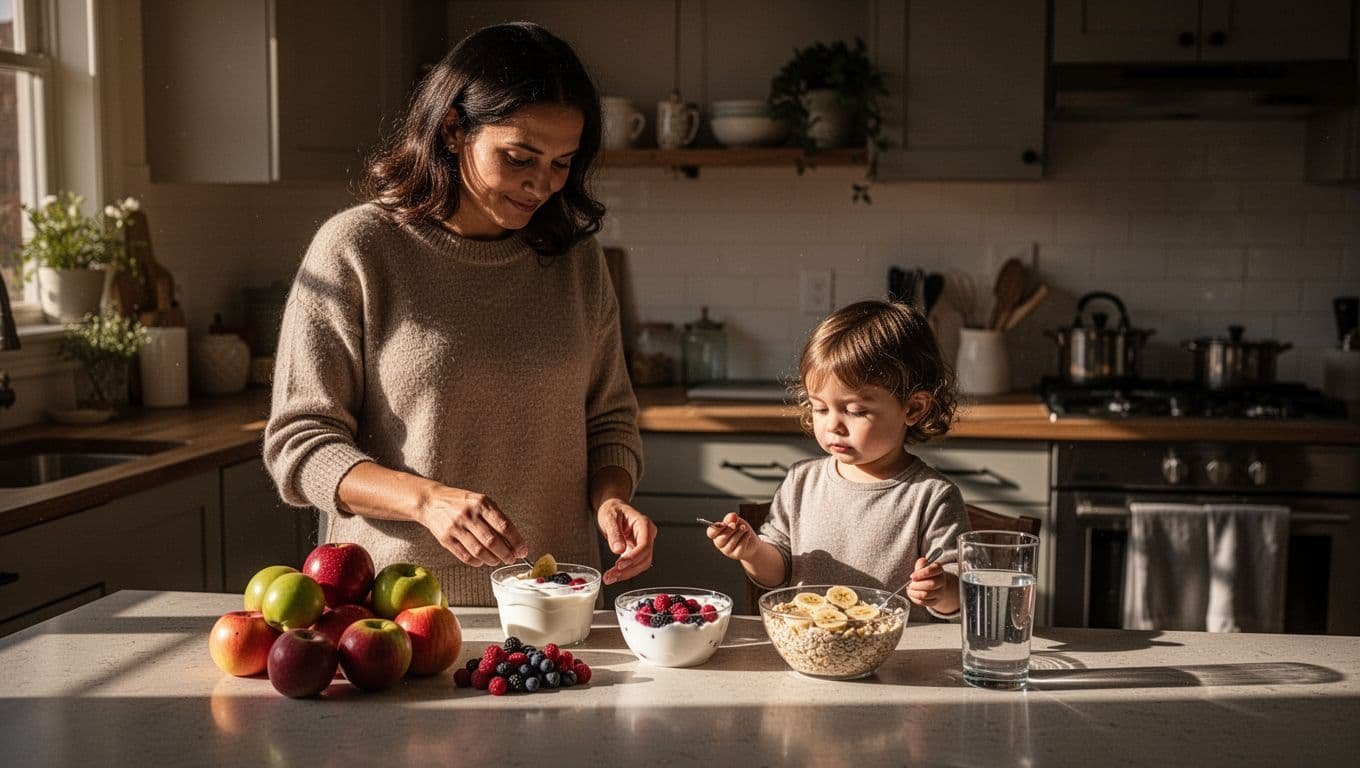
Start with one everyday swap instead of changing the whole kitchen overnight. For example:
- Serve whole fruit instead of fruit snacks. Sliced banana, soft pear, berries, or applesauce without added sugar still offer sweetness, along with more useful nutrition.
- Choose plain yogurt with berries instead of sweetened yogurt. Mashed banana can add extra sweetness without making dessert the expectation.
- Offer water instead of juice drinks. Keep a small cup nearby, especially between meals, and serve plain milk with meals when appropriate.
- Make unsweetened oatmeal with banana instead of flavored packets. Cinnamon, nut butter, or finely chopped fruit can add flavor, provided the ingredients are safe for your child.
- Serve a small homemade muffin instead of a packaged pastry. You control the sugar, and a mini portion feels special without becoming an everyday breakfast.
Pair carbohydrates with protein or healthy fat to help snacks last longer. Try fruit with cheese, whole-grain toast with nut butter when safe, or crackers with hummus. These ideas fit alongside other nutrient-rich foods for kids.
The goal isn’t to make every bite perfect. It is to make the everyday default less sweet while keeping treats occasional rather than forbidden. Introduce one change at a time, because some resistance is normal.
What to do after a high-sugar day
A party, restaurant meal, or visit with grandparents may bring more sugar than usual. You don’t need to punish your toddler, restrict food, skip meals, or add extra exercise the next day. Those responses can make sweets feel even more important.
Instead, return to normal meals and snacks. Offer water, serve plain milk as usual, brush teeth on the regular schedule, and treat the next morning as a fresh start. The American Academy of Pediatric Dentistry’s dietary recommendations support keeping added sugar low as part of a nutritious, tooth-friendly routine.
For daycare or grandparents, share a simple family plan: water between meals, fruit more often than juice, and treats in small portions. At restaurants, choose water or milk first and share dessert. During celebrations, let your toddler enjoy the moment without shame, then return to familiar habits afterward.
Model the routine you want to see, and offer two healthy choices, such as banana or yogurt. Contact your pediatrician or pediatric dentist about growth concerns, repeated cavities, unusual thirst, tooth pain, or persistent feeding problems.
Conclusion
The clearest daily guide is simple: children under age 2 should have no added sugar. From age 2 onward, keep added sugar below 25 grams, or about 6 teaspoons, per day. For children ages 1 to 3, limit 100% fruit juice to no more than 4 ounces daily. Natural sugar in whole fruit and plain milk is different from added sugar, especially because these foods provide helpful nutrients.
Parents don’t need perfect control over every bite. Steady habits matter more, such as offering water, plain milk, whole foods, and occasional treats without shame. A consistent routine, along with balanced toddler meals and snacks, can help sweet foods stay in their proper place.
If your child has tooth pain, cavities, unusual thirst, growth concerns, or ongoing feeding difficulties, talk with their pediatrician or dentist. Individual guidance can make the next step clearer.

- Dry Cough in Kids: 5 Causes and Safe Solutions - September 23, 2026
- How to Help a Child Deal With Anxiety at Home - September 12, 2026
- How to Prepare Your Child for the First Day of School - September 12, 2026