

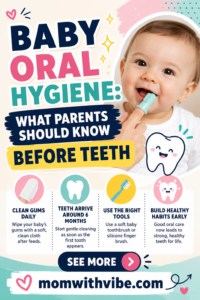
Your baby’s mouth needs care long before the first tooth shows up. Wiping the gums, cleaning away milk residue, and starting early routines can help lower the risk of cavities, make brushing easier later, and support overall baby health.
That may sound simple, but it helps a lot once teeth begin to appear. This guide walks you through baby oral hygiene from the newborn stage through toddlerhood, plus the right tools to use and when it’s time to call the dentist. For more gentle early-care tips, see how to clean a baby’s tongue.
Why baby mouth care matters sooner than many parents think
Many people believe oral care only begins once that first pearly white pokes through the gums. In reality, the health of your baby’s mouth is a priority from the very first days. Starting early routines protects delicate gum tissue and sets the stage for a lifetime of healthy dental habits. Consistent care ensures your child stays comfortable while building a positive association with mouth cleaning.
What happens in a baby’s mouth before teeth come in
Even without teeth, your baby’s mouth is a busy place that collects milk, formula, and saliva. These substances can leave behind residue that encourages bacterial growth if left untreated. Wiping the gums regularly helps clear away this buildup, keeping the environment clean and reducing the risk of early infections like oral thrush.
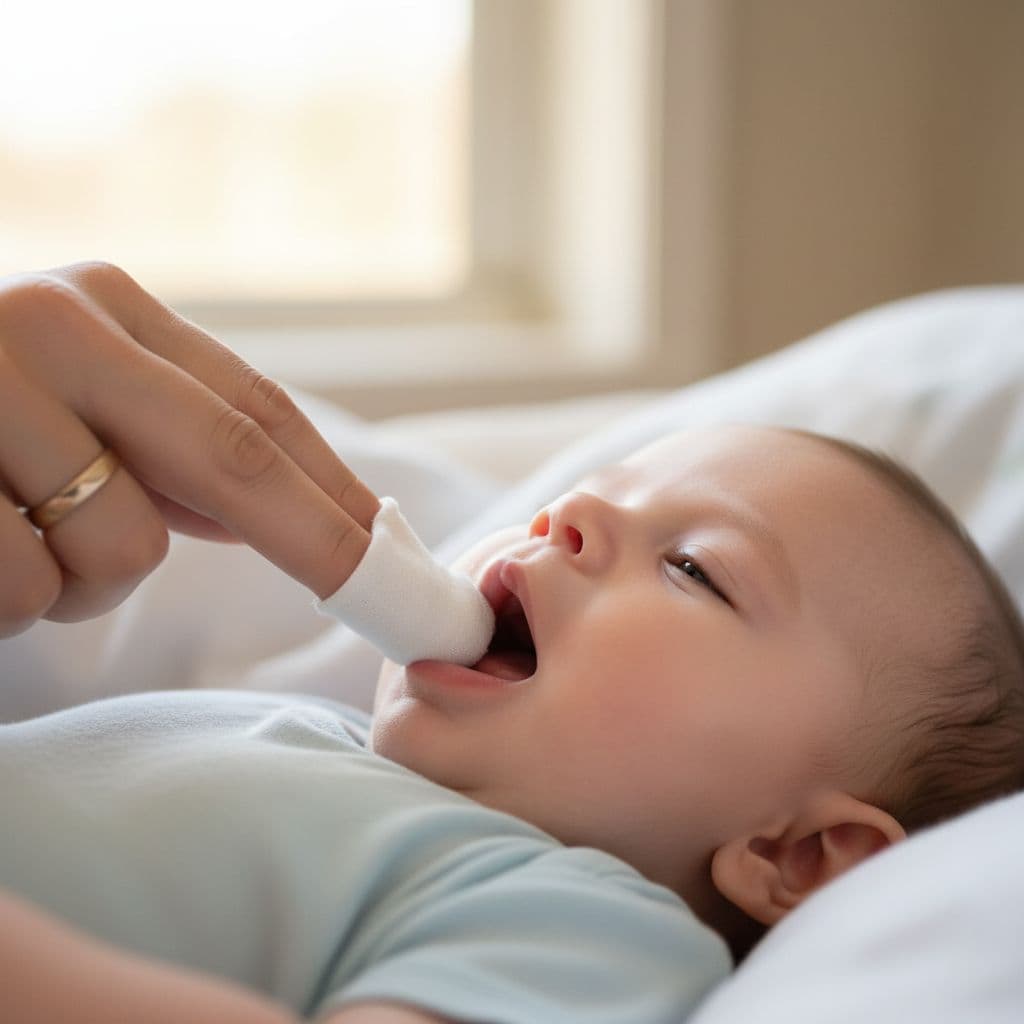
Beyond hygiene, this practice serves as a helpful introduction to oral care. When you clean their mouth after feedings using a soft, damp cloth or piece of gauze, your baby becomes familiar with the sensation of having their mouth touched. This comfort makes the transition to using a toothbrush much smoother once their teeth finally emerge.
Why healthy baby teeth matter later on
You might wonder if primary teeth require much attention since they eventually fall out. These early teeth perform several jobs that influence your child’s development as they grow. They act as essential tools for chewing nutritious food and play a major role in helping your child learn to speak clearly.
Furthermore, baby teeth serve as natural placeholders for permanent teeth. They maintain the necessary space in the jaw so adult teeth can emerge in their correct positions later. When a baby tooth is lost too early due to decay, the surrounding teeth may shift and block the path for future growth. Prioritizing early dental health habits keeps these placeholders secure. If your baby is already showing signs of teething discomfort, you can find essential care for teething babies to keep them comfortable during this milestone. Protecting these temporary teeth is one of the most effective ways to support long-term dental alignment and overall health.
How to clean your baby’s mouth from birth to the first tooth
Keeping your infant’s mouth clean is a simple process that requires only a few household items. You do not need expensive kits or specialized devices right away. A standard approach helps clear away leftover formula or breast milk while keeping delicate oral tissues healthy. As you build this habit, you provide a clean start for those first teeth that will eventually arrive.
The easiest way to wipe gums, cheeks, and tongue
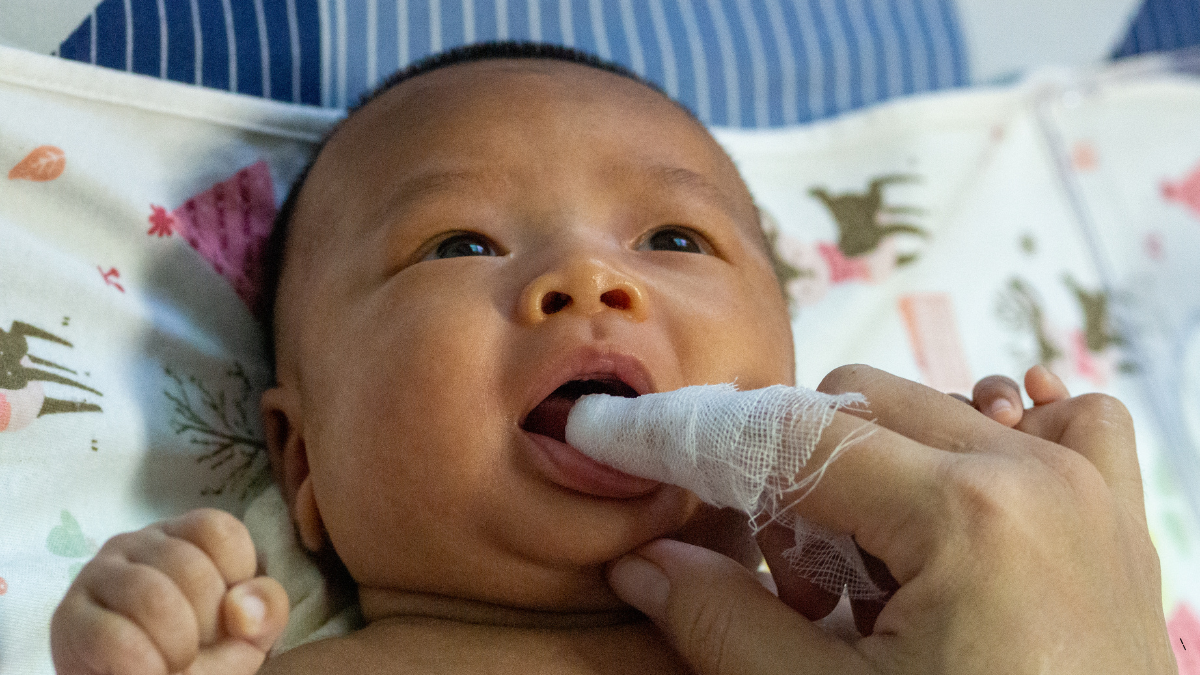
Consistency is key when starting this practice. You should aim to wipe your baby’s mouth at least twice each day, particularly after feedings and before sleep. This removes residual milk that creates a breeding ground for bacteria. When you keep the process calm and gentle, your baby is much more likely to cooperate.

Follow these simple steps to ensure a stress-free experience for you and your little one:
- Prepare your supplies: Use a clean, soft washcloth or a small square of sterile gauze. Moisten the material with warm water, making sure it is damp but not dripping.
- Secure the cloth: Wrap the damp cloth around your index finger. This gives you better control and helps you feel exactly where you are cleaning.
- Approach gently: Find a comfortable position, like holding your baby in your lap or laying them on a changing table. Approach their mouth slowly to avoid startling them.
- Clean the surfaces: Use soft, circular motions to wipe the upper and lower gums. Gently sweep the tongue and the inside of the cheeks to remove any lingering milk film.
- Watch the reflex: Be careful not to reach too far back into the throat. You want to avoid triggering the gag reflex, which can make the experience unpleasant for your baby.
If you find that your baby is particularly fussy, try a soft silicone finger brush designed for infants. These tools often feel less intrusive to babies who are sensitive to touch. Regardless of the tool you choose, always prioritize a gentle touch over a thorough scrub. Your goal is simply to wipe away surface residue.
How to make mouth cleaning part of the daily routine
Fitting this new task into your day can feel like a challenge when you are already managing frequent feedings and diaper changes. The most effective strategy is to link mouth cleaning to an existing part of your day. By pairing it with a set activity, you stop viewing it as an extra chore and start seeing it as a natural step in your routine.
Try anchoring this task to one of these reliable markers:
- Bedtime ritual: Include gum wiping right after the final evening feed but before you lay the baby down to sleep.
- Bath time: If your baby enjoys the water, clean their mouth while they are relaxed in the tub or right as you finish drying them off.
- Morning wake-up: Some parents find success by making it the first thing they do after a morning diaper change.
Don’t worry if your baby wiggles or resists at first. It takes time for them to get used to having your finger in their mouth. If they seem upset, keep the session very short and try again during a calmer moment later. Perfection is not the goal; persistence is. As leading dental health resources suggest, building familiarity now makes the eventual transition to a toothbrush much easier. Focus on staying positive and keeping the interaction low-pressure so your baby feels safe and comfortable with the daily process.
Brushing your baby’s first teeth the right way
Once that first tooth breaks through the gums, your routine needs a slight adjustment. While gum wiping remains a great habit for the rest of their mouth, it is time to introduce a toothbrush for the erupting teeth. This shift helps protect your baby’s enamel from decay and establishes a lifelong habit of establishing oral hygiene habits for toddlers. Consistency matters most at this stage, so aim to brush those tiny teeth twice every day.
When to switch from wiping to brushing
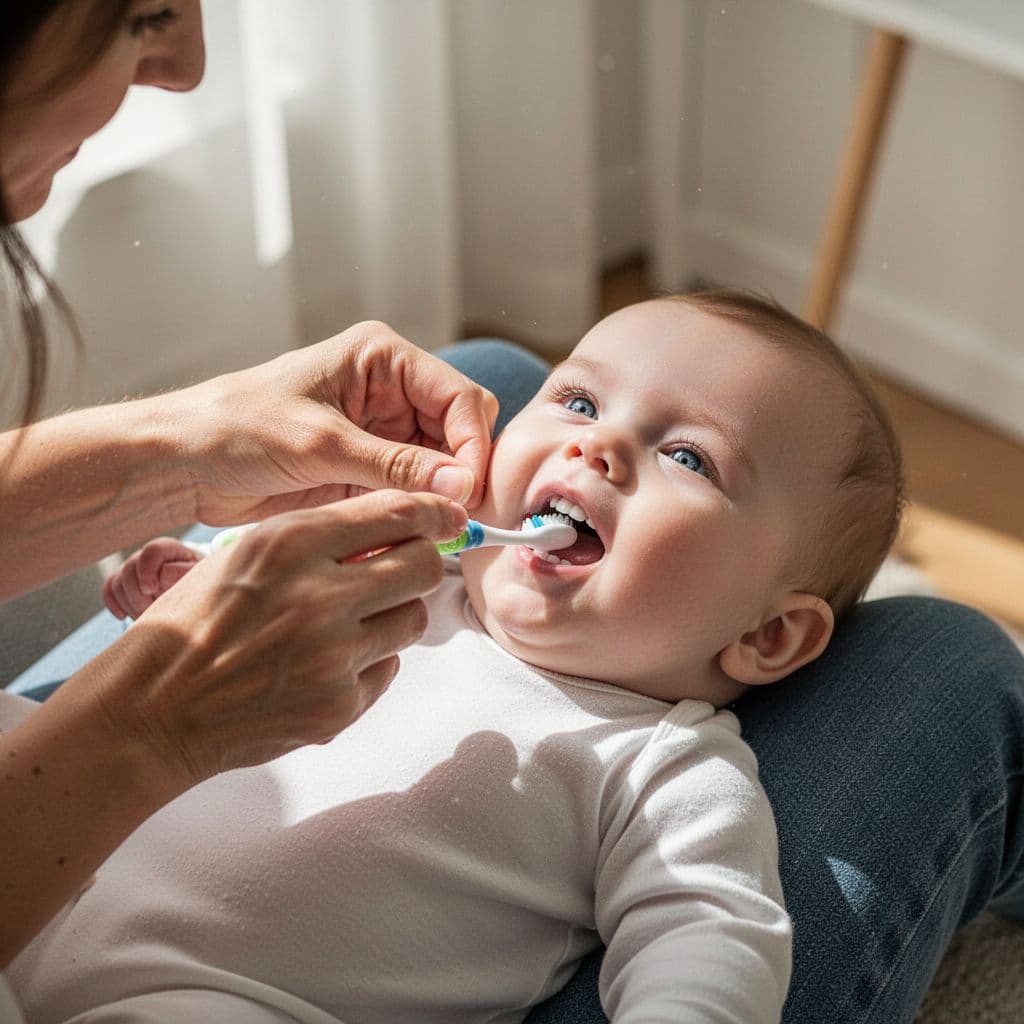
The moment you see the first tooth, you should start using a toothbrush. Do not wait for more teeth to appear, as even a single tooth is susceptible to cavities. Brushing at least twice a day, typically once after breakfast and once right before bedtime, is the gold standard for keeping those new surfaces clean.
Think of this as an upgrade to your existing oral care routine. While you continue to wipe the gums and cheeks, the toothbrush targets the specific areas where bacteria like to hide. Sticking to a regular brushing schedule helps your baby become familiar with the tools and the sensation of cleaning. If you struggle to find a rhythm, keep the sessions short and focus on making them a positive part of the day.
What kind of toothbrush and toothpaste to use
You do not need fancy gadgets to clean baby teeth effectively. Look for a toothbrush specifically designed for infants, which features a tiny head and very soft bristles to protect delicate gum tissue. These brushes are easy for you to handle while remaining comfortable for your baby’s small mouth.
Regarding toothpaste, the guidelines are simple but important. For children under the age of 3, use a tiny smear of fluoride toothpaste, roughly the size of a grain of rice. This small amount provides the necessary protection for developing enamel without the risk of your baby swallowing too much. Since they cannot spit on command yet, you do not need to rinse their mouth afterward. Simply wipe away any excess foam, and let the fluoride do its work.
How to brush all tooth surfaces without a struggle
Cleaning tiny teeth requires a steady hand and a calm environment. To get the best results, position your baby safely in your lap, perhaps facing away from you so you can easily reach their mouth. Gently lift their lip to access the front, back, and chewing surfaces of the teeth. If they allow it, you can also give their tongue a soft brush to help remove lingering bacteria.
If your baby is wiggly or resists the process, remember that patience is your best tool. Try these tips to keep things gentle and effective:
- Distraction: Use a song or a small toy to keep them occupied while you work.
- Positive reinforcement: Praise them throughout the process to build a good association with the experience.
- Angle carefully: Focus on the gum line, using tiny circular motions to clear away plaque.
- Stay brief: If they become frustrated, stop and try again later, rather than forcing them to continue.
Keep your movements light, as your goal is to clean the surface without irritating their tender gums. Over time, your baby will likely become accustomed to the daily ritual, making the process much easier for both of you.
Feeding habits that protect tiny teeth
What your baby eats and drinks has a direct effect on their dental health long before they start solid foods. While milk and formula provide necessary nutrients, they also contain sugars that can settle on developing teeth and gums. Protecting those tiny teeth starts with understanding how these substances interact with your baby’s mouth throughout the day and night.

Why bottles in bed can raise cavity risk
Allowing a baby to drift off to sleep with a bottle is a common way to soothe them, but it poses risks to oral health. When a baby sleeps, their mouth produces significantly less saliva. Saliva is your mouth’s natural defense system, as it washes away leftover food particles and neutralizes acids.
Without that flow of saliva, the milk or formula pools around the teeth and gums for hours. Bacteria in the mouth feed on these sugars and create acid as a byproduct. This acid begins to break down tooth enamel, which can quickly lead to what many dentists call baby bottle tooth decay. Even though these teeth are temporary, keeping them healthy is important for preventing early childhood tooth decay.
Better bedtime drinks and snack habits
If your baby relies on a bottle to settle down at night, try to finish the feeding before placing them in the crib. This simple change removes the primary source of sugar that sits on their teeth overnight. If your baby truly needs comfort at bedtime, offer a bottle containing only water. Water doesn’t provide the food source bacteria need to produce harmful acids.
Daytime habits matter just as much as nighttime routines. When you move on to nutritious meals for babies, try to limit sticky snacks like raisins, dried fruit, or gummy treats. These foods cling to the surface of teeth, allowing sugar to stay in contact with the enamel for an extended period. If your child does have a sweet snack, encourage them to drink some water afterward to help rinse their mouth.
Pacifiers, spoons, and other small habits that spread germs
Cavity-causing bacteria are actually transmissible. You can accidentally pass these germs to your baby through shared saliva. It is easy to form habits without realizing they impact your baby’s future dental health.
Simple changes to your daily interaction can stop this transfer:
- Avoid cleaning pacifiers in your mouth: If a pacifier falls on the floor, rinse it with clean water or use a sterilizer instead of popping it into your own mouth.
- Use separate utensils: Don’t share spoons or forks with your baby. Even if it seems harmless to taste their food to check the temperature, you are introducing your own oral bacteria into their mouth.
- Skip bottle testing: Resist the urge to test the temperature of a bottle by taking a sip yourself.
Small adjustments in how you handle feeding tools help create a safer environment for those first teeth. By keeping these items clean and separate, you lower the chances of passing harmful bacteria to your baby while their enamel is still developing and vulnerable.
Teething care, comfort, and what to avoid
Watching your baby deal with sore gums is difficult, but you can provide relief using simple, effective methods. Teething is a natural milestone, and you likely already have the best tools in your home to help them stay comfortable. By focusing on gentle pressure and temperature, you can manage the discomfort without relying on unnecessary products. Before you begin any new routine, you may want to review how to tell if your baby is teething to ensure their fussiness is related to tooth eruption.
Safe teething relief that actually helps
The most effective way to soothe a teething baby is through gentle pressure. When their gums feel tender, the counter-pressure of a firm object or your own clean finger often provides immediate relief. You do not need expensive specialized gear to support your baby during this phase.

Try these straightforward strategies to help your baby feel better:
- Gentle gum massage: After washing your hands, use a clean finger to apply steady, light pressure to the swollen gum areas. This massage can calm your baby and ease the throbbing sensation.
- Cool washcloths: Dampen a clean washcloth with water and place it in the refrigerator for a short time. Letting your baby chew on the cool, damp fabric provides both texture and soothing relief.
- Solid silicone teethers: Choose firm, solid rubber or silicone toys that are easy for your baby to hold. These provide the right level of resistance for sore gums. Avoid liquid-filled items, as they can break or leak.
Always supervise your baby while they use any teething toy to ensure it remains clean and intact. If the teether is cold, ensure it is only chilled in the refrigerator, as freezing temperatures can make the material too hard and potentially cause injury to delicate oral tissues.
Teething products and home remedies to skip
While it is tempting to try any product that promises instant relief, some common items pose serious safety risks. Avoid any topical numbing gels that contain benzocaine or lidocaine. These products are not helpful for teething because a baby’s excess saliva washes them away almost instantly. More importantly, these anesthetics can be dangerous and may even interfere with your baby’s ability to swallow.
Stay away from these common but unsafe options:
- Homeopathic teething tablets: These products often contain inconsistent dosages and can include harmful ingredients like belladonna. You can read more about the risks of teething tablets for babies to understand why health organizations advise against their use.
- Teething necklaces or jewelry: Amber necklaces and other beads are major choking and strangulation hazards. They offer no proven benefit and increase risk for your child.
- Teething powders: These can be inhaled, potentially irritating your baby’s lungs.
- Frozen objects: Never give your baby something frozen, such as a frozen teething ring or piece of ice. Extremely cold items can burn the sensitive gum tissue and cause more pain than relief.
If your baby appears to be in significant distress that these safe methods cannot address, consult your pediatrician. They can advise you on appropriate, medically approved pain management options that are safe for your child’s age and health needs. Stick to the basics, keep a close watch, and focus on physical comfort to get through this phase.
When your baby should see the dentist
Scheduling that initial dental appointment is a major step in your child’s health journey. Many parents wonder if it’s really necessary to go so early, but the timing matters. According to the American Academy of Pediatric Dentistry, your baby should have their first dental visit when the first tooth appears, or by their first birthday at the latest. This early timing allows the dentist to monitor development as it happens. By starting early, you help ensure any issues are spotted before they become significant problems. Plus, you gain a partner in managing your baby’s oral health development.
What happens at a baby’s first dental visit
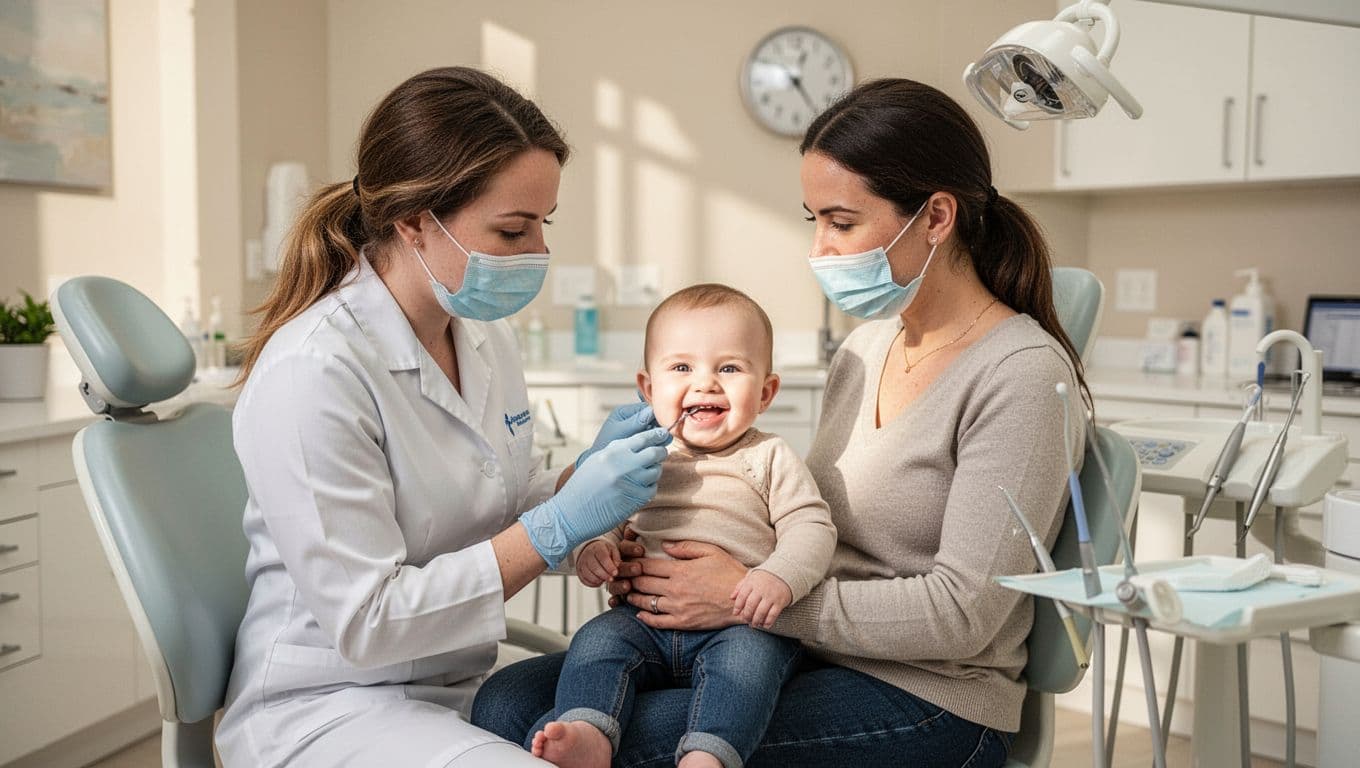
The first visit is often quick, simple, and very gentle. Its primary goal is to help your baby feel comfortable and to provide you with expert guidance. You can expect the dentist to review your baby’s health history and perform a thorough but light exam. They will check the gums, jaw, and any teeth that have already pushed through the surface.
During the appointment, the dentist will likely talk to you about several key areas:
- Feeding routines: They may ask about how your baby feeds and when to introduce specific foods or drinks.
- Brushing techniques: You will get a demonstration on the best way to clean those tiny teeth and gums at home.
- Teething milestones: This is the perfect time to ask about managing teething discomfort or when to expect new teeth.
- Fluoride: You can discuss if your baby needs extra fluoride support to help strengthen their developing enamel.
This visit is also a great chance to ask any questions you have about habits like pacifier use or thumb sucking. The importance of the age-one dental visit goes beyond just looking at teeth. It is about building a dental home where you feel supported and informed as your child grows.
Signs you should call the dentist sooner
While the first visit is a standard milestone, you should reach out to a dentist right away if you notice anything unusual. Your baby’s mouth should generally look pink, clean, and free of any spots. Keep a close eye on their gums and teeth as they develop.
Schedule an appointment if you spot any of the following concerns:
- Discoloration: Look for white, brown, or black spots on the teeth, as these can be early signs of decay.
- Gum changes: Red, swollen, or bleeding gums are not normal and warrant a quick check.
- Pain or distress: If your baby seems to be in ongoing pain or refuses to eat, they might have an underlying dental issue.
- Injuries: Any mouth injury, such as a chipped tooth or a fall that impacts the gums, requires a professional assessment.
Never wait for the regular checkup if you feel something is off. Dentists are well-equipped to handle early childhood oral conditions. Getting ahead of these issues often leads to simpler treatments and keeps your baby comfortable.
Conclusion
Baby oral hygiene is simple, but it is an essential part of your child’s health. Start by wiping your baby’s gums with a damp cloth before teeth arrive. Once the first tooth appears, brush twice daily using a tiny smear of fluoride toothpaste.
Avoid putting your baby to bed with a bottle of milk or juice to keep those tiny teeth safe from decay. Make sure to schedule that first dental visit by their first birthday to stay on track.
Building these small, daily habits now protects your child’s smile for the future. You are giving them a great start by making mouth care a natural and positive part of every day.
Sav pin for later

- Asperger’s Syndrome in Babies: Early Signs and Next Steps - October 7, 2026
- 12 Beautiful Baby Names That Mean Forest, Plus Woodland Picks - September 27, 2026
- 15 Fantastic Baby Nicknames for Boys, From Sweet to Playful - September 27, 2026