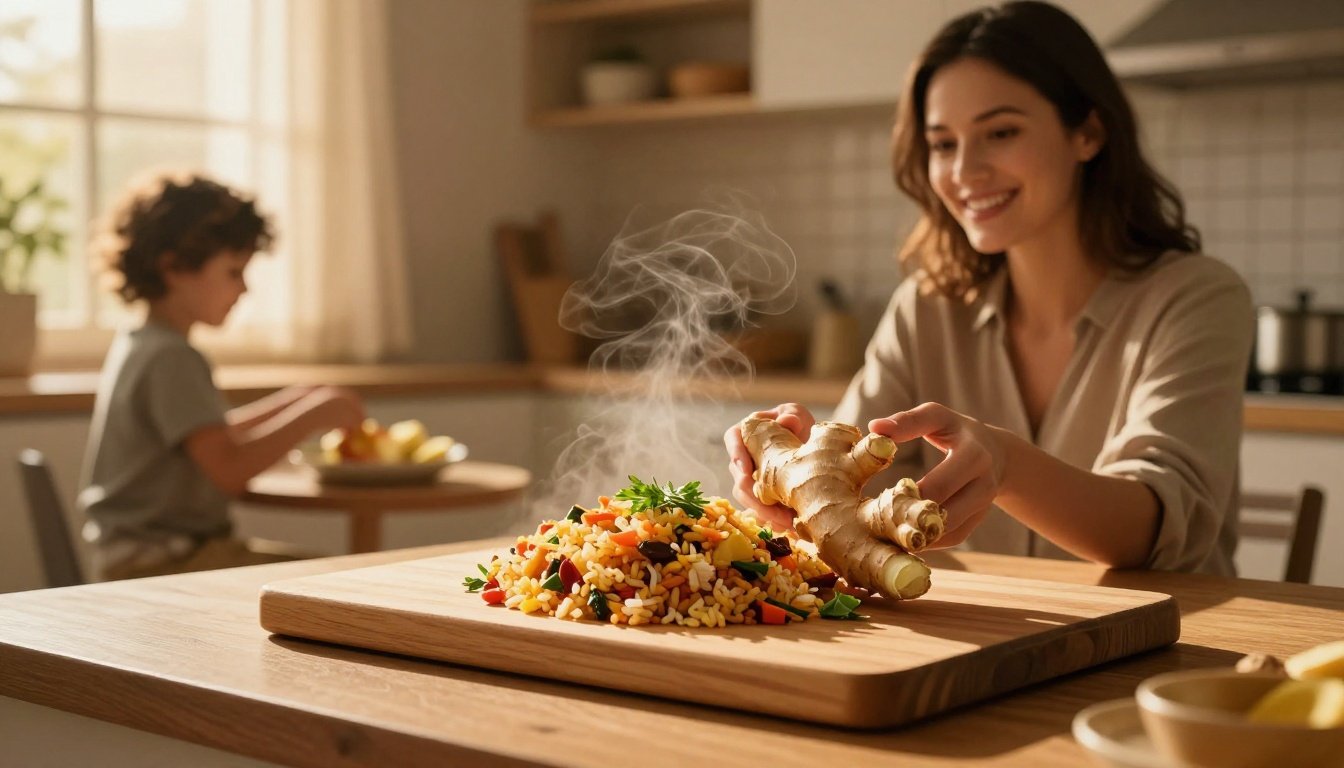
By the time dinner hits the table, you may be balancing homework, hungry kids, and one more request for a snack. A little ginger can bring warmth and fresh flavor to rice bowls, soups, marinades, and smoothies without turning every family meal into a spicy challenge.
Used in small culinary amounts, ginger can add variety and may offer practical benefits, but it isn’t a cure-all. This guide separates well-supported evidence from popular claims, explains why food use differs from ginger supplements, and keeps families in mind, including parents who are pregnant and meals prepared for children.
You’ll also find ideas that fit alongside balanced meals for pregnancy, plus sensible reminders about portions, allergies, and when to ask a health professional for guidance. For a recipe-focused example, see this ginger cooking video, then start with the first benefit: how ginger can make familiar family foods more appealing.
8 Benefits of Ginger in Family Meals Your Household Can Enjoy
Ginger can earn a regular place in family cooking because a small amount adds flavor and flexibility. The first four benefits focus on everyday food choices, with health claims kept in perspective. Cooking with ginger is different from taking a measured supplement dose used in research.
It adds bright flavor without relying on extra salt or sugar
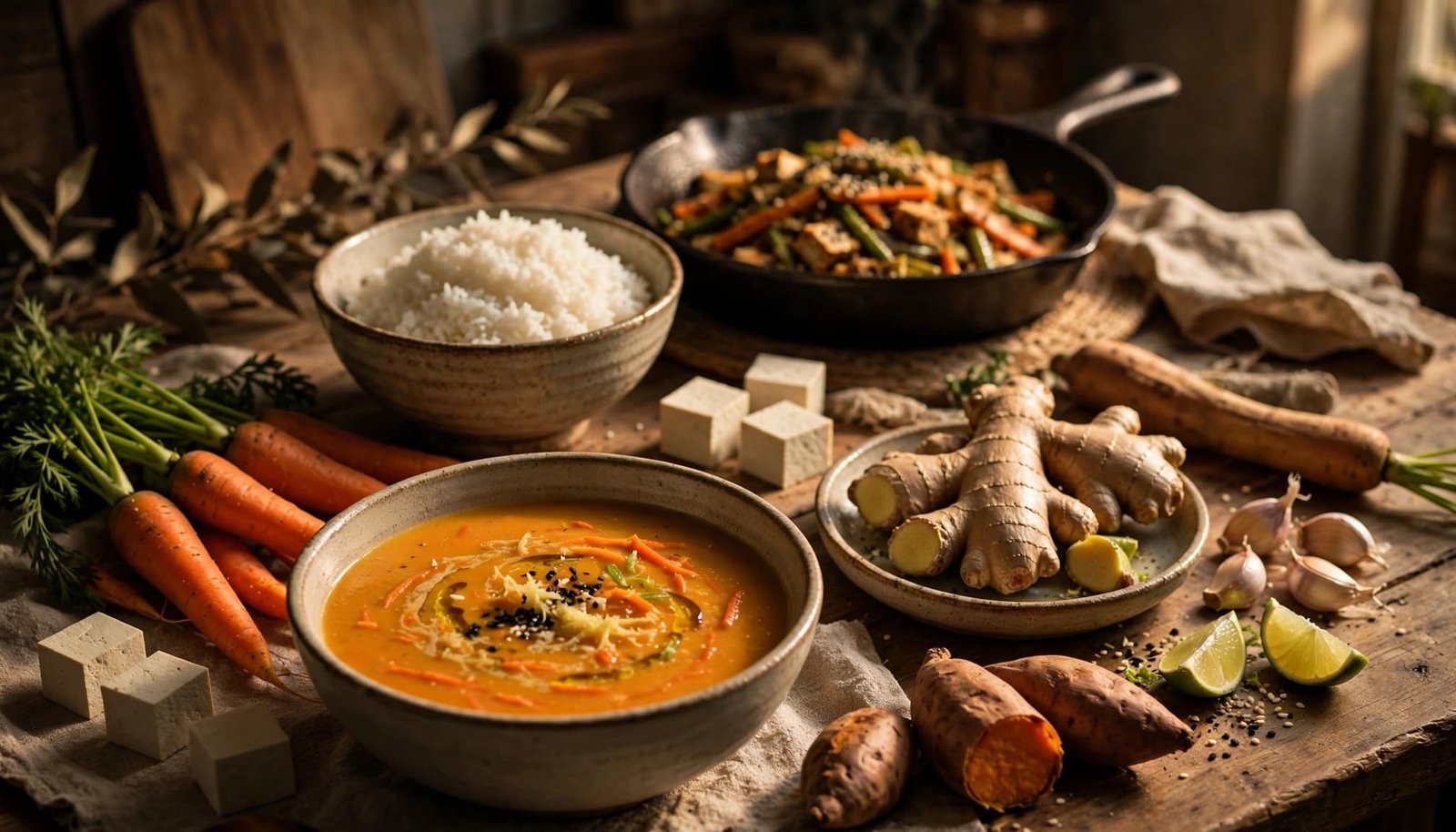
Fresh ginger brings warmth, gentle spice, and a citrus-like brightness to food. Ground ginger tastes softer and sweeter, so it works well in oatmeal, muffins, roasted vegetables, and sauces.
Try grating a little fresh ginger into chicken marinades, tofu stir-fries, rice bowls, or carrot soup. It also pairs naturally with garlic, lime, sesame, sweet potatoes, and carrots. These combinations can make a simple meal taste more layered without automatically making it healthier.
Children may prefer a very small amount at first. Start with a thin slice of fresh ginger or a pinch of ground ginger, then adjust the recipe after tasting. You can always add more, but you can’t remove a strong bite once it takes over the dish.
It makes familiar meals feel new and encourages food variety
One flexible ingredient can change the mood of a weekly menu without sending you to a specialty grocery store. Grated ginger can give a noodle bowl a fresh flavor, while blended ginger can add warmth to carrot soup.
Ground ginger also fits easily into foods children already know. Stir a small pinch into oatmeal, or add it to muffins with mashed banana or applesauce. These small changes introduce new tastes while keeping the main ingredients familiar.
Variety may make family meals more enjoyable, but ginger alone won’t change a child’s eating habits. Keep offering foods without pressure, and let children decide how much they want to try. For pregnant parents managing food aversions, these nausea-friendly pregnancy breakfasts offer other gentle meal ideas.
It may help ease some types of nausea
Ginger has its strongest health-related evidence for pregnancy-related nausea and vomiting. The American College of Obstetricians and Gynecologists says ginger can be considered a nonmedication option, although the evidence is limited and inconsistent. Read the ACOG guidance on pregnancy nausea before making it part of a symptom plan.
Researchers have also studied ginger alongside standard treatment for chemotherapy-related nausea, but results remain mixed. Evidence for motion sickness and other causes of nausea is less certain. Ordinary recipes should never replace prescribed treatment or medical advice.
Pregnant readers should ask a health care professional before using ginger capsules, extracts, or concentrated products. Research often uses measured doses around 1 gram daily, which is more than most recipes contain.
It can make gentle, comforting foods more appealing
When someone has a sensitive stomach or little appetite, a lightly gingered broth, soft rice, simple soup, or mild stir-fry may feel easier to approach. A few thin slices can add interest without making a plain meal taste heavy. Warm ginger tea may also feel comforting, though it isn’t a treatment for stomach illness.
Pay attention to how each family member responds. Ginger can cause heartburn, gas, diarrhea, or abdominal discomfort in some people. If symptoms worsen, reduce the amount or leave ginger out.
Four more reasons to use ginger as a simple cooking ingredient
Ginger earns its place in family meals because it adds flavor, flexibility, and variety without requiring a complicated recipe. These benefits relate to everyday cooking, not guaranteed medical results from a small serving.
It offers useful plant compounds in a small, flavorful package
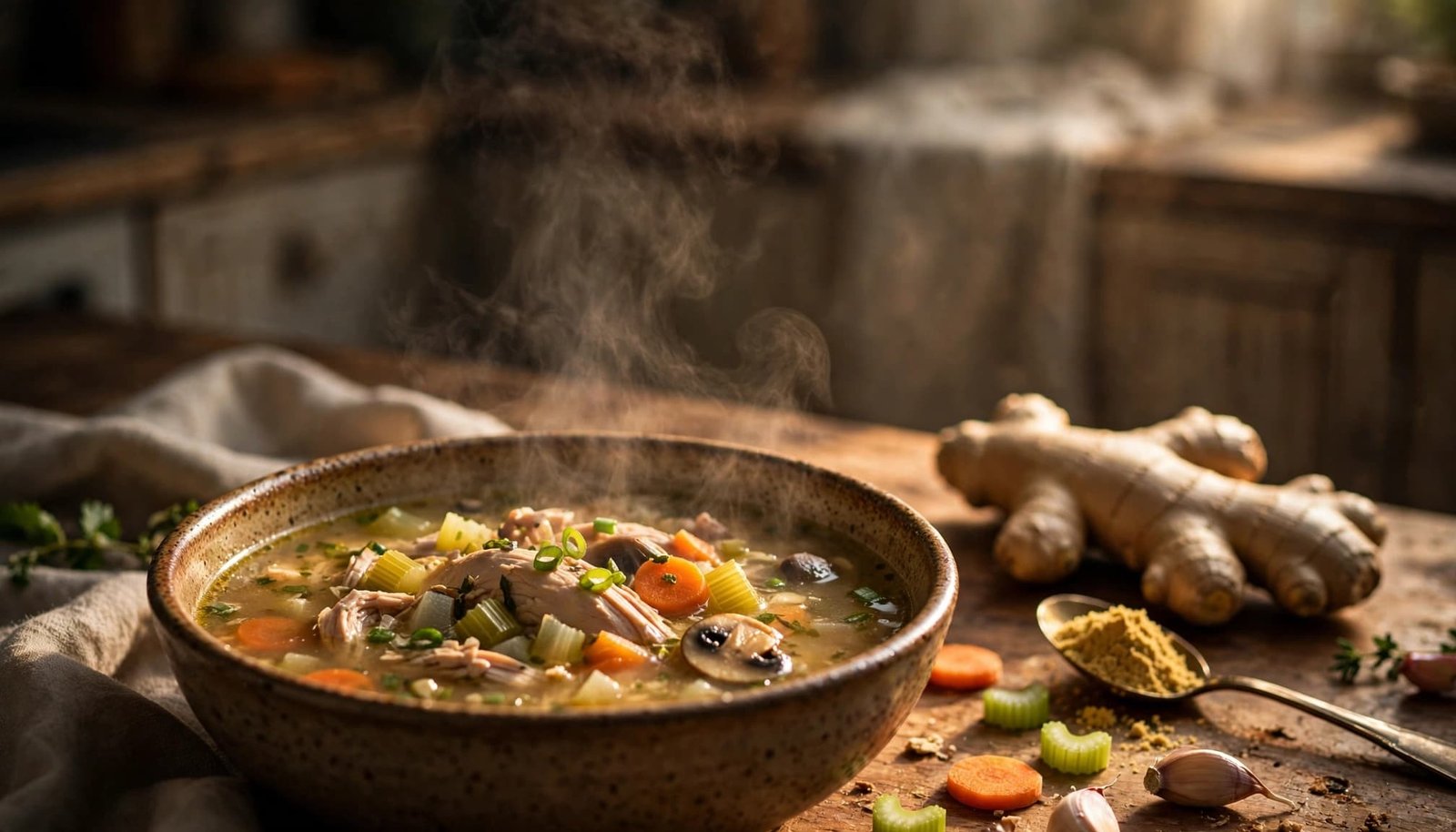
Ginger contains natural compounds called gingerols and shogaols. Researchers study these compounds because they contribute to ginger’s flavor and may have biological activity. However, research findings do not mean that a spoonful of ginger guarantees stronger immunity, disease prevention, or dramatic relief from inflammation.
A little grated ginger in soup or a pinch of ground ginger in oatmeal simply adds another plant food to the meal. That is a practical benefit on its own. For readers who want to understand the compounds in more detail, this systematic review of ginger research discusses gingerols, shogaols, and the limits of applying laboratory findings to everyday use.
It supports homemade meals that can be adjusted for every age
Ginger fits meals where you control the texture, spice level, ingredients, and serving size. Start with a chicken or vegetable soup made with broth, soft vegetables, shredded chicken, and a small amount of fresh ginger. Keep the base mild, then add black pepper, chili flakes, lime, or extra ginger to adult bowls.
For a younger child who already eats solid foods, offer a smooth portion with soft vegetables and finely shredded ingredients. You can also leave ginger out of one serving if your child dislikes the taste. This flexibility makes it easier to build consistent family meal routines around food everyone can share.
It works in both sweet and savory recipes
Fresh ginger has a sharper, brighter taste. Use it in curry, fried rice, sauces, soups, marinades, or salad dressings. Ground ginger tastes warmer and more concentrated, so it suits baked apples, oatmeal, pancakes, muffins, and quick bread.
Ginger tea or a ginger-infused drink can accompany a meal, especially on a cold morning. Still, sweetened ginger drinks contain added sugar, so treat them as occasional beverages rather than health foods. Water, milk, or unsweetened tea usually works better for everyday hydration.
It helps families explore flavor while keeping portions flexible
You don’t need to commit an entire pot of food to a strong ginger flavor. Add a tiny amount, taste the dish, and increase it gradually. This approach helps children become familiar with new flavors without making dinner feel like a test.
For a child who already eats solid foods, mild ginger may fit into a smooth puree, soft rice, or vegetable soup. There is no established universal ginger dose for young children, so use it as seasoning rather than a pediatric supplement. Ask a clinician before giving a child ginger capsules, extracts, or concentrated products.
How to Add Ginger to Everyday Family Meals
Ginger is easy to add when you treat it as a seasoning, not the main event. Choose the form that fits your recipe, start with a small amount, and keep the shared meal mild before adjusting adult portions.

Choose fresh, ground, or frozen ginger for the right recipe
Fresh ginger has a bright, sharp bite with a lemony warmth. Peel and grate it into soup, stir-fry sauce, curry, marinade, or rice. Look for pieces that feel firm and have smooth, taut skin. Skip ginger that feels soft, shriveled, wet, or moldy.
Ground ginger tastes warmer, sweeter, and less fresh. It works well in oatmeal, baked apples, muffins, pancakes, roasted squash, and spice blends. Since its flavor is concentrated, begin with a pinch and add more after tasting.
Frozen grated ginger gives you much of the fresh flavor without peeling a new piece each time. Spoon a little into soups, sauces, smoothies, or marinades, then return the container to the freezer. Ginger paste is convenient for fast dinners, but check the label for added sugar, salt, oil, or preservatives. Store it according to the package directions and refrigerate it after opening when instructed.
Use small amounts in family-friendly recipes
Start with a little grated ginger in a pot of chicken, carrot, or lentil soup. A pinch can also warm oatmeal, mashed sweet potato, applesauce, or a banana muffin. For a stir-fry, mix ginger with garlic, a little low-sodium soy sauce, sesame oil, and water before tossing it with vegetables.
A simple family meal formula keeps the flavor balanced:
- Choose protein or beans, such as chicken, tofu, eggs, lentils, or black beans.
- Add soft or well-cooked vegetables, such as carrots, peas, broccoli, or bell peppers.
- Serve a grain, including rice, noodles, quinoa, or oatmeal.
- Finish with a mild ginger-based sauce and taste it before serving.
If your child is cautious about new flavors, mix a tiny amount into a familiar food first. Keep chili flakes, extra ginger, lime, and salty toppings separate so each person can adjust their plate.
For more practical combinations, these nutritious meals with ginger and vegetables offer family-friendly inspiration.
Make one meal work for toddlers, older children, and adults
Cook a mild shared base, then remove a child-sized portion before adding stronger seasonings. Stir extra ginger, chili, soy sauce, or lime into the adult serving. This approach saves time and keeps dinner from turning into several separate meals.
For toddlers, blend or finely grate ginger into soft foods. Cook vegetables until they pierce easily with a fork, and follow the CDC guidance on choking hazards for age-appropriate shapes and textures. Avoid thick ginger slices, chewy candied ginger, and large pickled pieces.
Regular meals and snacks should provide a child’s nutrition. Ginger drinks and supplements shouldn’t replace them. When you need more soft, manageable food ideas, try these healthy toddler finger food recipes.
Ginger Safety for Pregnancy, Children, and the Whole Family
Ginger can fit comfortably into many family meals, but food amounts and concentrated products are different situations. A little grated ginger in soup is not the same as a capsule with a measured dose. Your family’s age, health history, medicines, and reason for using ginger all matter.
What pregnant people should know about ginger
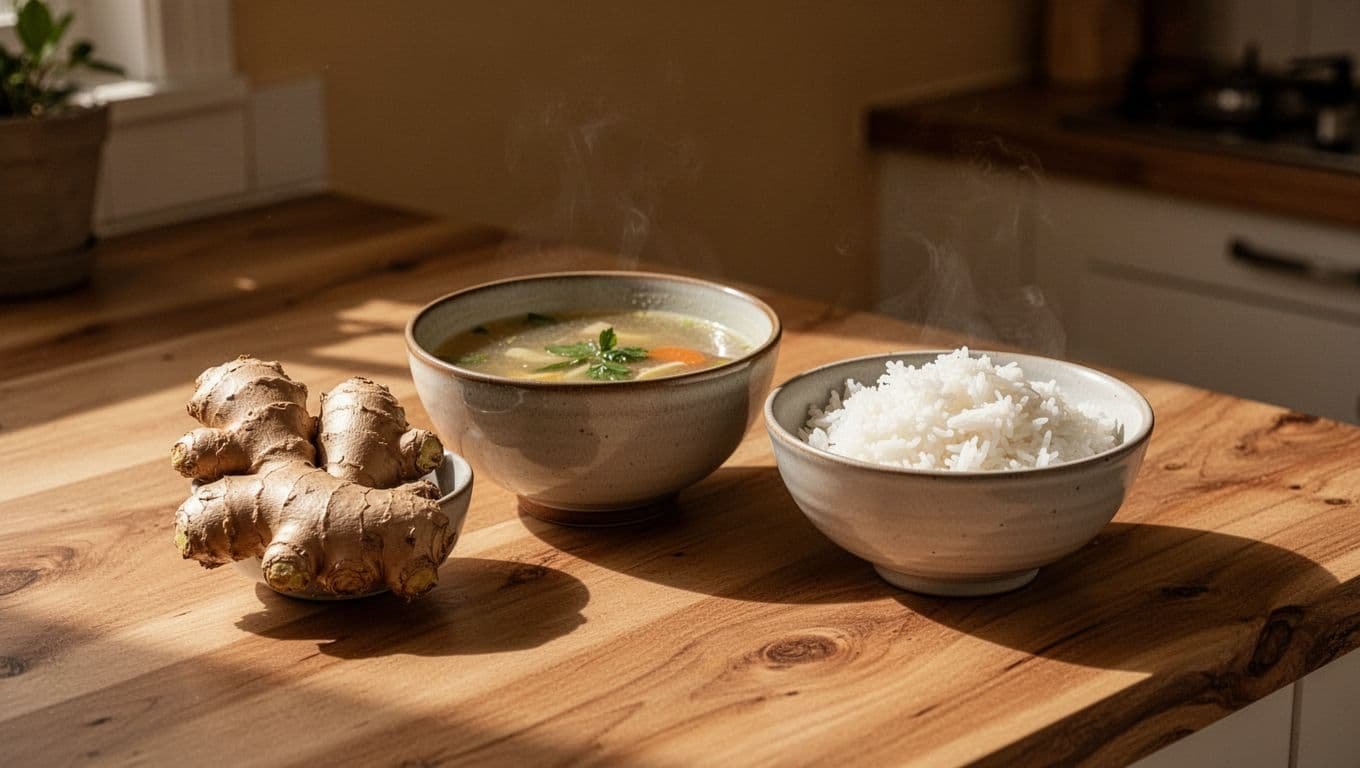
Ginger may help with pregnancy-related nausea and vomiting, especially during early pregnancy. The American College of Obstetricians and Gynecologists lists ginger among nonmedication options, but research on the safety of ginger supplements during pregnancy is not conclusive. Read the ACOG guidance on pregnancy nausea before adding it to a symptom plan.
Adding a small amount to food is different from taking capsules, extracts, strong teas, or frequent high-dose products. Those forms deliver more concentrated and consistent amounts than most recipes. Talk with your prenatal care provider before using them, especially if you have bleeding concerns, take medication, or are close to labor. These pregnancy safety tips can also help you identify other questions to bring to an appointment.
How to serve ginger to children carefully
For children, use ginger as a mild seasoning in food they already tolerate. A small amount in soft rice, soup, oatmeal, or cooked vegetables is a more sensible approach than giving a child homemade ginger remedies, strong tea, capsules, or extracts.
Available guidance does not establish a specific safe maximum dose for young children. Age matters, as do allergies, medical conditions, and any medicines your child takes. If ginger tastes too strong or causes heartburn, stomach pain, gas, or diarrhea, stop serving it and reassess.
You can prepare one mild family dish, then add stronger seasonings to adult portions. That keeps ginger flexible without making your child responsible for managing a concentrated ingredient.
When ginger may not be the right choice
Ginger causes abdominal discomfort, heartburn, gas, diarrhea, or belching in some people. If someone already has reflux or a sensitive stomach, more ginger may make symptoms worse rather than better.
Use extra caution with gallstone disease, a history of abnormal bleeding, or an upcoming procedure. People who take anticoagulants or other blood-thinning medicines should ask a pharmacist or clinician before using ginger supplements. Ginger may affect platelet activity, but ordinary culinary use shouldn’t be treated as a guaranteed cause of major bleeding.
Why food amounts and supplement doses should never be treated the same
Studies often use standardized amounts that researchers measure carefully. Recipes vary widely, so a slice in soup or a pinch in oatmeal cannot be matched precisely to a study dose. Evidence about a supplement also cannot promise the same result from ginger in food or tea.
Use ginger to add flavor, not to replace prescribed nausea medicine, prenatal advice, or treatment for a child’s illness. Seek professional guidance when symptoms are severe, persistent, or accompanied by dehydration, pain, fever, or bleeding.
A Realistic Way to Make Ginger Part of Your Family Food Routine
Ginger works best when it fits meals you already make. Choose two or three dishes each week, keep the flavor mild, and let everyone decide how much they want to eat. A small routine is easier to maintain than a complicated plan built around ginger recipes.
A simple weekly ginger plan for busy parents
Use one prep session to make ginger easier to reach during the week. Peel a piece of fresh ginger, grate it, and freeze small spoonfuls on a plate. Once frozen, transfer them to a container. You can also keep grated ginger in the refrigerator for a few days, following safe food storage practices.
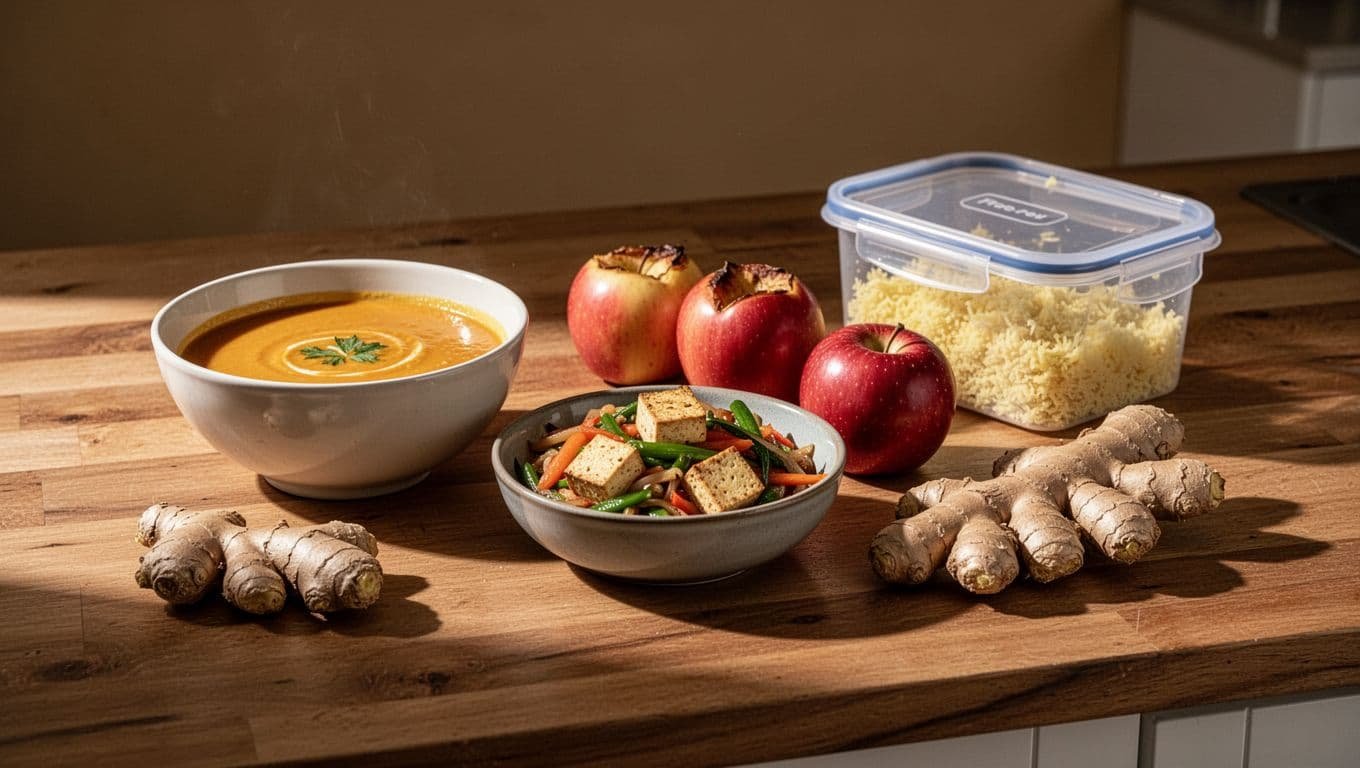
Try this simple rhythm:
- Make ginger-carrot soup early in the week with broth, carrots, lentils, or shredded chicken. Blend one portion smooth if that texture works better for your child.
- Prepare a mild chicken or tofu stir-fry later in the week. Use rice, frozen vegetables, garlic, and a small amount of ginger. Keep chili, extra soy sauce, and lime for adult servings.
- Bake apples with a pinch of ground ginger for a simple dessert or breakfast topping. Serve them with oatmeal, plain yogurt, or a dairy-free alternative.
For a vegetarian household, use tofu, beans, or lentils. Choose vegetable broth and skip dairy toppings for a dairy-free meal. Budget-conscious families can use frozen vegetables, store-brand rice, and one small piece of ginger across several recipes. If your child is cautious, serve the ginger-seasoned food beside a familiar favorite rather than making it the entire meal.
A balanced formula, similar to the one in this third-trimester pregnancy meal plan, can help you build meals around protein, grains, and vegetables without extra work.
How to tell if ginger is working for your family
The clearest signs are practical. Meals may taste fresher, a child may agree to try a new dish, or a pregnant person may find lightly gingered food easier to tolerate. Those small wins are enough. Ginger doesn’t need to produce a dramatic health effect to earn a place in your kitchen.
Research supports possible nausea relief, especially during pregnancy, but ginger shouldn’t replace medical care. The systematic review of ginger safety and effectiveness also reflects the limits of expecting one ingredient to solve every symptom.
Stop serving ginger if it causes heartburn, stomach pain, gas, diarrhea, or mouth irritation. Contact a health professional for ongoing nausea, vomiting, pain, dehydration, weight loss, blood in vomit, or trouble keeping fluids down. Claims about blood sugar, heart health, inflammation, or immunity need stronger evidence than ordinary family meals provide.
Conclusion
Ginger is most useful in family meals as a flexible, flavorful ingredient. A small amount can brighten familiar foods, encourage variety, fit sweet or savory recipes, and make mild meals more appealing to different ages. It may also ease certain types of nausea, especially pregnancy-related nausea, when used in food amounts. For more gentle ideas, try these healthy snacks for pregnancy nausea.
Keep the focus on simple recipes and modest portions. Supplements, concentrated teas, and high doses need more care, especially during pregnancy or when serving children. Anyone with gallstones or anyone taking blood-thinning medicine should speak with a health professional before using ginger medicinally.
This week, add a small amount of ginger to one familiar dish, such as carrot soup, oatmeal, or a mild stir-fry. Its best place in family cooking is as a flexible seasoning that adds warmth without taking over the meal.

- Dry Cough in Kids: 5 Causes and Safe Solutions - September 23, 2026
- How to Help a Child Deal With Anxiety at Home - September 12, 2026
- How to Prepare Your Child for the First Day of School - September 12, 2026