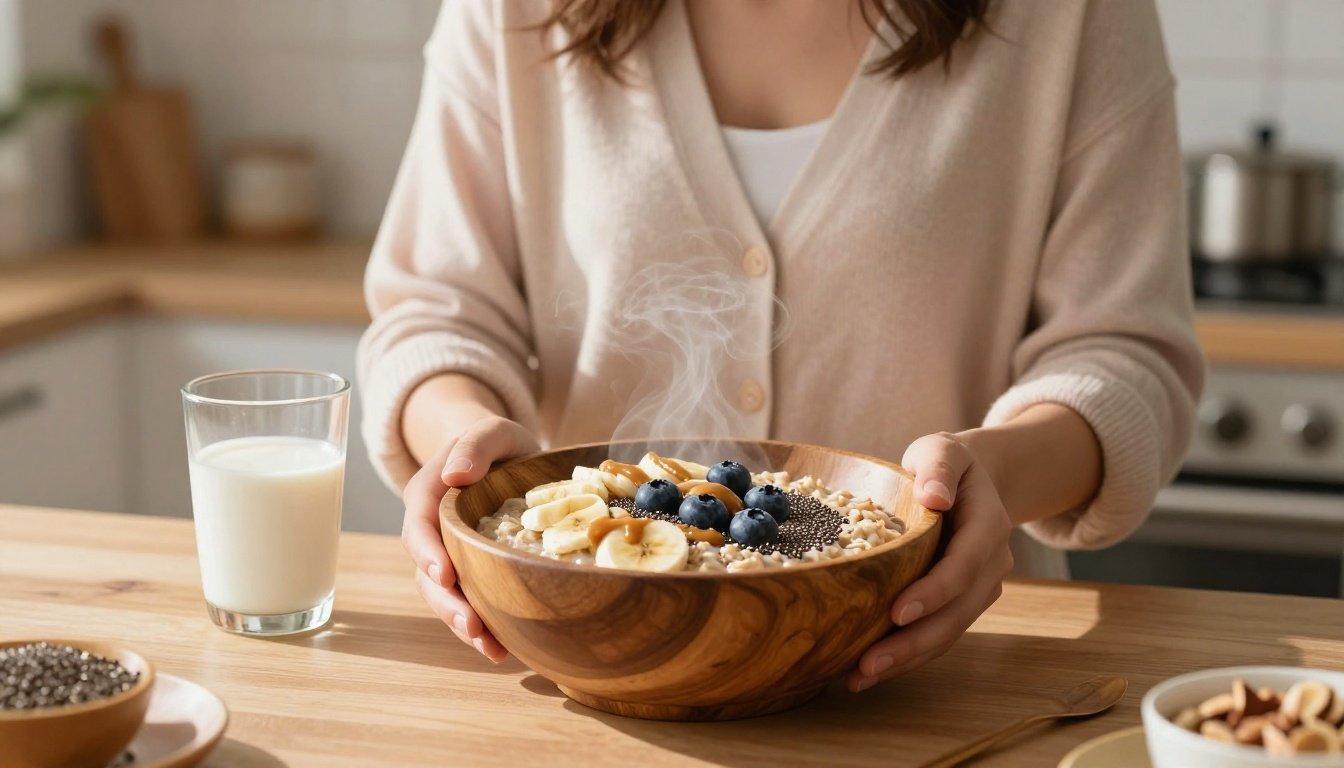
By the time your baby settles into a feeding, your stomach may be growling, your coffee may be cold, and you may only have one free hand to make something to eat. This lactation recipe for mothers turns a few everyday ingredients into a warm oatmeal bowl in about 10 minutes, so you can refuel without spending your morning in the kitchen.
Oats, fruit, seeds, nut butter, and milk make the bowl flexible enough to fit what you have on hand, while simple storage tips help you prepare it ahead of a busy feeding day. Still, no single food can guarantee more breast milk, so think of this recipe as nourishing support alongside regular nursing or pumping, enough fluids, adequate calories, and professional help when supply concerns continue. You can also explore these lactogenic foods to support milk supply for more meal ideas.
Next, you’ll find the quick oatmeal recipe, easy ingredient swaps, storage guidance, and safe ways to support milk production. For a closer look at oats and breastfeeding, watch this video about eating oats during breastfeeding.
A Lactation Recipe for Mothers That Is Easy, Filling, and Nourishing
This hearty oatmeal lactation bowl brings together rolled oats, milk, fruit, seeds, and nut or seed butter in one warm, satisfying meal. It provides fiber for fullness, protein for recovery, healthy fats for lasting energy, and fluids that support your overall nutrition while breastfeeding.
Oats and flaxseed are often called galactagogues, or foods believed to support milk production. However, research does not prove that they increase breast milk supply for every mother. Enjoy this bowl as nourishing postpartum food, not as a guaranteed milk-supply remedy. For broader guidance, the CDC’s breastfeeding nutrition advice covers important nutrients during lactation.
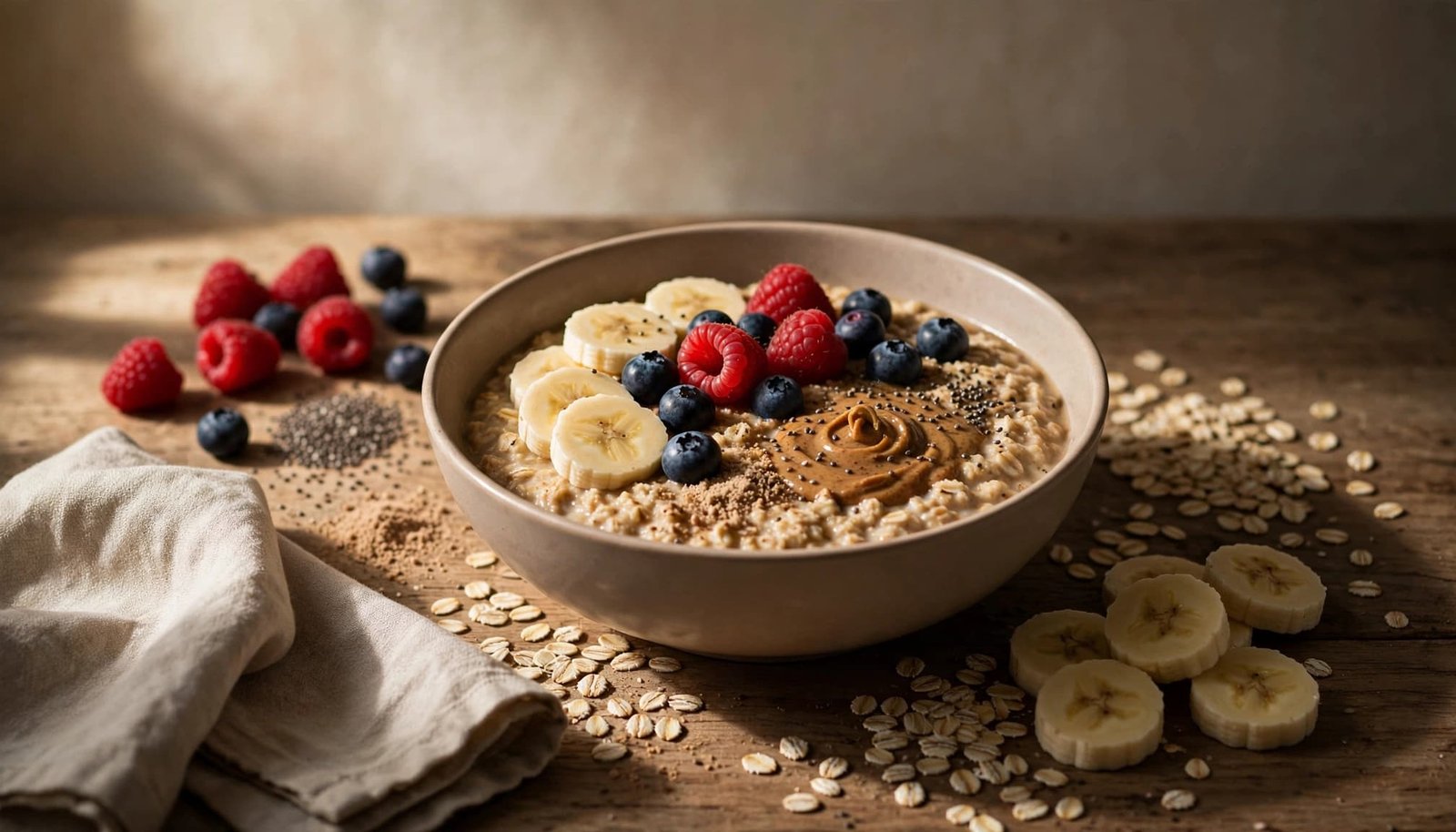
Ingredients for the Postpartum Oatmeal Bowl
Gather these ingredients for one generous serving:
- 1/2 cup old-fashioned rolled oats, which provide filling carbohydrates and fiber.
- 1/2 cup milk plus 1/2 cup water, which create a creamy texture and add fluid.
- 1 tablespoon nut or seed butter for protein and healthy fats.
- 1 tablespoon ground flaxseed for fiber and a nutty flavor.
- 1 teaspoon chia seeds, which help thicken the bowl and add fiber.
- 1/4 teaspoon cinnamon for gentle warmth.
- 1/2 sliced banana or 1/2 cup berries for natural sweetness and fruit.
- 1/4 cup plain yogurt for extra creaminess and protein.
Use soy milk for more protein, or choose oat milk for a dairy-free option. Sunflower seed butter works well when you avoid peanuts or tree nuts, while pumpkin seeds add crunch and minerals. Frozen berries are convenient and soften quickly in hot oatmeal. If gluten is a concern, choose certified gluten-free oats, since regular oats can have cross-contact during processing.
Check every label for peanut, tree nut, dairy, soy, and other allergens that affect your household. Choose pasteurized milk and yogurt, then refrigerate dairy products promptly. For more easy ideas, try these lactation energy bites.
How to Make It in About 10 Minutes
- Combine the oats, milk, water, cinnamon, and chia seeds in a small saucepan.
- Bring the mixture to a gentle simmer over medium heat. Stir often for 5 to 7 minutes, until the oats soften and the bowl looks creamy.
- Remove the pan from the heat. Stir in the ground flaxseed and nut or seed butter until blended.
- Spoon the oatmeal into a bowl, then add the fruit and yogurt.
For a microwave method, combine the oats, milk, water, cinnamon, and chia seeds in a large microwave-safe bowl. Cook for 2 minutes, stir, then continue in 30-second intervals until creamy. Mix in the flaxseed and nut or seed butter, then add the toppings.
Add a splash of milk for a softer bowl, or stir in another tablespoon of oats for a thicker texture. Let the oatmeal cool before eating, and keep the hot bowl and saucepan away from your baby.
Why These Ingredients Can Support a Breastfeeding Mother’s Nutrition
This oatmeal bowl supports breastfeeding nutrition by combining carbohydrates, fiber, plant-based fats, and optional protein in one easy meal. Your calorie and nutrient needs during lactation may differ from another mother’s, and your appetite can change from day to day. Eating enough overall matters more than depending on one special recipe.
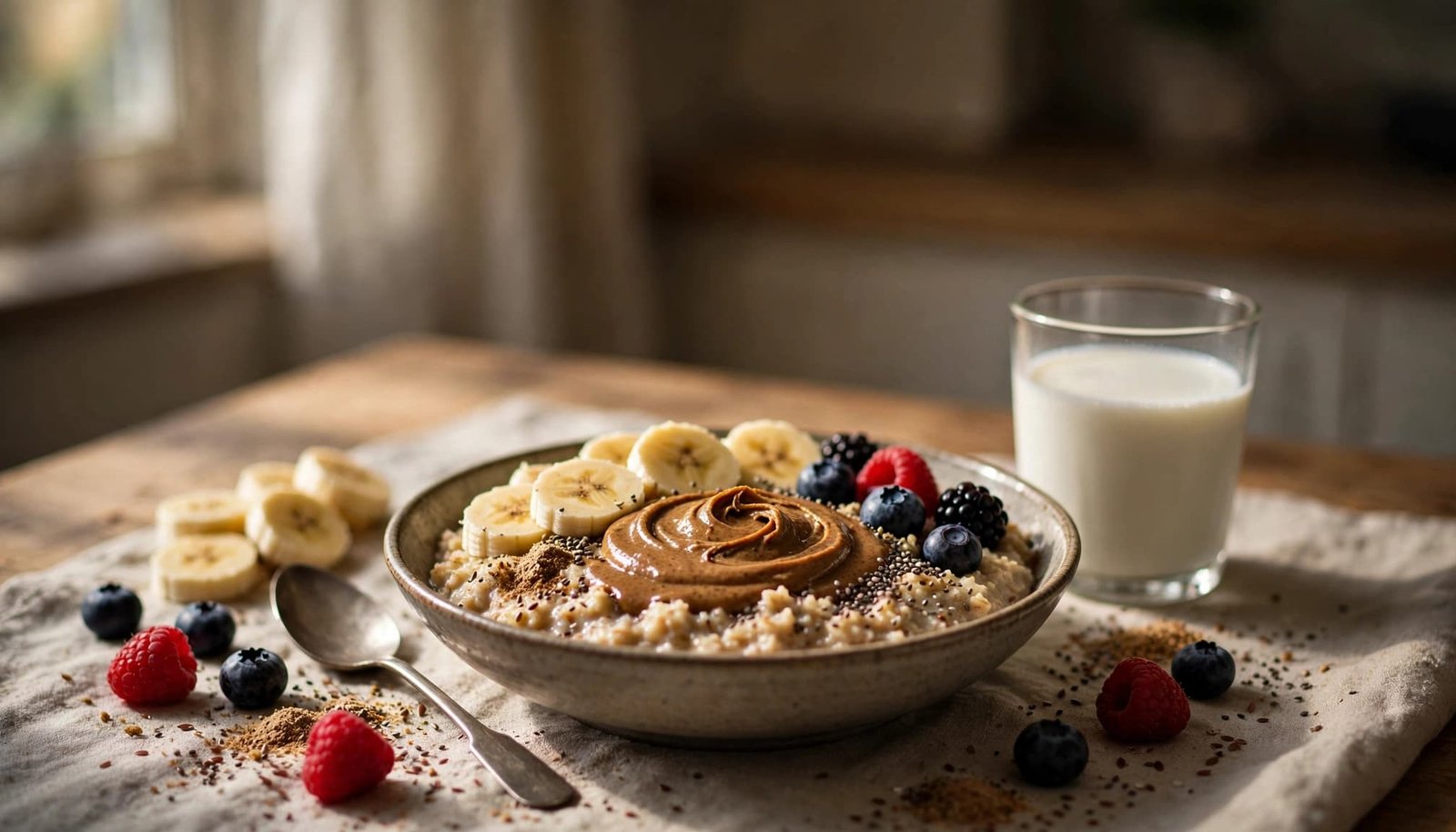
Oats, Flaxseed, and Chia: What They Can and Cannot Do
Rolled oats provide carbohydrates, which your body uses for energy during busy mornings and frequent feeds. They also contain fiber, while ground flaxseed and chia seeds add more fiber along with plant-based fats and other nutrients. Fiber can support regular digestion, which many new mothers appreciate during the postpartum period.
Oats, flaxseed, and chia are popular in lactation recipes because they are easy to stir into oatmeal, smoothies, and snacks. However, evidence that these foods directly increase breast milk production remains limited. They can fit into a balanced eating pattern, but they are not a treatment for low milk supply. Parents’ overview of foods for breastfeeding parents also describes oats as a commonly chosen food while recognizing the larger role of overall nutrition.
Oats may make breakfast more nourishing, but milk production depends on more than one ingredient.
If you notice ongoing supply concerns, painful feeding, poor infant weight gain, or fewer wet diapers, contact a lactation consultant, your baby’s pediatrician, or another qualified health care professional. You can also review these signs you are not eating enough while breastfeeding when fatigue, skipped meals, or low appetite become regular problems.
Add Protein, Fruit, and Fluids for Better Staying Power
The basic bowl becomes more filling when you add plain Greek yogurt, stir in protein-rich milk, or serve cottage cheese and an egg on the side. Tofu can provide a dairy-free option, while fortified soy milk adds protein and nutrients. Protein supports fullness and helps your body maintain and repair tissues after pregnancy and delivery.
Berries, bananas, apples, and peaches bring natural sweetness, color, and useful nutrients without making the recipe complicated. Nut butter adds fat for satiety, so the meal can carry you through a longer stretch between feeds.
Drink when you feel thirsty instead of forcing excessive water. Normal thirst and clear to pale-yellow urine are more useful hydration guides than a fixed number of cups. Keep a drink nearby during nursing, but remember that eating regular meals and snacks supports your overall energy better than relying on fluids alone.
Simple Variations for Every Taste and Dietary Need
A flexible oatmeal bowl keeps breakfast interesting without creating extra work. Change the fruit, seed butter, milk, or flavoring, and you have a new meal using the same quick base.
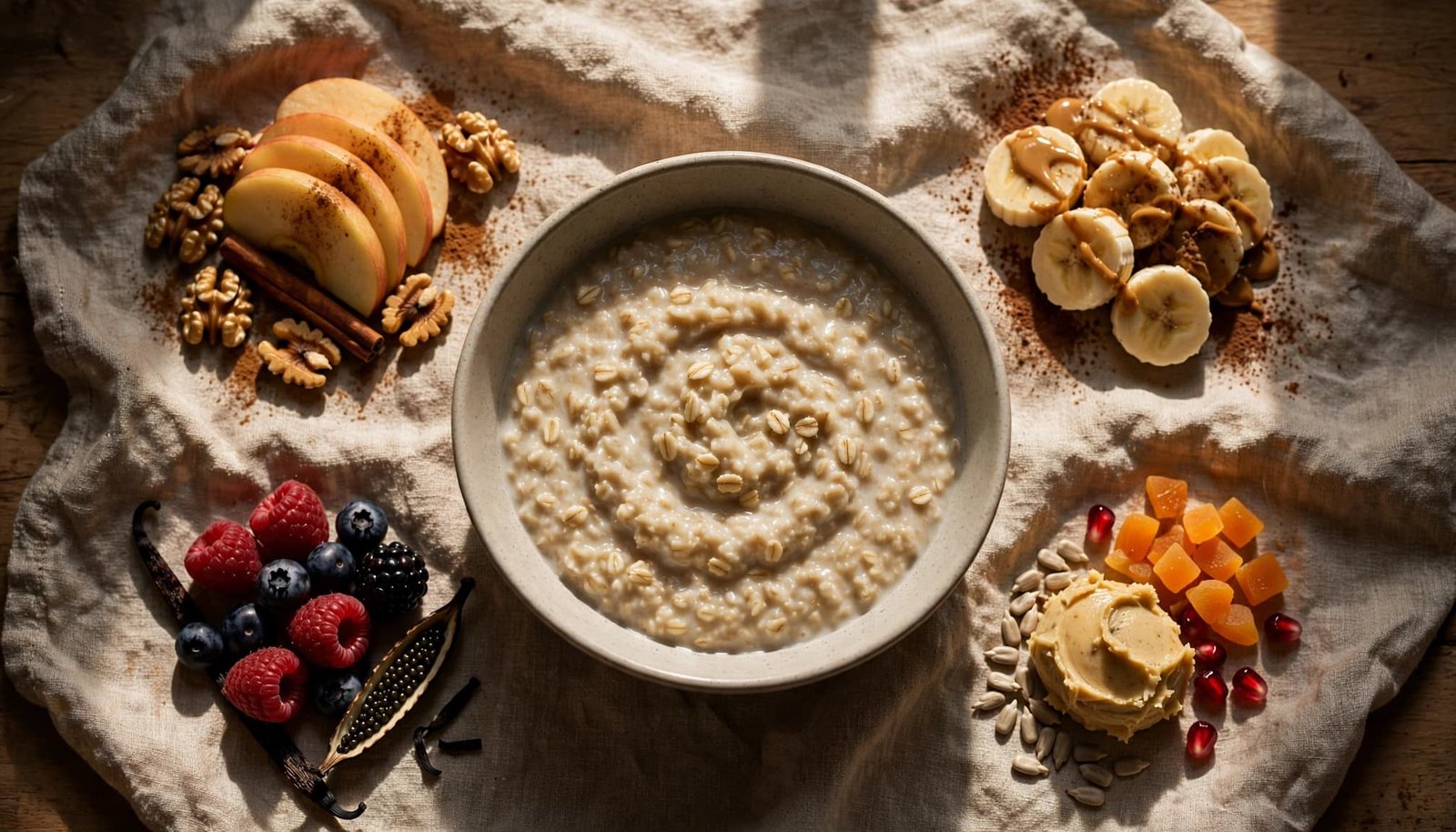
Make It Nut-Free, Dairy-Free, or Vegan
For a chocolate-peanut butter banana bowl, stir unsweetened cocoa powder and peanut butter into the cooked oats, then add sliced banana. If peanuts or tree nuts are unsafe for your household, replace the peanut butter with sunflower seed butter or tahini. Always check the label for shared equipment and other allergens.
An apple-cinnamon walnut bowl brings a softer, cozy flavor. Cook diced apple with the oats, then add cinnamon and chopped walnuts after cooking. For a nut-free version, use pumpkin seeds or sunflower seed butter instead of walnuts.
The berry-vanilla version needs only frozen or fresh berries, plain yogurt, and a small splash of vanilla extract. Berries soften in hot oatmeal, while vanilla adds sweetness without much sugar. Use plant-based yogurt when avoiding dairy.
For a fully dairy-free and vegan oatmeal bowl, replace dairy milk with fortified soy milk and Greek yogurt with unsweetened plant-based yogurt. Fortified soy milk generally provides more protein than many other plant milks, so it can help the bowl feel more filling. Oat, almond, coconut, and pea milk can also work, but compare nutrition labels if protein matters to you.
If you need a gluten-free breakfast, choose oats labeled certified gluten-free. Oats are naturally gluten-free, yet cross-contact can occur during processing. When adapting this recipe, swap ingredients rather than simply removing them so the bowl still has enough flavor, protein, and staying power.
Turn the Bowl Into Overnight Oats or Baked Oatmeal
For overnight oats, mix the rolled oats, milk, yogurt, fruit, seeds, and flavorings in a covered jar or container. Refrigerate it overnight, then stir before eating. Add extra milk if the mixture becomes too thick, since chia and ground flax absorb liquid as they sit.
Baked oatmeal works well when you want several servings ready for busy mornings. Combine the oats, milk, fruit, seeds, cinnamon, and chosen butter in a greased baking dish. Bake at 350°F until the center is set and the edges look lightly browned, then cool before portioning and refrigerating.
Keep added sugar low with ripe banana, sweet berries, applesauce, cinnamon, or vanilla. You can also leave out syrup and add sweetness at the table only if needed. Consider your allergies, your baby’s known allergies, and your clinician’s advice before removing major foods from your diet. Unnecessary restriction can make postpartum meals harder, while allergy concerns may require individualized guidance. The CDC breastfeeding guidance can help clarify when medical advice is needed.
How to Prepare and Store Lactation Meals Safely
A little preparation can turn a rushed feeding day into a day with food ready to go. Make several oatmeal servings at once, cool them safely, and store toppings separately so each bowl keeps its best texture.
A Five-Minute Prep Plan for Busy Breastfeeding Days
Start by portioning dry ingredients into small jars or containers. Add rolled oats, chia seeds, ground flaxseed, and cinnamon to each one, then keep the jars in the pantry for quick assembly. Washed berries, sliced fruit, and yogurt can stay ready in the refrigerator, while nut butter can sit nearby for easy spoonfuls.
Baked oatmeal is another useful option when you want several breakfasts prepared at once. Bake a batch, let it cool briefly, then divide it into shallow, airtight containers. Shallow portions cool faster and make reheating more even. Store fruit, yogurt, seeds, and nut butter separately, because toppings can become watery or lose their crunch when stored on warm oatmeal.
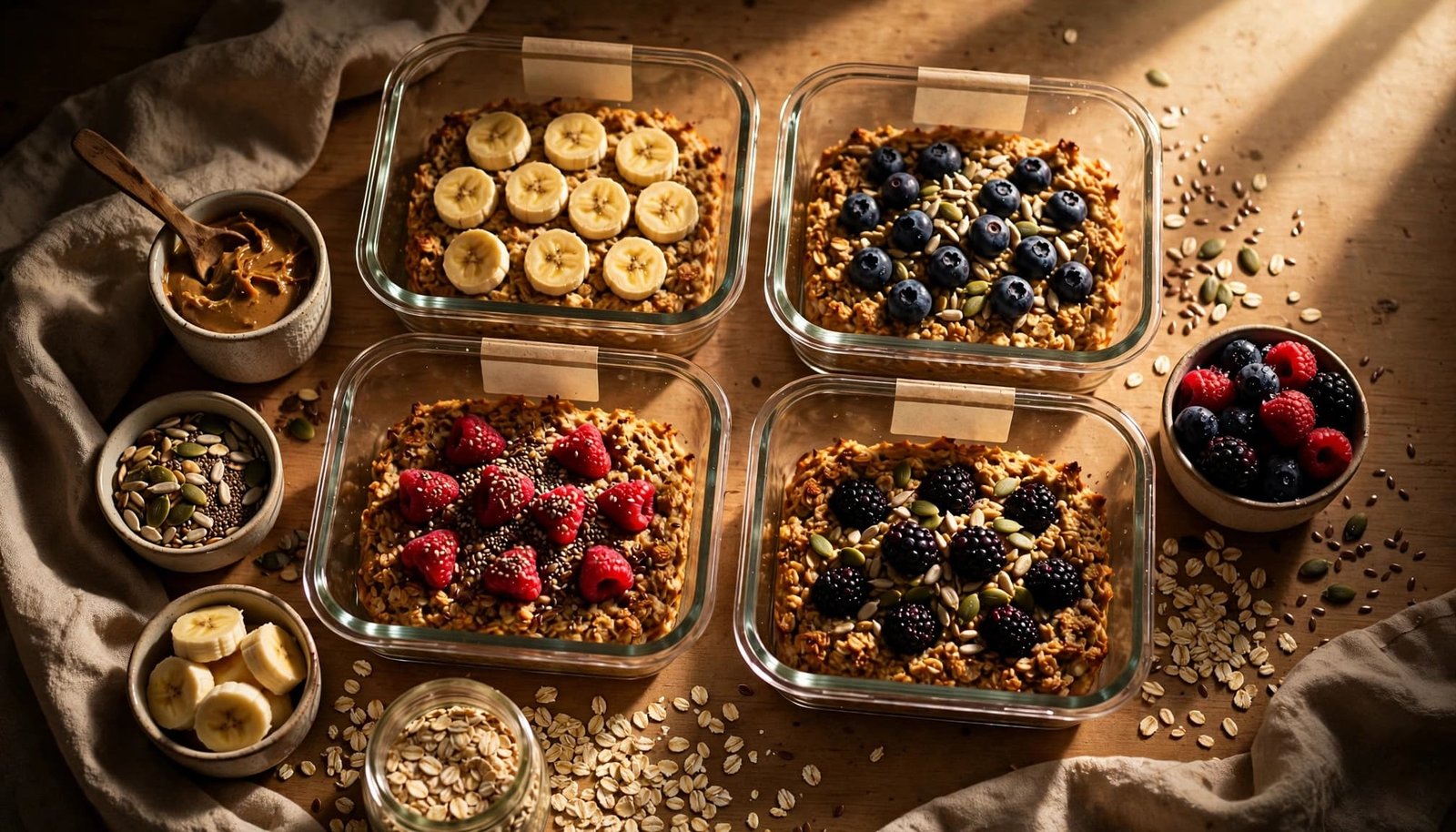
Keep shelf-stable basics within reach, especially on days when leaving the house feels impossible. Rolled oats, chia seeds, flaxseed, nut butter, applesauce, and canned fruit can fill the gap when fresh ingredients run out. These easy batch-cooking meals for new mothers can also help you build a practical postpartum food routine.
Ask your partner, relative, or support person to wash fruit, portion ingredients, or handle the dishes. Nutrition support is part of postpartum care, not an extra favor you have to earn.
Food Safety Details New Mothers Should Know
Wash your hands before preparing food, use clean containers, and refrigerate cooked oatmeal promptly. Keep your refrigerator at 40°F or below, and use a refrigerator thermometer if the built-in dial doesn’t show the actual temperature. The USDA recommends using refrigerated leftovers within three to four days or freezing them sooner. Its leftover food safety guidance provides storage timelines for cooked foods.
Write the preparation date on every container. Freeze portions that you won’t eat soon, then thaw them in the refrigerator rather than on the counter. Reheat only the amount you plan to eat, stirring halfway through until the oatmeal is steaming hot throughout, or reaches 165°F. Avoid repeatedly cooling and reheating the same portion.
Breast milk storage rules are separate from food storage rules. Store cooked oatmeal in food-safe containers, never breast milk storage bags or bottles, and don’t judge a meal’s safety by breast milk guidelines.
Discard moldy fruit, stale seeds with an off smell, and foods that look or smell unusual. Cook eggs and other ingredients fully, check labels for household allergens, and ask a clinician before using herbs or supplements marketed as lactation boosters. Some products can interact with medicines or cause side effects.
When a Recipe Is Not Enough for Milk Supply Concerns
A nourishing oatmeal bowl can support your energy, but it cannot diagnose or correct every milk supply concern. Milk production depends on frequent, effective milk removal, a comfortable latch, your health, and your baby’s ability to transfer milk.
Your breasts may feel softer after the early weeks, and your baby may want to nurse often during a growth spurt. Neither sign automatically means your supply is low. However, ongoing feeding problems deserve attention rather than guesswork.

Signs Your Baby May Need Feeding Support
Contact your baby’s pediatrician or an International Board Certified Lactation Consultant (IBCLC) if you notice several concerning changes, or if something feels wrong. Follow your pediatrician’s guidance about diaper output, especially during the first days and weeks, because expectations change as your baby grows.
Seek help when your baby has:
- Fewer wet diapers than expected for their age, particularly when the change continues.
- Possible dehydration signs, such as a very dry mouth, unusual weakness, markedly reduced urine, or difficulty waking.
- Ongoing poor weight gain, weight loss beyond what your clinician expects, or trouble returning to birth weight.
- Unusual sleepiness, weak sucking, or difficulty waking enough to feed.
- Trouble staying latched, repeated slipping off the breast, clicking sounds, or feeds that always seem ineffective.
- Painful nursing that continues beyond the initial latch, cracked nipples, or bleeding.
- Signs of dissatisfaction after most feeds, such as persistent fussiness, repeated rooting, or never seeming settled.
Poor latch can cause nipple pain and reduce milk transfer, which may affect both infant weight gain and milk production. The American Academy of Pediatrics breastfeeding guidance explains why feeding mechanics deserve prompt attention.
Build a Practical Breastfeeding Support Plan
Nutrition works best beside regular nursing or pumping. Offer feeds often, check your baby’s latch and position, rest whenever someone else can handle a task, and ask for hands-on guidance when feeding remains uncomfortable. Skipped feeds, ineffective pumping, certain medications, illness, stress, and medical conditions can all affect milk production.
A simple record may help you and your care team spot patterns. Note feeds, pumping sessions, diaper changes, and weight checks only when useful. You don’t need to track every detail if recording makes you anxious.
Before starting herbal products, prescription medicines, or restrictive diets for milk supply, speak with a qualified clinician. These options can cause side effects, interact with medications, or distract from a latch or milk-transfer problem. The CDC’s newborn breastfeeding guidance recommends getting support when you worry about supply or latch.
Combination feeding and formula supplementation are also valid choices when medically or personally appropriate. A plan that keeps your baby fed and supports your recovery is a good plan. For practical feeding and pumping basics, review these breastfeeding and pumping essentials.
Conclusion
This 10-minute lactation oatmeal bowl combines rolled oats, milk or fortified soy milk, fruit, yogurt, chia seeds, ground flaxseed, and nut or seed butter for a warm, filling meal. You can use fresh or frozen fruit, choose dairy-free ingredients, or add certified gluten-free oats to match your dietary needs. Prepare dry portions ahead so breakfast is ready when the day starts before you do.
The bowl supports steady nourishment, energy, and convenience, but it can’t guarantee an increase in breast milk supply. Regular meals, enough fluids, effective milk removal, and professional guidance matter more than any single ingredient. For additional support, review these postpartum nutrition and recovery tips and contact a lactation consultant or your baby’s pediatrician if feeding concerns continue.
A well-fed mother deserves care too. There is no single perfect way to nourish a baby, and a practical meal that helps you feel supported is already a meaningful choice.
Save pin for later


- Dry Cough in Kids: 5 Causes and Safe Solutions - September 23, 2026
- How to Help a Child Deal With Anxiety at Home - September 12, 2026
- How to Prepare Your Child for the First Day of School - September 12, 2026