
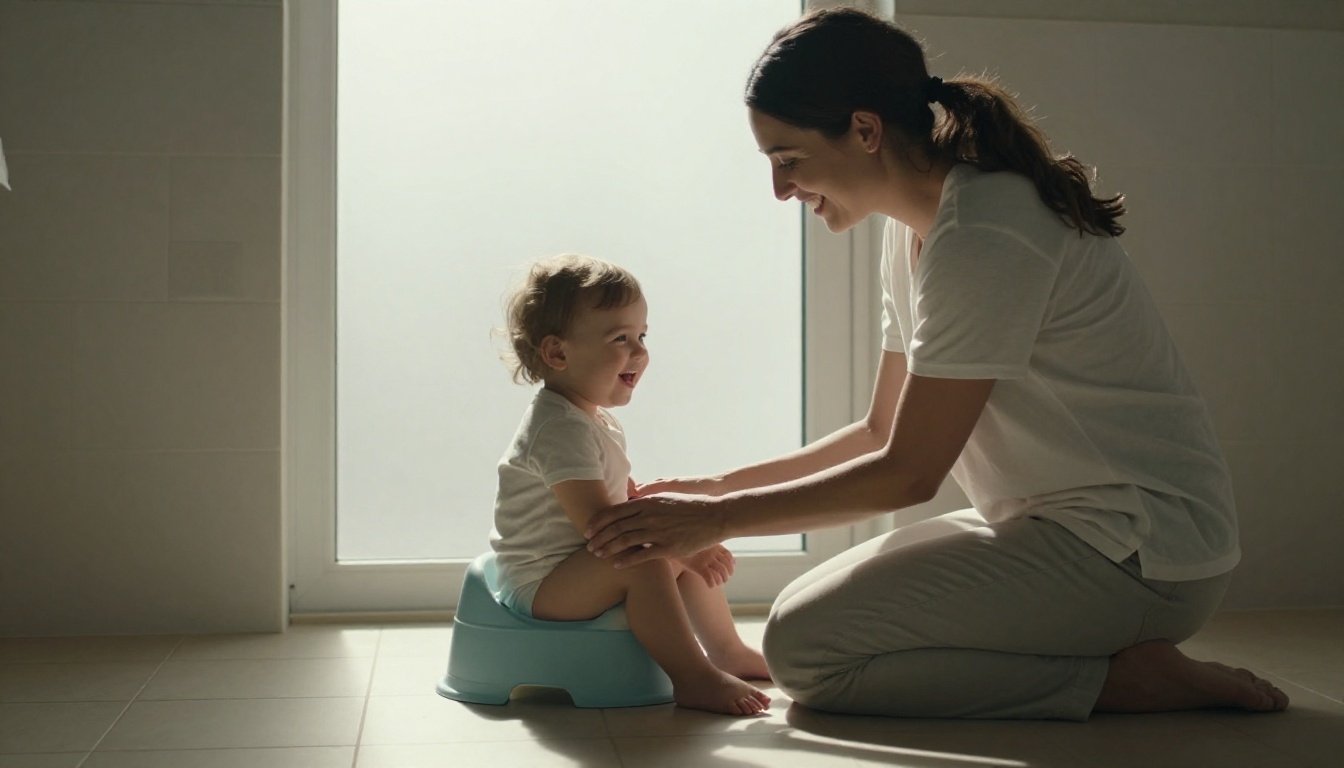
Many parents use “baby” to mean a young child, but traditional potty training usually works best once a child shows developmental readiness, often around 18 to 24 months or later. Infants generally can’t control bladder and bowel movements on purpose the way toddlers can, so early cue-based potty learning is different from expecting a baby to stay dry.
This guide explains five gentle approaches: cue-based potty learning, readiness-led training, routine potty sits, positive modeling, and a gradual move from diapers to underwear. Accidents are normal, progress can move forward and backward, and no child should be shamed or forced. You’ll also learn how to spot readiness signs, choose safe equipment, respond to constipation, and know when to ask a pediatrician for help. Start with these readiness-based potty training tips, then choose the approach that fits your child’s pace.
For a calm visual guide, watch Potty Training Expert | Gentle Potty Training before trying the first method.
How to Know Your Baby Is Ready for Potty Training
Readiness matters more than a particular birthday. The American Academy of Pediatrics and Mayo Clinic place many children somewhere between 18 and 24 months, but some toddlers need more time. Your child may be ready earlier or later, depending on development, temperament, communication, and daily routines.
Potty training works best when several skills begin to come together. One sign alone, such as disliking a wet diaper, doesn’t mean your baby is ready to start.
Look for physical and communication signs
Your child may be ready when they can stay dry for about two hours or wake up dry after a nap. These patterns suggest growing bladder control. You may also notice your child pausing, squatting, hiding, grunting, tugging at their pants, or showing a sudden need for privacy before peeing or pooping.
The American Academy of Pediatrics potty training guidance explains that children need to recognize the urge, understand what it means, and communicate it.
Communication doesn’t need to involve perfect words. Your child might say “pee,” point toward the bathroom, use a gesture, sign, or bring you a clean diaper. The message matters more than the method.
Physical readiness also includes the ability to:
- Walk to the bathroom and sit safely on a potty chair.
- Follow simple directions, including a short two-step request.
- Help pull pants down and up.
- Remain seated long enough to try.
- Show discomfort with wet or dirty diapers.
Check emotional readiness and timing
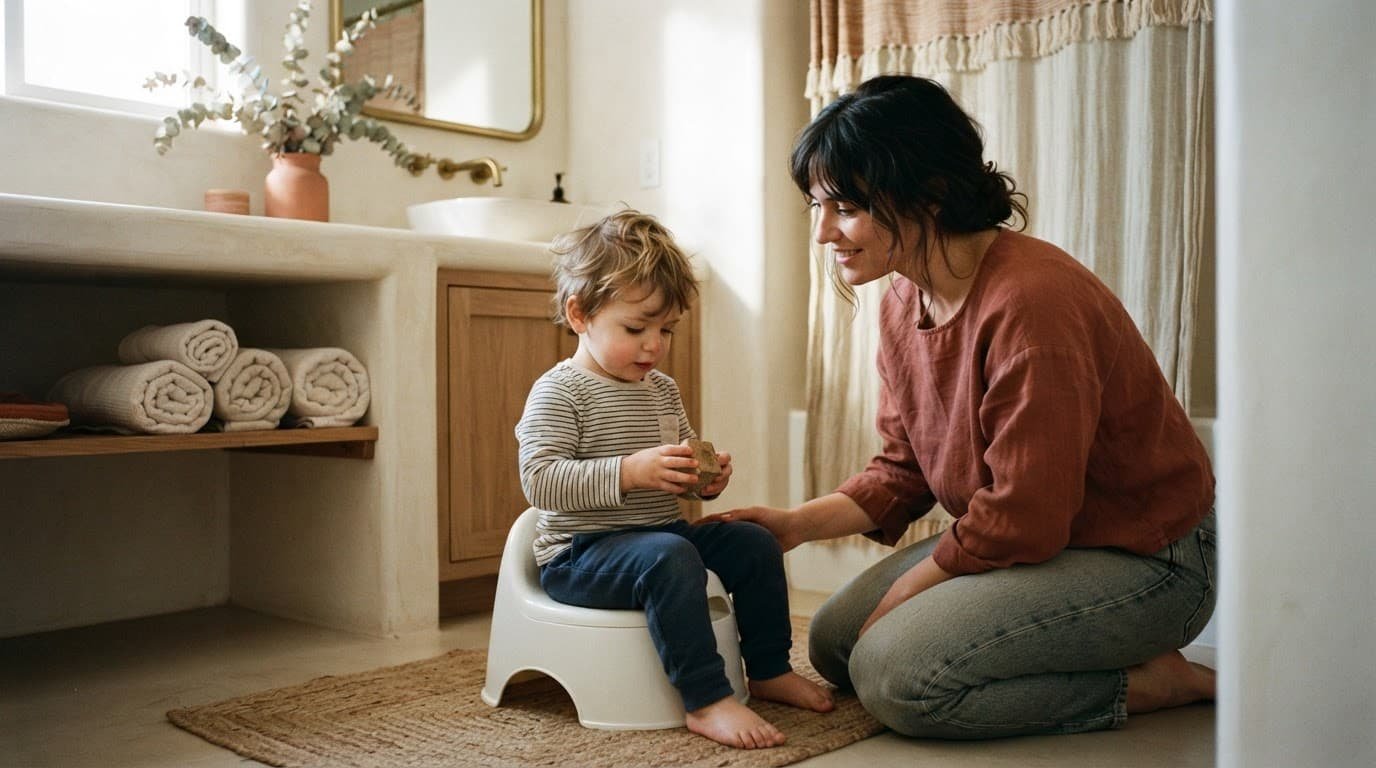
Interest often appears through imitation. Your child may follow you into the bathroom, watch how the toilet works, ask questions, or show curiosity about underwear. Wanting to cooperate also helps. A toddler who fights every request may need more time, even if they can stay dry for two hours.
Before you begin, ask yourself:
- Can my child notice or signal when they need to go?
- Can they walk, sit safely, follow simple directions, and manage some clothing?
- Do they show interest without becoming upset?
- Can our family offer calm, unhurried bathroom routines?
- Is this a stable season at home?
The last question matters. Moving, welcoming a new sibling, changing child care, traveling, or recovering from illness can make potty training harder. During stressful periods, familiar diapers may provide comfort while your child adjusts. Mayo Clinic also emphasizes physical and emotional potty training readiness, rather than treating age as a deadline.
If several signs are present, introduce the potty gently. If your child cries, stiffens, hides, or refuses every attempt, pause and try again later. Readiness grows through safety and practice, not pressure.
5 Ways to Potty Train Your Baby Gently and Effectively
These approaches work best as flexible options, not competing rules. You can combine them based on your child’s age, temperament, communication skills, and daily routine. Cue-based learning may begin earlier, while traditional potty training usually fits a developmentally ready toddler.
Use elimination cues for early, low-pressure potty learning
Elimination communication, sometimes called infant potty training, involves noticing when your baby may need to pee or poop. You might see grunting, sudden quietness, squatting, freezing, a changed facial expression, or tugging at a diaper. Many babies also follow patterns, such as eliminating after waking or feeding.
When a cue appears, calmly offer a potty or hold your baby in a supported position over a safe receptacle. Keep your voice relaxed and the diaper available. The American Academy of Pediatrics explanation of elimination communication describes this method as learning a baby’s body language, sounds, and patterns.
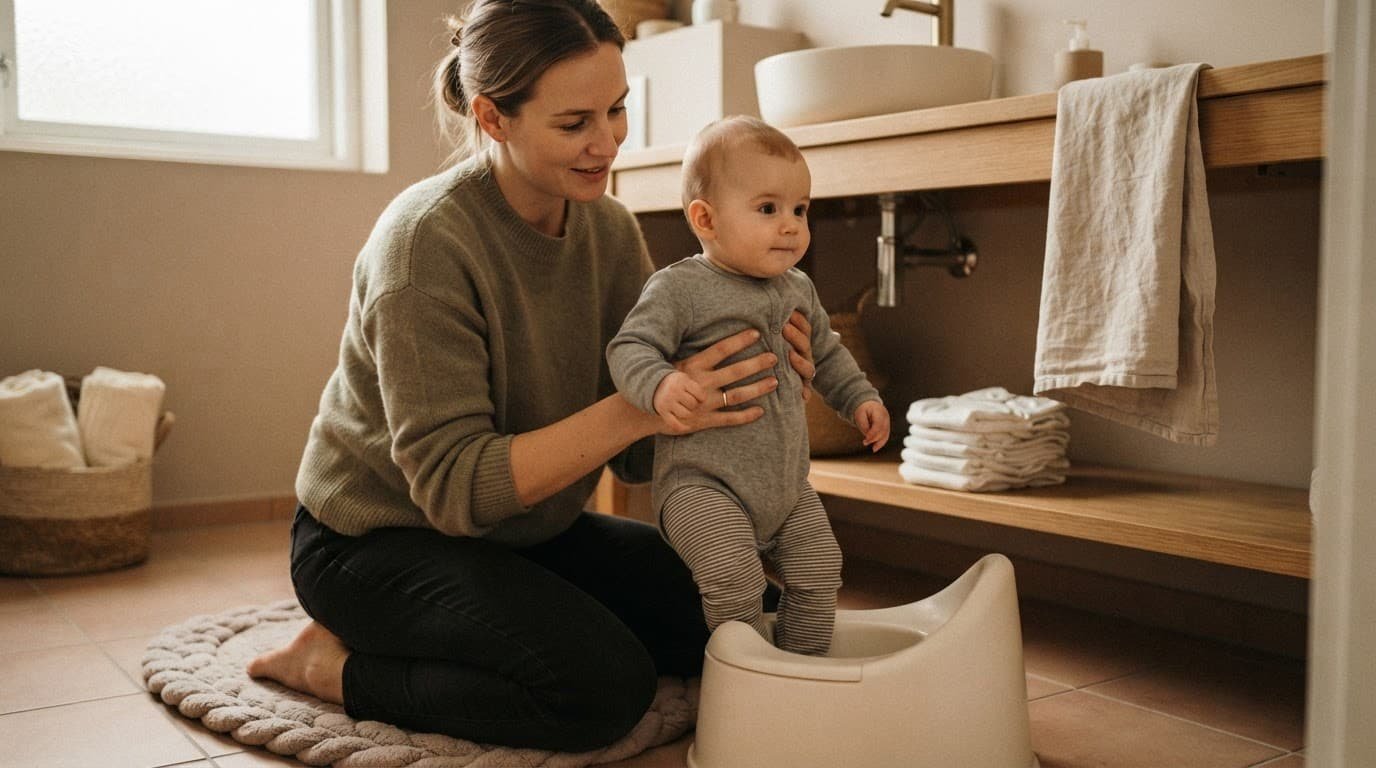
Cue-based learning doesn’t mean your infant should stay dry or eliminate on command. Babies don’t yet have reliable control in the way older toddlers do. Always support a young baby, never leave a child alone on a toilet or potty, and stop if your baby becomes distressed. The goal is communication and body awareness, not instant diaper freedom.
Follow a child-led readiness approach instead of a strict deadline
Traditional potty training works best when several readiness signs appear. Your child may stay dry for longer periods, follow simple directions, walk to the potty, pull clothing down, or show interest in the bathroom. Many children show these signs between 18 and 24 months, while others need more time.
Start with simple words, such as “pee,” “poop,” “potty,” “wet,” and “dry.” Place a small potty where your child can see it, then allow fully clothed sitting without expectations. Keep practice brief and offer specific praise: “You listened to your body.” This supports confidence without making your child responsible for pleasing you.
A gentle progression may look like this:
- Notice and name a wet or dirty diaper.
- Sit on the potty fully clothed.
- Try sitting without a diaper for a short time.
- Practice using the potty more consistently.
Accidents need a calm response. Change your child without punishment, teasing, or disappointment. If poop refusal develops, these calm strategies for potty training resistance can help you slow down and reduce pressure.
Build predictable potty routines around natural parts of the day
Routine potty sits help connect familiar moments with bathroom use. Offer the potty after waking, after naps, before leaving home, before a bath, and before bed. Continue watching for body cues, because a routine is a prompt, not a demand.
Keep each sit short, usually about three to five minutes. If nothing happens, end the attempt calmly and move on. Long sits, repeated reminders, or a timer can make the potty feel like a test. Your child still needs time to recognize personal bladder and bowel signals.
For outings, locate bathrooms before you leave and pack spare clothes, wipes, and a diaper or pull-up. A simple reminder such as “Let’s try before we go” is enough. During travel, illness, or busy days, returning to diapers can protect your child’s comfort and your own patience.
Teach through modeling, play, and simple step-by-step practice
Children often learn by watching trusted adults or older siblings use the bathroom. Describe the process in plain language: walk to the bathroom, lower clothing, sit, wipe, flush, and wash hands. Keep explanations matter-of-fact rather than turning every bathroom visit into a lesson.
Books and pretend play can make the sequence familiar. A doll or stuffed animal can walk to a toy potty, sit, and wash its hands. Practice pulling pants down and up when your child isn’t trying to pee or poop, so clothing skills feel manageable.
Choose a sturdy potty chair or a secure toilet seat with a step stool. Stay close whenever your child uses the toilet. If your child becomes shy or uncomfortable, respect their privacy and pause the demonstration. Learning matters more than performing on cue.
Make the transition from diapers to underwear gradual
Underwear is a later step, not a requirement for beginning potty learning. Some children enjoy short underwear practice at home, while others need diapers or pull-ups during naps, bedtime, travel, illness, or stressful changes.
Let your child choose comfortable underwear with a soft waistband. Keep spare clothes nearby, and respond to accidents with simple help: “Your clothes are wet. Let’s get changed.” Celebrate a dry trip or body-awareness statement without expecting immediate success.
Daytime and nighttime control develop at different speeds. Nap-time and nighttime dryness often take longer, so nighttime diapers remain normal for many children. A dry night is a developmental milestone, not a deadline your child must meet.
Set Up the Bathroom So Potty Practice Feels Safe and Manageable
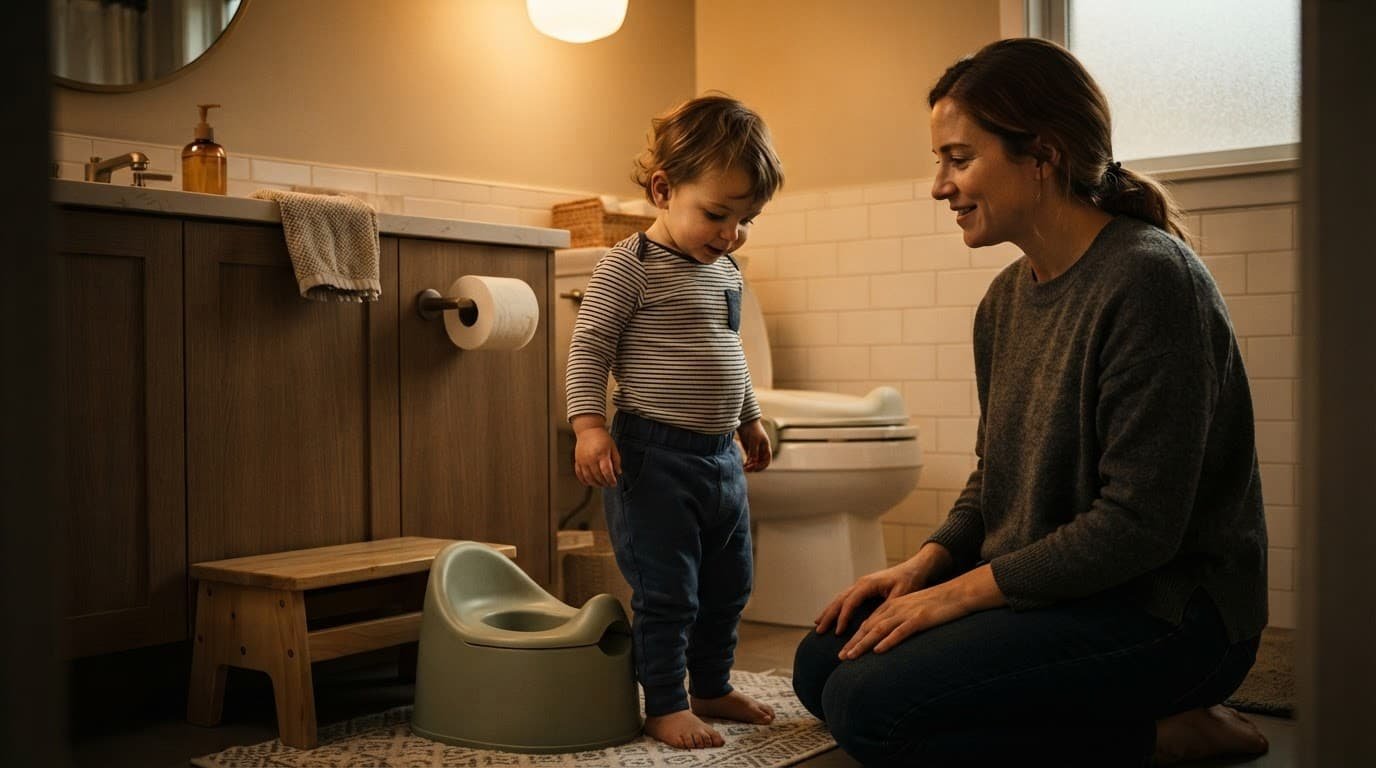
A child-friendly bathroom can make potty practice feel less intimidating. Before you begin, remove small obstacles that create fear, discomfort, or repeated requests for help. Your child should know where to sit, where to find toilet paper, and how to wash their hands without feeling rushed.
Choose equipment that feels stable
Start with a stable potty chair that stays firmly on the floor. A child who feels the potty wobble may worry about falling, especially during bowel movements. If your child uses the full-size toilet, choose a properly secured toilet seat insert and place a sturdy step stool underneath.
Feet need support. When your child’s feet rest on the floor or stool, their legs feel steadier and their body can relax. Foot support is especially helpful during a bowel movement because it allows your child to brace gently instead of dangling above the floor. Nationwide Children’s footstool guidance explains why this support matters when children use an adult-sized toilet.
Keep your child within arm’s reach during practice. Never leave a baby or toddler alone on a full-size toilet, even for a moment. A child can slip, become frightened, or need help before you return. Stay nearby until your child can use the bathroom safely and consistently.
Place the practical items where your child can reach them with help:
- Choose pants with an elastic waistband instead of buttons, snaps, or tight layers.
- Keep toilet paper or flushable wipes within reach, while storing regular wipes safely away from the toilet.
- Place liquid soap at the sink and use a step stool if your child can’t reach the faucet.
- Add a small towel at your child’s height so handwashing feels like part of the routine.
Keep the bathroom warm, bright, and uncluttered. A favorite book can help your child sit for a short practice period, but avoid turning the toilet into a place for long entertainment. The American Academy of Pediatrics potty training guidance supports calm, positive practice without pressure.
Create a simple routine everyone can follow
A predictable plan helps your child know what happens next. Offer short practice opportunities at natural points in the day, such as:
- Try after your child wakes up.
- Offer another sit after a nap or meal.
- Practice before leaving home or taking a bath.
- Invite your child to try before bedtime.
Keep each sit to about three to five minutes. If nothing happens, help your child get dressed and return to play. Plenty of unhurried play reminds your child that potty practice is only one small part of the day.
Use the same words at home, daycare, and with other caregivers. For example, everyone can use “potty,” “pee,” “poop,” “wet,” and “dry.” Consistent language helps your child connect the same body signals with the same response, even when the setting changes.
Praise effort and body awareness with a high-five or a specific sentence such as, “You told me your body needed to pee.” A small, occasional reward, such as choosing the bedtime book, can add encouragement. Large prizes, frequent bribes, and punishment create pressure, so keep the focus on learning and comfort. If bowel movements become a source of fear, these potty setup and routine tips can help you make the bathroom feel calmer.
Handle Accidents, Resistance, Constipation, and Potty Training Setbacks
Accidents and setbacks are part of learning, even after several successful potty trips. Responding calmly protects your child’s confidence and helps you spot problems that need more attention.
Respond to accidents without shame
When pee or poop ends up on the floor, keep your voice neutral. Say, “Pee goes in the potty,” then help your child clean up, change clothes, and return to the day. Avoid scolding, teasing, or showing disappointment. Your child needs clear guidance, not fear around body functions.
Offer a brief reminder before the next transition, such as leaving the house or starting bedtime. However, repeated reminders can create pressure. If accidents happen during exciting play, illness, travel, or a stressful change, return to diapers or pull-ups for a while. Mayo Clinic’s potty training guidance also supports patience and readiness rather than forcing a child through the process.
Treat resistance as information
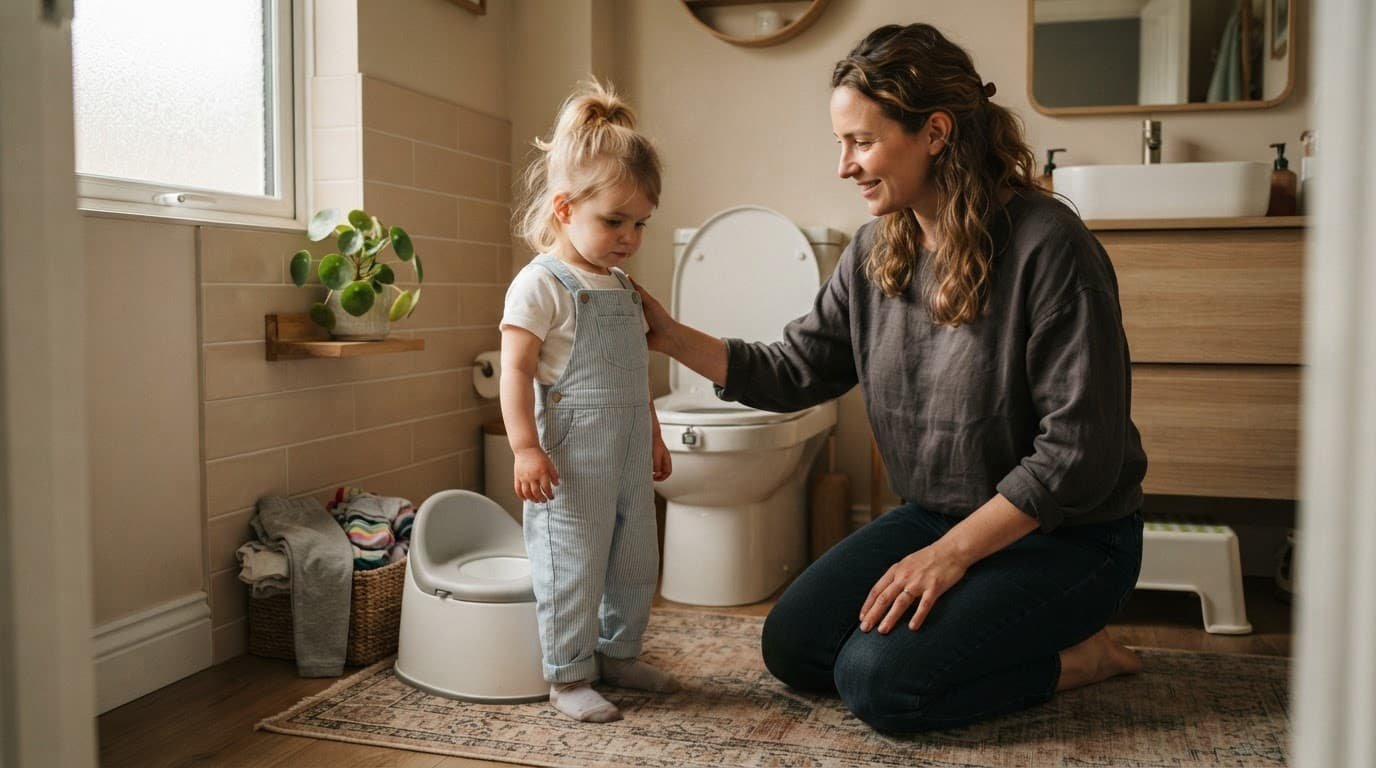
Refusal often has a reason. Your child may be tired, uncomfortable, distracted, afraid of falling, worried about flushing, or simply not ready. A painful bowel movement can also make the potty feel threatening, even when your child wants to cooperate.
Offer a choice without giving up your boundary: “Do you want to try now or after your story?” If your child stiffens, cries, runs away, or fights every attempt, stop the practice. When conflict keeps growing, pause potty training for a few weeks and try again with a clean slate. A setback doesn’t erase your child’s progress. Cleveland Clinic’s advice on potty training regression recommends looking for stress, constipation, or illness instead of assuming your child is being defiant.
Watch for constipation and stool withholding
Constipation can turn potty training into a painful cycle. Hard or pellet-like stools, painful bowel movements, hiding to poop, refusing to sit, repeated accidents, or asking for a diaper to poop may point to stool withholding. Some children cross their legs, clench their bottom, stiffen, or dance when they feel the urge.
Pressure can make withholding worse. Keep offering water and age-appropriate fiber-rich foods, provide a footstool for toilet sits, and allow your child to poop in a diaper if that feels safer while you seek guidance. These gentle constipation relief tips can support calmer bowel routines, but don’t give laxatives or other medicines without medical advice.
Call your pediatrician about painful or ongoing constipation, frequent soiling, or symptoms that don’t improve. Seek prompt medical guidance for blood in the stool, severe pain, vomiting, fever, a swollen belly, or a sudden loss of previously learned skills. Treating constipation first often makes potty learning feel possible again.
Conclusion
The five potty-training approaches each fit a different stage: cue-based learning introduces body awareness early, while readiness-led practice, predictable routines, modeling, and a gradual move to underwear often suit older toddlers. Choose the method that matches your child’s skills, temperament, and your family’s daily rhythm.
Potty learning is a gradual developmental process, not a race. Stay calm through accidents, offer encouragement, and pause when stress or resistance takes over. If constipation becomes painful or ongoing, review these common baby constipation mistakes and contact your child’s pediatrician about pain, unusual symptoms, repeated setbacks, or developmental concerns.
Trust your instincts. A patient, supportive approach gives your child the time and confidence to learn.

- Dry Cough in Kids: 5 Causes and Safe Solutions - September 23, 2026
- How to Help a Child Deal With Anxiety at Home - September 12, 2026
- How to Prepare Your Child for the First Day of School - September 12, 2026