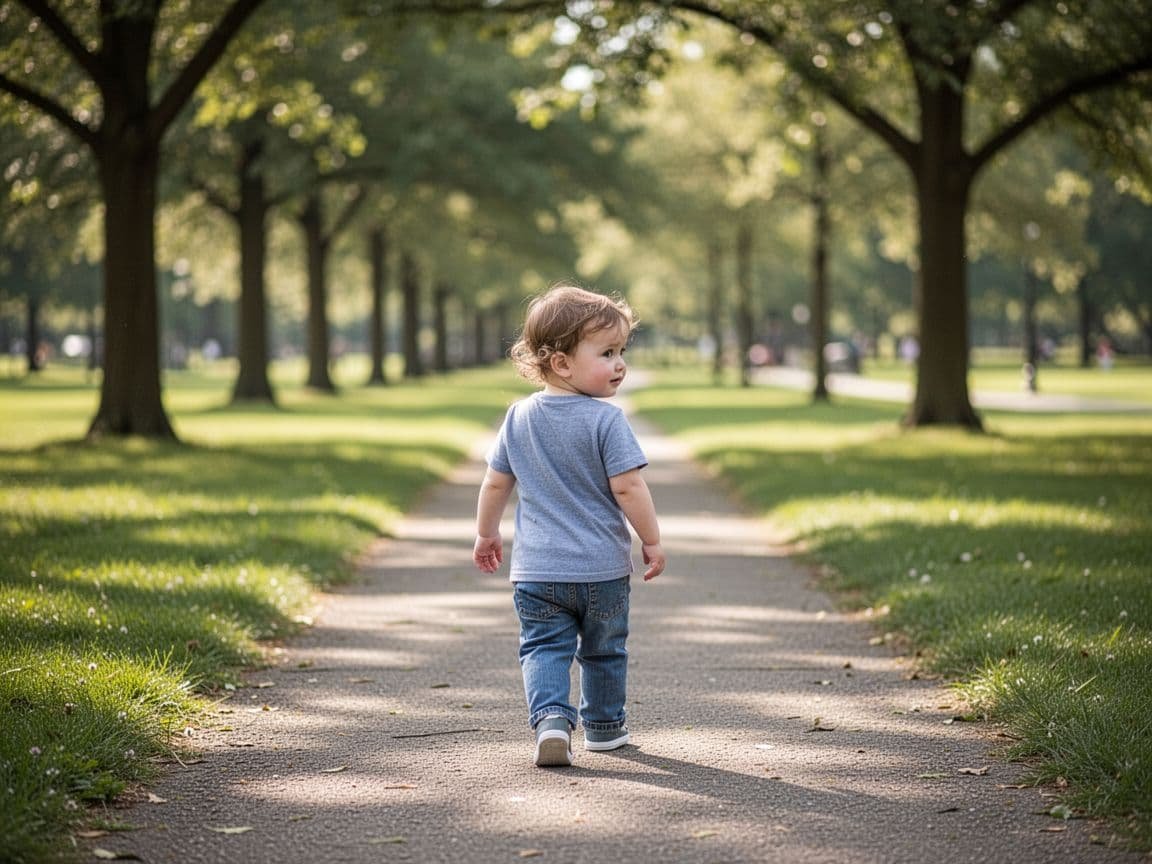
Baby separation anxiety can turn an ordinary morning into tears at the door, clingy arms around your leg, or a baby who wakes up upset because you stepped away. It’s a normal stage, not a sign that you’re doing something wrong.
Most babies go through this when they start understanding that you can leave the room, and they may protest at drop-off, around strangers, or when bedtime feels too quiet. Calm routines, steady goodbyes, and small comfort cues can make those moments easier for everyone.
If your days feel a little heavier right now, simple structure helps. A predictable nap and bedtime rhythm, like the one in this gentle sleep routine for a 6-month-old baby, can give your baby more security and give you a little peace too. Next, it helps to look at the first signs and what to do in the moment.
What baby separation anxiety really is, and why it happens
Baby separation anxiety is your baby’s growing awareness that you can leave, even for a little while, and come back later. That new understanding can feel unsettling at first, because a baby does not yet know how to measure time the way adults do. What feels like “I’ll be back soon” to you can feel endless to them.
It often starts in the second half of the first year, then comes and goes as your baby grows. Many children reach a harder stretch later, often near 10 to 18 months, when their attachment is strong and their awareness is sharper. If you want a broader look at growth patterns, common baby developmental milestones can help you see how this stage fits into the bigger picture.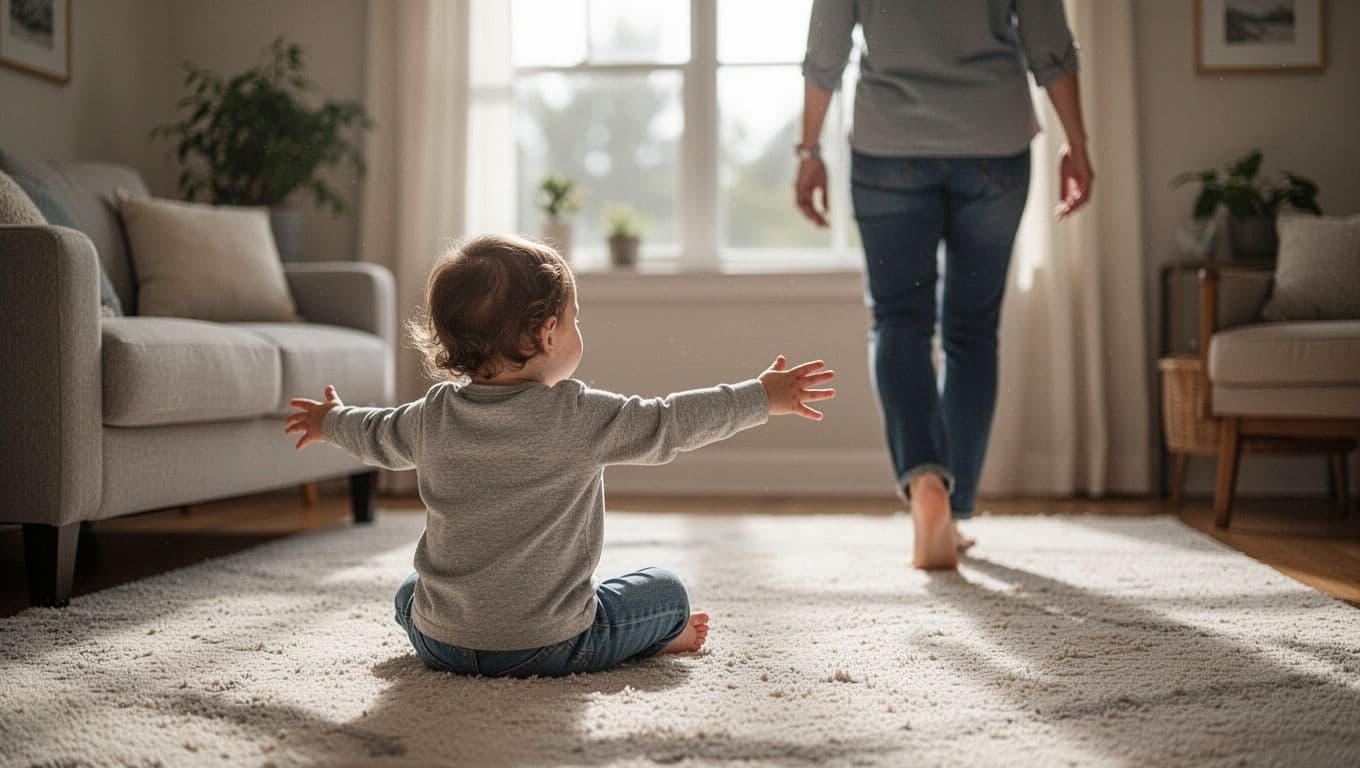
Signs your baby is struggling with separation
Some babies show separation anxiety with mild fussiness. Others react with bigger tears and louder protests. Either way, the behavior is normal and usually tied to comfort and attachment, not bad behavior.
You may notice your baby:
- cries when someone else holds them
- reaches for you when you step away
- gets upset when you leave the room
- wakes often at night and looks for you
- clings harder during drop-off or bedtime
These signs often look stronger when your baby is tired, hungry, sick, or overstimulated. A baby who already feels off balance has less patience for change, so even a short goodbye can feel huge. A calm, steady response helps more than a rushed one.
Your baby is not trying to give you a hard time. They are asking for the safety they know best.
When separation anxiety tends to peak
This phase often gets louder during big changes. Starting daycare, switching caregivers, travel, illness, and broken sleep can all make a baby feel less secure. New places, new faces, and unfamiliar routines can shake their sense of safety fast.
Babies also pick up on your mood. If you feel tense at drop-off, they may read that stress and tighten up too. Calm energy matters, even when the tears start.
Simple routines help here. A short goodbye, a familiar comfort item, and a predictable return pattern can make separations feel less scary. The more consistent the routine, the more your baby learns that goodbyes are temporary and safe.
How to Handle Baby Separation Anxiety With Calm, Steady Routines
The best way to ease baby separation anxiety is to make each goodbye feel familiar. Babies relax when they can predict what happens next, so the goal is not a perfect exit, but a steady one. A short hug, a kiss, the same calm phrase, and a confident walk away can do more than a long, emotional goodbye.
When drop-off feels hard, your tone matters as much as your words. Babies often mirror the energy in the room, so a calm face and a clear routine help them feel safe. If your mornings already feel tense, a simple pattern repeated every day can become an anchor.
### Keep goodbyes short, loving, and consistent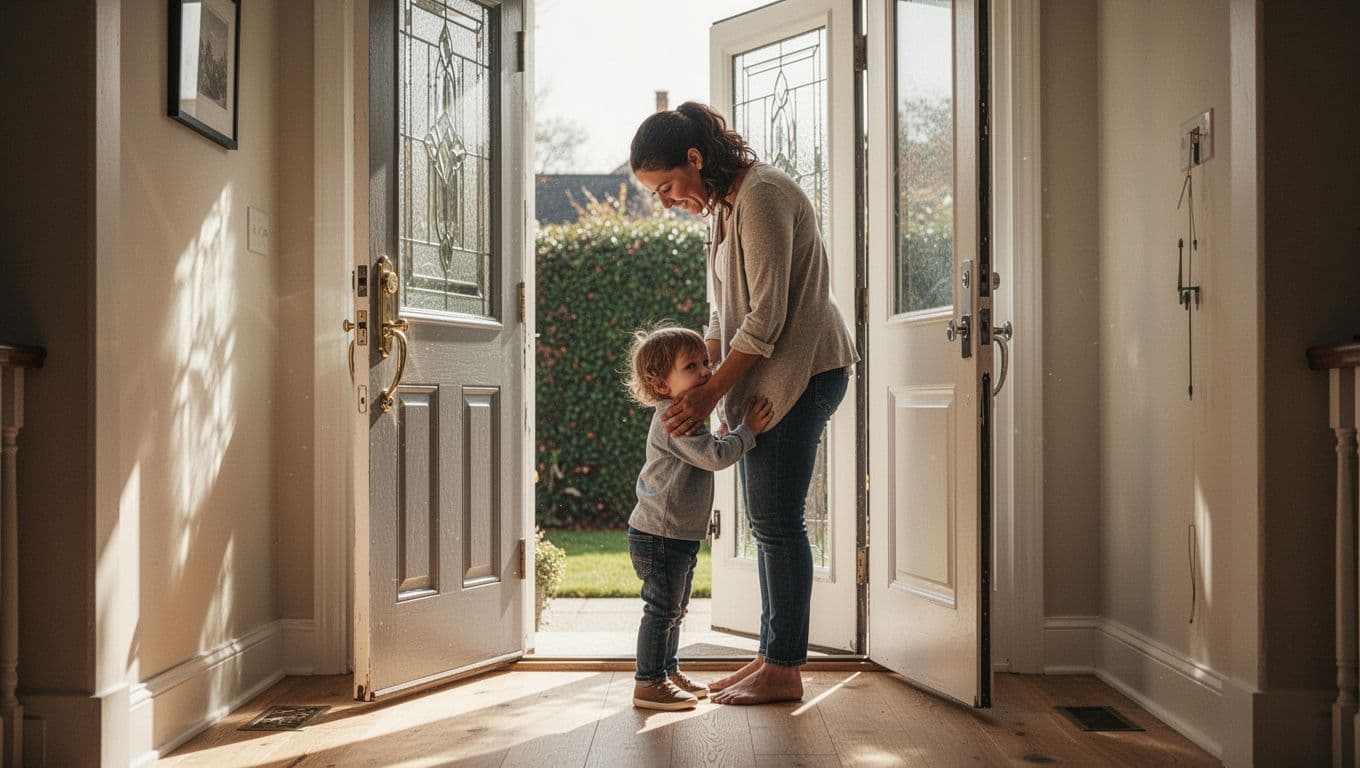
A strong goodbye is warm, brief, and easy to repeat. You might crouch down, give your baby a hug and a kiss, say, “I love you, I will be back after snack time,” and leave with confidence. That kind of goodbye is clear, and clarity helps babies settle.
Long exits often make things worse. The more you linger, soothe, leave, come back, and repeat the pattern, the more upset your baby may become. Your calm exit tells them the moment is safe and temporary.
Consistency helps even more than extra words. Use the same phrase, the same hug, and the same handoff each time. If your baby knows what to expect, the goodbye feels less like a surprise and more like a routine.
For more parent-friendly support, these tips for managing a clingy baby offer simple ways to build steadier separation habits at home.
Sneaking away may seem easier in the moment, but it can break trust and make future goodbyes harder.
Start with short separations and build up slowly
Tiny practice separations help babies learn that you leave and return. Start with a trusted grandparent, aunt, or caregiver for just a few minutes while you stay nearby. Then step out for a little longer once your baby handles the first round with less stress.
Keep the first wins small. Maybe you leave the room for two minutes while another adult plays on the floor. Later, you stretch that to five minutes, then ten. Progress often looks slow, but each calm return teaches your baby something useful.
Patience matters here. Some days will go well, and some will not. That does not mean the routine failed, it means your baby is still learning.
If bedtime separations are also hard, helping a baby sleep without being held can reinforce the same sense of safety in another part of the day.
Use comfort items and familiar cues
A soft blanket, a favorite stuffed toy, or a small cloth that smells like you can make separation easier. Familiar sounds help too, such as a short lullaby, the same bedtime song, or a gentle phrase you repeat before leaving.
These cues work because they feel known. A baby does not need a lot of extras, just a few signals that say, “This is okay, and you are safe.”
Keep the routine simple:
- use the same blanket or toy when allowed
- repeat one short phrase before you leave
- keep naps, bedtime, and drop-offs as predictable as possible
The more familiar the pattern, the less your baby has to guess. And when babies do not have to guess, they often calm down faster.
Make the drop-off or bedtime routine feel safe
A baby feels steadier when the day has a shape they can recognize. The same order, the same tone, and the same small actions tell them what happens next, and that lowers stress before you leave. When separation is wrapped in familiarity, it feels less like a surprise and more like a normal part of the day.
### Create a goodbye routine your baby can count on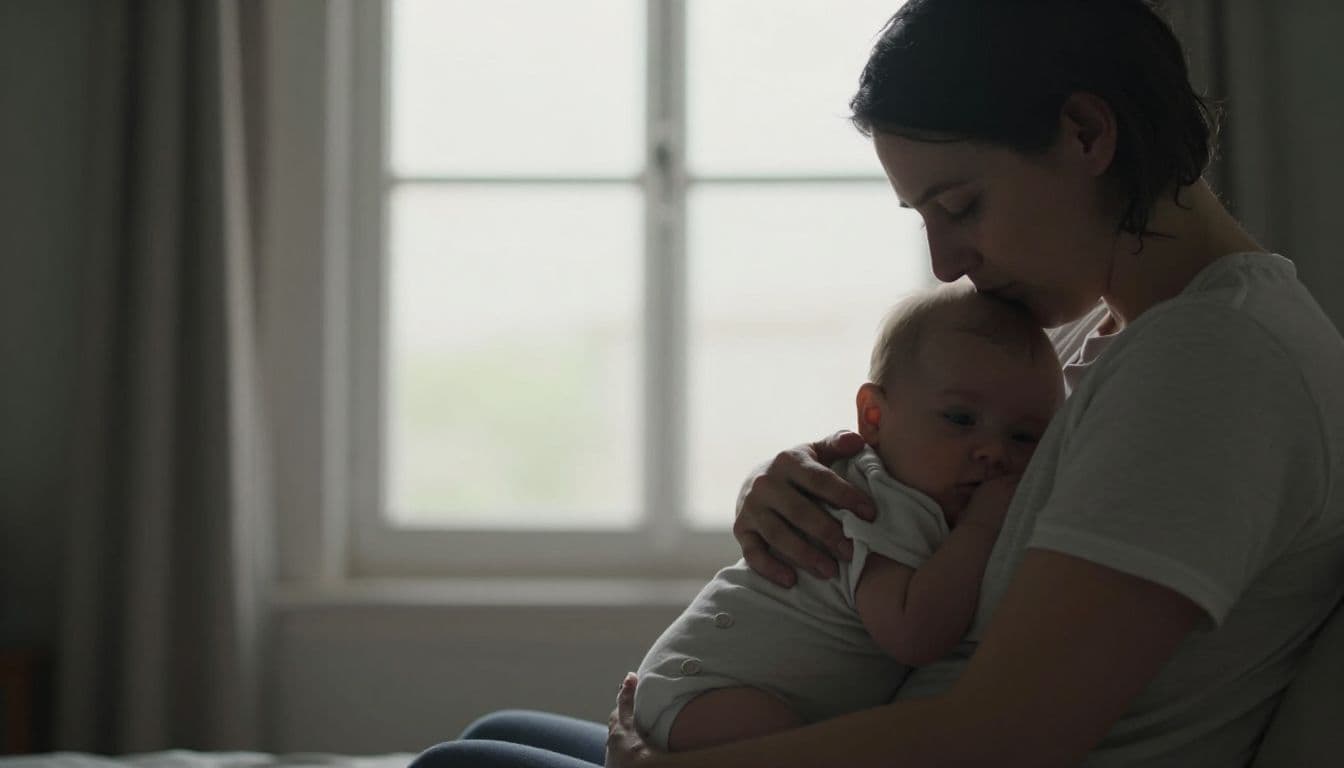
Keep the goodbye simple and repeatable. A cuddle, one short phrase, a wave, and then leaving gives your baby a clear pattern to follow. For example, you might say, “I love you, I’ll be back after nap time,” give a kiss, wave once, and walk out.
That kind of routine works because babies learn through repetition. When the steps stay the same, the goodbye stops feeling random. Over time, your baby begins to understand that separation is temporary, and that lesson brings real comfort.
If your current drop-off feels messy, start small and stay steady. A predictable pattern matters more than a long speech or a perfect exit. You can also pair this with a calm bedtime rhythm, much like the routine described in why your baby fights sleep, so the end of the day feels less abrupt.
Choose timing that lowers stress
Timing changes everything. Leaving right before a nap, when your baby is hungry, or when they feel sick often makes separation harder. A tired or uncomfortable baby has less patience for change, so the goodbye can turn into a storm fast.
When possible, plan around your baby’s natural rhythm. A fed, rested, and healthy baby usually handles parting better. That does not mean every separation will happen at the perfect time, but it helps to avoid the moments when your baby is already worn down.
A few small checks can make a big difference:
- feed your baby before a known separation when you can
- avoid major goodbyes right as sleep pressure peaks
- keep your baby home if they seem unwell and extra clingy
- aim for a calmer window, not a rushed one
A steady bedtime routine can also make evenings feel safer, because babies handle transitions better when the evening follows a familiar path.
Give extra connection before you leave
A few focused minutes of closeness can fill your baby’s emotional tank before parting. Sit on the floor and play, hold eye contact during a diaper change, or spend a quiet minute cuddling before you head out. That little pocket of connection often softens the goodbye that follows.
The goal is simple, your baby should feel seen before they feel separate. When they get that short burst of warmth and attention, they often step into the transition with less tension.
A rushed morning can make a small goodbye feel huge. A calm, connected moment can change the whole mood.
If you need a useful comparison point, separation anxiety at bedtime tips also stress the same idea, consistency plus comfort helps babies settle.
What not to do when your baby gets upset
When your baby gets upset, the instinct is to make the moment end as fast as possible. That pressure can lead to habits that make separation anxiety worse, even when your heart is in the right place. A calmer approach helps your baby feel safer, and safety is what they need most.
### Why sneaking away can backfire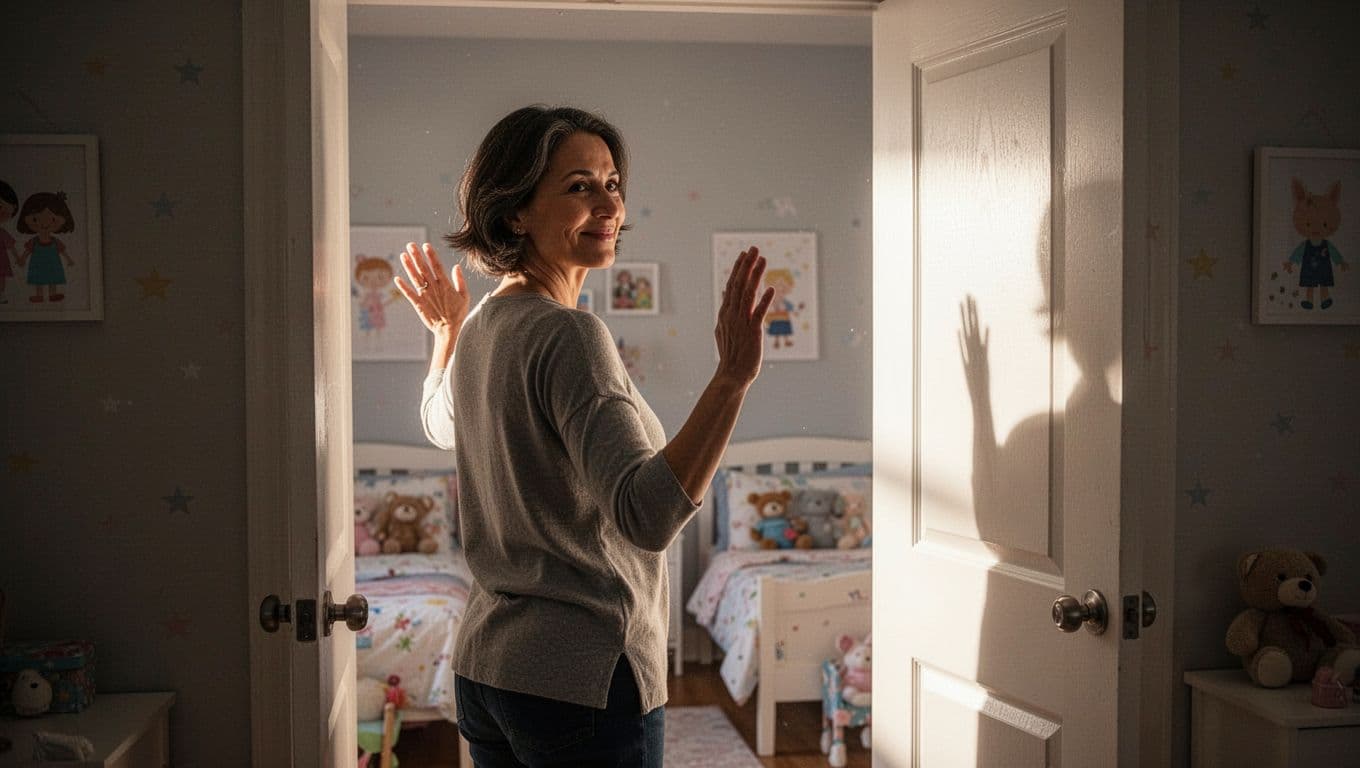
It may feel easier to slip out while your baby is distracted, but that usually creates more fear later. When a baby notices you vanished without a goodbye, the world feels less predictable. Next time, they may cling harder, watch you more closely, or cry before you even move.
A simple goodbye builds trust. Even if there are tears, your baby learns a clear pattern: you leave, and you return. That lesson matters more than a painless exit in the moment.
Why your own calm matters
Babies read your face, your voice, and your energy before they understand your words. If you look panicked, rush the moment, or sound uncertain, your baby may feel that tension right away. On the other hand, a steady tone can help them borrow your calm.
You do not have to feel perfect inside. You just need to look confident on the outside. A short, warm phrase, a soft smile, and a firm routine can help your baby settle, much like the advice in HealthyChildren’s separation anxiety tips.
Avoid these habits when your baby is upset:
- making goodbyes long and dramatic
- changing the routine every day
- acting frightened or guilty
- rushing your baby to stop crying
- punishing or shaming them for clinging
A baby who feels upset needs steadiness, not pressure. Keep the goodbye brief, keep your voice gentle, and let the routine do its work.
When to get extra help and what to watch for
Most baby separation anxiety softens with time, patience, and a steady routine. The tears may still come, but they usually get shorter and easier to comfort as your baby learns that goodbyes end. Still, some patterns deserve a closer look, especially when the distress feels bigger than the situation.### Signs the anxiety may be more than a normal phase
A little crying at drop-off is common. However, severe distress that does not ease, panic that lasts a long time, or fear that shows up every day can point to a bigger issue. If your baby refuses to sleep, barely wants to eat, or seems upset to the point that family routines fall apart, it is time to pay attention.
Watch for signs like:
- crying that stays intense long after you return
- repeated sleep problems tied to separation
- feeding troubles or a clear drop in appetite
- vomiting, stomach upset, or other physical stress signs
- distress that keeps going for weeks instead of easing
If you are unsure, talk with your pediatrician. A quick conversation can bring peace of mind and help you rule out other causes. The signs of baby overstimulation can also look similar at times, so it helps to check the whole picture.
For a helpful outside reference, Children’s Hospital of Philadelphia explains when separation anxiety stays within the normal range and when it needs more attention.
How to support yourself while helping your baby
Your baby reads your calm, so your own support matters too. If you are running on empty, every goodbye feels harder. Rest when you can, ask for help, and keep your expectations realistic on rough days.
Some parents need reassurance as much as their babies do. That does not mean you are failing, it means caregiving is heavy work. A calmer parent often makes a calmer baby, because your tone, pace, and presence set the rhythm for the moment.
Conclusion
Baby separation anxiety is a normal part of growing attachment, and it does not mean you are doing anything wrong. Your baby is learning that you leave, and that you always come back.
Keep goodbyes short, use the same routine each time, and practice small separations when you can. Comfort, calm, and consistency give your baby a steady signal that this moment is safe.
This phase usually gets easier as your baby learns that goodbyes are temporary and love stays put, even when you step away.
Save pin for later


- What Causes a Flat Head Shape in Babies? - September 20, 2026
- Baby Massage for Gas Pain: Step-by-Step Instructions - September 20, 2026
- Newborn Skin Peeling: Common Causes and Warning Signs - September 20, 2026