

Can white noise for babies help your little one sleep, or is it just another nursery trend? For many babies, the answer is yes, because steady sound can soften startles and make bedtime feel less abrupt. Still, it doesn’t work the same way for every child, and how you use it matters.
If your nights feel broken by tiny wakings and long stretches of rocking, you’re not alone. Used the right way, white noise can be a simple sleep aid, but it also comes with safety rules and a few trade-offs, much like other proven methods for better baby sleep.
The key is finding out when it helps, when it doesn’t, and how to keep it safe enough for everyday use.
What white noise does for a baby’s sleep
White noise gives a baby a steady sound backdrop that can make sleep feel less fragile. Instead of a quiet room where every tiny sound stands out, the background stays smooth and familiar. That can help some babies relax, especially when bedtime happens in a busy home.
It also softens the little jolts that wake babies up. A door closing, a sibling talking, or a car passing outside can feel loud in a nursery. White noise helps blur those sharp sounds so the room feels more settled.
Why steady sound can feel calming
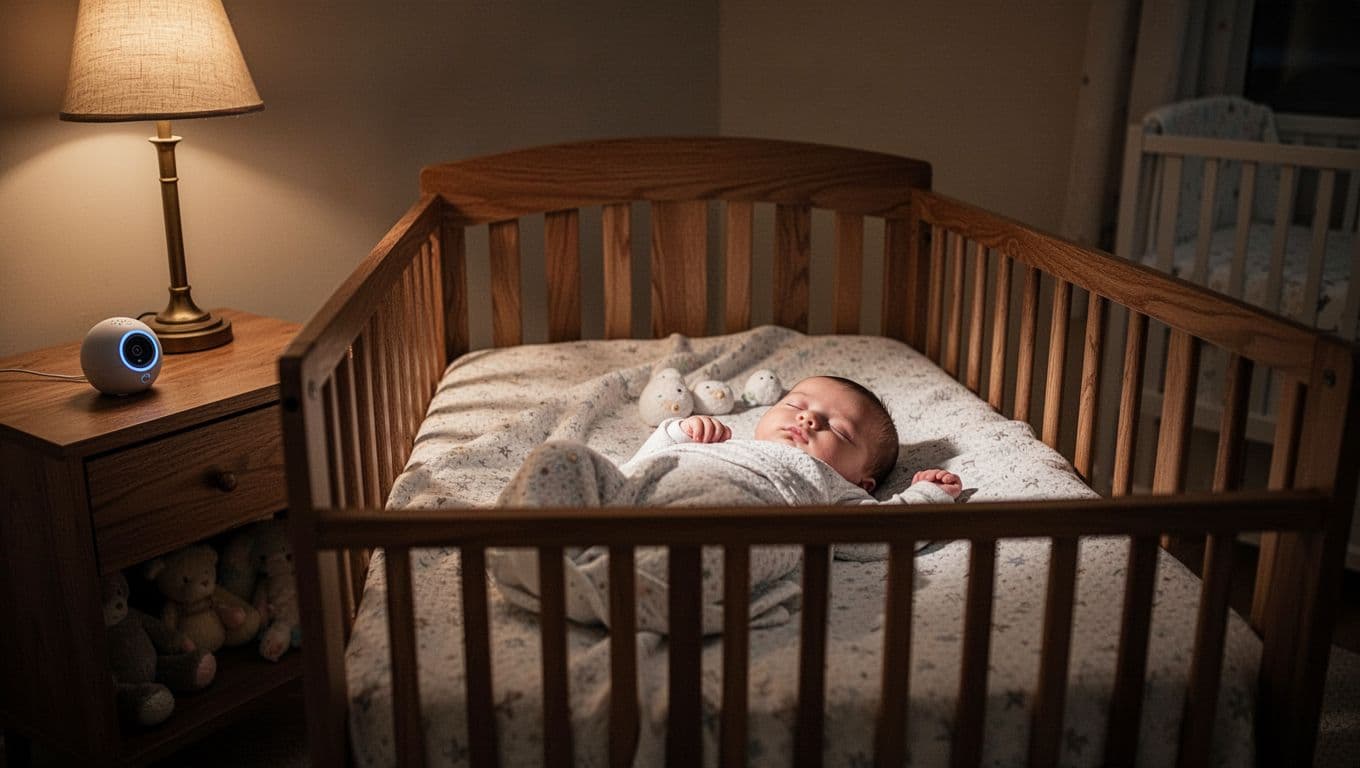
Babies spend months in a noisy womb-like environment. They hear a constant mix of movement, blood flow, and muffled outside sound. That is one reason a gentle, steady sound after birth can feel comforting instead of strange.
White noise works best when it stays even. It does not surprise the baby the way silence can, especially in a house with sudden bursts of noise. A fan, sound machine, or soft static sound can create a familiar background that helps a baby ease into sleep.
For naps and bedtime, that kind of sound can act like a soft curtain over the room. It won’t solve every sleep struggle, but it may help a baby settle more quickly and stay calmer during light sleep.
How white noise may help babies fall asleep faster
Some studies suggest that white noise can help babies fall asleep sooner, especially when the room is noisy. One small study found that babies in the white noise group settled faster than babies without it, which supports what many parents notice at home. A recent review on white noise exposure during sleep also points out that it can mask sudden sounds, though it should be used carefully.
That said, the evidence is helpful, not perfect. Different studies use different methods, and babies are not all the same. Still, the pattern is clear enough to make white noise a useful tool for some families, especially when household noise keeps interrupting sleep.
Why it may work better for some babies than others
Every baby has different sleep needs. Age, temperament, room setup, and overall noise levels all matter. A newborn in a noisy apartment may respond very differently from an older baby sleeping in a quiet room.
For example, a baby who startles easily may calm down with steady sound. Another baby may ignore it completely. Room size, crib placement, and how loud the machine is can also change the result. If your baby already sleeps well, white noise may not add much. If your baby fights sleep, a calming routine paired with gentle crib-sleep habits may help more than sound alone.
White noise is one tool, not a promise. Some babies love it, some barely notice it, and some sleep better without it.
What the research says about white noise for babies
The research on white noise for babies points in two directions at once. A few studies show that some newborns fall asleep faster with steady sound, and some sleep longer when the room is busy or noisy. At the same time, the full body of evidence is still small, so white noise is helpful for some families, not all.
The good news from infant sleep studies
Some infant studies do support white noise as a sleep aid. In one small study, most newborns exposed to white noise fell asleep within minutes, faster than babies in the control group. That kind of result matches what many parents notice at home, especially when a baby is startled by normal household sounds.
White noise can also help in a noisy setting. If your home has a barking dog, hallway noise, or older kids moving around, a steady sound may make the sleep space feel calmer. For babies who wake at every little bump, that background hum can act like a soft shield.
A practical takeaway is simple. When the room is noisy, white noise may help a baby settle more easily and stay asleep a little longer. The effect is often strongest in the first months of life, when babies are still sensitive to sudden sounds.
Why experts still call the evidence mixed
The problem is that not every study finds the same result. Some babies respond well, while others show little change. Reviews of the research often describe the benefit as small, limited, or uneven, which means white noise is not a sure fix for sleep trouble.
Context matters a lot. A baby in a quiet room may not need it, while a baby in a loud apartment might respond better. Volume, distance, age, and the baby’s own sleep habits all change the outcome.
A recent review on white noise exposure during sleep also reminds parents to be careful with how the sound is used. White noise can help mask background noise, but it should stay at a safe level and away from the crib.
White noise may help, but the benefit is not automatic. The setup matters as much as the sound itself.
For families who want a broader view of baby sleep challenges, why your baby fights sleep can help connect the dots between timing, routine, and sleep resistance.
What parents should take from the science
The best rule of thumb is this: white noise is worth trying, but treat it as one tool, not the whole answer. It can support a bedtime routine, soften background noise, and help some babies relax. It won’t replace feeding, comfort, timing, or a consistent sleep routine.
If it helps your baby, keep it simple and safe. If it doesn’t, don’t force it. The science gives white noise a place at the table, but not the last word.
How to use white noise safely in a baby’s room
White noise can make a nursery feel calmer, but the setup matters as much as the sound itself. A machine that is too loud, too close, or left on without thought can turn a helpful sleep aid into a risk. The goal is simple: keep the sound soft, keep the machine away from the crib, and use it with care.
A baby’s room should sound gentle, almost like a hush in the background. It should not feel like a speaker at a party. When white noise is used well, it blends into the room instead of taking it over.
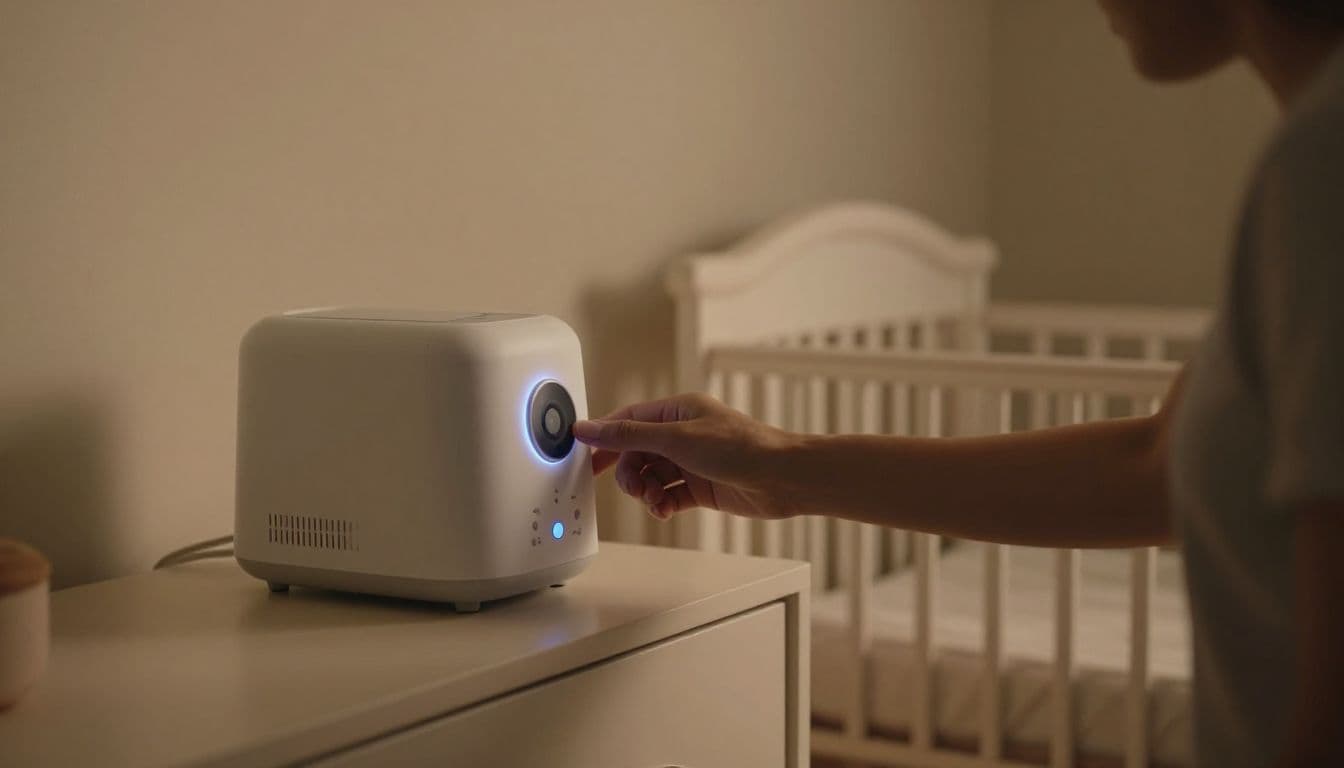
Keep the volume low enough for a nursery
Louder is not better when it comes to baby sleep. The safest approach is to keep white noise soft enough that it fades into the room, not loud enough to dominate it. Many parents use the sound to cover sudden noises, but it should still stay gentle on little ears.
A practical target is around 50 decibels or less. That level is closer to a soft shower or a quiet conversation than a loud fan. If you need to raise your voice over the machine, it’s probably too loud.
A few quick checks help:
- Stand near the crib and listen. If the sound feels strong or sharp, turn it down.
- Compare it to normal room noise. White noise should sit underneath it, not above it.
- Trust your instincts. If it sounds big in a small room, it’s too much.
For more detail on safe sound levels, this overview of infant white noise safety gives a helpful starting point. The main idea stays the same, though, keep it low and steady.
Place the machine at a safe distance
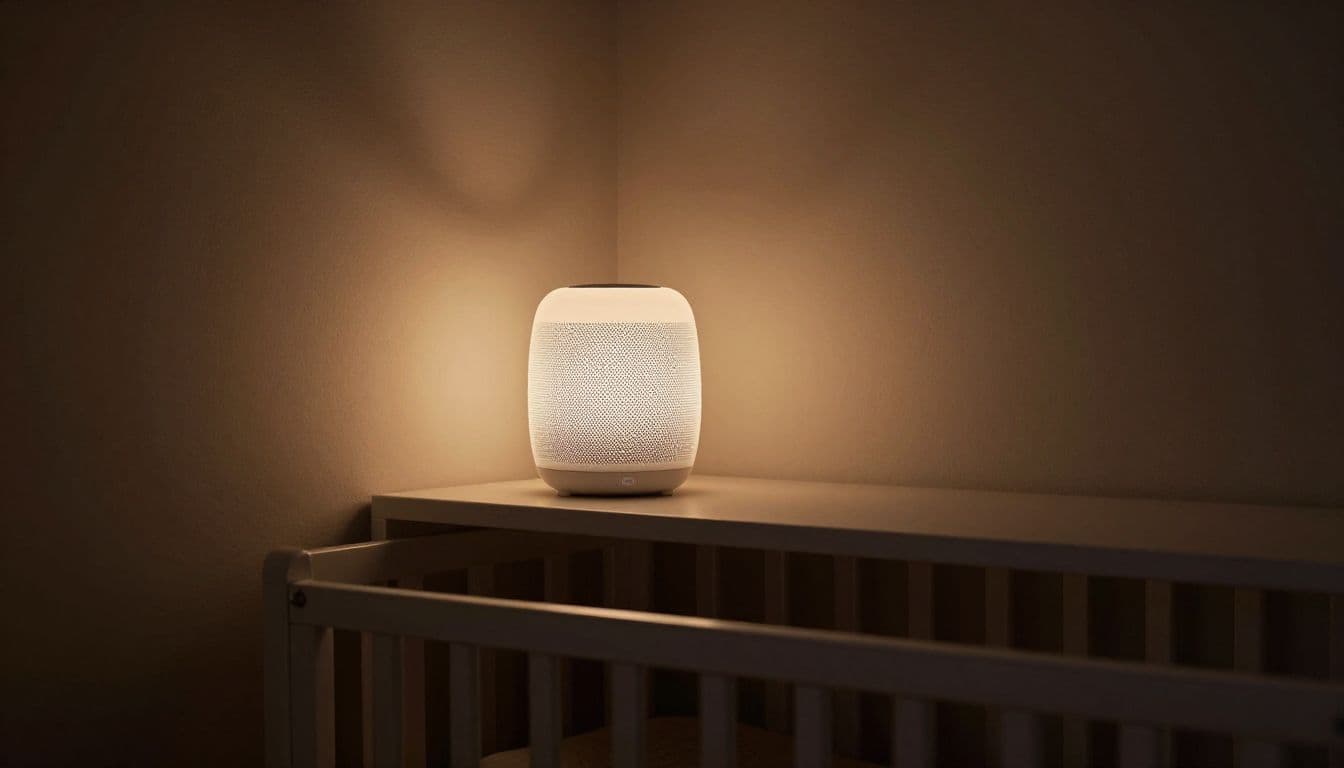
Put the device away from the crib or bassinet, not right beside the baby’s head. Distance matters because sound gets stronger when it sits close to a sleeping child. A machine on a dresser, shelf, or table across the room is a much better choice.
If possible, keep it several feet from the crib. That extra space softens the sound and lowers the direct exposure. It also keeps cords, plugs, and small parts out of the sleep area.
A simple rule works well here:
- Place the machine across the room when you can.
- Keep it well out of arm’s reach.
- Never rest it on the crib rail or bassinet edge.
White noise should feel like background weather, not a bedside speaker. Once it sits at a safe distance, it is easier to keep the volume controlled and the nursery calm.
Avoid running it all night at high volume
White noise should be used carefully, with attention to both sound level and time. Safe use matters more than constant use. A machine that runs loudly for hours can create more concern than comfort, especially if the room is already quiet.
That does not mean you must avoid it completely. It means you should treat it like a sleep tool, not a permanent wall of sound. Keep it on the lowest helpful setting, and check it now and then instead of assuming the same setting works forever.
A good habit is to ask yourself:
- Is the sound still low?
- Is the machine still in the right place?
- Does my baby still need it for this sleep stretch?
If you want to read more about how white noise is used in infant sleep, this guide on sound machines for babies explains the basic safety questions parents ask most often.
Used wisely, white noise can support sleep without overwhelming the room. Keep it soft, keep it far from the crib, and keep an eye on both volume and time. That balance is what makes it feel helpful instead of risky.
Signs white noise is helping, and signs it is not
White noise should make sleep feel easier, not more complicated. After a few nights, you can usually tell by watching how your baby settles, how often they wake, and how they react when the sound is on. The clues are often small at first, but they add up fast.
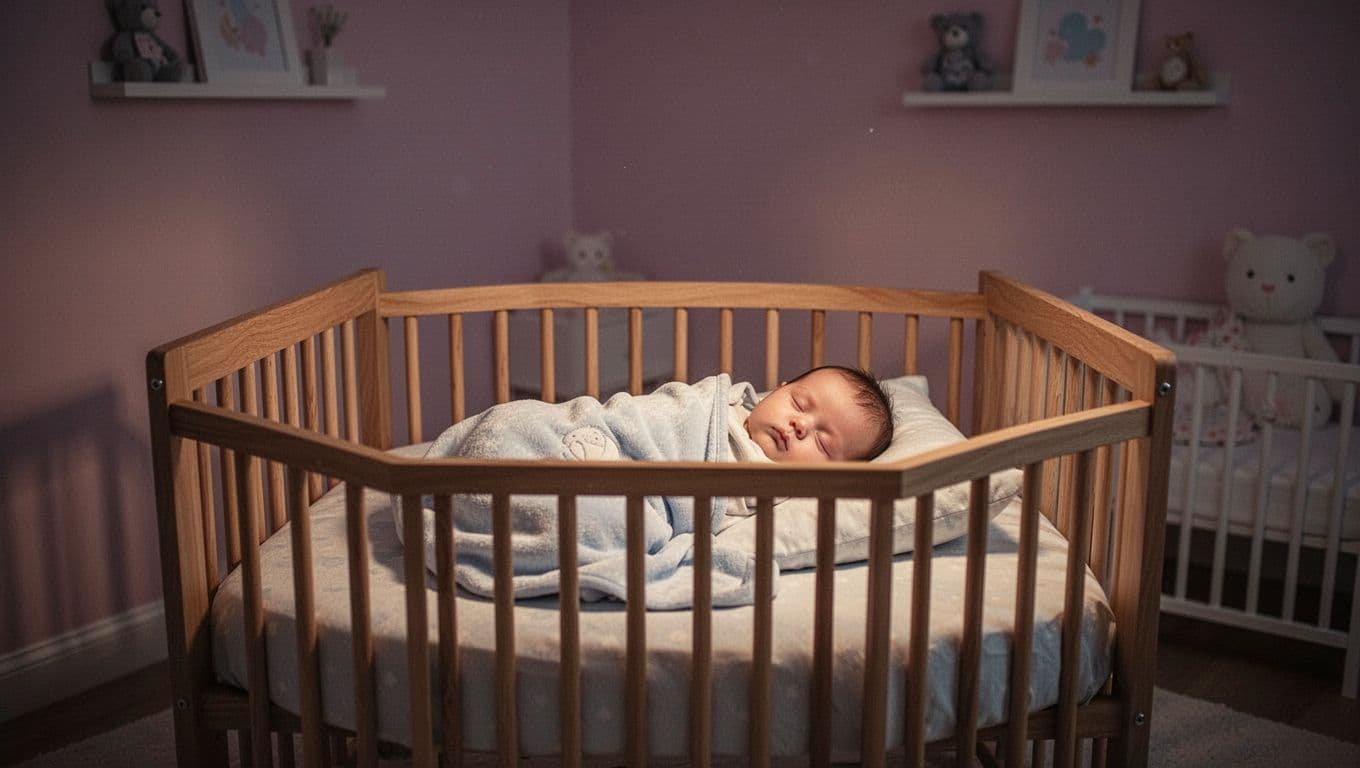
Clues that your baby likes it
A baby who likes white noise often looks more settled at bedtime. You may notice less squirming, fewer long cries, and a calmer drift into sleep. Naps can also become more reliable, especially if your home gets loud during the day.
Another good sign is fewer wake-ups from sudden noise. If the dog barks, a door shuts, or a sibling passes by, your baby may sleep through sounds that used to trigger a stir. That kind of change matters because it means the background noise is doing its job.
Watch for these signs over several nights:
- Easier naps that start with less fuss
- Shorter bedtime battles and less crying before sleep
- Fewer startles from normal household sounds
- Longer sleep stretches after the machine turns on
- A calmer mood during the wind-down routine
A baby who responds well may also seem to expect the sound as part of sleep. That can be useful when paired with a steady routine, like the kind in a calm nighttime routine for babies. The sound becomes one small cue in a familiar pattern, like a soft bell before bed.
Clues that it may be making things worse
Some babies do not relax with white noise at all. Instead, they stay tense, cry more, or seem annoyed by the sound. If your baby looks more unsettled after you turn it on, that is a real signal, not something to push through.
You may also notice no real change in sleep. The bedtime struggle stays the same, naps still fall apart, and night waking keeps happening just as often. In some cases, sleep gets worse because the sound feels too harsh, too loud, or too constant.
A few warning signs are easy to spot:
- More crying after the noise starts
- No better sleep after several nights
- More wake-ups when the sound stops
- Restless movements or irritated behavior
- Only sleeping with loud sound, which can be a problem
If sleep gets worse, it’s okay to stop using white noise. A sleep aid should calm the room, not add another layer of stress.
If your baby seems bothered, turn it off and give the room a quieter setup. You can also pair sleep with gentler cues, like those used in newborn settling strategies, instead of forcing a sound that clearly isn’t helping.
When to try a different sleep aid instead
If white noise does not help after a fair try, switch gears. A darker room can work well for babies who get distracted by light. A simple bedtime routine can also help, because babies often sleep better when the same steps happen in the same order each night.
Other gentle options may fit better:
- A dark room with low light and fewer visual distractions
- A consistent bedtime routine with feeding, diaper change, and quiet time
- Rocking for short stretches, if your baby still needs help calming down
- Swaddling, when age-appropriate and done safely
- A pacifier, if your family already uses one
If your baby settles better with touch than sound, follow that lead. Sleep tools are supposed to fit your baby, not the other way around. Pay attention to what actually lowers the tension in the room, then build from there.
Simple ways to make bedtime calmer without relying on white noise alone
White noise can help, but it works best as part of a bigger sleep setup. A baby settles more easily when the whole room feels predictable, soft, and low-key. Small habits, repeated the same way each night, often do more than one sound machine ever could.
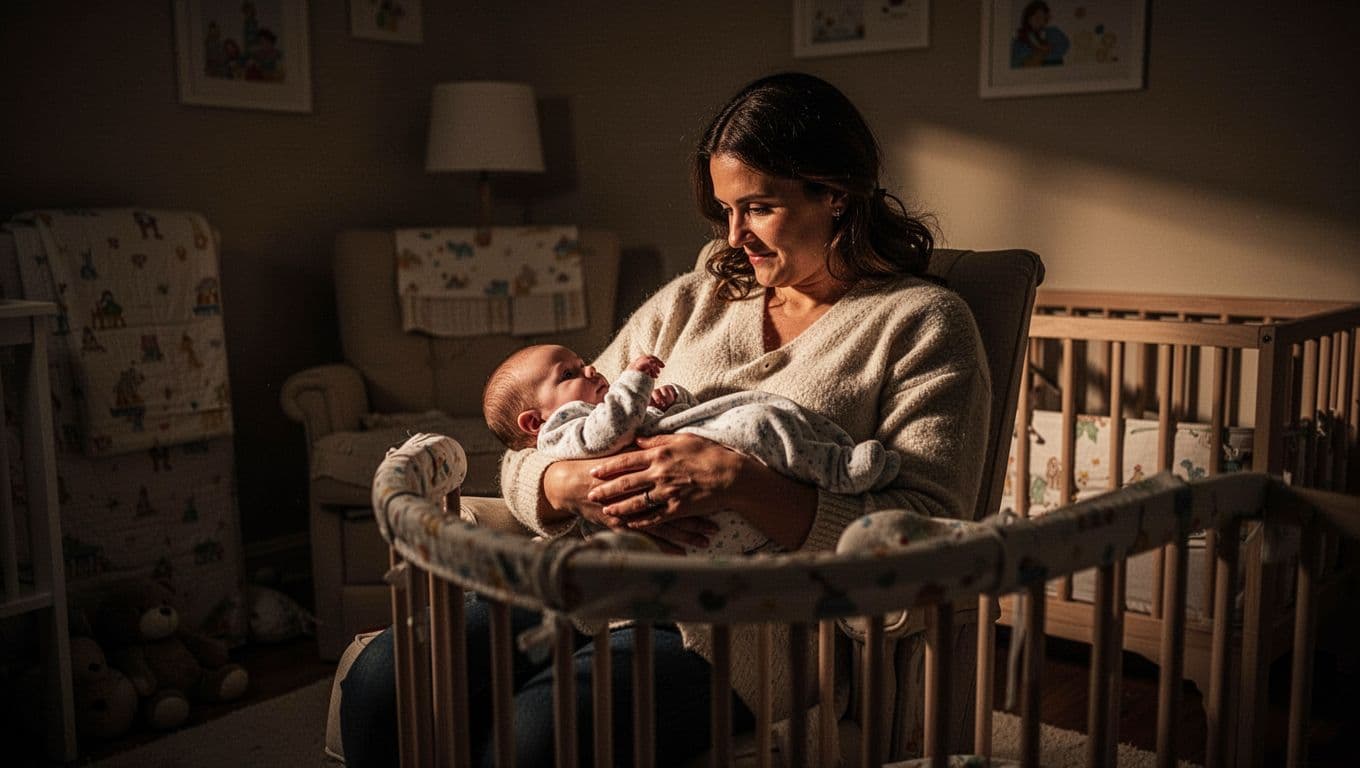
Build a repeatable bedtime routine
Babies feel safer when the evening follows a familiar pattern. A simple routine tells your baby that sleep is near, the same way a favorite song signals the start of a car ride. It does not need to be fancy, and it should fit real life.
Keep the steps short and steady. For example, you might do a diaper change, a feed, a cuddle, and then place your baby down drowsy but calm. The order matters more than perfection, because repetition helps your baby connect those steps with sleep.
A routine works best when you keep it easy to repeat on tired nights. If bath time feels like too much, skip it. If your baby gets fussy after too many changes, trim the routine until it feels smooth instead of rushed.
A few simple habits can help:
- Keep bedtime around the same time each night.
- Use the same voice and tone as you wind down.
- Dim the lights before the last feed or diaper change.
- End with one quiet cue, like a song or short lullaby.
For more support with sleep-friendly routines, the NHS baby sleep guide also recommends keeping nights calm and low-stimulation. That same idea fits here, because consistency gives your baby fewer surprises to fight.
A calm bedtime routine works like a soft bridge. It carries your baby from active time into sleep time.
Make the room sleep-friendly
The room itself can either help or fight bedtime. Even with white noise, a bright, hot, or restless room can keep a baby alert. A peaceful sleep space lowers the need for extra tricks later.
Start with darkness. Close curtains, dim lamps, and reduce screen light before bed. Babies often settle better when the room feels different from daytime, and that change helps their body get the message.
Then check the temperature and overall comfort. A room that feels too warm can make sleep harder, while a cool, comfortable room supports rest. Clean sheets, a safe sleep space, and simple bedding all matter too.
It also helps to reduce sudden noise before your baby falls asleep. Close a door, turn down loud devices, and keep voices soft. White noise can still play a part, but it works best when the room already feels restful. A gentle background sound should blend into calm, not cover chaos.
If you want a useful starting point, baby bedtime routine tips show how feeding, timing, and a quiet atmosphere work together. That same rhythm can make bedtime feel less bumpy at home.
A sleep-friendly room usually includes:
- Low light or darkness
- A comfortable room temperature
- Soft, familiar bedding
- Less sudden noise from the home
- A quiet, steady atmosphere
Choose calming habits that fit your baby
Not every baby responds to the same soothing style. Some relax with rocking. Others prefer a pacifier, a hand on the chest, or a short lullaby. Watch your baby’s cues and follow what actually brings the shoulders down and the crying down.
If your baby rubs their eyes, turns away, or gets fussy after too much stimulation, that is your cue to slow things down. Keep the routine gentle and stop before your baby gets overtired. Once a baby is too wired, even the best bedtime plan can feel like a tug-of-war.
Parents often get better results when they focus on comfort first. A calm feed, a fresh diaper, a little rocking, and a quiet room can do a lot. For newborns, swaddling may also help if it is safe and age-appropriate, while older babies may settle better with a pacifier or soft patting.
Try to treat bedtime like a quiet conversation, not a performance. If one habit seems to stress your baby, drop it and try another. The best routine is the one your baby can settle into without a fight.
When you pay attention to your baby’s response, bedtime becomes easier to shape. Some nights may still be rough, but a predictable, low-stimulus routine gives your baby a better path into sleep, with or without white noise.
Conclusion
White noise can help some babies settle faster and sleep through small household sounds. It can also bring a steadier feel to bedtime, especially when the house is busy and light sleep is easy to break.
Still, it is only a tool, not a guarantee. Keep the volume low, place the machine far from the crib, and watch how your baby responds over a few nights. If it helps, keep it. If it does not, change course without second-guessing yourself.
The best sleep setup is the one that helps both baby and parent feel calmer, safer, and more rested.
Save pin for later

- 15 Fun Learning Activities for Two-Year-Olds - September 20, 2026
- Easy Ways to Make Baby Sleep and Save Time - September 20, 2026
- How to Stop Using a Pacifier: Benefits and Weaning Tips - September 20, 2026