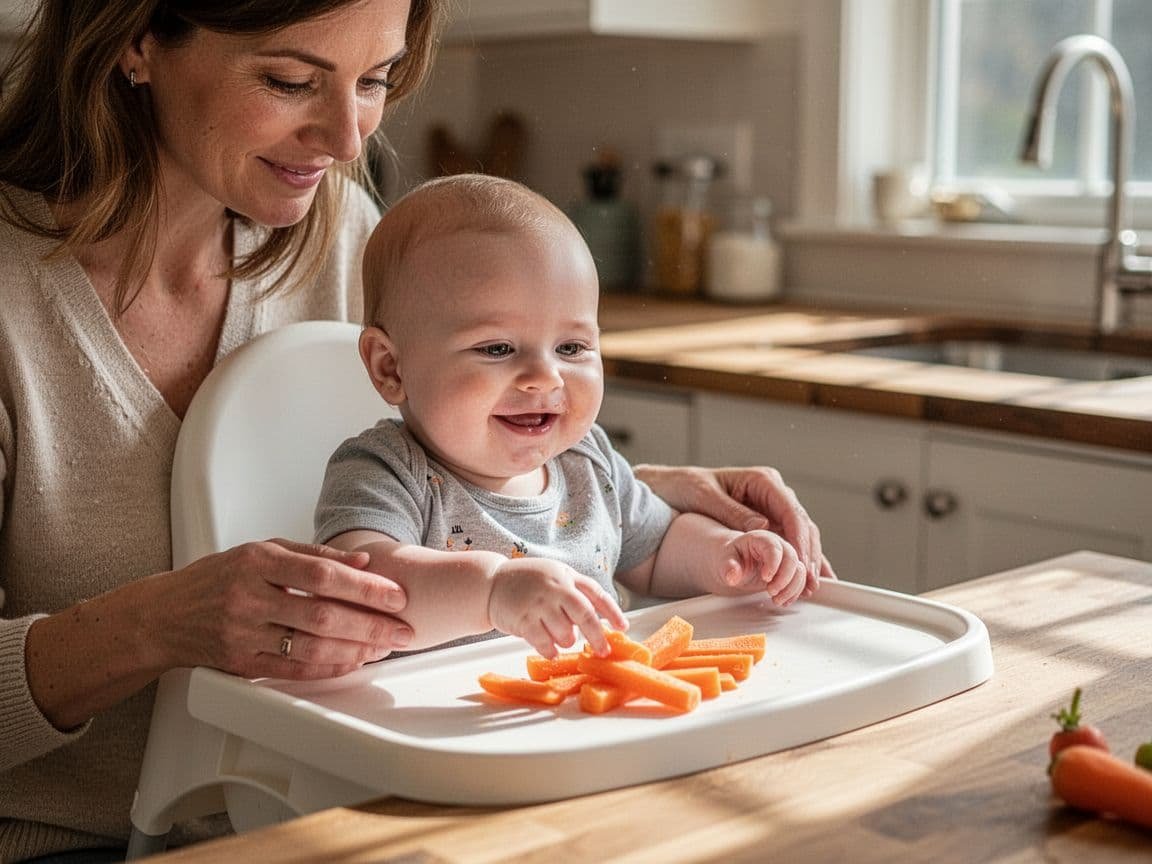
Starting solids can feel exciting and a little scary, especially when every spoonful seems to carry a dozen new questions. Baby-led weaning gives your baby soft foods to explore with their hands and mouth, while breast milk or formula still stays important in the early months.
Many new moms like this approach because it feels simple, family-friendly, and gives babies a chance to build confidence at the table. If you’re wondering when your baby is ready, how to start safely, what foods to offer, and how to handle choking fears without panic, you’re in the right place. Signs your baby is ready for solids is the best place to begin.
What baby-led weaning really means, and why so many parents choose it
Baby-led weaning, or BLW, is a feeding style where babies feed themselves soft, age-appropriate foods instead of being spoon-fed purees all the time. In simple terms, your baby gets to pick up food, bring it to their mouth, and explore at their own pace.
That freedom is the part many parents love. It can make meals feel more relaxed, more social, and more connected to everyday family life. It also gives babies a chance to practice handling food early, without turning the high chair into a battle zone.
### How BLW is different from traditional puree feeding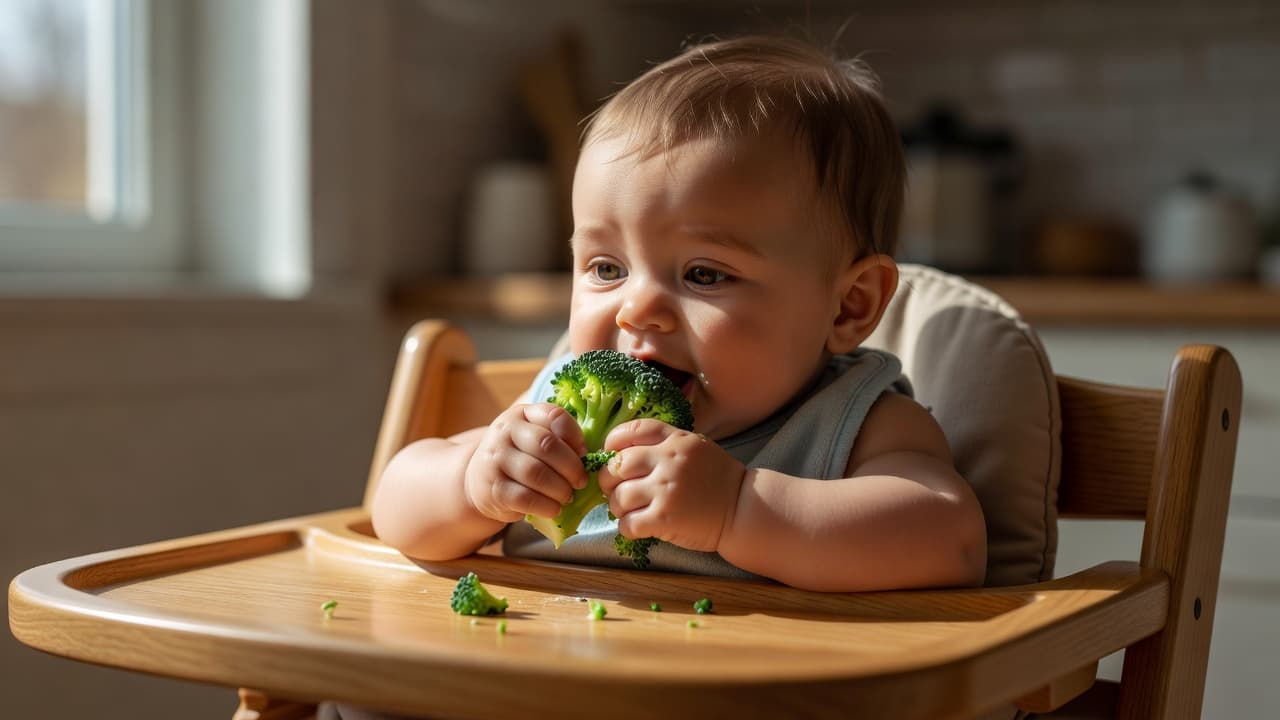
With traditional spoon-feeding, a parent usually offers smooth mashed foods and controls most of the meal. With baby-led weaning, the baby takes the lead by grabbing soft pieces like avocado slices, steamed carrots, banana spears, or toast strips.
That difference changes the whole feel of mealtime. One approach is guided by the spoon, while the other gives baby more hands-on practice with chewing, grasping, and deciding how much to eat. The CHOC guide to baby-led weaning vs. spoon-feeding breaks down those differences in a clear way for parents who want a side-by-side look.
Still, families do not have to pick one method and stay locked into it. Many parents mix both, offering purees some days and finger foods on others. That combo approach works well when you want flexibility without pressure.
There is no one perfect feeding path for every baby. The best routine is the one that fits your child, your comfort level, and your daily life.
The biggest benefits parents hope to see
Parents often choose BLW because it feels like a gentle way to build food confidence. Babies get repeated practice touching, tasting, and chewing, even if they only mouth a few bites at first.
The appeal usually comes down to a few simple things:
- Self-feeding practice: Babies learn how to hold food and move it to their mouth.
- Family mealtime inclusion: Your baby can sit with the rest of the family and eat similar foods, safely prepared.
- Early food confidence: Repeated exposure can make new textures feel less scary over time.
- More relaxed meals: Some parents like letting baby explore instead of managing every spoonful.
At the same time, BLW does not mean rushing solids or dropping breast milk or formula too soon. Milk still stays the main source of nutrition in the early months, and solids are more about practice at first. As babies grow, meals like these healthy meal ideas for 9-month-olds can help parents move from tiny tastes to fuller food play.
The goal is steady progress, not perfect bites. Every baby moves at a different pace, and that is completely normal.
Signs your baby is ready to start solid foods the BLW way
Readiness matters more than age alone. Many babies are ready around 6 months, but the real clues show up in their body and behavior. When your baby can sit with support, hold their head steady, and show interest in food, BLW becomes a much better fit.
At first, solids are practice. Milk still gives most of your baby’s nutrition, so these early meals are about learning, not filling the belly. The CDC’s guidance on solid foods and the AAP’s signs of readiness both point to the same idea, look for development first, then start slowly.
Readiness signs to look for at home
Keep this simple. If your baby checks most of these boxes, they may be ready to explore food the BLW way:
- Good head control so their head stays steady, not wobbly.
- Sitting upright with support in a high chair or on your lap.
- Reaching for food or grabbing at the spoon and plate.
- Opening the mouth when food comes near.
- Watching you eat with clear interest.
- Bringing toys or hands to the mouth, which shows growing hand-to-mouth control.
These signs often show up together. A baby who leans toward your plate, opens wide, and stays upright is giving you a clear message. The meal is no longer just about milk, it is becoming a chance to learn.
When to wait before starting
If your baby still slumps in a seat or cannot hold their head up well, hold off for now. BLW works best when a baby can sit upright and stay stable, because that position helps them handle food more safely and comfortably.
There is no prize for starting early. Waiting a little longer is completely fine, and it does not mean you missed your chance. Some babies need a few extra weeks before they are ready, and that patience often makes the first meals feel smoother for both of you.
If your baby pushes food straight back out every time, they may still be working through the tongue-thrust reflex. That is another sign to pause and try again later. Once those readiness cues settle in, mealtime feels less like a test and more like a small, happy step forward.
How to set up safe baby-led weaning meals at home
Safe baby-led weaning starts before the first bite reaches your baby’s hand. The setup matters just as much as the food, because a steady seat and a calm space help your baby focus on eating instead of wobbling, reaching, or getting distracted.
A good meal setup feels plain and peaceful. You want your baby upright, supported, and close enough to the table to stay part of the moment. You also want the room to be quiet enough for you to watch closely and notice what your baby is doing.
The safest way to seat your baby for meals
An upright high chair is the best place to begin. Your baby should sit tall, with the back supported and the hips stable, so swallowing feels easier and the body does not slump forward.
Slouching makes meals harder. When a baby folds at the waist or leans to one side, food can sit awkwardly in the mouth, and their movements become less controlled. A strong seat helps keep the head, neck, and torso lined up, which is why many BLW guides stress proper positioning, including good foot support and a secure fit in the chair. A helpful overview of safe high chair positioning explains why this setup matters so much.
Before every meal, check these basics:
- Feet supported on a footrest or firm surface
- Hips and knees bent in a stable position
- Back upright without sliding down
- Tray or table close enough for easy reach
- Harness snug, but not tight
If your baby looks slumped, scoot the seat, adjust the footrest, or pause until the position feels better.
How to reduce choking risk without making meals stressful
The safest BLW foods are soft enough to mash between your fingers. They should also be shaped so your baby can grab them easily, often in thick strips or large pieces that are simple to hold. Soft avocado, steamed carrot sticks, ripe pear slices, and tender sweet potato wedges are good examples.
Hard and round foods need extra caution. Skip raw apple, raw carrot, whole grapes, nuts, popcorn, hard candy, and similar foods that can block a small airway. Cut risky foods the right way, or leave them off the plate for now.
It also helps to know the difference between gagging and choking. Gagging is noisy and messy, with coughing or sputtering as your baby works food back up. Choking is quiet, and your baby may struggle to breathe or make no sound at all. That difference matters, because gagging is common during learning, while choking needs immediate action. The Solid Starts guide to gagging gives a clear breakdown of what that looks like.
Keep meals simple, watch your baby closely, and stay calm. Your goal is exploration, not perfection.
Best first foods for baby-led weaning, and how to prepare them
The best first foods for baby-led weaning are soft, simple, and easy for tiny hands to grab. You do not need fancy recipes or a long ingredient list. A ripe avocado, a banana spear, or a soft-cooked carrot can do the job well.
The goal is to offer foods that baby can gum, mash, and explore safely. Start with gentle textures, then build from there as your baby gets more comfortable at the table.
### Soft foods that work well for first bites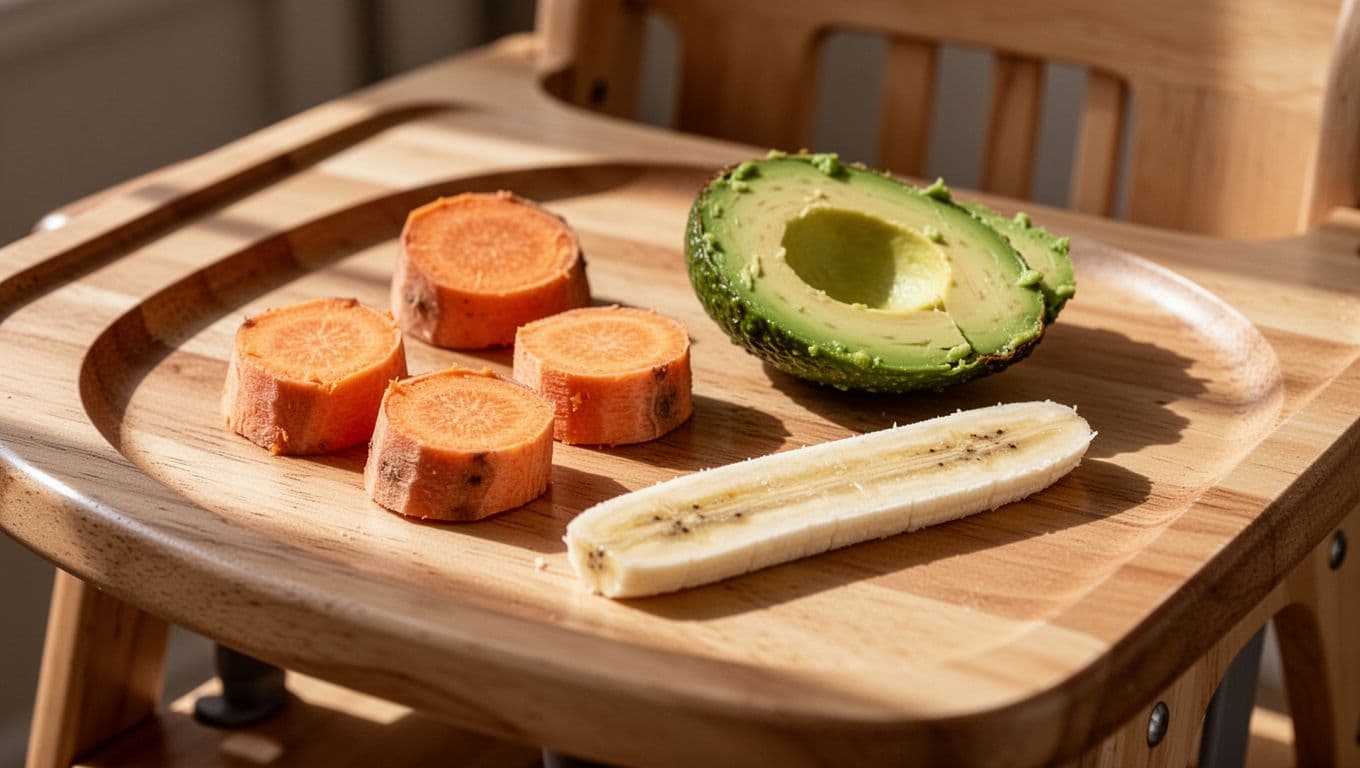
Some foods are easier than others for a beginner. The best ones are soft enough to squish between your fingers and shaped in a way your baby can hold.
A few strong starter choices include:
- Avocado: It is soft, creamy, and easy to grip in thick slices.
- Banana: Slightly ripe banana is gentle on gums and simple to hold in long pieces.
- Steamed sweet potato: It turns tender and sweet, which makes it a natural first food.
- Soft-cooked carrots: Once cooked until very soft, carrot sticks are easy to nibble and hold.
- Ripe pear or peach slices: These are juicy, mild, and soft enough for early self-feeding.
- Soft vegetables like zucchini or broccoli florets: They add variety and help baby get used to new textures.
- Scrambled egg: Soft scrambled egg is easy to handle and gives a nice, mild flavor.
These foods work because they do not fight your baby. They give a little resistance, then give way. For more ideas that fit early meals, easy baby breakfast ideas can help you mix soft foods into the morning routine.
If you can squish it easily with your fingers, it is usually a better fit for a first BLW meal.
How to cut and cook food for tiny hands
Preparation matters just as much as the food itself. Babies do best with pieces that are large enough to hold, but soft enough to break apart with gentle pressure.
Start by cooking most vegetables until tender. Steaming, roasting, or boiling works well, as long as the food ends up soft. Then cut it into finger-sized pieces, usually long strips or thick wedges, so your baby can wrap a hand around it.
A few simple prep rules help keep meals safer and easier:
- Steam or cook until soft so the food mashes easily.
- Cut into strips or spears instead of tiny pieces at first.
- Keep slippery foods grippable by leaving part of the peel on, when safe, or serving thicker cuts.
- Avoid hard, round, or small pieces that can slip into the mouth too fast.
- Serve one texture at a time when you are just starting out.
For example, a steamed carrot should be soft enough to press down between your fingers. A banana can be split lengthwise into thick strips. Broccoli works best when the floret stem acts like a little handle.
If you want a clear visual guide for safe serving sizes, this baby-led weaning guide shows how starter foods are often shaped for self-feeding. The main idea stays the same, make it soft, stable, and simple to grab.
Why iron-rich foods matter early on
Fruit and vegetables are a great start, but babies also need iron-rich foods as they grow. Around this stage, iron becomes more important, so it helps to include a few stronger options early instead of relying on fruit alone.
Good BLW-friendly iron sources include:
- Scrambled egg
- Soft meat strips, such as shredded beef or very tender chicken
- Beans or lentils, mashed slightly or formed into soft patties
- Iron-fortified infant cereal
- Tofu, cut into soft strips
These foods do not need to look complicated. A soft egg scramble, a spoonable bean mash, or a tender strip of meat can fit right into a baby-led meal. The key is to keep the texture soft enough for your baby to handle.
You can also pair iron-rich foods with soft fruit or vegetables to keep the plate balanced. A few slices of avocado beside scrambled egg, for example, make a simple meal that feels easy for you and satisfying for baby. When you want a broader look at safe first food ideas, solid-start baby-led weaning basics offers a helpful reference point.
A simple baby-led weaning routine that fits real life
A good BLW routine does not need to feel polished. It needs to feel repeatable, calm, and realistic for a tired parent who still has laundry in the basket and a baby who may only lick the food once.
At the start, keep the pressure low. One meal a day is enough, and some days the meal may end after a few squishes and a proud grin. That still counts.
### How much food to offer at the beginning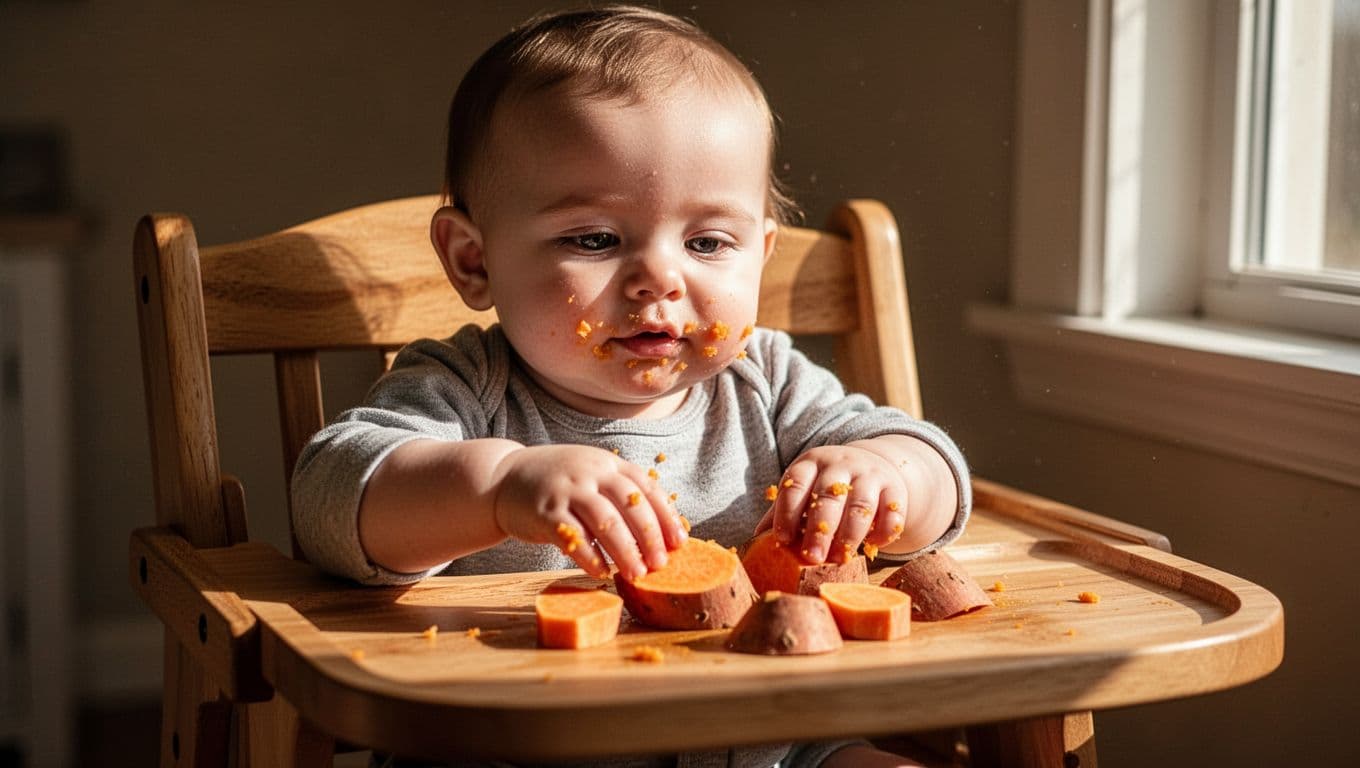
Start small. A few soft pieces on the tray are enough, because early BLW is about exposure, not intake. Your baby may grab the food, crush it, drop it, or lick it and move on.
That is normal. In fact, many babies eat very little at first because they are still learning how food feels in their hands and mouth. A meal can look tiny and still be useful.
A simple starting plate might include:
- 1 to 2 soft strips of one fruit or vegetable
- 1 iron-rich food, like scrambled egg or soft beans
- A small amount of water in an open cup, if your pediatrician says baby is ready
You do not need to pile the tray high. A few pieces are easier for baby to manage, and they keep the meal from feeling overwhelming. If baby finishes fast, you can offer more.
For more detail on tiny first portions, the NHS advice on first solid foods is reassuring and practical.
Early meals are practice sessions. A baby who plays with food is still learning how to eat.
How to balance breast milk, formula, and solids
In the beginning, breast milk or formula still does most of the work. Solids join the day as practice food, not as the main source of nutrition. That shift can feel strange at first, especially when the tray comes back nearly full.
A simple rhythm helps. Offer milk feeds on your usual schedule, then add one solid meal when your baby is alert and not overly hungry. Many moms find it easiest to serve solids after a milk feed or between feeds, so baby has enough energy to explore without getting upset.
If you want a reference point for milk feeding, how often to feed a newborn can help you keep the milk routine steady while solids are new.
A practical balance often looks like this:
- Keep breast milk or formula on demand or on your current schedule.
- Offer one BLW meal each day.
- Watch for interest, not big portions.
- Increase solids slowly as baby shows more skill.
A baby does not need to eat much solid food right away. According to baby feeding schedules from Solid Starts, early meals are still small and milk remains important during this stage.
What to do when your baby plays more than they eat
Expect mess. Food will get squished between fingers, rubbed into the tray, and dropped to the floor. Some babies stare at the food like it is a science project, then lick it once and declare victory.
That is part of the process. Play often comes before eating, and the two look almost the same in the beginning.
Try to keep the routine short and easy to repeat:
- Sit baby in the high chair at the same time each day.
- Offer one simple food and one backup option.
- Keep the meal calm, then end it after 10 to 15 minutes if interest fades.
- Clean up without turning it into a big event.
When the same small pattern repeats, baby learns what comes next. You also learn what works on busy days and what does not.
If a meal feels like a mini art project, that’s fine. Smearing, dropping, and licking are all part of the lesson. The goal is not a clean tray. The goal is a baby who keeps showing up, one small bite at a time.
Common worries new moms have about baby-led weaning
Baby-led weaning sounds simple on paper, but the first few meals can stir up a lot of second-guessing. One minute you feel ready, and the next you are staring at a piece of avocado like it holds all the answers.
That reaction is normal. Most new moms worry about choking, messy trays, tiny bites, and whether their baby is getting enough food. The good news is that BLW does not require perfection. It asks for calm setup, soft food, and a patient pace.### Is gagging normal, or is it something more serious?
Gagging is common when babies first learn to eat. It often sounds loud and messy, which can scare you, but it is usually your baby’s way of moving food back before it goes too far.
Choking looks different. A choking baby may be silent or unable to breathe well, and that needs urgent action. The American Academy of Pediatrics explains baby-led weaning safety in plain terms, and the key point is simple, gagging is part of learning, choking is an emergency.
If your baby is coughing, sputtering, or making noise, they are often still working the food out. If they go quiet and seem unable to breathe, act fast.
Over time, gagging usually gets less frequent as your baby builds skill with textures and chewing. For a step-by-step look at the difference, the NHS guide to gagging and choking is a useful reference.
What if my baby barely eats anything?
That is normal at the beginning. Many babies spend more time squishing, licking, dropping, and studying food than actually swallowing it.
Think of the first meals as practice rounds, not full plates. Repetition matters more than big portions, because your baby is learning how food feels, how to grip it, and how to move it around in the mouth. A few tiny bites can still be a win.
A simple early meal may include just a couple of soft pieces. You might offer banana, avocado, or well-cooked sweet potato, then let your baby explore without pressure. If most of the food ends up on the tray, that still counts as learning.
The BBC’s look at baby-led weaning risks and benefits also points out that early eating is often small and uneven. That is part of the process, not a sign that BLW is failing.
How to know if BLW is a good fit for your family
Every baby is different, and every home is different too. Some families love the hands-on feel of BLW, while others feel better using a mix of spoon-feeding and finger foods.
Mixed feeding can work very well. You might offer purees some days and soft finger foods on others, especially if that keeps meals calm and practical. The best approach is the one that feels safe, peaceful, and realistic for your baby and your routine.
A few signs BLW may fit your family:
- Your baby can sit upright with support.
- You feel comfortable watching closely during meals.
- You can prepare soft foods in simple shapes.
- You want a low-pressure start, even if it gets messy.
If any of those pieces feels shaky, that does not mean BLW is off the table. It may just mean you need a slower start. You can also talk with your pediatrician if you want help deciding what makes sense for your baby.
In the end, baby-led weaning should feel manageable, not like a test you have to pass. If you stay calm, keep the food soft, and let your baby learn at their own pace, you are already doing a lot right.
Conclusion
Baby-led weaning works best when you wait for clear readiness signs, keep the setup safe, and offer soft foods your baby can handle with ease. Breast milk or formula still matters, so those early meals are practice, not a race.
What matters most is a calm start. If your baby sits upright, shows interest in food, and gets a chance to explore without pressure, you are on the right track. Mess, gagging, and tiny bites are all part of learning, and they do not mean you are doing it wrong.
Baby-led weaning does not have to look perfect to work well. Trust the process, keep meals simple, and let your baby grow into it one small bite at a time.
Save pin for later

- Baby Massage for Gas Pain: Step-by-Step Instructions - September 20, 2026
- Newborn Skin Peeling: Common Causes and Warning Signs - September 20, 2026
- Sticky Eyes in Babies: Causes, Treatment, and Warning Signs - September 20, 2026