
It is natural to worry about what you feed your growing baby, but you can rest easy knowing that fat is a vital part of their diet. During the first year of life, babies need plenty of healthy fats to fuel their rapid physical growth, support brain development, and help their eyes mature.
Think of these fats as essential building blocks rather than something to fear. They also help your little one absorb key vitamins that keep their body working well. Whether you are understanding newborn hunger cues or transitioning to solids, adding nutrient-dense options ensures your baby gets the energy they need.
This guide highlights ten baby-friendly foods rich in healthy fats to help you feel confident at mealtime. Always consider your baby’s age and developmental stage, as texture and safety remain the most important parts of introducing new foods.
Why healthy fats matter so much in a baby’s first year
Fat is often misunderstood in adult diets, but for your baby, it is a primary fuel source. Babies grow at an incredible rate during their first twelve months. They need concentrated energy to support their developing bodies, which have different requirements than the diets adults typically follow. Healthy fats are not just extra calories. They serve as essential building blocks for your baby’s entire system.
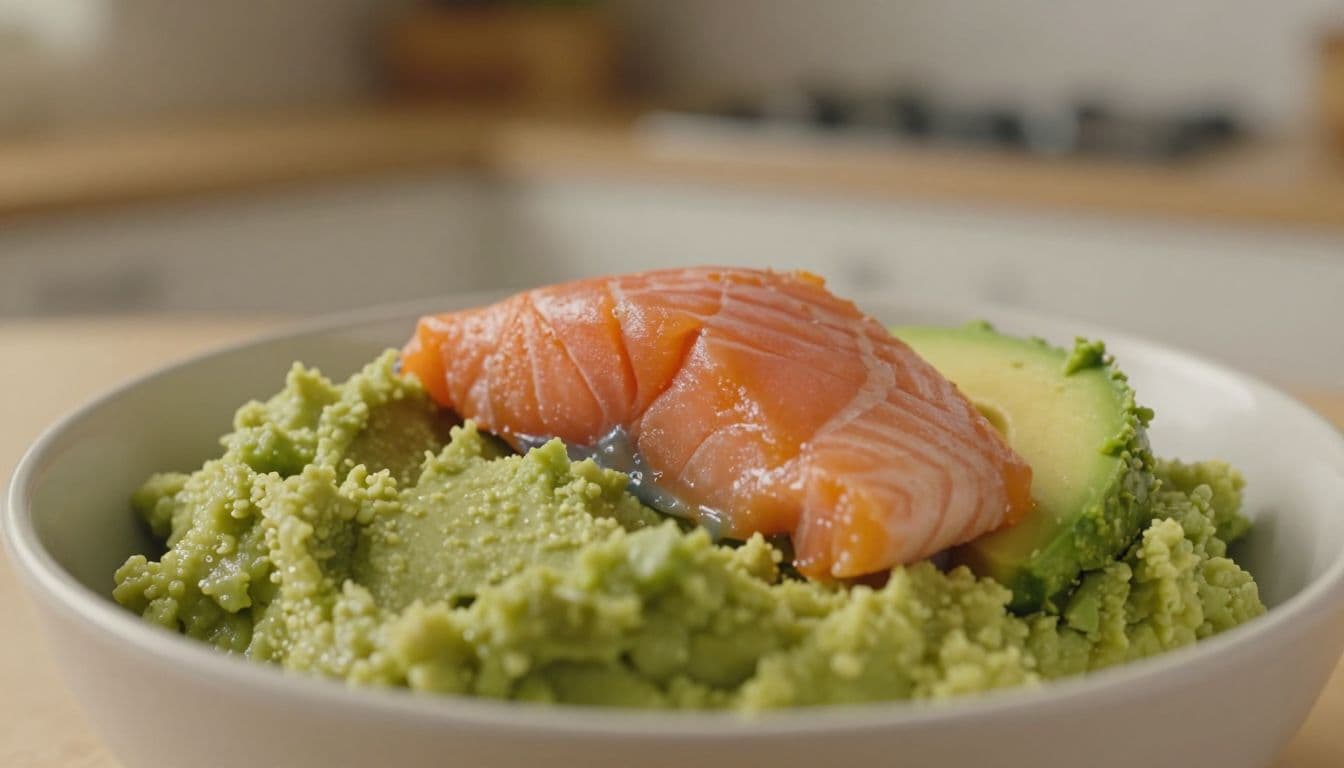
Brain and eye development need the right kind of fat
Your baby’s brain undergoes massive growth during the first year. A specific type of fat, known as DHA, acts like a premium construction material for this process. You can think of DHA as a support system that helps nerves connect and communicate. This communication is the foundation for learning, memory, and cognitive growth.
Healthy fats also play a major role in eye development. They help build the parts of the eye responsible for clear vision as your little one begins to explore the world. Scientists recognize these fats as important contributors to how the brain and eyes function over time, as noted in research on marine omega-3s for brain health. By including these fats in their meals, you give your baby the tools they need for healthy maturation.
Babies need fat for energy and vitamin absorption
Because babies are so active and growing so fast, they burn through calories quickly. Fat provides a dense, efficient energy source that helps keep your baby satisfied and alert. When they have consistent energy, they have the stamina they need to hit those big developmental milestones like crawling and standing.
Fat is also a key player in how the body uses nutrients. Certain vitamins—specifically A, D, E, and K—are fat-soluble. This means they cannot travel through the body on their own. They need fat to dissolve, move through the gut, and enter the bloodstream. Without enough fat in a meal, your baby might miss out on these vitamins, even if they eat a healthy variety of foods. If you are ever worried about your baby not getting enough nutrition, looking into tips for managing infant feeding refusal can help you ensure they stay on the right track for weight gain and overall growth. Pairing these healthy fats with colorful vegetables and proteins creates a balanced meal that supports a thriving, growing baby.
The safest ways to add healthy fat foods to baby meals
Introducing new textures and fats to your baby is a major milestone. Before you jump into these new additions, keep in mind that breast milk or iron-fortified formula remains the primary source of nutrition for the first year. Solids serve as a complementary way to explore flavors and gain essential nutrients. When you prepare these meals, focus on soft, easily manageable consistencies. Safety comes first, so avoid whole nuts, large chunks of fruit, or any hard foods that pose a choking risk. If you are struggling with your baby’s transition to solids, troubleshooting baby feeding difficulties can provide extra support and help you stay relaxed during this period of discovery.
Start with soft textures your baby can handle
Babies learn to chew and swallow by practicing with safe, smooth textures. Start by mashing or pureeing high-fat foods until they are completely lump-free. Avocado is a perfect first fat because its natural texture is buttery and soft without much effort. Simply fork-mash it until it reaches a pudding-like consistency. If you need to thin out thicker purees, stir in a splash of breast milk, formula, or water.
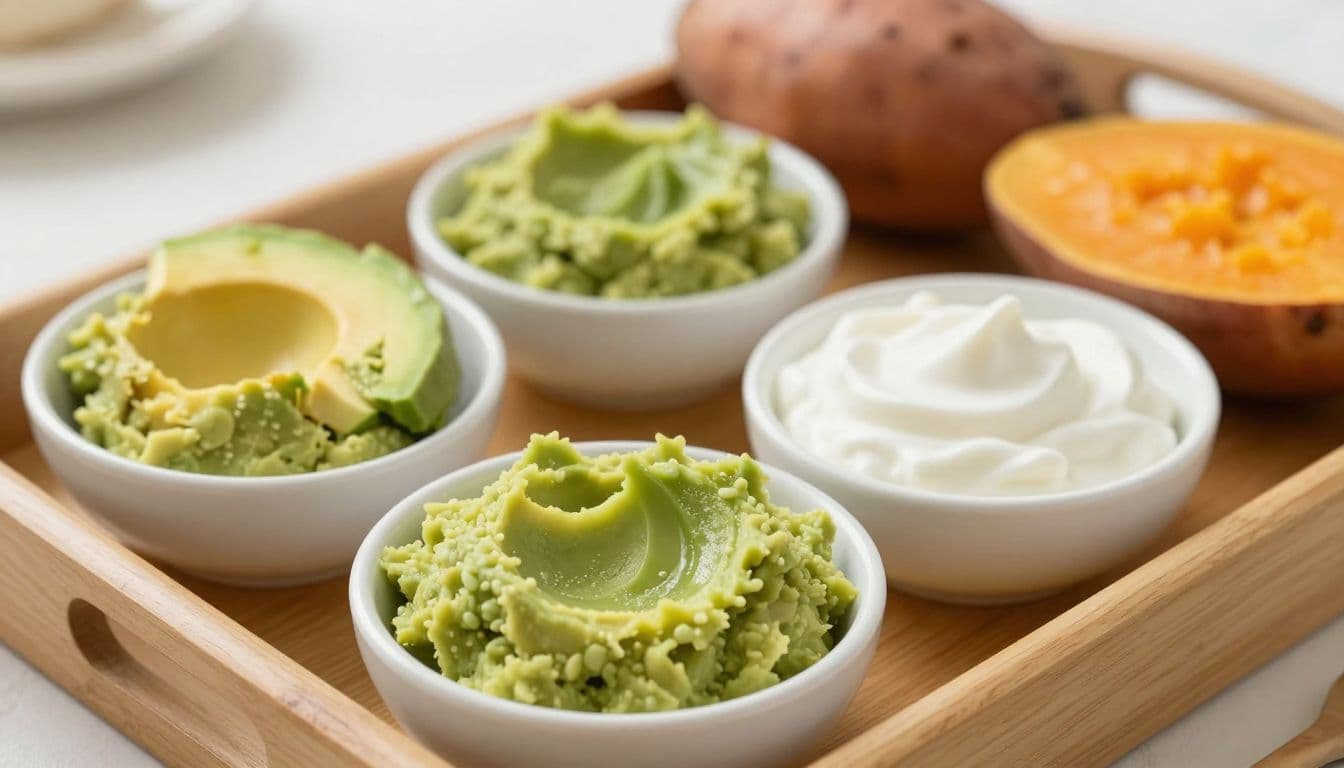
You can also create nutrient-dense blends by stirring healthy fats into other foods. For example, whisking a spoonful of plain, full-fat Greek yogurt into mashed fruit makes it creamier and more filling. Shredded meats should be finely ground and mixed with a little broth to ensure they are easy to swallow. These gentle preparations help your baby get used to new flavors while keeping every bite safe and easy to eat.
Watch for allergy signs and introduce new foods one at a time
When you begin adding common allergens like nut butters, eggs, or dairy, it is helpful to introduce them one at a time. This method allows you to easily track how your baby reacts to each new food. If you notice any concerning symptoms such as hives, swelling, or vomiting, stop feeding that food immediately and talk to your pediatrician. For most babies, early exposure is a positive step. Research indicates that introducing potentially allergenic foods alongside other solids around 6 months of age is a standard approach for healthy development.
Keep the process calm and focused on your baby’s comfort. If your child has a known allergy risk or if you have specific medical concerns, consult your doctor to create a personalized plan. They can offer guidance on which foods to prioritize and when to introduce them. Remember that every baby moves at their own pace, so follow your little one’s lead and enjoy these first steps into the world of diverse, healthy meals.
10 healthy fat foods that are gentle and nourishing for babies
Providing the right fuel is a cornerstone of early childhood development. When you look beyond standard fruits and vegetables, you find a world of nutrient-dense fats that support your baby’s rapid growth. These foods are not just calorically efficient; they provide the building blocks necessary for brain and nervous system maturation. Integrating these into your baby’s meals creates a foundation for lifelong healthy eating habits while keeping their energy levels steady throughout the day.
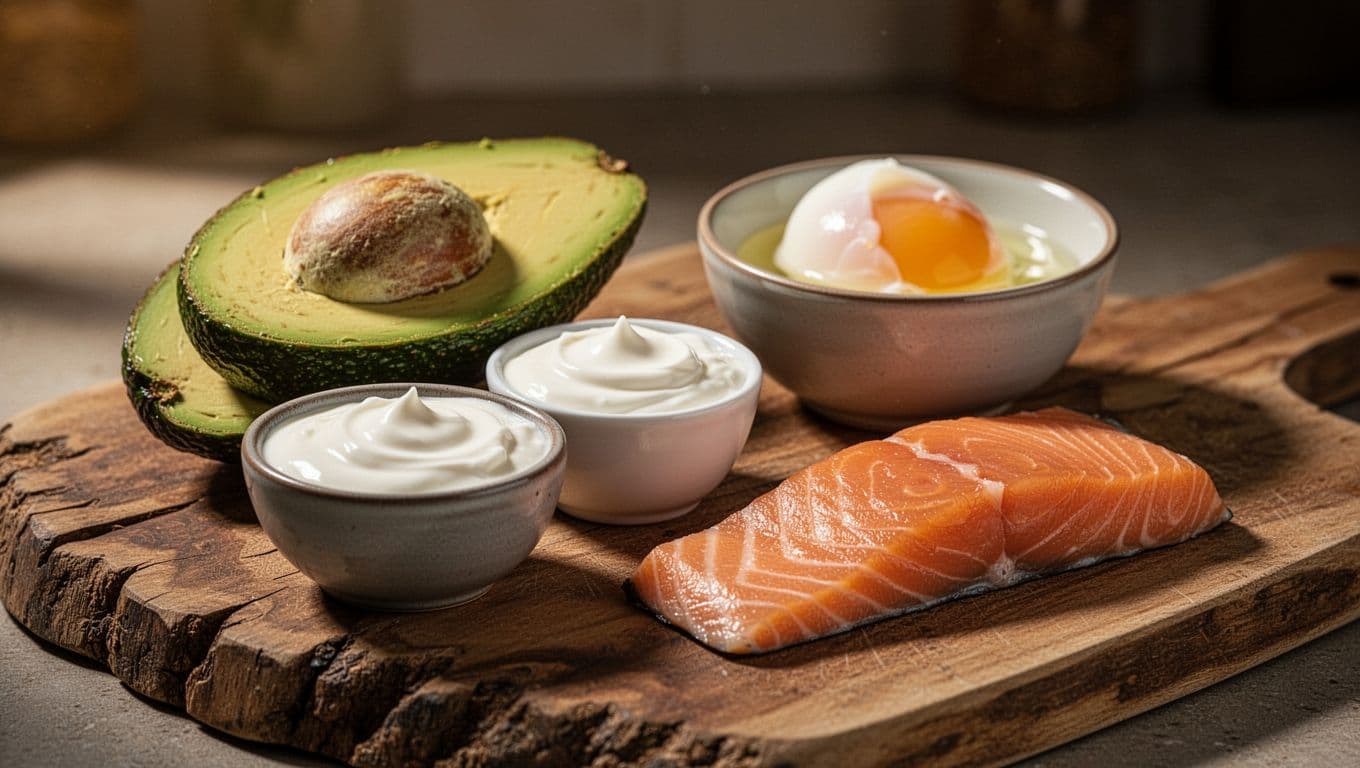
Avocado makes a creamy first fat food
Avocado is often the first food parents choose because it is naturally buttery and rich in monounsaturated fats. You don’t need to cook it, and its soft, malleable texture requires minimal effort for a baby to gum. Simply take a ripe avocado and use a fork to mash it until it reaches a smooth, lump-free consistency. If the texture feels too thick, stir in a drop of breast milk or formula to make it lighter.
Once your baby is comfortable with simple purees, you can get creative. Mixing avocado with mashed banana creates a sweet, creamy treat that feels like a decadent dessert. For older babies starting soft finger food ideas for infants, try spreading a very thin layer of mashed avocado onto small strips of soft toast. This allows them to practice their grasp while enjoying a nutrient-packed bite.
Breast milk and infant formula still matter most in early months
It is easy to get caught up in the excitement of solid foods, but remember that breast milk or iron-fortified formula remains the primary source of nutrition for the first year. These fluids are specifically formulated to provide the precise balance of fats, proteins, and minerals your baby requires for healthy maturation. Think of solids as a supplement that introduces new flavors and textures rather than a replacement for these foundational feeds. Even as your baby develops a taste for solid fats, their primary milk intake continues to do the heavy lifting for their daily caloric and nutritional needs.
Full-fat plain yogurt gives fat plus protein
Whole-milk, plain yogurt is an excellent addition to your baby’s rotation because it combines healthy fats with high-quality protein. Unlike low-fat or flavored varieties, plain whole-milk yogurt is free from added sugars and provides the dense nutrition growing bodies demand. The thick, cool consistency is naturally soothing on the gums and offers a pleasant change from warmer meals.
You can serve it plain or use it as a base to introduce new textures. Stirring in a spoonful of fruit puree adds a natural sweetness that encourages your baby to try new things. If you are looking for more ways to incorporate it into your easy baby breakfast recipes, try swirling a bit of thin, smooth nut butter into a bowl of yogurt. This combination provides a powerful nutrient boost in a single, baby-friendly serving.
Eggs offer healthy fats and important nutrients
Eggs are a powerhouse of nutrition, with the yolk containing the essential fats and vitamins that support rapid growth. When you introduce eggs, ensure they are fully cooked, as this eliminates any safety concerns and makes them easier for little ones to digest. Hard-boiling an egg until the yolk is firm is a classic approach. Once cooled, you can mash the yolk with a bit of breast milk or broth to create a smooth, nutrient-dense paste. For babies who are ready for healthy finger food recipes for toddlers, you can serve small, soft-scrambled pieces of a fully cooked egg. The key is to keep pieces small and manageable, ensuring your baby can comfortably move them around their mouth.
Salmon brings omega-3 fats in a baby-friendly form
Salmon is one of the most gentle ways to offer DHA and other omega-3 fatty acids, which play a major role in brain and vision health. According to guidance from Happiest Baby, fatty fish is a top-tier choice for your infant’s diet. To serve it safely, poach or steam the salmon until it is tender and flakes apart effortlessly. Take a moment to inspect the fish thoroughly, removing any bones, no matter how small. Once you have a bowl of delicate, flaked salmon, you can serve it on its own or mix it into a favorite vegetable puree. This simple preparation gives your baby all the benefits of high-quality fish without any of the risks of larger, firmer textures.
How to build balanced baby meals around healthy fats
Fat is only one piece of the nutritional puzzle. While it provides essential energy and brain-building support, your baby needs a variety of other nutrients to thrive. Think of fat as the foundation that helps the rest of the meal perform its best. By pairing healthy fats with iron-rich foods, colorful produce, and grains, you create a complete meal that keeps your baby satisfied and growing.
Pair fats with iron-rich foods for better everyday nutrition
Babies have high iron needs, especially after six months. Iron-rich foods like beans, lentils, eggs, and fish support healthy blood and brain development. However, these foods often have a lean profile. When you combine them with a healthy fat source, you make these nutrients easier for the body to absorb.
The fat acts as a helper, unlocking the vitamins stored in vegetables and grains. For example, adding avocado to a bowl of mashed beans creates a creamy, nutrient-packed dish. Similarly, serving flaked salmon alongside roasted sweet potato wedges offers both omega-3s and iron. You can also scramble an egg in a small amount of olive oil to add a boost of healthy fat to a protein-rich meal. Think of these combinations as a way to ensure every bite works harder for your baby’s growth.

Use small portions and let your baby lead the pace
It is natural to worry if your baby is eating enough, but keep in mind that their stomachs are quite small. They do not need large servings to get the nutrition they require. Start with very small portions, such as a single tablespoon of mashed avocado or a teaspoon of full-fat yogurt. Watching your baby for hunger and fullness cues is far more accurate than trying to measure specific ounces or cups.
If your baby turns their head away, arches their back, or starts playing with their food, they are likely finished for the moment. Trust these signals instead of pushing for that “one last bite.” This relaxed approach helps your baby develop a positive relationship with food. It also encourages them to recognize their own appetite, which is a great skill for their long-term health. Keep mealtime calm, and remember that some days they will eat more than others, which is perfectly normal.
A few common mistakes to avoid when feeding fats to babies
It is easy to get caught up in the excitement of adding solids to your baby’s diet. You want them to grow big and strong, so you might reach for the most convenient options on the shelf. However, not every product with a “healthy” label is actually good for a developing baby. Some common pitfalls can steer you away from the nourishing habits you intend to build. Focusing on whole, simple foods is the best way to ensure your little one gets exactly what they need.
Skip added sugar, heavy salt, and ultra-processed baby snacks
Modern grocery aisles are full of baby snacks that promise convenience and high nutrition. Many of these items are essentially empty calories. Sweetened yogurts, for example, often hide large amounts of sugar that your baby doesn’t need. These products can quickly condition your child to prefer overly sweet flavors over the natural, subtle taste of whole vegetables or grains.
Salty spreads and processed crackers also pose a problem. Their sodium levels are often far too high for a baby’s developing kidneys to handle. Even if a package says it is designed for babies, read the ingredients list carefully. If you see added sugars, syrups, or excess salt, put it back on the shelf. Instead of relying on these snacks, stick to natural fats like avocado, full-fat Greek yogurt, or even olive oil drizzled on steamed veggies. You are setting the foundation for your child’s palate, so choosing real food over convenient, ultra-processed alternatives is worth the extra effort.
Avoid risky textures and serving shapes
Safety remains your most important priority at mealtime. While you want to provide high-fat fuel, some textures can pose a choking hazard that is easy to overlook. Whole nuts are simply too hard and round for a baby to manage safely. Never serve them whole, as they can quickly lodge in the throat. Even thick, sticky globs of nut butter can be dangerous if given by the spoonful, as they are difficult for a baby to swallow.
Always thin out nut butters with a little water, breast milk, or warm cereal until the consistency is smooth and runny. You should also watch out for hard chunks of fruit or vegetables that haven’t been cooked or mashed properly. If a food is firm enough to pose a risk, use a fork or a blender to make it soft and pliable. Your goal is to offer nourishing fat in a form that melts or mashes easily against your baby’s gums. When you take these simple precautions, you create a calm environment where your baby can focus on learning to eat rather than struggling with a texture they aren’t ready to handle.
Conclusion
Healthy fats are a foundational part of your baby’s growth and daily energy. These nutrients support brain development, vision, and the absorption of fat-soluble vitamins. It is helpful to view these foods as building blocks rather than items to avoid or limit.
You can easily incorporate simple options like avocado, full-fat yogurt, eggs, and salmon into your baby’s meals. These textures are gentle on developing palates and provide dense nutrition in small portions. Consistency and patience are your best tools when introducing these new flavors. Each time you serve a nourishing meal, you help your little one learn to enjoy a wide variety of healthy foods.
Save pin for later


- 14 Fun Ways New Moms Can Celebrate Their Baby Without Exercise - September 20, 2026
- How to Tell if Your Baby Has an Ear Problem: Key Signs - September 20, 2026
- 15 Fun Learning Activities for Two-Year-Olds - September 20, 2026