Does your little one roar at the dinner table and stomp around the living room like a T-Rex? If so, you are not alone because dinosaur songs are a total hit with toddlers and preschoolers. These tunes mix movement, repetition, silly sounds, and simple words that little kids can follow with ease.
Beyond the giggles, these songs are a perfect way to keep your crew entertained during rainy days, long car rides, or quiet afternoons at home. We have put together a list featuring songs for dancing, counting, stomping, and pretend play to help you find fresh, screen-free music ideas for your next playtime. If you need more ways to keep them busy, check out these engaging family activity ideas to mix into your daily routine.
Whether you are a parent, teacher, or caregiver, there is something here for every little fossil hunter to enjoy. You can start the fun right now by watching 10 Little Dinosaurs and getting ready to move.
Why dinosaur songs work so well for little kids
Dinosaur songs hit a sweet spot for toddlers and preschoolers because they combine high-energy fun with educational building blocks. These songs transform learning into an adventure where kids can roar, stomp, and explore the prehistoric world from the safety of their living room. Because they are short and catchy, they hold attention effortlessly, acting as a secret weapon for busy parents. You can use these songs to shift the mood, boost energy, or even settle things down when you need a quiet moment.
How repetition helps toddlers feel confident
Repetition is the heartbeat of early childhood learning. When a song uses the same chorus or predictable rhyming patterns, children quickly grasp what comes next. This predictability removes the fear of the unknown. As your child learns the rhythm, they start to anticipate the sounds and lyrics, which gives them a massive boost in confidence.
When they know the words to a song, they aren’t just listening; they are participating. This active engagement is vital for young attention spans. It turns a passive listening activity into a success story for your toddler. If you are looking for more ways to engage them beyond music, these creative indoor activities for children provide similar benefits for building confidence through routine.
How dinosaur songs support movement and self-control
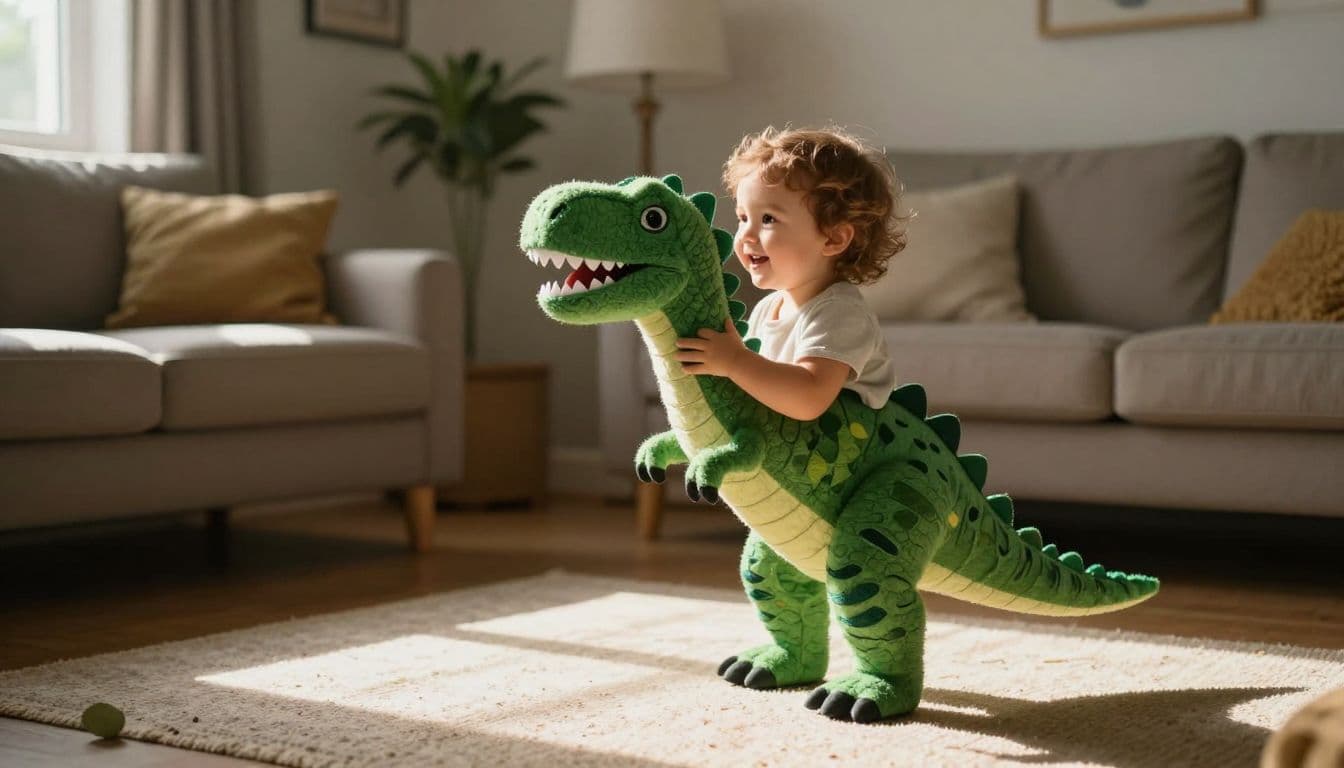
Songs about dinosaurs usually demand big, physical actions. Stomping across the floor, swinging imaginary tails, and letting out a mighty roar helps kids burn off excess energy in a controlled way. These gross motor movements are fantastic for physical coordination. When a song suddenly tells them to freeze like a statue, it teaches them to stop their movement on command, which is a key skill for developing self-control.
Moving to the beat also provides a healthy outlet for restlessness. If you notice your little one getting wiggly, playing a fast-paced stomping song can help them reset their energy. This kind of developmental play activities for children works wonders during transitions, like moving from playtime to naptime. Experts agree that music significantly impacts how musical training affects cognitive development and can improve executive function in young learners.
How music and pretend play build language skills
Singing about long-necked sauropods or sharp-toothed predators introduces a massive amount of vocabulary in a fun, non-academic way. When children roar or act out being a dinosaur, they are practicing expressive language. They learn to associate words like “footprint,” “egg,” and “fossil” with specific movements and sounds.
Music helps make these abstract concepts feel concrete. Because they enjoy the songs, they are more likely to repeat the words, practice the pronunciation, and ask questions about the creatures. This natural interest in prehistoric life creates a perfect bridge for early literacy. You will find that these songs are far more than just background noise. They are meaningful tools for strengthening listening skills and social bonds between you and your child, as singing remains one of the most effective importance of music in early childhood practices for growth.
The Best Dinosaur Songs for Toddlers and Preschoolers
Finding the right mix of music is essential for keeping curious toddlers and energetic preschoolers engaged. Whether you need a quick way to transition between activities or simply want to spark some joy in the living room, these curated songs offer the perfect blend of fun and learning. From high-energy stomping beats to gentle counting rhymes, this collection covers every mood your little explorer might have.
Best high-energy songs for dancing and stomping
When the wiggles take over, these tracks are your best allies. High-energy dinosaur songs invite children to use their entire bodies, helping them practice coordination while having a blast. Encourage your kids to stomp their feet, swing their tails, and roar as loud as they can to let that extra energy out.

These songs turn any room into a prehistoric playground:
- We Are the Dinosaurs: A classic by The Laurie Berkner Band that has kids marching, eating, and roaring.
- Dinosaur Stomp: This track is perfect for getting kids to move their feet to a fast, rhythmic beat.
- Move Like the Dinosaurs: This song guides children through different dinosaur-inspired movements like flapping, stomping, and jumping.
- The Dinosaur Hockey Cockey: A prehistoric twist on a classic dance that teaches body parts while everyone giggles through the moves.
- I’m a Mean Old Dinosaur: This track invites dramatic roaring and bold poses, which is perfect for building confidence.
Best counting and memory songs for preschool learning
Early math feels like a game when you incorporate dinosaurs. Songs that focus on counting help children recognize patterns and numbers while they stay focused on the catchy lyrics. By using repetition, these tunes build strong memory skills that prepare them for future classroom success.
For a fun way to practice numbers, try these educational favorites:
- Ten Little Dinosaurs: A fantastic tool for teaching kids to count backward, which helps build foundational math skills.
- Five Big Dinosaurs: This song keeps the rhythm steady as kids count up and down, making it a staple for circle time or quiet learning moments.
- Dino Finger Family: A simple, repetitive song that helps with basic number recognition and fine motor skills.
- Dinosaur Parade: This song uses a marching sequence to help kids remember the order of numbers.
- Dinosaur, Dinosaur, Turn Around: This classic rhyme teaches children to follow directions while they count along.
If you are curious about more ways to weave education into your day, you can check out these simple learning activities for kids that pair perfectly with music. You can also find some great visual help for these math concepts by watching Ten Little Dinosaurs Learn to Count to see how the patterns work in real time.
Best songs for pretend play and dramatic fun
Music often acts as a portal to another world. These tracks encourage children to step into the role of a dinosaur, whether they are acting like a gentle herbivore or a mighty carnivore. Pretend play allows kids to express their emotions and test out their imaginations in a safe, structured way.
Try playing these during your next afternoon of creative play:
- Welcome to the Dino World: This song sets the stage for a grand adventure and invites kids to explore the prehistoric landscape.
- Baby Dino: A sweet track that focuses on empathy and gentle play, making it ideal for younger toddlers.
- T-Rex: This song focuses on the king of the dinosaurs, encouraging big, dramatic movements and sharp, playful roars.
- Triceratops: A fun song that helps kids imagine being a three-horned dinosaur, perfect for group play where kids can choose their favorite species.
- Pteranodon: This song encourages kids to “fly” around the room, which adds a new dimension to their physical movement.
- Velociraptor: A fast-paced song that helps kids practice being quick and agile on their feet.
- Brachiosaurus: This tune invites long, slow, and graceful movements to match the nature of the long-necked giant.
- Surprise Dino Egg Song: This track creates anticipation and excitement, which is wonderful for kids who love a good mystery.
Incorporating these songs into your routine helps foster a love for movement and learning. If you are looking for even more inspiration, you can browse this collection of dinosaur songs to find your child’s new favorite anthem. Remember to join in the fun, as your participation often gives them the encouragement they need to explore their own creativity.
How to choose the right dinosaur song for your child’s age
Finding the perfect prehistoric tune is about matching the tempo and complexity to your child’s current stage. What captures a toddler’s focus is often too slow for a preschooler, just as a complex narrative song might baffle a younger child. Pay attention to their reactions when you hit play. If they look confused, pause and try something simpler. When they start to wiggle or copy your moves, you have found a winner.
What toddlers usually enjoy most
Toddlers thrive on predictability. They love songs with a steady, repetitive beat and a chorus that loops back on itself. When a song includes big, obvious animal sounds, it grabs their attention immediately.
Focus on tracks that allow them to mimic your body language without needing to memorize a sequence. If you wave your arms to be a pterodactyl, they should be able to wave right back without feeling pressured to get the timing perfect. Simple songs let them succeed quickly, which builds their confidence during playtime. If you want to explore more ways to support their growth, try these screen-free learning activities for children.
What preschoolers usually enjoy most
As children grow, their hunger for challenge increases. Preschoolers often prefer songs that weave in small goals, such as counting backwards or identifying different types of dinosaurs. They enjoy tunes that invite them to take turns, perform for others, or follow a specific set of movements.
Watch for songs that require them to listen to cues, like “stop,” “go,” or “stomp.” This transition from simple movement to directed play keeps their brains active. You can find useful perspective on how selecting songs for kids helps manage their interest levels, ensuring the music remains a fun part of their development rather than a chore.
When to pick a calm song instead of an active one
Not every musical moment needs to be a loud, stomping marathon. You should look for quiet, rhythmic tracks when you need to change the energy in the room. A gentle dinosaur song works wonders before nap time or while you are waiting in the car for an appointment.
Try balancing your playlist to avoid over-stimulating your child. If you have just finished a high-energy dance session, follow it with a slow, melodic song about a sleeping baby dinosaur. This rhythm helps them understand that music is a tool for regulating their feelings. It teaches them that they can move with intensity, and they can also settle down with ease.
Easy ways to use dinosaur songs at home or in the classroom
You don’t need a formal lesson plan to turn a simple song into a memorable experience. Music is a natural bridge that connects play, learning, and daily routines in ways that keep children happy and focused. Whether you are at home or in a busy classroom, these small shifts in how you use your playlist can make every day feel like an adventure.
Turn songs into a movement break
When your little explorers have been sitting too long, it is time to bring the dinosaurs to life. Movement breaks are essential for resetting energy levels and helping children practice body control. Pick a high-energy track and encourage them to stomp their heaviest feet, swing their tails, or reach up tall like a long-necked herbivore.
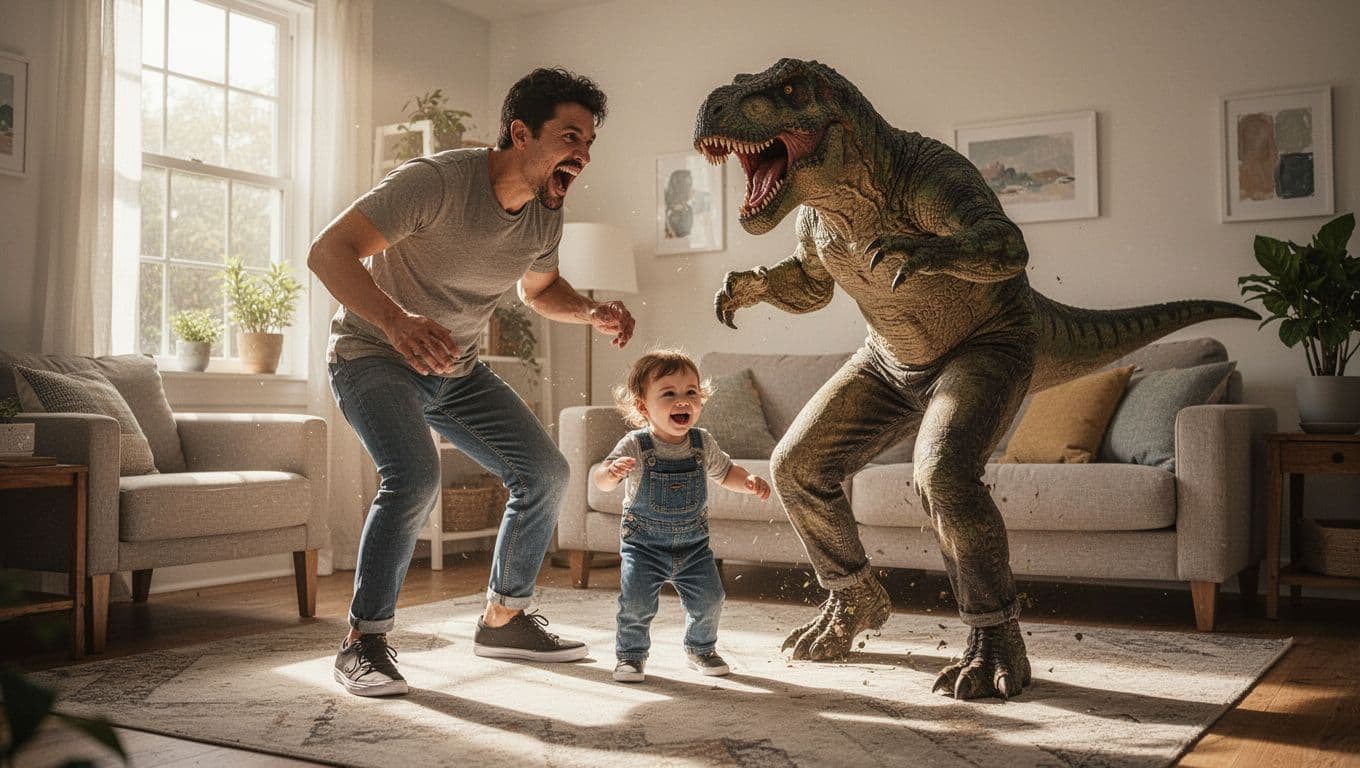
You can turn these sessions into interactive games with just a few simple rules:
- Freeze and roar: Pause the music at random intervals. When the sound stops, everyone must freeze in their best dinosaur pose and let out a quick, silly roar.
- Dino stretch: Start with a slow song where kids reach down to touch their toes like a low-to-the-ground scavenger, then stretch way up high like a giant sauropod.
- Stomp the beat: Use a drum or just tap your hands on the floor to match the rhythm of their stomping. It helps them focus on the beat while they burn off that extra wiggles.
Use songs during circle time or transitions
Transitions often feel chaotic, but a familiar tune acts as a gentle cue that change is coming. Instead of calling out instructions like “it is time to clean up” or “line up now,” let a specific dinosaur song signal the shift. When kids hear that first note, they quickly learn it means they have until the end of the song to finish their task and get ready for what comes next.
This approach works because it replaces verbal pressure with a clear, rhythmic boundary. You can find more helpful advice on using music to signal transitions in the classroom to keep things running smoothly. Consistent cues also help build emotional skills because children feel more secure when they know exactly what to expect from their environment. If you want to keep the process fun, create a simple ritual where they must “march like a dinosaur” to the door or “stomp to the sink” to wash their hands.
Build a tiny dinosaur lesson around the music
You can easily expand on the fun by turning your favorite dinosaur tracks into a light, play-based lesson. Music provides the spark, but the items you have around the house or classroom provide the depth. Start by playing a song about a specific dinosaur, then pull out a related book, toy, or coloring page to explore the concept further.
If you are singing about counting eggs, grab a few plastic eggs and let them hide and find them while the song plays. You can even try these easy bonding activities to make the learning feel special. Pair a song about Pteranodons with a simple craft, like cutting out paper wings, or use toy dinosaurs to act out the lyrics of the track in real time. Remember that the goal is always play, so keep the activities flexible and let their curiosity lead the way.
Tips for keeping dinosaur music fun instead of overwhelming
Music should be a joyful addition to your day rather than a source of stress. When you play songs for your little ones, the goal is connection and play. You can avoid sensory overload by paying attention to how your child responds to the sounds and the energy levels of the playlist. These simple adjustments help maintain that perfect balance between high-energy fun and a relaxed home environment.
Keep the volume and pace kid-friendly
Young ears are quite sensitive to loud noises, so it is best to keep the volume at a moderate, comfortable level. You want the music to fill the room without masking your voice or making it hard to hear your child’s excited giggles. If the sound is too intense, kids may feel overwhelmed rather than encouraged to play along.
Beyond the volume, consider the speed of the songs you choose. If a track is too fast, your toddler might feel frustrated because they cannot keep up with the suggested movements. Stick to songs with a steady, manageable tempo that lets them stomp their feet or wave their arms at their own pace. This relaxed speed ensures they feel successful and confident during their prehistoric dance party.
Mix familiar favorites with new songs
Kids often crave repetition because it helps them feel secure and smart. When they know exactly which roar comes next in a song, they beam with pride. You should keep those beloved favorites on your primary playlist for these moments of comfort. These familiar tunes serve as a safe anchor for your daily activities.
However, adding a few new songs every now and then keeps the experience fresh and exciting. A new track introduces different rhythms or melodies that can spark fresh curiosity. Try mixing in a new song after a familiar one to see how they react. This combination of the known and the new keeps the playtime engagement high without causing fatigue from hearing the same three songs on a constant loop.
Join in with your child
Your participation is the secret ingredient that transforms a simple music session into a meaningful memory. You do not need to be a talented singer or a graceful dancer to make an impact. In fact, your child likely finds your silly attempts at roaring and stomping even more entertaining than a polished performance. When you set the phone or tablet aside and join them on the floor, you show them that moving and playing together is a priority.
Clap your hands to the beat, follow their lead on a dance move, or start a pretend-play sequence where you are both gentle dinosaurs roaming through the grass. This active involvement provides the encouragement they need to let their imaginations take over. As you share these moments, you create a bond that matters much more than perfect pitch or following the rhythm exactly. If you find yourself needing more ways to keep their spirit bright, fun family bonding activities offer great ways to continue this connection well after the music stops.
Conclusion
Dinosaur songs offer more than just a quick way to keep kids occupied. These catchy tunes help your little ones learn, move, count, and grow while fostering a unique sense of wonder. By incorporating music into your daily routine, you strengthen the bond you share with your child through shared rhythm and play.
Pick a few songs from our list to play during your next quiet afternoon or rainy day. It is a simple way to see which ones make your child light up, laugh, or start their very own prehistoric dance party.
Save pin for later

- 14 Fun Ways New Moms Can Celebrate Their Baby Without Exercise - September 20, 2026
- How to Tell if Your Baby Has an Ear Problem: Key Signs - September 20, 2026
- 15 Fun Learning Activities for Two-Year-Olds - September 20, 2026