

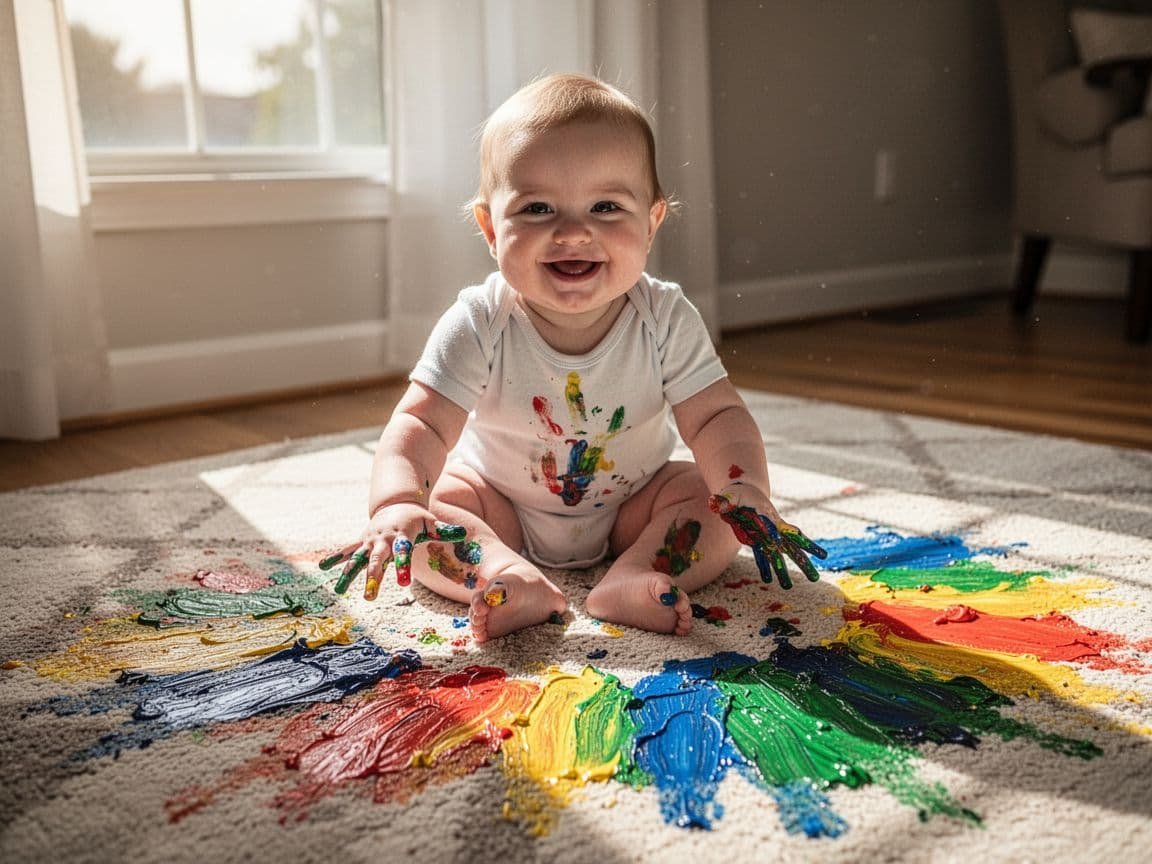
Every time your baby reaches out to touch a new texture or watches a bright color swirl, they are hard at work building important connections in their brain. Art for little ones isn’t about creating a masterpiece; it is a way to explore the world through movement, color, and touch. These simple activities prioritize safe, low-mess play that keeps your focus on the joy of the moment.
Whether you are looking for easy sensory projects or sweet keepsakes, these ideas help you bond with your little one. You can find many developmental activities for babies in their first year that turn everyday moments into learning opportunities. These 25 crafts highlight how simple materials can spark curiosity and provide a fun, creative outlet for your growing baby.
What Makes Art and Craft Ideas Baby-Friendly?
At this stage, art is a full-body experience rather than a visual production. Babies learn by touching, gripping, and often tasting their environment. When you select activities, your priority is to create a secure space where exploration happens without risk. The best projects for this age group are simple, tactile, and designed to match their natural curiosity.
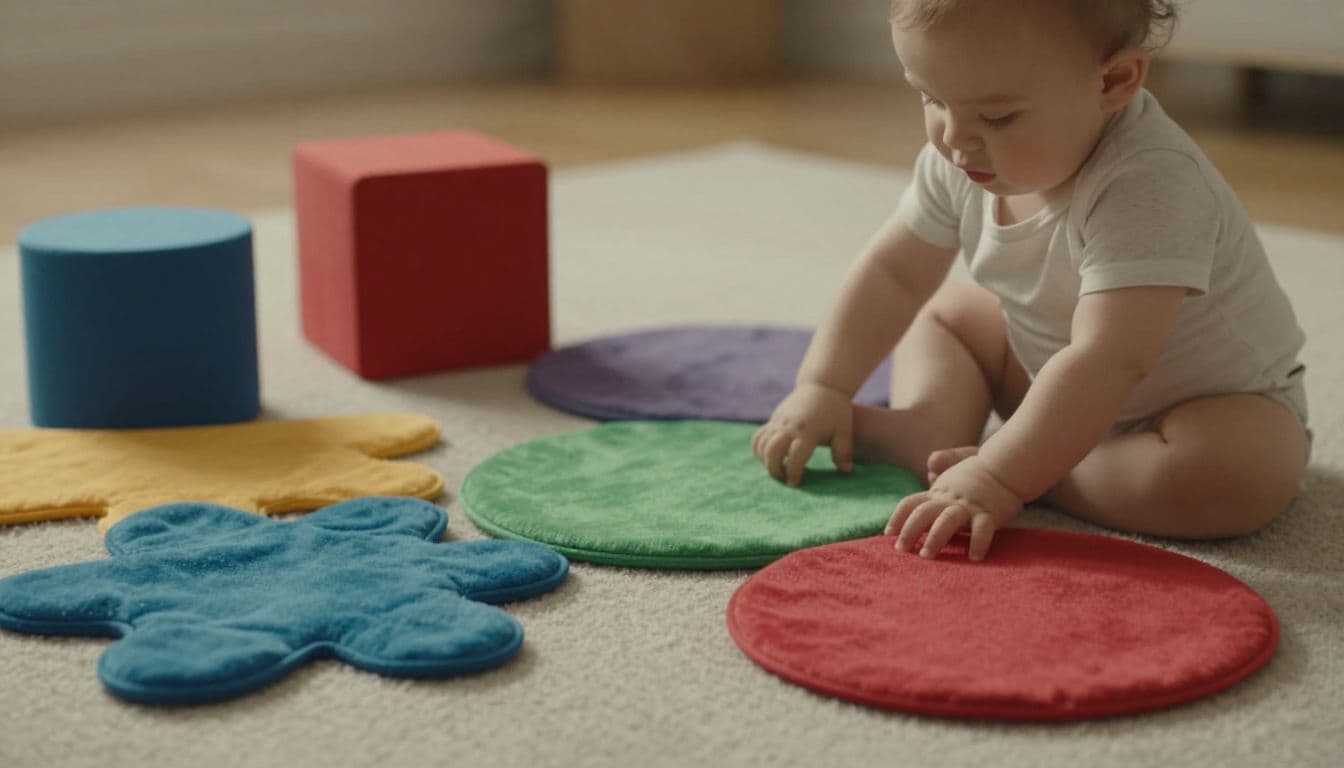
Choose Materials That Are Soft, Big, and Safe
Safety is the foundation of every positive creative experience. Because babies explore the world through their mouths, you must assume every item will be tasted. Always choose non-toxic and washable supplies to prevent accidents. If a label warns that a product is not for young children, do not use it. For a deeper look at identifying suitable options, see official guidance on choosing safe art supplies.
Focus on items that are too large to swallow. Anything smaller than a toilet paper roll is a potential choking hazard and should stay out of reach. Avoid tiny beads, buttons, or glitter entirely. Instead, look for:
- Large, chunky items that are easy for small hands to grasp.
- Soft fabrics and textures that offer gentle stimulation.
- Thick, durable paper that withstands vigorous touching.
- Sealed containers for sensory bottles if you choose to include small objects.
Always supervise your baby closely throughout the activity. Even with safe materials, your presence provides the guidance they need to explore without frustration. If you are looking for ways to build these habits, developmental play for infants offers great groundwork for these early sessions.
Keep the Process Short and Low Pressure
Tiny attention spans mean that baby crafts work best in quick bursts. Expect your little one to engage for only a few minutes before moving on to something else. This is normal behavior, not a sign of disinterest. Focus on setting up a space that you can organize quickly and repeat whenever the mood strikes. You don’t need a formal lesson plan; just follow your baby’s lead.
If the setup takes longer than the actual play time, try a simpler approach. A single bowl of water with a large sponge or a piece of butcher paper on the floor is often enough. When your baby loses interest, put the items away without pressure. The goal is to keep creativity fun and stress-free for both of you.
Focus on Sensory Play More Than Results
Adults often look for a finished product, but your baby is interested in the action itself. They find joy in the squish of soft materials, the tapping of their hands, or the way colors move under their touch. Think of these sessions as a way to provide new sensations that stimulate their developing brain.
The finished craft might just be a messy smear of paint or a crumpled piece of construction paper, but that is a badge of a successful exploration. Avoid trying to guide their hand to make a specific shape or picture. Let them lead the way through their own discovery. By prioritizing the experience over the outcome, you turn every craft into a meaningful bonding moment. For more ways to lean into these sensory-led sessions, consider engaging play for newborns to keep their curiosity growing.
Simple Art Ideas for Babies Using Paint, Water, and Texture
Introducing art to your baby doesn’t require a studio or expensive supplies. You can spark their curiosity using basic household items that turn playtime into a sensory adventure. These activities focus on the joy of exploration, letting your little one discover how colors move, how surfaces feel, and how their own actions change the world around them.
Mess-Free Paint in a Sealed Bag
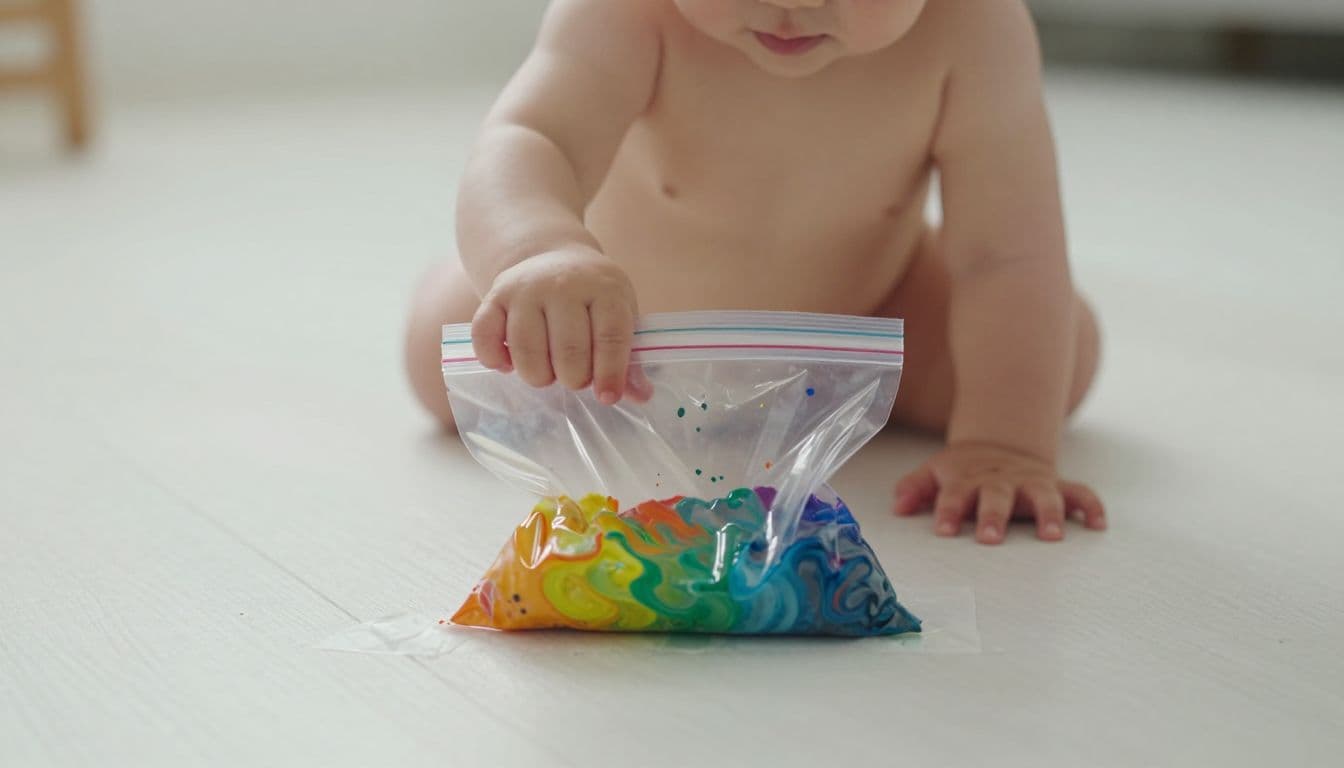
If you want the magic of color without the cleanup, this approach is your best friend. Simply squeeze a few dollops of washable paint onto a piece of cardstock or thick paper, then slide it into a clear, heavy-duty zip-top bag. Squeeze out any excess air before sealing the top tightly.
Tape the bag securely to the floor or a high chair tray using sturdy masking tape. Your baby can now press, push, and squish the paint through the plastic. They see colors mix and swirl beneath their fingers, keeping their clothes and hands perfectly clean. It is a fantastic way to introduce color theory while keeping your living room mess-free.
Finger Painting With Washable Paint
Finger painting is a classic for a reason, as it encourages total immersion. Spread a large sheet of butcher paper or a clean plastic tablecloth on the floor to define their creative zone. Place a small amount of baby-safe, non-toxic paint in a few spots and let your child explore.
Babies often prefer to use their whole hand or even their feet, and that is part of the fun. Encourage these playful smears by showing them how the color spreads when they tap or slide their fingers. If you need inspiration for other ways to keep them engaged, look into creative sensory play projects for kids. Keep it light, supervise closely, and keep a damp cloth nearby for a quick post-play wipe-down.
Bubble Wrap Prints for Tiny Hands
Texture adds a new layer to artistic discovery. Wrap a piece of bubble wrap around a sturdy cardboard block or simply tape a sheet of it down on the floor. Dab a little washable paint over the bubbles, then let your baby press their hands onto the surface.
The resulting prints offer a bold, bumpy pattern that looks distinct from flat strokes on paper. It helps your baby understand that different objects create different marks. This sensory-rich experience helps them connect touch to what they see, making it one of the easy baby art and sensory activities that provides lasting fun for curious minds.
Water Play on Paper or in a Bin
Water is the ultimate calming art medium. If your baby is not quite ready for paint, or if you simply want a mess-free alternative, set out a shallow bin of water. Provide items like a large, soft sponge, a clean paintbrush, or even plastic cups and spoons.
Let them dip, splash, and “paint” the floor or a large piece of construction paper with clear water. Watching the paper darken as it absorbs moisture fascinates most babies. You can learn more about this approach by reviewing infant and toddler water activities. This quiet, rhythmic play is ideal for cooling off on a warm day or winding down before a nap.
Soft Brush Painting on Large Paper
Giving a baby a wide, soft-bristled brush is an invitation to experiment with movement. Provide a bowl of thinned, non-toxic paint and a large sheet of paper taped to the floor. Show them how to dip the brush and make long, sweeping strokes.
Don’t worry about form or neatness. Their focus is on the motion of the brush and the trail of color they leave behind. This helps refine their grasp and hand-eye coordination in a way that feels natural. Keep the session short, allowing them to lead the way as they learn to control their marks.
Easy Sensory Crafts That Keep Babies Curious
Babies see the world as a giant laboratory waiting for inspection. You can foster this natural drive to investigate by offering materials that react to their touch. These simple sensory crafts prioritize texture, movement, and repetition, which help your little one understand how objects behave. Many of these projects use common household items you already own, so you can pull them together in minutes.
Sticker or Tissue Paper Boards
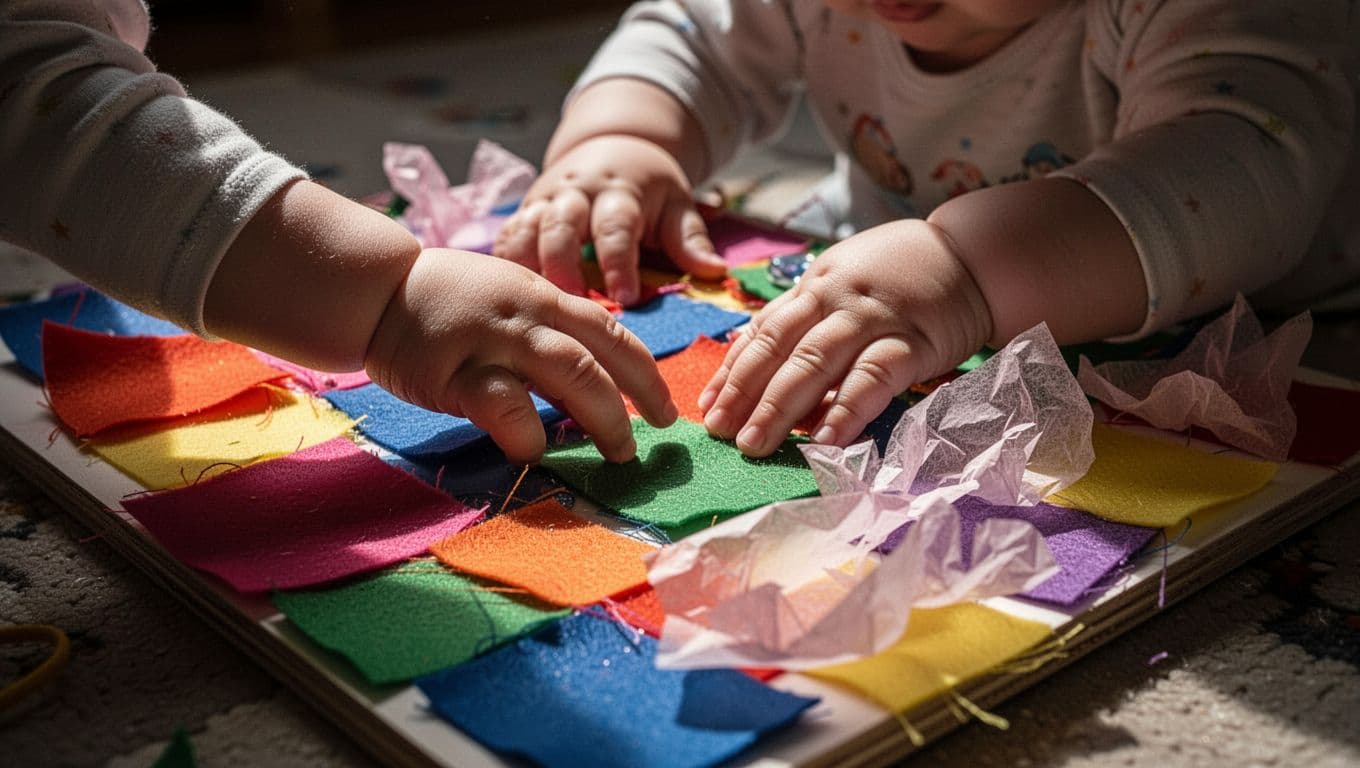
Create a high-interest tactile zone by using a simple sheet of adhesive contact paper. Peel back the backing and tape the sticky side facing out onto a wall or the floor. Provide a basket of colorful tissue paper squares or soft fabric scraps nearby.
Your baby will love the challenge of pressing these pieces onto the board and peeling them back off. This activity helps build fine motor control and hand-eye coordination as they practice their grip. It is a fantastic way to introduce new textures, from the crinkle of paper to the softness of felt, in a controlled, mess-free environment.
Sensory Bottles Babies Can Shake and Roll
Sealed sensory bottles offer a mesmerizing window into motion and cause-and-effect. Fill a clear, sturdy plastic bottle with water and add a few drops of food coloring, glitter, or safe, oversized floating items like plastic rings. Glue the cap shut securely to prevent any spills.
Your baby can shake, roll, and tilt these bottles to watch the contents move through the liquid. This provides a moment of visual calm and focus during playtime. Always supervise the activity to ensure the cap remains tight, allowing your baby to observe the swirling colors in total safety. For more inspiration on building these types of kits, see sensory activities for babies.
Playdough Pressing With Big Tools
Soft, non-toxic playdough provides a pliable canvas for tiny hands to explore pressure and shape. Skip the complex sculpting and focus on the basics of poking, flattening, and squishing. Provide large, chunky items such as craft sticks, smooth plastic spoons, or oversized blocks that are easy to hold.
Demonstrate how to press these tools into the dough to create imprints or patterns. Your baby will quickly learn to imitate these motions, which strengthens their finger muscles and palm control. Keep the dough plain or add mild, natural colors to keep their focus entirely on the physical feedback of the squishy material.
Cornstarch and Water Oobleck Fun
Oobleck offers a unique tactile experience because it behaves like both a solid and a liquid. To prepare it, mix two parts cornstarch with one part water in a shallow tray. The resulting mixture feels firm when tapped but turns soft and liquid when held.
Keep this activity as a supervised demonstration. Place the tray in front of your baby in their high chair and let them watch you lift and drip the mixture through your fingers. This gives them a fascinating sensory experience without the mess. Always stay right by their side to ensure they don’t taste the mixture, and wash their hands immediately after the play session concludes.
Safe Water Painting With Sponges or Cloth Pieces
Water painting is a quiet, rhythmic way for babies to leave their mark on the world. Place a few sheets of thick construction paper on a tray and provide a bowl of clean, lukewarm water. Offer a soft sponge, a clean washcloth, or a wide brush for them to dip and dab onto the paper.
Watching the water darken the paper fascinates most infants. They can drag the wet sponge to make wide, vanishing lines as the water dries. This activity requires no cleanup and introduces them to the basics of artistic motion while keeping their hands occupied with the cooling, wet sensation of the water.
Keepsake Crafts That Turn Tiny Moments Into Sweet Memories
As your baby grows, the days can feel like a blur. You blink, and suddenly your newborn is sitting up or reaching for their first toys. Creating simple keepsakes allows you to freeze a tiny slice of time before it slips away. These crafts are not about perfection; they are about capturing the small size of their hands, the shape of their feet, and the fleeting milestones that you will cherish for years.
Handprint and Footprint Art
Capturing a handprint or footprint is perhaps the most sentimental way to preserve how small your baby once was. You can use non-toxic, baby-safe ink pads or washable paint to create these delicate impressions on heavy cardstock or textured paper. Simply press their palm or foot gently onto the surface, then lift it straight up to avoid smudges.
Once the paint dries, use a fine-tip pen to write their name and the exact date near the print. This small detail becomes invaluable as they grow. You can keep these prints in a dedicated memory box or mount them in a simple wooden frame. Each time you look at the paper years later, you will remember exactly how tiny their fingers and toes felt in your hands.
Seasonal Prints and Holiday Cards
Seasonal themes offer a fun way to turn your baby’s prints into festive decorations or unique gifts for family. For example, a single footprint can become the trunk of a Christmas tree or the body of a summer butterfly with just a few simple additions. Keep the designs minimal, as the focus should remain on the natural shape of your baby’s limb.
You might also create a set of handmade cards for birthdays or grandparents using these prints. Because these projects are simple, you can update them every few months to track your baby’s rapid growth. These cards carry more meaning than any store-bought version because they act as a tangible record of your baby at a specific moment in the year.
Baby Collage With Texture Pieces
While handprints track size, a texture collage captures the spirit of their early development. You can cut large squares of velvet, felt, silk, or burlap and arrange them on a piece of sturdy backing board. Let your baby touch these materials while they sit in your lap, observing how their hands react to the coarse burlap or the smooth silk.
Once they finish exploring, you can secure the pieces in a permanent arrangement. This piece acts as a sensory portrait of their early life. It is beautiful enough to display in a nursery or a hallway, adding a soft, tactile element to your home decor. The collage serves as a quiet reminder of their curiosity during these early, formative months.

Framed First Art for the Nursery
Your baby does not need to paint a masterpiece to create something worth displaying. Take one of their early finger-painting sessions or a particularly vibrant sheet of scribbles and turn it into wall art. Framing a single page immediately elevates the effort from a scrap of paper to a meaningful piece of home decor.
Look for a frame with a mat, which helps center the art and gives it a finished appearance. Always write the date and your baby’s age on the back of the frame, or tuck a small note inside the glass. Do not worry if the lines are messy or if the color is uneven. Those imperfections are exactly what make the piece charming, reminding you of the playful, unscripted afternoon spent creating it together.
How to Make Baby Craft Time Easier for Parents
Creating art with your baby is a rewarding way to bond, but it can feel daunting if you worry about the mess or the fuss. You do not need a perfect result or a complex plan to make these sessions successful. Focus on the joy of the discovery and keep your expectations flexible. By simplifying the process, you turn a potentially chaotic moment into a calm, creative highlight of your day.
Set Up a Small Craft Space Before You Start
Preparation is the secret to staying relaxed when you and your baby get creative. Before you even invite your little one to join, clear a designated spot where you don’t mind a little mess. Use a plastic tablecloth, an old towel, or a large floor mat to protect your surfaces. If you prefer to stay at the table, a high chair tray is the perfect containment zone for sticky fingers.
Gather all your supplies within arm’s reach so you never have to leave your baby unattended. Keep a stack of paper towels and a bowl of warm water or wet wipes right next to your craft zone. Having these tools ready means you can handle spills in seconds, which keeps the experience stress-free for both of you. A little planning allows you to stay present and focused on your baby instead of scrambling for cleanup supplies.
Choose the Right Time of Day
The best craft sessions happen when your baby feels happy, rested, and ready for exploration. Avoid starting a project right before nap time or when you know they are hungry, as this often leads to frustration. A morning session, after a good breakfast and a solid stretch of sleep, is usually the sweet spot for creativity. Watch your baby for cues; if they seem alert and curious, they are likely ready to try something new.
Keep your activities short to match their natural attention span. Five to ten minutes of focused play is often enough to create a lasting memory without triggering fatigue. When you notice them losing interest or starting to fuss, gently wrap up the activity and move on to something else. By following their rhythm rather than a clock, you keep art time positive and engaging.
Use Encouragement Instead of Pressure
Remember that your baby is an explorer, not a painter. They learn by touching, squishing, and observing how things move, so praise the process rather than looking for a perfect picture. Use a calm, warm voice to narrate what they are doing, like telling them, “Look how the blue paint moves when you push your hand.” Your enthusiasm is their biggest reward, and your smile encourages them to try new movements.
If the paint gets on their face or the paper ends up in a crumpled ball, consider it a sign of a job well done. You are building a connection, not creating a gallery piece. If things don’t go according to plan, simply laugh it off and try again another day. Being the supportive guide, rather than the teacher, helps your baby feel confident and curious during every session.
Save pin for later


- Sticky Eyes in Babies: Causes, Treatment, and Warning Signs - September 20, 2026
- Baby Development Stages: Milestones From Birth to 12 Months - September 20, 2026
- 5 Elegant Baby Pictures to Take at Home - September 20, 2026