Some baby girl facts sound almost too strange to be true, yet they’re backed by biology and newborn behavior. A tiny girl can arrive with surprising secrets already in motion, from fast-growing senses to early hormonal shifts after birth.
If you’re a parent, caregiver, or just someone who loves baby content, these baby girl facts are easy to read and fun to share. They also connect well with the basics of infant growth, which you can see in these must-know developmental tips for new parents.
Keep reading, because the first few facts may change how you look at newborns forever.
Why baby girl facts are so fascinating
Some baby girl facts stick with people because they mix wonder with real life. One minute you are looking at a tiny hand, and the next you learn that a newborn has more bones than an adult, or a reflex that seems almost magical. That mix of science and everyday baby moments is hard to ignore.
Baby girls also share most newborn development facts with all babies, which makes the topic even more interesting. The surprise comes from the details people do not expect, the kind that turn a sleepy cuddle into a small science lesson. If you want a broader look at early baby growth, these newborn care tips fit well with what many parents notice in the first weeks.

What makes newborn science feel so surprising
Newborn science feels surprising because the body is already busy from day one. Tiny bones are still shifting, soft spots are protecting the growing brain, and reflexes appear before a baby can even hold up her head. That contrast is what gets people.
A baby can seem so delicate, yet her body is doing a lot at once. She may grasp a finger, turn toward a cheek touch, or startle at a sudden sound. According to MedlinePlus newborn development, many of these early patterns are part of normal infant growth.
The details feel personal because they show up in daily life. You see them during feeding, soothing, and those half-awake little movements that make parents stop and stare.
Why these facts matter to new parents and curious readers
These facts matter because they make newborn behavior easier to understand. When a baby startles, roots, or cries in short bursts, it often means her body is doing exactly what it should. That can calm worried parents fast.
They also help new parents feel more connected to their baby’s growth. Instead of guessing, you begin to spot patterns and notice small wins, like a stronger grasp or smoother feeding cues. If crying becomes part of the picture, newborn soothing tips can help you read those early signals with more confidence.
The most fascinating baby facts are the ones that make everyday moments feel new.
That is why these details stay with people. They are small, real, and full of life.
Baby girl facts about the body that will surprise you
A newborn baby girl is full of tiny details that can stop you in your tracks. Her body is already carrying stories most people never expect, from the way her bones are arranged to the way her hormones settle after birth. Some of the most surprising facts are also the simplest ones.
These details are not just trivia. They help you see how much is happening beneath that sleepy face and tiny onesie. If you want to understand more about early growth, tracking baby development milestones can make those first changes easier to spot.
She is born with all the eggs she will ever have
Before a baby girl is even born, her ovaries already hold millions of immature egg cells. At birth, that number is usually around 1 to 2 million, and it drops fast before she reaches puberty. That means her lifetime egg supply is already in place from the very start.
It sounds almost impossible, but it’s one of the most striking facts about female biology. By puberty, only about 300,000 remain, and only a small number will ever mature later in life. In plain terms, her body begins with a full stock, then naturally sorts and reduces it long before she grows up.
A newborn baby has more bones than an adult
A baby is born with about 300 bones, which is more than the 206 bones in an adult body. The reason is simple and fascinating, many of those bones are still soft and separate so they can grow and shift as she develops.
Over time, some of those bones fuse together. This helps her skull, spine, and limbs become stronger and better shaped for movement. Little Cedars explains baby skull development in a way that shows how those soft spaces protect the growing brain while everything is still changing.
That is why a newborn can seem so delicate and yet so sturdy at the same time. Her body is built like a puzzle that is still being assembled.
Her eyes are already much bigger than they look
A newborn’s eyes are already close to adult size, even though her face is still tiny. That mismatch is part of what gives babies their wide-eyed, almost unreal look. The eyes seem huge because the rest of the face has not caught up yet.
This is one reason newborns look so different from older babies. Their features can feel oversized in one place and very small in another, which makes every expression seem extra tender. Those dark, open eyes can make a tiny girl look alert, even when she is drifting in and out of sleep.
A tiny hormone shift can cause light bleeding after birth
Some baby girls have a small amount of vaginal bleeding in the first days after birth. It can be startling if you do not expect it, but it is usually normal and brief. This happens because leftover pregnancy hormones are leaving her body.
The bleeding is sometimes called a mini-period, though it is not a real menstrual cycle. It usually fades on its own in a short time. A newborn girl’s body is simply adjusting to life outside the womb, and that adjustment can show up in tiny, temporary ways.
Small changes after birth can look dramatic, but many are just part of a normal transition.
A little knowledge goes a long way here. When you know what is typical, those early surprises feel less scary and much more amazing.
The first weeks of life are full of hidden superpowers
A newborn baby girl may look small and sleepy, yet her body is already working hard. In those first weeks, her senses switch on, her reflexes guide her, and her brain begins building fast. The changes are tiny on the outside, but inside, the pace is intense.
That is what makes early newborn life so fascinating. She is not just resting and feeding, she is learning the shape of the world through sound, touch, and instinct. If you want a broader look at what usually happens in those first days, the newborn development checklist is a helpful companion.
She can hear long before she is born
A baby begins hearing while still in the womb, and familiar sounds can start to feel recognizable before birth. Voices, music, and the steady rhythm of daily life all reach her in softened form. By the time she arrives, some sounds may already feel known.
Her mother’s voice is often especially comforting because it is both heard and felt in the womb. The low vibrations travel through the body in a way outside sounds do not. That early connection can make her turn more easily toward familiar speech after birth, which is why talking to your baby early can feel so natural and soothing.
This is one reason newborns often calm when they hear the same voice again and again. The sound feels like a bridge between worlds. For more on how voice and comfort shape those first days, baby’s first month milestones can help you see the early patterns more clearly.
Her brain grows at an incredible pace
A baby’s brain is busy from the start, and the first year is one of the fastest periods of growth in human life. Connections form quickly as she hears, sees, touches, and reacts to the world around her. Every soft light, every voice, and every cuddle gives her brain more to work with.
That early window matters because the brain builds its pathways through repetition. A familiar face, a repeated lullaby, or a calm feeding routine all help shape those early links. In short, the newborn stage is a time when small moments carry a lot of weight.
The pace can feel almost hard to picture. One week she may only blink at a face, and a few weeks later she may track it more clearly. That kind of change is one reason infant development feels so alive in the first months, and Mayo Clinic’s infant development guide shows how much happens in that early stretch.
Her feeding reflexes are built in from day one
Feeding may look learned, but a newborn arrives with strong built-in reflexes that help her get started. When her cheek is touched, she may turn toward the touch and open her mouth. When something reaches the roof of her mouth, the sucking reflex kicks in, and swallowing follows as milk moves in.
These reflexes are part of why newborn feeding can begin so soon after birth. Her body already knows the basics, even before she has any idea what is happening. That mix of instinct and practice is what helps those first feeds become possible.
You may also notice mouth movements that look like little hunger signals, such as lip smacking or opening the mouth wide. Those cues are easy to miss if you do not know what to watch for, yet they often show up before full crying starts. The more you notice them, the easier feeding rhythms become to read.
Real tears may take a little while to appear
Newborns can cry right away, but their eyes usually do not produce visible tears in the first weeks. That can surprise new parents, because the crying is there, but the wet cheeks are not. Tears often begin to show up later, usually around 1 to 3 months of age.
This does not mean anything is wrong. The tear glands are still maturing, so the crying may look dry at first. It is one of those tiny baby details that feels unusual until you know how normal it is.
That early dry cry can be vivid in its own way. A tiny face scrunches up, a mouth opens wide, and the sound fills the room, even without tears. Stanford Medicine Children’s Health notes that newborn reflexes and early crying patterns are both part of normal infant behavior, and that kind of detail can make the first weeks feel less mysterious.
What baby girl growth looks like in the first year
The first year can feel like a blur because baby growth happens in bursts. One month she looks almost brand new, then suddenly her cheeks fill out, her neck gets stronger, and her clothes stop fitting.
That pace is why many parents call infancy a growth sprint. A baby girl is not just getting bigger, she is building muscle, stacking skills, and changing shape almost every week.
She can double or even triple her birth weight fast
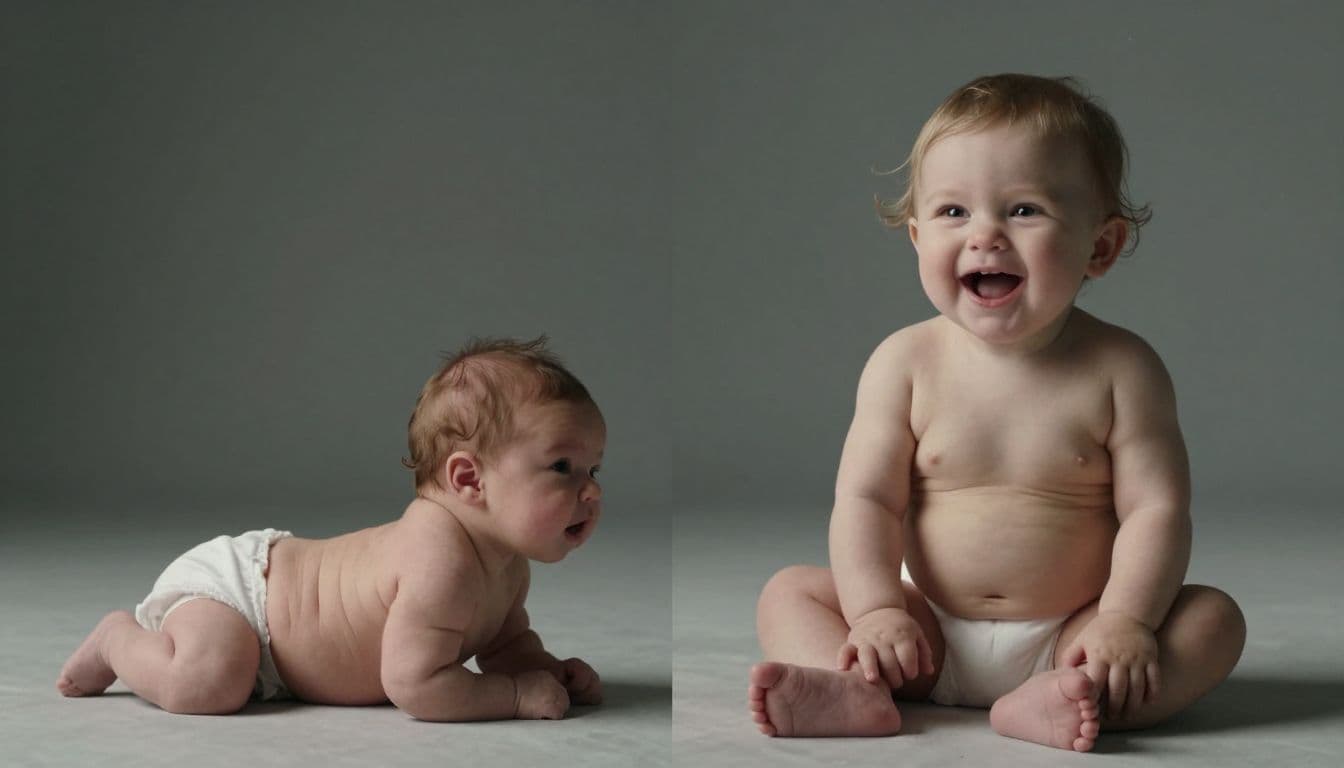
In the early months, baby girl growth can feel almost startling. Many babies gain around 1 ounce a day in the first three months, then the pace slows a bit later in the year. By 4 to 6 months, a lot of babies have already doubled their birth weight, and by 12 months, many have tripled it.
That kind of change shows up in everyday life. A sleeper that fit snugly in week one may look tight by month three, and suddenly the next size is the right one. Weight checks at doctor visits help track the trend, but even without a scale, you’ll often notice the shift in her rounder arms, fuller legs, and stronger hold.
A simple way to picture it is this:
- Newborn to 3 months: fast, steady gain
- 4 to 6 months: growth still moves quickly, but not as sharply
- 6 to 12 months: weight gain continues, while movement and strength take more of the spotlight
For a closer look at how milestones line up with these early changes, baby development milestones can help you connect the dots. Mayo Clinic also notes that many babies triple their birth weight by the first birthday.
Baby growth does not move in a straight line. It comes in spurts, pauses, then another jump.
Her body changes faster than most people expect
The first year is full of small body shifts that add up fast. Her bones keep hardening, her muscles get stronger with every kick and roll, and her sleep often changes as her brain matures. Feeding changes too, because what works for a sleepy newborn won’t look the same at 8 or 10 months.
You may notice one stage at a time. First comes better head control, then more time pushing up on her arms, then sitting, scooting, or trying to stand with help. If you want to see how that sitting stage develops, when babies start sitting up is a helpful next read.
Feeding patterns shift just as fast. Newborns eat often and sleep in short stretches, while older babies usually stretch their sleep a little longer and may start solids later in the year. In other words, babyhood keeps rewriting the schedule.
That is why the first year feels so full. Her body is not waiting around to grow later, it is changing now, while you are still learning her cues.
Common baby girl myths that these facts help clear up
A lot of baby girl myths come from simple confusion. Newborns change fast, and some of their first-day behaviors look strange until you know what you are seeing. Once the facts are clear, many of those worries shrink right away.
The truth is that babies are busy from the start. Their bodies are adjusting, their senses are waking up, and their systems are still settling after birth. That is why a detail that seems alarming at first can be completely normal a few hours later.
Not every newborn feature means something is wrong
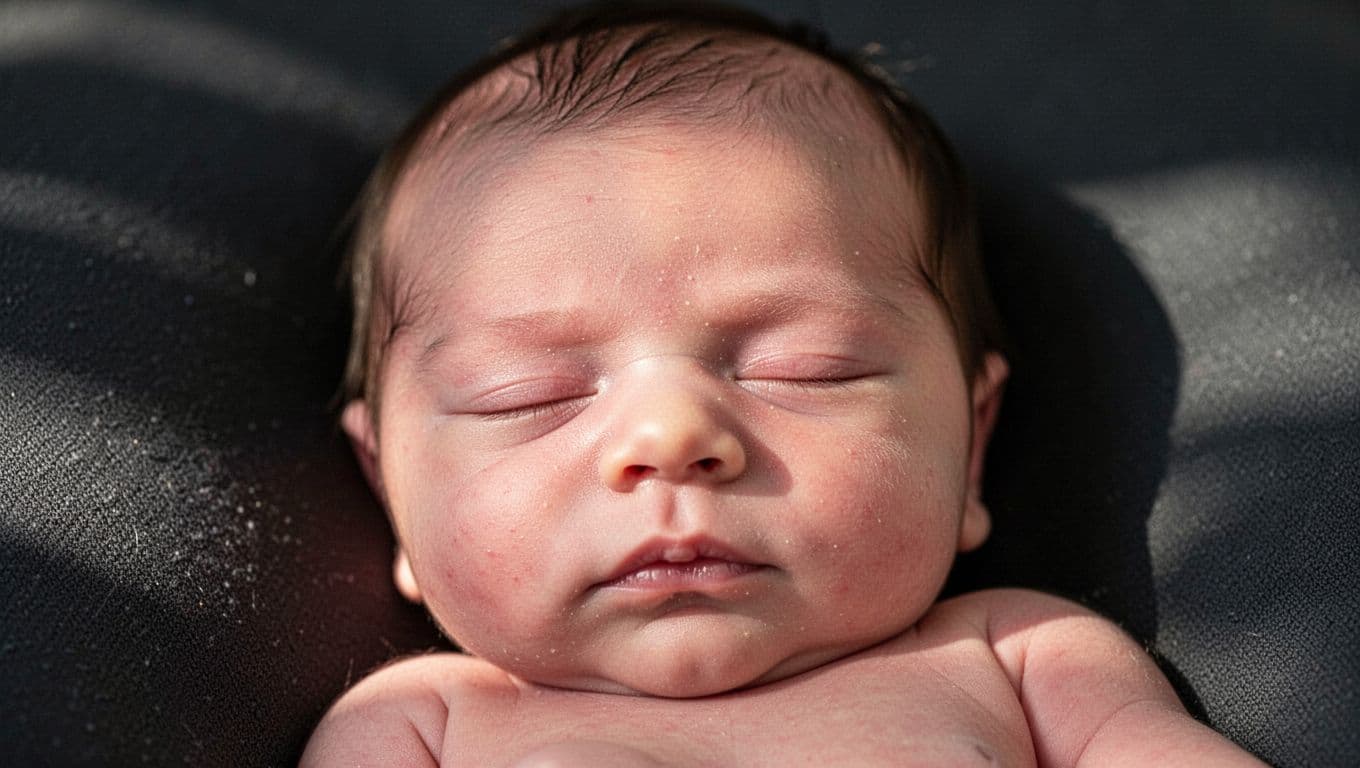
New parents often notice little things and worry before they have time to think. A small amount of bleeding after birth, puffy eyes, or slow tear production can look unsettling, but these are often temporary newborn changes. They usually fade as the body settles into life outside the womb.
Big eyes can also fool people. A newborn’s eyes look large because her face is still so small, and her vision is still developing. She may also cry without tears at first, since tear glands take time to catch up. According to Pregnancy, Birth and Baby, many common baby beliefs are just normal newborn behavior in disguise.
If a change seems sudden, severe, or lasts too long, call your pediatrician. Still, many early features look dramatic without being dangerous.
A newborn can look fragile and perfectly healthy at the same time.
Baby girls are not just smaller versions of older kids
A baby girl has her own stage of growth, and it runs on newborn rules. She has reflexes that older children no longer use, like turning toward touch, sucking, and grasping. Her sleep, feeding, and movement patterns also follow a newborn rhythm, not a mini version of an older child’s day.
That difference matters because newborns depend on instinct more than choice. They do not eat on a schedule like toddlers do, and they do not move with purpose yet. Their bodies are built for survival, comfort, and rapid early growth, which is why newborn feeding cues can be so helpful to watch.
So when a baby girl startles, roots, snoozes in short bursts, or moves her arms in quick little flings, that is part of normal development. She isn’t behind. She is simply at the very beginning of her own story.
Conclusion
These baby girl facts sound tiny at first, but they carry a big wow factor. A little girl enters the world with millions of eggs, more bones than an adult, hearing that was already waking up before birth, and a body that keeps changing at a startling pace.
That is what makes the newborn stage so moving. So much is happening under the soft blanket, even when she looks still and sleepy.
The next time you look at a baby girl, it’s hard not to feel amazed by how much life is already at work inside that small frame.
Save pin for later


- 20 Baby Shower Table Decor Ideas - July 22, 2026
- How To Raise A Confident Child - June 19, 2026
- Age-Appropriate Chores For Kids (By Age Group) - June 19, 2026