


Can your blood type reveal health risks? ABO and Rh groups may shift the odds of certain conditions, but they can’t predict your individual future. The clearest research links non-O blood types with a higher risk of blood clots, while other reported associations are less certain.
These patterns aren’t a diagnosis or a substitute for your personal health history. Here are eight evidence-based findings, with a closer look at how strong the evidence is and what it can, and can’t, tell you. See what research says about blood type and health.
What your blood type says about your health, and what it doesn’t
Your blood type is an inherited trait, not a general health score. It can matter in specific medical situations, while reported links between blood type and disease describe patterns across groups, not predictions about one person.
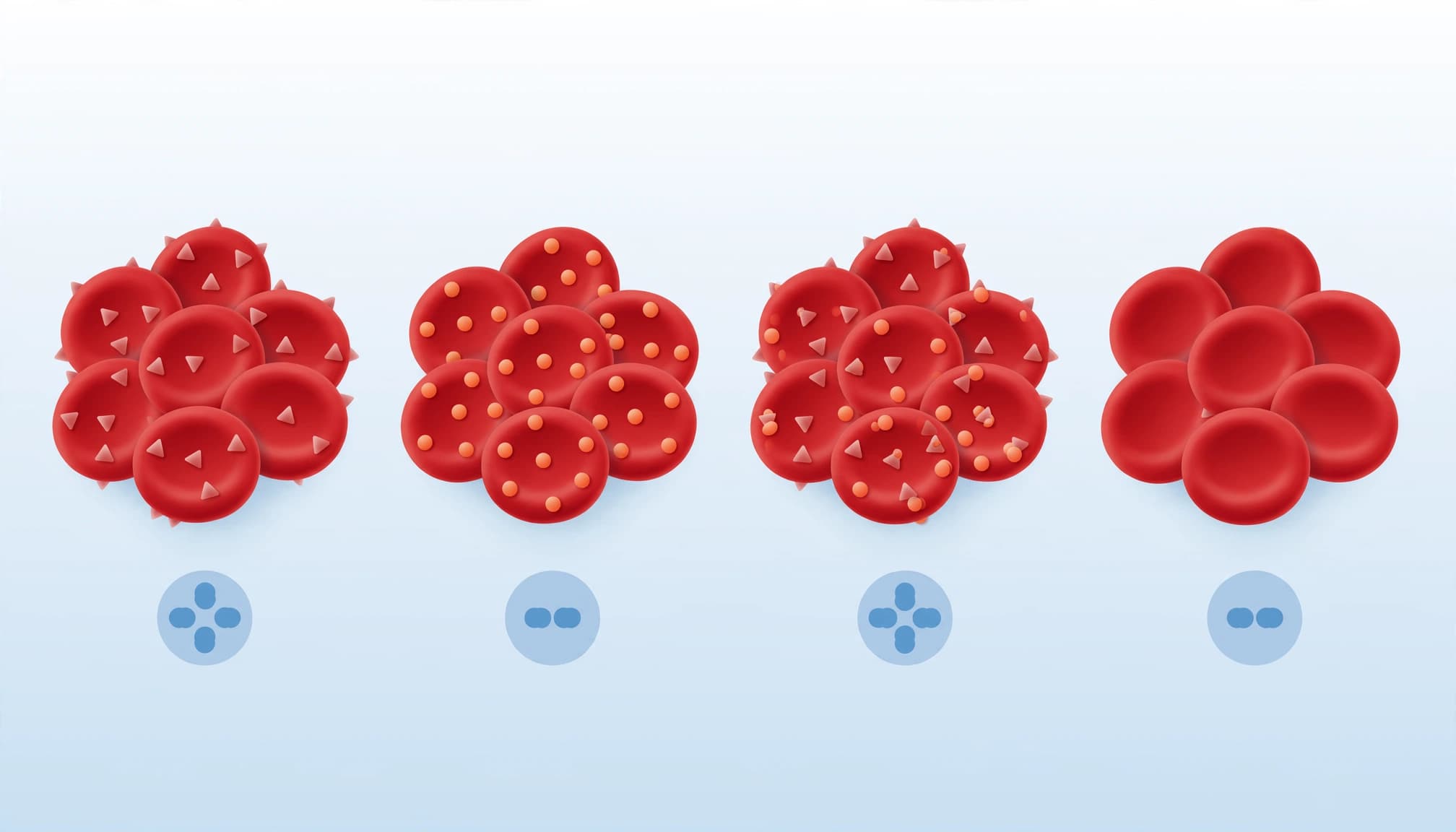
How ABO and Rh blood types work
The ABO system sorts blood into four groups: A, B, AB, and O. These groups depend on whether red blood cells carry A antigens, B antigens, both, or neither. Your type is inherited from your parents.
Rh status is a separate classification, usually based on whether your red blood cells have the RhD antigen. If they do, you’re Rh-positive; if they don’t, you’re Rh-negative. Combining ABO and Rh creates the eight common types, such as A-positive and O-negative. The American Red Cross guide to blood types explains how these markers define each group.
Where blood type matters medically
The clearest everyday medical use is matching blood for transfusions. A recipient’s immune system can react to incompatible red-cell antigens, so clinicians check blood type and perform additional compatibility testing before transfusion.
Rh status can also matter during pregnancy. An Rh-negative pregnant person may need care to prevent an immune response if the fetus is Rh-positive. These uses involve specific compatibility risks, not a broad measure of health.
What blood type can’t tell you
Researchers have found statistical associations between blood groups and some health conditions. However, an association doesn’t establish that blood type causes a disease or that an individual will develop it. Even when studies find a difference between groups, it may be small compared with established personal risk factors.
Age, family history, blood pressure, smoking, activity, and other health conditions usually matter much more to your individual outlook. So, blood type can add context to particular medical decisions, but it can’t replace screening, a medical history, or advice from your clinician. For more on reported connections, see how ABO and Rh blood groups relate to health.
Blood type may affect clot risk more than heart disease risk
Blood type has a clearer connection to venous blood clots than to coronary heart disease. Both findings describe average differences across groups, however, and neither can predict what will happen to you.
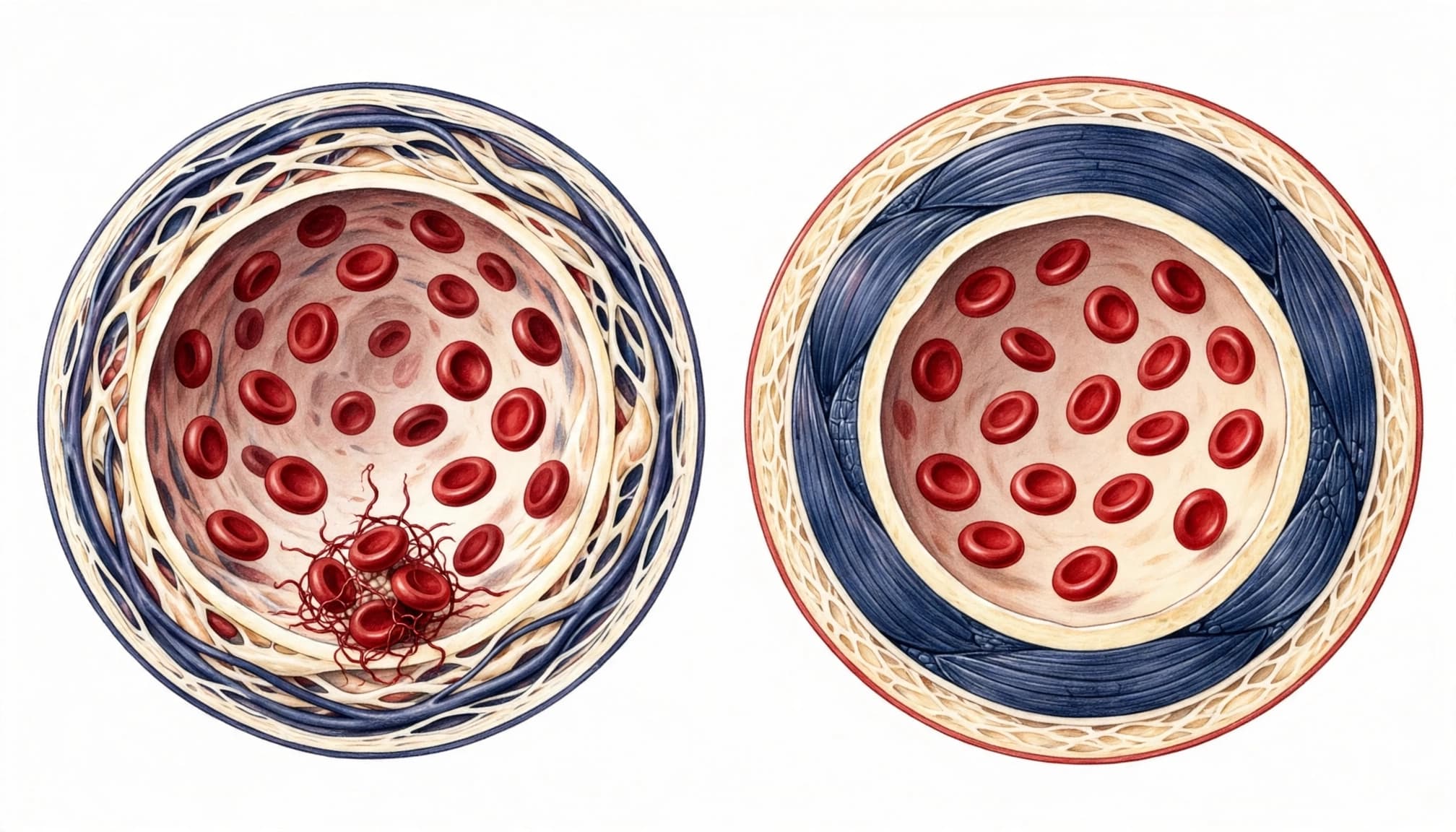
Non-O blood types are linked to a higher risk of blood clots
People with A, B, or AB blood tend to have higher rates of venous thromboembolism than people with type O. Venous thromboembolism includes deep vein thrombosis, usually in the leg, and pulmonary embolism, when a clot travels to the lungs. Studies differ in design and population, so estimates vary. Some reviews report roughly two to four times the risk, while large cohort findings often show a smaller increase.
One possible explanation involves von Willebrand factor and factor VIII, proteins that help blood clot. Non-O groups tend to have higher levels of both, while type O is associated with lower levels. Von Willebrand factor also carries factor VIII in the blood. A review of ABO blood group and thrombosis examines this relationship and the evidence behind it.
Still, most people with non-O blood never develop a clot. Blood type alone doesn’t determine whether you need preventive medication or testing. Clinicians consider your full situation, including prior clots, surgery, immobility, pregnancy, and other health factors. Don’t start, stop, or change treatment based on blood type without medical advice.
The link between blood type and heart disease is less certain
Some studies find a small association between type A and coronary artery disease, while type O groups show a lower average risk. However, results vary, and a lower group average doesn’t make type O heart-protective. An analysis of ABO blood groups and coronary disease describes the evidence, including modest differences between groups.
In contrast, the association between non-O blood types and venous clots appears more consistent. Neither pattern means blood type causes a condition or provides a personal risk estimate. For heart health, factors such as blood pressure, smoking, cholesterol, diabetes, and daily habits are more useful to discuss with a clinician. You can also review health habits linked to heart health as part of that conversation.
Blood type can shape risk for some infections, but not predict your outcome
Blood type has been linked to differences in susceptibility to certain infections, but those patterns don’t determine whether you will get sick or how ill you’ll become. COVID-19 research points to small differences in infection risk, while type O shows a stronger association with lower odds of severe falciparum malaria.
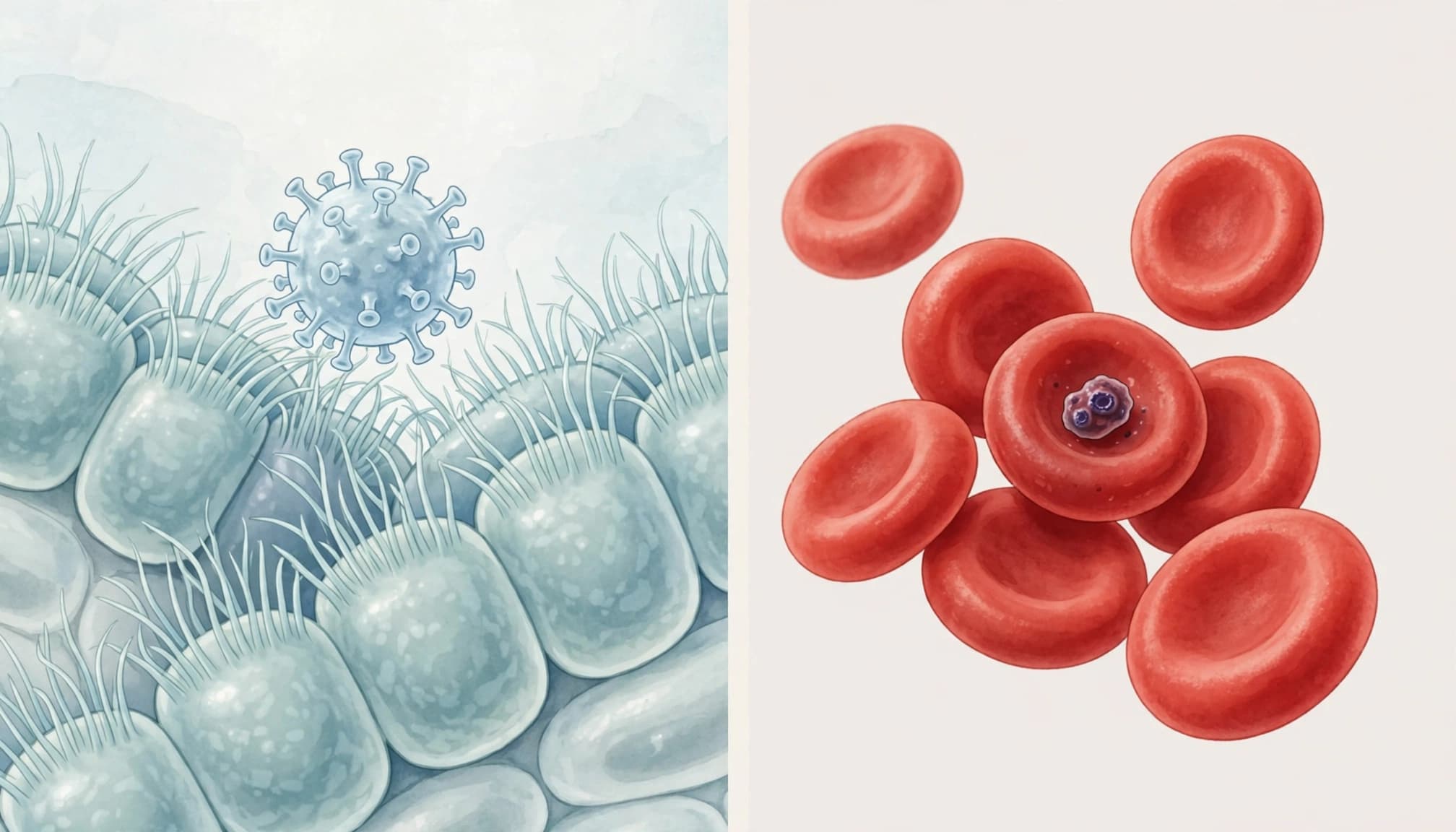
Type A and O show small differences in COVID-19 infection risk
Some studies have linked type A with a slightly higher chance of SARS-CoV-2 infection, while type O has sometimes been associated with lower susceptibility. These are modest group-level differences, and research findings have varied. For example, an early study of ABO blood groups and COVID-19 reported an association, but it did not establish that blood type causes infection.
Importantly, a possible difference in getting infected doesn’t reliably predict severe illness or death. Larger reviews have generally found no consistent relationship between ABO type and those outcomes. Vaccination, exposure, underlying health conditions, and access to care matter far more to an individual’s risk. Your blood type isn’t a reason to skip prevention, testing, or medical care.
Type O may lower the odds of severe falciparum malaria
Evidence for severe malaria shows a clearer pattern: people with type O have lower odds of severe Plasmodium falciparum malaria than people with non-O types. One meta-analysis reported an odds ratio of 0.34 for type O compared with non-O blood groups. Researchers think type O red blood cells are less likely to form rosettes, clusters in which infected cells bind to uninfected red blood cells. These clusters can obstruct small blood vessels and contribute to severe disease.
That association is not complete protection. Type O doesn’t prevent malaria infection, and people with type O can still develop severe illness. The finding also doesn’t change prevention advice: use mosquito protection, follow local guidance, and seek prompt testing and treatment if symptoms develop after exposure. People who are pregnant should get tailored advice about malaria risks during pregnancy.
Ulcers and cancer are possible links, not reliable predictions
Blood type O has a long-reported association with peptic ulcers, especially duodenal ulcers, while some studies find links between ABO groups and certain cancers. These are population-level patterns, not reliable predictions for an individual.
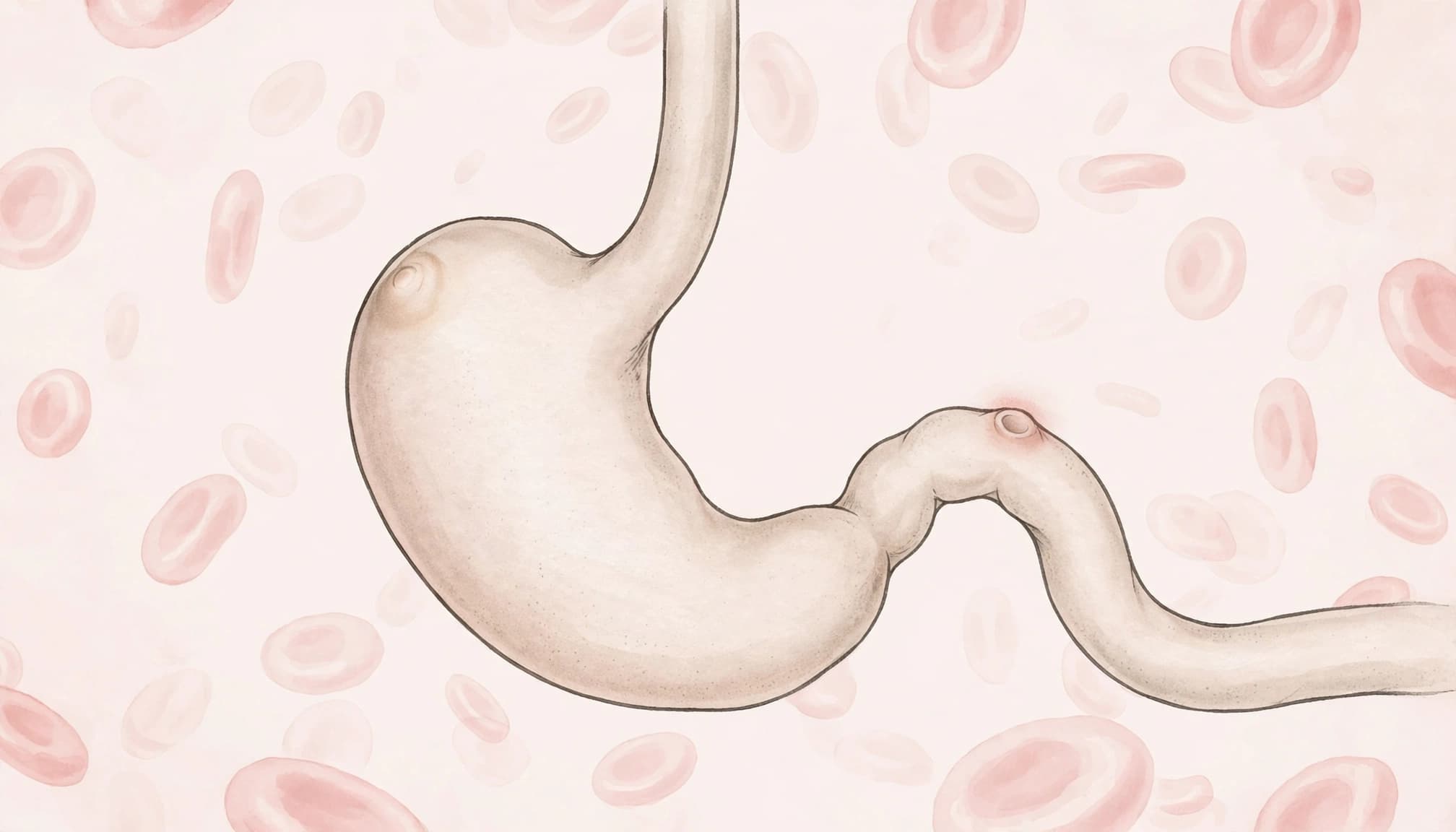
Type O has a historical link to peptic ulcers
Older studies found peptic ulcers, particularly ulcers in the duodenum, more often among people with type O. However, the association is modest and inconsistent, and blood type isn’t a major modern predictor used to diagnose or manage ulcers.
Doctors focus on better-established causes. The National Institute of Diabetes and Digestive and Kidney Diseases identifies Helicobacter pylori (H. pylori) infection and frequent use of nonsteroidal anti-inflammatory drugs (NSAIDs), such as ibuprofen and naproxen, as common causes. Your medication history and infection status matter far more than your ABO type.
Ongoing stomach pain deserves medical evaluation, especially if it persists or returns. Seek prompt care for signs of bleeding, such as black, tarry stools or vomiting blood. These symptoms need attention regardless of blood type.
Some cancers show blood-group patterns, but the evidence varies
Research has reported associations between ABO groups and some cancers, with a recurring but modest signal for blood type A and gastric cancer. Findings differ by cancer type, population, and study design, however, and they don’t show that a person with any blood type is destined to develop cancer. One study of ABO blood groups and gastric cancer illustrates the kind of association researchers examine, but such findings don’t establish blood type as a cause or a useful individual prediction tool.
Blood type also shouldn’t determine whether or when you get screened. Follow recommendations based on your age, personal and family history, and clinician’s guidance. For example, the USPSTF colorectal cancer screening recommendations set screening guidance by age and risk, not ABO group.
Rh status and blood type matter most in pregnancy and transfusions
Blood type has clear practical value when clinicians assess Rh-related pregnancy risks or prepare red blood cells for transfusion. These decisions rely on compatibility testing, unlike disease associations that describe modest differences across groups.
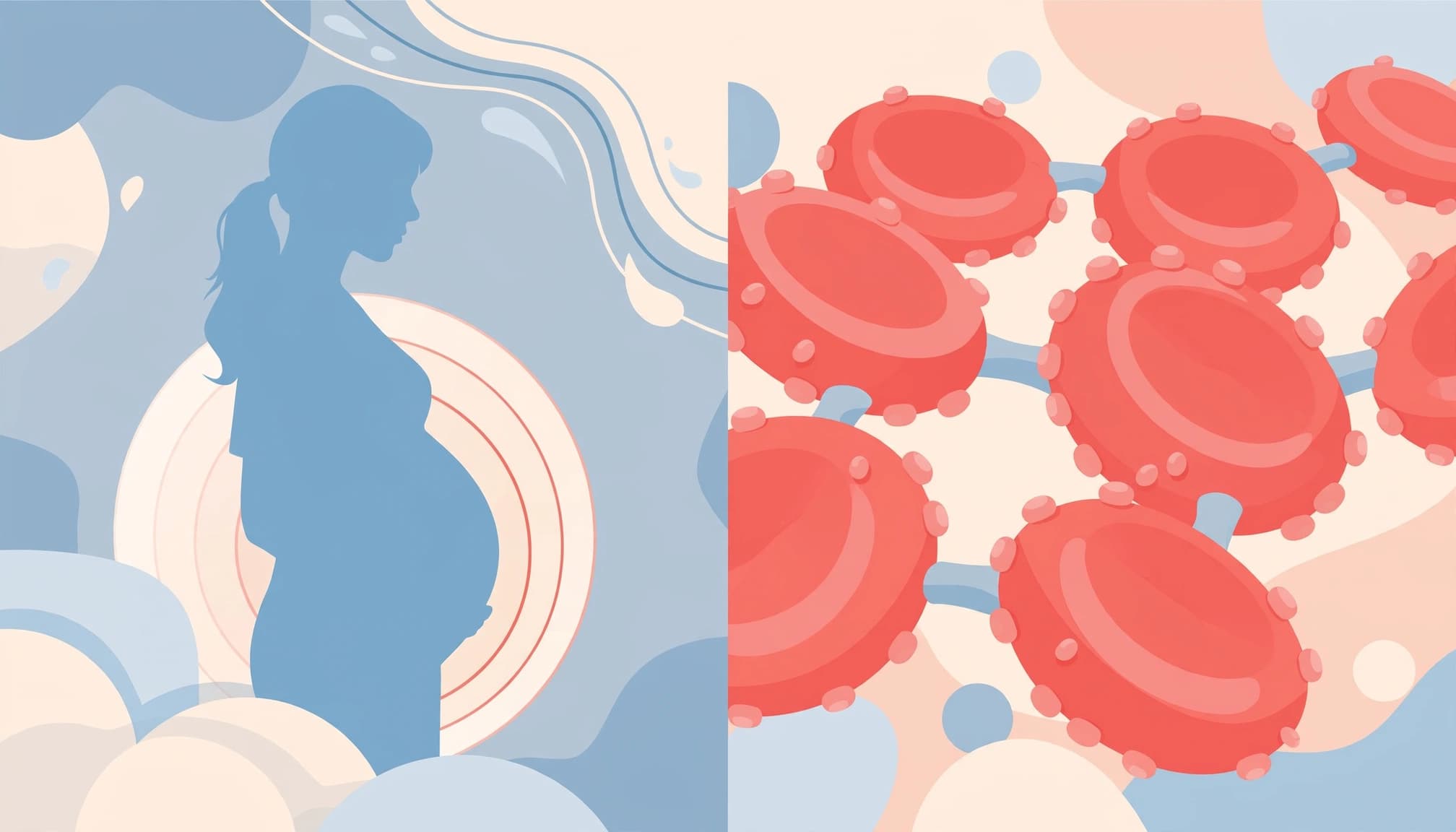
Rh-negative status can guide pregnancy care
If an Rh-negative pregnant person carries an Rh-positive fetus, fetal blood entering the parent’s bloodstream can prompt the parent to make antibodies against Rh-positive red blood cells. Those antibodies can cross the placenta and harm an Rh-positive fetus, often in a later pregnancy after sensitization has occurred.
However, being Rh-negative doesn’t mean a pregnancy will have complications. Prenatal blood typing and antibody screening help the care team identify who may need extra monitoring. For an Rh-negative person who hasn’t developed antibodies, anti-D immune globulin, often called Rh immune globulin, can prevent sensitization when indicated. Care commonly includes a blood test early in pregnancy and repeat screening around 28 weeks; treatment may also be recommended after delivery if the newborn is Rh-positive.
ACOG explains how Rh status can affect pregnancy. If you’re pregnant or planning a pregnancy, ask your prenatal care team what your results mean and whether treatment or follow-up is appropriate. You can also review routine blood tests during prenatal care to see how blood typing fits into broader screening.
ABO and Rh matching helps make transfusions safer
Before a red blood cell transfusion, clinicians check the recipient’s ABO and Rh type and screen for antibodies that could react with donor blood. The blood bank then performs compatibility testing, which may include a crossmatch between the recipient’s sample and donor red cells.
That testing matters because an incompatible transfusion can trigger a serious immune reaction and damage red blood cells. ABO type directly affects which red-cell units are compatible, while Rh and other red-cell antigens also guide matching. In some situations, a patient’s antibody history calls for specially selected blood.
This is a direct, established use of blood typing. By contrast, links between blood type and conditions such as cancer or heart disease don’t tell an individual whether they’ll develop those conditions. Keep your blood type information available for medical care, and follow clinicians’ advice about pregnancy screening or transfusion testing. Don’t treat your type as a personal disease forecast.
Use blood-type research as context, not a personal health forecast
The eight findings don’t carry equal weight. Blood type can add context to research, but it can’t tell you which condition you will develop or replace an assessment of your health history.
Weigh the evidence, not the headline
The clearest disease association is a higher average risk of venous blood clots among people with non-O blood types. By contrast, reported links with infections and heart disease are limited or depend on the population and outcome studied. Ulcer and cancer findings also describe group-level patterns, not reliable individual predictions.
Rh status has a clearer clinical role in pregnancy care, while ABO and Rh typing help clinicians match blood for transfusions. These are specific uses, unlike using blood type to forecast your overall health.
Focus on risks you can act on
Your care should reflect factors such as personal and family history, age, symptoms, and established risks for a particular condition. Follow recommended screenings and prevention advice, and ask a clinician what applies to you. If you’re planning a pregnancy, discuss testing and care during a preconception checkup and health screening.
There’s no proven diet, supplement, or lifestyle change that erases an ABO-related risk. Healthy habits and routine care still matter for overall health, but you don’t need to buy blood-type risk tests or change your habits solely because of your type.
Conclusion
Your blood type can offer clues about a few health patterns, but those group-level associations can’t tell you whether you’ll get sick. Its clearest practical value is in transfusion matching and Rh-related pregnancy care, where knowing your ABO and Rh status helps clinicians make informed decisions.
For other health concerns, blood type is only one small piece of context. Follow recommended screening and discuss personal risks, symptoms, and care decisions with your clinician. For more on prenatal blood tests during pregnancy, see how routine testing fits into prenatal care.
Save pin for later

- Can I Give A Half-boiled Egg To My Baby? - September 25, 2026
- What Are The Nutritional Benefits Of Eggs For Babies - September 25, 2026
- When Should I Avoid Giving Eggs To My Baby? - September 25, 2026