150 Summer Activities for Toddlers: Easy Ideas for Sunny Days
Keeping a toddler happily busy through long summer days can take more planning than you expect. These 150 summer activities for toddlers are grouped by setting and activity type, with options for different energy levels, budgets, and weather, so you can find an idea that fits the day.
You’ll find simple ways to play indoors and outside, plus brief reminders for sun and water safety. Start with a summer activity list for the whole family when you’re ready to pick your first idea.
150 Summer Activities For Toddlers to Make Sunny Days Fun
Water play can turn a warm afternoon into an easy activity with little setup. Keep each idea short, then adjust it to your toddler’s interests and abilities. These 25 options use everyday items, with close supervision throughout.
Easy water play for the backyard
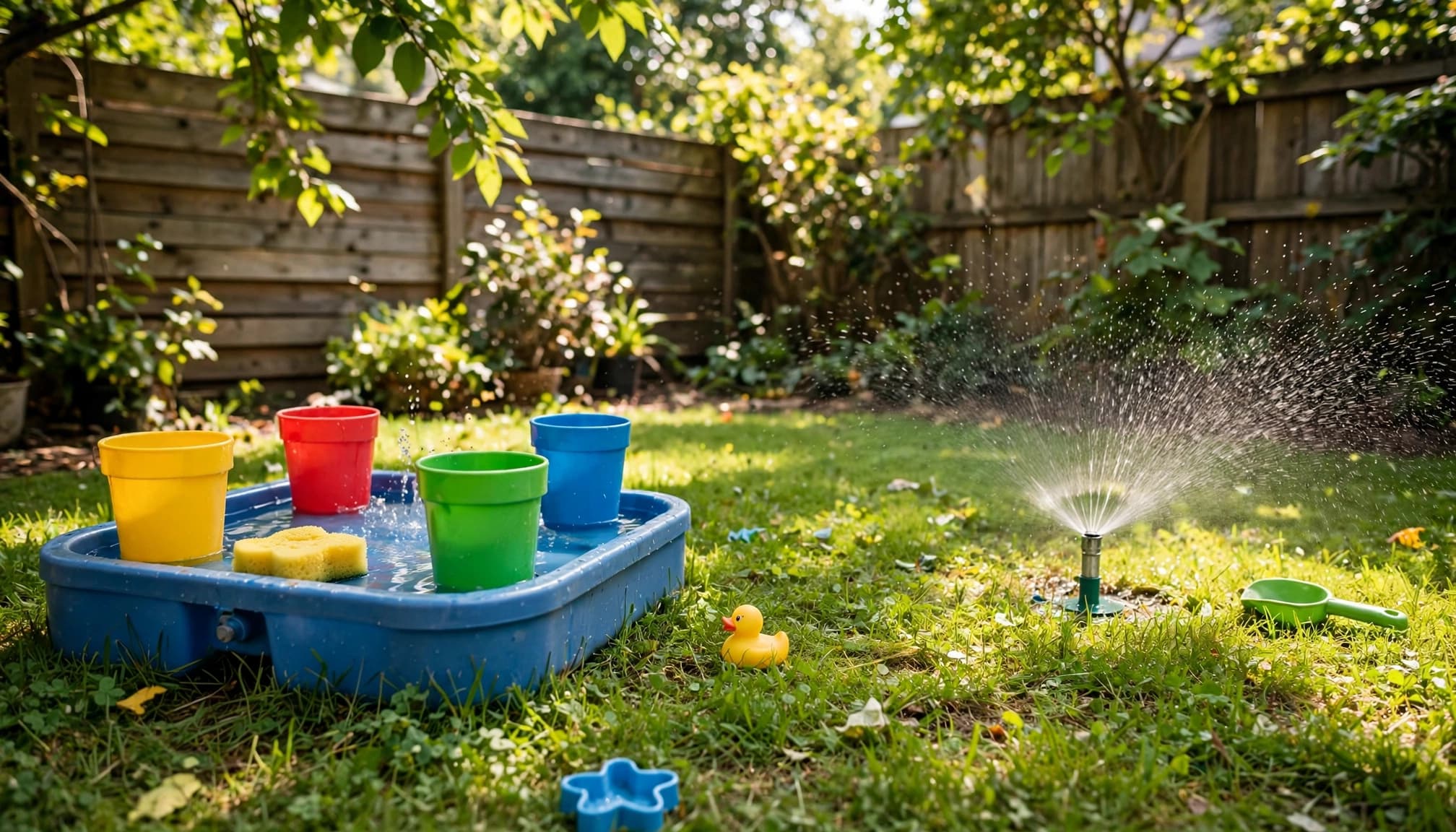
Try these simple setups with a water table, basin, or a few supplies from the kitchen. For more backyard water play ideas, keep the materials large and easy for little hands to handle.
- Fill a water table with a few cups and let your toddler scoop and splash.
- Offer a clean sponge and bowl so they can squeeze water back and forth.
- Set out cups and a funnel for simple pouring practice.
- Let your child wash large plastic toys with a wet cloth.
- Paint the sidewalk with a paintbrush dipped in plain water.
- Turn on a small sprinkler and let your toddler walk or dance through it.
- Give them a small watering can to water garden plants.
- Rinse large plastic balls in a shallow basin, then leave them to dry.
- Use a large turkey baster to move water between two wide containers.
- Pour water through a colander and watch it sprinkle into a bowl.
- Float large leaves in a basin and watch them drift.
- Let your toddler paint a fence or patio wall with water.
- Toss wet sponges at a target drawn on pavement with sidewalk chalk.
Keep your child within arm’s reach near any pool, tub, bucket, basin, or other water. The American Academy of Pediatrics recommends constant, attentive supervision, and HealthyChildren.org’s water safety guidance warns adults never to leave young children alone near water, even for a moment.
Splashy games with ice, bubbles, and toys
These activities add a small surprise or playful challenge. Choose oversized, age-appropriate materials, and skip small pieces that could pose a choking hazard.
- Freeze a large bath toy in a shallow container, then help your child rescue it with warm water.
- Sort large floating toys by color or type in a shallow tub.
- Blow bubbles outdoors and encourage your toddler to chase and pop them.
- Set up a shallow-bin car wash with a sponge and a few large toy cars.
- Test whether large, safe household objects float or sink in a basin.
- Let your toddler wave a large bubble wand while you blow bubbles.
- Invite them to scoop floating toys from a basin with a large slotted spoon.
- Pour water over sturdy plastic animal toys and make them “splash” in a tub.
- Make a gentle stream by pouring water down a plastic slide.
- Roll a large ball through a shallow layer of water on a patio.
- Help your toddler pour water over their hands into a basin.
- Ask an adult to poke holes in a clean plastic bottle, then use it to make gentle rain.
Stay beside your child for every activity involving water, including shallow bins and buckets. Empty containers as soon as play ends, and never leave a toddler alone with water, even briefly.
Get Outside for Nature Play and Toddler-Friendly Outings
Outdoor fun can be as simple as stepping into the backyard or visiting a nearby community spot. Choose cooler hours, bring water, and pick shaded areas on hot days. The CDC recommends keeping children cool and hydrated during warm weather.
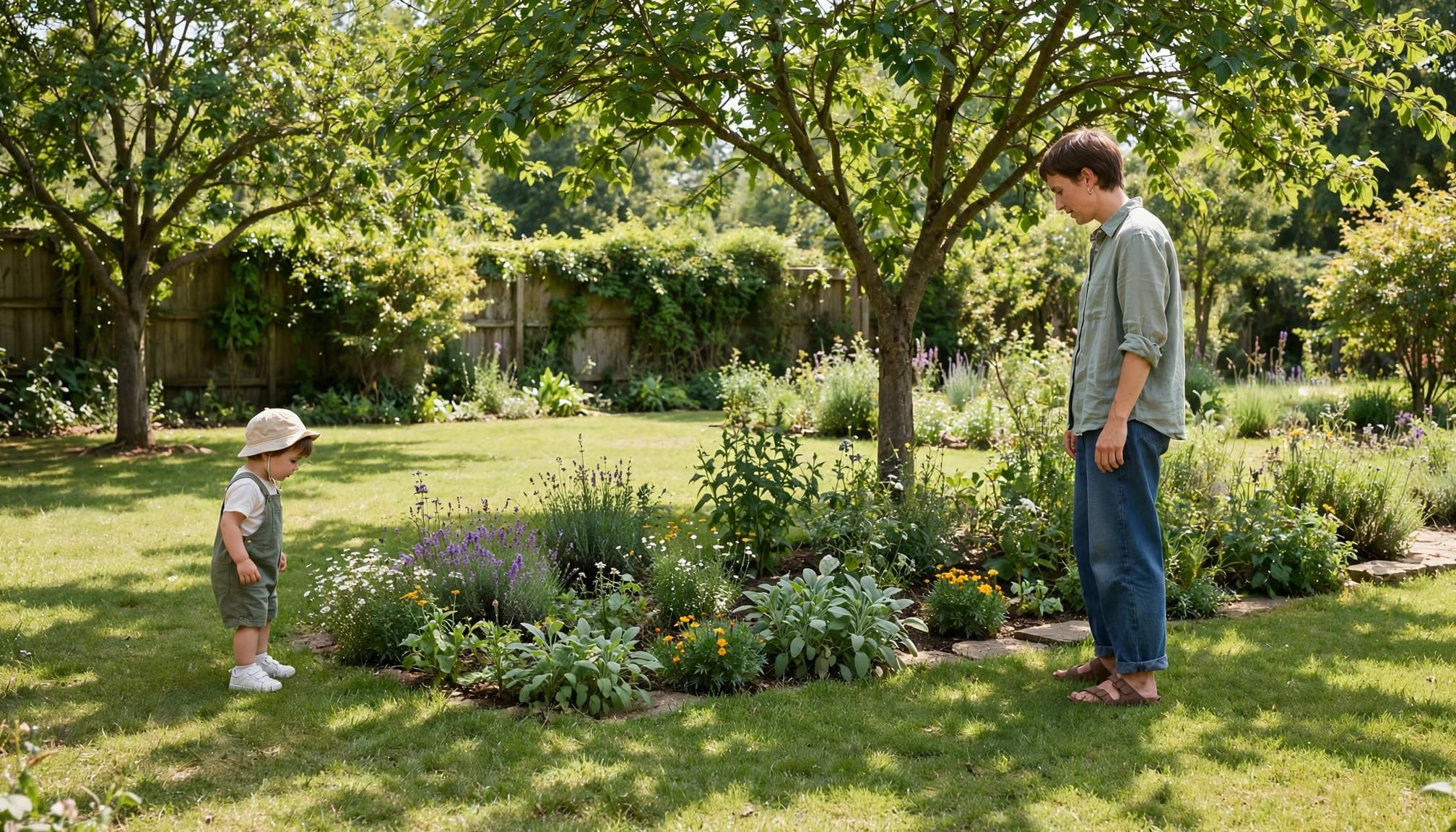
Simple nature activities to try close to home
Keep these ideas relaxed and follow your toddler’s curiosity. For more outdoor learning activities for children, adapt each activity to your child’s age and attention span.
- Hunt for leaves or flowers in two chosen colors.
- Lie on a blanket and watch clouds drift by.
- Spot birds from the yard or a park bench.
- Share a snack during a shady picnic.
- Dig in a garden bed with a child-size shovel.
- Water plants with a small watering can.
- Take a short nature walk around the block.
- Trace shadows with sidewalk chalk.
- Collect large, safe natural objects with an adult.
- Listen for birds, buzzing insects, or rustling leaves.
- Smell herbs growing in a pot or garden.
- Look for tree shapes and point out their branches.
- Watch ants from a safe distance without disturbing them.
- Compare the feel of grass and tree bark together.
- Find a smooth, large stone to examine with an adult.
- Make a simple path by stepping over fallen leaves.
- Roll a ball across a grassy area.
- Follow a butterfly or bee with your eyes.
- Look for plant shapes without picking flowers.
- Sit quietly and notice the sounds nearby.
- Find a tree that makes a good patch of shade.
- Carry a large fallen leaf to a nearby basket.
- Water a few plants, then watch the soil darken.
- Search for different shapes among fallen leaves.
- Draw a picture of something you saw outside.
Toddlers need close supervision outdoors. Let them explore only safe items, and don’t let them put plants, rocks, or other finds in their mouths.
Low-stress summer outings toddlers can enjoy
A short visit can be plenty, especially when a new place has lots to see. Check opening hours before leaving, bring water and snacks, and plan for shade and breaks.
- Attend a library story hour, then head home before nap time.
- Visit a shaded playground during a cooler part of the day.
- Walk through a farmers market and point out colorful produce.
- Explore an aquarium at a toddler-friendly pace.
- Stroll through a botanical garden and pause in shaded spots.
- Visit a splash pad, supervising closely; discourage drinking the water and keep your child off the jets.
- Stop by a community garden and look at growing vegetables.
- Have a brief picnic in a local park.
- Walk a short, stroller-friendly trail.
- Watch ducks at a pond from a safe distance.
- Visit a petting farm during its cooler morning hours.
- Browse a children’s museum, checking hours and ticket rules first.
- Ride a gentle carousel if your toddler enjoys it.
- Take a short ferry or boat ride with required safety gear.
- Visit a neighborhood fire station during a public open house.
- Explore a small nature center and its outdoor paths.
- Watch trains pass from a designated safe viewing area.
- Visit a pick-your-own farm, if it’s open for the season.
- Walk around a local pond or lake on a clear path.
- Stop at an outdoor concert or community event, and leave if it gets too crowded or hot.
Keep outings flexible. A brief visit that ends before your toddler gets overtired often makes for an easier day.
Make Summer Sensory Play and Easy Crafts at Home
A shallow tray, a few everyday supplies, and an adult nearby can turn a quiet afternoon into hands-on summer fun. Keep sensory materials age-appropriate, supervise closely, and skip small loose items if your toddler still mouths objects. Water beads are unsafe for toddlers, as the CPSC warns about water bead hazards. For more DIY sensory play activities for toddlers, try simple setups that match your child’s stage.
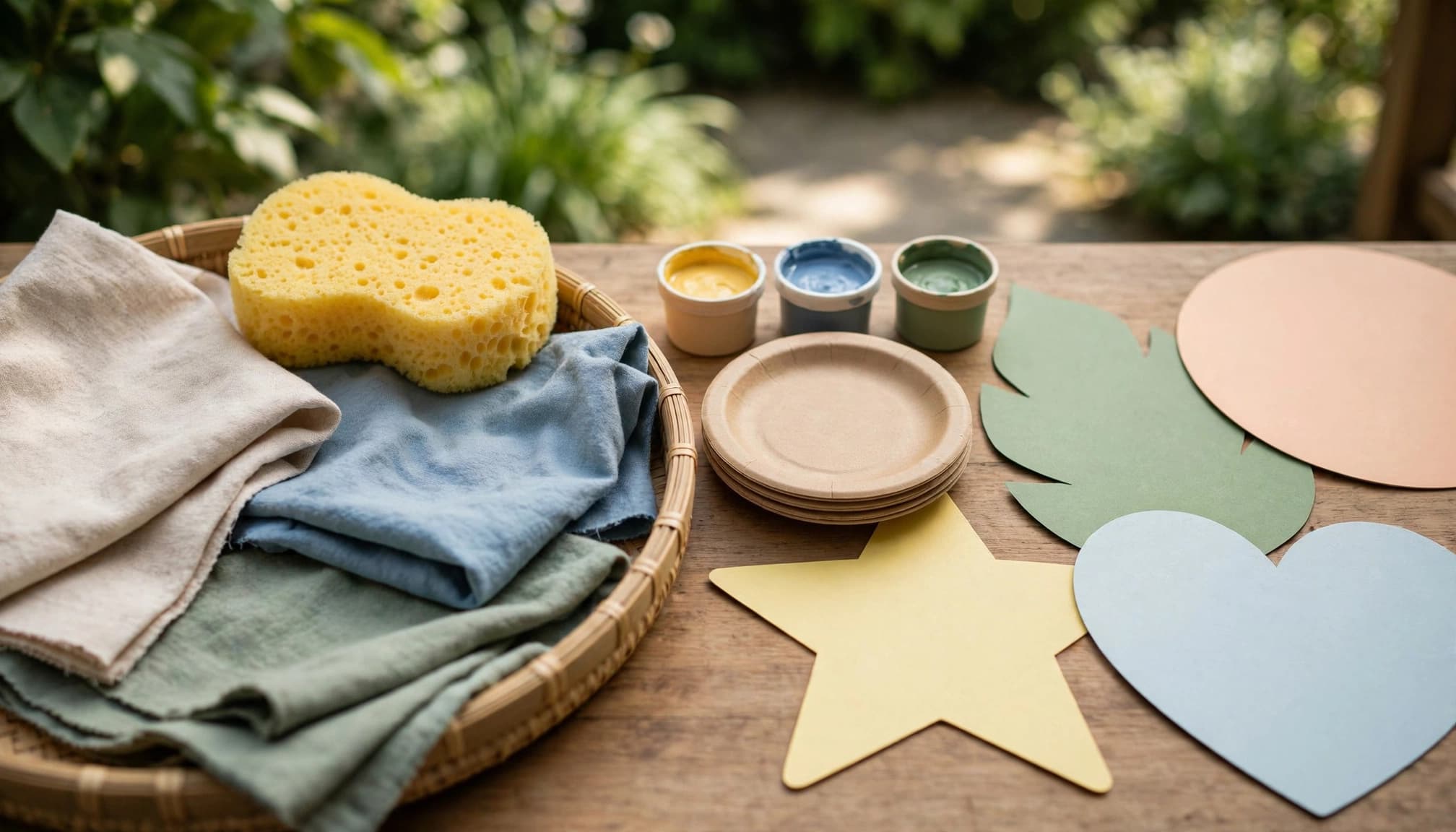
Sensory activities for curious little hands
Use large, easy-to-clean materials, and stay close while your toddler explores. For children who mouth objects, avoid small loose pieces and choose materials you can account for and remove promptly.
- Explore a basket of large fabric swatches.
- Press fingers into homemade or store-bought playdough.
- Mix colored water in clear, sturdy cups.
- Shake a sealed sensory bottle together.
- Sort large toys on a shallow tray.
- Squeeze a clean sponge over a basin.
- Feel cool, damp washcloths on a warm day.
- Squish a sealed bag of hair gel.
- Paint with water on a dark patio surface.
- Scoop cooked, cooled pasta in a large bowl.
- Compare smooth and bumpy large household objects.
- Pour dry oats between wide containers, with close supervision.
- Dab a soft brush through a bowl of water.
- Squish peeled banana in a sturdy bowl.
- Explore a bowl of ice cubes with adult help.
- Wash large plastic animals with a wet cloth.
- Move large pom-poms between bowls, only if safe for your child.
- Feel grass beneath bare feet in a safe spot.
- Press large leaves into playdough.
- Splash hands in a shallow basin with an adult beside them.
- Roll a large textured ball between hands.
- Smell mint or basil leaves with an adult.
- Explore a sealed bag filled with damp sponges.
- Pour water through a large-hole colander.
- Pat soft and rough fabric squares on a board.
Low-mess crafts to celebrate the season
Offer washable, child-safe supplies and let your toddler lead the process. Adults should handle scissors and any other sharp tools. A colorful smear or an unexpected shape can be part of the fun, even if the finished project looks different from the plan.
- Make a sticker collage on sturdy paper.
- Turn a paper plate into a bright sun.
- Press a handprint into washable paint on paper.
- Stamp paint with a clean kitchen sponge.
- Glue large leaves onto paper for a nature collage.
- Fold and decorate coffee filters as butterflies.
- Make fruit prints with halved apples or oranges.
- Decorate a paper bag with chunky crayons.
- Dab paint onto paper with cotton balls.
- Add large paper shapes to a summer scene.
- Paint a paper plate with broad brush strokes.
- Decorate a cardboard tube with stickers.
- Make a sun catcher with torn tissue paper and contact paper.
- Press large flower petals between clear adhesive sheets.
- Draw waves with washable markers on blue paper.
- Decorate a paper fan with dot markers.
- Make a paper-plate fish with adult-cut shapes.
- Print with large toy blocks dipped in washable paint.
- Create a simple paper crown with adult help.
- Paint smooth, large stones, then leave them outdoors to dry.
- Glue yarn onto a sturdy paper shape.
- Make a colorful collage from old magazine pictures selected by an adult.
- Decorate a cardboard box as a pretend beach hut.
- Stamp circles with large plastic cups and washable paint.
- Paint a paper towel tube, then use it as a pretend telescope.
Keep Rainy or Very Hot Days Fun Indoors
When rain keeps you inside or the heat makes outdoor play uncomfortable, simple household items can keep your toddler moving, imagining, and resting. Clear the floor before active games, adapt each idea to your child’s age and mobility, and stay nearby during play. For more screen-free indoor activities for kids, rotate a few ideas instead of setting everything out at once.
Indoor games that help toddlers move and imagine
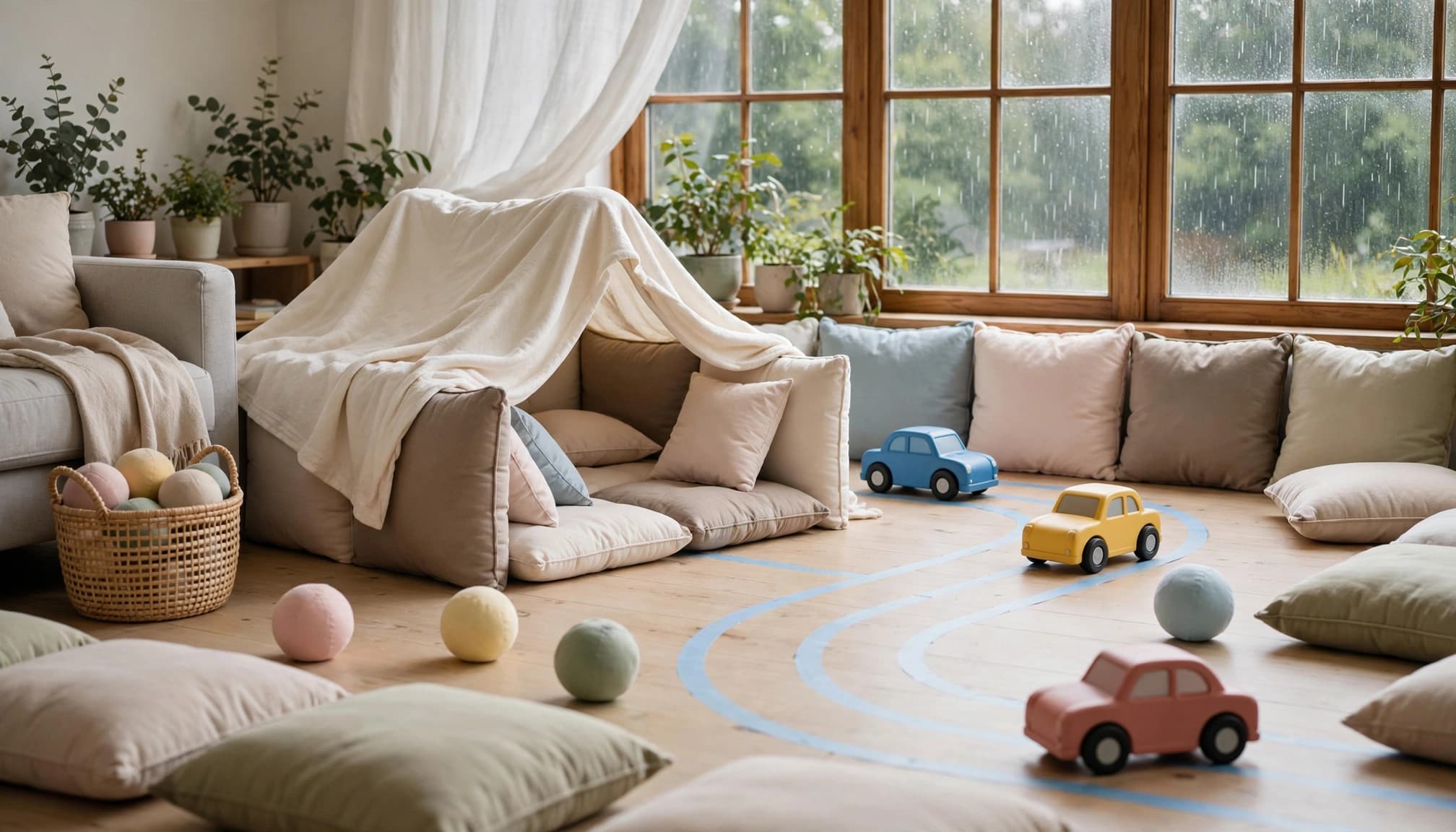
Keep movement gentle and the play area free of furniture edges, cords, and loose objects. Try these easy setups:
- Build a pillow fort with cushions placed directly on the floor.
- Make a tape road on the floor for large toy cars.
- Set up a short obstacle path around floor cushions.
- Play freeze dance, pausing the music for a silly pose.
- Toss rolled-up socks into a laundry basket.
- Host a pretend picnic with a blanket and play food.
- Challenge your toddler to build a tower with large blocks.
- Roll a soft ball back and forth across the room.
- March like animals, taking slow steps like a bear or quick steps like a duck.
- Pretend to deliver packages by carrying soft toys between two baskets.
- Make a simple tunnel with a play tunnel or a sturdy box with both ends open.
- Push a toy stroller along a clear path.
- Copy each other’s movements, such as reaching up or stomping gently.
- Set up a pretend grocery store with a few large, safe items.
- Make a cozy reading nook inside the pillow fort.
Calm activities for quieter moments
After active play, offer choices that let your toddler focus or take a break. Keep small pieces out of reach, since everyday objects can pose choking risks. The AAP’s choking-prevention guidance lists common hazards to keep away from young children.
- Rotate a small stack of board books and read a favorite together.
- Work on a simple puzzle with large pieces.
- Hunt for shapes in picture books or around the room.
- Match large, safe objects on a tray, such as a cup with a cup.
- Try toddler yoga with simple stretches and animal poses.
- Rest in a quiet-time tent made from a sheet draped over a low table.
- Make music with a wooden spoon and a sturdy pot, while an adult stays close.
- Sort large blocks by color.
- Draw with chunky, washable crayons on paper.
- Look through family photos and name familiar faces.
- Make a simple paper collage with large pieces prepared by an adult.
- Give stuffed animals a pretend checkup with a soft cloth.
- Place large toys in a basket, then take them out one at a time.
- Listen to gentle music while looking at books.
- Offer a few minutes of independent play in a child-safe space, with an adult nearby.
Keep Summer Play Safe in Sun, Heat, and Water
A little preparation helps summer activities stay fun without adding much work. Before heading outside, check the weather, choose a shaded spot, and keep water and protective gear within reach. These habits matter whether your toddler is exploring the yard or joining a longer outing.
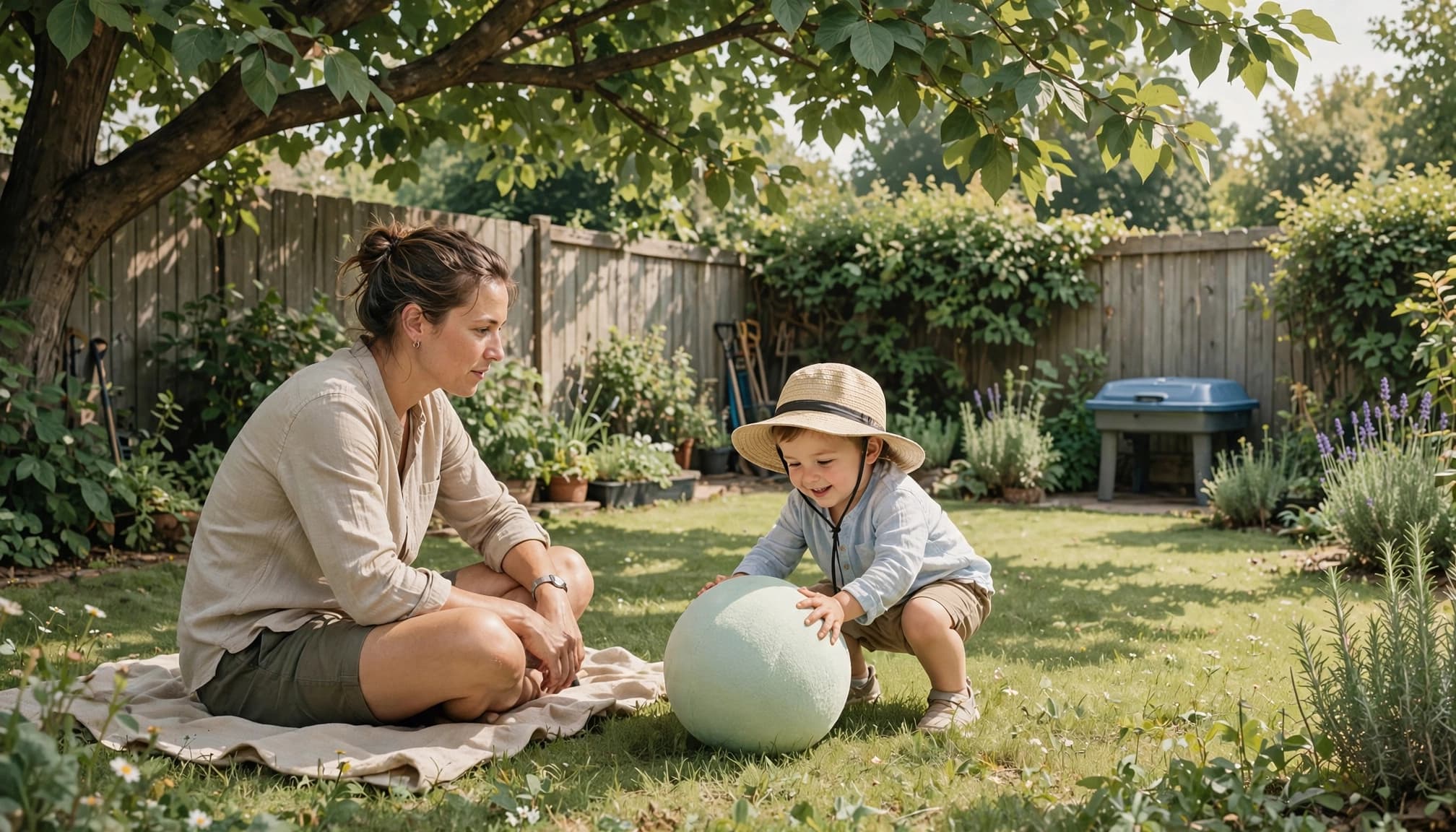
Protect young skin from the sun
Keep babies younger than 6 months out of direct sunlight. Use shade from a tree, umbrella, or stroller canopy, and cover skin with lightweight clothing and a brimmed hat. For older children, prioritize shade and protective clothing, then apply a broad-spectrum sunscreen with at least SPF 30 to exposed skin. Follow the label for reapplication, especially after swimming or sweating, and ask your pediatrician if you’re unsure which product to use. Find more sun protection guidance for babies.
When possible, plan outdoor play before 10 a.m. or after 4 p.m., since the sun is often strongest between those hours. The American Academy of Pediatrics’ sun safety advice also recommends shade and protective clothing during peak sun.
Build in water breaks and cool-downs
Toddlers may get absorbed in play and forget to drink or rest. Offer water regularly, schedule breaks in a cool or shaded place, and choose loose, lightweight clothing. On very hot days, shorten outdoor play or move activities indoors. If your child seems unusually tired, flushed, or unwell, stop the activity and help them cool down.
Stay close around water and small objects
Water play requires constant, undistracted adult supervision. Stay within arm’s reach whenever your toddler is in or near a pool, splash pad, tub, bucket, or basin. Keep your eyes on your child rather than your phone, and empty containers as soon as play ends. At splash pads, discourage drinking the water and keep children off the jets.
Also scan activity materials before play begins. Small toys, craft pieces, and hard foods can pose choking risks, especially for children who still put objects in their mouths. Choose large, age-appropriate items, keep loose pieces out of reach, and supervise closely.
Conclusion
Toddlers don’t need elaborate plans or expensive supplies to enjoy summer. With 150 summer activities to choose from, you can pick one that fits the weather, your child’s energy, and the time you have.
Keep the setup simple and follow your toddler’s lead. A little time to explore and play can make an ordinary summer day feel special.
Save pin for later


- Can I Give A Half-boiled Egg To My Baby? - September 25, 2026
- What Are The Nutritional Benefits Of Eggs For Babies - September 25, 2026
- When Should I Avoid Giving Eggs To My Baby? - September 25, 2026