


Your blood type isn’t a crystal ball, but it can hint at a few health patterns that are worth knowing. Newer research has linked some blood types with small changes in risk for things like clots, heart disease, stroke, and certain cancers.
That doesn’t mean your blood type decides your future. Big health habits still matter more, including sleep, movement, food, stress, and regular checkups.
What your blood type may do is add one more clue, especially if you’re trying to understand your body a little better. Here’s a closer look at seven newer health links researchers have found, and what they do, and don’t, mean for you.
The newest ways blood type is linked to heart and blood vessel health
Blood type is not the main driver of heart trouble, but it does show up in research again and again. The strongest links are with clotting, heart disease, and stroke, which helps explain why scientists keep watching it.
A clot is a thickened plug in the blood. It can stop bleeding after an injury, which is helpful. Problems start when a clot forms inside a vessel and blocks blood flow to the heart or brain.
That said, blood type is only one piece of the picture. Blood pressure, cholesterol, smoking, diabetes, weight, sleep, and activity level still matter far more. If you want the big picture on day-to-day habits, these unhealthy habits that impact heart health matter much more than blood type alone.
Recent research keeps showing a clear pattern, though. People with A, B, and AB blood types tend to have a higher clot risk than people with type O. Scientists think that difference may connect to how certain blood proteins behave in the bloodstream, which can make clots more likely in some people. For a closer look, the American Heart Association has also covered the link between blood type and clot risk in plain terms, with type O often coming out a little lower in risk than the others.
Blood type can shift risk slightly, but it does not decide your outcome.
The key takeaway is simple: blood type is a clue, not a verdict. If you know your type, you can use it as one more reason to take heart health seriously, especially if you already have other risk factors.
How your blood type may shape cancer risk in subtle ways
Blood type is not a cancer warning sign by itself, but research has found a few small, repeatable links. The clearest signals show up with certain cancers, especially stomach cancer and pancreatic cancer, while other cancer types have weaker or less steady results.
These findings matter because they can point scientists toward biology, not because they predict an individual person’s future. Your blood type is one thread in a much larger web that includes infection history, inflammation, age, family history, smoking, diet, and screening habits.

The blood type links researchers have seen with stomach cancer
Several studies have found a repeated connection between type A blood and a higher risk of stomach cancer. The link is not huge, and it does not mean type A blood causes cancer. It does mean researchers keep seeing the same pattern often enough to take seriously.
One reason this link may matter is H. pylori, a common stomach infection that can raise stomach cancer risk. Some research suggests blood type may affect how this bacteria interacts with the stomach lining, although the exact reason is still being studied. A review in PMC on ABO blood groups and gastric cancer and later work on ABO blood groups and H. pylori both point to that connection.
The takeaway is simple: blood type may be one small clue, but it is only one part of the picture.
Why pancreatic cancer shows up in blood type studies
Pancreatic cancer is another place where blood type keeps appearing in research. In several studies, types A, B, and AB have shown a higher risk than type O. The difference is real enough to study, but it is still too small to predict what will happen to any one person.
A Dana-Farber summary of early findings noted a higher chance of pancreatic cancer in people with type A blood, and later studies backed up the broader non-O pattern. You can see that pattern in the research on ABO blood group and pancreatic cancer.
That does not make blood type a screening tool. It simply gives scientists another clue about how cell surfaces, inflammation, and disease may connect under the hood.
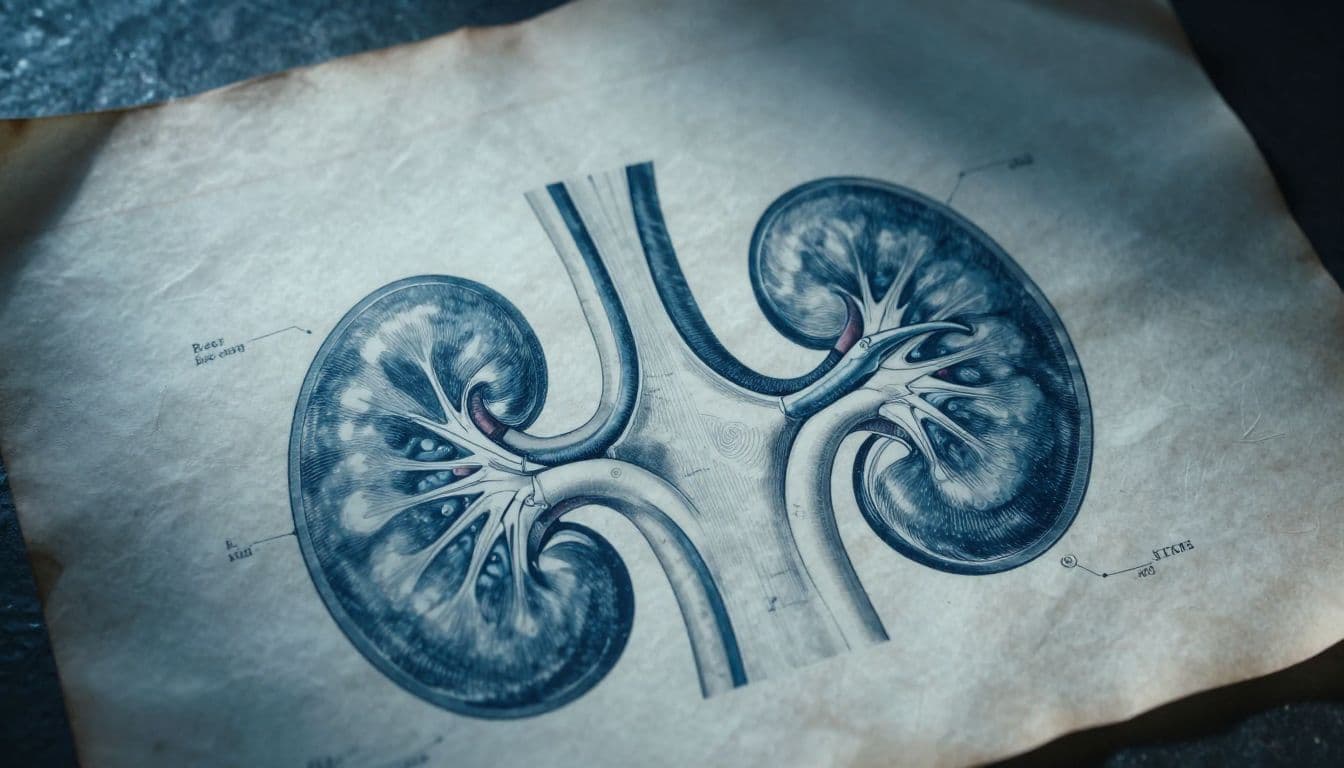
What blood type may hint at during pregnancy and kidney health
Blood type can point to a few smaller health patterns, but it does not draw the whole map. In pregnancy and kidney care, the research is more mixed than the heart links, so the safest reading is simple: blood type may add a clue, not a verdict.
Why type O women may face more pregnancy-related high blood pressure
One study found a possible link between type O blood and a higher chance of preeclampsia, which is a serious form of pregnancy-related high blood pressure. The finding is worth knowing, but it is not a rule. Other studies found no clear link, or even a protective effect, so the picture stays mixed.
That matters because pregnancy blood pressure problems have many stronger risk factors, including a past history of preeclampsia, kidney disease, diabetes, obesity, and a first pregnancy. The Mayo Clinic’s preeclampsia overview makes that broader risk picture clear.
Blood type may nudge risk a little, but it does not replace normal prenatal care.
How type B might be tied to a lower kidney stone risk
Kidney stone research found another small pattern, this time with type B blood. In one large study, type B was linked to a lower kidney stone risk than type O.
That does not mean type B blood protects you from stones. Hydration, family history, diet, and other body factors still matter much more. For more on everyday prevention, how much water a pregnant woman should drink is a useful place to start, especially if you want to lower dehydration-related strain.
The hidden links between blood type, infection, and immune response
Blood type can do more than describe what sits on your red blood cells. It can also shape how your body meets certain germs and how loudly your immune system reacts. The effect is usually small, but it shows up often enough in research to matter.
That does not mean your blood type runs the show. It is one factor in a larger system that also includes age, overall health, immune strength, and the specific infection itself. Still, it may help explain why some illness patterns seem to cluster in certain groups.

Why type A has been tied to H. pylori and digestive risk
Researchers have long looked at type A blood and its link with H. pylori, a stomach bacterium that can lead to ulcers and raise stomach cancer risk in some people. The connection does not mean type A causes infection. It means the bacteria may attach or behave differently in some stomachs, depending on the blood group markers present.
That helps explain why blood type appears in digestive disease studies at all. If you want one clear example, this is it: blood type can affect how a germ interacts with the body without making that person weak or unhealthy by default. A study on ABO blood groups and H. pylori found enough pattern to keep researchers interested, and a PMC review on gastric cancer and ABO blood groups points to the same broad link.
Blood type may help explain risk patterns, but it never means infection is certain.
What blood type may say about inflammation and infection patterns
Blood type is one clue among many in how the body responds to illness. It may slightly affect immune behavior, but it does not control it. In plain terms, it can change the way the body greets some germs, while the rest of the immune system still does most of the work.
Some research even finds small differences in infection risk between blood groups for certain illnesses, including viral infections. A recent summary from the American Society of Hematology noted a modest link between blood group A and higher COVID-19 infection risk, but not a major effect on disease severity.
That is the right way to read these studies: blood type may nudge the immune response, but it does not decide your health story. The germ matters, the body matters, and the rest of your health matters too.
How blood type can affect brain, memory, and everyday aging
Brain health research has started to look beyond the usual suspects and into blood type. The findings are still early, but they have caught attention because memory changes often show up slowly, long before bigger problems appear.
One of the most talked-about patterns involves type AB blood. In a few studies, people with AB have shown a higher chance of cognitive impairment than people with type O. That does not mean AB blood causes memory loss, and it does not mean a person with AB will develop dementia. It only means the pattern has appeared often enough to keep researchers looking.

Why type AB has appeared in studies on memory and thinking changes
In one well-known study, people with AB blood type had a higher rate of cognitive impairment than people with type O. The same study found higher levels of factor VIII, a blood-clotting protein, which may help explain part of the link. A later report on ABO blood type and cognitive impairment found the association, but it did not turn AB into a prediction tool.
That is the part to keep in mind. These are statistical links, not a diagnosis. Your blood type cannot tell you whether you will forget names, misplace keys, or develop dementia.
Why these brain findings still need more research
Most blood type studies are observational, so they can spot patterns but not prove cause and effect. They also can’t separate blood type from all the other things that shape brain aging, like age, sleep, blood pressure, diabetes, exercise, smoking, and stress.
That is why the safest reading is simple. Blood type may add a small clue, but it is not the main story. If you want to protect memory over time, the basics still do the heavy lifting, and they matter far more than a blood group label.
What you should actually do with this information
Blood type can be an interesting clue, but it should stay in the passenger seat. Your everyday habits still drive most of your health picture, and that is where your attention belongs.
Focus on the health habits that matter most
Start with the basics that move the needle every day. Smoking status, blood pressure, cholesterol, blood sugar, diet, movement, sleep, and family history tell you far more about future risk than blood type alone.
If you want a simple place to begin, use the same habits doctors keep coming back to in heart and chronic disease care. Eat mostly whole foods, move your body often, sleep enough, and keep up with checkups. The American Heart Association’s Life’s Essential 8 gives a clear snapshot of those core habits.
A practical health check can look like this:
- Smoking: If you smoke, quitting is one of the biggest wins you can get.
- Blood pressure: High numbers can strain your heart and blood vessels.
- Cholesterol: This helps show how your arteries are coping.
- Blood sugar: It matters if diabetes runs in your family or you feel tired often.
- Food and movement: Small daily choices add up faster than big weekend fixes.
- Sleep: Poor sleep can throw off weight, mood, and blood pressure.
- Family history: This often tells you where to watch more closely.
For a fuller picture of what daily habits support long-term wellness, these simple self-care habits for busy moms can help you build routines that actually stick.
When to use blood type as a clue, not a verdict
Your blood type is best used as one more conversation starter, especially if you already have family history of clotting, heart disease, or cancer. A doctor can help you decide whether your blood type fits into a bigger pattern, or whether it should just stay a footnote.

Bring your questions to regular visits instead of trying to decode everything on your own. If your blood type has made you more curious about risk, ask what screenings, labs, or lifestyle changes matter most for you right now.
Blood type may point in a direction, but your habits and medical care decide the route.
That mindset keeps the research useful without letting it take over your thinking.
Conclusion
Your blood type can add a small clue to the health picture, but it never writes the whole story. The research points to modest links with clotting, heart disease, stroke, some cancers, and a few other patterns, yet the effect is small beside the habits you live with every day.
So, know your blood type, keep it in mind, and treat it as one more piece of context, not a prediction. The stronger story still comes from the basics, blood pressure, sleep, movement, food, stress, and regular checkups. If you want a steadier routine that supports those basics, long-term wellness habits for busy moms can help you keep things realistic.
The clearest takeaway is simple, your blood type may hint at certain risks, but it does not define your future. Stay informed, stay grounded, and keep choosing the habits that protect your health day by day.
Save pin for later

- Asperger’s Syndrome in Babies: Early Signs and Next Steps - October 7, 2026
- 12 Beautiful Baby Names That Mean Forest, Plus Woodland Picks - September 27, 2026
- 15 Fantastic Baby Nicknames for Boys, From Sweet to Playful - September 27, 2026